
Yes, a dehumidifier can cause static cling by lowering indoor humidity levels too much. When the air becomes too dry, it loses its ability to conduct electricity, allowing static charges to build up on fabrics, hair, and surfaces. Understanding this connection helps you balance comfort and static control in your home.
Key Takeaways
- Dehumidifiers reduce moisture, which can lead to dry air and increased static cling. Static electricity thrives in low-humidity environments, making fabrics and hair more prone to sticking together.
- Static cling occurs when electrons build up on surfaces due to friction. Dry air doesn’t dissipate these charges, so they remain until grounded—often through a zap or cling.
- Ideal indoor humidity for comfort and static control is between 40% and 60%. Going below 40% significantly raises the risk of static buildup.
- Using a hygrometer helps monitor humidity levels accurately. This simple tool lets you adjust your dehumidifier settings to avoid over-drying the air.
- Anti-static sprays, fabric softeners, and humidifiers can counteract static cling. These solutions add moisture or reduce friction to minimize static effects.
- Natural fibers like cotton generate less static than synthetics like polyester. Choosing the right fabrics can reduce static without changing your dehumidifier use.
- Regular maintenance of your dehumidifier ensures it works efficiently without over-drying. Clean filters and proper settings prevent unnecessary humidity drops.
Quick Answers to Common Questions
Can a dehumidifier cause static cling?
Yes, a dehumidifier can cause static cling by reducing indoor humidity too much. Dry air doesn’t conduct electricity well, allowing static charges to build up on fabrics and surfaces.
What humidity level causes static cling?
Static cling becomes noticeable when indoor humidity drops below 40%. At 30% or lower, static electricity is common and often unavoidable.
How can I reduce static while using a dehumidifier?
Use a hygrometer to monitor humidity, add a humidifier if needed, choose natural fabrics, and use anti-static laundry products. Regular maintenance of your dehumidifier also helps.
Do all dehumidifiers cause static?
Not all dehumidifiers cause static, but any unit that lowers humidity below 40% can contribute to static buildup. Proper settings and monitoring prevent this issue.
Can static from dry air damage electronics?
Yes, static discharges can damage sensitive electronics. Keeping humidity between 40% and 60% helps protect devices from electrostatic discharge.
📑 Table of Contents
- Can a Dehumidifier Cause Static Cling? The Surprising Connection
- Understanding Static Cling: What Is It and Why Does It Happen?
- How Dehumidifiers Work and Their Impact on Indoor Humidity
- The Science Behind Humidity and Static Electricity
- Practical Tips to Prevent Static Cling While Using a Dehumidifier
- When to Worry: Signs Your Dehumidifier Is Overworking
- Conclusion: Balancing Comfort and Air Quality
Can a Dehumidifier Cause Static Cling? The Surprising Connection
If you’ve ever pulled a sweater from the dryer only to have it stick to your arms like a magnet, you’ve met static cling. It’s that annoying crackle when you touch a doorknob, or when your hair stands on end after removing a hat. Most people blame the dryer, synthetic fabrics, or even bad luck. But what if your dehumidifier is secretly making things worse?
Yes, a dehumidifier can cause static cling—especially if it’s working too well. While dehumidifiers are fantastic for reducing moisture, preventing mold, and improving air quality, they can also strip the air of too much humidity. And when the air gets too dry, static electricity has a field day.
Let’s break it down: static cling happens when objects gain or lose electrons through friction—like rubbing a balloon on your hair. In normal conditions, moisture in the air helps dissipate these charges. But in dry air, those charges stick around, causing fabrics to cling, hair to fly, and shocks to surprise you. So, if your dehumidifier is cranked up high and your home feels crisp and dry, it might be time to check the humidity levels.
This article will explore how dehumidifiers contribute to static cling, why humidity matters, and what you can do to enjoy the benefits of a dehumidifier without the annoying side effects. Whether you’re dealing with static in your clothes, electronics, or even your pet’s fur, understanding this connection can make your home more comfortable and shock-free.
Understanding Static Cling: What Is It and Why Does It Happen?

Visual guide about Can a Dehumidifier Cause Static Cling
Image source: bestdehumidifier.reviews
Static cling is more than just an annoyance—it’s a basic principle of physics. At its core, static electricity is the buildup of electric charges on the surface of materials. These charges occur when two different materials come into contact and then separate, causing electrons to transfer from one to the other. The material that gains electrons becomes negatively charged, while the one that loses them becomes positively charged. Opposite charges attract, which is why your socks stick to your shirt in the dryer or why your hair clings to a plastic comb.
This phenomenon is especially common with synthetic fabrics like polyester, nylon, and acrylic. These materials are excellent insulators, meaning they don’t allow electrons to flow freely. As a result, static charges build up and stay put. Natural fibers like cotton and wool are less prone to static because they can absorb a small amount of moisture from the air, which helps conduct and dissipate charges.
But the real culprit behind intense static cling is dry air. Humidity—the amount of water vapor in the air—plays a crucial role in controlling static electricity. Water molecules in moist air act as conductors, helping to neutralize static charges before they become a problem. When the air is dry, there’s nothing to carry those charges away, so they accumulate and cause cling, shocks, and sparks.
Think of it like this: in a humid environment, static charges “leak” away into the air. In a dry environment, they’re trapped on surfaces, waiting for a chance to jump to something else—like your finger when you touch a metal doorknob. This is why static cling is worse in winter, when indoor heating dries out the air, or in arid climates where humidity is naturally low.
So, while friction and fabric type contribute to static, the real game-changer is humidity. And that’s where your dehumidifier comes in.
How Dehumidifiers Work and Their Impact on Indoor Humidity
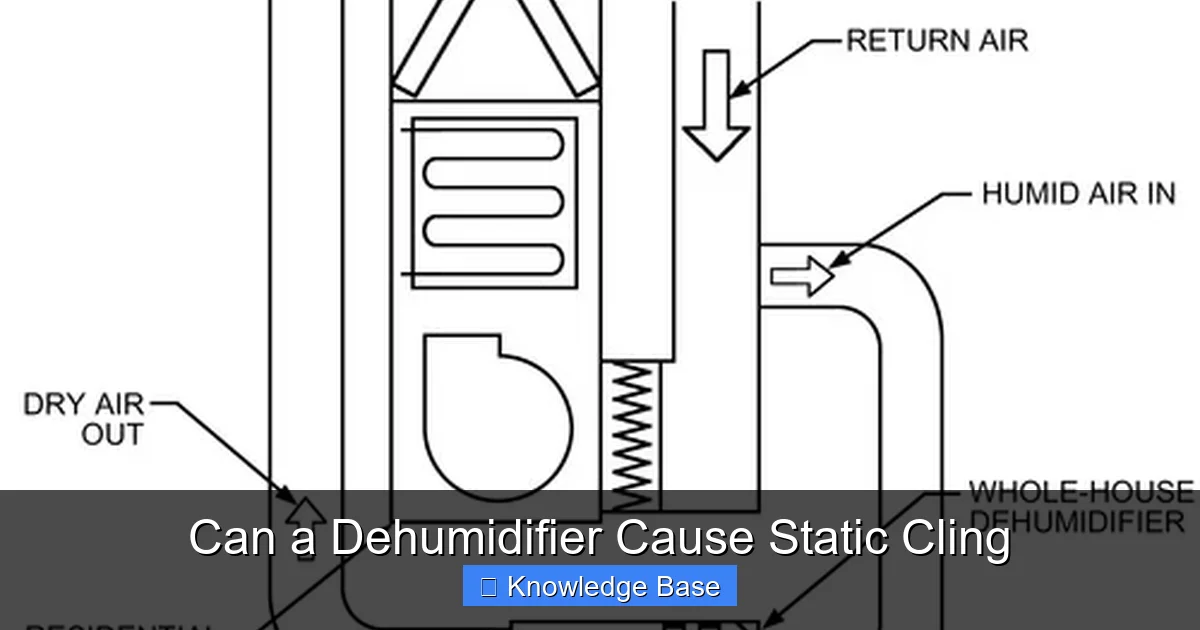
Dehumidifiers are designed to remove excess moisture from the air, making them essential in damp environments like basements, laundry rooms, or humid climates. They work by drawing in humid air, cooling it to condense the moisture, and then reheating the air before releasing it back into the room. The collected water is either drained away or stored in a tank, depending on the model.
There are two main types of dehumidifiers: refrigerant (compressor-based) and desiccant. Refrigerant models are the most common and work best in warm, humid conditions. They cool the air below its dew point, causing water to condense on cold coils. Desiccant dehumidifiers, on the other hand, use a moisture-absorbing material (like silica gel) to pull water from the air. These are better for colder environments and can operate effectively at lower temperatures.
While both types reduce humidity, they can sometimes go too far—especially if they’re oversized for the space or left running continuously. The ideal indoor humidity level for comfort and health is between 40% and 60%. Levels above 60% encourage mold, dust mites, and musty odors. But levels below 40% can lead to dry skin, irritated sinuses, and—yes—static cling.
When a dehumidifier lowers humidity below 40%, the air becomes too dry to conduct static charges effectively. This creates the perfect conditions for static buildup. For example, if you run a dehumidifier in a basement during the summer to prevent mold, you might notice more static when walking on carpet or folding laundry. That’s not a coincidence—it’s a direct result of reduced moisture in the air.
Even in well-ventilated homes, overuse of a dehumidifier can tip the balance. Some models don’t have built-in humidistats or automatic shut-off features, meaning they keep running until manually turned off. This can lead to over-drying, especially in smaller spaces or during cooler months when natural humidity is already low.
The Science Behind Humidity and Static Electricity
To truly understand why a dehumidifier can cause static cling, it helps to dive into the science of humidity and electricity. At the molecular level, water is a polar molecule—meaning it has a slight positive charge on one end and a slight negative charge on the other. This polarity allows water to conduct electricity, even in small amounts.
When humidity is high, water molecules in the air attach to surfaces and form a thin conductive layer. This layer helps static charges dissipate quickly, preventing buildup. But when humidity drops, that conductive layer disappears, and surfaces become insulated. Charges can no longer “leak” away, so they accumulate until they find a path to ground—often through a sudden spark or cling.
This is why static shocks are more common in winter. Indoor heating systems dry out the air, and people spend more time indoors with synthetic fabrics and carpeted floors—all perfect conditions for static. The same logic applies when using a dehumidifier. Even if it’s summer outside, your indoor environment can become desert-like if the dehumidifier is removing too much moisture.
Research shows that static electricity becomes significantly more noticeable when relative humidity falls below 40%. At 30% humidity, static cling is common. At 20% or lower, it’s nearly unavoidable. For perspective, many dehumidifiers can reduce indoor humidity to 30% or even 25% if not properly regulated.
Let’s look at a real-world example: imagine you have a dehumidifier in your bedroom running overnight. In the morning, you notice your cotton sheets are clinging to your pajamas, and your hair is frizzy and standing up. You might blame the laundry detergent or the fabric softener—but the real issue could be the dry air created by the dehumidifier. Even natural fibers like cotton can generate static in very dry conditions because there’s no moisture to help neutralize the charges.
This effect isn’t limited to clothing. Electronics, furniture, and even pets can be affected. Static discharges can damage sensitive electronics, and pets with fur (especially cats and dogs) often experience static buildup in dry air, leading to uncomfortable shocks when they’re petted.
Practical Tips to Prevent Static Cling While Using a Dehumidifier
The good news? You don’t have to choose between a dry, mold-free home and static-free living. With a few smart adjustments, you can enjoy the benefits of a dehumidifier without the annoying side effects. Here are some practical tips to prevent static cling while maintaining healthy indoor humidity.
Monitor Humidity Levels with a Hygrometer
The first step is knowing your indoor humidity. A hygrometer is an inexpensive device that measures relative humidity. Place one in the room where your dehumidifier runs, and check it regularly. Aim to keep humidity between 40% and 60%. If it drops below 40%, it’s time to adjust your dehumidifier settings or give it a break.
Many modern dehumidifiers come with built-in hygrometers and automatic shut-off features. If yours doesn’t, consider upgrading or using a standalone hygrometer to monitor levels. Some smart models even connect to your phone, sending alerts when humidity gets too low.
Use a Humidifier in Tandem
If your dehumidifier is overworking, consider adding a humidifier to balance the air. This is especially useful in winter or in dry climates. A small room humidifier can add just enough moisture to prevent static without encouraging mold. Look for models with adjustable settings so you can fine-tune the output.
For whole-home solutions, consider a whole-house humidifier connected to your HVAC system. These work with your furnace to maintain consistent humidity levels throughout your home, reducing the need for standalone dehumidifiers in some cases.
Choose Anti-Static Laundry Products
Your laundry routine can make a big difference. Use fabric softeners or dryer sheets that contain anti-static agents. These products coat fibers to reduce friction and help dissipate charges. Liquid fabric softeners are often more effective than dryer sheets, especially for synthetic fabrics.
You can also add a cup of white vinegar to the rinse cycle. Vinegar is a natural fabric softener and helps neutralize static without leaving a strong smell. Just avoid mixing it with bleach, as it creates toxic fumes.
Opt for Natural Fibers and Layer Smartly
When possible, choose clothing made from natural fibers like cotton, wool, or linen. These materials are less likely to generate static than synthetics. If you must wear polyester or nylon, try layering with a cotton undershirt or using a light moisturizer on your skin to reduce friction.
For bedding, cotton or bamboo sheets are better choices than polyester blends. And if you have carpet, consider using a natural fiber rug or placing a humidifier nearby during dry months.
Ground Yourself and Your Surfaces
Simple habits can reduce static shocks. Touch a metal object (like a doorknob or faucet) with your knuckle before touching something that might shock you. This safely discharges built-up electricity.
You can also use anti-static sprays on carpets, upholstery, and clothing. These sprays contain ingredients that reduce surface resistance, helping charges dissipate. For electronics, use an anti-static wrist strap when handling components.
Maintain Your Dehumidifier
A well-maintained dehumidifier works more efficiently and is less likely to over-dry the air. Clean the air filter monthly to ensure proper airflow. Empty the water tank regularly to prevent mold growth. And check the coils for frost or dirt, especially in cold environments.
If your dehumidifier doesn’t have an automatic humidistat, consider setting a timer to run it only during peak humidity hours—like after showers or on rainy days. This prevents unnecessary drying and helps maintain a balanced indoor environment.
When to Worry: Signs Your Dehumidifier Is Overworking
While dehumidifiers are helpful, they can sometimes cause more problems than they solve—especially if they’re too powerful or poorly maintained. Here are some signs that your dehumidifier might be over-drying the air and contributing to static cling.
Excessive Static in Clothing and Hair
If you notice that clothes cling together in the dryer, hair stands on end, or you get frequent shocks, it could be a sign of low humidity. Pay attention to when these issues occur—do they happen more after running the dehumidifier? If so, it’s time to check your humidity levels.
Dry Skin, Chapped Lips, and Irritated Sinuses
Dry air doesn’t just cause static—it can also affect your health. If you or your family members are experiencing dry skin, nosebleeds, or a scratchy throat, the air might be too dry. These symptoms often appear when humidity drops below 30%.
Cracking Wood or Furniture
Wood expands and contracts with humidity changes. In very dry air, wood floors, furniture, and musical instruments can crack or warp. If you notice gaps in floorboards or doors that stick less than usual, low humidity could be the cause.
Increased Dust and Allergies
Dry air can make dust particles lighter and more airborne, worsening allergies and asthma. While dehumidifiers help reduce mold and dust mites, over-drying can have the opposite effect by stirring up dust and irritants.
Higher Energy Bills
An overworking dehumidifier runs constantly, increasing energy use. If your electricity bill spikes without a clear reason, check if your dehumidifier is running nonstop. This could indicate it’s oversized for the space or malfunctioning.
If you notice any of these signs, it’s time to reassess your dehumidifier use. Adjust the settings, add a humidifier, or consult an HVAC professional to ensure your home’s humidity is balanced.
Conclusion: Balancing Comfort and Air Quality
So, can a dehumidifier cause static cling? The answer is yes—especially if it lowers indoor humidity too much. While dehumidifiers are essential for controlling moisture, preventing mold, and improving air quality, they can also create dry conditions that promote static electricity. The key is balance.
By monitoring humidity levels, using anti-static products, choosing the right fabrics, and maintaining your dehumidifier, you can enjoy a comfortable, static-free home. Remember, the goal isn’t to eliminate moisture entirely—it’s to maintain a healthy range between 40% and 60%. With a little awareness and adjustment, you can have the best of both worlds: dry, clean air and no more shocking surprises.
Static cling might seem like a small annoyance, but it’s a sign of larger environmental factors at play. By understanding the connection between humidity and static, you can make smarter choices about your home’s air quality. Whether you’re folding laundry, walking across the carpet, or petting your dog, a balanced indoor climate makes everyday life a little more comfortable.
So the next time you reach for the dehumidifier, ask yourself: is it helping—or hurting? With the right approach, you can keep your home healthy, your clothes cling-free, and your shocks to a minimum.
Frequently Asked Questions
Can a dehumidifier cause static cling?
Yes, a dehumidifier can cause static cling if it reduces indoor humidity too much. Dry air doesn’t dissipate static charges, leading to cling and shocks.
What is the ideal humidity to prevent static?
The ideal indoor humidity to prevent static cling is between 40% and 60%. Levels below 40% increase the risk of static buildup.
How do I know if my dehumidifier is too strong?
If you experience frequent static, dry skin, or cracking wood, your dehumidifier might be overworking. Use a hygrometer to check humidity levels.
Can I use a humidifier with a dehumidifier?
Yes, using a humidifier alongside a dehumidifier can help balance indoor humidity. This is especially useful in dry climates or during winter.
Do fabric softeners help with static from dry air?
Yes, fabric softeners and dryer sheets reduce static by coating fibers and reducing friction. They’re especially helpful in low-humidity environments.
Is static cling harmful to health?
Static cling itself isn’t harmful, but very dry air can cause dry skin, irritated sinuses, and increased dust, which may worsen allergies.