

Yes, a dehumidifier can clear the whole house—but only if it’s the right type and properly sized. Whole-house dehumidifiers integrated with your HVAC system or large-capacity standalone units are designed for full-home coverage, while smaller portable models are best for single rooms.
Key Takeaways
- Whole-house dehumidifiers exist: These systems are built to manage humidity across an entire home, often working alongside your HVAC.
- Portable dehumidifiers have limits: Most portable units are designed for single rooms or small spaces, not full-house coverage.
- Proper sizing is critical: The unit’s capacity (measured in pints per day) must match your home’s square footage and humidity level.
- Airflow matters: Open floor plans and good ventilation help dehumidifiers work more efficiently throughout the house.
- Maintenance ensures performance: Regular filter cleaning and coil checks keep your dehumidifier running effectively.
- Energy efficiency counts: Look for ENERGY STAR-certified models to save on electricity while maintaining comfort.
- Humidity control improves health: Reducing indoor moisture helps prevent mold, dust mites, and respiratory issues.
Quick Answers to Common Questions
Can a single portable dehumidifier dehumidify an entire house?
Generally, no. Portable dehumidifiers are designed for single rooms or small areas. They lack the capacity and airflow reach to effectively clear humidity from an entire house, especially larger or multi-level homes.
Do whole-house dehumidifiers use a lot of electricity?
They use more power than portable units, but modern ENERGY STAR-certified models are designed for efficiency. Proper sizing and smart controls help minimize energy use by running only when needed.
Can I install a whole-house dehumidifier myself?
It’s not recommended. These systems require ductwork integration, electrical connections, and drainage setup—best handled by a licensed HVAC professional to ensure safety and performance.
How often should I run my dehumidifier?
Run it continuously during humid seasons or when indoor humidity exceeds 50%. Use a humidistat to automate operation and maintain ideal levels (30–50%).
Will a dehumidifier help with mold?
Yes, by reducing moisture, it prevents mold growth. However, existing mold should be cleaned by a professional, and the source of moisture (like leaks) must be addressed.
📑 Table of Contents
- Can a Dehumidifier Clear the Whole House? The Real Answer
- How Dehumidifiers Work: The Science Behind Moisture Removal
- Types of Dehumidifiers: Which One Is Right for Your Home?
- Sizing Matters: How to Choose the Right Capacity
- Installation and Placement: Maximizing Coverage
- Maintenance Tips to Keep Your Dehumidifier Running Smoothly
- Benefits of Whole-House Dehumidification
- Conclusion: Yes, a Dehumidifier Can Clear the Whole House—If You Choose Wisely
Can a Dehumidifier Clear the Whole House? The Real Answer
If you’ve ever walked into a damp basement or noticed that sticky, heavy feeling in the air during summer, you’ve probably wondered: *Can a dehumidifier clear the whole house?* It’s a great question—and one that many homeowners ask when trying to improve indoor air quality and comfort.
The short answer is: **yes, but it depends on the type of dehumidifier and how it’s used.** Not all dehumidifiers are created equal. Some are built for small spaces like bathrooms or closets, while others are powerful enough to handle an entire home. Understanding the difference is key to making the right choice for your living space.
Imagine this: You buy a small dehumidifier for your basement because of that musty smell. It works well down there, but your upstairs bedrooms still feel clammy, and your clothes take forever to dry. That’s because the unit wasn’t designed to cover the whole house. On the other hand, if you install a whole-house dehumidifier that connects to your HVAC system, it can quietly and efficiently remove excess moisture from every room—no matter where you are.
So, the real question isn’t just *can* a dehumidifier clear the whole house, but *which kind* will do the job effectively, safely, and efficiently. In this guide, we’ll break down everything you need to know—from how dehumidifiers work to choosing the right model, placement tips, and maintenance advice—so you can finally breathe easy in a comfortable, dry home.
How Dehumidifiers Work: The Science Behind Moisture Removal
Visual guide about Can a Dehumidifier Clear the Whole House
Image source: media.angi.com
Before we dive into whether a dehumidifier can cover your entire home, let’s understand how these devices actually work. At their core, dehumidifiers are designed to reduce the amount of moisture in the air—also known as humidity. High humidity doesn’t just feel uncomfortable; it can lead to mold growth, warped wood, and even health problems.
Most residential dehumidifiers use a refrigeration-based system. Here’s a simple breakdown of the process:
Step 1: Air Intake
The dehumidifier pulls in warm, humid air from the room using an internal fan.
Step 2: Cooling Coils
The air passes over cold evaporator coils. As the air cools, its ability to hold moisture decreases, causing water vapor to condense into liquid droplets.
Step 3: Water Collection
The collected water drips into a built-in tank or is drained directly through a hose.
Step 4: Reheating
The now-dry air passes over warm condenser coils, which reheat it slightly before blowing it back into the room.
This cycle repeats continuously until the desired humidity level is reached—usually between 30% and 50%, which is considered ideal for comfort and health.
There are other types of dehumidifiers too, like desiccant models, which use moisture-absorbing materials instead of cooling coils. These are often used in colder climates or for specialized applications, but refrigeration models are the most common for home use.
Understanding this process helps explain why placement and capacity matter so much. A small unit might keep one room dry, but it can’t pull air from distant corners of a large house unless there’s good airflow. That’s where whole-house systems come in—they’re designed to work with your home’s existing air circulation.
Types of Dehumidifiers: Which One Is Right for Your Home?
Visual guide about Can a Dehumidifier Clear the Whole House
Image source: bobvila.com
Not all dehumidifiers are built to handle the same workload. To answer the question “Can a dehumidifier clear the whole house?” you first need to know the different types available and what each is best suited for.
Portable (Room) Dehumidifiers
These are the most common type you’ll find in stores. They’re compact, easy to move, and typically range from 20 to 70 pints per day in capacity. Portable dehumidifiers are ideal for:
– Basements
– Laundry rooms
– Bathrooms
– Small apartments
However, they’re generally not powerful enough to dehumidify an entire house—especially if your home is over 1,500 square feet or has multiple levels. They work best in enclosed spaces with limited airflow. For example, a 50-pint portable unit might keep your basement dry, but it won’t affect the humidity in your living room or upstairs bedrooms unless you move it around constantly (which is impractical).
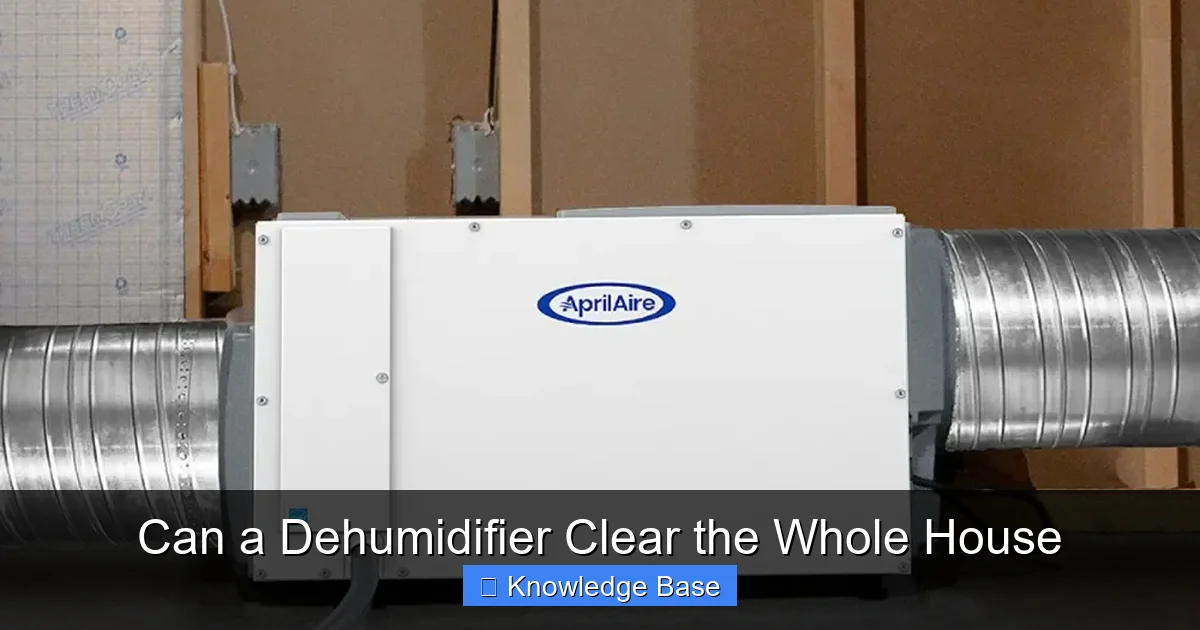
Whole-House Dehumidifiers
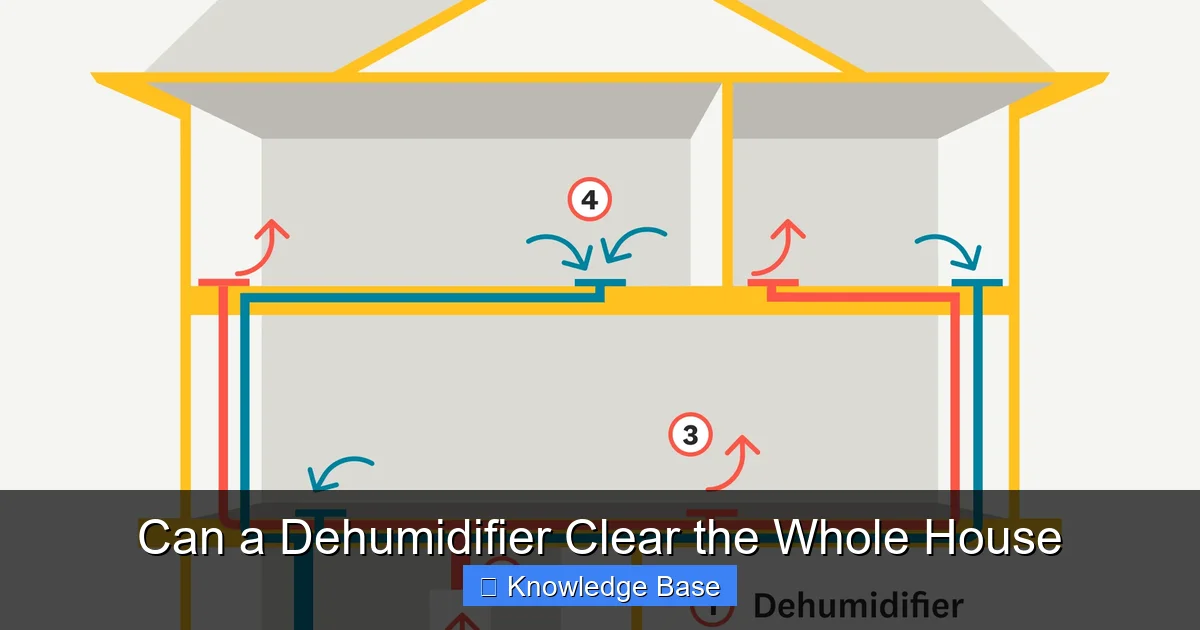
These are the real answer to full-home moisture control. Whole-house dehumidifiers are permanently installed and often integrated with your HVAC system. They’re designed to treat air as it circulates through your ductwork, ensuring consistent humidity levels throughout the entire home.
There are two main subtypes:
1. Bypass Dehumidifiers: These work alongside your furnace or air handler. They draw air from your return ducts, dehumidify it, and send it back into the system. They’re efficient and effective but require professional installation.
2. Standalone Whole-House Units: These are larger, self-contained systems that can be installed in a basement, utility room, or attic. They have their own fans and ducting to distribute dry air throughout the house.
These systems typically have capacities of 70 pints per day or more and can handle homes up to 3,000–5,000 square feet, depending on the model and climate.
Desiccant Dehumidifiers
Unlike refrigeration models, desiccant dehumidifiers use a moisture-absorbing material (like silica gel) to pull water from the air. They work well in cold environments where traditional coils might freeze, such as unheated garages or crawl spaces. However, they’re usually less energy-efficient and not commonly used for whole-house applications.
Mini and Compact Models
These are best for very small spaces—think RVs, closets, or under-sink areas. They’re not suitable for whole-house use.
So, if you’re serious about clearing humidity from your entire home, a whole-house dehumidifier is your best bet. Portable units can help, but they’re more of a band-aid solution than a comprehensive fix.
Sizing Matters: How to Choose the Right Capacity
You might be thinking, “I’ll just buy the biggest dehumidifier I can find—problem solved!” But that’s not always the best approach. Oversized units can cycle on and off too quickly, wasting energy and failing to remove moisture effectively. Undersized units will run constantly and still struggle to keep up.
To determine the right size, consider these factors:
Square Footage
The size of your home is the starting point. Most manufacturers provide guidelines based on square footage:
– Up to 1,500 sq ft: 30–50 pint unit
– 1,500–2,500 sq ft: 50–70 pint unit
– 2,500–3,500 sq ft: 70+ pint unit
But square footage alone isn’t enough.
Humidity Level
Is your basement damp and musty? Is your whole house feeling sticky in summer? The severity of the moisture problem affects the required capacity.
Manufacturers often classify humidity levels as:
– Mild: Slight dampness, occasional musty smell
– Moderate: Visible moisture, condensation on windows
– Severe: Standing water, mold growth, strong odor
For mild issues, a smaller unit may suffice. For severe problems—especially in basements or humid climates—you’ll need a high-capacity model.
Climate and Season
If you live in a humid region like Florida or the Gulf Coast, your dehumidifier will work harder year-round. In contrast, homes in drier climates may only need dehumidification during summer months.
Also, consider seasonal changes. A unit that works well in spring might struggle during peak summer humidity.
Home Layout and Airflow
Open floor plans allow air to circulate more freely, helping a dehumidifier work efficiently across multiple rooms. But if your home has many closed-off rooms or poor ventilation, even a large portable unit may not reach every area.
This is another reason whole-house systems are superior—they rely on your HVAC system’s ductwork to distribute dry air evenly.
Example: Choosing the Right Unit
Let’s say you have a 2,200-square-foot home in Atlanta with a damp basement and high summer humidity. You notice mold spots in the basement and feel sticky air upstairs.
A 50-pint portable dehumidifier might help the basement, but it won’t affect the rest of the house. A better solution? A 70-pint whole-house dehumidifier installed in the basement with ducting to distribute air, or one integrated with your HVAC system.
Always consult with an HVAC professional to assess your home’s specific needs. They can perform a humidity assessment and recommend the right capacity and installation method.
Installation and Placement: Maximizing Coverage
Even the best dehumidifier won’t work well if it’s placed incorrectly. Proper installation and placement are crucial—especially if you want it to clear the whole house.
Where to Place a Portable Dehumidifier
If you’re using a portable unit, place it in the most humid area—usually the basement, laundry room, or lowest level of the home. Keep these tips in mind:
– Central location: Position it in a central spot to allow air to flow in from multiple directions.
– Clear space: Leave at least 6–12 inches of clearance around the unit for proper airflow.
– Close doors and windows: To maximize efficiency, close off the area you’re treating. This prevents humid outdoor air from entering.
– Use fans: Ceiling or box fans can help circulate air toward the dehumidifier, improving coverage.
But remember: a portable unit can’t “clear the whole house” unless you move it room by room—which is time-consuming and inefficient.
Installing a Whole-House Dehumidifier
For full-home coverage, professional installation is usually required. Here’s what the process typically involves:
– Assessment: An HVAC technician evaluates your home’s size, layout, humidity levels, and existing ductwork.
– Unit selection: They recommend a model with the right capacity and features (e.g., automatic humidity control, drain pump).
– Installation location: The unit is usually installed in a basement, utility room, or attic—somewhere with access to ductwork and a power source.
– Duct integration: The dehumidifier is connected to your HVAC system’s return and supply ducts, allowing it to treat air as it circulates.
– Drainage setup: A condensate drain line is installed to remove collected water, often to a floor drain or sump pump.
Some systems include a built-in pump to move water uphill if needed.
Smart Features for Better Control
Modern whole-house dehumidifiers often come with smart controls:
– Humidistats: Automatically turn the unit on/off based on humidity levels.
– Remote monitoring: Check and adjust settings via smartphone apps.
– Integration with smart thermostats: Sync with systems like Nest or Ecobee for seamless climate control.
These features ensure your dehumidifier runs only when needed, saving energy and maintaining comfort.
Maintenance Tips to Keep Your Dehumidifier Running Smoothly
A dehumidifier is only as good as its maintenance. Even the most powerful unit will lose efficiency if it’s not cared for properly. Regular upkeep ensures it continues to clear humidity effectively—whether it’s a portable model or a whole-house system.
Clean the Air Filter Monthly
The air filter traps dust, pet dander, and other particles. Over time, it becomes clogged, reducing airflow and forcing the unit to work harder.
– Remove the filter (usually located behind a front panel).
– Vacuum or rinse it with warm water.
– Let it dry completely before reinserting.
Most manufacturers recommend cleaning the filter every 4–6 weeks during peak usage.
Empty the Water Tank Regularly
Portable dehumidifiers have a built-in tank that fills with collected water. If it overflows, the unit may shut off or cause water damage.
– Check the tank daily during humid weather.
– Empty it when it’s half-full to prevent spills.
– Consider using a continuous drain hose if you don’t want to empty it manually.
Whole-house units typically drain directly, so this isn’t an issue—but check the drain line for clogs.
Inspect Coils and Fins
The evaporator and condenser coils can collect dust and debris, reducing efficiency.
– Turn off and unplug the unit.
– Use a soft brush or vacuum attachment to gently clean the coils.
– Straighten any bent fins with a fin comb (available at hardware stores).
Do this every 6–12 months, or more often if you have pets or live in a dusty area.
Check for Frost or Ice Buildup
In cold environments, the coils may freeze, especially if the unit is too large or the room is too cold.
– If you see ice, turn off the dehumidifier and let it thaw.
– Ensure the room temperature is above 65°F (18°C) for optimal performance.
– Consider a desiccant model if you’re in a very cold space.
Schedule Professional Maintenance
For whole-house systems, annual professional maintenance is recommended. A technician will:
– Inspect electrical connections
– Check refrigerant levels (if applicable)
– Clean internal components
– Test humidity sensors and controls
This helps prevent breakdowns and extends the unit’s lifespan.
Replace When Necessary
Most dehumidifiers last 5–10 years with proper care. If your unit is constantly running, not removing moisture, or making unusual noises, it may be time for a replacement.
Benefits of Whole-House Dehumidification
So, why go through the trouble of installing a whole-house dehumidifier? The benefits go far beyond just feeling more comfortable.
Improved Indoor Air Quality
High humidity creates the perfect environment for mold, mildew, and dust mites—all of which can trigger allergies and asthma. By keeping humidity levels in check, you reduce these allergens and breathe cleaner air.
Protect Your Home’s Structure
Excess moisture can warp wood floors, damage drywall, and cause paint to peel. It can also lead to rust on metal fixtures and appliances. A dry home is a durable home.
Enhanced HVAC Efficiency
When the air is less humid, your air conditioner doesn’t have to work as hard to cool your home. This can lower energy bills and reduce wear on your system.
Prevent Odors and Stains
Musty smells and water stains are telltale signs of high humidity. A dehumidifier eliminates the source of these problems, keeping your home smelling fresh.
Protect Belongings
Books, electronics, musical instruments, and clothing are all sensitive to moisture. A stable, dry environment helps preserve your valuables.
Increased Comfort
There’s nothing worse than that sticky, heavy feeling on a hot day. Proper humidity control makes your home feel cooler and more comfortable—even at the same temperature.
Conclusion: Yes, a Dehumidifier Can Clear the Whole House—If You Choose Wisely
So, can a dehumidifier clear the whole house? The answer is a resounding **yes—but only if you select the right type, size it correctly, and install it properly.**
Portable dehumidifiers are great for tackling moisture in specific areas, but they’re not designed for full-home coverage. For true whole-house dehumidification, you need a system that works with your home’s air circulation—like a whole-house dehumidifier integrated with your HVAC.
These systems offer consistent, energy-efficient humidity control across every room, improving air quality, protecting your home, and enhancing comfort. While they require a higher upfront investment and professional installation, the long-term benefits far outweigh the cost.
Whether you’re dealing with a damp basement, sticky summers, or allergy concerns, the right dehumidifier can make a world of difference. Take the time to assess your needs, consult with an expert, and choose a solution that fits your home and lifestyle.
With the right setup, you can finally say goodbye to excess moisture—and hello to a healthier, more comfortable living space.
Frequently Asked Questions
What’s the ideal indoor humidity level?
The ideal indoor humidity level is between 30% and 50%. This range prevents mold growth, reduces allergens, and maintains comfort without over-drying the air.
Can a dehumidifier replace an air conditioner?
No, a dehumidifier only removes moisture, not heat. It can make the air feel more comfortable, but it doesn’t cool the air like an AC unit.
Do dehumidifiers work in winter?
Most refrigeration-based dehumidifiers work best above 65°F. In colder spaces, desiccant models are more effective, though they’re less common for whole-house use.
How long does it take for a dehumidifier to dry a room?
It depends on the room size, humidity level, and unit capacity. A moderately damp room may take 12–24 hours to reach ideal humidity, while severely wet areas could take several days.
Can I use a dehumidifier with central air?
Yes, and it’s often beneficial. Whole-house dehumidifiers are designed to work with central HVAC systems, improving comfort and efficiency.
What’s the difference between a dehumidifier and a humidifier?
A dehumidifier removes excess moisture from the air, while a humidifier adds moisture. Use a dehumidifier in humid climates or damp areas, and a humidifier in dry climates or during winter.