
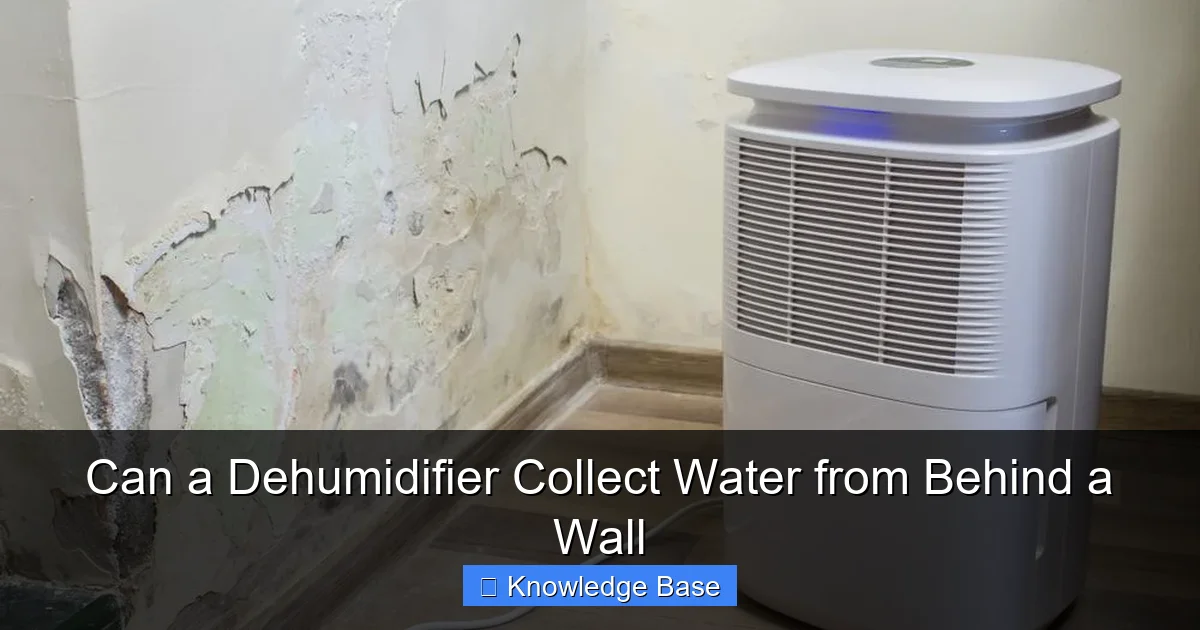
Dehumidifiers cannot directly collect water from behind walls because they only remove moisture from the air in open spaces. However, they can help reduce humidity levels that contribute to hidden condensation and mold growth within wall cavities.
Key Takeaways
- Dehumidifiers work on air, not surfaces: They pull moisture from the surrounding air, not directly from walls or hidden spaces.
- Indirect moisture control is possible: By lowering indoor humidity, dehumidifiers reduce the chance of condensation forming inside walls.
- Wall moisture often stems from leaks or poor ventilation: Addressing the root cause is more effective than relying solely on a dehumidifier.
- Professional inspection is recommended for persistent issues: If you suspect water behind walls, consult a moisture specialist or contractor.
- Prevention beats remediation: Proper insulation, vapor barriers, and ventilation are key to stopping wall moisture before it starts.
- Dehumidifiers support overall indoor air quality: They help prevent mold, mildew, and musty odors caused by excess humidity.
- Placement matters: Position your dehumidifier in the most humid area (like a basement) for maximum effectiveness.
Quick Answers to Common Questions
Can a dehumidifier pull water out of drywall?
No, a dehumidifier cannot directly pull water from drywall. It removes moisture from the air, which can help dry wet drywall over time as moisture evaporates into the drier air.
Will a dehumidifier stop mold behind walls?
A dehumidifier can help prevent mold by reducing humidity, but it won’t eliminate mold already growing behind walls. You’ll need to remove the mold and fix the moisture source.
How long does it take for a dehumidifier to dry a damp wall?
It depends on the severity, but it can take days to weeks. Factors include humidity levels, wall material, and ventilation. Use a moisture meter to track progress.
Should I run a dehumidifier in my basement all the time?
Yes, if your basement is prone to high humidity. Aim to keep humidity between 30% and 50%. Use a hygrometer to monitor levels and adjust as needed.
Can a dehumidifier cause walls to dry too much?
It’s unlikely. Most homes benefit from lower humidity. However, extremely low humidity (below 30%) can dry out wood and cause cracking. Maintain a balanced level.
📑 Table of Contents
Can a Dehumidifier Collect Water from Behind a Wall?
If you’ve ever noticed damp spots, peeling paint, or a musty smell near your walls, you might be wondering: can a dehumidifier collect water from behind a wall? It’s a smart question—especially if you’re dealing with high humidity, basement moisture, or signs of hidden water damage. The short answer is no, a dehumidifier cannot directly extract water trapped inside wall cavities. But that doesn’t mean it’s useless. In fact, a dehumidifier can play a crucial role in preventing and managing moisture issues that originate or worsen behind walls.
Understanding how dehumidifiers work—and where their limits lie—is key to using them effectively. Many people assume that because a dehumidifier pulls water from the air and collects it in a tank, it can also “suck” moisture out of walls. But walls are solid structures, and the moisture inside them isn’t freely floating in the air. Instead, it’s often trapped in insulation, drywall, or wood framing. A dehumidifier can’t reach these hidden areas directly. However, by controlling the overall humidity in your home, it can help stop moisture from migrating into walls in the first place.
This article will explore the science behind dehumidifiers, how moisture gets behind walls, and whether—and how—a dehumidifier can help. We’ll also cover practical steps you can take to protect your home from hidden water damage, including when to use a dehumidifier and when to call in a professional. Whether you’re dealing with a damp basement, a humid crawl space, or just trying to improve indoor air quality, this guide will give you the knowledge you need to make smart decisions.
How Dehumidifiers Work: The Basics
Visual guide about Can a Dehumidifier Collect Water from Behind a Wall
Image source: humidityfixers.com
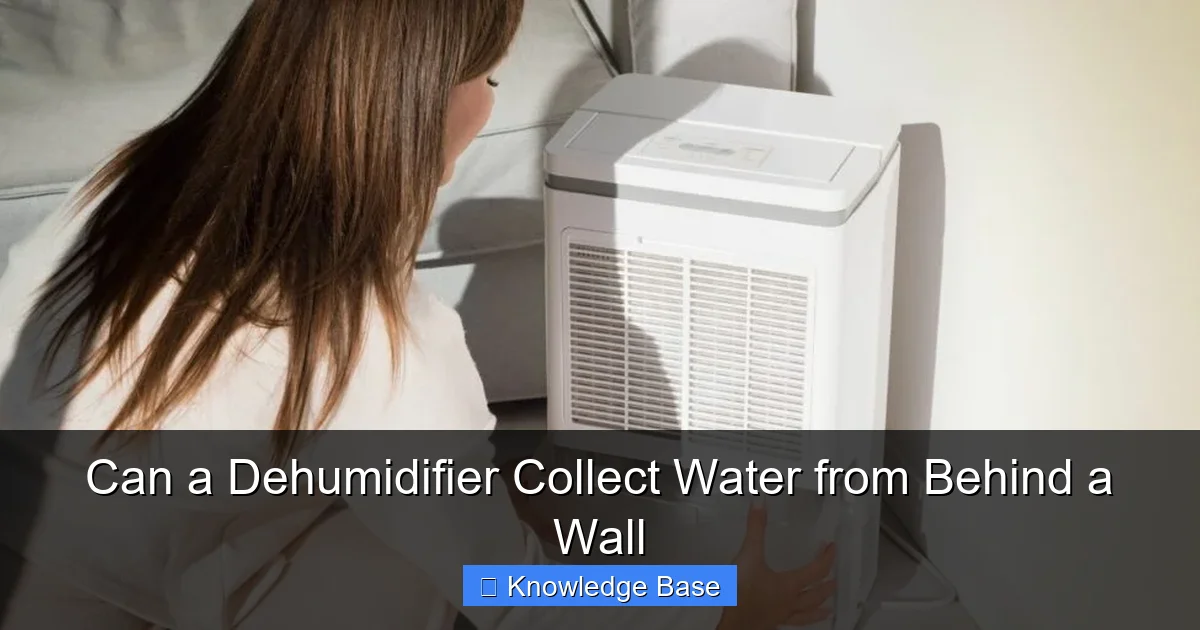
Before we dive into whether a dehumidifier can pull water from behind walls, let’s first understand what a dehumidifier actually does. At its core, a dehumidifier is an appliance designed to reduce the amount of moisture in the air. It does this by drawing in humid air, cooling it to condense the water vapor, and then releasing drier air back into the room. The collected water drips into a reservoir or can be drained continuously via a hose.
There are two main types of dehumidifiers: refrigerant (compressor-based) and desiccant. Refrigerant dehumidifiers are the most common and work similarly to air conditioners. They use a cold coil to condense moisture from the air. Desiccant dehumidifiers, on the other hand, use a moisture-absorbing material (like silica gel) to pull water from the air. These are often used in colder environments where refrigerant models are less efficient.
Regardless of the type, all dehumidifiers operate on the same basic principle: they remove moisture from the *air*, not from solid surfaces or enclosed spaces. This is a critical distinction. When you place a dehumidifier in a room, it’s working on the atmosphere around it—not on the walls, floors, or furniture. It can’t “reach” into wall cavities or pull water directly from insulation or framing.
Think of it like a fan. A fan doesn’t cool the air itself—it moves air around to make you *feel* cooler. Similarly, a dehumidifier doesn’t dry out wet materials directly. Instead, it lowers the humidity in the room, which can help wet surfaces dry faster over time. But if water is trapped behind a wall, the dehumidifier can’t access it. The moisture has to migrate out of the wall and into the air before the dehumidifier can remove it.
Why Air Matters More Than You Think
You might be wondering: if the water is behind the wall, why does the air matter? The answer lies in how moisture moves through buildings. Water doesn’t just stay put—it travels. It can seep through cracks, wick up from the ground, or condense from humid air. When warm, moist air enters a cooler wall cavity (like in a basement or during winter), it can cool down and release moisture as condensation. This is especially common in poorly insulated walls or areas with high indoor humidity.
By using a dehumidifier to keep indoor humidity levels low—ideally between 30% and 50%—you reduce the amount of moisture in the air that can enter walls. This helps prevent condensation from forming in the first place. In that sense, a dehumidifier acts as a preventive tool. It doesn’t fix existing water damage, but it can stop new problems from developing.
Real-World Example: The Damp Basement
Imagine you have a basement that feels clammy and smells musty. You notice dark spots on the walls and worry about mold. You buy a dehumidifier, set it up, and within a few days, the tank is full of water. You might think, “Great! It’s pulling water from the walls!” But in reality, the dehumidifier is removing moisture that’s already in the air—possibly from evaporation off damp concrete, from humid outdoor air seeping in, or from previous water intrusion.
Over time, as the air gets drier, the walls may begin to dry out too. But that’s because the moisture is slowly migrating from the wall into the now-drier air, where the dehumidifier can capture it. The dehumidifier isn’t “sucking” water from the wall—it’s creating conditions that encourage the wall to release moisture naturally.
How Moisture Gets Behind Walls
Visual guide about Can a Dehumidifier Collect Water from Behind a Wall
Image source: essentialhomeandgarden.com
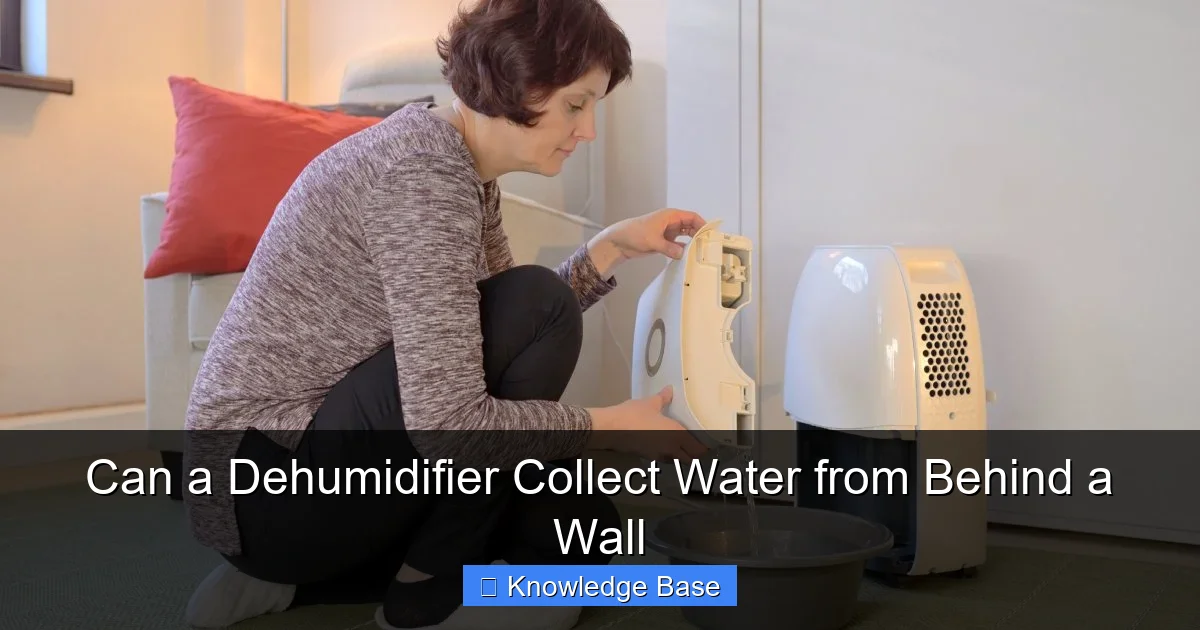
To understand whether a dehumidifier can help with water behind walls, we need to know how that water gets there in the first place. Moisture in wall cavities usually doesn’t appear out of nowhere. It’s the result of one or more underlying issues. Identifying the source is crucial because a dehumidifier alone can’t fix a leak or structural problem.
There are several common ways moisture ends up behind walls:
1. Condensation from Humid Air
One of the most frequent causes of hidden moisture is condensation. When warm, humid indoor air meets a cold surface—like an exterior wall in winter—it cools down and releases moisture. This is similar to how water droplets form on the outside of a cold drink. In walls, this can happen if there’s poor insulation, cold bridging (where heat escapes through certain points), or high indoor humidity.
For example, if you run a humidifier in a poorly ventilated room during winter, the moist air can seep into wall cavities and condense on the colder inner surfaces. Over time, this can lead to mold growth, wood rot, or damaged insulation—all hidden from view.
2. Water Intrusion from Leaks
Leaky pipes, roof leaks, or foundation cracks can allow water to enter wall cavities. This is a more direct form of moisture intrusion. A burst pipe behind a wall, for instance, can flood the insulation and framing before you even notice a problem. Similarly, a damaged roof or clogged gutter can let rainwater seep into walls, especially after heavy storms.
In these cases, the water isn’t coming from the air—it’s physically entering the wall. A dehumidifier can’t stop a leak. It might help dry the air afterward, but it won’t prevent the initial damage.
3. Ground Moisture and Capillary Action
In basements and crawl spaces, moisture can rise from the ground through a process called capillary action. This is when water wicks up through porous materials like concrete, brick, or wood—similar to how a paper towel soaks up water. If your foundation isn’t properly waterproofed, groundwater can slowly seep into walls, especially during wet seasons.
This type of moisture is often constant and difficult to control with air-based solutions alone. While a dehumidifier can reduce the humidity in the space, it won’t stop water from rising through the foundation.
4. Poor Ventilation and Trapped Air
In tightly sealed homes, especially modern energy-efficient ones, moisture from daily activities—like showering, cooking, or even breathing—can build up without adequate ventilation. Without proper airflow, this humid air can migrate into wall cavities, where it condenses and causes problems.
Bathrooms and kitchens are common trouble spots. If you don’t use exhaust fans or open windows, the moist air has nowhere to go. Over time, it can seep into adjacent walls, especially if there are gaps around outlets, baseboards, or windows.
5. Construction Defects or Missing Vapor Barriers
Sometimes, moisture issues stem from how the home was built. Missing or improperly installed vapor barriers, inadequate insulation, or gaps in the building envelope can all allow moisture to enter walls. For example, if a vapor barrier is installed on the wrong side of the wall (like the exterior in a cold climate), it can trap moisture inside.
These issues require structural fixes, not just air treatment. A dehumidifier can help manage symptoms, but it won’t solve the root problem.
Can a Dehumidifier Help with Moisture Behind Walls?
Now that we understand how dehumidifiers work and how moisture gets behind walls, let’s answer the big question: can a dehumidifier collect water from behind a wall? The direct answer is no—it cannot extract water that’s already trapped inside wall cavities. But it can help in several important ways.
Indirect Drying Through Air Control
While a dehumidifier can’t reach into walls, it can create an environment that encourages moisture to move out of them. When the air in a room is dry, moisture naturally migrates from wetter areas (like damp walls) to drier areas (the air). This process is called diffusion. Over time, a dehumidifier can help dry out walls by maintaining low humidity levels, allowing trapped moisture to slowly evaporate and be removed from the air.
This is especially effective in cases where the moisture came from condensation or high humidity—not from a direct leak. For example, if your walls are damp because of poor insulation and high indoor humidity, running a dehumidifier can help dry them out gradually.
Preventing Future Moisture Problems
One of the most valuable roles of a dehumidifier is prevention. By keeping indoor humidity under control, you reduce the risk of condensation forming in wall cavities. This is particularly important in basements, crawl spaces, and bathrooms—areas prone to high moisture levels.
For instance, if you live in a humid climate or have a basement with earthen walls, a dehumidifier can help maintain a stable environment that discourages mold growth and wood rot. It won’t fix existing damage, but it can stop new issues from developing.
Supporting Other Remediation Efforts
If you’re dealing with water damage behind walls, a dehumidifier can be a helpful tool alongside other solutions. For example, after a pipe bursts and you’ve repaired the leak, professionals often use industrial dehumidifiers and air movers to dry out the affected area. In this context, the dehumidifier doesn’t “collect water from the wall” directly—but it accelerates the drying process by removing moisture from the air as it evaporates from the wet materials.
In home settings, a residential dehumidifier can play a similar supporting role. If you’ve had a small leak or noticed dampness, running a dehumidifier can help dry out the space and prevent secondary damage like mold.
Limitations to Keep in Mind
It’s important to be realistic about what a dehumidifier can and cannot do. Here are some key limitations:
– It cannot fix structural leaks or broken pipes.
– It cannot remove water that’s trapped in sealed or insulated wall cavities unless the moisture can migrate out.
– It’s less effective in very cold environments (below 60°F), where refrigerant models struggle to condense moisture.
– It won’t stop groundwater from rising through foundations.
In short, a dehumidifier is a tool for managing air moisture, not a magic solution for hidden water problems.
When to Use a Dehumidifier for Wall Moisture
So, when *should* you use a dehumidifier if you suspect moisture behind walls? Here are some practical scenarios where it can make a real difference.
After Minor Water Intrusion
If you’ve had a small leak—like a dripping pipe or a minor roof leak—and you’ve fixed the source, a dehumidifier can help dry out the affected area. Place it near the damaged wall and run it continuously until the space feels dry and the humidity levels stabilize. This can prevent mold growth and further damage.
In High-Humidity Areas
Basements, crawl spaces, and garages are naturally more humid than other parts of the home. If you notice condensation on walls, a musty smell, or visible mold, a dehumidifier can help control the environment. Aim to keep humidity between 30% and 50%. Use a hygrometer to monitor levels.
During Renovations or After Flooding
If you’ve had flooding or are renovating a damp area, a dehumidifier is essential for drying out the space. It works best when paired with fans to circulate air and speed up evaporation. Industrial units are more powerful, but residential models can still help in smaller areas.
As Part of a Preventive Strategy
Even if you don’t have visible moisture issues, using a dehumidifier in humid climates or during wet seasons can help prevent problems before they start. It’s especially useful in homes with poor ventilation or older construction.
What to Do If You Suspect Water Behind Walls
If you’re worried about water behind your walls, a dehumidifier alone isn’t enough. Here’s what you should do:
1. Inspect for Visible Signs
Look for peeling paint, bulging walls, soft spots, or discoloration. These can indicate trapped moisture. Use a moisture meter (available at hardware stores) to check wall moisture levels.
2. Identify the Source
Ask yourself: Is there a leak? Is the humidity high? Is there poor ventilation? Try to pinpoint the cause before taking action.
3. Improve Ventilation
Use exhaust fans in bathrooms and kitchens. Open windows when weather permits. Ensure crawl spaces and attics are well-ventilated.
4. Seal Leaks and Cracks
Use caulk or weatherstripping to seal gaps around windows, doors, and pipes. This prevents humid air from entering walls.
5. Consider Insulation and Vapor Barriers
Proper insulation and correctly installed vapor barriers can prevent condensation in walls. Consult a contractor if you’re unsure.
6. Call a Professional
If you suspect significant water damage, mold, or structural issues, contact a moisture specialist or contractor. They can use thermal imaging or other tools to detect hidden moisture and recommend repairs.
Conclusion
So, can a dehumidifier collect water from behind a wall? The answer is no—it cannot directly extract moisture trapped inside wall cavities. Dehumidifiers work by removing water vapor from the air, not from solid structures. However, they are powerful tools for preventing and managing moisture issues that can lead to hidden water damage.
By maintaining low indoor humidity, a dehumidifier reduces the risk of condensation forming in walls, slows the migration of moisture into building materials, and supports the drying process after minor leaks. It’s not a cure-all, but it’s a valuable part of a comprehensive moisture control strategy.
If you’re dealing with persistent dampness, musty odors, or visible damage, don’t rely on a dehumidifier alone. Investigate the root cause, improve ventilation, and consider professional help when needed. With the right approach, you can protect your home from the hidden dangers of moisture behind walls—and breathe easier knowing your indoor air is clean and dry.
Frequently Asked Questions
Can a dehumidifier collect water from behind a wall?
No, a dehumidifier cannot directly collect water from behind a wall. It removes moisture from the air, not from solid structures. However, it can help dry walls indirectly by lowering indoor humidity.
How does moisture get behind walls?
Moisture can enter walls through condensation, leaks, groundwater seepage, poor ventilation, or construction defects. Identifying the source is key to fixing the problem.
Will a dehumidifier fix a leaking pipe behind a wall?
No, a dehumidifier cannot fix a leak. You must repair the pipe first. The dehumidifier can help dry the area afterward and prevent mold growth.
What humidity level should I maintain to prevent wall moisture?
Keep indoor humidity between 30% and 50%. Levels above 60% increase the risk of condensation and mold, especially in cooler areas like basements.
Can I use a dehumidifier in a crawl space?
Yes, and it’s often recommended. Crawl spaces are prone to high humidity. Use a crawl space dehumidifier or a standard unit with a hose for continuous drainage.
How do I know if there’s water behind my walls?
Look for signs like peeling paint, soft spots, musty smells, or discoloration. Use a moisture meter to check for hidden dampness. If in doubt, consult a professional.