
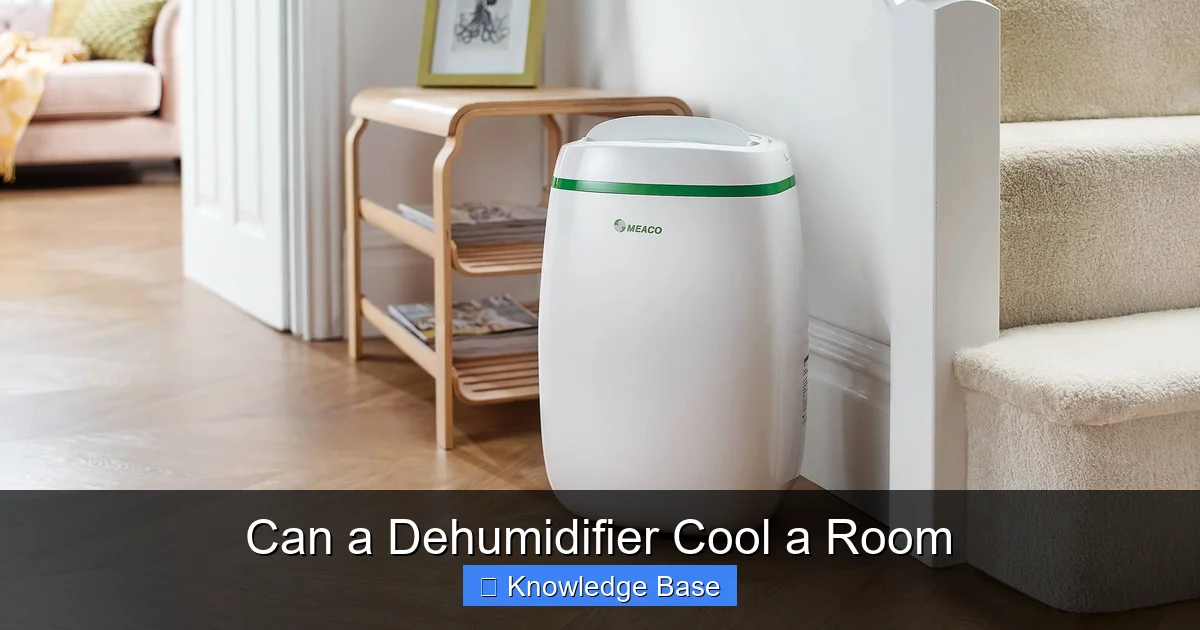
While a dehumidifier doesn’t actually lower the air temperature like an air conditioner, it can make a room feel cooler by reducing humidity. By removing excess moisture from the air, it helps your body cool itself more efficiently through sweat evaporation, improving overall comfort during humid weather.
Key Takeaways
- Dehumidifiers reduce humidity, not temperature: They remove moisture from the air but do not actively cool the room like an AC unit.
- Lower humidity feels cooler: Dry air allows sweat to evaporate more easily, making you feel more comfortable even at the same temperature.
- Improved air quality and comfort: Less moisture means fewer mold spores, dust mites, and musty odors, enhancing indoor air quality.
- Energy efficiency benefits: Running a dehumidifier can reduce the load on your air conditioner, potentially lowering energy bills.
- Best used in humid climates: Dehumidifiers are most effective in damp environments like basements, bathrooms, or coastal areas.
- Complement, not replace, air conditioning: For actual cooling, pair a dehumidifier with an AC or fan for optimal comfort.
- Proper sizing matters: Choose a unit based on room size and humidity level to ensure effectiveness and efficiency.
Quick Answers to Common Questions
Can a dehumidifier lower the temperature in a room?
No, a dehumidifier does not lower the air temperature. It removes moisture from the air, which can make the room feel cooler by improving sweat evaporation.
Will a dehumidifier help with allergies?
Yes, by reducing humidity, a dehumidifier helps prevent mold, dust mites, and mildew—common allergens that thrive in damp environments.
Can I use a dehumidifier instead of an air conditioner?
Not for actual cooling. A dehumidifier improves comfort in humid conditions but won’t replace an AC when you need to lower the temperature.
How often should I empty the dehumidifier tank?
It depends on humidity levels and tank size, but most people empty it daily. Use a continuous drain hose for convenience in high-moisture areas.
Do dehumidifiers use a lot of electricity?
They use less energy than air conditioners—typically 300–800 watts. ENERGY STAR models are more efficient and cost less to run.
📑 Table of Contents
- Can a Dehumidifier Cool a Room? The Truth About Humidity and Comfort
- How Dehumidifiers Work: The Science Behind Moisture Removal
- The Feeling of Coolness: Why Lower Humidity Feels Cooler
- Dehumidifiers vs. Air Conditioners: Key Differences
- Benefits of Using a Dehumidifier Beyond Cooling
- Choosing the Right Dehumidifier for Your Needs
- Tips for Maximizing Comfort and Efficiency
- Conclusion: A Cooler, Healthier Home with a Dehumidifier
Can a Dehumidifier Cool a Room? The Truth About Humidity and Comfort
If you’ve ever walked into a damp, sticky room and thought, “It feels so much hotter in here,” you’re not imagining things. High humidity can make a space feel significantly warmer than the actual temperature on the thermostat. This is where many people wonder: can a dehumidifier cool a room?
The short answer is no—dehumidifiers don’t lower the air temperature like an air conditioner. But they do make a room feel cooler and more comfortable by reducing moisture in the air. That’s a crucial distinction. While they won’t replace your AC on a scorching summer day, dehumidifiers play a powerful role in improving indoor comfort, especially in humid climates.
Understanding how humidity affects how we perceive temperature is key. Our bodies cool themselves primarily through sweat evaporation. When the air is full of moisture, sweat doesn’t evaporate as easily, leaving us feeling clammy and overheated. By pulling excess humidity out of the air, a dehumidifier helps restore that natural cooling process, making the room feel fresher and more pleasant—even if the thermometer hasn’t changed.
So, while a dehumidifier won’t make your room 10 degrees cooler, it can make a 78°F room feel like a 72°F one. That’s a big difference in comfort, especially during muggy summer months or in naturally damp areas like basements and laundry rooms.
How Dehumidifiers Work: The Science Behind Moisture Removal
To understand why a dehumidifier can make a room feel cooler, it helps to know how these appliances actually work. Unlike air conditioners, which cool air by removing heat, dehumidifiers focus solely on reducing moisture levels.
Most home dehumidifiers use a refrigeration-based system, similar to a mini air conditioner. Here’s a simple breakdown of the process:
The Refrigeration Cycle
Inside the dehumidifier, a fan pulls humid air from the room into the unit. This air passes over cold coils (the evaporator), where the moisture in the air condenses into water droplets—just like how water forms on the outside of a cold drink on a hot day. The collected water drips into a built-in tank or can be drained continuously through a hose.

Visual guide about Can a Dehumidifier Cool a Room
Image source: buckeyebasementsolutions.com
Once the air is stripped of moisture, it passes over warm coils (the condenser) to be reheated slightly before being blown back into the room. This ensures the air isn’t too cold when it re-enters your space, maintaining a balanced environment.
Desiccant vs. Compressor Models
There are two main types of dehumidifiers: compressor-based (refrigerant) and desiccant. Compressor models are the most common and work best in warm, humid conditions—typically above 60°F. They’re efficient and effective for most homes.
Desiccant dehumidifiers, on the other hand, use a moisture-absorbing material (like silica gel) to pull water from the air. They don’t rely on cold coils, so they work well in cooler temperatures, such as in basements or garages during winter. However, they tend to be less energy-efficient and may produce more heat as a byproduct.
Humidity Levels and Comfort
The ideal indoor relative humidity level is between 30% and 50%. Anything above 60% can promote mold growth, dust mites, and that sticky, uncomfortable feeling. A dehumidifier helps maintain this optimal range, making your home healthier and more comfortable.
For example, if your basement feels damp and smells musty, running a dehumidifier can eliminate the moisture that feeds mold and mildew. Not only does this improve air quality, but it also makes the space feel fresher and less oppressive—even if the temperature hasn’t changed.
The Feeling of Coolness: Why Lower Humidity Feels Cooler
Now that we know how dehumidifiers work, let’s dive into why they make a room feel cooler—even though they don’t actually lower the temperature.
The Role of Sweat Evaporation
Our bodies rely on sweat to regulate temperature. When we get hot, we sweat, and as that sweat evaporates from our skin, it pulls heat away, cooling us down. But this only works if the air isn’t already saturated with moisture.
Visual guide about Can a Dehumidifier Cool a Room
Image source: cleanersadvisor.com
In high humidity, the air is holding as much water vapor as it can. This slows down evaporation, so sweat stays on your skin, making you feel sticky and overheated. It’s like trying to dry off with a wet towel—it just doesn’t work.
By reducing humidity, a dehumidifier creates “room” in the air for sweat to evaporate more efficiently. This enhances your body’s natural cooling system, making you feel cooler and more comfortable—even if the room is still technically warm.
Perceived Temperature vs. Actual Temperature
Meteorologists use a concept called the “heat index” to describe how hot it feels when humidity is factored in. For example, if the air temperature is 85°F but the humidity is 70%, it can feel like 90°F or higher.
A dehumidifier helps lower that perceived temperature by reducing humidity. So, while the thermometer might still read 85°F, the room feels more like 80°F because your body can cool itself better. This is why people often say, “It feels cooler now,” after running a dehumidifier—even though no actual cooling has occurred.
Real-Life Example: The Basement Test
Imagine a humid basement on a summer afternoon. The temperature reads 75°F, but it feels muggy and uncomfortable. You run a dehumidifier for a few hours. The temperature is still 75°F, but now the air feels crisp and breathable. You can sit down without feeling sticky. That’s the power of lower humidity.
This effect is especially noticeable in enclosed spaces with poor ventilation, like bathrooms, laundry rooms, or crawl spaces. These areas trap moisture, creating a clammy environment. A dehumidifier breaks that cycle, restoring comfort without needing to crank up the AC.
Dehumidifiers vs. Air Conditioners: Key Differences
It’s easy to confuse dehumidifiers with air conditioners since both deal with indoor air quality and comfort. But they serve different purposes and work in different ways.
Primary Function
An air conditioner’s main job is to cool the air by removing heat. It uses a refrigerant cycle to absorb heat from indoor air and release it outside, lowering the temperature. It also removes some moisture as a byproduct, but that’s not its primary goal.
A dehumidifier, on the other hand, focuses exclusively on removing moisture. It doesn’t remove heat from the room—in fact, it may slightly increase the temperature because the reheating process releases a small amount of warmth back into the air.
Energy Use and Efficiency
Air conditioners typically use more energy than dehumidifiers because they’re doing two jobs: cooling and dehumidifying. A central AC unit can consume 3,000 to 5,000 watts, while a standard dehumidifier uses between 300 and 800 watts, depending on size and settings.
However, running a dehumidifier can actually help your air conditioner work more efficiently. When the air is less humid, your AC doesn’t have to work as hard to cool the space. This can lead to lower energy bills and less strain on your system.
When to Use Each
Use an air conditioner when you need to lower the actual temperature—like on a 95°F summer day. It’s the best tool for beating the heat.
Use a dehumidifier when the temperature is moderate but the air feels sticky or damp. It’s ideal for humid days, rainy seasons, or in naturally moist areas like basements and bathrooms.
For maximum comfort, many homeowners use both. Run the dehumidifier to reduce humidity, then set the AC to a higher temperature (like 78°F instead of 72°F). You’ll feel just as cool but use less energy.
Practical Tip: Smart Thermostats and Hygrometers
To get the most out of both devices, consider using a smart thermostat with a built-in hygrometer (humidity sensor). These devices can monitor both temperature and humidity, automatically adjusting your AC or dehumidifier to maintain optimal comfort.
For example, if the humidity spikes after a shower, the system can activate the dehumidifier to prevent that post-shower fog and stickiness—without you lifting a finger.
Benefits of Using a Dehumidifier Beyond Cooling
While the cooling effect is a major perk, dehumidifiers offer several other benefits that improve your home’s health, safety, and efficiency.
Improved Air Quality
High humidity creates the perfect breeding ground for mold, mildew, and dust mites. These allergens can trigger asthma, allergies, and respiratory issues. By keeping humidity in check, a dehumidifier helps reduce these irritants, leading to cleaner, healthier air.
For families with allergies or asthma, this can make a noticeable difference in symptoms. You might find you’re sneezing less, sleeping better, and breathing easier.
Protection for Your Home
Excess moisture can damage your home’s structure over time. It can warp wood floors, peel paint, and cause rust on metal fixtures. In basements, it can lead to foundation cracks and water intrusion.
A dehumidifier helps prevent these issues by maintaining a dry environment. This is especially important in older homes or regions with high rainfall.
Preservation of Belongings
Humidity can ruin furniture, books, electronics, and clothing. Leather sofas can grow mold, books can warp, and electronics can short-circuit from moisture buildup.
By keeping the air dry, a dehumidifier helps protect your belongings, extending their lifespan and saving you money on replacements.
Reduced Odors
Musty smells are a telltale sign of high humidity. These odors come from mold and mildew growing in hidden corners. A dehumidifier eliminates the moisture that causes these smells, leaving your home fresher and more inviting.
You might notice that your basement or closet no longer has that “damp basement” smell—even without air fresheners.
Energy Savings
As mentioned earlier, a dehumidifier can reduce the workload on your air conditioner. When the air is less humid, your AC doesn’t have to run as long or as hard to maintain comfort.
Studies have shown that maintaining indoor humidity between 40% and 50% can allow you to set your thermostat 4–6 degrees higher while feeling just as cool. That translates to real energy savings over time.
Choosing the Right Dehumidifier for Your Needs
Not all dehumidifiers are created equal. To get the best results, it’s important to choose the right model for your space and needs.
Room Size and Capacity
Dehumidifiers are rated by how many pints of moisture they can remove in 24 hours. A small 30-pint unit is suitable for a bathroom or small bedroom, while a 70-pint model is better for a large basement or whole-house use.
Measure your space and check the manufacturer’s recommendations. A unit that’s too small won’t be effective, while one that’s too large may cycle on and off too frequently, reducing efficiency.
Humidity Level
Consider how damp your space is. If it’s just slightly humid, a basic model may suffice. But if you’re dealing with standing water, flooding, or persistent mold, you’ll need a heavy-duty unit with a pump for continuous drainage.
Drainage Options
Most dehumidifiers collect water in a tank that needs to be emptied regularly. For convenience, look for models with a continuous drain hose option, especially for basements or unattended areas.
Some high-end models even have built-in pumps that can push water uphill to a sink or floor drain—perfect for hard-to-reach spaces.
Energy Efficiency
Look for ENERGY STAR-certified models, which use 15–20% less energy than standard units. These may cost more upfront but save money on electricity over time.
Also, check the unit’s wattage and estimated annual operating cost. A 500-watt model running 8 hours a day might cost around $50–$70 per year, depending on your electricity rate.
Noise Level
If you’re using the dehumidifier in a bedroom or living area, noise matters. Look for models with a decibel (dB) rating below 50 dB for quiet operation. Many modern units are designed to run quietly, similar to a refrigerator.
Smart Features
Some dehumidifiers come with digital hygrometers, auto-humidistats, and Wi-Fi connectivity. These features allow you to set your ideal humidity level and monitor performance from your phone.
For example, you can set the unit to maintain 45% humidity and receive alerts when the tank is full or if humidity spikes unexpectedly.
Tips for Maximizing Comfort and Efficiency
Once you’ve chosen the right dehumidifier, use these tips to get the most out of it.
Place It Strategically
Position the dehumidifier in the center of the room or near the source of moisture. Avoid placing it against walls or furniture, which can block airflow.
In basements, place it near the sump pump or where water tends to collect. In laundry rooms, keep it close to the dryer vent.
Seal the Space
Close doors and windows while the dehumidifier is running. This prevents humid outdoor air from entering and reduces the unit’s workload.
If you’re treating a basement, consider sealing cracks in the foundation or installing a vapor barrier to keep moisture out at the source.
Maintain Regularly
Clean the air filter every few weeks to ensure proper airflow. A clogged filter makes the unit work harder and reduces efficiency.
Empty the water tank regularly, or set up a continuous drain hose to avoid overflow. Check the coils for dust buildup, especially in dusty environments.
Use in Combination with Fans
Pair your dehumidifier with a ceiling or floor fan to circulate dry air throughout the room. This helps distribute the comfort more evenly and enhances the cooling effect.
Fans don’t lower temperature, but they increase airflow, which helps sweat evaporate faster—amplifying the dehumidifier’s benefits.
Monitor Humidity Levels
Use a standalone hygrometer to track humidity in different areas of your home. This helps you adjust the dehumidifier’s settings and identify problem spots.
For example, you might find that your bathroom stays humid long after showers, indicating a need for better ventilation or a dedicated dehumidifier.
Conclusion: A Cooler, Healthier Home with a Dehumidifier
So, can a dehumidifier cool a room? Not in the literal sense—but it can make a room feel significantly cooler by reducing humidity and improving your body’s ability to cool itself. This makes it a valuable tool for comfort, especially in humid climates or damp areas of the home.
Beyond the cooling effect, dehumidifiers offer wide-ranging benefits: better air quality, protection for your home and belongings, reduced allergens, and even energy savings when used alongside an air conditioner. They’re not a replacement for AC, but a smart complement that enhances overall indoor comfort.
When choosing a dehumidifier, consider your space, humidity level, and desired features. With proper use and maintenance, it can transform a sticky, uncomfortable room into a fresh, breathable oasis—no matter what the thermometer says.
In the end, comfort isn’t just about temperature. It’s about how the air feels on your skin, how easy it is to breathe, and how your home smells and looks. A dehumidifier helps create that balance, making your living space not just cooler—but better.
Frequently Asked Questions
Does a dehumidifier make the air colder?
No, a dehumidifier does not make the air colder. It removes moisture, which can make the room feel more comfortable, but the actual temperature remains the same or may slightly increase due to the heat generated by the unit.
Can a dehumidifier help reduce mold in my basement?
Yes, by maintaining humidity below 60%, a dehumidifier creates an environment where mold and mildew cannot thrive, helping to prevent growth and musty odors.
Is it safe to run a dehumidifier all the time?
Yes, most modern dehumidifiers are designed for continuous operation. Use a humidistat to automatically maintain your desired humidity level and avoid over-drying the air.
What’s the ideal humidity level for a home?
The ideal indoor relative humidity is between 30% and 50%. Levels above 60% promote mold and dust mites, while levels below 30% can cause dry skin and respiratory irritation.
Can a dehumidifier help with sweaty windows?
Yes, condensation on windows is a sign of high humidity. A dehumidifier reduces moisture in the air, preventing foggy windows and water damage.
Do dehumidifiers work in cold temperatures?
Compressor-based models work best above 60°F. For colder areas like garages or unheated basements, consider a desiccant dehumidifier, which functions well in low temperatures.