
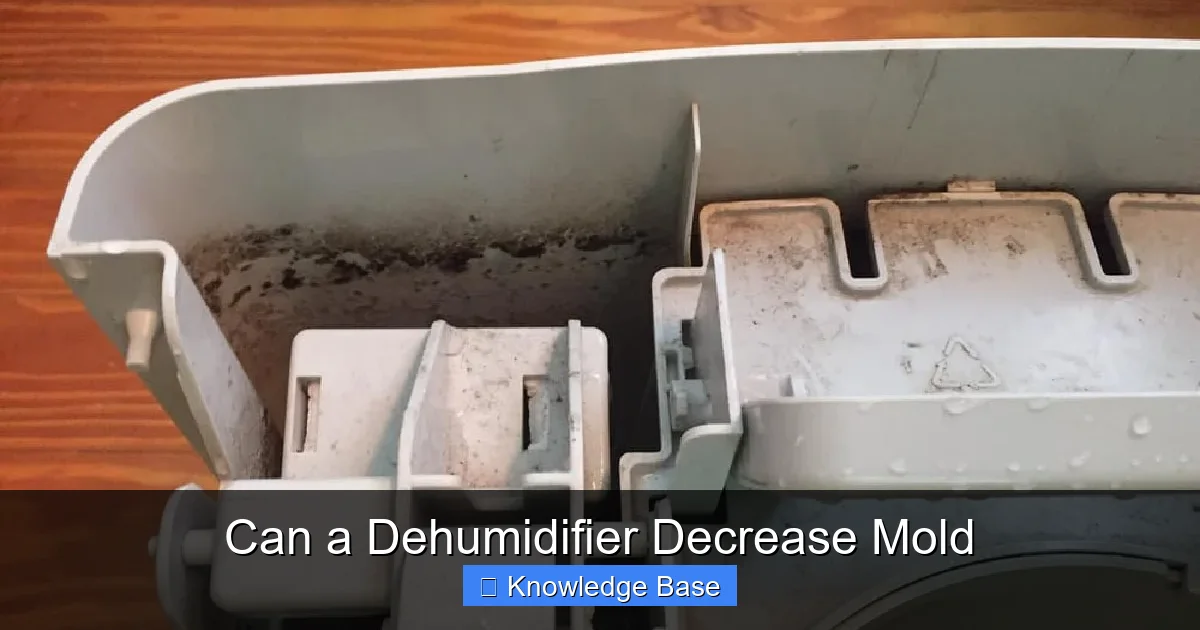
Yes, a dehumidifier can significantly decrease mold growth by lowering indoor humidity levels—mold thrives in damp environments. By maintaining humidity between 30% and 50%, dehumidifiers create conditions that inhibit mold spores from developing and spreading.
Key Takeaways
- Dehumidifiers reduce moisture: They extract excess water vapor from the air, making it harder for mold to grow.
- Ideal humidity range is 30–50%: Keeping indoor humidity within this range prevents mold and improves air quality.
- Best for damp areas: Basements, bathrooms, and laundry rooms benefit most from dehumidifier use.
- Not a standalone solution: Combine with ventilation, cleaning, and fixing leaks for full mold prevention.
- Regular maintenance matters: Clean filters and empty water tanks to ensure efficiency and hygiene.
- Energy-efficient models save money: Look for ENERGY STAR-rated units to reduce electricity costs.
- Early mold detection helps: Use a hygrometer to monitor humidity and catch problems before they worsen.
Quick Answers to Common Questions
Can a dehumidifier completely eliminate mold?
No, a dehumidifier can’t eliminate existing mold, but it can prevent new growth by reducing moisture. You must clean visible mold first.
What humidity level stops mold growth?
Keeping indoor humidity between 30% and 50% is ideal. Mold struggles to grow below 60% humidity.
How often should I run my dehumidifier?
Run it continuously in damp areas or set it to maintain 45% humidity. Use a hygrometer to monitor levels.
Can I use a dehumidifier in winter?
Yes, but refrigerant models work best above 65°F. Use a desiccant dehumidifier in colder spaces like garages.
Do dehumidifiers use a lot of electricity?
Modern ENERGY STAR models are efficient. Look for units with low wattage and auto-humidistats to save energy.
📑 Table of Contents
- Can a Dehumidifier Decrease Mold? The Surprising Truth
- How Mold Grows and Why Humidity Matters
- How Dehumidifiers Work to Reduce Mold
- Ideal Humidity Levels for Mold Prevention
- Where to Use a Dehumidifier for Maximum Mold Reduction
- Tips for Using a Dehumidifier Effectively
- Signs You Need a Dehumidifier
- Common Misconceptions About Dehumidifiers and Mold
- Conclusion: Yes, a Dehumidifier Can Decrease Mold
Can a Dehumidifier Decrease Mold? The Surprising Truth
If you’ve ever spotted fuzzy black spots in your bathroom, noticed a musty smell in the basement, or seen peeling paint in damp corners, you’ve likely encountered mold. It’s not just unsightly—it can trigger allergies, worsen asthma, and damage your home’s structure. Many homeowners wonder: can a dehumidifier decrease mold? The short answer is yes. But understanding how and why takes a bit more explanation.
Mold is a type of fungus that reproduces through tiny spores floating in the air. These spores are everywhere—indoors and out—but they only grow when they land on a moist surface. High humidity provides the perfect breeding ground. That’s where dehumidifiers come in. By pulling moisture from the air, they make your home less hospitable to mold. Think of it like turning off the water supply to a garden—no water, no growth.
But it’s not just about buying a dehumidifier and hoping for the best. To truly decrease mold, you need the right unit, proper placement, and consistent use. In this guide, we’ll walk you through everything you need to know—from how dehumidifiers work to practical tips for keeping your home mold-free.
How Mold Grows and Why Humidity Matters
Visual guide about Can a Dehumidifier Decrease Mold
Image source: watermoldfire.net
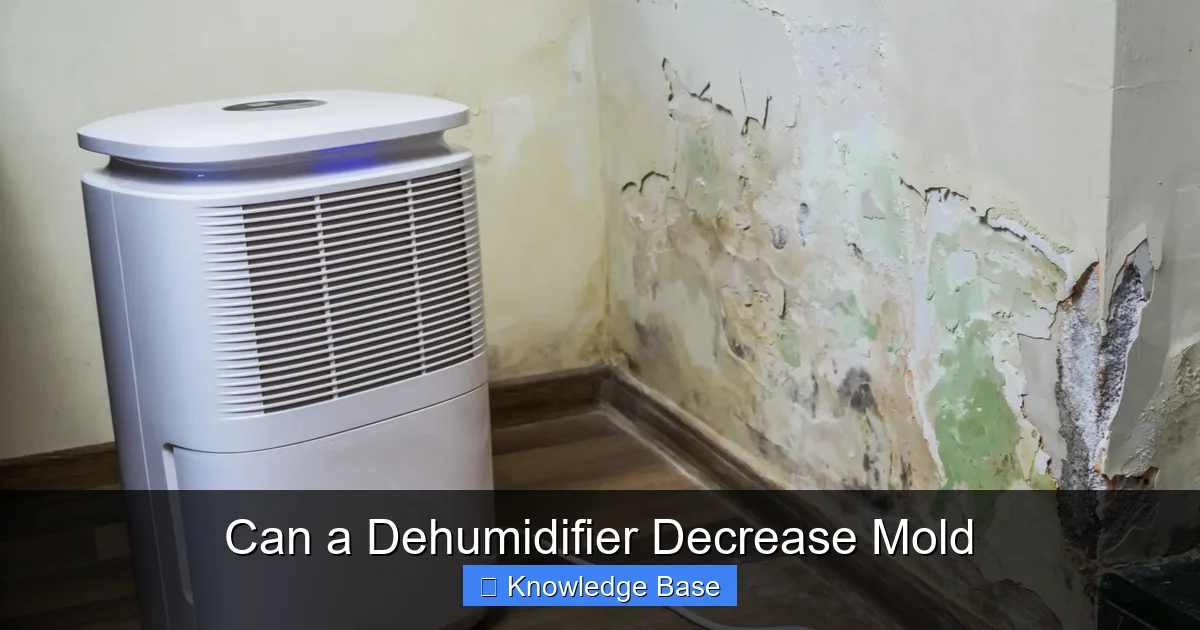
Before we dive into dehumidifiers, let’s understand the enemy: mold. Mold loves moisture. Whether it’s from a leaky pipe, poor ventilation, or high outdoor humidity seeping indoors, any source of dampness can kickstart mold growth. Once it starts, it spreads quickly—sometimes within 24 to 48 hours of a water incident.
Mold doesn’t need standing water to grow. In fact, it can thrive on surfaces that feel dry to the touch, as long as the air around them is humid. That’s because mold absorbs moisture directly from the air. When indoor humidity levels rise above 60%, the risk of mold increases dramatically. At 70% or higher, it’s almost guaranteed in poorly ventilated areas.
Common places for mold include:
– Bathrooms (especially showers and tubs)
– Basements and crawl spaces
– Kitchens (under sinks, near dishwashers)
– Laundry rooms
– Attics with poor insulation
Even if you don’t see mold, you might smell it. That “earthy” or “musty” odor is a telltale sign that mold is growing behind walls, under carpets, or in hidden corners. And because mold spores are microscopic, they can float through your home, affecting air quality and health.
This is why controlling humidity is so important. It’s not just about comfort—it’s about prevention. By keeping indoor humidity in check, you remove the fuel mold needs to survive.
How Dehumidifiers Work to Reduce Mold
Visual guide about Can a Dehumidifier Decrease Mold
Image source: cdn.mos.cms.futurecdn.net
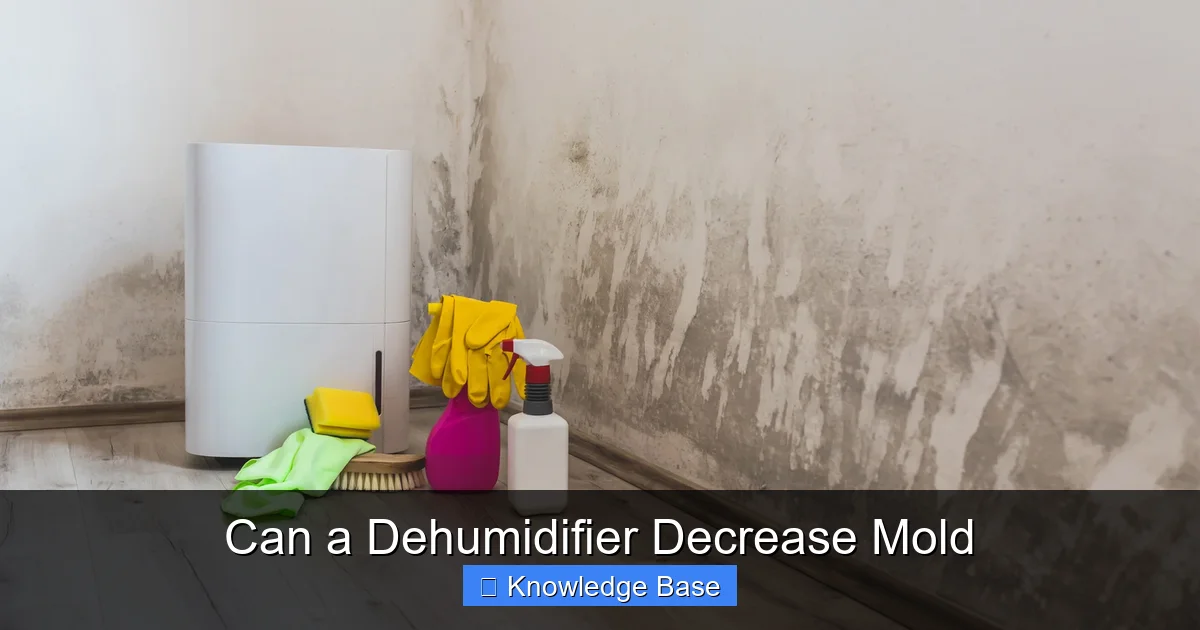
So, how exactly does a dehumidifier decrease mold? It all comes down to moisture control. Dehumidifiers are appliances designed to remove excess water vapor from the air. They work similarly to air conditioners but focus solely on humidity, not temperature.
There are two main types of dehumidifiers: refrigerant (compressor-based) and desiccant.
Refrigerant Dehumidifiers
These are the most common type found in homes. They use a cold coil to condense moisture from the air. Here’s how it works:
1. A fan pulls humid air into the unit.
2. The air passes over cold coils, causing water vapor to condense into droplets.
3. The collected water drips into a tank or drains out through a hose.
4. The drier air is reheated slightly and released back into the room.
These units work best in warm, humid environments—typically between 65°F and 80°F. They’re highly effective in basements, laundry rooms, and other damp areas.
Desiccant Dehumidifiers
These use a moisture-absorbing material (like silica gel) to pull water from the air. The desiccant rotates through the airflow, absorbing humidity, then passes through a heating element to release the moisture, which is collected or vented.
Desiccant dehumidifiers perform better in cooler temperatures and are often used in crawl spaces or garages. They’re quieter and more energy-efficient in low-heat conditions but may cost more upfront.
Regardless of the type, the goal is the same: reduce indoor humidity to a level where mold can’t grow. Most experts recommend keeping humidity between 30% and 50%. At this range, mold spores struggle to germinate, and existing mold growth slows or stops.
Ideal Humidity Levels for Mold Prevention
Now that you know how dehumidifiers work, the next question is: what humidity level should you aim for? The answer isn’t one-size-fits-all, but there’s a sweet spot for mold prevention.
The Environmental Protection Agency (EPA) and the Centers for Disease Control and Prevention (CDC) both recommend maintaining indoor humidity between 30% and 50%. This range strikes a balance—low enough to discourage mold, high enough to keep your home comfortable and prevent dry skin or static electricity.
Here’s a quick breakdown:
– Below 30%: Air becomes too dry. Can cause respiratory irritation, dry eyes, and damage to wood furniture or musical instruments.
– 30–50%: Ideal range. Mold growth is minimized, and indoor air feels comfortable.
– 50–60%: Acceptable for short periods, but prolonged exposure increases mold risk.
– Above 60%: High risk. Mold can grow rapidly, especially in hidden areas.
To monitor humidity, use a hygrometer—a small, inexpensive device that measures moisture in the air. Place one in problem areas like the basement or bathroom. Check it regularly, especially during humid seasons or after heavy rain.
If your hygrometer shows levels above 50%, it’s time to run your dehumidifier. Many modern units come with built-in hygrometers and auto-shutoff features, so they turn on and off automatically to maintain your desired setting.
Where to Use a Dehumidifier for Maximum Mold Reduction
Not all rooms need a dehumidifier, but certain areas are mold hotspots. Placing your unit in the right spot can make a big difference in effectiveness.
Basements
Basements are the most common location for mold due to poor ventilation, cooler temperatures, and potential water intrusion. Even if you don’t see water, groundwater can seep through concrete walls, raising humidity. A dehumidifier in the basement can drastically reduce moisture and prevent mold on walls, stored items, and HVAC systems.
Tip: Place the unit in the center of the room or near the sump pump. Use a drain hose if possible to avoid frequent emptying.
Bathrooms
Showers and baths release a lot of steam. Without proper ventilation, that moisture lingers, creating ideal conditions for mold on grout, ceilings, and mirrors. While a bathroom exhaust fan helps, it’s not always enough—especially in older homes.
Solution: Run a small dehumidifier in the bathroom after showers, or install a whole-house system that includes bathroom ventilation.
Laundry Rooms
Washing machines and dryers (especially ventless models) add moisture to the air. If your laundry room is small or poorly ventilated, mold can grow on walls, behind appliances, or in detergent containers.
Tip: Keep the door closed while running the dryer, and use a dehumidifier during and after laundry cycles.
Crawl Spaces and Attics
These areas are often overlooked but can harbor hidden mold. Crawl spaces are especially vulnerable because they’re dark, damp, and poorly ventilated. A desiccant dehumidifier or a specially designed crawl space unit can help.
Attics can also trap moisture from roof leaks or condensation. If you notice water stains or a musty smell, consider a dehumidifier or improved insulation.
Entire Home Systems
For larger homes or chronic humidity problems, a whole-house dehumidifier integrated with your HVAC system may be the best solution. These units treat the entire home, maintaining consistent humidity levels and improving overall air quality.
They’re more expensive upfront but offer long-term savings and convenience. Plus, they work quietly in the background—no need to move a portable unit from room to room.
Tips for Using a Dehumidifier Effectively
Buying a dehumidifier is just the first step. To truly decrease mold, you need to use it correctly. Here are some practical tips:
Choose the Right Size
Dehumidifiers are rated by how many pints of moisture they can remove in 24 hours. A 30-pint unit is good for a small basement, while a 70-pint model suits larger or very damp spaces.
Check the manufacturer’s recommendations based on square footage and humidity level (mild, moderate, or severe).
Set the Right Humidity Level
Most experts recommend setting your dehumidifier to 45%. This keeps humidity in the safe zone without over-drying the air. Avoid going below 30%, as it can cause discomfort and damage.
Empty the Tank Regularly
Most portable dehumidifiers have a water tank that needs emptying every few days. If it overflows, the unit shuts off, and humidity rises.
Tip: Use a unit with a continuous drain option. Attach a hose and let water flow directly into a floor drain or sump pump.
Clean the Filter Monthly
A dirty filter reduces airflow and efficiency. Most units have a washable filter—rinse it with water and let it dry before replacing.
Keep Doors and Windows Closed
For best results, run the dehumidifier in a closed room. Open windows let in humid outdoor air, making the unit work harder.
Combine with Other Mold Prevention Methods
A dehumidifier alone won’t solve all mold problems. Pair it with:
– Fixing leaks promptly
– Using exhaust fans in kitchens and bathrooms
– Cleaning moldy surfaces with vinegar or hydrogen peroxide
– Improving insulation and ventilation
– Using mold-resistant paint in damp areas
Signs You Need a Dehumidifier
How do you know if your home needs a dehumidifier? Look for these warning signs:
– Visible mold growth (black, green, or white spots)
– Musty or earthy odors
– Condensation on windows, pipes, or walls
– Peeling paint or wallpaper
– Warped wood or swollen doors
– Increased allergy symptoms (sneezing, coughing, itchy eyes)
If you notice any of these, it’s time to check your humidity levels. A hygrometer is a small investment that can save you from costly mold remediation later.
Common Misconceptions About Dehumidifiers and Mold
There are a few myths about dehumidifiers and mold that can lead to confusion.
Myth 1: Dehumidifiers Kill Mold
Fact: Dehumidifiers don’t kill existing mold—they prevent new growth by reducing moisture. If you already have mold, you need to clean it properly before using a dehumidifier. Otherwise, the spores can spread.
Myth 2: Any Dehumidifier Will Do
Fact: Size and type matter. A small unit in a large, damp basement won’t be effective. Choose a model suited to your space and humidity level.
Myth 3: Dehumidifiers Are Only for Basements
Fact: While basements benefit most, any room with high humidity can use a dehumidifier—especially bathrooms, laundry rooms, and crawl spaces.
Myth 4: Dehumidifiers Are Too Expensive to Run
Fact: Modern units are energy-efficient. ENERGY STAR-rated models use up to 40% less energy than older versions. Plus, preventing mold saves money on repairs and health issues.
Conclusion: Yes, a Dehumidifier Can Decrease Mold
So, can a dehumidifier decrease mold? Absolutely. By removing excess moisture from the air, dehumidifiers create an environment where mold spores can’t thrive. They’re a powerful tool in the fight against mold, especially in damp areas like basements, bathrooms, and laundry rooms.
But remember: a dehumidifier is most effective when used as part of a broader mold prevention strategy. Fix leaks, improve ventilation, clean regularly, and monitor humidity levels. Together, these steps can keep your home healthy, comfortable, and mold-free.
Investing in a quality dehumidifier isn’t just about convenience—it’s about protecting your home and your health. With the right unit, proper use, and a little maintenance, you can say goodbye to musty smells and hello to cleaner, drier air.
Frequently Asked Questions
How long does it take for a dehumidifier to reduce mold?
It can take a few days to a week to noticeably lower humidity. Mold growth slows once humidity drops below 60%, but existing mold must be cleaned manually.
Can a dehumidifier help with allergies?
Yes, by reducing mold and dust mites—both common allergens—dehumidifiers can improve indoor air quality and ease allergy symptoms.
Should I leave my dehumidifier on all the time?
It’s best to run it continuously in high-humidity areas or use a humidistat to maintain 45% humidity. This prevents moisture buildup.
Can I use a dehumidifier in a crawl space?
Yes, crawl spaces often need dehumidifiers due to poor ventilation. Use a sealed crawl space dehumidifier designed for tight, damp areas.
What’s the difference between a dehumidifier and an air purifier?
A dehumidifier removes moisture to prevent mold, while an air purifier filters particles like dust and pollen. They serve different purposes but can work together.
Can a dehumidifier damage my home?
No, when used correctly, dehumidifiers protect your home by reducing moisture. However, over-drying (below 30%) can damage wood or cause static.