
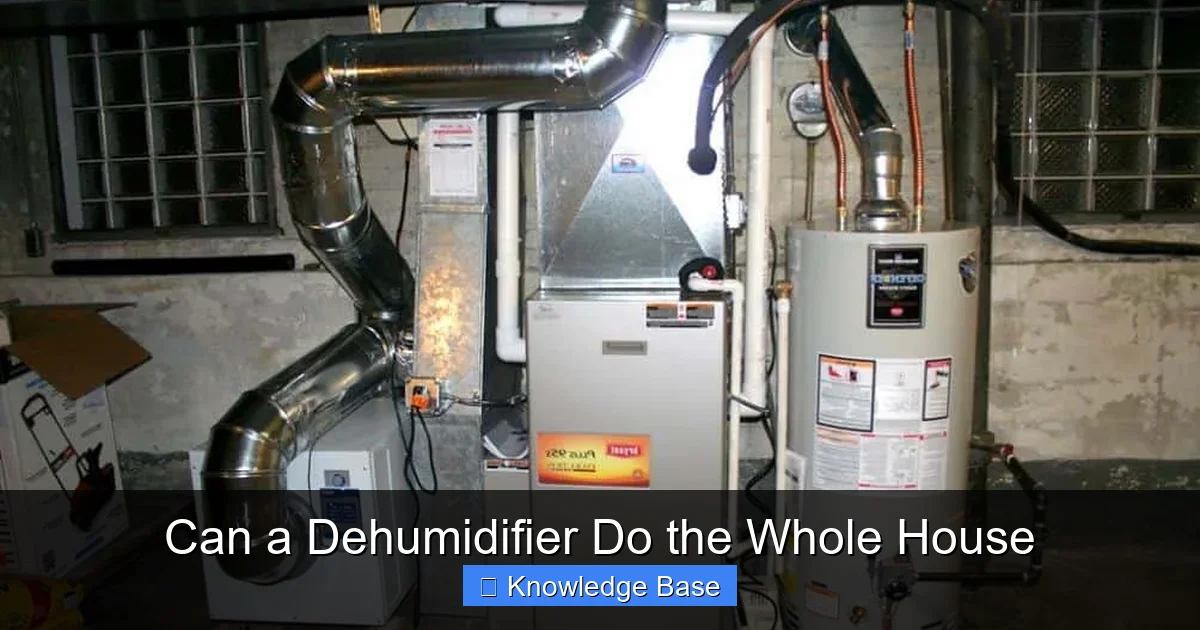
Yes, a dehumidifier can do the whole house—but not all models are built for it. Whole-house dehumidifiers are designed to integrate with your HVAC system and manage humidity throughout your entire home, unlike portable units that only handle single rooms.
Key Takeaways
- Whole-house dehumidifiers exist: These systems are built to cover entire homes, not just single rooms.
- They connect to HVAC systems: Most whole-house models integrate with your central heating and cooling setup for whole-home coverage.
- Portable units have limits: A single portable dehumidifier can’t effectively manage humidity across multiple floors or large square footage.
- Proper sizing is critical: Choosing the right capacity (measured in pints per day) depends on your home’s size, climate, and humidity levels.
- Energy efficiency matters: Whole-house models often use less energy per pint removed than running multiple portable units.
- Installation may require a pro: Unlike plug-and-play portable units, whole-house systems usually need professional installation.
- Maintenance is still needed: Even whole-house units require filter changes, coil cleaning, and occasional servicing.
Quick Answers to Common Questions
Can a single portable dehumidifier cover my entire house?
No, a single portable dehumidifier is not designed to cover an entire house. It typically handles 500–1,500 square feet and only affects the room it’s in.
Do whole-house dehumidifiers work with any HVAC system?
Most whole-house dehumidifiers can integrate with standard central HVAC systems, but compatibility depends on your ductwork and system type. A professional can assess your setup.
How often do I need to maintain a whole-house dehumidifier?
Basic maintenance like filter cleaning should be done every 3–6 months. Professional servicing is recommended every 1–2 years.
Will a whole-house dehumidifier lower my energy bills?
Yes, by reducing humidity, your air conditioner doesn’t have to work as hard, which can lower cooling costs—especially in summer.
Can I install a whole-house dehumidifier myself?
It’s not recommended. Installation involves ductwork, electrical connections, and drainage, so it’s best left to licensed HVAC professionals.
📑 Table of Contents
- Can a Dehumidifier Do the Whole House?
- How Whole-House Dehumidifiers Work
- Portable vs. Whole-House Dehumidifiers: What’s the Difference?
- When Do You Need a Whole-House Dehumidifier?
- Choosing the Right Whole-House Dehumidifier
- Installation and Maintenance Tips
- Cost and Return on Investment
- Conclusion
Can a Dehumidifier Do the Whole House?
If you’ve ever walked into a damp basement or noticed that sticky, muggy feeling in your living room during summer, you’ve probably wondered: *Can a dehumidifier do the whole house?* The short answer is yes—but with some important caveats. Not every dehumidifier is built to handle an entire home. While portable dehumidifiers are great for single rooms, they simply aren’t powerful or efficient enough to manage humidity across multiple floors or large square footage.
Whole-house dehumidifiers, on the other hand, are specifically designed for this purpose. These systems work alongside your existing HVAC (heating, ventilation, and air conditioning) system to remove excess moisture from the air throughout your entire home. They’re especially useful in humid climates, older homes with poor ventilation, or spaces prone to mold and mildew. But before you rush out to buy one, it’s important to understand how they work, what they cost, and whether they’re the right solution for your needs.
In this guide, we’ll break down everything you need to know about whole-house dehumidifiers—from how they compare to portable units to installation tips and maintenance requirements. Whether you’re dealing with musty odors, condensation on windows, or allergy flare-ups due to high humidity, this article will help you decide if a whole-house dehumidifier is worth the investment.
How Whole-House Dehumidifiers Work
Visual guide about Can a Dehumidifier Do the Whole House
Image source: storables.com
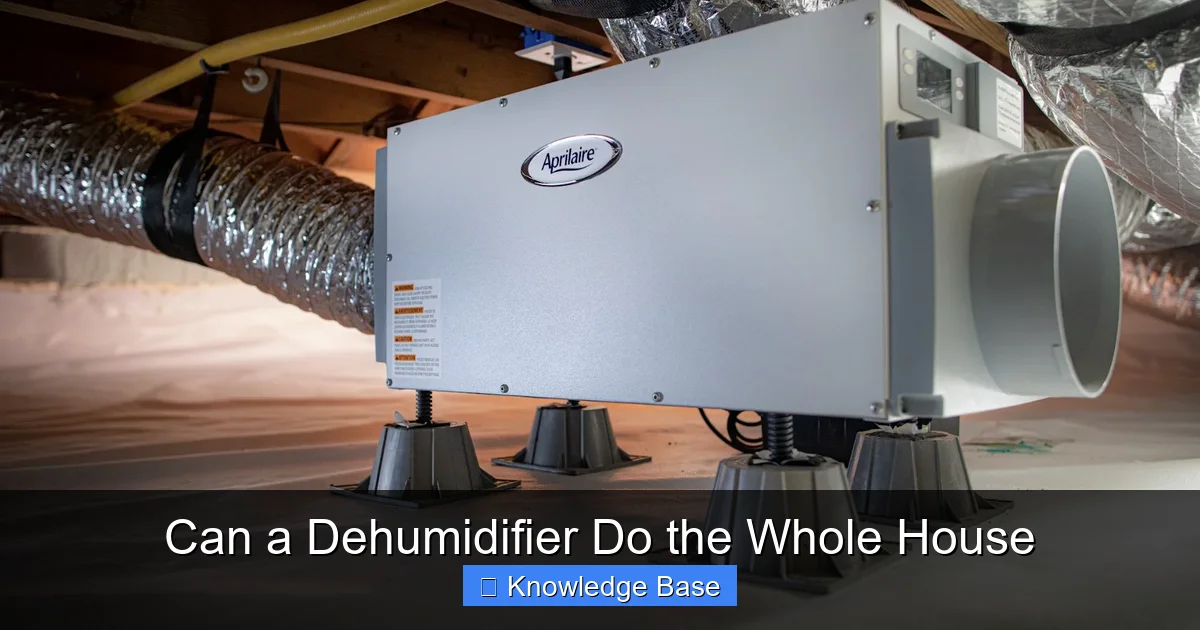
Whole-house dehumidifiers operate on the same basic principle as portable units—they pull in humid air, remove the moisture, and return drier air to your home. But the key difference lies in scale and integration. Instead of sitting in a single room with a bucket to empty, whole-house models are typically installed as part of your central HVAC system.
Integration with HVAC Systems
Most whole-house dehumidifiers are installed in line with your furnace or air handler. They use your home’s existing ductwork to draw air from various rooms, pass it through a dehumidification coil, and then redistribute the drier air back into your living spaces. This means the system can maintain consistent humidity levels throughout the entire house—not just in one corner of the basement.
Some models are designed to work independently of your HVAC system, running on a timer or humidity sensor. Others are “HVAC-integrated,” meaning they only operate when your furnace or AC is running. The latter is more common in colder climates where the AC runs frequently during summer months.
The Dehumidification Process
Here’s a simplified breakdown of how it works:
1. **Air Intake:** Humid air is drawn into the dehumidifier through return ducts.
2. **Cooling Coil:** The air passes over cold coils, causing moisture to condense into water droplets.
3. **Water Removal:** The collected water is drained via a hose or pumped out (some models include built-in condensate pumps).
4. **Reheating:** The now-dry air is warmed slightly (to prevent overcooling your home) and sent back through the supply ducts.
5. **Humidity Control:** A built-in humidistat monitors indoor humidity and turns the system on or off to maintain your desired level (usually between 30% and 50%).
This process happens continuously, ensuring that humidity stays under control even in hard-to-reach areas like crawl spaces, attics, or interior rooms without windows.
Types of Whole-House Dehumidifiers
There are three main types of whole-house dehumidifiers:
– **Desiccant Dehumidifiers:** Use a moisture-absorbing material (like silica gel) to pull water from the air. Best for very dry or cold environments, such as winterized cabins or mountain homes.
– **Refrigerant Dehumidifiers:** Use cooling coils to condense moisture. Most common in residential settings, especially in warm, humid climates.
– **Hybrid Systems:** Combine both technologies for maximum efficiency across varying conditions.
Refrigerant models are the most popular for whole-home use because they’re energy-efficient and effective in typical indoor temperatures (above 65°F).
Portable vs. Whole-House Dehumidifiers: What’s the Difference?
Visual guide about Can a Dehumidifier Do the Whole House
Image source: fire-and-ice-cdn.s3.us-east-2.amazonaws.com
If you’ve ever used a portable dehumidifier, you know how helpful they can be—but also how limited. Let’s compare the two options to help you decide which is right for your home.
Coverage Area
A typical portable dehumidifier covers 500 to 1,500 square feet, depending on the model and humidity level. That might be fine for a basement or a single floor, but it won’t cut it for a 2,500-square-foot home with multiple levels. You’d need several units running simultaneously, which gets expensive and cumbersome.
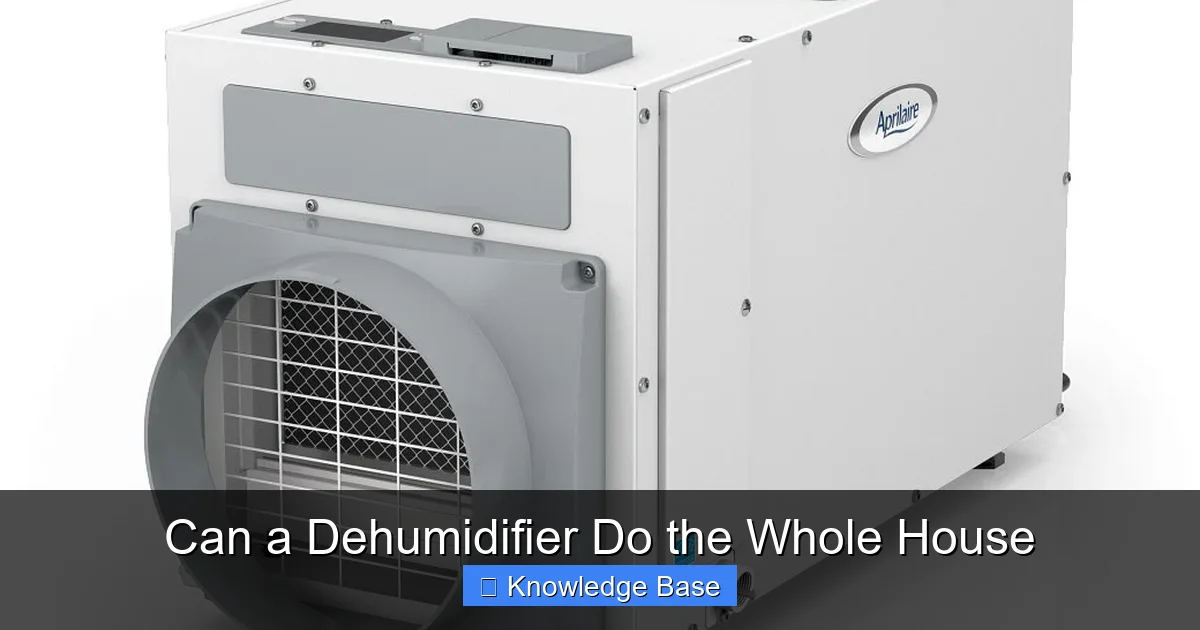
Whole-house dehumidifiers, by contrast, are rated to handle 1,500 to 5,000+ square feet. They’re built to manage humidity across entire homes, including basements, attics, and upper floors.
Installation and Setup
Portable units are plug-and-play. You roll them into a room, plug them in, and you’re done. Whole-house models require professional installation. This includes cutting into ductwork, installing drain lines, and connecting to your HVAC system. While this adds upfront cost and complexity, it also ensures optimal performance and integration.
Energy Efficiency
At first glance, portable dehumidifiers seem cheaper—both to buy and to run. But when you consider the need for multiple units, their energy use adds up. A single whole-house dehumidifier often uses less total energy than two or three portable units running 24/7.
For example, a high-efficiency whole-house model might use 500 watts and remove 70 pints of moisture per day. Three portable units doing the same job could easily consume 1,200 watts or more. Over time, the whole-house system saves money on electricity.
Maintenance and Convenience
Portable dehumidifiers require frequent attention: emptying water buckets, cleaning filters, and moving them from room to room. Whole-house systems are largely hands-off. They have automatic drainage, washable filters, and remote humidity controls. Once installed, you can set your desired humidity level and forget about it.
Noise Levels
Portable units can be noisy, especially on high settings. Whole-house dehumidifiers are typically quieter because they’re installed in basements, utility rooms, or attics—away from living areas. Plus, they run less frequently since they’re more efficient.
When Do You Need a Whole-House Dehumidifier?
Not every home needs a whole-house dehumidifier. But if you’re experiencing any of the following issues, it might be time to consider one.
High Humidity Throughout the Home
If you notice condensation on windows, peeling paint, or a general “stuffy” feeling in multiple rooms, your home likely has a humidity problem. A hygrometer (a simple humidity meter) can help you confirm this. Readings above 60% indicate excessive moisture.
Musty Odors or Mold Growth
Persistent musty smells—especially in basements, bathrooms, or closets—are a red flag. Mold and mildew thrive in damp environments and can cause health issues like allergies, asthma, and respiratory infections. A whole-house dehumidifier can help prevent mold by keeping humidity below 50%.
Allergy or Asthma Symptoms
Dust mites, mold spores, and other allergens multiply in humid conditions. If you or your family members suffer from frequent sneezing, coughing, or itchy eyes, high humidity could be the culprit. Lowering indoor humidity can significantly improve indoor air quality and reduce symptoms.
Damage to Furniture or Structure
Wood furniture, flooring, and structural elements can warp, swell, or rot in overly humid environments. If you’ve noticed warped floorboards, sticky doors, or peeling wallpaper, moisture is likely to blame.
Geographic Location
Homes in humid climates—like the Southeast U.S., Gulf Coast, or Pacific Northwest—are prime candidates for whole-house dehumidifiers. Even if your AC runs constantly, it may not remove enough moisture, especially during shoulder seasons (spring and fall) when cooling needs are low.
Large or Multi-Level Homes
If your home is over 2,000 square feet or has multiple floors, a portable dehumidifier simply won’t cut it. Whole-house systems are designed for these larger spaces and can maintain consistent humidity from the basement to the attic.
Choosing the Right Whole-House Dehumidifier
Not all whole-house dehumidifiers are created equal. To get the best results, you’ll need to choose the right model for your home’s size, climate, and humidity levels.
Determine Your Home’s Square Footage
Start by measuring your home’s total square footage, including basements and finished attics. Most manufacturers provide coverage guidelines based on this number. For example:
– 1,500–2,500 sq ft: 50–70 pint capacity
– 2,500–4,000 sq ft: 70–100 pint capacity
– 4,000+ sq ft: 100+ pint capacity
Keep in mind that “pints per day” refers to how much moisture the unit can remove under standard conditions (80°F and 60% humidity). Real-world performance may vary.
Assess Your Humidity Level
Use a hygrometer to measure humidity in different areas of your home. If levels are consistently above 60%, you’ll need a more powerful unit. In very damp environments (like a flooded basement), you may need a commercial-grade dehumidifier.
Consider Climate and Seasonal Use
In hot, humid summers, your dehumidifier will work harder. In cooler months, it may run less. Some models have “auto-defrost” features for cold climates, while others are designed for year-round use.
Look for Energy Efficiency
Check the unit’s Energy Factor (EF), which measures how many liters of water it removes per kilowatt-hour of electricity. Higher EF = more efficient. ENERGY STAR-certified models meet strict efficiency guidelines and may qualify for rebates.
Drainage Options
Most whole-house dehumidifiers require a drain line. If you don’t have a floor drain nearby, look for models with built-in condensate pumps that can push water up to 15 feet vertically.
Noise and Installation Requirements
If the unit will be installed near living spaces, choose a quieter model (under 50 decibels). Also, confirm that your HVAC system can support the addition—some older systems may need upgrades.
Installation and Maintenance Tips
Even the best dehumidifier won’t perform well if it’s not installed or maintained properly.
Professional Installation
Unless you’re experienced with HVAC systems, hire a licensed contractor. They’ll assess your ductwork, ensure proper sizing, and handle electrical and drainage connections. Improper installation can lead to poor performance, water damage, or even safety hazards.
Regular Maintenance
To keep your system running smoothly:
– **Clean or replace filters every 3–6 months.** Dirty filters restrict airflow and reduce efficiency.
– **Inspect coils annually.** Dust and debris can build up on the evaporator and condenser coils.
– **Check the drain line.** Make sure it’s not clogged or leaking.
– **Monitor humidity levels.** Use a hygrometer to ensure the system is maintaining your desired setting.
– **Schedule professional servicing every 1–2 years.** A technician can check refrigerant levels, electrical connections, and overall performance.
Smart Features to Consider
Many modern whole-house dehumidifiers come with smart controls, allowing you to monitor and adjust settings via a smartphone app. Some even integrate with home automation systems like Alexa or Google Home. These features make it easier to maintain optimal humidity without constant manual adjustments.
Cost and Return on Investment
Whole-house dehumidifiers are a significant investment, but they can pay off in the long run.
Upfront Costs
Prices range from $1,500 to $3,500, depending on capacity, brand, and features. Installation adds another $500 to $1,500. While this is more than a portable unit ($100–$300), it’s comparable to other HVAC upgrades like air purifiers or humidifiers.
Energy Savings
By reducing the load on your air conditioner, a whole-house dehumidifier can lower your cooling bills. Dry air feels cooler, so you can set your thermostat higher without sacrificing comfort. Over time, these savings can offset the initial cost.
Health and Home Protection
The real value lies in improved air quality and protection for your home. Preventing mold, dust mites, and structural damage can save thousands in repairs and medical bills. Plus, you’ll enjoy a more comfortable, odor-free living environment.
Rebates and Incentives
Check with your utility company or local government for rebates on ENERGY STAR-certified dehumidifiers. Some programs offer $100–$300 back, reducing your net cost.
Conclusion
So, can a dehumidifier do the whole house? Absolutely—if you choose the right one. Whole-house dehumidifiers are powerful, efficient, and designed to manage humidity across your entire home. They’re ideal for large spaces, humid climates, and anyone dealing with mold, allergies, or musty odors.
While portable units have their place, they’re no match for the coverage and convenience of a professionally installed whole-house system. With proper sizing, installation, and maintenance, a whole-house dehumidifier can improve your indoor air quality, protect your home, and enhance your comfort year-round.
If you’re tired of battling dampness, condensation, or that sticky summer feeling, it might be time to upgrade. Talk to an HVAC professional, assess your needs, and invest in a solution that works for your whole house—not just one room.
Frequently Asked Questions
How do I know if I need a whole-house dehumidifier?
If you have high humidity throughout your home, musty odors, mold growth, or allergy symptoms, a whole-house dehumidifier may be necessary. A hygrometer can help confirm humidity levels above 60%.
Are whole-house dehumidifiers noisy?
Generally, no. They’re installed in basements or utility rooms and operate quietly, especially compared to portable units that sit in living spaces.
Can a whole-house dehumidifier replace my air conditioner?
No, it doesn’t cool the air—it only removes moisture. However, it can make your home feel cooler and reduce the load on your AC.
Do whole-house dehumidifiers require a lot of maintenance?
They require less maintenance than portable units. Regular filter cleaning and annual inspections are usually sufficient to keep them running well.
Will a whole-house dehumidifier help with allergies?
Yes, by reducing mold, dust mites, and other allergens that thrive in humid environments, it can significantly improve indoor air quality and allergy symptoms.
How long do whole-house dehumidifiers last?
With proper maintenance, most whole-house dehumidifiers last 10–15 years, similar to other HVAC components like furnaces or air handlers.