
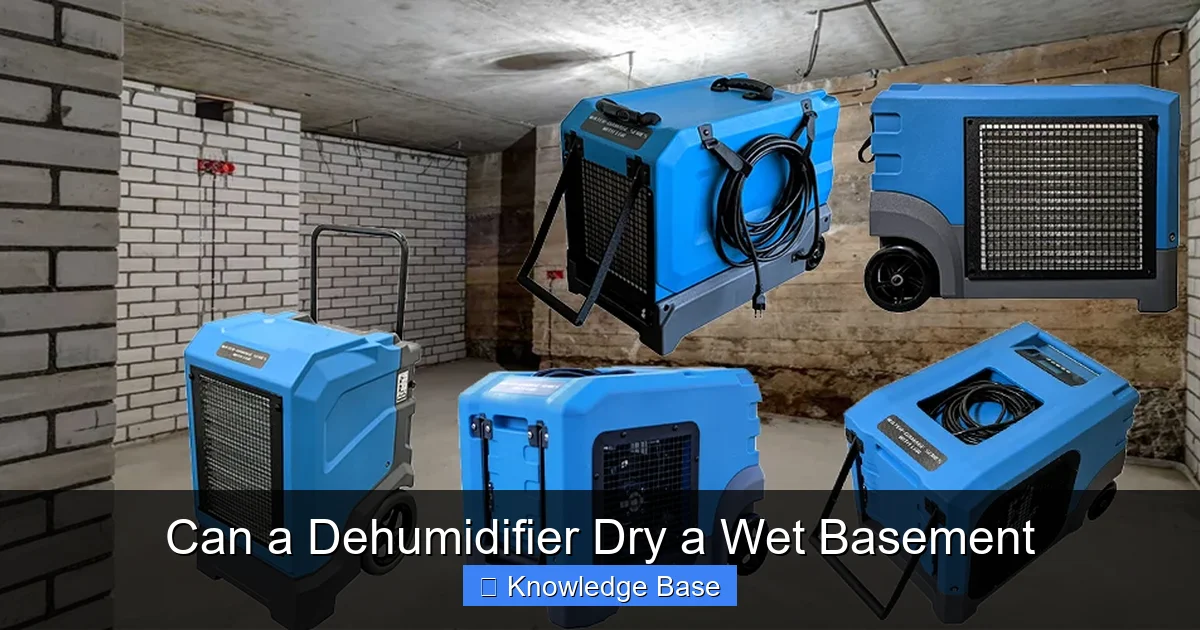
A dehumidifier can help reduce moisture and prevent future dampness in a wet basement, but it cannot fix active flooding or major water intrusion on its own. For lasting results, it must be used alongside proper drainage, waterproofing, and source control.
Key Takeaways
- Dehumidifiers remove moisture from the air, not standing water—they’re best for dampness, not floods.
- They prevent mold, mildew, and musty odors by maintaining humidity below 60%, ideally 30–50%.
- Size and capacity matter—choose a unit rated for your basement’s square footage and moisture level.
- Ventilation and air circulation improve efficiency—use fans and open windows when safe to do so.
- Address the root cause of water—fix leaks, improve grading, and install sump pumps if needed.
- Regular maintenance ensures long-term performance—clean filters, empty tanks, and inspect coils.
- Combine with other solutions—seal cracks, use vapor barriers, and consider professional waterproofing for severe cases.
Quick Answers to Common Questions
Can a dehumidifier remove standing water from my basement?
No, a dehumidifier cannot remove standing water. It only removes moisture from the air. You’ll need a wet/dry vacuum or sump pump to remove standing water first.
How long does it take a dehumidifier to dry a damp basement?
It depends on the size of the space and moisture level, but most basements see improvement within 24–48 hours. Full drying may take several days to a week.
Should I run my dehumidifier all the time?
Yes, especially during humid months or after water exposure. Many units have auto modes that run only when needed, saving energy.
Can a dehumidifier prevent mold in my basement?
Yes, by keeping humidity below 60%, a dehumidifier creates an environment where mold struggles to grow. Regular cleaning also helps.
Do I need a special dehumidifier for a cold basement?
Yes, if your basement drops below 65°F, choose a desiccant or low-temperature compressor model designed for cold spaces.
📑 Table of Contents
- Can a Dehumidifier Dry a Wet Basement? The Truth You Need to Know
- How Dehumidifiers Work: The Science Behind Moisture Control
- What a Dehumidifier Can (and Can’t) Do in a Wet Basement
- Choosing the Right Dehumidifier for Your Basement
- Using a Dehumidifier Effectively: Tips for Best Results
- Addressing the Root Cause: Why a Dehumidifier Isn’t Enough Alone
- Conclusion: A Dehumidifier Is a Tool, Not a Cure-All
Can a Dehumidifier Dry a Wet Basement? The Truth You Need to Know
If you’ve ever walked into your basement and been greeted by a damp, musty smell—or worse, standing water—you’re not alone. Basements are naturally prone to moisture because they’re below ground level, surrounded by soil that holds water. Whether it’s from heavy rain, high groundwater, or poor drainage, a wet basement is a common headache for homeowners.
So, can a dehumidifier dry a wet basement? The short answer is: yes, but with important caveats. A dehumidifier is a powerful tool for controlling humidity and preventing future dampness, but it’s not a magic fix for active flooding or structural water problems. Think of it like a sponge: it can soak up moisture from the air, but it can’t stop a leaky pipe or redirect groundwater on its own.
In this guide, we’ll explore exactly what dehumidifiers can and can’t do, how to choose the right one, and what steps you should take alongside using one to truly dry and protect your basement. Whether you’re dealing with a little dampness after a storm or a recurring moisture issue, understanding the role of a dehumidifier is the first step toward a dry, healthy basement.
How Dehumidifiers Work: The Science Behind Moisture Control
To understand whether a dehumidifier can dry your basement, it helps to know how these devices actually work. At their core, dehumidifiers are designed to pull moisture from the air—not from puddles, walls, or soaked carpet. They do this using a refrigeration cycle, similar to an air conditioner.
Here’s a simple breakdown of the process:
The Refrigeration Cycle Explained
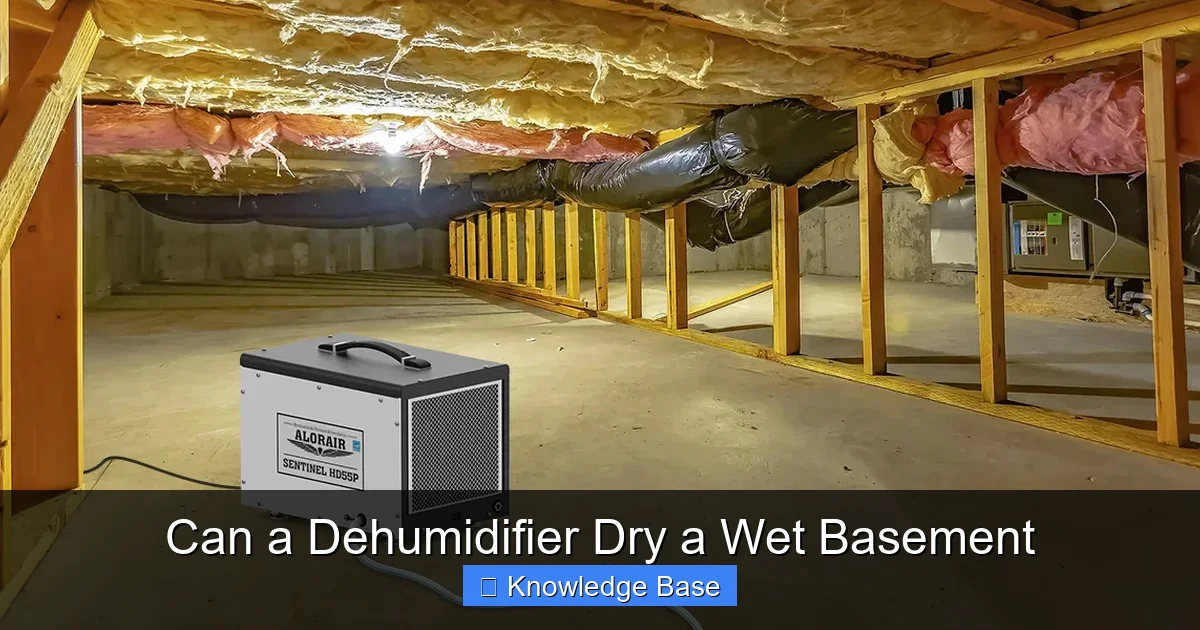
Most residential dehumidifiers use a compressor-driven system. A fan draws humid air from the basement into the unit. As the air passes over cold evaporator coils, the moisture in the air condenses into water droplets—just like how dew forms on a cold drink can. This water collects in a built-in tank or drains directly through a hose. The now-drier air then passes over warm condenser coils, reheats slightly, and is blown back into the room.
Visual guide about Can a Dehumidifier Dry a Wet Basement
Image source: aloraircrawlspace.com
Types of Dehumidifiers: Which One Is Right for Your Basement?
There are three main types of dehumidifiers:
- Compressor (refrigerant) dehumidifiers: Most common and effective in warm, humid environments. Best for basements above 65°F.
- Desiccant dehumidifiers: Use moisture-absorbing materials (like silica gel) and work well in colder temperatures. Ideal for unheated basements or garages.
- Thermo-electric dehumidifiers: Small, quiet, and energy-efficient, but only suitable for tiny spaces. Not recommended for full basements.
For most basements, a compressor dehumidifier with a high pint-per-day (PPD) rating is the best choice—especially if your space is prone to dampness.
Humidity Levels and Why They Matter
Dehumidifiers don’t just “dry” the air—they regulate humidity levels. The ideal indoor humidity range is between 30% and 50%. When humidity climbs above 60%, you create the perfect breeding ground for mold, mildew, dust mites, and bacteria. These not only damage your belongings and structural materials but can also trigger allergies and respiratory issues.
By maintaining proper humidity, a dehumidifier helps preserve your basement’s integrity and creates a healthier living environment—even if you don’t spend much time down there.
What a Dehumidifier Can (and Can’t) Do in a Wet Basement
Now that you know how dehumidifiers work, let’s get real about their capabilities. The big question isn’t just “can a dehumidifier dry a wet basement?”—it’s “what kind of wet basement are we talking about?”
What It Can Do: Controlling Airborne Moisture
A dehumidifier excels at removing moisture from the air. If your basement feels clammy, has condensation on walls or windows, or smells musty, a dehumidifier can make a noticeable difference. It can:
Visual guide about Can a Dehumidifier Dry a Wet Basement
Image source: bhg.com
- Reduce humidity levels to prevent mold growth
- Eliminate that damp, earthy odor
- Protect stored items like books, clothes, and electronics from moisture damage
- Improve air quality and reduce allergens
- Help dry out surfaces after minor water exposure (like a small leak or high humidity)
For example, if a pipe drips overnight and leaves a damp patch on the floor, running a dehumidifier with fans can help dry the area faster than air drying alone.
What It Can’t Do: Handle Standing Water or Major Leaks
Here’s the hard truth: a dehumidifier cannot remove standing water. If your basement has inches of water from a flood, a burst pipe, or severe groundwater seepage, you need more than a dehumidifier. In these cases:
- You must first remove the water using a wet/dry vacuum, sump pump, or professional water extraction service.
- Then, use fans and dehumidifiers to dry out the remaining moisture in walls, floors, and air.
- Finally, identify and fix the source of the water to prevent recurrence.
Using a dehumidifier alone during a flood is like trying to bail out a sinking boat with a teaspoon—it’s not enough. It’s a supporting tool, not a primary solution for active water intrusion.
When a Dehumidifier Is Part of the Solution
In many cases, a dehumidifier is most effective when used as part of a broader moisture management plan. For instance:
- After a minor leak is fixed, a dehumidifier helps dry out residual dampness.
- In humid climates, it prevents condensation on cold surfaces like concrete walls or metal pipes.
- During rainy seasons, it maintains stable humidity even when outdoor moisture levels rise.
Think of it as a long-term guardian against basement moisture—not a first responder to emergencies.
Choosing the Right Dehumidifier for Your Basement
Not all dehumidifiers are created equal. Picking the right one for your basement depends on several factors, including size, moisture level, and usage. Here’s how to make the best choice.
Calculate the Right Size: Square Footage and Moisture Level
Dehumidifiers are rated by how many pints of moisture they can remove in 24 hours (PPD). To choose the right capacity:
- 30-pint unit: Best for small, mildly damp basements (up to 500 sq. ft.)
- 50-pint unit: Ideal for medium basements (500–1,000 sq. ft.) with moderate dampness
- 70-pint or higher: Needed for large, very damp, or frequently wet basements (1,000+ sq. ft.)
Also consider the moisture level:
- Mild dampness: Occasional musty smell, no standing water
- Moderate dampness: Visible moisture on walls, frequent condensation
- Severe dampness: Standing water, mold growth, or flooding history
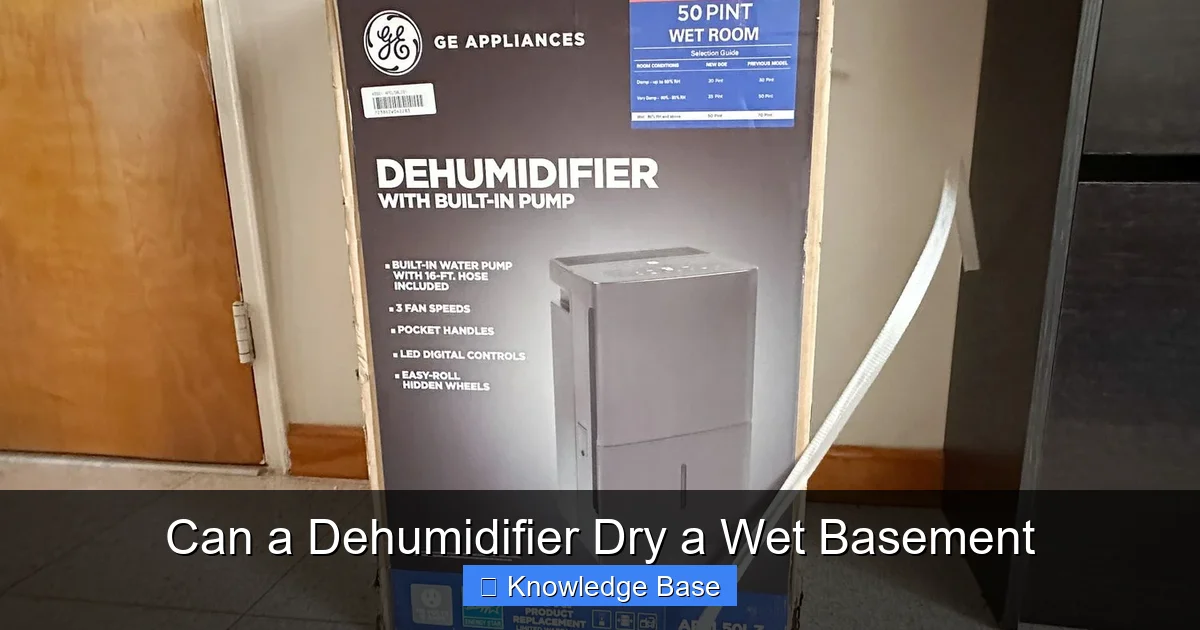
For severe cases, opt for a high-capacity unit with a built-in pump for continuous drainage.
Key Features to Look For
Beyond size, look for these helpful features:
- Automatic shutoff and full-tank alert: Prevents overflow when the tank is full
- Continuous drainage option: Lets you attach a hose to drain water directly into a floor drain or sump pit
- Built-in humidistat: Monitors and maintains your desired humidity level automatically
- Energy Star certification: Saves on electricity, especially important for 24/7 operation
- Low-temperature operation: Essential if your basement is unheated and drops below 65°F
- Air filter: Captures dust and mold spores, improving air quality
Brands like Frigidaire, hOmeLabs, GE, and AprilAire offer reliable models with these features.
Placement Matters: Where to Put Your Dehumidifier
Even the best dehumidifier won’t work well if it’s in the wrong spot. For optimal performance:
- Place it in the center of the basement or near the source of moisture (e.g., near a damp wall or sump pump)
- Keep it at least 6–12 inches away from walls and furniture for proper airflow
- Avoid corners or enclosed spaces where air can’t circulate
- If your basement has multiple rooms, consider a portable unit you can move as needed
Using fans to circulate air toward the dehumidifier can significantly boost its efficiency.
Using a Dehumidifier Effectively: Tips for Best Results
Buying the right dehumidifier is only half the battle. To get the most out of it, you need to use it correctly and maintain it regularly.
Set the Right Humidity Level
Most experts recommend setting your dehumidifier between 30% and 50% humidity. Use the built-in humidistat or a separate hygrometer to monitor levels. Avoid going below 30%, as overly dry air can cause discomfort and damage wood furniture or musical instruments.
Run It Consistently
For best results, run your dehumidifier continuously during humid months or whenever moisture is present. Many units have timers or auto modes that turn on when humidity rises above your set point. This “set it and forget it” approach keeps your basement dry without constant monitoring.
Use Fans to Improve Air Circulation
Dehumidifiers work best when air is moving. Place box fans or oscillating fans around the basement to push humid air toward the unit. This is especially helpful in large or poorly ventilated spaces. Just make sure fans aren’t blowing directly into the dehumidifier’s intake, which can reduce efficiency.
Empty the Tank or Use Continuous Drainage
If your unit has a tank, check it daily during wet periods. Most have alarms that beep when full, but it’s easy to miss. For convenience, connect a hose to the drain outlet and run it to a floor drain, sump pit, or outside. This allows 24/7 operation without manual emptying.
Maintain Your Unit Regularly
Like any appliance, dehumidifiers need care to work efficiently:
- Clean the air filter every 2–4 weeks (or as recommended)
- Wipe down the exterior and coils with a damp cloth
- Check the drain hose for clogs
- Inspect the water tank for mold or residue
- Store properly during off-seasons (clean, dry, and covered)
Neglecting maintenance can lead to reduced performance, higher energy bills, and even mold growth inside the unit.
Addressing the Root Cause: Why a Dehumidifier Isn’t Enough Alone
While a dehumidifier is a valuable tool, it’s not a standalone solution for a chronically wet basement. To truly solve moisture problems, you must address the underlying causes.
Common Sources of Basement Moisture
Water enters basements in several ways:
- Hydrostatic pressure: Groundwater pushes against foundation walls, especially during heavy rain or snowmelt
- Cracks in foundation or walls: Allow water to seep in, even in small amounts
- Poor exterior drainage: Downspouts that dump water near the foundation, or soil that slopes toward the house
- Condensation: Cold surfaces (like concrete or metal) attract moisture from warm, humid air
- Plumbing leaks: Hidden pipe leaks or faulty appliances (like water heaters)
A dehumidifier can manage the symptoms—but not the source.
Solutions Beyond the Dehumidifier
To create a truly dry basement, combine dehumidification with these strategies:
- Improve exterior grading: Ensure soil slopes away from the foundation at least 6 inches over 10 feet
- Install or extend downspouts: Use splash blocks or underground drain pipes to carry water 5–10 feet away
- Seal cracks: Use hydraulic cement or epoxy injections for foundation cracks
- Apply waterproof coatings: Interior sealants can help, but exterior waterproofing is more effective
- Install a sump pump: Essential in flood-prone areas to remove groundwater
- Use a vapor barrier: Install plastic sheeting on concrete walls or floors to block moisture
- Consider interior drainage: Systems like French drains collect water and direct it to a sump pit
For severe or recurring issues, consult a waterproofing professional. They can assess your home and recommend tailored solutions.
When to Call a Professional
You should consider professional help if:
- Water enters during every rainstorm
- You see mold growth or structural damage
- DIY fixes haven’t solved the problem
- Your basement floods regularly
- You’re unsure of the water source
A professional can perform a moisture assessment, recommend repairs, and even install a full waterproofing system.
Conclusion: A Dehumidifier Is a Tool, Not a Cure-All
So, can a dehumidifier dry a wet basement? The answer is nuanced. It can effectively reduce airborne moisture, prevent mold, and improve air quality—making your basement feel drier and healthier. But it cannot remove standing water, stop major leaks, or fix structural issues on its own.
Think of a dehumidifier as one piece of a larger moisture management puzzle. It works best when paired with proper drainage, waterproofing, and source control. By choosing the right unit, using it correctly, and addressing the root causes of water intrusion, you can transform your basement from a damp, musty space into a dry, usable area.
Whether you’re storing holiday decorations, setting up a home gym, or just want peace of mind during storm season, a dehumidifier is a smart investment. But remember: it’s not a substitute for fixing the real problems. Tackle the source, support it with the right tools, and your basement will stay dry for years to come.
Frequently Asked Questions
Can a dehumidifier help with basement odors?
Yes, a dehumidifier can reduce musty smells by lowering humidity and preventing mold and mildew growth. For strong odors, clean the area first and use an air purifier.
How much does it cost to run a dehumidifier in a basement?
It depends on the size and usage, but most units cost $10–$30 per month to run. Energy Star models are more efficient and cost less.
Can I use a dehumidifier in an unfinished basement?
Absolutely. Unfinished basements often have higher humidity and are more prone to moisture issues, making dehumidifiers especially useful.
Will a dehumidifier damage my basement walls or floors?
No, when used properly, a dehumidifier won’t damage surfaces. In fact, it helps protect them by reducing moisture that can cause cracking or deterioration.
Can I install a dehumidifier myself?
Yes, most dehumidifiers are plug-and-play. Just place them in the right spot, set the humidity level, and connect a drain hose if needed.
Is a whole-house dehumidifier better than a portable one for basements?
Whole-house systems are more powerful and integrated but cost more. For most basements, a high-capacity portable unit is sufficient and more affordable.