
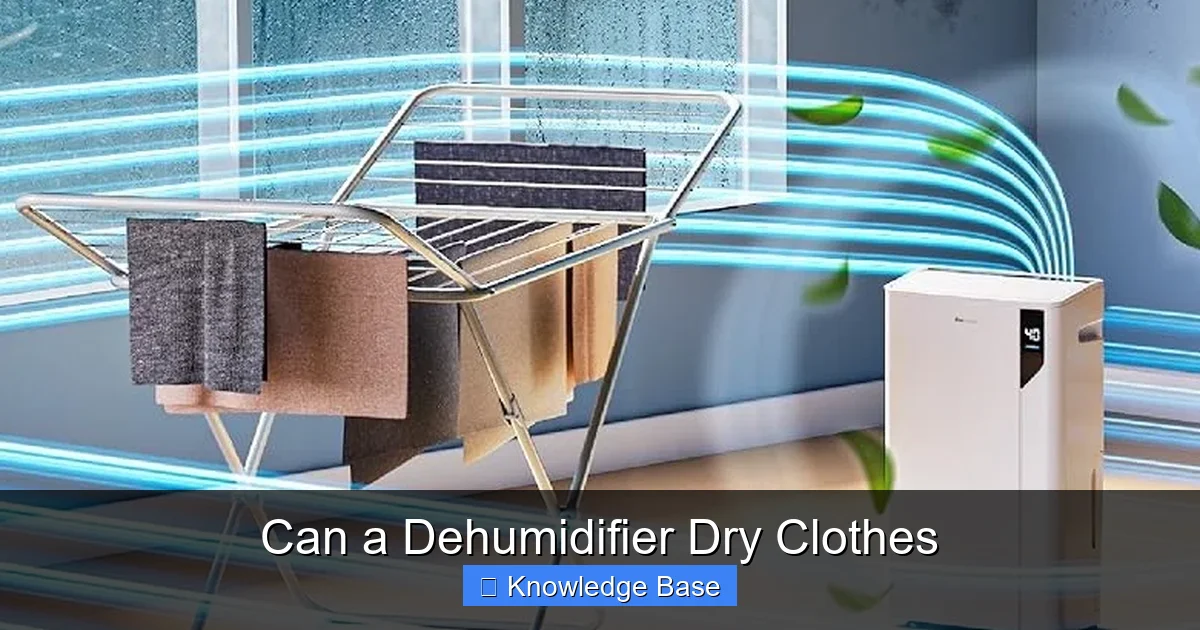
Yes, a dehumidifier can dry clothes—especially in humid or cold climates where outdoor drying isn’t practical. By removing moisture from the air, it speeds up evaporation and prevents musty odors, making it a smart alternative to traditional dryers or line drying.
Key Takeaways
- Dehumidifiers create ideal drying conditions: They lower humidity levels, allowing clothes to dry faster indoors without relying on heat or sunlight.
- Energy-efficient compared to electric dryers: Using a dehumidifier to dry clothes uses less energy than a standard tumble dryer, saving on utility bills.
- Prevents mold and mildew growth: Lower humidity reduces the risk of damp-smelling laundry and protects your home from moisture damage.
- Best for small spaces and bad weather: Perfect for apartments, basements, or rainy seasons when outdoor drying isn’t an option.
- Requires proper setup: Clothes should be hung up near the dehumidifier with good airflow for optimal results.
- Not a replacement for all drying needs: Works best for lightweight fabrics; heavy items like towels may take longer.
- Maintenance matters: Regularly empty the water tank and clean the filter to keep your dehumidifier running efficiently.
Quick Answers to Common Questions
Can a dehumidifier dry clothes completely?
Yes, a dehumidifier can fully dry clothes by removing moisture from the air, which speeds up evaporation from wet fabrics.
How long does it take to dry clothes with a dehumidifier?
Drying time varies, but lightweight items may dry in 4–6 hours, while heavier fabrics like towels can take 8–12 hours.
Do I need a fan when using a dehumidifier to dry clothes?
A fan isn’t required, but it helps by improving airflow and speeding up the drying process.
Can I leave the dehumidifier on overnight to dry clothes?
Yes, most dehumidifiers are safe to run overnight, but make sure the water tank won’t overflow and the room is well-ventilated.
Will using a dehumidifier increase my electricity bill?
It uses less energy than a tumble dryer, so your bill may actually decrease compared to conventional drying methods.
📑 Table of Contents
- Can a Dehumidifier Dry Clothes? The Surprising Answer
- How Does a Dehumidifier Help Dry Clothes?
- Benefits of Using a Dehumidifier to Dry Clothes
- How to Use a Dehumidifier to Dry Clothes Effectively
- Limitations and When Not to Use a Dehumidifier
- Tips for Maximizing Efficiency
- Conclusion: Is a Dehumidifier Right for Your Laundry Routine?
Can a Dehumidifier Dry Clothes? The Surprising Answer
If you’ve ever stared at a pile of wet laundry on a rainy day, wondering how on earth you’re going to get it dry without that dreaded damp smell, you’re not alone. Many people assume that drying clothes indoors is a one-way ticket to mildew and mustiness—but what if there was a smarter, cleaner, and more efficient way? Enter the humble dehumidifier. You might know it as the appliance that keeps your basement dry or prevents condensation on windows, but here’s a little-known secret: **a dehumidifier can actually help dry your clothes**.
At first glance, it might seem counterintuitive. After all, dehumidifiers remove moisture from the air—they don’t blow hot air like a dryer. But that’s exactly why they work so well for indoor drying. Instead of heating clothes to evaporate water, a dehumidifier creates an environment where moisture naturally moves from your damp fabrics into the air, and then gets captured by the machine. It’s a gentle, energy-efficient process that’s especially useful during winter, in humid climates, or in homes without outdoor drying space.
So, can a dehumidifier dry clothes? The short answer is yes—but with some important caveats. It’s not a magic solution that will dry your jeans in 30 minutes, but it’s a reliable, low-energy method that can significantly speed up indoor drying times while protecting your home from excess moisture. In this guide, we’ll explore exactly how it works, when it’s most effective, and how to set it up for the best results.
How Does a Dehumidifier Help Dry Clothes?
Visual guide about Can a Dehumidifier Dry Clothes
Image source: cdn.images.express.co.uk
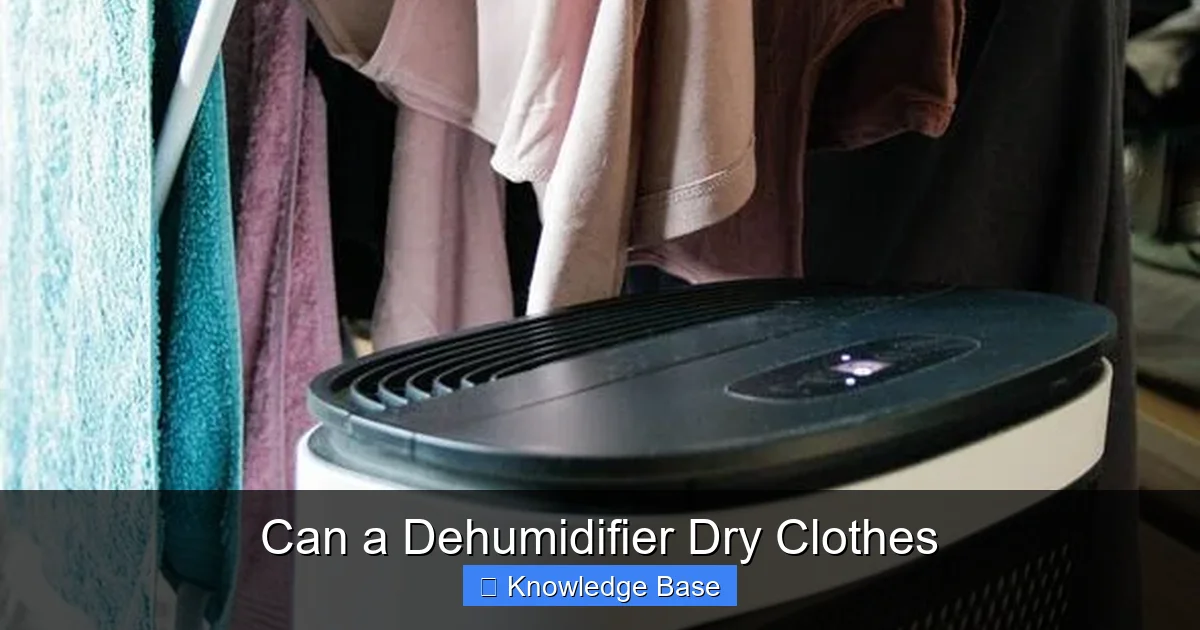
To understand how a dehumidifier dries clothes, it helps to know a bit about the science of evaporation. When clothes are wet, water molecules slowly escape from the fabric into the surrounding air. This process happens faster when the air is dry, warm, and moving. A dehumidifier enhances this natural process by lowering the humidity in the room, which increases the rate at which moisture evaporates from your laundry.
Think of it like this: if the air is already full of moisture (high humidity), it’s harder for water to evaporate from your clothes because the air can’t hold much more. But when a dehumidifier removes excess moisture, the air becomes “thirstier” and pulls water from your clothes more efficiently. The machine then collects this moisture in a tank or drains it away, keeping the cycle going.
The Role of Air Circulation
While the dehumidifier does the heavy lifting by drying the air, air circulation plays a crucial supporting role. Without airflow, moisture can get trapped around your clothes, slowing down drying. That’s why it’s important to hang your laundry in a well-ventilated area—ideally with a fan gently blowing across the fabrics. The combination of dry air and moving air creates the perfect conditions for quick, even drying.
Dehumidifier vs. Tumble Dryer: A Key Difference
It’s important to distinguish between a dehumidifier and a traditional tumble dryer. A tumble dryer uses heat and tumbling motion to force moisture out of clothes, which is fast but energy-intensive and can damage delicate fabrics over time. A dehumidifier, on the other hand, works passively. It doesn’t heat or agitate your clothes—it simply changes the environment so that drying happens more naturally. This makes it gentler on fabrics and much more energy-efficient.
Benefits of Using a Dehumidifier to Dry Clothes
Visual guide about Can a Dehumidifier Dry Clothes
Image source: evaporativehumidifiers.com
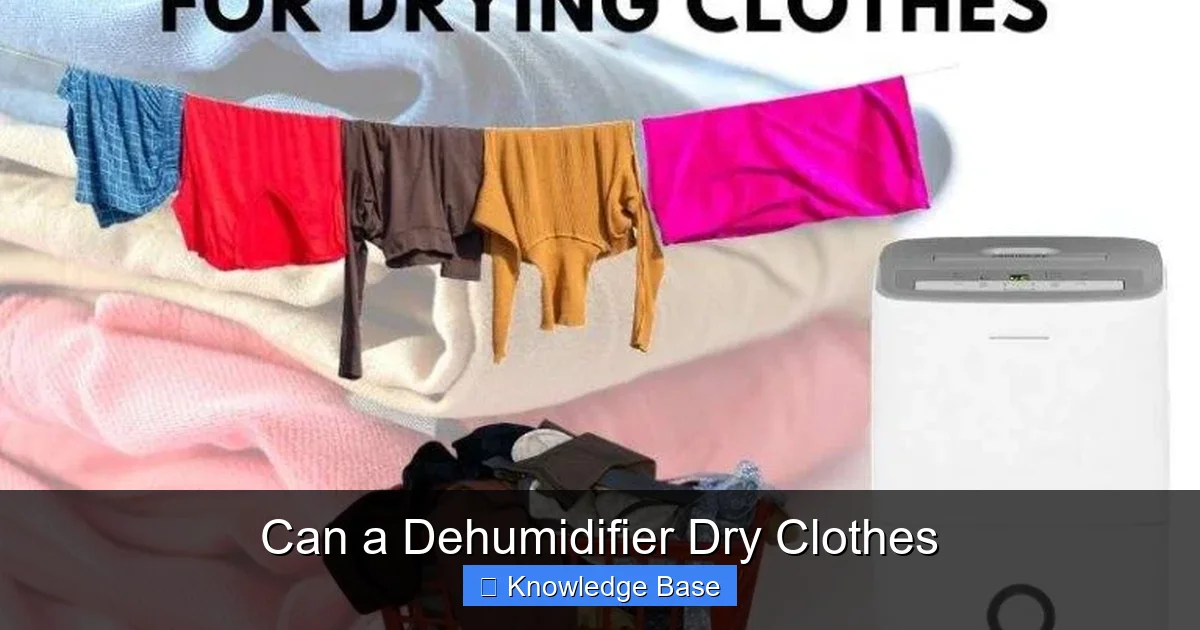
There are several compelling reasons to consider using a dehumidifier for drying laundry, especially if you’re looking for a greener, healthier, or more convenient alternative to conventional methods.
Energy Efficiency and Cost Savings
One of the biggest advantages is energy efficiency. Electric tumble dryers are among the most power-hungry appliances in the home, often using between 1,800 and 5,000 watts per cycle. In contrast, most dehumidifiers use between 200 and 800 watts, depending on size and model. Over time, this can lead to significant savings on your electricity bill—especially if you do multiple loads per week.
For example, if you run a 500-watt dehumidifier for 8 hours to dry a load of laundry, you’ll use about 4 kilowatt-hours (kWh) of electricity. At an average rate of $0.15 per kWh, that’s just 60 cents. A single dryer cycle, by comparison, can cost $1 or more. Multiply that by several loads per week, and the savings add up quickly.
Gentle on Fabrics
Heat and tumbling can be tough on clothes. Over time, repeated drying in a tumble dryer can cause shrinkage, fading, and wear—especially for delicate items like wool, silk, or synthetic blends. Using a dehumidifier eliminates these risks. Since there’s no heat or mechanical action, your clothes retain their shape, color, and texture much longer. This is especially beneficial for items you want to preserve, like sweaters, lingerie, or baby clothes.
Prevents Musty Smells and Mold
One of the biggest frustrations with indoor drying is the dreaded “damp laundry” smell. This happens when clothes dry too slowly in humid conditions, allowing mold and mildew spores to grow. A dehumidifier prevents this by keeping the air dry, which inhibits microbial growth. The result? Fresh-smelling clothes that feel clean and dry, even when dried entirely indoors.
Ideal for Small Spaces and Bad Weather
Not everyone has a backyard or balcony for line drying. In apartments, condos, or urban homes, indoor drying is often the only option. Similarly, during winter or rainy seasons, outdoor drying isn’t practical. A dehumidifier gives you a reliable way to dry clothes year-round, regardless of the weather or your living situation.
Protects Your Home from Moisture Damage
Drying clothes indoors without a dehumidifier can increase indoor humidity by 30% or more, especially in small, poorly ventilated spaces. This excess moisture can lead to condensation on windows, peeling paint, warped wood, and even structural damage over time. By using a dehumidifier, you’re not just drying your clothes—you’re also protecting your home.
How to Use a Dehumidifier to Dry Clothes Effectively
Using a dehumidifier to dry clothes isn’t as simple as just turning it on and tossing your wet laundry on a chair. To get the best results, you’ll need to set up your drying area properly and follow a few key steps.
Choose the Right Room
Start by selecting a room that’s enclosed and relatively small—like a bedroom, laundry room, or walk-in closet. The smaller the space, the more effective the dehumidifier will be at lowering humidity quickly. Avoid large, open areas like living rooms, where moisture can disperse and reduce efficiency.
Hang Clothes Properly
Use a clothesline, drying rack, or even hangers to suspend your laundry. Make sure there’s space between items so air can circulate freely. Avoid overcrowding, as this traps moisture and slows drying. For faster results, shake out each item before hanging to reduce wrinkles and improve airflow.
Position the Dehumidifier Strategically
Place the dehumidifier in the center of the room or near the drying area, but not so close that it blows directly on the clothes (this can cause uneven drying). Most models have adjustable vents—point them toward the laundry for better coverage. If possible, elevate the unit slightly (on a stand or shelf) to improve air intake.
Use a Fan for Extra Airflow
While the dehumidifier removes moisture, a fan helps distribute dry air and speeds up evaporation. Set up a box fan or oscillating fan to gently blow across the clothes. This creates a cross-breeze that mimics outdoor drying conditions. Just make sure the fan isn’t so strong that it blows clothes off the rack.
Monitor Humidity Levels
Many modern dehumidifiers come with built-in hygrometers that display the current humidity level. Aim for a relative humidity between 40% and 50% for optimal drying. If your model doesn’t have a display, consider buying a standalone hygrometer to track conditions. Once the clothes are dry, you can turn off the dehumidifier or adjust it to maintain a comfortable indoor humidity level.
Empty the Water Tank Regularly
As the dehumidifier collects moisture, the water tank will fill up. Most models have a warning light or auto-shutoff when the tank is full, but it’s best to check it every few hours during a drying session. If you’re drying a large load, consider using a model with a continuous drainage option—just attach a hose and let the water drain directly into a sink or floor drain.
Time It Right
Drying time will vary depending on the fabric, humidity, and room size. Lightweight items like t-shirts or underwear may dry in 4–6 hours, while heavier items like jeans or bath towels can take 8–12 hours. For best results, start drying in the morning so clothes have the entire day to air out.
Limitations and When Not to Use a Dehumidifier
While using a dehumidifier to dry clothes has many benefits, it’s not a one-size-fits-all solution. There are situations where it may not be the best choice.
Not Ideal for Large or Heavy Loads
Dehumidifiers work best with small to medium loads. If you’re trying to dry multiple heavy items—like a full load of towels or winter coats—it can take a very long time, and the machine may struggle to keep up. In these cases, a tumble dryer or a combination of methods (e.g., partial drying in a dryer, then finishing with a dehumidifier) may be more practical.
Slow for Thick or Absorbent Fabrics
Materials like terry cloth, fleece, or denim hold onto moisture longer and may take significantly more time to dry. If you’re in a hurry, consider wringing out excess water by hand or using a spin cycle in the washing machine before hanging.
Requires Consistent Power
Unlike line drying, which can continue overnight without electricity, a dehumidifier needs to run continuously to be effective. If you’re concerned about power outages or want to save energy, you may need to limit drying sessions to off-peak hours or use a timer.
Not a Substitute for Ventilation in Poorly Sealed Rooms
If your home is drafty or has poor insulation, outdoor humidity can seep in, reducing the dehumidifier’s effectiveness. In such cases, it’s best to close windows and doors during drying sessions to maintain a controlled environment.
Tips for Maximizing Efficiency
To get the most out of your dehumidifier when drying clothes, keep these practical tips in mind:
- Pre-spin your laundry: Use the highest spin speed on your washing machine to remove as much water as possible before hanging.
- Rotate clothes occasionally: Flip or rearrange items halfway through drying to ensure even exposure to dry air.
- Use moisture-wicking fabrics: Synthetic blends and performance materials dry faster than cotton or wool.
- Clean the filter regularly: A clogged filter reduces airflow and efficiency. Most manufacturers recommend cleaning it every 2–4 weeks.
- Choose the right size dehumidifier: For a small bedroom or closet, a 20–30 pint model is usually sufficient. For larger spaces, consider a 50-pint or higher capacity unit.
- Combine with other methods: Use a dehumidifier for the final drying stage after partially drying clothes in a dryer or on a heated rack.
Conclusion: Is a Dehumidifier Right for Your Laundry Routine?
So, can a dehumidifier dry clothes? Absolutely—and in many cases, it’s a smarter, gentler, and more sustainable choice than traditional drying methods. By lowering indoor humidity and promoting natural evaporation, dehumidifiers offer a reliable way to dry laundry indoors without the risk of musty smells or fabric damage. They’re especially valuable in humid climates, small living spaces, or during seasons when outdoor drying isn’t feasible.
While they may not be as fast as a tumble dryer, the energy savings, fabric protection, and home health benefits make them a worthwhile investment. With the right setup—proper airflow, strategic placement, and regular maintenance—you can turn your dehumidifier into a powerful ally in your laundry routine.
If you’re tired of damp clothes, high energy bills, or the wear and tear of frequent machine drying, it’s time to give the dehumidifier method a try. Your clothes—and your home—will thank you.
Frequently Asked Questions
Can a dehumidifier dry clothes faster than air drying?
Yes, a dehumidifier speeds up air drying by reducing humidity, which allows moisture to evaporate more quickly from fabrics.
Is it safe to dry clothes in a closed room with a dehumidifier?
Yes, as long as the dehumidifier is functioning properly and the water tank is emptied regularly, it’s safe and effective.
Can I use any dehumidifier to dry clothes?
Most standard dehumidifiers work, but models with higher capacity and built-in hygrometers offer better control and efficiency.
Will drying clothes with a dehumidifier prevent mildew?
Yes, by keeping humidity low, a dehumidifier inhibits mold and mildew growth, resulting in fresher-smelling laundry.
Can I dry delicate fabrics with a dehumidifier?
Absolutely—dehumidifiers are gentle and ideal for drying delicate items like silk, wool, or lace without damage.
Do I need to run the dehumidifier the entire time clothes are drying?
Yes, for best results, keep it running until clothes are completely dry to maintain low humidity and speed up evaporation.