
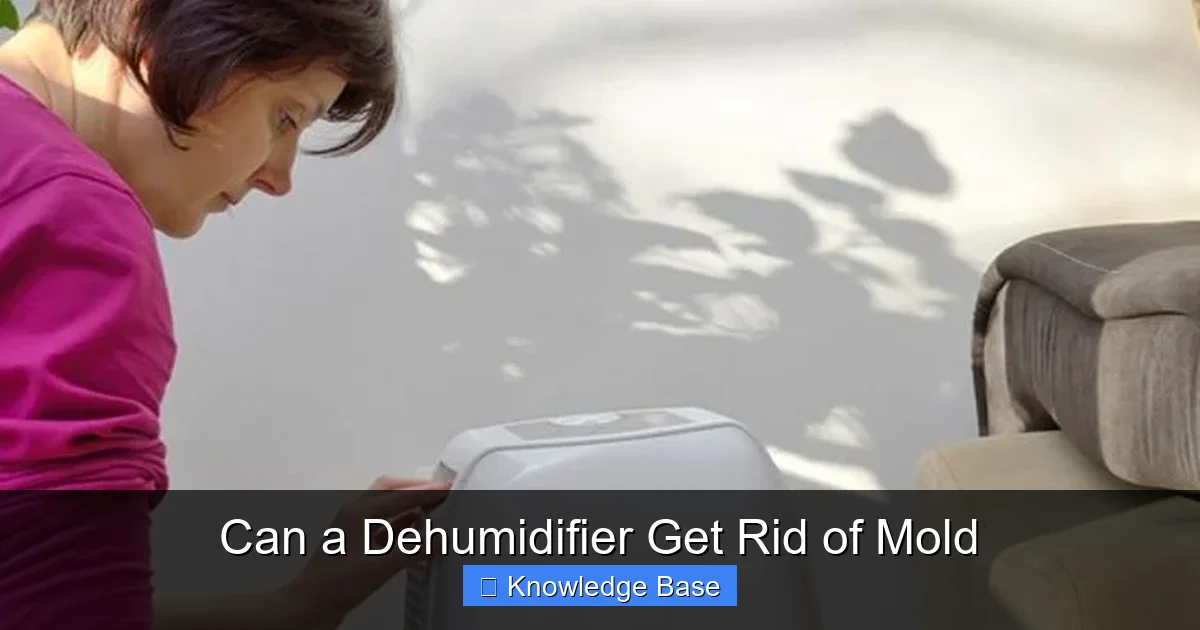
A dehumidifier cannot eliminate existing mold, but it plays a crucial role in preventing mold growth by reducing indoor humidity. By maintaining humidity levels below 50%, dehumidifiers create an environment where mold spores struggle to thrive, making them a vital tool in mold prevention and long-term moisture control.
Key Takeaways
- Dehumidifiers don’t kill mold: They reduce moisture, which inhibits mold growth but won’t remove active colonies.
- Ideal humidity level is 30–50%: Keeping indoor humidity in this range prevents mold from flourishing.
- Best for prevention, not cleanup: Use a dehumidifier after fixing leaks or water damage to stop mold from returning.
- Works best with ventilation: Pair your dehumidifier with good airflow and exhaust fans for maximum effectiveness.
- Regular maintenance matters: Clean filters and empty water tanks often to keep your unit running efficiently.
- Not a substitute for professional remediation: Severe mold infestations require expert treatment, even with a dehumidifier running.
- Use in high-risk areas: Basements, bathrooms, and laundry rooms benefit most from dehumidifier use.
Quick Answers to Common Questions
Can a dehumidifier kill mold?
No, a dehumidifier does not kill mold. It reduces moisture in the air, which prevents mold from growing, but it won’t remove existing mold colonies.
What humidity level prevents mold?
Keeping indoor humidity between 30% and 50% is ideal for preventing mold growth. Levels above 60% encourage mold development.
Should I run a dehumidifier in winter?
Yes, if your home feels damp or you see condensation on windows. Cold surfaces can cause moisture buildup, even in winter.
How often should I empty my dehumidifier?
It depends on the humidity level and tank size. Check daily in high-moisture areas, or use a continuous drain hose to avoid frequent emptying.
Can a dehumidifier help with musty smells?
Yes! Musty odors are often caused by mold and mildew. By reducing humidity, a dehumidifier helps eliminate the source of the smell.
📑 Table of Contents
- Can a Dehumidifier Get Rid of Mold? The Truth You Need to Know
- How Mold Grows and Why Moisture Matters
- How Dehumidifiers Work to Control Mold
- Can a Dehumidifier Remove Existing Mold?
- Best Practices for Using a Dehumidifier to Prevent Mold
- When to Use a Dehumidifier for Mold Prevention
- Myths and Misconceptions About Dehumidifiers and Mold
- Conclusion: Dehumidifiers Are Essential for Mold Prevention
Can a Dehumidifier Get Rid of Mold? The Truth You Need to Know
If you’ve ever spotted fuzzy black spots on your bathroom ceiling, noticed a musty smell in your basement, or seen discoloration on your walls, you’ve likely encountered mold. It’s not just unsightly—it can trigger allergies, worsen asthma, and even damage your home’s structure over time. Naturally, you’re looking for solutions. One common question homeowners ask is: “Can a dehumidifier get rid of mold?”
The short answer? Not exactly—but it’s still one of the most powerful tools in your mold-fighting arsenal. A dehumidifier won’t scrub away existing mold colonies, but it can stop new ones from forming and prevent current mold from spreading. Think of it like this: if mold is a weed, a dehumidifier doesn’t pull it out by the roots, but it makes the soil too dry for more weeds to grow.
Understanding how mold grows—and how dehumidifiers work—is key to using them effectively. Mold thrives in damp, humid environments. It feeds on organic materials like wood, drywall, and fabric, and releases spores into the air that can travel and settle elsewhere. These spores are always floating around us, but they only become a problem when they land on a wet surface and begin to grow. That’s where moisture control comes in.
A dehumidifier pulls excess moisture from the air, lowering the relative humidity in your home. When humidity drops below 50%, mold struggles to survive. This doesn’t mean your home becomes mold-proof overnight, but it significantly reduces the risk. In this article, we’ll explore exactly how dehumidifiers help with mold, when they’re most effective, and what steps you should take alongside using one to keep your home healthy and mold-free.
How Mold Grows and Why Moisture Matters
Visual guide about Can a Dehumidifier Get Rid of Mold
Image source: moldhelpforyou.com
Before we dive into how dehumidifiers help, it’s important to understand what mold is and why it loves your home so much. Mold is a type of fungus that reproduces through tiny airborne spores. These spores are everywhere—outdoors, in the air, and even inside your home. They’re harmless on their own, but when they land on a damp surface, they can begin to grow and multiply rapidly.
Mold needs three things to thrive: moisture, warmth, and a food source. Unfortunately, most homes provide all three. Leaky pipes, condensation on windows, poor ventilation in bathrooms, and flooding can all introduce moisture. Organic materials like wood, paper, carpet, and even dust serve as food. And let’s be honest—our homes are usually warm and cozy, which mold loves.
The critical factor here is moisture. Without it, mold can’t grow. Even if spores are present, they remain dormant if the environment is too dry. That’s why controlling humidity is the single most effective way to prevent mold. The Environmental Protection Agency (EPA) recommends keeping indoor humidity between 30% and 50%. Anything above 60% creates a prime breeding ground for mold.
For example, imagine your basement after a heavy rain. Water seeps through the walls, leaving damp concrete and wet carpet. Even after you dry the visible water, the air remains humid. Without intervention, mold can start growing within 24 to 48 hours. But if you run a dehumidifier in that space, it pulls moisture from the air, dries out the materials, and stops mold in its tracks.
How Dehumidifiers Work to Control Mold
Visual guide about Can a Dehumidifier Get Rid of Mold
Image source: dehumidifierforhome.com
So, how exactly does a dehumidifier help with mold? It all comes down to one simple principle: removing excess moisture from the air. There are two main types of dehumidifiers—refrigerant (compressor-based) and desiccant—but both work to reduce humidity, just in slightly different ways.
Refrigerant dehumidifiers are the most common type found in homes. They use a fan to draw warm, moist air over cold coils. As the air cools, the moisture condenses into water droplets, which collect in a tank or drain out through a hose. The now-drier air is reheated and released back into the room. This process lowers the relative humidity, making the environment less hospitable to mold.
Desiccant dehumidifiers, on the other hand, use a moisture-absorbing material (like silica gel) to pull water from the air. They’re often used in colder climates or in areas where refrigerant units might freeze. While they work differently, the end result is the same: drier air.
The key benefit of a dehumidifier is that it doesn’t just treat symptoms—it attacks the root cause of mold: excess moisture. By maintaining a consistent humidity level, you create an environment where mold spores can’t germinate or grow. This is especially important in areas prone to dampness, like basements, crawl spaces, and bathrooms.
Let’s say you have a small bathroom with no window and poor ventilation. After every shower, steam fills the room, and water droplets cling to the walls and ceiling. Over time, this constant moisture leads to mold growth in the grout and corners. Installing an exhaust fan helps, but adding a dehumidifier takes it a step further. It actively removes moisture from the air, even when the fan is off, preventing mold from taking hold.
Can a Dehumidifier Remove Existing Mold?
Now for the big question: can a dehumidifier actually get rid of mold that’s already growing? The honest answer is no—not directly. A dehumidifier doesn’t kill mold or remove it from surfaces. If you have visible mold on your walls, ceiling, or furniture, you’ll need to clean it manually using appropriate cleaning solutions like vinegar, hydrogen peroxide, or commercial mold removers.
However, a dehumidifier can stop existing mold from spreading. Mold releases spores into the air as it grows, and these spores can settle on nearby surfaces and start new colonies—especially if those surfaces are damp. By lowering the humidity, a dehumidifier makes it harder for these spores to take root. In other words, it halts the cycle of growth and reproduction.
Think of it like trying to grow plants in a desert. Even if you plant seeds, they won’t grow without water. Similarly, mold spores won’t grow without moisture. So while the dehumidifier won’t scrub your walls clean, it creates conditions that prevent the problem from getting worse.
That said, if you’re dealing with a large mold infestation—say, several square feet of growth or mold behind walls—you should call a professional remediation service. These situations often involve hidden moisture sources and can pose serious health risks. A dehumidifier is a helpful tool, but it’s not a substitute for expert treatment in severe cases.
Best Practices for Using a Dehumidifier to Prevent Mold
Using a dehumidifier effectively requires more than just plugging it in and walking away. To get the most out of your unit and truly prevent mold, follow these best practices:
1. Choose the Right Size and Capacity
Dehumidifiers come in different sizes, measured by how many pints of water they can remove per day. A small 30-pint unit might be fine for a bathroom, but a damp basement could need a 70-pint or larger model. Check the square footage and moisture level of the area you’re treating, and choose accordingly. Overworking a small unit won’t solve the problem, and an oversized one might cycle on and off too frequently, reducing efficiency.
2. Maintain Ideal Humidity Levels
Set your dehumidifier to maintain humidity between 30% and 50%. Many modern units have built-in hygrometers and auto-humidistats that let you set your target level. Avoid going below 30%, as overly dry air can cause discomfort, dry skin, and even damage wooden furniture.
3. Place It Strategically
Position your dehumidifier in the center of the room or near the source of moisture. Avoid placing it in a corner or behind furniture, as this restricts airflow. In basements, consider placing it near stairs or a sump pump where moisture tends to accumulate.
4. Use Continuous Drainage When Possible
If your dehumidifier has a hose attachment, connect it to a floor drain or sump pump. This allows the unit to run continuously without you having to empty the water tank every few hours—especially useful in high-moisture areas.
5. Clean and Maintain Regularly
A dirty dehumidifier is an inefficient one. Clean the air filter every few weeks to ensure proper airflow. Wipe down the coils and empty and rinse the water tank to prevent mold and bacteria from growing inside the unit itself. Some models have washable filters; others require replacement. Follow the manufacturer’s instructions.
6. Combine with Other Moisture Control Methods
A dehumidifier works best as part of a comprehensive moisture control strategy. Fix leaks promptly, use exhaust fans in bathrooms and kitchens, insulate cold surfaces to prevent condensation, and ensure proper ventilation in attics and crawl spaces. For example, if you have a window that fogs up in winter, it’s not just a humidity issue—it’s a sign of poor insulation. Addressing the root cause makes your dehumidifier’s job easier.
7. Monitor Humidity Levels
Use a standalone hygrometer to check humidity levels in different areas of your home. This helps you identify problem spots and adjust your dehumidifier usage accordingly. You might find that one room stays damp even with the dehumidifier running, indicating a hidden leak or ventilation issue.
When to Use a Dehumidifier for Mold Prevention
Not every home needs a dehumidifier year-round, but certain situations make it essential for mold prevention.
After Water Damage or Flooding
If your home has experienced a leak, burst pipe, or flood, a dehumidifier is one of the first tools you should bring in. Even after visible water is removed, moisture can linger in walls, carpets, and insulation. Running a dehumidifier helps dry out these materials quickly, reducing the risk of mold growth. Professionals often use industrial-grade dehumidifiers during water damage restoration for this reason.
In High-Humidity Climates
If you live in a humid region—like the Southeast U.S., the Gulf Coast, or tropical areas—your home is naturally more prone to mold. A whole-house dehumidifier or multiple portable units can help maintain healthy humidity levels, especially during summer months when outdoor humidity soars.
In Basements and Crawl Spaces
These areas are notorious for dampness due to poor ventilation and ground moisture. A dehumidifier in the basement can prevent mold, musty odors, and even structural damage. Consider a model with a built-in pump for continuous drainage, especially if there’s no nearby drain.
In Bathrooms and Laundry Rooms
These rooms generate a lot of moisture from showers, baths, and washing machines. While exhaust fans help, they don’t remove all the humidity. A small, quiet dehumidifier can run after showers or laundry cycles to keep moisture levels in check.
During Renovations or Painting
When you’re painting or installing new drywall, moisture from adhesives and paint can linger. Running a dehumidifier during and after the project helps materials dry properly and prevents mold from forming behind walls or under flooring.
Myths and Misconceptions About Dehumidifiers and Mold
There are several common myths about dehumidifiers and mold that can lead to confusion. Let’s clear them up:
Myth 1: “A dehumidifier will kill all mold in my home.”
As we’ve discussed, dehumidifiers don’t kill mold. They prevent it by removing moisture. You still need to clean existing mold with proper techniques and products.
Myth 2: “If I run a dehumidifier, I don’t need to fix leaks.”
This is dangerous thinking. A dehumidifier can help manage moisture, but it’s not a permanent fix for leaks, poor drainage, or structural issues. Always address the source of water intrusion.
Myth 3: “All dehumidifiers are the same.”
Different models vary in capacity, energy efficiency, noise level, and features. Choose one suited to your space and needs. For example, a quiet unit is better for bedrooms, while a high-capacity model is ideal for large basements.
Myth 4: “I only need a dehumidifier in summer.”
While humidity is higher in summer, indoor moisture can be a problem year-round—especially in heated homes during winter, where cold surfaces cause condensation. Monitor humidity levels and use your dehumidifier as needed.
Myth 5: “A dehumidifier will solve my mold problem forever.”
Mold prevention is an ongoing process. Regular maintenance, ventilation, and moisture control are all part of the equation. A dehumidifier is a tool, not a magic solution.
Conclusion: Dehumidifiers Are Essential for Mold Prevention
So, can a dehumidifier get rid of mold? Not directly—but it’s one of the most effective ways to stop mold from growing in the first place. By maintaining indoor humidity between 30% and 50%, dehumidifiers create an environment where mold spores can’t thrive. They’re especially valuable in damp areas like basements, bathrooms, and laundry rooms, and after water damage or flooding.
However, a dehumidifier is not a standalone solution. It works best when combined with good ventilation, prompt leak repairs, and regular cleaning. If you already have mold, you’ll need to clean it manually and address the moisture source to prevent recurrence.
Think of your dehumidifier as a long-term investment in your home’s health. It won’t eliminate mold overnight, but over time, it can dramatically reduce the risk of mold growth, improve indoor air quality, and protect your family’s well-being. Pair it with smart habits—like using exhaust fans, fixing leaks quickly, and monitoring humidity—and you’ll have a powerful defense against mold.
In the fight against mold, moisture control is king. And when it comes to controlling moisture, few tools are as reliable as a quality dehumidifier.
Frequently Asked Questions
Do I need a dehumidifier if I have central air conditioning?
Possibly. While AC systems remove some moisture, they may not be enough in very humid climates or damp areas like basements. A dehumidifier can provide extra moisture control.
Can mold grow in a room with a dehumidifier running?
It’s unlikely if humidity stays below 50%. However, if there’s a hidden leak or poor ventilation, mold can still develop in localized damp spots.
How long does it take for a dehumidifier to reduce mold risk?
Within 24 to 48 hours of consistent use, humidity levels drop significantly, greatly reducing the chance of new mold growth.
Are there health risks from using a dehumidifier?
No, when used properly. However, failing to clean the unit can lead to mold or bacteria growth inside the tank, which can be blown back into the air.
Can I use a dehumidifier in a crawl space?
Yes, but use a model designed for crawl spaces or basements. Ensure it has a pump for drainage and is properly sealed to prevent moisture re-entry.
Will a dehumidifier increase my electricity bill?
It can, depending on the size and usage. Energy-efficient models with auto-humidistats help minimize energy consumption by only running when needed.