
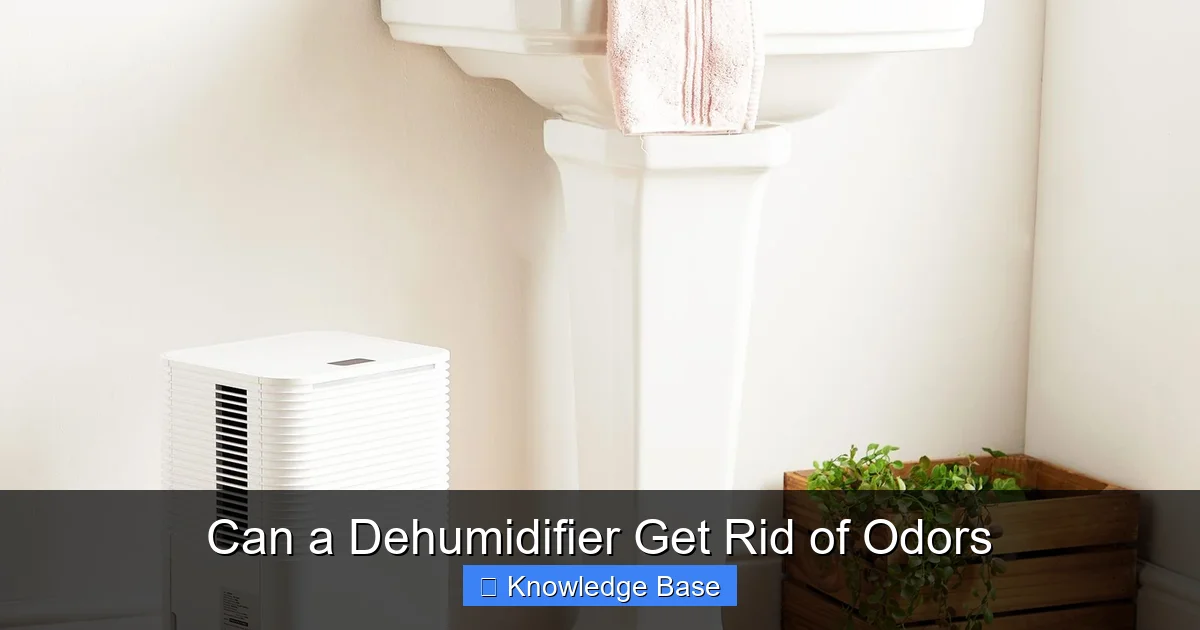
Yes, a dehumidifier can help get rid of odors—especially musty, damp, or mildew-like smells—by reducing excess moisture in the air. Since many odor-causing bacteria, mold, and mildew thrive in humid environments, lowering humidity levels makes your space less hospitable to these odor sources. While a dehumidifier doesn’t directly remove odors like an air purifier, it tackles the root cause: moisture.
Key Takeaways
- Dehumidifiers reduce moisture, which helps prevent mold and mildew growth—the main culprits behind musty odors.
- They work best in damp areas like basements, bathrooms, and laundry rooms where humidity levels are high.
- While dehumidifiers don’t eliminate all odors, they create an environment where odor-causing microbes can’t thrive.
- For strong or persistent odors, combine a dehumidifier with cleaning, ventilation, or an air purifier for best results.
- Regular maintenance, like emptying the water tank and cleaning filters, ensures your dehumidifier works efficiently.
- Ideal indoor humidity levels are between 30% and 50%—keeping it in this range helps control odors and improves comfort.
- Energy-efficient models with auto-humidistats offer better long-term odor control and lower electricity bills.
Quick Answers to Common Questions
Can a dehumidifier remove pet odors?
Not directly. Pet odors come from dander, urine, or oils, not moisture. However, a dehumidifier can help if the odor is worsened by humidity, like a damp carpet that smells more strongly. For best results, clean the source and use an air purifier.
Will a dehumidifier get rid of cigarette smoke smell?
No. Smoke odors are chemical-based and stick to surfaces. A dehumidifier won’t remove them. You’ll need deep cleaning, ventilation, and possibly an air purifier with activated carbon.
How long does it take for a dehumidifier to reduce odors?
It depends on the humidity level and size of the space. In a moderately damp room, you may notice a difference in 1–2 weeks. For severe mold or mildew, it could take a month or more of consistent use.
Can I use a dehumidifier in winter?
Yes, but only if indoor humidity is high. In cold weather, windows may fog up, indicating excess moisture. Run the dehumidifier as needed, but avoid over-drying the air, which can cause dry skin or static.
Do I need a dehumidifier if I have air conditioning?
Not always. Modern AC units remove some moisture, but they may not be enough in very humid climates or large homes. If you still notice musty smells, a dehumidifier can help.
📑 Table of Contents
- Can a Dehumidifier Get Rid of Odors? The Surprising Truth
- How Odors Form in Humid Environments
- How a Dehumidifier Works to Reduce Odors
- Where a Dehumidifier Works Best for Odor Control
- Limitations of Dehumidifiers for Odor Removal
- Tips for Maximizing Odor Control with a Dehumidifier
- Conclusion: Yes, a Dehumidifier Can Help Get Rid of Odors
Can a Dehumidifier Get Rid of Odors? The Surprising Truth
If you’ve ever walked into a basement and been hit with that unmistakable damp, earthy smell, you know how unpleasant odors caused by moisture can be. You might be wondering: Can a dehumidifier get rid of odors? The short answer is yes—but not in the way you might think. A dehumidifier doesn’t spray fresheners or zap smells out of the air. Instead, it works behind the scenes to create an environment where odors are less likely to form in the first place.
Most household odors—especially the musty, mildew-like ones—are caused by mold, mildew, and bacteria that grow in damp, humid conditions. These microorganisms release volatile organic compounds (VOCs) as they grow, and those compounds are what we smell. By pulling excess moisture out of the air, a dehumidifier makes your home less inviting to these odor-producing invaders. Think of it as removing the welcome mat for mold and mildew.
But here’s the catch: a dehumidifier won’t eliminate odors that come from pets, cooking, smoke, or chemical spills. Those types of smells need different solutions, like air purifiers, deep cleaning, or ventilation. However, if your home smells damp, stale, or “old,” a dehumidifier can be a powerful ally in restoring fresh, clean air.
How Odors Form in Humid Environments

Visual guide about Can a Dehumidifier Get Rid of Odors
Image source: i.pinimg.com
To understand how a dehumidifier helps with odors, it helps to know where those smells come from in the first place. Odors aren’t just random—they’re often the result of biological or chemical processes that thrive in certain conditions. And when it comes to indoor air quality, humidity plays a starring role.
The Role of Moisture in Odor Development
Moisture is like fuel for odor-causing organisms. Mold, mildew, dust mites, and certain bacteria all need water to survive and reproduce. When humidity levels rise above 60%, these organisms begin to multiply rapidly. For example, mold spores—tiny, airborne particles—can settle on damp surfaces like walls, carpets, or furniture. Once they find moisture, they start growing and releasing that telltale musty smell.
Even if you can’t see mold, you might still smell it. That’s because mold can grow behind walls, under flooring, or in HVAC systems—places that are hard to reach but still exposed to humid air. The same goes for mildew, which often appears in bathrooms or laundry rooms where steam builds up.
Common Odor Sources Linked to High Humidity
Here are some of the most common odor sources that are directly tied to high indoor humidity:
- Basements: Often the dampest part of a home, basements are prime real estate for mold and mildew. Poor ventilation and groundwater seepage make them especially prone to musty smells.
- Bathrooms: Steam from showers and baths increases humidity. If not ventilated properly, this moisture can lead to soap scum buildup, mildew on grout, and that “wet towel” smell.
- Laundry Rooms: Wet clothes left in machines or folded while damp can develop a sour, mildew-like odor. High humidity in the room makes it worse.
- Closets: Especially in older homes or during humid seasons, closets can trap moisture and lead to musty-smelling clothes and shoes.
- Crawl Spaces: These dark, enclosed areas are often overlooked but can harbor significant moisture and mold growth, which then spreads odors throughout the home.
In all these cases, the common thread is excess moisture. And that’s where a dehumidifier steps in.
How a Dehumidifier Works to Reduce Odors
Visual guide about Can a Dehumidifier Get Rid of Odors
Image source: i.ytimg.com
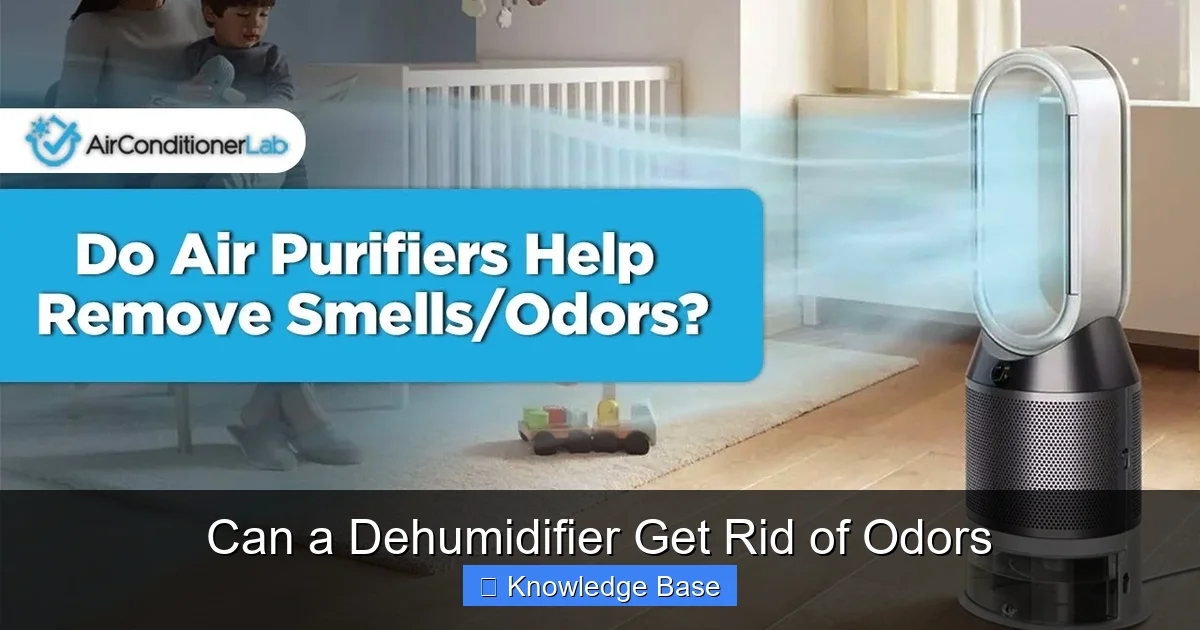
Now that we know where odors come from, let’s look at how a dehumidifier helps fight them. It’s not magic—it’s science. By controlling indoor humidity, a dehumidifier creates an environment that’s less hospitable to odor-causing microbes.
The Science Behind Humidity Control
A dehumidifier works by drawing in warm, moist air from the room. Inside the unit, the air passes over cold coils, causing the moisture to condense into water droplets. These droplets collect in a tank or drain out through a hose. The now-drier air is then reheated and released back into the room.
This process lowers the relative humidity (RH) in your home. The ideal indoor humidity level is between 30% and 50%. When humidity stays in this range, mold and mildew struggle to grow. Dust mites—another common allergen and odor contributor—also can’t survive in low-humidity environments.
Preventing Mold and Mildew Growth
Mold and mildew are the biggest culprits behind persistent household odors. They don’t just smell bad—they can also trigger allergies and respiratory issues. A dehumidifier helps by:
- Reducing surface moisture: When the air is less humid, surfaces dry faster. This means wet towels, spills, or condensation on windows won’t linger long enough to encourage mold growth.
- Stopping spore germination: Mold spores are everywhere, but they only grow when they find moisture. Lower humidity means fewer spores can take root.
- Protecting stored items: Books, clothes, and furniture are less likely to develop that “old book” or “damp closet” smell when humidity is controlled.
For example, imagine you have a basement that smells like wet cardboard. You run a dehumidifier for a few weeks, and the smell starts to fade. That’s because the unit is pulling moisture out of the air and the walls, making it harder for mold to survive. Over time, the odor diminishes—not because the dehumidifier “cleaned” the air, but because it removed the conditions that allowed the odor to form.
Impact on Dust Mites and Bacteria
Dust mites are microscopic creatures that feed on dead skin cells and thrive in humid environments. They don’t bite or sting, but their waste products are a common allergen and can contribute to stale, stuffy odors. Studies show that dust mite populations drop significantly when humidity falls below 50%.
Similarly, certain bacteria grow better in moist conditions. For instance, the bacteria that cause “wet dog” smell in carpets or “sour milk” odor in refrigerators often flourish in high humidity. By keeping the air dry, a dehumidifier helps slow their growth and reduce associated odors.
Where a Dehumidifier Works Best for Odor Control
Not all rooms in your home benefit equally from a dehumidifier. To get the most odor-fighting power, it’s important to place your unit in the right location.
Basements and Crawl Spaces
Basements are the number one spot for dehumidifier use. They’re typically below ground level, poorly ventilated, and prone to moisture from groundwater or condensation. A dehumidifier in the basement can dramatically reduce musty odors and prevent structural damage from mold.
If you have a crawl space, consider a ducted or crawl space-specific dehumidifier. These units are designed to handle tight, enclosed areas and often come with built-in drainage systems.
Bathrooms and Laundry Rooms
Bathrooms generate a lot of steam, especially during showers. Without proper ventilation, this moisture lingers and leads to mildew on tiles, grout, and shower curtains. A small, portable dehumidifier can help, but the best solution is to use an exhaust fan during and after showers.
Laundry rooms are another hotspot. Wet clothes, damp floors, and high humidity from dryers create the perfect storm for odors. Running a dehumidifier in this space—especially if you air-dry clothes indoors—can prevent that sour, mildew smell.
Closets and Storage Areas
Walk-in closets, especially those without windows or airflow, can trap moisture and lead to musty-smelling clothes. A small dehumidifier or even moisture-absorbing products like silica gel packs can help. For larger storage areas like attics or garages, a dehumidifier can protect stored items from moisture damage and odor buildup.
Whole-House vs. Portable Units
For comprehensive odor control, a whole-house dehumidifier installed in your HVAC system is ideal. It treats the entire home and maintains consistent humidity levels. These are especially useful in humid climates or large homes.
Portable dehumidifiers are more affordable and flexible. You can move them from room to room as needed. They’re perfect for spot treatment—like tackling a smelly basement or damp bathroom.
Limitations of Dehumidifiers for Odor Removal
While dehumidifiers are excellent at preventing moisture-related odors, they’re not a cure-all. It’s important to understand their limitations so you can use them effectively.
What Dehumidifiers Can’t Do
A dehumidifier doesn’t:
- Remove existing mold or mildew: If you already have visible mold, you need to clean it thoroughly. A dehumidifier can prevent it from coming back, but it won’t clean it up.
- Eliminate non-moisture odors: Cooking smells, pet odors, cigarette smoke, or chemical fumes require different solutions like air purifiers, ventilation, or cleaning.
- Replace ventilation: Opening windows, using exhaust fans, and improving airflow are still essential for fresh air.
- Act as an air purifier: Dehumidifiers don’t filter particles like dust, pollen, or pet dander. For that, you need an air purifier with a HEPA filter.
When to Combine with Other Solutions
For the best results, use a dehumidifier as part of a multi-step odor control strategy:
- Clean first: Remove any visible mold, mildew, or stains. Use vinegar, baking soda, or commercial cleaners designed for mold.
- Improve ventilation: Open windows when weather allows. Use fans to circulate air.
- Add an air purifier: Pair your dehumidifier with an air purifier to tackle airborne particles and odors.
- Use odor absorbers: Place bowls of baking soda, activated charcoal, or commercial odor absorbers in problem areas.
- Fix leaks: Address any water leaks or condensation issues at the source.
For example, if your bathroom smells like mildew, start by scrubbing the tiles and grout. Then run a dehumidifier and use an exhaust fan. Over time, the odor will fade and stay away.
Tips for Maximizing Odor Control with a Dehumidifier
To get the most out of your dehumidifier and keep odors at bay, follow these practical tips.
Choose the Right Size and Type
Dehumidifiers are rated by the amount of moisture they can remove in 24 hours (measured in pints). A small 30-pint unit might be fine for a bathroom, but a basement may need a 70-pint or larger model. Check the square footage and humidity level of the space to choose the right size.
Look for features like:
- Auto-humidistat: Automatically adjusts settings to maintain your desired humidity level.
- Continuous drainage: Lets you connect a hose so you don’t have to empty the tank.
- Energy Star rating: Saves on electricity and reduces environmental impact.
- Filter indicator: Reminds you when to clean the air filter.
Maintain Your Dehumidifier Regularly
A dirty dehumidifier can actually make odors worse. Mold or bacteria can grow inside the unit if the tank isn’t cleaned. Follow these maintenance steps:
- Empty the water tank daily (or use a drain hose).
- Clean the tank weekly with soap and water or a mild bleach solution.
- Wash or replace the air filter every 1–2 months.
- Wipe down the coils if you notice dust buildup.
- Check for leaks or unusual noises and address them promptly.
Monitor Humidity Levels
Use a hygrometer (a small, inexpensive device) to check the humidity in your home. Aim to keep it between 30% and 50%. If it’s consistently above 60%, your dehumidifier may need to run more often or you may need a larger unit.
Some smart dehumidifiers come with built-in hygrometers and can connect to your smartphone for remote monitoring.
Use in Combination with Other Methods
For stubborn odors, don’t rely on the dehumidifier alone. Try these complementary strategies:
- Deep clean carpets and upholstery to remove embedded odors.
- Wash curtains, shower liners, and bath mats regularly.
- Use essential oil diffusers (sparingly) to add a fresh scent—just don’t mask odors without addressing the cause.
- Keep indoor plants like spider plants or peace lilies, which can help improve air quality.
Conclusion: Yes, a Dehumidifier Can Help Get Rid of Odors
So, can a dehumidifier get rid of odors? The answer is a qualified yes. While it won’t eliminate every smell in your home, it’s incredibly effective at tackling musty, damp, and mildew-like odors by reducing the moisture that allows them to thrive. By maintaining indoor humidity between 30% and 50%, a dehumidifier creates an environment where mold, mildew, and bacteria can’t grow—and that means fewer odors over time.
For best results, use your dehumidifier in damp areas like basements, bathrooms, and laundry rooms. Combine it with regular cleaning, proper ventilation, and other odor-control methods. And don’t forget to maintain your unit—empty the tank, clean the filter, and monitor humidity levels.
Think of a dehumidifier not as an air freshener, but as a long-term solution for healthier, fresher-smelling air. It’s a smart investment for anyone dealing with humidity-related odors, allergies, or mold concerns. With the right approach, you can say goodbye to that stale basement smell and hello to a cleaner, more comfortable home.
Frequently Asked Questions
Can a dehumidifier eliminate all household odors?
No, a dehumidifier cannot eliminate all odors. It’s most effective against musty, damp, or mildew-like smells caused by excess moisture. Odors from cooking, pets, or chemicals require other solutions like air purifiers or cleaning.
How does a dehumidifier help with mold smell?
A dehumidifier reduces moisture in the air, making it harder for mold to grow. While it won’t remove existing mold, it prevents new growth and helps reduce the musty odor over time.
Should I run my dehumidifier all the time?
Not necessarily. Run it when humidity is high—usually above 50%. Many models have auto settings that turn on only when needed, saving energy and maintaining optimal levels.
Can a dehumidifier make the air too dry?
Yes, if overused. Ideal indoor humidity is 30%–50%. Below 30%, the air can feel dry and cause irritation. Use a hygrometer to monitor levels and adjust the dehumidifier accordingly.
Do dehumidifiers use a lot of electricity?
It depends on the model and usage. Energy-efficient units with Energy Star ratings use less power. Running a dehumidifier continuously can increase your bill, so use timers or auto settings to save energy.
Can I use a dehumidifier in a closet?
Yes, but a small portable unit or moisture-absorbing products may be more practical. For large closets with persistent odors, a mini dehumidifier can help prevent musty smells on clothes and shoes.