
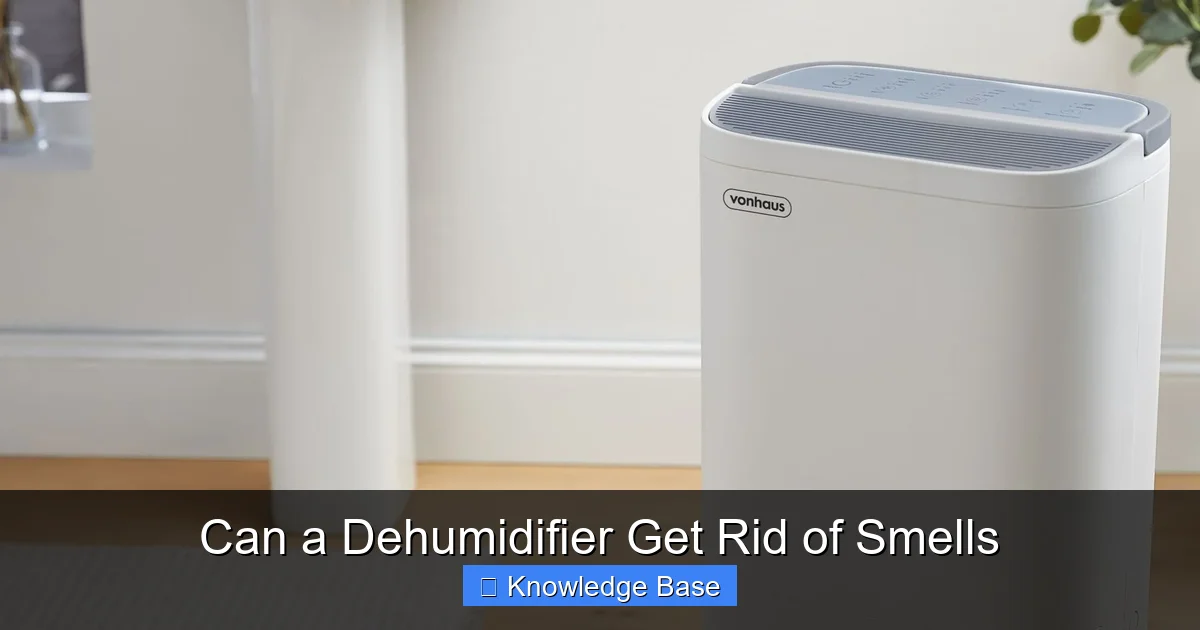
Yes, a dehumidifier can help get rid of smells—especially musty, damp, or mildew odors—by reducing excess moisture in the air. Since many unpleasant smells thrive in humid environments, controlling humidity levels disrupts the conditions that allow odor-causing mold, mildew, and bacteria to grow.
Key Takeaways
- Dehumidifiers reduce moisture: By pulling excess water vapor from the air, they create an environment where odor-causing mold and mildew can’t thrive.
- Musty smells disappear: Damp basements, bathrooms, and closets often smell musty due to high humidity—dehumidifiers tackle the root cause.
- They don’t eliminate all odors: Strong cooking smells, pet urine, or chemical fumes need additional solutions like air purifiers or cleaning.
- Prevention is key: Using a dehumidifier regularly helps prevent future odors by maintaining optimal indoor humidity (30–50%).
- Works best with ventilation: Pair your dehumidifier with good airflow and regular cleaning for maximum odor control.
- Energy-efficient models save money: Modern dehumidifiers use less power and automatically adjust to humidity levels, making them cost-effective long-term.
- Placement matters: Position your unit in the most humid area (like a basement) and empty the water tank regularly for best results.
Quick Answers to Common Questions
Can a dehumidifier remove cigarette smoke smell?
No, a dehumidifier cannot remove cigarette smoke smell. Smoke particles and chemicals embed in surfaces and require deep cleaning, ventilation, and air purifiers with carbon filters.
Will a dehumidifier help with pet urine odor?
It can help slightly by reducing moisture that worsens the smell, but the urine itself must be cleaned with enzymatic cleaners. A dehumidifier alone won’t eliminate the odor.
How long does it take for a dehumidifier to remove musty smells?
Most musty smells begin to fade within a few days of consistent use. Full odor elimination may take 1–3 weeks, depending on humidity levels and the extent of mold growth.
Can I use a dehumidifier in winter?
Yes, but only if indoor humidity is high. In cold climates, running a dehumidifier too low can cause condensation on windows. Aim for 30–40% humidity in winter.
Do I need to run my dehumidifier all the time?
Not necessarily. Most models have auto modes that turn on when humidity rises. Run it daily in humid seasons or in consistently damp areas like basements.
📑 Table of Contents
- Can a Dehumidifier Get Rid of Smells? The Truth About Odor Control and Humidity
- How Dehumidifiers Work to Reduce Odors
- Common Smells a Dehumidifier Can Eliminate
- When a Dehumidifier Won’t Help with Smells
- How to Use a Dehumidifier for Maximum Odor Control
- Real-Life Examples: Dehumidifiers in Action
- Maintenance Tips to Keep Odors Away
- Conclusion: Yes, a Dehumidifier Can Help Get Rid of Smells
Can a Dehumidifier Get Rid of Smells? The Truth About Odor Control and Humidity
If you’ve ever walked into a damp basement and been hit with that unmistakable musty smell, you know how stubborn and unpleasant odors from moisture can be. Whether it’s the lingering scent of wet laundry, the earthy funk in a rarely used closet, or the sour smell in a bathroom after a hot shower, these odors aren’t just annoying—they can signal deeper issues like mold growth or poor air quality.
So, can a dehumidifier get rid of smells? The short answer is yes—but with some important caveats. A dehumidifier doesn’t directly “clean” the air like an air purifier. Instead, it tackles the root cause of many odors: excess moisture. By lowering the humidity in your home, a dehumidifier creates an environment where odor-causing microorganisms like mold, mildew, and bacteria struggle to survive. This means fewer smells over time, especially those tied to dampness.
But not all smells come from humidity. Strong cooking odors, pet accidents, cigarette smoke, or chemical fumes require different solutions. That’s why understanding how dehumidifiers work—and what they can and can’t do—is key to using them effectively for odor control.
How Dehumidifiers Work to Reduce Odors
Visual guide about Can a Dehumidifier Get Rid of Smells
Image source: cdn.mos.cms.futurecdn.net
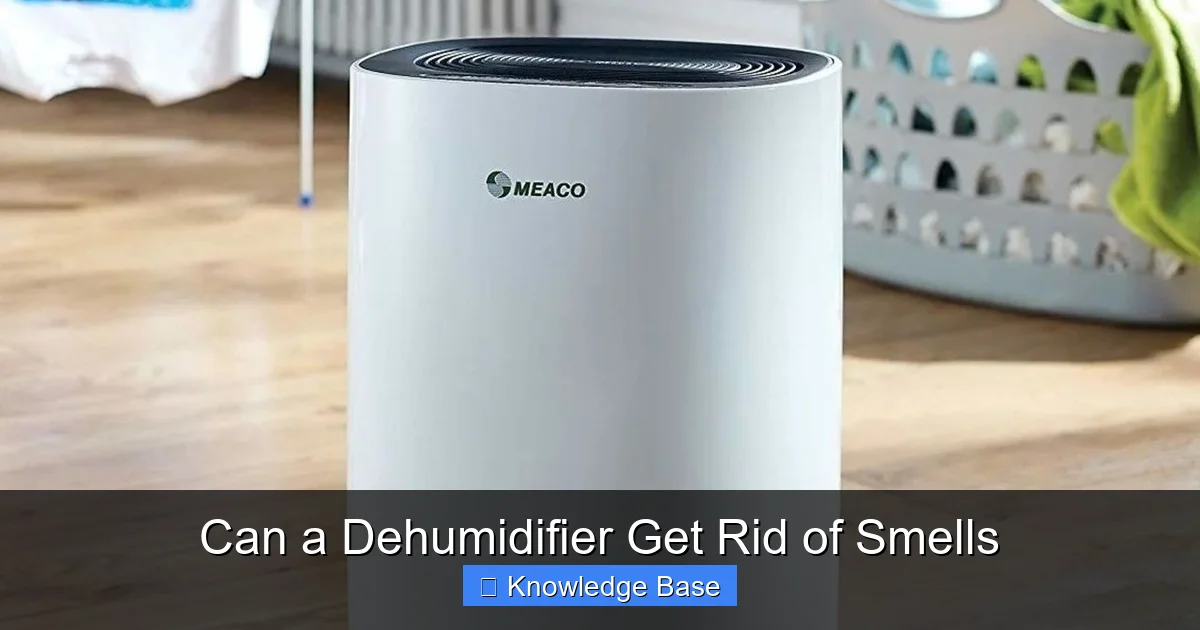
To understand how a dehumidifier helps with smells, it helps to know what it actually does. At its core, a dehumidifier is a device that removes excess moisture from the air. It pulls in humid air, cools it to condense the water vapor into liquid, collects that water in a tank or drains it away, and then releases drier air back into the room.
This process directly impacts odor development because many unpleasant smells are caused by biological growth that thrives in moist environments. For example, mold and mildew release volatile organic compounds (VOCs) as they grow—these are the chemicals responsible for that classic “damp basement” smell. Bacteria and dust mites also flourish in high humidity, contributing to stale or sour odors.
By maintaining indoor humidity levels between 30% and 50%, a dehumidifier makes it much harder for these organisms to grow. Think of it like turning off the water supply to a garden—without moisture, the plants (in this case, mold and mildew) can’t survive. As a result, the source of the smell is eliminated, and the air begins to feel fresher.
Types of Dehumidifiers and Their Role in Odor Control
Not all dehumidifiers are created equal, and the type you choose can affect how well it helps with smells. The two main types are refrigerant (compressor) dehumidifiers and desiccant dehumidifiers.
Refrigerant dehumidifiers are the most common and work best in warm, humid climates—like basements in summer. They use a cold coil to condense moisture from the air. These are highly effective at reducing humidity and, by extension, musty odors in enclosed spaces.
Desiccant dehumidifiers, on the other hand, use a moisture-absorbing material (like silica gel) to pull water from the air. They work well in cooler temperatures and are often quieter, making them a good choice for bedrooms or RVs. While both types reduce humidity, refrigerant models are generally more powerful for large spaces.
Some advanced models also come with built-in air filters or UV lights that help trap particles or kill microorganisms, adding an extra layer of odor control. However, even without these features, simply lowering humidity can make a noticeable difference in how your home smells.
Common Smells a Dehumidifier Can Eliminate
Visual guide about Can a Dehumidifier Get Rid of Smells
Image source: cdn.mos.cms.futurecdn.net
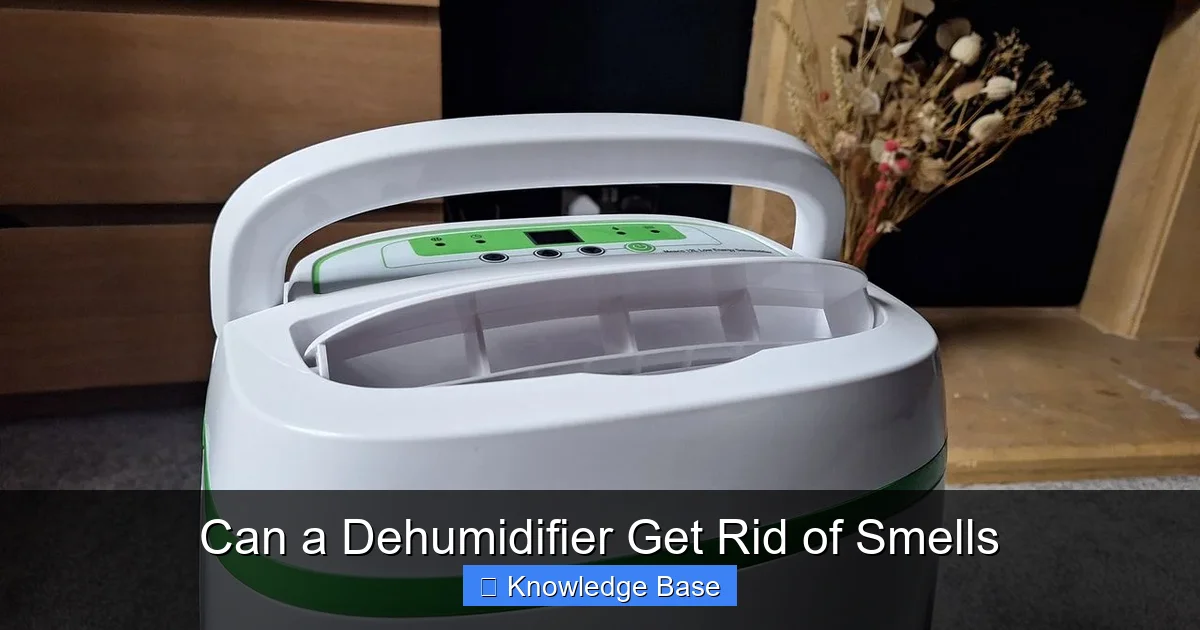
So, which smells can a dehumidifier actually help with? The most common culprits are odors linked to moisture and biological growth. Here are the top types of smells that respond well to dehumidification:
Musty or Damp Smells
This is the classic “old house” or “wet basement” odor—earthy, sour, and slightly sweet. It’s caused by mold and mildew growing on walls, carpets, or stored items. A dehumidifier can drastically reduce this smell by drying out the air and preventing further growth. In many cases, once the humidity is under control, the smell fades within days or weeks.
For example, a homeowner in Seattle noticed a persistent musty smell in their basement after heavy rains. After running a 50-pint dehumidifier daily for two weeks, the odor disappeared completely. Regular use prevented it from returning.
Mildew and Mold Odors
Mildew has a distinct, pungent smell—like wet cardboard or rotten wood. It often appears in bathrooms, under sinks, or behind washing machines. Since mildew needs moisture to grow, a dehumidifier can stop it in its tracks. Pairing it with regular cleaning (like scrubbing with vinegar or bleach) accelerates odor removal.
Stale or Stuffy Air
Rooms that feel “stuffy” or “stale” often have high humidity and poor air circulation. This can lead to a buildup of odors from dust, pet dander, or lingering cooking smells. While a dehumidifier won’t remove these particles directly, it reduces the moisture that allows them to linger and smell stronger. Combined with ventilation, it can make a room feel noticeably fresher.
Closet and Storage Odors
Closets, especially in humid climates, can develop a sour or musty smell from clothes, shoes, or stored items absorbing moisture. Running a small dehumidifier or even a moisture-absorbing product like DampRid in these spaces can prevent odors and protect fabrics from mildew.
Post-Flood or Water Damage Smells
After a leak or flood, lingering dampness can lead to persistent odors and mold growth. Professional water damage restoration often includes industrial dehumidifiers to dry out walls and carpets. For minor incidents, a home dehumidifier can help speed up drying and eliminate the “wet” smell.
When a Dehumidifier Won’t Help with Smells
While dehumidifiers are powerful tools for moisture-related odors, they’re not a cure-all. There are several types of smells they simply can’t address:
Strong Cooking Odors
The smell of fried fish, burnt popcorn, or garlic lingers because of airborne oils and particles—not moisture. A dehumidifier won’t remove these. Instead, use an exhaust fan, open windows, or run an air purifier with a carbon filter.
Pet Urine or Feces Odors
Pet accidents release ammonia and organic compounds that soak into carpets, upholstery, and subfloors. While high humidity can worsen the smell by promoting bacterial growth, the odor itself comes from the urine, not the moisture. Cleaning with enzymatic cleaners and using an air purifier is more effective.
Cigarette or Smoke Smells
Smoke particles embed themselves in walls, curtains, and furniture. These odors are chemical, not microbial, so a dehumidifier won’t help. Deep cleaning, painting, and air purifiers with HEPA and carbon filters are needed.
Chemical or Paint Fumes
Fresh paint, cleaning products, or new furniture can release strong chemical odors. These are best managed with ventilation and time—not dehumidification.
Garbage or Rotting Food Smells
These odors come from decomposing organic matter. While humidity can make them worse, the solution is removing the source and cleaning thoroughly. A dehumidifier might help slightly by reducing bacterial growth, but it’s not the primary fix.
In short, if the smell isn’t caused or worsened by moisture, a dehumidifier alone won’t solve it. But it can still play a supporting role by improving overall air quality and preventing secondary odors from mold.
How to Use a Dehumidifier for Maximum Odor Control
Using a dehumidifier effectively requires more than just plugging it in. Here’s how to get the best results for odor elimination:
Choose the Right Size
Dehumidifiers are rated by how many pints of water they can remove per day. A small 30-pint unit might be fine for a bathroom, but a large basement may need a 70-pint model. Check the square footage and humidity level to pick the right size. Undersized units will struggle to keep up, while oversized ones may cycle too frequently.
Place It Strategically
Put the dehumidifier in the most humid area—usually the basement, crawl space, or laundry room. Avoid placing it near walls or furniture that block airflow. For whole-house coverage, consider a whole-home dehumidifier installed with your HVAC system.
Set the Right Humidity Level
Aim for 30–50% relative humidity. Most dehumidifiers have a built-in humidistat to monitor and adjust automatically. In winter, you can go slightly lower (30–40%) to prevent condensation on windows. In summer, 45–50% is ideal.
Empty the Water Tank Regularly
A full tank stops the dehumidifier from working. Most models have an auto-shutoff feature, but it’s still important to check and empty it daily, especially in humid weather. Some units offer a continuous drain option using a hose.
Clean the Unit and Filter
Dust and mold can build up inside the dehumidifier, creating new odors. Clean the air filter monthly with soap and water, and wipe down the coils and tank with a vinegar solution every few months.
Combine with Other Methods
For best results, pair your dehumidifier with:
– Opening windows when weather allows
– Using exhaust fans in kitchens and bathrooms
– Cleaning moldy surfaces with vinegar or bleach
– Running an air purifier for particle removal
– Washing or replacing musty fabrics
Real-Life Examples: Dehumidifiers in Action
Let’s look at a few real-world scenarios where dehumidifiers made a difference in odor control:
Case 1: The Damp Basement
Sarah from Ohio had a basement that smelled like wet socks every spring. She tried air fresheners and sprays, but the smell always returned. After researching, she bought a 50-pint dehumidifier and ran it daily. Within two weeks, the musty odor was gone. She now uses it seasonally and hasn’t had a problem since.
Case 2: The Humid Rental Apartment
Mike lived in a small apartment in Florida with no central AC. His bathroom always smelled sour after showers. He placed a compact desiccant dehumidifier in the corner and ran it for an hour after each shower. The smell disappeared, and his towels stayed fresher.
Case 3: The Post-Storm Cleanup
After a storm flooded her garage, Lisa used a portable dehumidifier alongside fans to dry out the space. Within a week, the damp smell was gone, and no mold grew on the walls. She now keeps the dehumidifier running during rainy seasons.
These examples show that consistent use and proper setup make all the difference.
Maintenance Tips to Keep Odors Away
To ensure your dehumidifier continues to help with smells, regular maintenance is essential:
– **Clean the filter monthly:** A clogged filter reduces efficiency and can harbor mold.
– **Wipe the water tank:** Use a mix of water and vinegar to prevent bacterial growth.
– **Check for mold inside:** Inspect coils and vents for black spots—clean immediately if found.
– **Replace filters as needed:** Some models have washable filters; others require replacement every 6–12 months.
– **Store properly in off-seasons:** Clean and dry the unit before storing to prevent odors from developing inside.
A well-maintained dehumidifier not only works better but also lasts longer—giving you years of odor-free air.
Conclusion: Yes, a Dehumidifier Can Help Get Rid of Smells
So, can a dehumidifier get rid of smells? Absolutely—especially when those smells are caused by excess moisture, mold, mildew, or dampness. By maintaining optimal humidity levels, a dehumidifier removes the conditions that allow odor-causing organisms to thrive. This leads to fresher, cleaner-smelling air in basements, bathrooms, closets, and other humid spaces.
However, it’s not a magic solution for every odor. Strong chemical smells, pet accidents, or cooking fumes need targeted treatments. But when used correctly—and combined with good cleaning habits and ventilation—a dehumidifier is a powerful tool in your odor-fighting arsenal.
If you’re dealing with persistent musty smells or high humidity, investing in a quality dehumidifier is a smart, long-term solution. Not only will your home smell better, but you’ll also protect your health and belongings from mold and moisture damage.
Remember: the key is consistency. Run your dehumidifier regularly, keep it clean, and monitor humidity levels. Over time, you’ll notice not just fewer smells—but a healthier, more comfortable living environment.
Frequently Asked Questions
Can a dehumidifier eliminate all household odors?
No, a dehumidifier only targets odors caused by excess moisture, such as mold and mildew. It won’t remove cooking smells, pet odors, or chemical fumes.
What humidity level is best for odor control?
The ideal indoor humidity level for odor prevention is between 30% and 50%. This range inhibits mold and mildew growth while keeping the air comfortable.
Can a dehumidifier cause any odors itself?
Yes, if not cleaned regularly, a dehumidifier can develop mold or bacteria inside, leading to a musty smell. Clean the filter and tank monthly to prevent this.
Is a dehumidifier better than an air purifier for smells?
It depends on the odor source. Dehumidifiers are better for moisture-related smells, while air purifiers are better for particles and chemicals. They work well together.
Can I use a dehumidifier in a closet?
Yes, small desiccant dehumidifiers or moisture-absorbing products like DampRid are great for closets to prevent musty smells on clothes and shoes.
How often should I clean my dehumidifier?
Clean the air filter monthly and the water tank every 1–2 weeks. Deep clean the coils and interior every 3–6 months to maintain performance and prevent odors.