
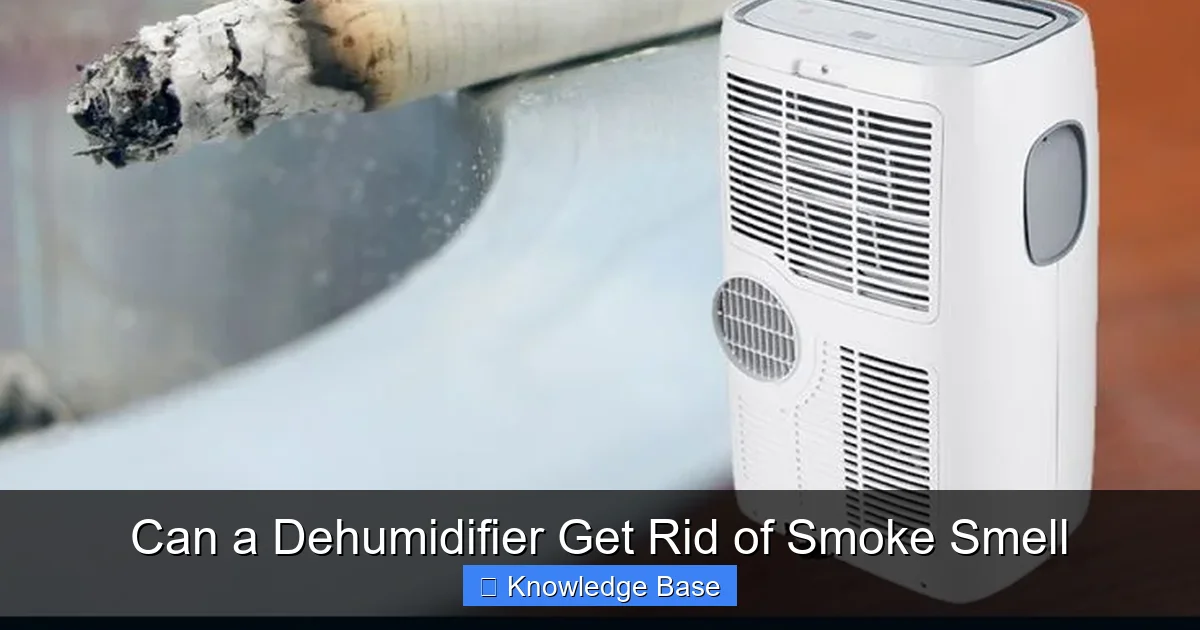
Yes, a dehumidifier can help reduce smoke smell, but it’s not a complete solution on its own. It works by lowering humidity and improving air circulation, which slows odor absorption into surfaces. For best results, pair it with air purifiers, deep cleaning, and odor-neutralizing products.
Key Takeaways
- Dehumidifiers reduce moisture, which helps slow smoke odor absorption into walls and fabrics. Lower humidity makes it harder for smoke particles to cling to surfaces.
- They don’t remove smoke particles or neutralize odors directly. Unlike air purifiers, dehumidifiers don’t filter airborne contaminants.
- Use a dehumidifier alongside an air purifier with a HEPA and carbon filter. This combo tackles both moisture and odor-causing particles.
- Clean all surfaces thoroughly before running a dehumidifier. Smoke residue on walls, carpets, and furniture feeds the smell.
- Ventilate your home regularly to flush out lingering odors. Open windows and use fans to improve airflow.
- Replace HVAC filters and clean ducts if smoke exposure was heavy. Hidden residue in ducts can keep odors circulating.
- For severe smoke damage, professional cleaning may be necessary. Persistent smells after DIY efforts often require expert treatment.
Quick Answers to Common Questions
Can a dehumidifier remove cigarette smoke smell?
A dehumidifier can help reduce cigarette smoke smell by lowering humidity, which slows odor absorption. But it won’t remove embedded particles—you’ll need cleaning and air purification too.
How long should I run a dehumidifier after smoke exposure?
Run the dehumidifier continuously during cleanup and for at least 1–2 weeks afterward. Keep humidity between 40–50% to prevent odor return.
Does a dehumidifier filter smoke particles?
No. Dehumidifiers remove moisture but don’t filter air. Use an air purifier with a HEPA and carbon filter to capture smoke particles and odors.
Can I use a dehumidifier with an air purifier?
Yes—and you should. They work together: the dehumidifier reduces humidity, and the air purifier removes particles and odors from the air.
Will a dehumidifier help with wildfire smoke smell?
Yes, especially in humid conditions. It helps slow odor absorption, but combine it with cleaning, ventilation, and air purification for best results.
📑 Table of Contents
Can a Dehumidifier Get Rid of Smoke Smell?
If you’ve ever walked into a room that smells faintly of cigarette smoke—even though no one has smoked there in weeks—you know how stubborn smoke odor can be. Whether it’s from a recent fire, lingering cigarette or cigar smoke, or even cooking mishaps, that acrid, stale smell clings to everything: curtains, carpets, walls, and even your clothes. You might be wondering: can a dehumidifier get rid of smoke smell?
The short answer is: yes, but with caveats. A dehumidifier can be a helpful tool in your fight against smoke odor, but it’s not a magic fix. It works best as part of a broader strategy that includes cleaning, ventilation, and air purification. In this article, we’ll explore exactly how dehumidifiers work, why they can help with smoke smell, their limitations, and what else you should do to truly eliminate that unwanted odor.
Understanding how smoke odor behaves is key. Smoke isn’t just a gas—it’s made up of tiny particles and chemicals that settle on surfaces and embed themselves deep into porous materials. These particles release odor over time, especially in humid environments. That’s where a dehumidifier comes in. By reducing indoor humidity, it creates an environment where smoke particles are less likely to be re-released into the air. But to fully tackle the problem, you’ll need more than just a dehumidifier.
Let’s dive deeper into the science, the best practices, and the tools that actually work.
How Smoke Smell Lingers in Your Home
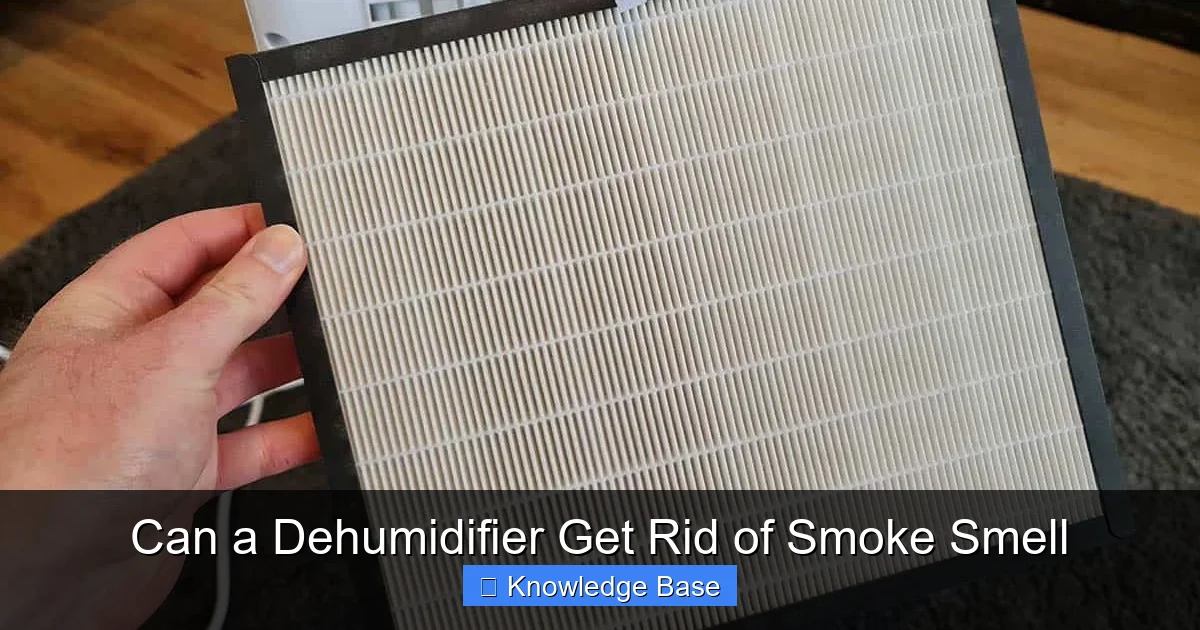
Visual guide about Can a Dehumidifier Get Rid of Smoke Smell
Image source: thehumidistat.com
Before we can understand how a dehumidifier helps, we need to know why smoke smell sticks around so long. Smoke from cigarettes, wildfires, or household fires contains thousands of chemical compounds, including tar, nicotine, carbon monoxide, and volatile organic compounds (VOCs). These aren’t just floating in the air—they settle on every surface they can find.
Why Smoke Odor Penetrates Deeply
Smoke particles are incredibly small—often less than 2.5 micrometers in diameter. That’s tiny enough to penetrate deep into fabrics, drywall, insulation, and even wood. Once embedded, they continue to off-gas, releasing that familiar smoky smell over days, weeks, or even months.
For example, imagine a room where someone smoked for years. Even after they’ve stopped, the walls may still “sweat” nicotine and tar when humidity rises. This process, called off-gassing, is why the smell returns after cleaning or airing out the space.
The Role of Humidity in Smoke Odor
Humidity plays a major role in how long smoke smell lasts. High moisture levels in the air make surfaces more receptive to absorbing and holding onto smoke particles. Think of it like a sponge: when the air is humid, your walls, carpets, and furniture act like damp sponges, soaking up odors more easily.
Conversely, dry air makes it harder for smoke particles to cling to surfaces. That’s why dehumidifiers can help—they reduce the moisture that allows smoke odor to persist. But again, they don’t remove the particles already embedded. They just make the environment less hospitable for the odor to return.
Common Sources of Smoke Smell
Smoke odor can come from many sources:
- Cigarette or cigar smoke: The most common indoor source, especially in homes where smoking occurred regularly.
- Wildfire smoke: Even if your home wasn’t burned, smoke can drift in and leave a strong, acrid smell.
- Cooking fires or kitchen accidents: Burnt food or grease fires can leave a lingering odor.
- Electrical or structural fires: These produce the most intense and dangerous smoke residues.
Each type of smoke behaves slightly differently, but all share the same challenge: they leave behind invisible residues that continue to emit odor.
How Dehumidifiers Work
Visual guide about Can a Dehumidifier Get Rid of Smoke Smell
Image source: maidforyou.com.au
To understand how a dehumidifier can help with smoke smell, let’s first look at what it does—and what it doesn’t do.
The Basic Function of a Dehumidifier
A dehumidifier removes excess moisture from the air. It pulls in humid air, passes it over cold coils to condense the water vapor, collects the water in a tank or drains it away, and then releases drier air back into the room. This process lowers the relative humidity (RH) in your home, ideally keeping it between 30% and 50%.
There are two main types:
- Compressor dehumidifiers: Most common and effective in warm, humid climates. They use refrigerant to cool coils.
- Desiccant dehumidifiers: Use moisture-absorbing materials and work better in cooler temperatures.
Both types reduce humidity, but neither is designed to filter smoke particles or neutralize odors.
What Dehumidifiers Don’t Do
It’s important to set realistic expectations. A dehumidifier:
- Does not filter smoke particles from the air.
- Does not break down or neutralize odor molecules.
- Does not clean surfaces contaminated with smoke residue.
In other words, it won’t “clean” the air like an air purifier. Instead, it changes the environment to make it less favorable for odor to persist.
How Lower Humidity Helps with Smoke Smell
Here’s where the benefit comes in. When humidity is high, smoke particles absorb moisture and become heavier, causing them to settle more deeply into materials. They also release odor more readily in damp conditions.
By lowering humidity, a dehumidifier:
- Reduces the ability of surfaces to absorb and hold smoke particles.
- Slows down the off-gassing process that releases odor.
- Makes it easier to clean surfaces without the smell returning immediately.
Think of it like drying out a wet sponge. A dry sponge doesn’t hold onto smells as well as a damp one. The same principle applies to your walls, carpets, and furniture.
Can a Dehumidifier Alone Eliminate Smoke Smell?
Now for the big question: can a dehumidifier get rid of smoke smell all by itself?
The honest answer is no—not completely. While it’s a valuable tool, it’s only one piece of the puzzle.
Why a Dehumidifier Isn’t Enough
Imagine your home is a crime scene, and smoke odor is the culprit. The dehumidifier is like a detective who changes the lighting—it makes it easier to see, but it doesn’t arrest the criminal. The real work—cleaning, filtering, and neutralizing—requires other tools.
For example, if you run a dehumidifier in a room with smoke-stained walls and dirty carpets, the smell may lessen slightly, but it will likely return once humidity rises again. That’s because the source of the odor—the embedded particles—is still there.
When a Dehumidifier Helps Most
A dehumidifier is most effective:
- After a fire or smoke event, to prevent further odor absorption.
- During cleanup, to keep surfaces dry and reduce recontamination.
- In humid climates, where high moisture levels worsen smoke odor.
- As part of a long-term strategy to maintain a fresh-smelling home.
For instance, after a small kitchen fire, you might clean the walls, run an air purifier, and use a dehumidifier to keep the air dry. This combo can significantly reduce the smell within a few days.
But if you only use the dehumidifier and skip the cleaning, you’re just treating the symptom, not the cause.
Real-World Example: A Smoker’s Apartment
Let’s say you’re moving into an apartment where the previous tenant smoked indoors for years. You notice a strong tobacco smell, especially in the bedroom and closet.
You set up a dehumidifier and run it for a week. The air feels drier, and the smell seems a little less intense—but it’s still there. Why? Because the walls, baseboards, and carpet padding are saturated with nicotine and tar.
In this case, the dehumidifier helped slow the odor, but you’ll need to:
- Wash walls with a degreasing cleaner (like TSP).
- Steam clean or replace carpets.
- Use an air purifier with a carbon filter.
- Run the dehumidifier continuously during cleanup.
Only then will the smell truly disappear.
Best Practices for Removing Smoke Smell
So, how do you actually get rid of smoke smell? Here’s a step-by-step guide that includes using a dehumidifier effectively.
Step 1: Ventilate the Space
Start by opening windows and doors to let fresh air circulate. Use fans to push stale air out and draw clean air in. This is the fastest way to reduce odor concentration.
Tip: Do this on a dry, windy day for maximum effect. Avoid rainy or humid days, as they can worsen the problem.
Step 2: Clean All Surfaces
Smoke residue clings to everything. You’ll need to clean:
- Walls and ceilings: Use a mixture of warm water and trisodium phosphate (TSP) or a commercial smoke odor remover.
- Floors: Mop hard surfaces; steam clean or replace carpets.
- Furniture: Wipe down wood, vacuum upholstery, and consider professional cleaning for delicate fabrics.
- Windows and blinds: Smoke films can build up here too.
Pro tip: Wear gloves and a mask—smoke residue can be irritating to skin and lungs.
Step 3: Use an Air Purifier with a Carbon Filter
This is where many people go wrong. A regular air purifier with just a HEPA filter will catch particles but won’t remove odors. You need a unit with an activated carbon filter, which absorbs VOCs and odor molecules.
Look for purifiers with:
- True HEPA filter (captures 99.97% of particles 0.3 microns and larger).
- Thick carbon filter (at least 2–3 pounds of activated carbon).
- High CADR (Clean Air Delivery Rate) for smoke.
Run the purifier 24/7 during cleanup, and place it in the most affected rooms.
Step 4: Run a Dehumidifier
Now, bring in the dehumidifier. Set it to maintain 40–50% humidity. Run it continuously during and after cleaning.
Why? Because dry air:
- Makes it harder for smoke particles to re-enter the air.
- Helps cleaning solutions work more effectively.
- Prevents mold growth, which can thrive in smoke-damaged, humid homes.
Tip: Empty the water tank daily, or use a hose for continuous drainage.
Step 5: Wash or Replace Soft Furnishings
Curtains, bedding, rugs, and stuffed animals can hold smoke odor for months. Wash what you can in hot water with odor-neutralizing detergent. For delicate items, consider ozone treatment or professional cleaning.
If the smell persists, it may be time to replace them—especially if they were exposed to heavy smoke.
Step 6: Clean or Replace HVAC Filters and Ducts
Your heating and cooling system can circulate smoke particles throughout the house. Replace your furnace filter with a high-efficiency pleated filter (MERV 11 or higher). If the smoke exposure was severe, consider hiring a professional to clean your air ducts.
Step 7: Use Odor Neutralizers (Not Masking Sprays)
Avoid air fresheners that just cover up the smell. Instead, use products that neutralize odors at the molecular level, such as:
- Ozone generators (use with caution and only in unoccupied spaces).
- Hydroxyl generators (safer for occupied homes).
- Baking soda or activated charcoal in open containers.
These work by breaking down odor molecules rather than hiding them.
When to Call a Professional
Sometimes, DIY efforts aren’t enough. If you’ve tried everything and the smoke smell persists, it may be time to call in experts.
Signs You Need Professional Help
- The smell returns after cleaning and airing out.
- There’s visible soot or smoke damage on walls or ceilings.
- You’re dealing with wildfire or structural fire residue.
- Family members have respiratory issues worsened by the odor.
Professional smoke remediation companies use industrial-grade equipment, including:
- Thermal fogging machines that penetrate deep into materials.
- Ozone chambers for severe odor cases.
- HEPA vacuums and chemical cleaners for thorough decontamination.
They can often restore a home to pre-smoke condition—something that’s nearly impossible to do alone.
Preventing Smoke Smell in the Future
Once you’ve eliminated the odor, take steps to keep it from returning.
Maintain Low Humidity
Keep your dehumidifier running in humid months or in damp areas like basements. Aim for 30–50% humidity year-round.
Use Air Purifiers Regularly
Even in smoke-free homes, air purifiers help remove dust, pollen, and other irritants. Choose one with a carbon filter for odor control.
Clean Regularly
Dust and vacuum weekly to prevent buildup of particles that can trap odors. Wash curtains and bedding monthly.
No Indoor Smoking
The best way to prevent smoke smell is to avoid smoking indoors altogether. If you must smoke, do it outside and away from windows and doors.
Conclusion
So, can a dehumidifier get rid of smoke smell? Yes—but not alone. It’s a powerful ally in reducing humidity, which slows odor absorption and makes cleanup more effective. However, it doesn’t remove smoke particles or neutralize odors directly.
To truly eliminate smoke smell, you need a multi-pronged approach: deep cleaning, air purification with a carbon filter, ventilation, and yes, a dehumidifier to keep the environment dry. For severe cases, professional remediation may be necessary.
Think of your dehumidifier as part of a team. It won’t win the game by itself, but it’s essential for creating the right conditions for victory. With the right strategy, you can breathe easy again—literally.
Frequently Asked Questions
How does humidity affect smoke odor?
High humidity allows smoke particles to absorb moisture and penetrate deeper into surfaces, making odors last longer. Lower humidity slows this process.
Can I use a dehumidifier in a room with smoke damage?
Yes, but clean the room first. Running a dehumidifier on dirty surfaces won’t remove the source of the odor—only the moisture that helps it persist.
Is an ozone generator better than a dehumidifier for smoke smell?
Ozone generators can neutralize odors but are hazardous to use in occupied spaces. A dehumidifier is safer and more sustainable for long-term odor control.
Do I need to replace my HVAC filter after smoke exposure?
Yes. Smoke particles can clog filters and circulate through your home. Replace with a high-MERV filter and consider duct cleaning if needed.
Can baking soda help with smoke smell?
Baking soda can absorb mild odors but isn’t strong enough for heavy smoke residue. Use it as a supplement, not a primary solution.
How long does smoke smell last in a house?
It depends on the severity and cleanup efforts. With proper treatment, most odors fade in days to weeks. Without cleaning, they can linger for months.