
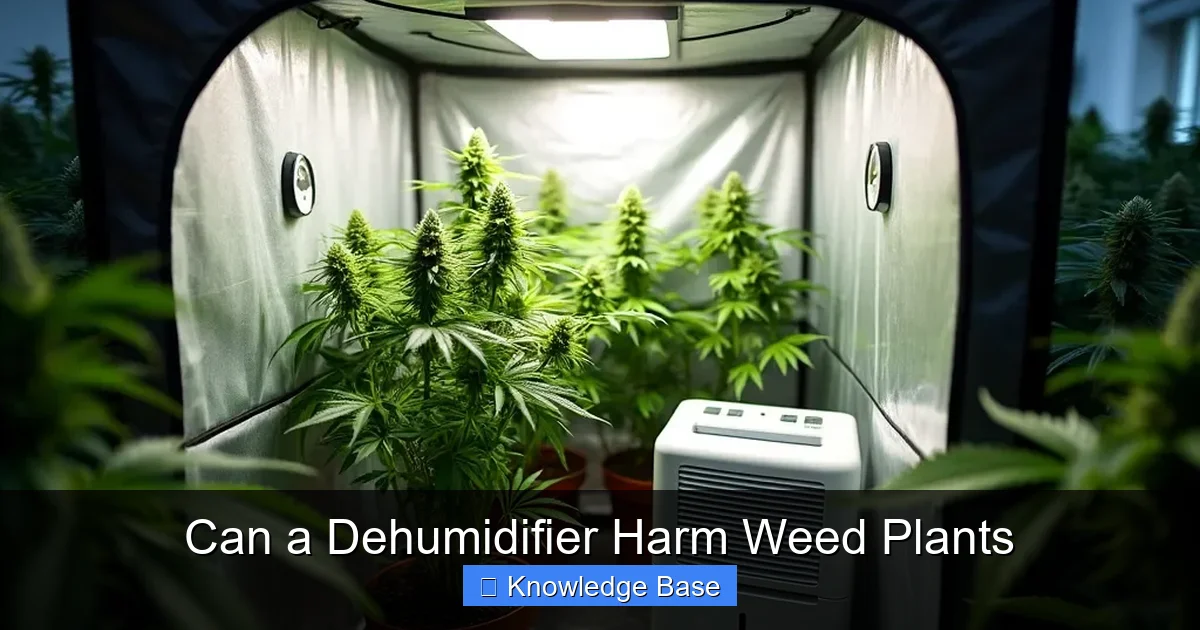
Using a dehumidifier around weed plants isn’t inherently harmful—but improper use can stress plants, stunt growth, or cause nutrient issues. The key is maintaining optimal humidity levels (40–60%) during different growth stages while avoiding over-drying the air or disrupting airflow.
If you’re growing cannabis indoors, you’ve probably heard that controlling humidity is just as important as managing light, nutrients, and temperature. But here’s a question many growers wrestle with: *Can a dehumidifier harm weed plants?* It’s a valid concern—after all, these machines pull moisture out of the air, and plants need water to thrive. So, is it safe? Or could it actually hurt your crop?
The short answer? A dehumidifier won’t harm your weed plants—*if used correctly*. In fact, in many cases, it’s essential for preventing mold, mildew, and other humidity-related problems that can destroy an entire harvest. But like any tool in your grow room, misuse can lead to unintended consequences. Think of a dehumidifier like a thermostat: it’s not inherently good or bad—it’s all about how you use it.
In this guide, we’ll dive deep into how dehumidifiers affect cannabis plants, when they’re beneficial, when they might cause issues, and how to strike the perfect balance. Whether you’re a beginner setting up your first tent or a seasoned grower fine-tuning your environment, understanding humidity control is key to producing healthy, high-yielding plants.
Key Takeaways
- Dehumidifiers prevent mold and mildew: High humidity encourages fungal diseases like powdery mildew, especially in dense cannabis canopies.
- Too little humidity stresses plants: Over-drying the air can cause leaf curl, slow transpiration, and nutrient lockout.
- Timing matters most: Use dehumidifiers more aggressively during flowering (40–50% RH) than in vegetative growth (50–60% RH).
- Monitor with a hygrometer: Always track relative humidity (RH) levels to avoid swinging between extremes.
- Combine with proper ventilation: Dehumidifiers work best when paired with fans and exhaust systems for balanced airflow.
- Choose the right size unit: An undersized dehumidifier won’t control humidity; an oversized one may cycle too frequently and dry out the environment.
- Adjust settings seasonally: Indoor grows in humid climates or during summer may need constant dehumidification, while winter grows might require less.
Quick Answers to Common Questions
Can a dehumidifier dry out weed plants?
Yes, if set too low or run excessively, a dehumidifier can drop humidity below safe levels, causing leaf curl, slow growth, and nutrient issues.
Should I use a dehumidifier during flowering?
Yes—flowering is when mold risk is highest. Keep RH between 40–50% to protect dense buds while supporting healthy transpiration.
How do I know if my dehumidifier is too strong?
Check your hygrometer. If RH drops below 40% during flowering or 50% during veg, your unit may be oversized or running too often.
Can I use a dehumidifier in a small grow tent?
Yes, but choose a compact, quiet model with a humidistat. Avoid units that generate excessive heat or noise.
Do dehumidifiers use a lot of electricity?
They can, especially large models. Look for Energy Star-rated units and use timers or smart controllers to reduce runtime.
📑 Table of Contents
- Why Humidity Matters for Cannabis Growth
- How Dehumidifiers Work in a Grow Room
- Can a Dehumidifier Actually Harm Weed Plants?
- When Dehumidifiers Are Essential for Healthy Weed Plants
- Best Practices for Using a Dehumidifier with Cannabis
- Signs Your Dehumidifier Is Harming Your Plants
- Alternatives and Complementary Tools
- Conclusion
Why Humidity Matters for Cannabis Growth
Cannabis plants, like all living organisms, respond strongly to their environment. Humidity—specifically, relative humidity (RH)—plays a critical role in how well your plants absorb water and nutrients, how they breathe, and how resilient they are to disease.
During photosynthesis, plants take in carbon dioxide through tiny pores on their leaves called stomata. These same pores release water vapor into the air through a process called transpiration. When the air is too humid, the gradient between the leaf’s internal moisture and the surrounding air weakens, slowing transpiration. This can lead to reduced nutrient uptake and slower growth.
On the flip side, when the air is too dry, plants lose water faster than their roots can absorb it. This causes stress, leading to symptoms like leaf curling, wilting, and even nutrient burn—even if you’re feeding them properly.
Different growth stages have different humidity needs. Seedlings and clones thrive in higher humidity (65–70% RH) because they haven’t developed strong root systems yet and rely on ambient moisture to stay hydrated. As plants enter the vegetative stage, they can handle slightly lower humidity (50–60% RH). But during flowering—especially in the later weeks—humidity should drop to 40–50% RH to prevent mold formation on dense buds.
Without proper humidity control, you’re rolling the dice with your harvest. That’s where dehumidifiers come in.
How Dehumidifiers Work in a Grow Room
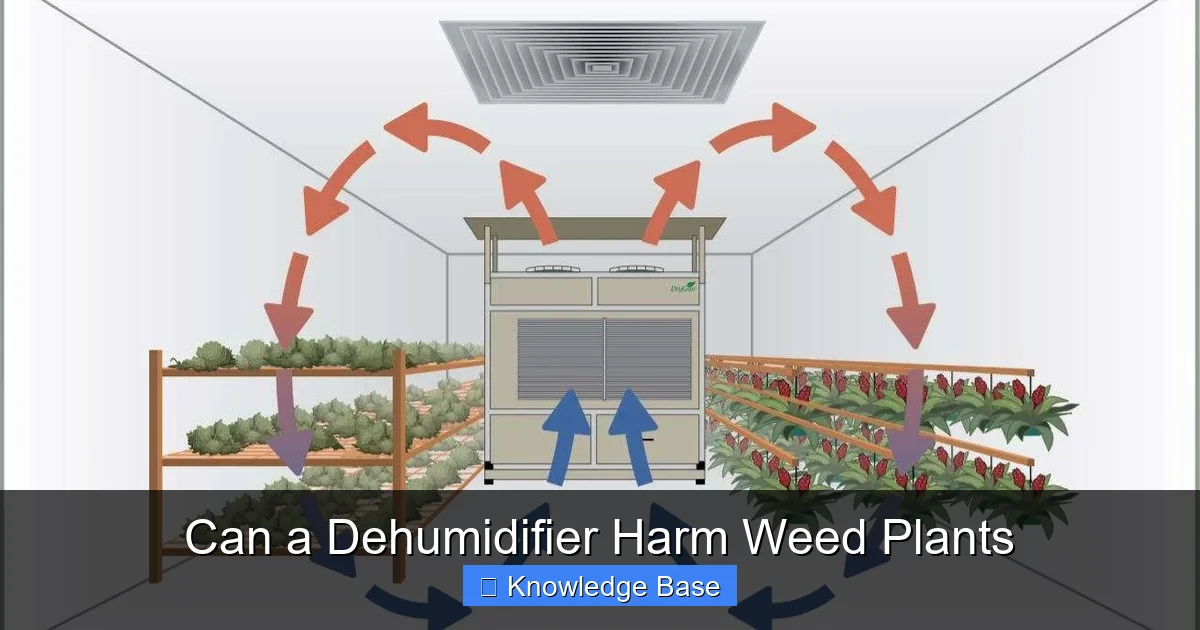
Visual guide about Can a Dehumidifier Harm Weed Plants
Image source: drygair.com
A dehumidifier is essentially a climate control device that removes excess moisture from the air. Most models used in grow rooms are refrigerant-based, meaning they cool the air to condense water vapor, which is then collected in a tank or drained away. Some growers also use desiccant dehumidifiers, which absorb moisture using a drying material, but these are less common due to higher energy costs.
When placed in a grow tent or room, a dehumidifier helps maintain a stable, optimal humidity level. This is especially important in enclosed spaces where plants release significant amounts of water vapor through transpiration—sometimes several gallons per day in a large grow!
But here’s the catch: dehumidifiers don’t “know” what your plants need. They simply respond to the humidity setting you choose. If you set it too low or run it nonstop, you risk creating an environment that’s too dry. This is where the potential for harm comes in.
For example, imagine you’re in the middle of flowering, and your buds are thick and resinous. You set your dehumidifier to maintain 40% RH—perfect for mold prevention. But if the unit is oversized or runs constantly without a humidistat (a built-in humidity sensor), it might drop the RH to 30% or lower. At that point, the air becomes so dry that your plants struggle to transpire, leading to stress and reduced resin production.
So while dehumidifiers are powerful tools, they require careful management.
Can a Dehumidifier Actually Harm Weed Plants?
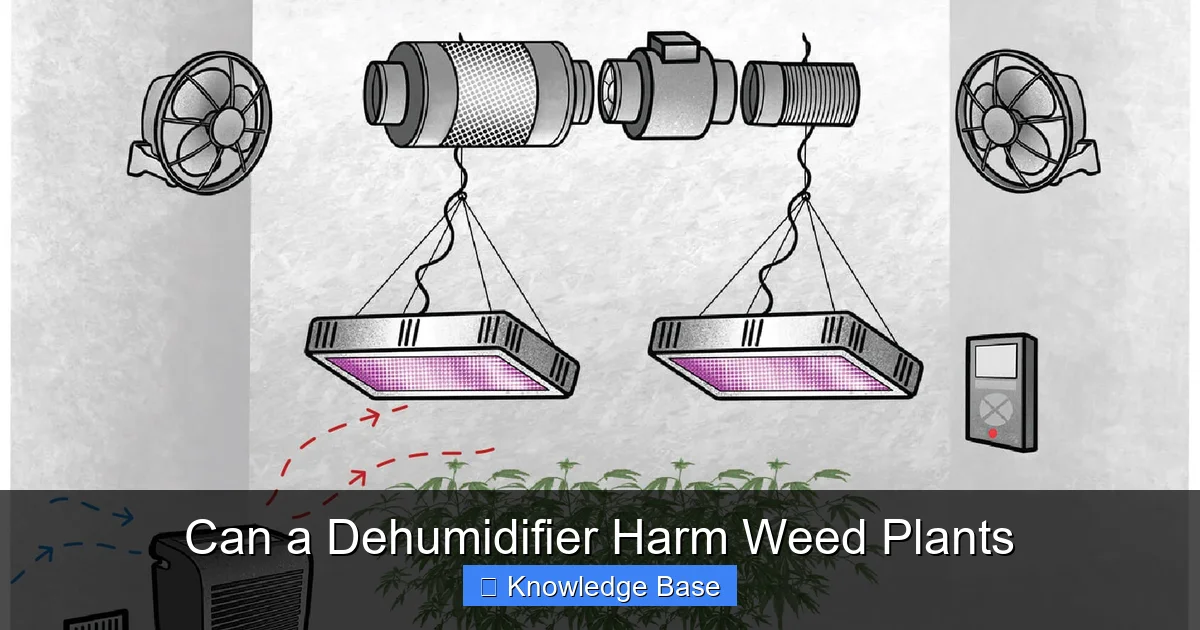
Visual guide about Can a Dehumidifier Harm Weed Plants
Image source: royalqueenseeds.com
Now, let’s get to the heart of the question: *Can a dehumidifier harm weed plants?* The answer is nuanced. A dehumidifier itself doesn’t damage plants—but *misusing* one can.
Let’s break down the potential risks:
1. Over-Drying the Air
The most common issue with dehumidifiers is over-drying. When humidity drops too low—below 40% during flowering or below 50% during veg—plants can’t transpire efficiently. This leads to:
– **Leaf curl and wilting:** Even with adequate watering, leaves may droop or curl inward as the plant tries to conserve moisture.
– **Nutrient lockout:** When transpiration slows, nutrient uptake drops. This can cause deficiencies even if you’re feeding properly.
– **Reduced terpene production:** Dry air stresses plants, which can lower resin and terpene development—key factors in flavor and potency.
For example, a grower in Arizona once told me they lost half their crop because their dehumidifier ran 24/7 during flowering. The RH dropped to 25%, and the buds became brittle and flavorless. The plants looked healthy at first, but the internal stress showed up in the final product.
2. Disrupting Root Zone Moisture
While dehumidifiers affect air humidity, they can indirectly impact soil moisture. In a very dry environment, water evaporates faster from the soil surface. This can trick growers into overwatering, thinking the soil is dry when the roots are still saturated. Overwatering leads to root rot, a common and deadly issue in cannabis grows.
3. Creating Microclimates
If your dehumidifier is placed too close to plants or blows air directly on them, it can create dry spots. These microclimates stress individual leaves or branches, leading to uneven growth or localized damage. Always position the unit so it circulates air without targeting specific plants.
4. Energy and Heat Output
Most dehumidifiers generate heat as a byproduct. In a small, enclosed grow tent, this can raise temperatures beyond the ideal range (70–85°F). High heat combined with low humidity is a double whammy for plant stress.
So, while the dehumidifier isn’t “attacking” your plants, its effects can create conditions that harm them—especially if you’re not monitoring the environment closely.
When Dehumidifiers Are Essential for Healthy Weed Plants
Despite the risks, dehumidifiers are often *necessary* for successful cannabis cultivation—particularly in humid climates or during flowering.
Preventing Mold and Mildew
The biggest threat in high-humidity environments is fungal disease. Powdery mildew, botrytis (bud rot), and other molds thrive when RH exceeds 60%, especially in dense canopies where airflow is poor.
During flowering, buds become thick and compact, creating the perfect hiding spot for mold. A single infected bud can spread spores throughout the grow, ruining your entire harvest. Dehumidifiers help keep RH in the safe zone (40–50%), drastically reducing the risk.
I’ve seen growers in Florida and the Pacific Northwest rely on dehumidifiers year-round. One cultivator in Seattle told me they lost three consecutive harvests to bud rot before investing in a high-capacity dehumidifier. After that, their yields and quality improved dramatically.
Improving Air Quality and Plant Respiration
Lower humidity improves air circulation and reduces the likelihood of stagnant pockets where pests and pathogens thrive. It also helps plants respire more efficiently, supporting stronger growth and better nutrient transport.
Supporting Late-Stage Flowering
In the final 2–3 weeks of flowering, many growers drop humidity to 40% or even lower to “cure” buds on the plant. This mimics natural drying conditions and can enhance terpene preservation. A dehumidifier makes this process可控 and consistent.
Managing Transpiration Rates
By maintaining optimal humidity, dehumidifiers help regulate how quickly plants lose water. This keeps transpiration in a healthy range, ensuring roots absorb nutrients steadily without overwhelming the plant.
In short, when used correctly, dehumidifiers are protectors—not threats.
Best Practices for Using a Dehumidifier with Cannabis
To get the benefits without the risks, follow these best practices:
1. Use a Hygrometer to Monitor Humidity
Never rely on guesswork. Invest in a reliable digital hygrometer (or a combo thermometer/hygrometer) and place it at canopy level. Check it daily, especially during temperature swings.
2. Set the Right RH for Each Growth Stage
– **Seedlings/Clones:** 65–70% RH
– **Vegetative Stage:** 50–60% RH
– **Early Flowering:** 50–55% RH
– **Mid to Late Flowering:** 40–50% RH
– **Final Weeks:** 40% RH or slightly lower (if no mold risk)
Adjust your dehumidifier’s settings accordingly. Many modern units have programmable humidistats that turn on/off automatically.
3. Size Your Dehumidifier Correctly
An undersized unit won’t keep up with moisture output, while an oversized one may cycle too frequently, causing humidity swings. A general rule: choose a dehumidifier rated for a room 1.5x the size of your grow space. For example, a 100 sq. ft. tent may need a 150 sq. ft. capacity unit.
4. Combine with Proper Ventilation
Dehumidifiers work best with active airflow. Use oscillating fans to circulate air and an exhaust system to remove stale, moist air. This prevents pockets of high humidity and ensures even drying.
5. Avoid Direct Airflow on Plants
Position the dehumidifier so its exhaust doesn’t blow directly on plants. Use ducts or deflectors if needed. Gentle, indirect airflow is key.
6. Drain the Water Regularly
Most dehumidifiers collect water in a tank. Empty it daily or use a continuous drain hose to avoid overflows and maintain efficiency.
7. Adjust for Seasonal Changes
In summer or humid regions, you may need to run the dehumidifier constantly. In winter or dry climates, you might only need it during certain hours. Monitor and adapt.
Signs Your Dehumidifier Is Harming Your Plants
Even with the best intentions, things can go wrong. Watch for these red flags:
– **Leaf edges turning brown or crispy:** Often a sign of low humidity or excessive airflow.
– **Slow growth or stalled development:** Could indicate poor transpiration due to dry air.
– **Nutrient deficiencies despite proper feeding:** Low humidity can cause lockout.
– **Brittle, dry buds:** A result of over-drying during flowering.
– **Increased pest activity:** Some pests, like spider mites, thrive in dry conditions.
If you notice these symptoms, check your hygrometer. If RH is below recommended levels, adjust your dehumidifier or add a humidifier to balance the environment.
Alternatives and Complementary Tools
While dehumidifiers are effective, they’re not the only tool for humidity control.
Humidifiers
In dry climates or during seedling stages, you may need to *add* moisture. Small ultrasonic humidifiers can raise RH safely when paired with a hygrometer.
Air Circulation Fans
Oscillating fans improve airflow, reducing the need for aggressive dehumidification. They also strengthen stems and prevent microclimates.
Exhaust and Intake Systems
A well-designed ventilation system removes humid air and brings in fresh, drier air—reducing reliance on dehumidifiers.
Hygrometers with Alarms
Some advanced models alert you when humidity goes out of range, giving you time to adjust before damage occurs.
Smart Controllers
Devices like the Autopilot or Pulse can automate humidity, temperature, and lighting based on real-time data—taking the guesswork out of environmental control.
Conclusion
So, can a dehumidifier harm weed plants? The answer is: *only if misused*. When set correctly and monitored closely, dehumidifiers are invaluable allies in the fight against mold, mildew, and environmental stress. They help maintain the delicate balance of humidity that cannabis plants need to thrive—especially during the critical flowering stage.
The key is understanding your plants’ needs at each growth phase and using tools like hygrometers, fans, and smart controllers to create a stable, healthy environment. Don’t let fear of over-drying stop you from using a dehumidifier—just be smart about it.
Remember: cannabis grows best in a Goldilocks zone—not too wet, not too dry, but just right. With the right approach, your dehumidifier won’t harm your plants; it’ll help them reach their full potential.
Frequently Asked Questions
Is it safe to run a dehumidifier 24/7 in a grow room?
It depends on your climate and humidity levels. In very humid environments, continuous use may be necessary. However, monitor RH closely to avoid over-drying. Use a humidistat to automate on/off cycles.
Can low humidity from a dehumidifier cause nutrient burn?
Indirectly, yes. Low humidity reduces transpiration, slowing nutrient uptake. This can lead to salt buildup in the soil, mimicking nutrient burn even with proper feeding.
What’s the ideal humidity for flowering cannabis?
During flowering, aim for 40–50% relative humidity. In the final 1–2 weeks, some growers drop to 40% or slightly lower to enhance terpene preservation—but avoid going below 35%.
Can I use a dehumidifier with hydroponic systems?
Absolutely. Hydro systems often produce more humidity due to water evaporation. A dehumidifier helps maintain balance and prevents mold in the root zone and canopy.
How often should I empty the dehumidifier tank?
Check daily, especially in humid conditions. Most tanks hold 1–2 gallons. For convenience, use a continuous drain hose to avoid manual emptying.
Are there quiet dehumidifiers for grow tents?
Yes—look for models under 50 decibels. Some brands like hOmeLabs and Ivation offer quiet, compact units designed for bedrooms and small spaces, making them ideal for stealth grows.