
Using a dehumidifier around babies is generally safe when used correctly, but improper placement, poor maintenance, or excessive use can pose risks. This guide covers everything parents need to know to safely operate a dehumidifier without harming their baby’s health or comfort.
Key Takeaways
- Dehumidifiers are safe for babies when used properly: They help reduce mold, dust mites, and allergens, improving indoor air quality.
- Improper humidity levels can be harmful: Too low humidity may dry out a baby’s skin and respiratory tract; too high promotes mold and bacteria.
- Placement matters: Keep the unit out of reach, away from cribs, and on a stable surface to prevent tipping or noise disturbance.
- Regular cleaning is essential: Dirty filters and water tanks can breed bacteria and mold, which may affect your baby’s health.
- Choose the right model: Opt for quiet, energy-efficient units with auto-shutoff and hygrometer features for safer, smarter operation.
- Monitor humidity levels: Maintain indoor humidity between 30% and 50% for optimal comfort and safety.
- Consult your pediatrician if concerned: If your baby has asthma, allergies, or respiratory issues, get professional advice before using a dehumidifier.
Quick Answers to Common Questions
Can a dehumidifier make a baby too cold?
No, a dehumidifier doesn’t cool the air like an AC. It may slightly warm the room as it releases heat during operation, but it won’t make your baby cold.
Is it safe to run a dehumidifier all night?
Yes, if it’s quiet and placed away from the crib. Choose a low-noise model and ensure the room isn’t overly dry.
Can a dirty dehumidifier make a baby sick?
Yes. Bacteria and mold in a dirty tank or filter can be blown into the air, potentially causing respiratory issues.
Should I use a dehumidifier in a newborn’s room?
Only if humidity is high. Consult your pediatrician first, and maintain levels between 30% and 50%.
Do dehumidifiers use a lot of electricity?
Energy-efficient models use moderate power. Look for Energy Star ratings to save on energy costs.
📑 Table of Contents
- Can a Dehumidifier Harm a Baby? Understanding the Risks and Benefits
- How Dehumidifiers Work and Why They Matter for Babies
- Potential Risks: When a Dehumidifier Might Harm a Baby
- How to Use a Dehumidifier Safely Around Your Baby
- Special Considerations for Babies with Health Conditions
- Real-Life Examples and Parent Tips
- Conclusion: Safe, Smart Use for a Healthier Home
Can a Dehumidifier Harm a Baby? Understanding the Risks and Benefits
As a parent, your top priority is your baby’s safety and well-being. You baby-proof the house, choose non-toxic toys, and carefully monitor everything your little one touches or breathes. So when you bring a dehumidifier into the home—perhaps to combat dampness, reduce musty smells, or help with allergies—it’s natural to wonder: *Can a dehumidifier harm a baby?*
The short answer is: not when used correctly. In fact, dehumidifiers can be beneficial for infants, especially in humid climates or during rainy seasons. They help control moisture levels, which in turn reduces the growth of mold, mildew, and dust mites—common triggers for allergies and respiratory issues in babies. However, like any household appliance, dehumidifiers come with potential risks if not used responsibly.
This guide will walk you through everything you need to know about using a dehumidifier safely around your baby. We’ll explore how dehumidifiers work, the ideal humidity levels for nurseries, potential hazards, and practical tips to ensure your little one stays healthy and comfortable. Whether you’re a new parent or managing a toddler’s room, this information will help you make informed decisions about indoor air quality.
How Dehumidifiers Work and Why They Matter for Babies
Visual guide about Can a Dehumidifier Harm a Baby
Image source: cdn.mos.cms.futurecdn.net
Before diving into safety concerns, it helps to understand what a dehumidifier does and why it might be useful in a baby’s room.
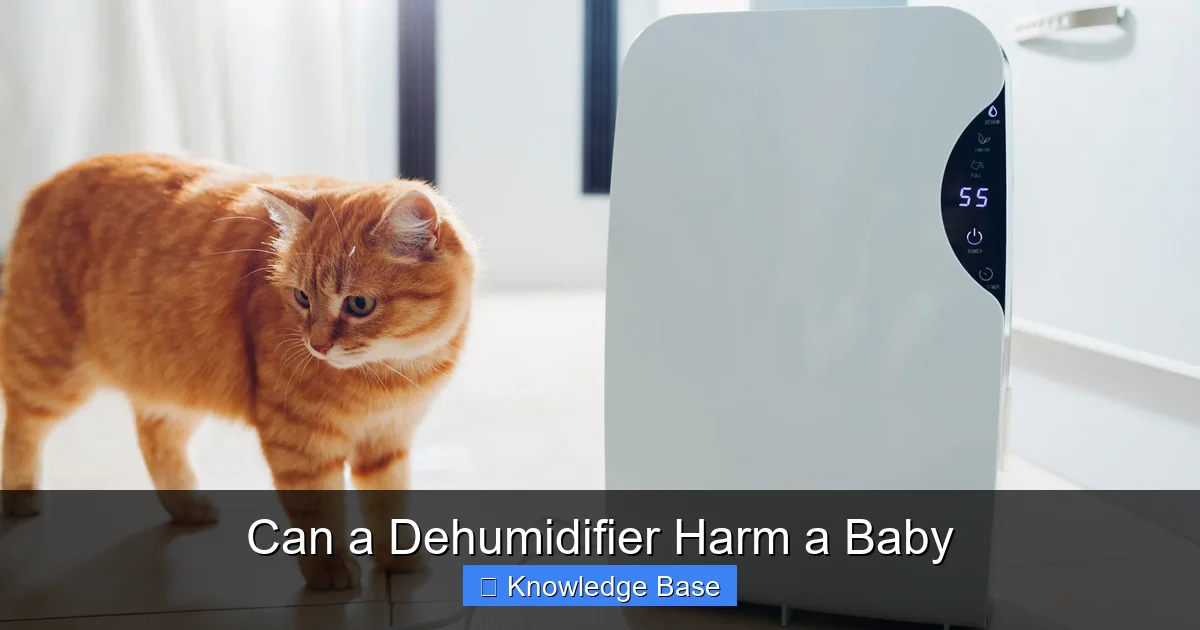
A dehumidifier is an appliance designed to remove excess moisture from the air. It works by drawing in humid air, cooling it to condense the moisture into water, and then releasing drier, warmer air back into the room. The collected water is stored in a tank that needs to be emptied regularly.
High humidity levels—typically above 60%—can create an environment where mold, mildew, and dust mites thrive. These allergens are particularly problematic for babies, whose immune and respiratory systems are still developing. Exposure to mold spores or dust mites can lead to coughing, sneezing, congestion, skin rashes, and even worsen conditions like asthma.
For example, imagine your baby’s room feels sticky and smells faintly musty, especially after a rainy week. You notice your little one waking up with a stuffy nose or rubbing their eyes more than usual. These could be signs of high humidity and allergen buildup. A dehumidifier can help by lowering the moisture level, making the air cleaner and easier to breathe.
But here’s the catch: while reducing humidity is good, overdoing it can be just as harmful. If the air becomes too dry—below 30% humidity—it can irritate a baby’s delicate skin, nasal passages, and throat. This may lead to dry skin, chapped lips, or even nosebleeds. Babies are especially sensitive to changes in their environment, so balance is key.
The Ideal Humidity Level for a Baby’s Room
So, what’s the sweet spot? Experts, including the American Academy of Pediatrics and the Environmental Protection Agency (EPA), recommend maintaining indoor humidity levels between 30% and 50%. This range is comfortable for most people and helps prevent the growth of mold and dust mites without drying out the air.
To monitor humidity, consider using a hygrometer—a small, inexpensive device that measures moisture in the air. Many modern dehumidifiers come with built-in hygrometers and automatic shut-off features that stop the unit when the desired humidity level is reached. This “set it and forget it” functionality is ideal for busy parents.
For instance, if you live in a humid coastal area like Florida or Louisiana, you might set your dehumidifier to maintain 45% humidity. In drier regions like Arizona, you may not need a dehumidifier at all—or you might use it sparingly during monsoon season.
Benefits of Using a Dehumidifier Around Babies
When used correctly, dehumidifiers offer several benefits for infants and young children:
– **Reduced Allergens:** Lower humidity means fewer dust mites and mold spores, which can trigger allergic reactions.
– **Better Sleep:** Dry, clean air can help babies breathe easier at night, leading to more restful sleep.
– **Prevention of Respiratory Issues:** By minimizing mold and mildew, dehumidifiers can reduce the risk of respiratory infections and asthma flare-ups.
– **Protection for Baby Gear:** Moisture can damage cribs, mattresses, and stuffed animals. A dehumidifier helps preserve these items.
One parent shared her experience: “After our basement apartment started smelling damp, our 6-month-old began coughing at night. We bought a dehumidifier, and within a week, the coughing stopped. The air just felt cleaner.”
Potential Risks: When a Dehumidifier Might Harm a Baby
Visual guide about Can a Dehumidifier Harm a Baby
Image source: cdn.mos.cms.futurecdn.net
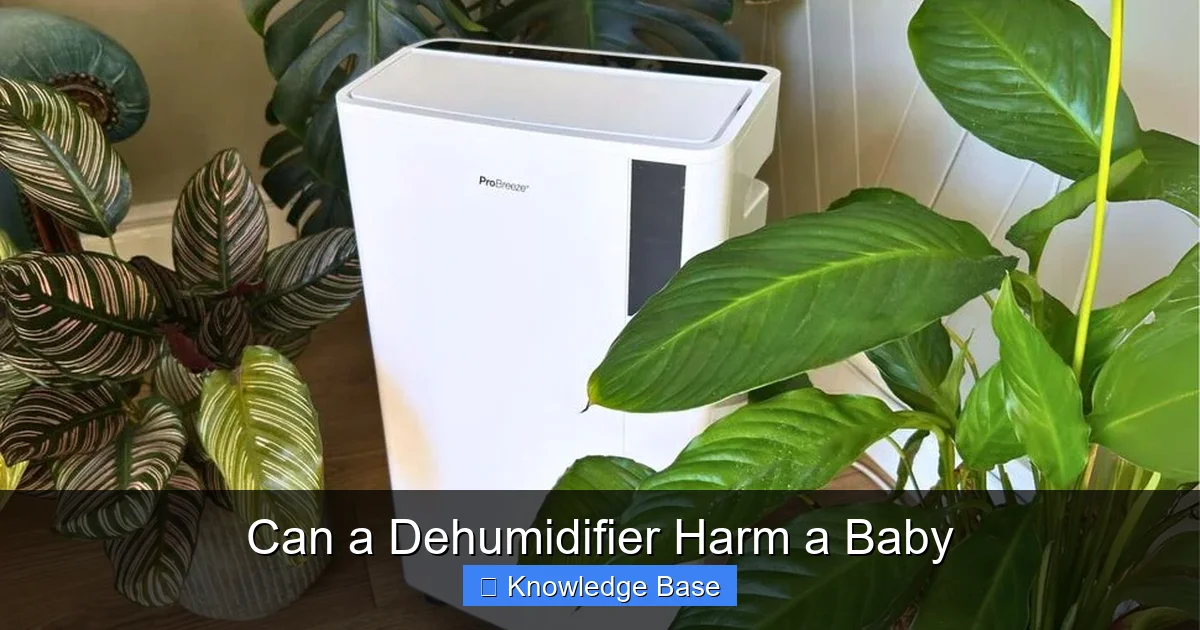
While dehumidifiers are generally safe, there are scenarios where they could pose risks to your baby. Being aware of these helps you use the appliance more wisely.
1. Over-Drying the Air
As mentioned earlier, excessively low humidity can dry out a baby’s skin and mucous membranes. This is especially true in winter when indoor heating already reduces moisture. Signs of overly dry air include:
– Flaky or itchy skin
– Chapped lips
– Frequent nosebleeds
– Dry, irritated throat
If you notice these symptoms, check your hygrometer. If humidity is below 30%, consider reducing the dehumidifier’s runtime or using a humidifier instead to add moisture back into the air.
2. Noise Disturbance
Some dehumidifiers can be noisy, emitting a constant hum or fan sound. While this might not bother adults, it can disrupt a baby’s sleep. Babies are light sleepers, and sudden or continuous noise may cause frequent waking.
For example, a dehumidifier with a loud compressor might be fine in a basement but problematic in a nursery. Look for models labeled “quiet” or “low-noise,” typically under 50 decibels. Placing the unit in an adjacent room with the door slightly open can also help reduce noise while still improving air quality.
3. Electrical and Physical Hazards
Like any electrical appliance, dehumidifiers pose risks if not handled safely:
– **Tipping Over:** Large units can tip if not placed on a stable, level surface. This is dangerous if a baby pulls on cords or tries to climb.
– **Cord Hazards:** Exposed power cords can be chewed or tripped over.
– **Water Spills:** If the water tank overflows or leaks, it can create a slipping hazard or promote mold growth.
Always place the dehumidifier out of your baby’s reach—on a high shelf or in a closet with ventilation. Use cord covers or secure cords behind furniture. Never leave a full water tank unattended.
4. Poor Maintenance and Air Quality
A dirty dehumidifier can do more harm than good. If the water tank, filter, or internal components aren’t cleaned regularly, they can become breeding grounds for bacteria, mold, and mildew. When the unit runs, it may blow contaminated air back into the room—exposing your baby to harmful microorganisms.
For instance, stagnant water in the tank can develop a foul odor and harbor Legionella bacteria, which causes Legionnaires’ disease—a rare but serious lung infection. While rare, the risk increases with poor maintenance.
5. Ozone-Emitting Models
Some dehumidifiers, particularly older or cheaper models, use ionizers or ozone generators to “purify” the air. However, ozone is a lung irritant and can be harmful, especially to infants with developing lungs. The EPA warns against using ozone-generating air purifiers, and the same caution applies to dehumidifiers with this feature.
Always check the product specifications and avoid units that emit ozone. Look for certifications like AHAM Verified or Energy Star, which indicate safer, more efficient performance.
How to Use a Dehumidifier Safely Around Your Baby
Now that you know the risks, here’s how to use a dehumidifier safely and effectively in your home.
Choose the Right Dehumidifier
Not all dehumidifiers are created equal. When shopping, consider these features:
– **Built-in Hygrometer:** Allows you to set and maintain ideal humidity levels.
– **Auto-Shutoff:** Turns off when the tank is full or the target humidity is reached.
– **Quiet Operation:** Look for models under 50 decibels.
– **Energy Efficiency:** Energy Star-rated units save money and reduce environmental impact.
– **Easy-to-Clean Parts:** Removable, washable filters and tanks make maintenance simpler.
Popular brands like Frigidaire, hOmeLabs, and Eva-Dry offer models designed for home use with safety in mind.
Proper Placement is Key
Where you place the dehumidifier matters as much as the model you choose.
– **Keep it away from the crib:** At least 3–6 feet away to prevent noise disturbance and reduce exposure to moving parts.
– **Elevate it:** Use a stand or place it on a sturdy table to avoid floor-level moisture and make it harder for curious toddlers to reach.
– **Ensure ventilation:** Don’t block air intake or exhaust vents. Allow at least 6 inches of clearance on all sides.
– **Avoid carpeted areas:** Place on a hard, flat surface to prevent tipping and reduce noise.
Maintain Regular Cleaning
Cleaning your dehumidifier weekly is essential for safety and performance.
– **Empty the water tank daily:** Stagnant water breeds bacteria.
– **Wash the tank with soap and water:** Use a mild bleach solution (1 tablespoon per gallon) monthly to disinfect.
– **Clean or replace the filter:** Follow the manufacturer’s instructions—usually every 2–4 weeks.
– **Wipe down the exterior:** Dust and dirt can accumulate and affect airflow.
Set a reminder on your phone or calendar to stay on top of maintenance. A clean dehumidifier is a safe dehumidifier.
Monitor Humidity Levels
Use a standalone hygrometer or the built-in sensor to check humidity levels regularly. Adjust the dehumidifier’s settings as needed based on the season, weather, and your baby’s comfort.
For example, during summer in a humid climate, you might run the dehumidifier daily. In winter, you may only need it occasionally, especially if you’re using a humidifier to add moisture.
Supplement with Other Air Quality Measures
A dehumidifier is just one tool for healthy indoor air. Combine it with:
– **HEPA air purifiers:** Remove allergens like pollen and pet dander.
– **Regular vacuuming:** Use a vacuum with a HEPA filter to reduce dust mites.
– **Washing bedding weekly:** In hot water to kill dust mites.
– **Ventilating the room:** Open windows when weather permits to refresh the air.
Special Considerations for Babies with Health Conditions
If your baby has asthma, allergies, eczema, or other respiratory or skin conditions, extra care is needed.
Consult Your Pediatrician
Before using a dehumidifier, talk to your child’s doctor—especially if they have a diagnosed condition. Your pediatrician can advise whether a dehumidifier is appropriate and recommend ideal humidity levels.
For example, a baby with severe asthma may benefit from lower humidity to reduce triggers, but too low could irritate their airways. Your doctor can help find the right balance.
Watch for Reactions
After introducing a dehumidifier, monitor your baby for any changes in breathing, skin, or behavior. If you notice increased coughing, wheezing, rashes, or irritability, stop using the unit and consult your doctor.
Sometimes, the issue isn’t the dehumidifier itself but an underlying sensitivity. Your pediatrician may suggest allergy testing or alternative solutions.
Consider Alternatives
In some cases, a dehumidifier may not be the best solution. Alternatives include:
– **Improving ventilation:** Use exhaust fans in bathrooms and kitchens.
– **Fixing leaks:** Repair damp walls, roofs, or plumbing issues.
– **Using moisture absorbers:** Silica gel packs or calcium chloride products in small spaces.
Real-Life Examples and Parent Tips
Hearing from other parents can provide practical insights.
One mom in Seattle said, “We used a dehumidifier in our baby’s room during the rainy season. It helped with the musty smell, and her eczema improved. We cleaned it every week and kept it on a high shelf.”
Another parent in Texas shared, “Our dehumidifier was too loud for the nursery, so we moved it to the hallway. The air still felt drier, and our baby slept better.”
Here are a few more tips from experienced parents:
– **Start low and slow:** Run the dehumidifier for a few hours a day and gradually increase as needed.
– **Use a timer:** Set it to run during the day when the baby is awake and playing, not at night.
– **Check the weather:** On dry, cool days, you may not need it at all.
– **Involve your partner:** Share maintenance duties to avoid forgetting cleanings.
Conclusion: Safe, Smart Use for a Healthier Home
So, can a dehumidifier harm a baby? The answer is: only if used incorrectly. When operated responsibly—with proper placement, regular cleaning, and attention to humidity levels—a dehumidifier can be a valuable tool for creating a healthier, more comfortable environment for your little one.
By reducing mold, dust mites, and excess moisture, dehumidifiers support better breathing, fewer allergies, and improved sleep. But balance is essential. Too much dryness can irritate your baby’s skin and airways, while poor maintenance can introduce new health risks.
The key is to stay informed, choose the right model, and maintain it diligently. Monitor your baby’s reactions, consult your pediatrician when in doubt, and combine the dehumidifier with other air-quality practices for the best results.
Ultimately, a dehumidifier is not a magic solution—but when used wisely, it can be a safe and effective part of your baby’s healthy home.
Frequently Asked Questions
Can a dehumidifier cause dry skin in babies?
Yes, if the air becomes too dry. Maintain humidity above 30% and monitor your baby’s skin. Use moisturizer if needed.
How often should I clean my dehumidifier?
Empty the tank daily and clean it weekly. Wash the filter every 2–4 weeks and disinfect monthly.
Can I use a dehumidifier in a baby’s room with carpet?
Yes, but place it on a hard, elevated surface to prevent tipping and reduce noise. Avoid blocking vents.
Are there dehumidifiers made specifically for nurseries?
No, but look for quiet, compact models with auto-shutoff and hygrometers—ideal for baby rooms.
Can a dehumidifier help with baby congestion?
Indirectly, yes. By reducing mold and dust mites, it can ease allergy-related congestion. But it won’t treat colds.
Is it safe to use a dehumidifier with a humidifier?
Generally, no—they work opposite. Use one at a time based on your humidity needs. Monitor levels closely.