

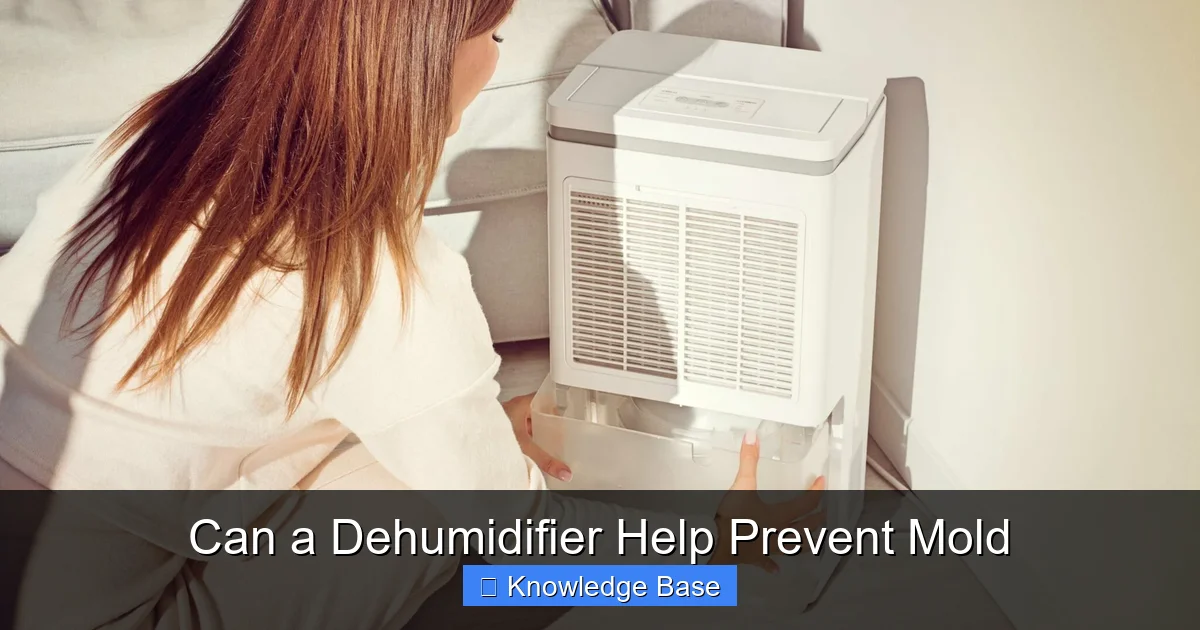
Yes, a dehumidifier can significantly help prevent mold by reducing excess moisture in the air. Mold thrives in damp environments, and maintaining indoor humidity between 30% and 50% creates conditions that discourage its growth. With consistent use, proper placement, and good home habits, a dehumidifier becomes a powerful tool in your mold prevention toolkit.
Key Takeaways
- Dehumidifiers reduce indoor humidity: By pulling moisture from the air, they create an environment where mold struggles to grow.
- Ideal humidity range is 30–50%: Keeping levels in this range is key to mold prevention and overall indoor air quality.
- Best for damp areas like basements and bathrooms: These spaces often have poor ventilation and higher moisture, making them mold hotspots.
- Regular maintenance is essential: Cleaning filters and emptying water tanks ensures your dehumidifier works efficiently.
- Works best with other moisture controls: Use alongside ventilation, fixing leaks, and proper insulation for maximum effectiveness.
- Energy-efficient models save money long-term: Look for ENERGY STAR-rated units to reduce electricity costs while protecting your home.
- Not a cure for existing mold: While it prevents new growth, you’ll need professional remediation for active mold infestations.
Quick Answers to Common Questions
Can a dehumidifier completely stop mold growth?
A dehumidifier significantly reduces the risk of mold by lowering humidity, but it can’t guarantee complete prevention if other moisture sources like leaks or poor ventilation aren’t addressed.
How long should I run a dehumidifier each day?
Run it continuously or set it to maintain 30–50% humidity. Many units have auto-settings that turn on only when needed, saving energy.
Will a dehumidifier help with musty smells?
Yes, musty odors are often caused by mold and mildew. By reducing moisture, a dehumidifier can eliminate the source of the smell.
Can I use a dehumidifier in winter?
Yes, but refrigerant models lose efficiency below 65°F. Use a desiccant dehumidifier in cold spaces like unheated garages.
Do dehumidifiers use a lot of electricity?
They use moderate energy. ENERGY STAR models are more efficient and can save money over time compared to standard units.
📑 Table of Contents
- Can a Dehumidifier Help Prevent Mold? The Short Answer
- How Mold Grows and Why Moisture Matters
- How Dehumidifiers Work to Prevent Mold
- Where to Use a Dehumidifier for Maximum Mold Prevention
- Best Practices for Using a Dehumidifier to Prevent Mold
- Limitations of Dehumidifiers in Mold Prevention
- Choosing the Right Dehumidifier for Your Home
- Conclusion: Yes, a Dehumidifier Can Help Prevent Mold
Can a Dehumidifier Help Prevent Mold? The Short Answer
If you’ve ever spotted fuzzy black spots in your bathroom corner or noticed a musty smell in your basement, you’ve likely encountered mold. It’s not just unsightly—it can trigger allergies, worsen asthma, and even damage your home’s structure over time. So, what’s the best way to stop it before it starts? One of the most effective tools in your arsenal might already be sitting in a closet: the dehumidifier.
Yes, a dehumidifier can help prevent mold. In fact, it’s one of the most reliable methods for keeping your home dry and mold-free. Mold needs moisture to grow, and dehumidifiers work by removing excess water vapor from the air. By maintaining a healthy indoor humidity level—ideally between 30% and 50%—you make your home far less inviting to mold spores, which are always floating around, just waiting for the right conditions to settle and multiply.
But it’s not as simple as just plugging in a machine and forgetting about it. To get the best results, you need to understand how dehumidifiers work, where to place them, how to maintain them, and how they fit into a broader mold prevention strategy. This guide will walk you through everything you need to know—from the science behind mold growth to practical tips for using your dehumidifier effectively.
How Mold Grows and Why Moisture Matters
Visual guide about Can a Dehumidifier Help Prevent Mold
Image source: moldremovalspringfieldmo.com
Before we dive into how dehumidifiers fight mold, let’s take a step back and understand why moisture is such a big deal. Mold is a type of fungus that reproduces by releasing tiny spores into the air. These spores are everywhere—outdoors, indoors, on your clothes, in your carpets. Most of the time, they’re harmless. But when they land on a damp surface and find the right conditions, they begin to grow.
Mold needs three things to thrive: moisture, warmth, and a food source (like wood, drywall, or dust). Of these, moisture is the easiest to control. Without it, mold simply can’t grow—no matter how warm or dusty your home is.
Common sources of indoor moisture include:
- Leaky pipes or roofs
- Condensation on cold windows
- Steam from showers and cooking
- High outdoor humidity seeping indoors
- Poor ventilation in bathrooms, kitchens, and basements
Once moisture levels rise above 60% relative humidity, the risk of mold growth increases dramatically. That’s why areas like basements, crawl spaces, and laundry rooms are especially vulnerable. Even small, hidden leaks can create the perfect breeding ground.
The Role of Humidity in Mold Development
Humidity refers to the amount of water vapor in the air. Relative humidity (RH) is the percentage of moisture in the air compared to the maximum it can hold at a given temperature. For example, 50% RH means the air is holding half the moisture it could at that temperature.
Mold can begin to grow when relative humidity stays above 60% for extended periods. At 70% or higher, the risk becomes severe. That’s why controlling indoor humidity is one of the most effective ways to prevent mold.
A dehumidifier directly addresses this issue. It pulls in humid air, cools it to condense the moisture, collects the water in a tank or drains it away, and then releases drier air back into the room. This process lowers the overall humidity, making it much harder for mold to take hold.
How Dehumidifiers Work to Prevent Mold

Visual guide about Can a Dehumidifier Help Prevent Mold
Image source: marshheating.com
Now that we know why moisture is the enemy, let’s look at how dehumidifiers fight back. Most residential dehumidifiers use a refrigeration-based system, similar to an air conditioner. Here’s a simple breakdown of how it works:
1. A fan draws humid air from the room into the unit.
2. The air passes over cold coils, causing moisture to condense into water droplets.
3. The collected water drips into a reservoir or is drained via a hose.
4. The now-drier air passes over warm coils to bring it back to room temperature.
5. The dry air is released back into the room.
This cycle repeats continuously, gradually lowering the humidity level in the space.
Types of Dehumidifiers and Their Mold-Fighting Power
Not all dehumidifiers are created equal. The right type depends on your home’s size, climate, and specific moisture problems.
- Compressor (Refrigerant) Dehumidifiers: Most common and effective in warm, humid climates. They work best when temperatures are above 65°F (18°C). Great for basements, garages, and living areas.
- Desiccant Dehumidifiers: Use a moisture-absorbing material (like silica gel) instead of cooling coils. They perform better in colder temperatures and are often quieter. Ideal for crawl spaces or unheated areas.
- Whole-House Dehumidifiers: Integrated into your HVAC system, these units treat the entire home. They’re more expensive but offer consistent humidity control and are perfect for large homes or high-humidity regions.
- Mini or Portable Dehumidifiers: Small, affordable, and easy to move. Best for closets, RVs, or small bathrooms. They have limited capacity and aren’t ideal for large-scale mold prevention.
For most homeowners, a mid-sized compressor dehumidifier (30–50 pint capacity) placed in a basement or main living area offers the best balance of performance and value.
Real-World Example: Sarah’s Basement Makeover
Sarah lived in a humid coastal city and struggled with a musty smell in her basement. She noticed dark spots forming behind a washing machine and worried about mold. After researching, she bought a 50-pint dehumidifier and set it to maintain 45% humidity.
Within two weeks, the smell was gone. The dark spots stopped spreading, and she even started using the space as a home gym. “I can’t believe the difference,” she said. “It’s like a whole new room.”
Her story highlights a key point: dehumidifiers don’t just prevent mold—they can transform uncomfortable, unusable spaces into clean, dry, and healthy areas.
Where to Use a Dehumidifier for Maximum Mold Prevention
Placing your dehumidifier in the right spot is just as important as having one. Mold loves dark, damp, and poorly ventilated areas. Focus your efforts where moisture tends to accumulate.
Basements and Crawl Spaces
Basements are ground zero for mold. They’re often below ground level, poorly insulated, and prone to water seepage. Even if you don’t see standing water, the air can be saturated with moisture.
A dehumidifier in the basement can make a huge difference. Place it in a central location, away from walls, and ensure good airflow around the unit. If your basement is large, consider a whole-house system or multiple units.
Bathrooms and Laundry Rooms
Steam from showers and dryers adds a lot of moisture to the air. Without proper ventilation, this humidity lingers and encourages mold on tiles, grout, and ceilings.
While a small dehumidifier can help, the best approach is to use an exhaust fan during and after showers. If mold is already a problem, run a dehumidifier for a few hours after bathing to pull out excess moisture.
Closets and Storage Areas
Clothes, shoes, and cardboard boxes can trap moisture, especially in humid climates. A mini dehumidifier or moisture-absorbing packets can prevent musty odors and fabric mold.
Entire Home (Whole-House Systems)
If you live in a humid region or have chronic moisture issues, a whole-house dehumidifier connected to your HVAC system offers the most comprehensive protection. It treats air as it circulates, maintaining consistent humidity throughout your home.
Best Practices for Using a Dehumidifier to Prevent Mold
Owning a dehumidifier is one thing—using it correctly is another. Follow these tips to get the best results.
Set the Right Humidity Level
Most experts recommend keeping indoor humidity between 30% and 50%. Use a hygrometer (a simple, inexpensive device) to monitor levels. Many modern dehumidifiers have built-in hygrometers and auto-humidistats that let you set your target and forget it.
Avoid going too low—below 30% can dry out wood furniture, cause static electricity, and irritate respiratory systems.
Empty the Water Tank Regularly
Most portable dehumidifiers collect water in a tank that needs to be emptied every 1–3 days, depending on humidity. If the tank fills up, the unit shuts off, and humidity starts rising again.
To avoid this, choose a model with a continuous drain option. Attach a hose and let the water flow directly into a floor drain or sump pump.
Clean the Filter and Coils
Dust and debris can clog the air filter, reducing efficiency. Check and clean the filter every 2–4 weeks. Also, inspect the coils annually—if they’re dirty or frozen, the unit won’t work properly.
Run It Consistently
Don’t just turn on the dehumidifier when you smell something musty. Run it regularly, especially during humid seasons. Many units have timers or auto-restart features after power outages.
Combine with Other Moisture Controls
A dehumidifier is most effective when used alongside other strategies:
- Fix leaks promptly
- Use exhaust fans in kitchens and bathrooms
- Insulate cold surfaces to prevent condensation
- Keep gutters clean to avoid water pooling near foundations
- Use moisture-resistant materials in high-humidity areas
Limitations of Dehumidifiers in Mold Prevention
While dehumidifiers are powerful tools, they’re not a magic bullet. It’s important to understand their limits.
They Don’t Remove Existing Mold
If you already have mold, a dehumidifier won’t clean it. In fact, running a dehumidifier over active mold can spread spores through the air. Always clean or professionally remediate mold first, then use a dehumidifier to prevent it from returning.
They Can’t Fix Structural Water Problems
If your basement floods every spring or you have a persistent roof leak, a dehumidifier alone won’t solve the issue. You need to address the source of the water intrusion first.
Energy Use and Noise
Dehumidifiers use electricity, and larger units can add to your energy bill. Look for ENERGY STAR-certified models, which are up to 30% more efficient. Also, some units can be noisy—place them away from bedrooms or living areas if possible.
Not Effective in Very Cold Spaces
Refrigerant dehumidifiers lose efficiency below 65°F (18°C). In unheated garages or winter basements, a desiccant model may work better.
Choosing the Right Dehumidifier for Your Home
With so many options on the market, how do you pick the right one? Consider these factors:
Capacity (Pint Rating)
Dehumidifiers are rated by how many pints of water they can remove in 24 hours. Choose based on your space and humidity level:
- 30–40 pints: Small, moderately damp areas (e.g., small basement, bathroom)
- 50–70 pints: Large, very damp spaces (e.g., full basement, crawl space)
- 70+ pints: Extremely wet areas or whole-house systems
Energy Efficiency
Check the energy factor (liters of water removed per kilowatt-hour). Higher is better. ENERGY STAR models save energy and money over time.
Features to Look For
- Built-in humidistat
- Auto-defrost (for cold environments)
- Continuous drain option
- Timer and auto-restart
- Washable filter
- Quiet operation (under 50 decibels)
Brand and Warranty
Stick with reputable brands like Frigidaire, hOmeLabs, GE, or AprilAire. Look for at least a 1–2 year warranty.
Conclusion: Yes, a Dehumidifier Can Help Prevent Mold
So, can a dehumidifier help prevent mold? Absolutely. By controlling indoor humidity, it removes the one thing mold needs most to grow: moisture. Whether you’re dealing with a damp basement, a steamy bathroom, or just high humidity in a tropical climate, a dehumidifier is a smart, science-backed solution.
But remember, it’s not a standalone fix. Combine it with good home maintenance, proper ventilation, and prompt repairs for the best results. And if you already have mold, tackle that first—then use your dehumidifier to keep it from coming back.
Investing in a quality dehumidifier is investing in your home’s health and your family’s well-being. It’s a simple step that can prevent costly repairs, improve air quality, and give you peace of mind. So go ahead—dry out that dampness, stop mold in its tracks, and breathe easier.
Frequently Asked Questions
How does a dehumidifier prevent mold?
A dehumidifier removes excess moisture from the air, lowering indoor humidity to levels where mold cannot thrive. By maintaining humidity between 30% and 50%, it creates an environment that discourages mold growth.
Where should I place a dehumidifier to prevent mold?
Place it in the most humid area, such as a basement, crawl space, or bathroom. Ensure good airflow around the unit and avoid blocking vents.
Can a dehumidifier remove existing mold?
No, a dehumidifier cannot remove mold that has already grown. It only prevents new growth by reducing moisture. Existing mold must be cleaned or professionally remediated.
What humidity level prevents mold?
Keeping indoor humidity between 30% and 50% is ideal for mold prevention. Levels above 60% significantly increase the risk of mold growth.
Do I need a dehumidifier if I have air conditioning?
Air conditioners remove some moisture, but not enough in very humid climates or damp areas. A dehumidifier provides targeted humidity control where AC falls short.
How often should I clean my dehumidifier?
Clean the air filter every 2–4 weeks and empty the water tank regularly. Inspect coils annually to ensure efficient operation and prevent mold inside the unit.