
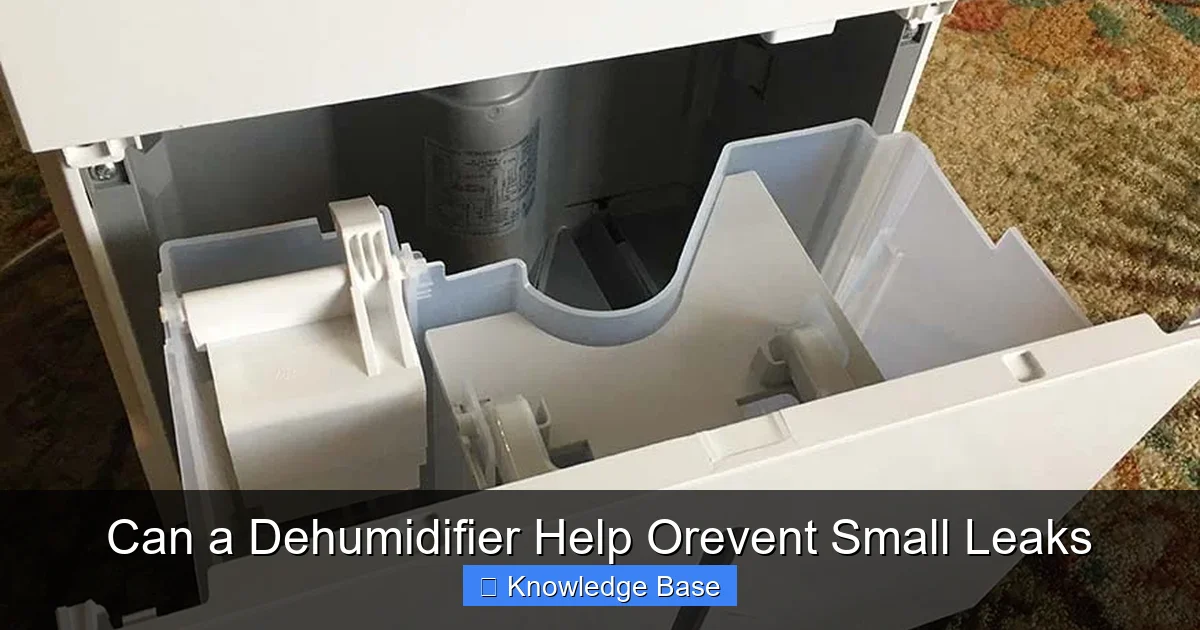
Yes, a dehumidifier can help prevent small leaks by reducing excess moisture in the air that contributes to condensation, mold growth, and structural damage. While it won’t fix active water leaks, it plays a crucial role in minimizing the conditions that lead to hidden or slow-forming leaks over time.
Key Takeaways
- Dehumidifiers reduce airborne moisture: By pulling excess humidity from the air, they help prevent condensation on cold surfaces like pipes and walls—common causes of small leaks.
- They inhibit mold and mildew growth: High humidity encourages mold, which can weaken building materials and lead to hidden water damage and leaks.
- Not a fix for active leaks: A dehumidifier won’t stop a pipe from bursting or a roof from leaking, but it can reduce the risk of secondary moisture issues.
- Ideal for basements and crawl spaces: These areas are prone to dampness; using a dehumidifier helps maintain a dry environment and prevents moisture-related leaks.
- Supports long-term home health: Consistent humidity control protects insulation, wood framing, and HVAC systems from moisture damage.
- Energy-efficient models save money: Modern dehumidifiers use less power and can lower overall cooling costs by making air feel more comfortable.
- Regular maintenance is key: Emptying the water tank, cleaning filters, and checking settings ensure optimal performance and leak prevention.
Quick Answers to Common Questions
Can a dehumidifier stop a leaking pipe?
No, a dehumidifier cannot stop an active leak from a broken or cracked pipe. It only reduces moisture in the air to prevent condensation and secondary damage.
Will a dehumidifier prevent mold from causing leaks?
Yes, by lowering humidity, a dehumidifier inhibits mold growth, which can weaken building materials and lead to hidden water damage and leaks over time.
How often should I run my dehumidifier?
Run it continuously during humid months or whenever indoor humidity exceeds 50%. Many units have auto-settings that turn on as needed.
Can I use a dehumidifier in winter?
Yes, especially in basements or crawl spaces. Desiccant models work well in cold temperatures and help prevent condensation on cold surfaces.
Does a dehumidifier use a lot of electricity?
Modern energy-efficient models use less power. Look for ENERGY STAR-rated units to save on electricity while maintaining performance.
📑 Table of Contents
- Understanding the Link Between Humidity and Small Leaks
- How Dehumidifiers Work to Prevent Moisture-Related Leaks
- Common Areas Where Dehumidifiers Prevent Leaks
- Signs You Need a Dehumidifier to Prevent Leaks
- Best Practices for Using a Dehumidifier to Prevent Leaks
- Real-Life Examples: How Dehumidifiers Stopped Small Leaks
- Limitations: What Dehumidifiers Can’t Do
- Conclusion: A Smart Investment for Leak Prevention
Understanding the Link Between Humidity and Small Leaks
You might be surprised to learn that many small leaks in homes don’t start with a burst pipe or a cracked foundation. Instead, they often begin silently—fueled by something as invisible as humidity. High indoor moisture levels can lead to condensation, which slowly accumulates on cold surfaces like metal pipes, concrete walls, or window frames. Over time, this constant dampness can cause corrosion, warping, or even seepage that mimics a leak.
Think of it this way: when warm, moist air meets a cold surface, it releases water droplets—just like how a cold drink “sweats” on a hot day. In your basement, attic, or under your sink, this process happens daily if humidity isn’t controlled. While a dehumidifier can’t stop a pipe from physically breaking, it can drastically reduce the moisture in the air that contributes to these slow, sneaky leaks. By maintaining a balanced indoor humidity level—ideally between 30% and 50%—you create an environment where condensation is less likely to form, and materials stay dry and intact.
This is especially important in areas prone to dampness, such as basements, laundry rooms, and crawl spaces. These spaces often have poor ventilation and are more susceptible to moisture buildup. A dehumidifier acts like a silent guardian, continuously pulling excess water vapor from the air and collecting it in a tank or draining it directly. The result? Less moisture means less chance of hidden leaks developing over time.
How Dehumidifiers Work to Prevent Moisture-Related Leaks
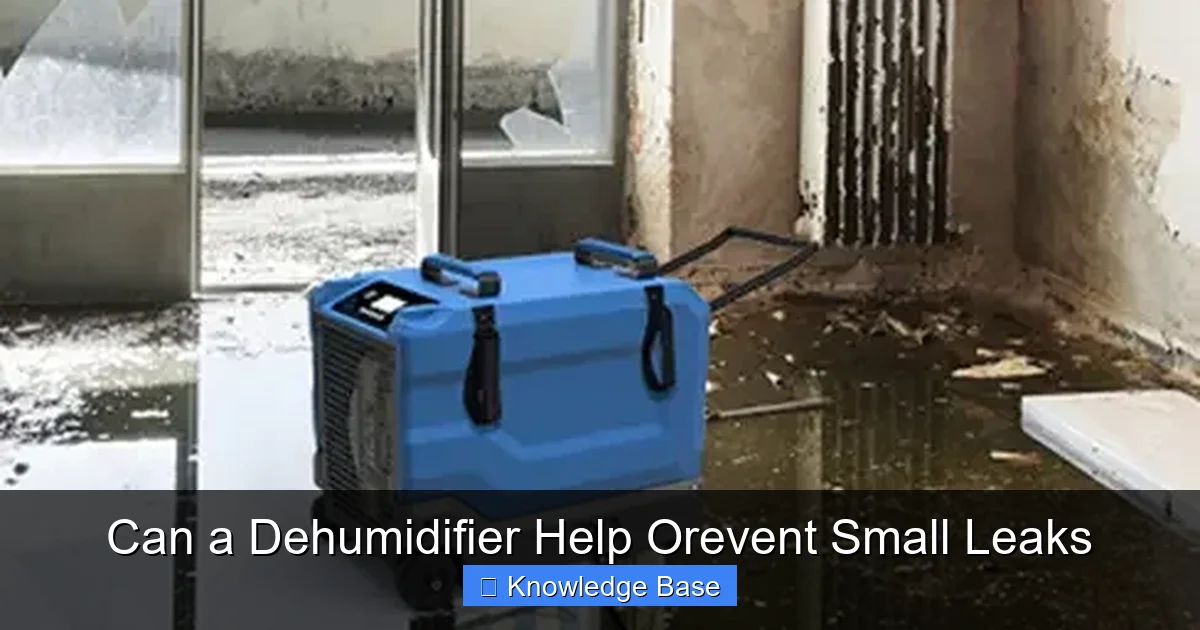
Visual guide about Can a Dehumidifier Help Orevent Small Leaks
Image source: cdn.globalso.com
To understand how a dehumidifier helps prevent small leaks, it’s helpful to know exactly how these devices function. Most residential dehumidifiers use a refrigeration-based system. Here’s a simple breakdown: a fan pulls humid air into the unit, where it passes over cold coils. As the air cools, the moisture condenses into water droplets, which collect in a reservoir or are drained via a hose. The drier air is then reheated slightly and released back into the room.
This process directly reduces the amount of water vapor in the air, lowering the dew point—the temperature at which condensation forms. When the dew point is lower, surfaces like pipes, walls, and windows are less likely to “sweat.” For example, if your basement has a concrete wall that’s cooler than the surrounding air, moisture will condense on it during humid summer months. A dehumidifier keeps the air dry enough that this condensation doesn’t occur, preventing the slow buildup of water that can seep into cracks or promote mold growth.
It’s also worth noting that dehumidifiers come in different capacities, measured in pints per day. A 30-pint unit might be perfect for a small basement, while a 70-pint model could handle a large, damp crawl space. Choosing the right size ensures the unit works efficiently without overworking, which is key to long-term leak prevention.
Types of Dehumidifiers and Their Leak Prevention Roles
Not all dehumidifiers are created equal, and different types are better suited for specific environments. The most common types include:
– **Compressor (refrigerant) dehumidifiers:** These are the most popular for home use. They work best in warm, humid conditions (above 65°F) and are highly effective at pulling moisture from the air. Ideal for basements and living areas.
– **Desiccant dehumidifiers:** These use a moisture-absorbing material (like silica gel) to trap water vapor. They perform well in colder temperatures and are often used in garages, cabins, or unheated spaces.
– **Whole-house dehumidifiers:** Integrated into your HVAC system, these units treat the entire home and are excellent for maintaining consistent humidity levels. They’re a great investment if you have recurring moisture issues.
Each type plays a role in preventing small leaks by targeting the root cause—excess humidity. For instance, a desiccant dehumidifier in a cold crawl space can prevent condensation on metal ductwork, while a whole-house unit ensures that humid air from showers and cooking doesn’t settle in wall cavities.
Common Areas Where Dehumidifiers Prevent Leaks
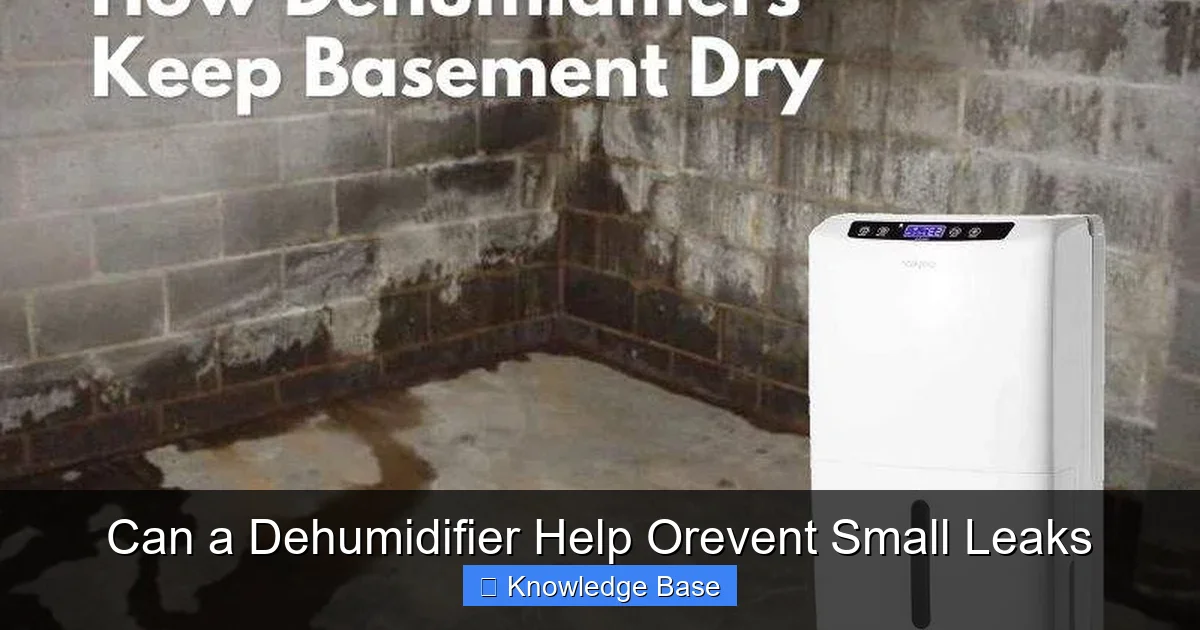
Visual guide about Can a Dehumidifier Help Orevent Small Leaks
Image source: evaporativehumidifiers.com
Certain parts of your home are more vulnerable to moisture buildup and, consequently, small leaks. Using a dehumidifier in these areas can make a significant difference.
Basements
Basements are notorious for being damp. They’re below ground level, often poorly ventilated, and surrounded by soil that retains moisture. Even if there’s no visible water intrusion, high humidity can cause condensation on cold water pipes, leading to rust and slow leaks. A dehumidifier placed in the center of the basement—away from walls—can circulate air effectively and keep humidity in check. Many homeowners notice a dramatic reduction in musty smells and dampness within weeks of use.
Crawl Spaces
Crawl spaces are tight, dark, and often neglected—but they’re critical to your home’s structural health. Moisture here can lead to wood rot, mold, and even foundation issues. Encapsulating the crawl space with a vapor barrier and installing a dedicated crawl space dehumidifier can prevent condensation on insulation and ductwork. This not only reduces leak risks but also improves indoor air quality.
Laundry Rooms and Utility Areas
These rooms generate a lot of moisture from washing machines, dryers, and water heaters. Without proper ventilation, steam and humidity can accumulate, leading to condensation on nearby pipes or walls. A small dehumidifier or even a vented dryer can help keep these areas dry and prevent slow leaks from forming around connections and joints.
Attics
While attics are typically dry, poor insulation or ventilation can trap warm, moist air from the living space below. This can lead to condensation on roof sheathing or HVAC ducts, especially in winter. A dehumidifier isn’t always practical in an attic, but ensuring proper airflow and insulation can mimic its effects by preventing moisture buildup.
Signs You Need a Dehumidifier to Prevent Leaks
How do you know if your home could benefit from a dehumidifier? Look for these telltale signs:
– **Condensation on windows, pipes, or walls:** This is a clear indicator of high humidity.
– **Musty odors:** Often a sign of mold or mildew growth due to excess moisture.
– **Warped wood or peeling paint:** Moisture can cause materials to swell or deteriorate.
– **Rust on metal fixtures:** Pipes, nails, or tools rusting indoors suggest prolonged dampness.
– **Increased allergy symptoms:** Mold spores thrive in humid environments and can affect respiratory health.
If you notice any of these, it’s time to consider a dehumidifier. Catching moisture issues early can prevent small leaks from becoming major problems.
Best Practices for Using a Dehumidifier to Prevent Leaks
Simply buying a dehumidifier isn’t enough—proper use and maintenance are essential for long-term leak prevention.
Choose the Right Size
A unit that’s too small won’t keep up with moisture levels, while one that’s too large will cycle on and off too frequently, wasting energy. Use a humidity meter (hygrometer) to measure your home’s moisture levels and consult sizing charts based on square footage and dampness.
Place It Strategically
Position the dehumidifier in the center of the room or area with the highest humidity. Keep it away from walls and furniture to allow proper airflow. In basements, avoid placing it directly on concrete if possible—use a stand or mat to reduce vibration and noise.
Set the Right Humidity Level
Aim for 30% to 50% relative humidity. In summer, you might need to go lower (around 45%), while in winter, 30% is often sufficient. Many modern dehumidifiers have built-in humidistats that automatically maintain your desired setting.
Empty the Tank Regularly
Most units have a water collection tank that needs to be emptied every few days, depending on humidity levels. Some models include a continuous drain hose option, which is ideal for basements or unattended areas.
Clean Filters and Coils
Dust and debris can clog the air filter and reduce efficiency. Clean or replace the filter every 4–6 weeks during heavy use. Also, check the coils annually and clean them with a soft brush or vacuum to maintain performance.
Use in Tandem with Other Moisture Controls
A dehumidifier works best when paired with other strategies: fix any existing leaks, improve ventilation (especially in bathrooms and kitchens), use exhaust fans, and ensure gutters and downspouts direct water away from your foundation.
Real-Life Examples: How Dehumidifiers Stopped Small Leaks
Let’s look at a few real-world scenarios where dehumidifiers made a difference.
Case Study: The Damp Basement
Sarah noticed water stains on her basement floor after heavy rains. A plumber found no active leaks, but the humidity was consistently above 70%. She installed a 50-pint dehumidifier and set it to maintain 45% humidity. Within a month, the musty smell disappeared, and the stains stopped appearing. The dehumidifier prevented condensation from forming on the concrete, stopping the slow seepage that mimicked a leak.
Case Study: The Crawl Space Mold
Mike discovered black mold growing on the insulation in his crawl space. An inspector traced it to high humidity and poor ventilation. After encapsulating the space and installing a crawl space dehumidifier, the mold stopped spreading. The dry environment also prevented condensation on the HVAC ducts, eliminating a potential source of future leaks.
Case Study: The Laundry Room Pipe
Lisa found a small puddle under her washing machine every few weeks. The pipe connections weren’t leaking, but the humid air from the dryer was causing condensation on the cold water line. She added a small dehumidifier to the laundry room and improved ventilation. The puddles stopped, and the pipe stayed dry.
These examples show that while dehumidifiers don’t fix broken pipes, they address the environmental conditions that lead to moisture-related leaks.
Limitations: What Dehumidifiers Can’t Do
It’s important to set realistic expectations. A dehumidifier is a preventive tool, not a repair tool. It cannot:
– Fix a cracked pipe or leaking roof
– Stop water intrusion from flooding or heavy rain
– Replace proper insulation or ventilation
If you have an active leak, call a plumber or contractor immediately. However, once the leak is fixed, a dehumidifier can help prevent future issues by keeping the surrounding area dry and reducing the risk of secondary damage.
Conclusion: A Smart Investment for Leak Prevention
So, can a dehumidifier help prevent small leaks? Absolutely. While it won’t stop a pipe from bursting or a roof from leaking, it plays a vital role in reducing the moisture that leads to condensation, mold, and slow-forming leaks. By maintaining healthy indoor humidity levels, you protect your home’s structure, improve air quality, and avoid costly repairs down the line.
Think of a dehumidifier as part of your home’s defense system—like a smoke detector for moisture. It works quietly in the background, giving you peace of mind and a drier, healthier living space. Whether you’re dealing with a damp basement, a musty crawl space, or just high humidity in general, investing in a quality dehumidifier is a smart, proactive step toward preventing small leaks before they start.
Frequently Asked Questions
Can a dehumidifier prevent water damage from leaks?
A dehumidifier can help reduce water damage by drying out moist areas and preventing mold growth after a leak is fixed. However, it won’t stop the leak itself.
Where should I place a dehumidifier to prevent leaks?
Place it in the dampest area, such as a basement or crawl space, away from walls for proper airflow. Avoid corners or enclosed spaces.
How do I know if my home needs a dehumidifier?
Signs include condensation on windows or pipes, musty smells, peeling paint, or rust on metal fixtures—all indicators of high humidity.
Can a dehumidifier help with basement leaks?
It can prevent condensation-related moisture issues in basements, but it won’t fix leaks from foundation cracks or groundwater intrusion.
Do dehumidifiers require maintenance?
Yes, regularly empty the water tank, clean the air filter every 4–6 weeks, and inspect coils annually to ensure optimal performance.
Are whole-house dehumidifiers worth it?
They’re ideal for large homes with consistent humidity problems. They integrate with your HVAC system and provide whole-home protection against moisture and leaks.