

Yes, a dehumidifier can help dry clothes—especially in humid or poorly ventilated spaces. By removing excess moisture from the air, it creates a drier environment that allows wet laundry to evaporate faster and more efficiently.
Key Takeaways
- Dehumidifiers speed up drying time: They reduce humidity, helping clothes dry faster than air-drying alone in damp conditions.
- Ideal for small or enclosed spaces: Perfect for apartments, basements, or homes without outdoor drying areas.
- Prevents musty smells and mold: Lower humidity inhibits mildew and bacteria growth on damp fabrics.
- Energy-efficient alternative: Uses less power than a tumble dryer and avoids high electricity bills.
- Works best with airflow: Combine with a fan or open windows (in dry weather) for optimal results.
- Not a replacement for all drying needs: Best for light loads or pre-drying before machine drying.
- Choose the right size: Match dehumidifier capacity (pints per day) to your room size and laundry volume.
Quick Answers to Common Questions
Can a dehumidifier dry clothes completely?
Yes, a dehumidifier can dry clothes completely, especially when used in a closed room with good airflow. It may take 12–24 hours depending on load size and humidity levels.
Is it safe to leave a dehumidifier on overnight?
Yes, most modern dehumidifiers are safe to run overnight. Look for models with auto shut-off, overheat protection, and a secure water tank to prevent leaks.
Do I need a special dehumidifier for laundry?
No, any standard dehumidifier can help dry clothes. However, models with higher capacity (30–50 pints) and features like continuous drainage work best.
Can I use a dehumidifier in a small bathroom to dry clothes?
Yes, but ensure the bathroom is well-ventilated and the dehumidifier has enough capacity. Avoid overloading the space with too many wet items.
Will a dehumidifier increase my electricity bill?
It will add to your bill, but typically much less than a tumble dryer. A 500-watt dehumidifier running 12 hours uses about 6 kWh—far less than a dryer’s 3–4 kWh per load.
📑 Table of Contents
- Can a Dehumidifier Help Dry Clothes? The Surprising Answer
- How a Dehumidifier Works to Dry Clothes
- Benefits of Using a Dehumidifier to Dry Clothes
- How to Use a Dehumidifier to Dry Clothes Effectively
- Limitations and Considerations
- Choosing the Right Dehumidifier for Laundry Drying
- Real-World Examples and Tips
- Conclusion
Can a Dehumidifier Help Dry Clothes? The Surprising Answer
If you’ve ever hung up a load of laundry indoors only to find it still damp—or worse, smelling faintly of mildew—after 24 hours, you’re not alone. Many people struggle with slow drying times, especially during rainy seasons or in humid climates. And while tumble dryers are convenient, they’re also energy hogs and can be hard on fabrics. So, what’s the alternative?
Enter the dehumidifier—a device most commonly associated with basement moisture control or allergy relief. But here’s a little-known secret: **a dehumidifier can actually help dry clothes faster and more effectively than air-drying alone**. It’s not magic, but it’s close. By pulling excess moisture out of the air, a dehumidifier creates an environment where water evaporates from your clothes more quickly. Think of it as giving your laundry a gentle, invisible push toward dryness.
This method is especially useful if you live in a small apartment, don’t have access to an outdoor clothesline, or simply want to avoid the wear and tear that comes from frequent machine drying. Plus, it’s eco-friendly and cost-effective over time. But how exactly does it work? And are there any downsides? Let’s dive in and explore everything you need to know about using a dehumidifier to dry your clothes.
How a Dehumidifier Works to Dry Clothes
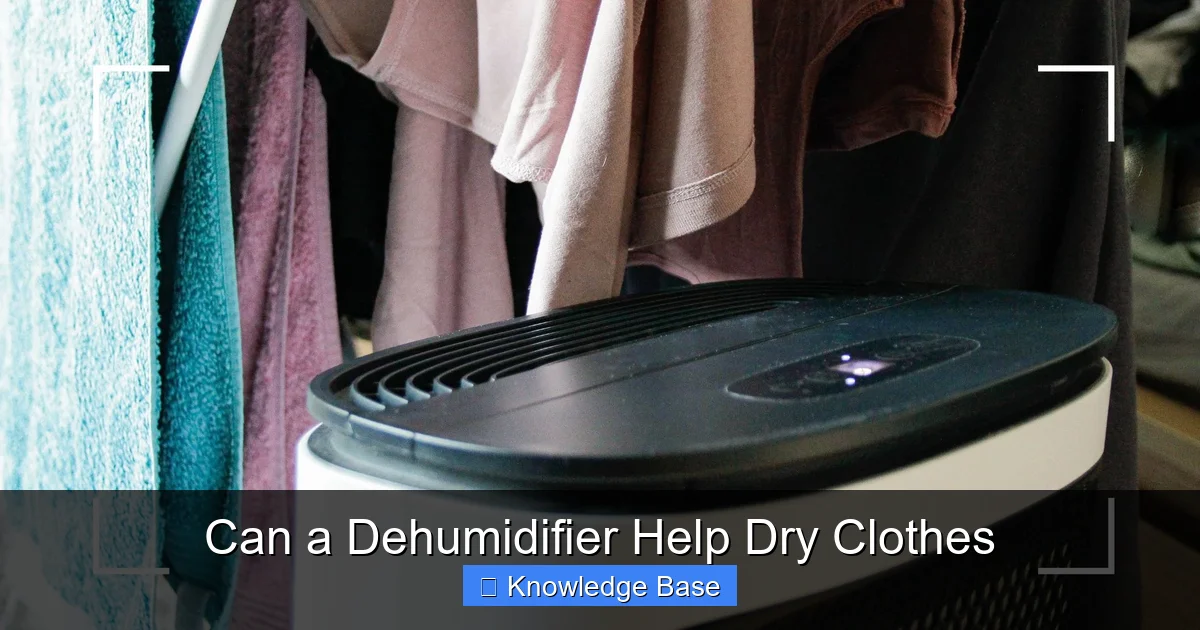
Visual guide about Can a Dehumidifier Help Dry Clothes
Image source: cdn.mos.cms.futurecdn.net
At its core, a dehumidifier is designed to reduce the amount of moisture in the air. It does this by drawing in humid air, cooling it to condense the water vapor, collecting that water in a tank or draining it away, and then releasing dry, warm air back into the room. This process lowers the relative humidity—typically aiming for a comfortable range between 30% and 50%.
Now, here’s the key: **clothes dry through evaporation**. When water on wet fabric turns into vapor and escapes into the air, your clothes dry. But if the air is already saturated with moisture (high humidity), evaporation slows way down—or even stops. That’s why your towels stay damp for days in a steamy bathroom.
A dehumidifier solves this problem by keeping the air dry. As your clothes release moisture, the dehumidifier immediately pulls that moisture out of the air, maintaining a constant “pull” that encourages more evaporation. It’s like creating a vacuum for humidity—constantly refreshing the air so your laundry can keep drying.
The Science Behind Evaporation and Humidity
To understand why this works, let’s break it down simply. Evaporation happens when water molecules gain enough energy (usually from heat) to break free from the liquid and become gas. But the rate of evaporation depends heavily on the surrounding air. If the air is already full of water vapor (high humidity), there’s less “room” for more moisture, so evaporation slows.
Imagine trying to pour water into a glass that’s already full—it just won’t work. The same principle applies to your wet clothes. A dehumidifier acts like someone constantly sipping from that glass, making space for more water. By lowering the humidity, it increases the “evaporative potential” of the room, allowing your clothes to dry faster.
Types of Dehumidifiers and Their Role in Laundry Drying
Not all dehumidifiers are created equal, and some are better suited for laundry drying than others. The two main types are:
– **Compressor (refrigerant) dehumidifiers**: These are the most common and work best in warm, humid environments (above 65°F). They’re efficient and effective for typical home use.
– **Desiccant dehumidifiers**: These use a moisture-absorbing material (like silica gel) and work well in cooler temperatures. They’re often quieter and lighter but may use more energy.
For drying clothes, compressor models are usually the best choice because they handle high moisture loads well and are energy-efficient. However, if you live in a cooler climate or have a small space, a desiccant model could still do the job.
Benefits of Using a Dehumidifier to Dry Clothes

Visual guide about Can a Dehumidifier Help Dry Clothes
Image source: thedehumidifierexperts.com
Using a dehumidifier to dry your laundry isn’t just a clever hack—it comes with a host of real benefits that make it worth considering, especially if you’re trying to live more sustainably or save on energy costs.
Faster Drying Times
The most obvious advantage? Your clothes dry faster. In a humid room, a load of laundry might take 24 to 48 hours to dry completely. But with a dehumidifier running, that time can drop to 12–18 hours—sometimes even less, depending on the load size and airflow.
For example, imagine hanging up a full load of cotton towels on a rainy Tuesday. Without a dehumidifier, they might still feel damp on Thursday. But with one running in the same room, they could be bone-dry by Wednesday evening. That’s a huge time saver, especially if you’re doing laundry frequently.
Prevents Musty Smells and Mold Growth
One of the biggest frustrations with indoor drying is the dreaded “wet dog” smell—that faint, sour odor that develops when clothes sit damp for too long. This happens because bacteria and mold thrive in moist environments. When your clothes don’t dry quickly, these microbes multiply, leaving behind unpleasant odors and potentially damaging fabrics.
A dehumidifier helps prevent this by keeping the air dry, which inhibits microbial growth. Your clothes stay fresher, and you avoid the need for rewashing due to mildew. Plus, you’ll breathe easier knowing your home isn’t harboring hidden mold spores.
Energy and Cost Savings
Tumble dryers are among the most energy-intensive appliances in the home. According to the U.S. Department of Energy, a standard electric dryer uses about 3,000 watts per load—that’s roughly $0.36 per cycle, or over $130 a year for average use. In contrast, a dehumidifier typically uses between 300 and 700 watts, depending on the model and settings.
Even if you run it for 12 hours to dry a load, the cost is significantly lower. Over time, this adds up to real savings—especially if you do multiple loads per week. Plus, you’re extending the life of your clothes by avoiding the heat and tumbling action that can cause shrinkage, fading, and fiber breakdown.
Gentler on Fabrics
Heat and agitation are tough on clothing. Over time, repeated drying cycles can weaken fibers, fade colors, and cause pilling. Air-drying is gentler, but slow drying can lead to stiffness or stiffness. Using a dehumidifier strikes a balance—your clothes dry naturally, without harsh heat, but faster than traditional air-drying.
This is especially beneficial for delicate items like wool sweaters, silk blouses, or workout gear made from technical fabrics. You get the softness and longevity of air-drying with the speed of machine drying.
Ideal for Small Spaces and Apartments
Not everyone has a backyard or a dedicated laundry room. In apartments, condos, or tiny homes, space is at a premium. Hanging clothes indoors can make a room feel cluttered and humid. A dehumidifier lets you dry clothes efficiently without turning your living room into a laundry jungle.
Just set up a drying rack in a corner, turn on the dehumidifier, and let it do the work. You’ll keep your space comfortable and your clothes dry—without sacrificing square footage.
How to Use a Dehumidifier to Dry Clothes Effectively
Using a dehumidifier to dry clothes isn’t as simple as just turning it on and walking away. To get the best results, you’ll want to follow a few best practices that maximize efficiency and prevent issues.
Choose the Right Location
Place your dehumidifier in the same room where you’re drying clothes—preferably near the center or close to the drying rack. Avoid corners or behind furniture, as this can block airflow and reduce effectiveness. The goal is to circulate dry air evenly around the wet laundry.
If possible, close the door to the room to contain the dry air and prevent humid air from other parts of the house from seeping in. This creates a “drying chamber” effect, speeding up the process.
Optimize Airflow with Fans
While a dehumidifier removes moisture from the air, it doesn’t move air around much on its own. To help clothes dry evenly, use a box fan or oscillating fan to circulate air over the damp fabrics. This ensures that moisture evaporates from all sides of the clothing, not just the surface facing the dehumidifier.
Position the fan so it blows across the clothes—not directly at the dehumidifier intake—to avoid disrupting its operation. A gentle breeze makes a big difference in drying time.
Don’t Overload the Space
It’s tempting to hang up every wet item you have, but overcrowding slows drying. Leave space between garments so air can flow freely. If clothes are bunched together, the inner layers stay wet longer, increasing the risk of mildew.
A good rule of thumb: if you can’t see light through the rack, it’s probably too full. Stick to one load at a time, and consider drying heavier items (like jeans or towels) separately from lighter ones (like t-shirts or underwear).
Monitor Humidity Levels
Most modern dehumidifiers have built-in hygrometers that display the current humidity level. Aim to keep the room between 40% and 50% relative humidity while drying. If it drops too low (below 30%), you might be over-drying the air, which can make the room uncomfortably dry and increase energy use.
Some models even have a “laundry mode” or “continuous” setting designed specifically for this purpose. If yours doesn’t, just set it to the lowest humidity setting and check periodically.
Empty the Water Tank Regularly
Dehumidifiers collect moisture in a built-in tank, which needs to be emptied when full. Depending on the humidity and load size, this could be every few hours. If the tank fills up and the unit shuts off, your clothes stop drying.
To avoid this, check the tank frequently—especially during the first few uses. Alternatively, use a model with a continuous drainage option, where you attach a hose to drain water directly into a sink or floor drain.
Use During Dry Weather When Possible
While a dehumidifier works in any weather, it’s most effective when the outdoor air is dry. If it’s raining or extremely humid outside, keep windows and doors closed to prevent more moisture from entering. On dry, breezy days, you can open a window slightly to improve airflow—just make sure the dehumidifier is still running to maintain low humidity.
Limitations and Considerations
While using a dehumidifier to dry clothes has many advantages, it’s not a perfect solution for every situation. It’s important to understand its limitations so you can set realistic expectations.
Not Suitable for Large or Heavy Loads
A dehumidifier works best with light to moderate loads—think a single load of laundry or a few towels. If you try to dry multiple heavy items (like bath mats, blankets, or several pairs of jeans), the process will take much longer, and the dehumidifier may struggle to keep up.
For large loads, consider pre-drying in a machine for 10–15 minutes to remove excess water, then finish drying with the dehumidifier. This hybrid approach saves time and energy.
Initial Cost and Space Requirements
Dehumidifiers aren’t free. A good-quality model can cost anywhere from $150 to $400, depending on size and features. While the long-term savings on energy bills can offset this, it’s still an upfront investment.
Also, dehumidifiers take up space. They’re typically about the size of a small suitcase and need room for airflow. If you live in a very small apartment, this might be a challenge.
Noise Levels
Most dehumidifiers make some noise—usually a low hum or fan sound. While newer models are quieter, they’re not silent. If you’re drying clothes in a bedroom or living area, this could be disruptive, especially at night.
Look for models with a “quiet” or “sleep” mode if noise is a concern. Alternatively, run the dehumidifier during the day and turn it off once clothes are dry.
Not a Replacement for All Drying Needs
A dehumidifier is a great tool, but it’s not meant to replace all forms of drying. For items that need to be completely dry quickly—like workout clothes or baby clothes—you may still need a tumble dryer. Similarly, in extremely humid climates, even a dehumidifier might not be enough on its own.
Think of it as a supplement to your existing laundry routine, not a total replacement.
Choosing the Right Dehumidifier for Laundry Drying
Not every dehumidifier is ideal for drying clothes. To get the best results, you’ll want to choose a model that matches your needs in terms of capacity, features, and efficiency.
Capacity: Pints per Day
Dehumidifiers are rated by how many pints of water they can remove in 24 hours. For laundry drying, a unit with a capacity of 30 to 50 pints per day is usually sufficient for a standard room (up to 1,000 square feet). Larger spaces or very humid climates may require a 70-pint model.
Don’t go too small—underpowered units will struggle to keep up with the moisture from wet clothes.
Energy Efficiency
Look for models with an ENERGY STAR rating, which means they meet strict efficiency guidelines set by the U.S. Environmental Protection Agency. These units use less electricity and can save you money over time.
Check the energy factor (liters of water removed per kilowatt-hour) on the label. Higher numbers mean better efficiency.
Key Features to Look For
– **Built-in humidistat**: Lets you set and maintain a target humidity level.
– **Auto shut-off**: Turns off when the water tank is full.
– **Continuous drainage option**: Allows you to attach a hose for uninterrupted operation.
– **Laundry or turbo mode**: Increases fan speed for faster drying.
– **Quiet operation**: Important if used in living spaces.
Popular brands like Frigidaire, hOmeLabs, and GE offer models well-suited for laundry drying.
Room Size Matters
Match the dehumidifier to your room size. A small 20-pint unit might work in a closet, but it won’t be effective in a large basement. Use the manufacturer’s room size recommendations as a guide.
Real-World Examples and Tips
Still not convinced? Here are a few real-world scenarios where a dehumidifier can make a big difference:
– **Apartment dwellers in Seattle**: With frequent rain and high humidity, outdoor drying isn’t an option. A dehumidifier lets them dry clothes indoors without musty smells.
– **Parents of young children**: Baby clothes need to be washed often. Using a dehumidifier speeds up drying so parents aren’t waiting days for onesies to dry.
– **Eco-conscious households**: Families looking to reduce energy use can replace or reduce tumble dryer usage with dehumidifier-assisted air-drying.
Pro Tip: Combine with Other Methods
For even faster results, combine the dehumidifier with other drying techniques:
– Wring out clothes thoroughly before hanging.
– Use a spin cycle in the washing machine to remove excess water.
– Rotate clothes halfway through drying to ensure even exposure.
– Add a few dry towels to the rack to absorb extra moisture (then toss them in the dryer briefly).
Conclusion
So, can a dehumidifier help dry clothes? Absolutely. It’s a smart, efficient, and eco-friendly way to speed up indoor drying, prevent mildew, and save on energy costs. While it’s not a one-size-fits-all solution, it’s a powerful tool for anyone struggling with slow-drying laundry—especially in humid or space-limited environments.
By understanding how it works, choosing the right model, and using it effectively, you can transform your laundry routine. Say goodbye to damp socks and hello to fresh, dry clothes—faster than ever.
Whether you’re in a rainy climate, living in an apartment, or just looking for a greener way to dry your clothes, a dehumidifier might just be the laundry hack you’ve been waiting for.
Frequently Asked Questions
How long does it take to dry clothes with a dehumidifier?
It typically takes 12 to 24 hours to dry a standard load of clothes using a dehumidifier, depending on the humidity level, room size, and airflow. Heavier items may take longer.
Can I use a dehumidifier in place of a clothes dryer?
A dehumidifier can replace a tumble dryer for air-drying, but it’s slower and best for light to moderate loads. It’s ideal as a supplement or alternative in humid climates.
Do dehumidifiers work in cold rooms?
Compressor dehumidifiers work best above 65°F. In colder spaces, desiccant models are more effective, though they may use more energy.
Can a dehumidifier cause clothes to shrink?
No, dehumidifiers don’t generate heat like dryers, so they won’t cause shrinkage. In fact, they’re gentler on fabrics and help preserve clothing quality.
Should I open windows when using a dehumidifier to dry clothes?
Only if the outdoor air is dry. In humid or rainy weather, keep windows closed to prevent more moisture from entering the room.
What’s the best humidity level for drying clothes?
Aim for 40% to 50% relative humidity. This range promotes fast evaporation without over-drying the air or wasting energy.