
Yes, a dehumidifier can help with a cough—especially if it’s caused by mold, dust mites, or excess moisture in the air. By maintaining optimal humidity levels (30–50%), dehumidifiers reduce irritants that trigger coughing, making it easier to breathe and sleep. While not a cure, it’s a powerful support tool for allergy and asthma sufferers.
Key Takeaways
- Dehumidifiers reduce mold and mildew: These common allergens thrive in damp environments and can trigger coughing, especially at night.
- They help control dust mites: Dust mites love humidity above 50%; lowering moisture levels makes your home less hospitable to them.
- Optimal humidity eases breathing: Air that’s too dry or too humid can irritate airways; a dehumidifier balances it for comfort.
- Not a cure, but a support tool: A dehumidifier won’t treat infections, but it can reduce environmental triggers of chronic coughs.
- Best for allergy and asthma-related coughs: If your cough worsens in damp rooms or during humid seasons, a dehumidifier may offer relief.
- Proper use matters: Running it in the right rooms, cleaning filters, and maintaining 30–50% humidity maximizes benefits.
- Combine with other remedies: Pair with air purifiers, hydration, and medical treatment for best results.
Quick Answers to Common Questions
Can a dehumidifier stop a cough caused by a cold?
No, a dehumidifier won’t cure a cold-related cough. In fact, overly dry air might irritate your throat. For colds, a humidifier is often more helpful to add moisture and soothe airways.
How long does it take for a dehumidifier to reduce coughing?
Improvement can be seen within a few days to a week, especially if mold or dust mites are the cause. Consistent use is key for long-term relief.
Should I run a dehumidifier in my bedroom?
Yes, if your bedroom is damp or you cough more at night. Just ensure humidity stays above 30% to avoid drying out your throat.
Can a dehumidifier help with nighttime coughing?
Absolutely. Nighttime coughing is often triggered by allergens in bedding. A dehumidifier reduces dust mites and mold, leading to better sleep.
Do I need a dehumidifier if I already have an air purifier?
Yes, they serve different purposes. An air purifier removes particles from the air, while a dehumidifier controls moisture. Using both gives the best results.
📑 Table of Contents
Can a Dehumidifier Help with a Cough?
If you’ve ever woken up with a nagging cough after a night in a damp basement or during a humid summer, you’re not alone. Many people don’t realize that the air inside their homes can play a big role in respiratory issues—especially coughing. While a dehumidifier isn’t a magic cure for every cough, it can be a surprisingly effective tool in certain situations. Whether you’re dealing with allergies, asthma, or just a persistent tickle in your throat, understanding how humidity affects your breathing might be the key to relief.
Coughs can stem from many causes: colds, flu, acid reflux, or even dry air. But one often-overlooked factor is indoor humidity. When the air in your home is too moist, it creates the perfect breeding ground for mold, dust mites, and bacteria—all of which can irritate your airways and trigger coughing. On the flip side, air that’s too dry can also be problematic, drying out your throat and making you more susceptible to irritation. A dehumidifier helps strike the right balance by removing excess moisture from the air, creating a healthier environment for your lungs.
But how exactly does this work? And when is a dehumidifier most helpful? In this guide, we’ll explore the science behind humidity and respiratory health, explain when a dehumidifier can make a real difference, and offer practical tips for using one effectively. Whether you’re a parent trying to help a coughing child or an adult managing chronic symptoms, this information could be a game-changer for your comfort and well-being.
Understanding the Link Between Humidity and Coughing

Visual guide about Can a Dehumidifier Help with a Cough
Image source: mspurelife.com
To understand how a dehumidifier can help with a cough, it’s important to first grasp the relationship between indoor humidity and respiratory health. Humidity refers to the amount of water vapor in the air. While some moisture is necessary for comfort, too much or too little can cause problems—especially for people with sensitive airways.
When indoor humidity levels rise above 50%, it creates a damp environment where allergens and irritants thrive. Mold spores, for example, grow rapidly in moist conditions. These tiny fungi release airborne particles that, when inhaled, can trigger allergic reactions, including coughing, sneezing, and wheezing. Similarly, dust mites—microscopic creatures that live in bedding, carpets, and upholstery—prosper in humid environments. Their waste products are potent allergens and a common cause of nighttime coughing.
Even bacteria and viruses can spread more easily in overly humid air. Damp surfaces allow germs to survive longer, increasing the risk of respiratory infections. For someone already dealing with a cold or flu, living in a humid home can prolong symptoms and worsen coughing.
On the other hand, air that’s too dry—below 30% humidity—can also irritate the respiratory tract. Dry air strips moisture from your throat and nasal passages, leading to a scratchy feeling and a persistent cough. This is especially common in winter when indoor heating systems pull moisture from the air.
The ideal indoor humidity range for respiratory comfort is between 30% and 50%. Within this range, mold and dust mites struggle to survive, and your airways stay comfortably moist. A dehumidifier helps maintain this balance by pulling excess moisture from the air, especially in basements, bathrooms, and other damp areas.
How Mold and Mildew Trigger Coughing
Mold is one of the most common culprits behind humidity-related coughing. It grows in hidden places—behind walls, under sinks, in shower curtains—and releases spores into the air. When you breathe in these spores, your immune system may react, causing inflammation in your airways. This leads to symptoms like coughing, congestion, and even shortness of breath.
People with mold allergies are especially vulnerable. Even small amounts of mold can trigger a strong reaction. But even those without diagnosed allergies can develop a cough from prolonged exposure. This is because mold irritates the lining of the respiratory tract, making it more sensitive and prone to coughing.
A dehumidifier helps by reducing the moisture mold needs to grow. By keeping humidity below 50%, you make your home far less inviting for mold. Over time, this can lead to fewer spores in the air and a noticeable reduction in coughing—especially at night or after waking up.
The Role of Dust Mites in Respiratory Issues
Dust mites are another major concern in humid homes. These tiny arachnids feed on dead skin cells and thrive in warm, moist environments. They’re commonly found in mattresses, pillows, carpets, and upholstered furniture. While they don’t bite or sting, their feces and body fragments are powerful allergens.
When dust mite particles become airborne—through vacuuming, walking on carpets, or even just moving in bed—they can be inhaled. This often leads to allergic reactions, including a dry, hacking cough. Many people notice their cough worsens at night, when they’re lying in bed surrounded by dust mite habitats.
Studies have shown that reducing indoor humidity to below 50% significantly decreases dust mite populations. A dehumidifier can help achieve this, making your sleeping environment less irritating and improving sleep quality. For allergy sufferers, this can mean fewer nighttime coughing fits and more restful nights.
When a Dehumidifier Is Most Effective for Cough Relief
Visual guide about Can a Dehumidifier Help with a Cough
Image source: i.pinimg.com
Not every cough will respond to a dehumidifier. It’s important to understand when this appliance is likely to help and when other treatments may be more appropriate. A dehumidifier is most effective when your cough is linked to environmental factors like mold, dust mites, or high humidity.
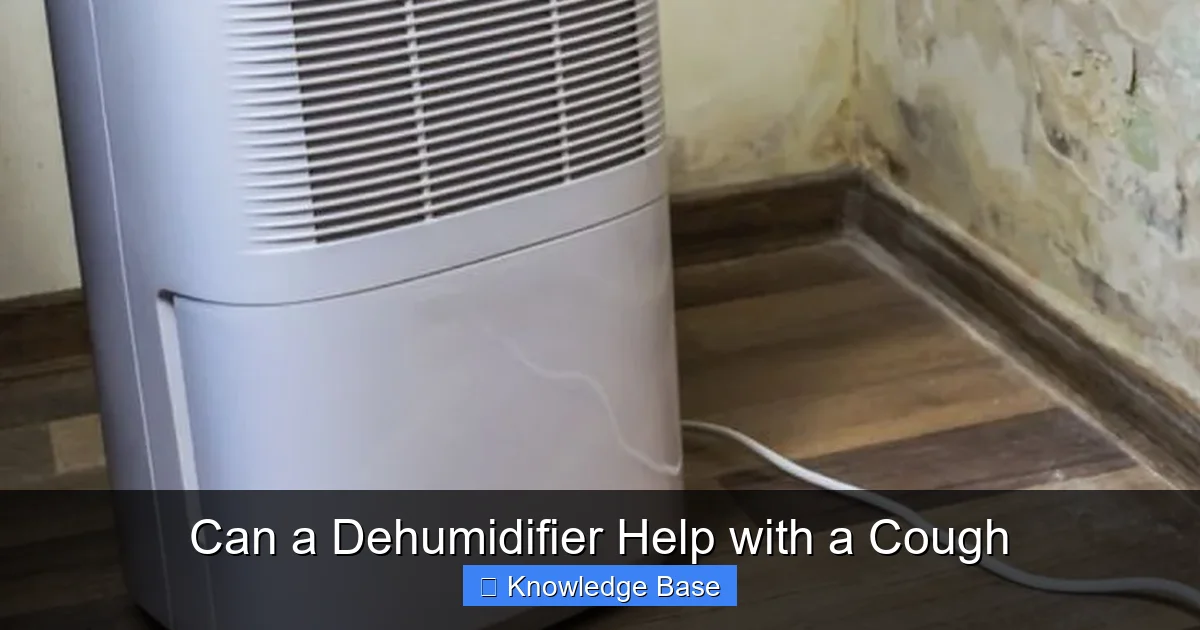
If your cough tends to worsen in certain rooms—especially damp ones like basements, bathrooms, or laundry rooms—a dehumidifier could be a smart investment. Similarly, if you notice your symptoms flare up during humid seasons or after rainy weather, excess moisture may be the root cause.
People with asthma or allergies are particularly likely to benefit. Asthma attacks can be triggered by mold spores and dust mites, both of which thrive in humid conditions. By controlling humidity, a dehumidifier can reduce the frequency and severity of asthma-related coughing.
Chronic coughs that last more than eight weeks may also be linked to environmental irritants. In these cases, improving indoor air quality with a dehumidifier—alongside medical treatment—can support long-term relief.
However, if your cough is due to a viral infection like the common cold or flu, a dehumidifier won’t cure it. In fact, overly dry air from a dehumidifier might irritate your throat further. In such cases, humidifiers (which add moisture) are often more helpful. The key is knowing your triggers and using the right tool for the job.
Signs Your Cough Might Be Humidity-Related
How can you tell if your cough is tied to humidity? Look for these clues:
– Your cough worsens in damp or musty-smelling rooms.
– You cough more at night, especially in the bedroom.
– Symptoms improve when you’re away from home (e.g., on vacation).
– You notice mold growth or water damage in your home.
– Your cough started or worsened during a humid season.
If several of these apply, a dehumidifier is worth trying. It’s a low-risk, high-reward solution that can improve air quality and reduce coughing over time.
Who Benefits Most from a Dehumidifier?
Certain groups are more likely to see benefits from using a dehumidifier:
– Allergy and asthma sufferers: These individuals are highly sensitive to mold and dust mites.
– People living in humid climates: High outdoor humidity often seeps indoors, raising moisture levels.
– Homeowners with basements or crawl spaces: These areas are prone to dampness and mold.
– Families with young children or elderly members: Their respiratory systems are more vulnerable to irritants.
– People with chronic respiratory conditions: Such as COPD or bronchitis, where air quality plays a big role.
Even if you don’t fall into these categories, a dehumidifier can still improve overall comfort and air quality—potentially reducing the frequency of minor coughs and colds.
How to Use a Dehumidifier for Maximum Cough Relief
Using a dehumidifier effectively requires more than just plugging it in and walking away. To get the best results, follow these practical tips:
Choose the Right Size and Type
Dehumidifiers come in various sizes, measured by how many pints of moisture they can remove per day. For small rooms like bathrooms or closets, a 20–30 pint model may suffice. For larger areas like basements or whole homes, consider a 50–70 pint unit or a whole-house dehumidifier.
Portable dehumidifiers are great for targeted use, while whole-house models integrate with your HVAC system for consistent humidity control. Choose based on your needs and budget.
Place It Strategically
Put your dehumidifier in the room where you spend the most time—usually the bedroom or living room. If you have a damp basement, place it there, but also consider running it in upstairs areas if moisture rises.
Avoid placing it near walls or furniture that block airflow. Keep doors and windows closed while it’s running to prevent humid outdoor air from entering.
Set the Ideal Humidity Level
Use a hygrometer (a humidity monitor) to check indoor levels. Aim to keep humidity between 30% and 50%. Many modern dehumidifiers have built-in hygrometers and auto-shutoff features that maintain this range automatically.
Avoid going below 30%, as overly dry air can irritate your throat and worsen coughing.
Clean and Maintain Regularly
Dirty filters and full water tanks reduce efficiency and can even release mold spores back into the air. Clean the filter every 2–4 weeks and empty the water tank daily (or use a hose for continuous drainage).
Wipe down the unit’s exterior and check for mold growth inside the tank. Some models have washable filters or antimicrobial coatings to help prevent buildup.
Run It Consistently
For best results, run your dehumidifier daily, especially during humid months. Even if you don’t see visible moisture, invisible humidity can still support mold and dust mites.
If you’re away from home, consider using a timer or smart model that turns on automatically when humidity rises.
Combine with Other Air Quality Tools
A dehumidifier works best as part of a broader strategy. Pair it with:
– An air purifier with a HEPA filter to remove allergens.
– Regular vacuuming with a HEPA-filter vacuum.
– Washing bedding in hot water weekly to kill dust mites.
– Fixing leaks and improving ventilation to reduce moisture sources.
Together, these steps create a cleaner, healthier environment that supports respiratory health.
Common Misconceptions About Dehumidifiers and Coughs
Despite their benefits, dehumidifiers are often misunderstood. Let’s clear up some common myths:
Myth 1: Dehumidifiers Cure All Coughs
No, they don’t. A dehumidifier won’t treat a bacterial infection, acid reflux, or a dry cough from winter air. It’s most helpful for coughs caused by environmental irritants like mold and dust mites.
Myth 2: More Moisture Removal Is Always Better
Over-drying the air can backfire. Humidity below 30% can dry out your throat and nasal passages, leading to irritation and coughing. Always aim for the 30–50% range.
Myth 3: Dehumidifiers Are Only for Basements
While basements are common problem areas, humidity affects the entire home. Bedrooms, bathrooms, and kitchens can all benefit from dehumidification—especially if you notice musty smells or condensation on windows.
Myth 4: They’re Too Expensive to Run
Modern dehumidifiers are energy-efficient, especially ENERGY STAR-certified models. Running one costs about $1–$3 per day, depending on size and usage. The health benefits often outweigh the cost.
Myth 5: You Only Need It in Summer
Humidity can be a problem year-round. In winter, indoor heating can create damp conditions in poorly ventilated areas. In spring and fall, fluctuating weather can lead to condensation and mold growth.
Understanding these facts helps you use a dehumidifier wisely and set realistic expectations.
Other Ways to Reduce Coughing at Home
While a dehumidifier is a powerful tool, it’s not the only way to ease coughing. Here are additional strategies to support respiratory health:
Stay Hydrated
Drinking plenty of water keeps your throat moist and helps thin mucus, making it easier to clear. Warm liquids like herbal tea or broth can be especially soothing.
Use a Humidifier When Needed
If your air is too dry—common in winter—use a humidifier to add moisture. This can prevent throat irritation and reduce coughing. Just be sure to clean it regularly to avoid mold growth.
Elevate Your Head While Sleeping
Propping up your head with an extra pillow can help reduce postnasal drip, a common cause of nighttime coughing.
Avoid Irritants
Smoke, strong perfumes, and cleaning chemicals can trigger coughing. Use natural cleaning products and avoid smoking indoors.
See a Doctor When Needed
If your cough lasts more than a few weeks, worsens, or is accompanied by fever, chest pain, or blood, seek medical attention. Persistent coughing may signal an underlying condition that requires treatment.
Combining these approaches with a dehumidifier creates a comprehensive plan for cough relief.
Conclusion
So, can a dehumidifier help with a cough? The answer is a qualified yes—especially if your cough is linked to mold, dust mites, or high indoor humidity. By maintaining optimal moisture levels, a dehumidifier creates a healthier environment that reduces respiratory irritants and supports easier breathing.
It’s not a standalone cure, but it’s a valuable part of a holistic approach to respiratory wellness. For allergy and asthma sufferers, people in humid climates, or anyone dealing with chronic coughing, a dehumidifier can make a noticeable difference in comfort and sleep quality.
Remember to use it correctly: choose the right size, place it wisely, maintain it regularly, and pair it with other air quality improvements. And always consult a healthcare provider if your cough persists or worsens.
In the end, breathing easier starts with the air you breathe. A dehumidifier might just be the simple, effective solution you’ve been looking for.
Frequently Asked Questions
Can a dehumidifier help with a dry cough?
A dehumidifier is less likely to help with a dry cough, especially if the air is already dry. In fact, it might worsen the issue by removing more moisture. For dry coughs, a humidifier is usually a better choice.
Is it safe to sleep with a dehumidifier running?
Yes, it’s generally safe to sleep with a dehumidifier on, as long as it’s well-maintained and the humidity level stays between 30% and 50%. Choose a quiet model to avoid sleep disruption.
How do I know if my home is too humid?
Signs include condensation on windows, musty odors, peeling paint, or visible mold. A hygrometer can measure humidity levels—anything above 50% is considered high.
Can a dehumidifier help with asthma-related coughing?
Yes, it can. By reducing mold and dust mites, a dehumidifier lowers common asthma triggers, which may decrease coughing and improve breathing.
What’s the best room to place a dehumidifier?
The basement is often the best place due to high moisture levels. However, bedrooms and living rooms can also benefit if humidity is an issue there.
Do dehumidifiers use a lot of electricity?
Modern dehumidifiers are relatively energy-efficient. ENERGY STAR models use about 30% less energy than standard units. Running costs typically range from $1 to $3 per day.