
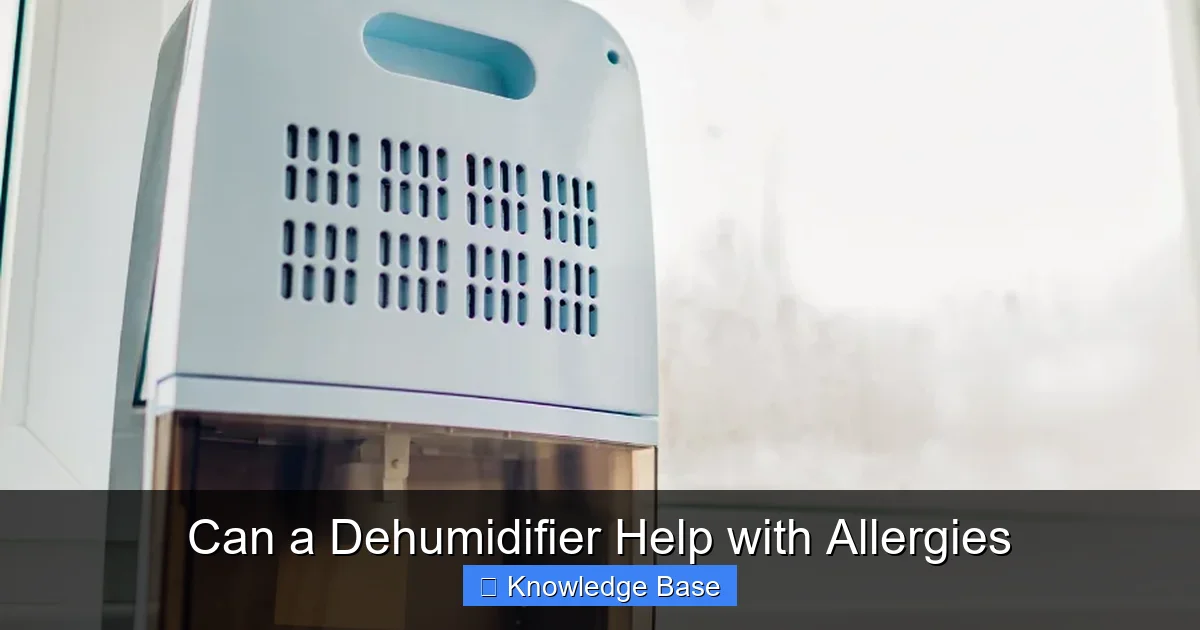
Yes, a dehumidifier can help with allergies by reducing indoor humidity levels, which in turn limits the growth of common allergens like mold, dust mites, and mildew. By maintaining optimal humidity between 30% and 50%, dehumidifiers create an environment where these triggers struggle to survive, leading to fewer allergy symptoms and improved respiratory comfort.
If you’ve ever walked into a damp basement and immediately started sneezing, you’ve experienced how moisture in the air can worsen allergy symptoms. Allergies affect millions of people worldwide, and while pollen and pet dander often get the blame, indoor humidity plays a surprisingly big role in triggering discomfort. From itchy eyes to persistent coughing, many allergy sufferers don’t realize that the root cause might be lurking in the air they breathe—specifically, in the form of excess moisture.
That’s where dehumidifiers come in. These unassuming appliances do more than just dry out damp spaces—they can be powerful allies in the fight against indoor allergens. By pulling moisture from the air, dehumidifiers help create an environment where common allergy triggers like mold, dust mites, and mildew struggle to survive. The result? Cleaner, drier air that’s easier on your sinuses and respiratory system. But how exactly does this work, and can a dehumidifier truly make a difference for your allergies? Let’s dive in and explore the science, benefits, and practical tips for using dehumidifiers to improve your indoor air quality.
Key Takeaways
- Dehumidifiers reduce humidity: They pull excess moisture from the air, creating a less hospitable environment for allergens.
- They target dust mites and mold: Both thrive in high humidity; lowering moisture levels helps control their growth.
- Improved air quality: Less mold and dust mites mean fewer airborne irritants that trigger sneezing, coughing, and congestion.
- Not a standalone solution: Dehumidifiers work best when combined with regular cleaning, air purifiers, and proper ventilation.
- Optimal humidity is key: Aim for 30–50% indoor humidity to maximize allergy relief without over-drying the air.
- Choose the right size: A properly sized unit ensures effective moisture control in your specific space.
- Maintenance matters: Clean filters and empty water tanks regularly to keep your dehumidifier working efficiently.
Quick Answers to Common Questions
Can a dehumidifier help with allergies?
Yes, a dehumidifier can help with allergies by reducing indoor humidity, which limits the growth of mold, dust mites, and mildew—common allergy triggers.
What humidity level is best for allergy sufferers?
The ideal indoor humidity level for allergy relief is between 30% and 50%. This range discourages allergen growth without over-drying the air.
Do dehumidifiers remove allergens from the air?
Dehumidifiers don’t filter allergens like pollen or pet dander, but they reduce the moisture that allows mold and dust mites to thrive, indirectly lowering allergen levels.
Where should I place a dehumidifier for maximum allergy relief?
Place the dehumidifier in the dampest area of your home, such as a basement, bathroom, or laundry room, and ensure proper airflow around the unit.
How often should I clean my dehumidifier?
Clean the air filter every 4–6 weeks and empty the water tank daily. Wipe down the interior monthly to prevent mold buildup inside the unit.
📑 Table of Contents
- Understanding Allergies and Indoor Air Quality
- How Dehumidifiers Work to Reduce Allergens
- Benefits of Using a Dehumidifier for Allergy Relief
- Choosing the Right Dehumidifier for Allergy Relief
- Best Practices for Using a Dehumidifier to Manage Allergies
- Common Misconceptions About Dehumidifiers and Allergies
- Conclusion
Understanding Allergies and Indoor Air Quality
Allergies occur when your immune system overreacts to substances that are usually harmless—like pollen, pet dander, or certain foods. But what many people don’t realize is that indoor air can be just as problematic as outdoor air, if not more so. In fact, the Environmental Protection Agency (EPA) estimates that Americans spend about 90% of their time indoors, where pollutant levels can be two to five times higher than outside.
Indoor allergens come in many forms. Dust mites, for example, are microscopic creatures that live in bedding, carpets, and upholstered furniture. They feed on dead skin cells and thrive in warm, humid environments. Mold spores, another common trigger, grow on damp surfaces like bathroom walls, leaky pipes, or poorly ventilated basements. Even mildew—a type of mold—can release airborne particles that irritate the nose, throat, and lungs.
The common thread? Moisture. High humidity levels—typically above 60%—create the perfect breeding ground for these allergens. When the air is too damp, it encourages mold growth, increases dust mite populations, and allows allergens to remain airborne longer. This leads to more frequent and severe allergy symptoms, especially for people with asthma or sensitive respiratory systems.
The Role of Humidity in Allergen Growth
Humidity isn’t just about how “stuffy” the air feels—it directly impacts the survival and reproduction of indoor allergens. Dust mites, for instance, absorb moisture from the air through their bodies. In environments with humidity above 70%, they can thrive and multiply rapidly. Studies show that dust mite populations peak when indoor humidity exceeds 60%, making them a major contributor to year-round allergy symptoms.
Mold is even more moisture-dependent. It grows on organic materials like wood, drywall, and fabric when exposed to damp conditions. A single mold spore can multiply into a full colony within 24 to 48 hours if the humidity is high enough. Once established, mold releases spores into the air, which can be inhaled and trigger allergic reactions such as sneezing, runny nose, itchy eyes, and even asthma attacks.
Even mildew, often found in showers and basements, behaves similarly. It spreads quickly in humid environments and can cause respiratory irritation, especially in children and the elderly. The bottom line? Controlling indoor humidity is one of the most effective ways to reduce the presence of these allergens.
How Indoor Air Quality Affects Allergy Sufferers
For people with allergies, poor indoor air quality can turn a comfortable home into a source of constant discomfort. Every breath you take in a damp, moldy room could be introducing allergens into your system. Over time, this can lead to chronic symptoms like nasal congestion, postnasal drip, coughing, and fatigue.
Moreover, allergens don’t just affect the nose and eyes—they can impact your entire respiratory system. Mold spores, for example, can penetrate deep into the lungs and trigger inflammation, especially in individuals with asthma. Dust mite feces contain proteins that are highly allergenic, and when inhaled, they can cause wheezing, shortness of breath, and nighttime coughing.
The good news? Improving indoor air quality doesn’t require a complete home renovation. Simple changes—like using a dehumidifier—can make a significant difference. By reducing moisture levels, you disrupt the life cycle of allergens and create a healthier living environment.
How Dehumidifiers Work to Reduce Allergens
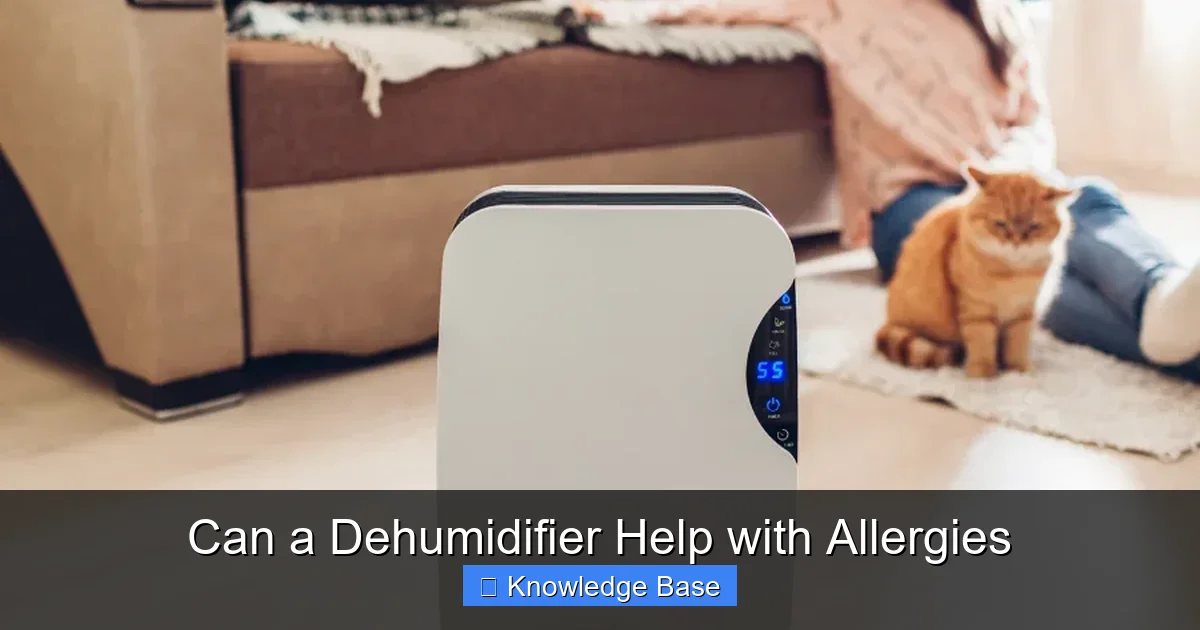
Visual guide about Can a Dehumidifier Help with Allergies
Image source: yesiamhealthy.com
At first glance, a dehumidifier might look like a simple box with a fan and a water tank. But underneath its unassuming exterior lies a sophisticated system designed to pull moisture from the air. Most residential dehumidifiers use a refrigeration-based process: a fan draws humid air into the unit, where it passes over cold coils. As the air cools, moisture condenses into water droplets, which collect in a reservoir or drain hose. The drier air is then reheated and released back into the room.
This process doesn’t just make the air feel less sticky—it actively reduces the conditions that allow allergens to flourish. By maintaining a consistent humidity level, dehumidifiers help prevent mold growth, slow dust mite reproduction, and reduce the overall concentration of airborne irritants.
Targeting Mold and Mildew
Mold and mildew are among the most persistent indoor allergens, and they’re directly linked to high humidity. A dehumidifier combats these problems by keeping moisture levels in check. For example, in a bathroom with poor ventilation, steam from showers can quickly raise humidity to 80% or higher. Without intervention, mold can begin growing on grout, shower curtains, and walls within days.
By running a dehumidifier in such spaces—or using a whole-house model—you can keep humidity below 50%, which is the threshold where mold struggles to grow. In fact, studies have shown that maintaining indoor humidity below 60% can reduce mold growth by up to 70%. This not only improves air quality but also protects your home’s structural integrity and reduces unpleasant odors.
Controlling Dust Mite Populations
Dust mites are another major concern for allergy sufferers. These tiny arachnids are nearly invisible to the naked eye but can wreak havoc on your health. They thrive in bedding, carpets, and upholstery, and their waste products are potent allergens.
Research from the American Lung Association indicates that dust mite populations drop significantly when humidity falls below 50%. In one study, homes that used dehumidifiers to maintain 45% humidity saw a 90% reduction in dust mite counts over six months. This translates to fewer allergic reactions and better sleep quality for sensitive individuals.
Reducing Airborne Irritants
Beyond mold and dust mites, dehumidifiers help reduce other airborne irritants. High humidity can cause dust and pollen to cling to surfaces and remain suspended in the air longer. By drying the air, dehumidifiers help these particles settle more quickly, making them easier to clean and less likely to be inhaled.
Additionally, lower humidity can reduce the presence of volatile organic compounds (VOCs) released by certain molds and bacteria. These compounds can cause headaches, dizziness, and respiratory irritation, especially in enclosed spaces.
Benefits of Using a Dehumidifier for Allergy Relief
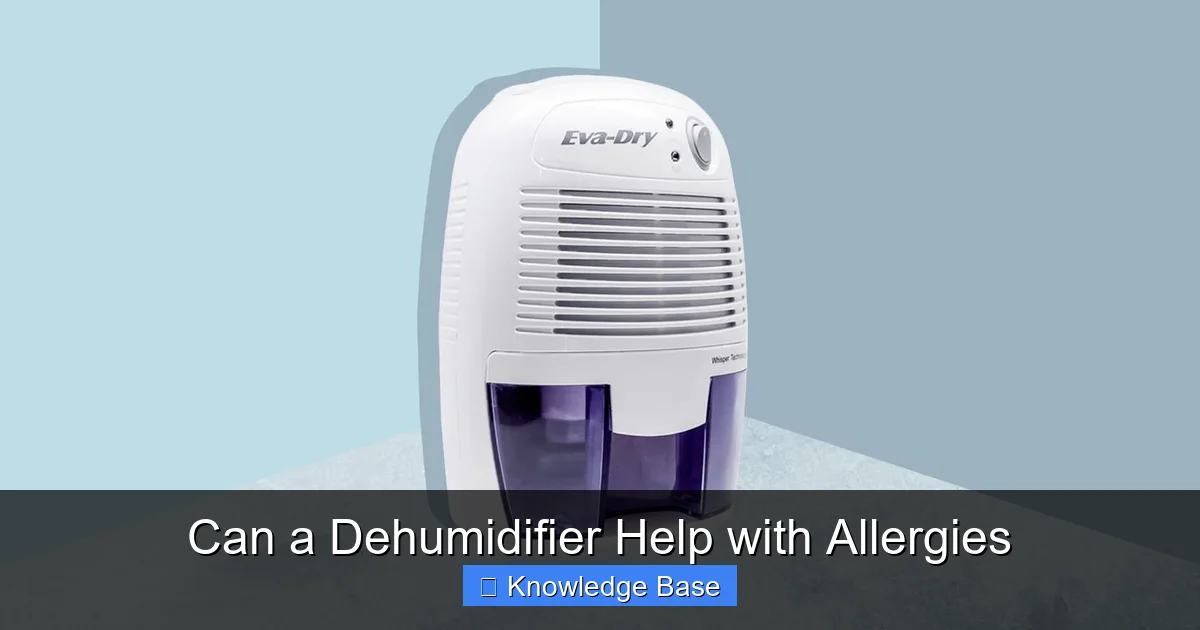
Visual guide about Can a Dehumidifier Help with Allergies
Image source: lflus.org
The benefits of using a dehumidifier extend far beyond just reducing humidity. For allergy sufferers, the improvements can be life-changing. Here are some of the most significant advantages:
Fewer Allergy Symptoms
One of the most immediate benefits is a reduction in common allergy symptoms. Users often report less sneezing, nasal congestion, and itchy eyes after using a dehumidifier consistently. This is especially true in damp areas like basements, bathrooms, and laundry rooms, where allergens tend to concentrate.
For example, Sarah, a mother of two from Ohio, noticed her son’s nighttime coughing improved dramatically after she started using a dehumidifier in their basement bedroom. “Within a week, he was sleeping through the night without waking up congested,” she said. “I didn’t realize how much the damp air was affecting him.”
Improved Sleep Quality
Allergies can make it hard to get a good night’s rest. Congestion, coughing, and postnasal drip can disrupt sleep cycles and leave you feeling tired during the day. By reducing allergens in the bedroom, a dehumidifier can help you breathe easier and sleep more soundly.
Many users also appreciate the quiet hum of a dehumidifier, which can act as a soothing white noise machine. Just be sure to choose a model with a low decibel rating (under 50 dB) for bedroom use.
Enhanced Respiratory Health
For people with asthma or chronic obstructive pulmonary disease (COPD), controlling indoor allergens is crucial. Dehumidifiers can help reduce asthma triggers by limiting mold and dust mite exposure. In fact, the National Institutes of Health recommends humidity control as part of a comprehensive asthma management plan.
Lower humidity also means less irritation in the airways, which can reduce the frequency and severity of asthma attacks. This is especially important during seasonal changes when indoor air quality often deteriorates.
Protection for Your Home
Beyond health benefits, dehumidifiers help protect your home from moisture damage. Excess humidity can warp wood, peel paint, and damage electronics. By maintaining optimal humidity levels, you extend the life of your furniture, flooring, and appliances.
You’ll also notice fewer musty odors, which are often a sign of hidden mold growth. A dry home is not only healthier but also more pleasant to live in.
Energy Efficiency and Cost Savings
Interestingly, dehumidifiers can also improve your home’s energy efficiency. Humid air feels warmer than dry air at the same temperature, which can cause you to lower the thermostat in summer. By removing moisture, dehumidifiers make the air feel cooler, allowing you to raise the thermostat and reduce air conditioning usage.
Some modern dehumidifiers are ENERGY STAR certified, meaning they use up to 30% less energy than standard models. Over time, this can lead to noticeable savings on your utility bills.
Choosing the Right Dehumidifier for Allergy Relief
Not all dehumidifiers are created equal. To get the best results for allergy relief, it’s important to choose the right model for your needs. Here’s what to consider:
Size and Capacity
Dehumidifiers are rated by how many pints of moisture they can remove in 24 hours. For small spaces like bathrooms or closets, a 20–30 pint unit may suffice. For larger areas like basements or whole homes, look for models with 50–70 pint capacity.
A common mistake is buying a unit that’s too small. If the dehumidifier can’t keep up with the moisture load, humidity levels will remain high, and allergens will continue to thrive. Use a room size and humidity level calculator (available online) to determine the right capacity.
Humidity Control Features
Look for a dehumidifier with a built-in humidistat, which allows you to set your desired humidity level (ideally between 30% and 50%). Some models even have auto-defrost features for use in cooler basements and smart sensors that adjust operation based on real-time humidity.
Drainage Options
Most dehumidifiers collect water in a removable tank that needs to be emptied regularly. For convenience, consider a model with a continuous drainage option, such as a hose that can be routed to a floor drain or sump pump. This is especially useful in basements or for long-term use.
Noise Level
If you plan to use the dehumidifier in a bedroom or living area, noise matters. Check the decibel rating—ideally under 55 dB for quiet operation. Some models feature “sleep mode” or variable fan speeds to minimize noise.
Filter Quality
Many dehumidifiers include air filters that capture dust, pollen, and other particles as air passes through. Look for models with washable or replaceable filters, and clean them monthly to maintain efficiency. Some high-end units even include HEPA filters for enhanced air purification.
Energy Efficiency
Choose an ENERGY STAR certified model to save on electricity costs. These units are tested for performance and efficiency, ensuring you get the best value for your investment.
Best Practices for Using a Dehumidifier to Manage Allergies
Simply plugging in a dehumidifier isn’t enough—proper use and maintenance are key to maximizing its allergy-fighting power.
Placement Matters
Position your dehumidifier in the area with the highest humidity, such as a basement, bathroom, or laundry room. Keep it away from walls and furniture to ensure proper airflow. For whole-home coverage, consider a whole-house dehumidifier installed in your HVAC system.
Set the Right Humidity Level
Use the humidistat to maintain humidity between 30% and 50%. Levels below 30% can dry out your skin and respiratory tract, while levels above 50% encourage allergen growth. Check the humidity regularly with a hygrometer.
Clean and Maintain Regularly
Empty the water tank daily or connect a drain hose for continuous operation. Clean the air filter every 4–6 weeks, and wipe down the coils and interior with a damp cloth to prevent mold buildup inside the unit.
Combine with Other Allergy-Fighting Strategies
A dehumidifier works best as part of a comprehensive approach. Pair it with:
- Regular vacuuming with a HEPA-filter vacuum
- Washing bedding in hot water weekly
- Using allergen-proof mattress and pillow covers
- Running an air purifier in high-traffic areas
- Improving ventilation with exhaust fans and opening windows when outdoor humidity is low
Monitor and Adjust
Indoor humidity can vary with the seasons. In winter, indoor air tends to be drier, so you may need to reduce dehumidifier use. In summer or during rainy seasons, increase usage to combat rising moisture levels.
Common Misconceptions About Dehumidifiers and Allergies
Despite their benefits, dehumidifiers are often misunderstood. Let’s clear up some common myths:
Myth: Dehumidifiers Remove Allergens from the Air
While dehumidifiers reduce the conditions that allow allergens to grow, they don’t actively filter or remove particles like pollen or pet dander. For that, you’ll need an air purifier. Think of a dehumidifier as preventing the problem, while an air purifier cleans the air.
Myth: Bigger Is Always Better
A larger dehumidifier isn’t always more effective. An oversized unit may cycle on and off too quickly, failing to remove enough moisture. Choose a model that matches your space and humidity level.
Myth: Dehumidifiers Are Only for Basements
While basements are common problem areas, dehumidifiers can be useful in any damp space—laundry rooms, crawl spaces, even master bedrooms with high humidity. Some portable models are designed for multi-room use.
Myth: You Need a Dehumidifier Year-Round
In dry climates or during winter months, indoor humidity may already be low. In these cases, a dehumidifier may not be necessary. Use a hygrometer to monitor levels and adjust usage accordingly.
Myth: Dehumidifiers Are Expensive to Run
Modern dehumidifiers are more energy-efficient than ever. ENERGY STAR models use significantly less electricity, and the cost is often offset by reduced AC usage and improved health.
Conclusion
So, can a dehumidifier help with allergies? The answer is a resounding yes—when used correctly. By controlling indoor humidity, dehumidifiers create an environment where allergens like mold, dust mites, and mildew cannot thrive. This leads to fewer symptoms, better sleep, and improved respiratory health for allergy sufferers.
However, a dehumidifier is not a magic cure. It works best as part of a holistic approach that includes regular cleaning, proper ventilation, and the use of air purifiers. Choosing the right model, maintaining it properly, and monitoring humidity levels are all essential steps to getting the most out of your investment.
If you’ve been struggling with persistent allergies and suspect that moisture might be the culprit, a dehumidifier could be the game-changer you’ve been looking for. It’s a simple, effective, and affordable way to take control of your indoor air quality and breathe easier—literally.
Frequently Asked Questions
Can a dehumidifier help with asthma?
Yes, by reducing mold and dust mites, dehumidifiers can help minimize asthma triggers. Lower humidity also reduces airway irritation, making breathing easier for asthma sufferers.
Do I need a dehumidifier if I already have an air purifier?
Yes. Air purifiers remove airborne particles, while dehumidifiers control moisture that allows allergens to grow. They work best together for comprehensive allergy relief.
Can a dehumidifier make allergies worse?
Only if it’s not maintained properly. A dirty dehumidifier can harbor mold and bacteria, which may worsen allergies. Regular cleaning prevents this issue.
Are dehumidifiers noisy?
Most modern dehumidifiers operate quietly, especially ENERGY STAR models. Look for units with noise levels under 55 dB for use in bedrooms or living areas.
How long does it take for a dehumidifier to reduce allergies?
Improvements can be noticed within days to weeks, depending on the severity of moisture and allergen levels. Consistent use is key for lasting relief.
Can I use a dehumidifier in winter?
Yes, but only if indoor humidity is high. In dry winter months, humidity may already be low, so a dehumidifier may not be necessary. Use a hygrometer to check levels.