

Yes, a dehumidifier can help with colds by creating an environment less favorable for viruses and allergens. By maintaining optimal humidity levels (30–50%), it supports easier breathing, reduces congestion, and may shorten illness duration.
Key Takeaways
- Optimal humidity reduces virus survival: Many cold-causing viruses thrive in dry or overly humid air; a dehumidifier helps maintain the ideal 30–50% range to limit their spread.
- Eases congestion and breathing: Proper humidity soothes irritated nasal passages and throat, making it easier to breathe during a cold.
- Reduces mold and dust mites: High humidity feeds allergens like mold and dust mites, which can worsen cold symptoms; dehumidifiers help control them.
- Improves sleep quality: Better air quality and reduced congestion lead to more restful sleep, which supports immune function.
- Complements other remedies: A dehumidifier works best alongside rest, hydration, and medical treatments—not as a standalone cure.
- Choose the right size and type: Match dehumidifier capacity to room size and consider features like auto-humidistats and quiet operation for home use.
- Regular maintenance is key: Clean filters and empty water tanks often to prevent bacteria or mold growth inside the unit.
Quick Answers to Common Questions
Can a dehumidifier cure a cold?
No, a dehumidifier cannot cure a cold. It helps manage symptoms and creates a healthier environment, but it does not treat the virus itself.
Should I use a dehumidifier or humidifier for a cold?
It depends on your indoor humidity. Use a dehumidifier if air is too damp (above 50%); use a humidifier if air is too dry (below 30%).
What humidity level is best for cold relief?
The ideal indoor humidity for cold relief is between 30% and 50%. This range supports respiratory health and limits virus survival.
Can a dirty dehumidifier make a cold worse?
Yes, if not cleaned regularly, a dehumidifier can grow mold or bacteria, which may worsen respiratory symptoms.
How often should I run a dehumidifier when sick?
Run it consistently during waking and sleeping hours, especially in damp rooms. Adjust based on humidity levels and symptoms.
📑 Table of Contents
- Can a Dehumidifier Help with Colds?
- How Humidity Affects Cold Symptoms
- The Science Behind Dehumidifiers and Respiratory Health
- Dehumidifiers vs. Humidifiers: Knowing the Difference
- Practical Tips for Using a Dehumidifier During a Cold
- When a Dehumidifier Might Not Help
- Choosing the Right Dehumidifier for Cold Relief
- Conclusion
Can a Dehumidifier Help with Colds?
When you’re sniffling, coughing, and feeling under the weather, every little comfort counts. You’ve probably tried hot tea, steam showers, and extra blankets—but have you considered your indoor air quality? One often-overlooked tool in the fight against colds is the humble dehumidifier. While it won’t cure your cold outright, it can play a surprising role in making symptoms more manageable and potentially shortening your recovery time.
Cold viruses are sneaky. They spread easily through droplets in the air and on surfaces, and they love environments that help them survive longer. Dry winter air—common in heated homes—can dry out your nasal passages, making it easier for viruses to enter your body. On the flip side, overly humid air encourages mold, dust mites, and other irritants that can worsen congestion and coughing. A dehumidifier helps strike a balance by keeping indoor humidity in the sweet spot: between 30% and 50%. This not only makes the air feel more comfortable but also creates conditions that are less hospitable to cold-causing viruses and common allergens.
Think of your home as your body’s external environment. Just like your immune system works hard to fight off infection, your living space should support—not hinder—your recovery. By controlling moisture levels, a dehumidifier contributes to cleaner, healthier air that your respiratory system can handle more easily. It’s not a magic bullet, but it’s a smart, science-backed addition to your cold-fighting toolkit.
How Humidity Affects Cold Symptoms
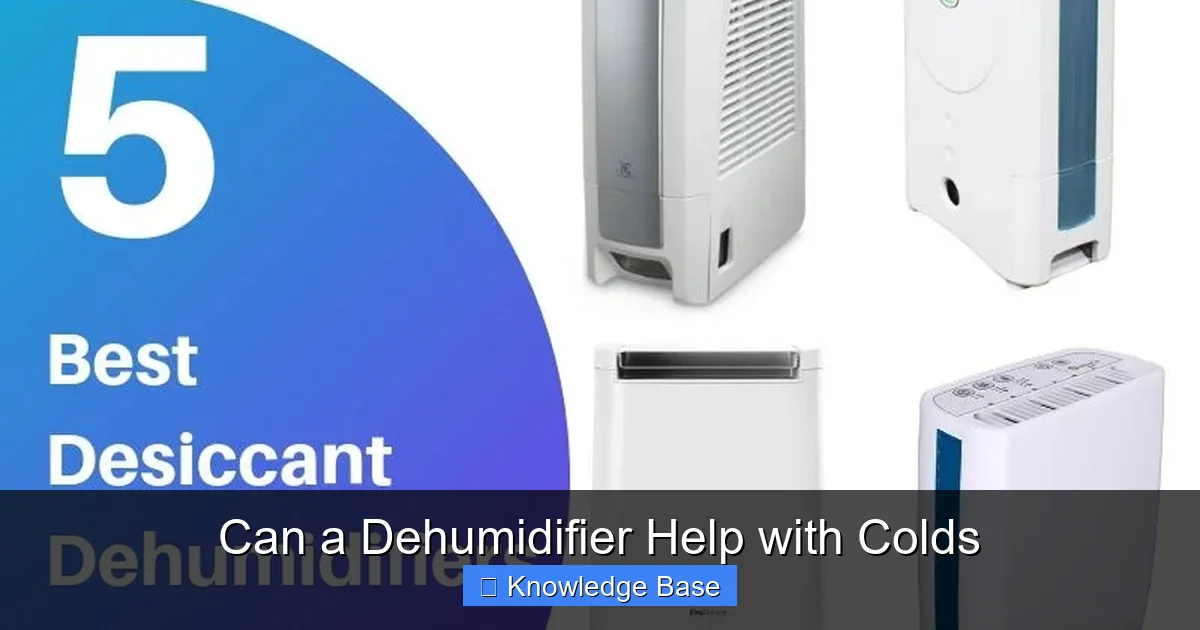
Visual guide about Can a Dehumidifier Help with Colds
Image source: evaporativehumidifiers.com
To understand how a dehumidifier might help with colds, it’s important to first grasp the relationship between humidity and respiratory health. Humidity refers to the amount of moisture in the air. Both extremely dry and excessively humid conditions can negatively impact your body when you’re fighting a cold.
When indoor air is too dry—common in winter when heaters run constantly—your nasal passages lose moisture. This dries out the mucous membranes that act as your first line of defense against viruses. Without enough moisture, these membranes become cracked and less effective at trapping pathogens. As a result, cold viruses like rhinovirus can more easily invade your system. You might notice a scratchy throat, frequent nosebleeds, or increased susceptibility to infection.
On the other hand, air that’s too humid creates its own problems. High humidity (above 60%) encourages the growth of mold, mildew, and dust mites—common indoor allergens. These irritants can trigger or worsen cold-like symptoms such as sneezing, coughing, and congestion, even if you don’t have allergies. For someone already battling a cold, exposure to these triggers can make recovery slower and symptoms more intense.
Research shows that many cold-causing viruses, including influenza and rhinovirus, are more stable and transmissible in low-humidity environments. A 2019 study published in the journal *PLOS ONE* found that influenza viruses survive longer and spread more efficiently in dry air. Conversely, maintaining moderate humidity levels can reduce viral survival on surfaces and in the air. This is where a dehumidifier steps in—not by killing the virus directly, but by creating an environment where it’s less likely to thrive.
In practical terms, if your home feels sticky or you notice condensation on windows, your humidity is likely too high. If your skin feels tight, your lips are chapped, or static electricity is rampant, the air is probably too dry. A dehumidifier helps correct high humidity, bringing levels back into the ideal range. When paired with proper ventilation and occasional humidification (like using a humidifier in very dry climates), you create a balanced indoor climate that supports your body’s natural defenses.
The Science Behind Dehumidifiers and Respiratory Health

Visual guide about Can a Dehumidifier Help with Colds
Image source: cdn.shortpixel.ai
You might be wondering: how exactly does removing moisture from the air help with a cold? The answer lies in the science of indoor air quality and human physiology. Dehumidifiers work by pulling in moist air, cooling it to condense the water vapor, and then releasing drier air back into the room. This process doesn’t just reduce dampness—it also impacts the behavior of airborne particles and microorganisms.
One key benefit is the reduction of allergens. Dust mites, for example, thrive in humidity levels above 50%. These microscopic creatures feed on dead skin cells and produce waste particles that become airborne. When inhaled, these particles can irritate the respiratory tract, leading to coughing, sneezing, and nasal congestion—symptoms that mimic or worsen those of a cold. By keeping humidity below 50%, a dehumidifier makes it harder for dust mites to survive, thereby reducing their presence in your home.
Mold is another major concern. Mold spores are everywhere, but they only grow when moisture is present. Bathrooms, basements, and kitchens are common hotspots. When mold grows indoors, it releases spores and mycotoxins into the air. Inhaling these can trigger inflammatory responses in the lungs, especially in people with weakened immune systems or existing respiratory conditions. For someone with a cold, this added irritation can prolong recovery and increase discomfort.
But the benefits go beyond allergen control. Studies suggest that moderate humidity levels can actually enhance the function of the respiratory epithelium—the layer of cells lining your airways. These cells are equipped with tiny hair-like structures called cilia that move mucus and trapped particles out of the lungs. In dry air, mucus becomes thick and sticky, making it harder for cilia to do their job. In overly humid air, excess moisture can lead to congestion and post-nasal drip. Maintaining balanced humidity helps keep mucus at the right consistency, supporting natural clearance mechanisms.
Moreover, research from the National Institutes of Health (NIH) indicates that indoor humidity levels between 40% and 60% can reduce the transmission of respiratory viruses. While a dehumidifier typically targets the higher end of this range (especially in damp climates), it plays a crucial role in preventing the conditions that allow viruses to linger. When combined with good hygiene practices—like handwashing and disinfecting surfaces—a dehumidifier becomes part of a comprehensive strategy to limit viral spread.
Dehumidifiers vs. Humidifiers: Knowing the Difference
It’s easy to confuse dehumidifiers and humidifiers, especially when both are marketed as tools for better breathing. But they serve opposite purposes—and using the wrong one during a cold could actually make things worse.
A humidifier adds moisture to the air. It’s ideal for dry climates or winter months when indoor heating zaps humidity from the air. If your nose is dry, your throat feels scratchy, or you’re waking up with a sore throat, a humidifier can provide relief by restoring moisture to your respiratory tract. Cool-mist humidifiers are often recommended for cold relief because they’re safer around children and don’t pose a burn risk.
A dehumidifier, on the other hand, removes excess moisture. It’s best used in damp environments—like basements, bathrooms, or homes in humid regions. If you notice musty smells, peeling paint, or mold growth, your home likely has high humidity. In these cases, a dehumidifier helps prevent mold and dust mites, which can aggravate cold symptoms.
So, which one should you use when you have a cold? The answer depends on your local climate and indoor conditions.
If you live in a dry area or it’s winter, your home may be too dry. In this case, a humidifier can help soothe irritated airways and ease coughing. However, be careful not to over-humidify. Too much moisture can encourage mold growth, especially if your home isn’t well-ventilated.
If you live in a humid climate or your home feels damp, a dehumidifier is likely the better choice. It will reduce allergens and create a more comfortable environment for recovery. In fact, many experts recommend using a dehumidifier in bedrooms during cold season—not because the air is always too humid, but because it helps maintain a stable, healthy humidity level regardless of outdoor conditions.
The ideal solution? Monitor your indoor humidity with a hygrometer (a simple, inexpensive device). Aim to keep levels between 30% and 50%. If humidity is low, use a humidifier. If it’s high, use a dehumidifier. In some cases, you might even use both—humidifying in dry rooms and dehumidifying in damp ones—to achieve balanced air quality throughout your home.
Practical Tips for Using a Dehumidifier During a Cold
Using a dehumidifier effectively during a cold isn’t just about turning it on and walking away. To get the most benefit, follow these practical tips:
1. Choose the Right Size: Dehumidifiers are rated by how many pints of water they can remove per day. For a small bedroom, a 25–30 pint unit is usually sufficient. For larger spaces like basements or open-concept living areas, consider a 50-pint or higher model. An undersized unit will struggle to keep up, while an oversized one may cycle on and off too frequently, reducing efficiency.
2. Place It Strategically: Position the dehumidifier in the room where you spend the most time—usually the bedroom. Keep it away from walls and furniture to allow proper airflow. If you’re using it in a basement, place it near the source of moisture, such as a laundry area or sump pump.
3. Set the Humidity Level: Most modern dehumidifiers come with a built-in humidistat. Set it to maintain 40–50% humidity. Avoid going below 30%, as overly dry air can irritate your respiratory system. Some models have “auto” modes that adjust based on current conditions—this is a convenient option.
4. Empty the Water Tank Regularly: Dehumidifiers collect moisture in a tank that needs to be emptied. Most units have a full-tank indicator and auto-shutoff feature, but it’s still good practice to check it daily, especially during humid weather. A full tank stops the unit from working, defeating the purpose.
5. Clean the Filter and Unit: Dust and mold can build up inside the dehumidifier, especially if it’s used frequently. Check the air filter monthly and clean or replace it as needed. Wipe down the interior and exterior with a damp cloth to prevent bacterial growth. A dirty unit can actually worsen air quality.
6. Use It Consistently: Don’t just run the dehumidifier when you’re sick. Use it year-round in damp areas to prevent mold and maintain healthy humidity levels. This proactive approach reduces the risk of respiratory irritants building up over time.
7. Combine with Other Remedies: A dehumidifier works best as part of a holistic cold-fighting plan. Pair it with plenty of fluids, rest, steam inhalation, and over-the-counter medications as needed. Good sleep hygiene—like keeping your bedroom cool and dark—also supports recovery.
For example, imagine you’re recovering from a cold in a humid coastal city. Your bedroom feels sticky, and you wake up congested. By running a dehumidifier overnight, you reduce moisture in the air, discourage dust mites, and wake up with clearer sinuses. Combined with a warm shower and herbal tea, you feel noticeably better by morning.
When a Dehumidifier Might Not Help
While dehumidifiers offer real benefits, they’re not a cure-all. There are situations where using one may not make a difference—or could even be counterproductive.
First, if your home already has low humidity (below 30%), running a dehumidifier will only make the air drier. This can worsen symptoms like dry throat, nosebleeds, and irritated sinuses. In dry climates or during winter, a humidifier is usually the better choice.
Second, a dehumidifier won’t eliminate the cold virus itself. It can reduce viral survival in the environment, but it doesn’t kill viruses on contact or boost your immune system. You still need to practice good hygiene—wash your hands, avoid touching your face, and disinfect high-touch surfaces.
Third, if your cold symptoms are primarily due to allergies or asthma, a dehumidifier may help—but only if mold or dust mites are the triggers. If your symptoms are caused by pollen, pet dander, or outdoor pollutants, an air purifier with a HEPA filter might be more effective.
Finally, poorly maintained dehumidifiers can become breeding grounds for bacteria and mold. If the water tank isn’t cleaned regularly, stagnant water can grow microbes that are then blown back into the room. This can actually worsen respiratory symptoms. Always follow the manufacturer’s cleaning instructions.
In short, a dehumidifier is most helpful when indoor humidity is high and contributing to discomfort or allergen growth. If your environment is already dry or your symptoms stem from non-humidity-related causes, other remedies may be more appropriate.
Choosing the Right Dehumidifier for Cold Relief
Not all dehumidifiers are created equal. When shopping for one to help with colds, consider these key features:
Capacity: Match the unit’s pint rating to your room size. Use online calculators or consult the manufacturer’s guidelines. A 30-pint model is good for up to 1,500 square feet, while a 70-pint unit can handle larger spaces.
Humidistat: Look for a built-in humidistat that lets you set and maintain your desired humidity level. This ensures the unit runs only when needed, saving energy and preventing over-drying.
Auto-Defrost: If you live in a cool climate, choose a model with auto-defrost. This prevents the coils from freezing in low temperatures, ensuring consistent performance.
Quiet Operation: Since you’ll likely use it in the bedroom, opt for a quiet model (under 50 decibels). Some units have “sleep mode” settings that reduce noise and dim lights.
Portability: Wheels and handles make it easy to move the dehumidifier from room to room. This is useful if you want to target specific areas like the bedroom or basement.
Energy Efficiency: Check the Energy Star rating. Efficient models use less electricity and cost less to run over time.
Drainage Options: Most dehumidifiers have a tank you must empty. Some also offer continuous drainage via a hose, which is convenient for basements or long-term use.
Popular brands like Frigidaire, Honeywell, and hOmeLabs offer reliable models with these features. Read customer reviews and look for units with good warranties and customer support.
Conclusion
So, can a dehumidifier help with colds? The answer is a qualified yes. While it won’t cure your cold or replace medical treatment, it can significantly improve your comfort and support faster recovery by creating a healthier indoor environment. By maintaining optimal humidity levels, a dehumidifier reduces the survival of cold-causing viruses, controls allergens like mold and dust mites, and eases congestion and breathing difficulties.
Think of it as one piece of a larger puzzle. Combine it with rest, hydration, proper hygiene, and other remedies for the best results. And remember—context matters. Use a dehumidifier when humidity is high, and consider a humidifier when the air is dry. Monitoring your indoor air quality with a hygrometer helps you make informed decisions.
Ultimately, a dehumidifier is a smart investment for anyone who wants to breathe easier—especially during cold and flu season. It’s not a miracle worker, but it’s a quiet, effective ally in the fight against winter sniffles. So the next time you’re feeling under the weather, don’t overlook the air you’re breathing. A little moisture control might be just what the doctor ordered.
Frequently Asked Questions
Can a dehumidifier prevent colds?
A dehumidifier cannot prevent colds outright, but it may reduce the risk by creating an environment where cold viruses survive less effectively. It’s most helpful when combined with good hygiene and ventilation.
Is it safe to sleep with a dehumidifier on?
Yes, it’s safe to sleep with a dehumidifier on, especially if it has quiet operation and auto-shutoff features. Just ensure the room is well-ventilated and the unit is clean.
Do dehumidifiers help with coughing?
They can help reduce coughing caused by mold, dust mites, or excessive humidity. However, they won’t relieve coughing from dry air—use a humidifier in that case.
Can a dehumidifier help with sinus congestion?
Yes, by reducing allergens and maintaining comfortable humidity, a dehumidifier can ease sinus pressure and congestion, especially in damp environments.
How long does it take for a dehumidifier to improve air quality?
Most dehumidifiers start improving air quality within a few hours. Full effects on humidity levels and allergen reduction may take 1–2 days of consistent use.
Are dehumidifiers expensive to run?
Energy-efficient models are relatively affordable to operate, costing a few dollars per week. Look for Energy Star-rated units to minimize electricity use.