

Yes, a dehumidifier can help with heat—not by cooling the air, but by removing excess moisture, which makes your space feel cooler and more comfortable. High humidity traps heat and makes sweating less effective, so lowering humidity levels can significantly improve your comfort during hot weather.
Key Takeaways
- Dehumidifiers reduce humidity, not temperature: They don’t cool the air like an AC, but lower moisture levels, making heat feel less intense.
- Lower humidity improves comfort: Dry air feels cooler because your body can sweat and evaporate moisture more efficiently.
- They work best in humid climates: In areas with high humidity, dehumidifiers can make a noticeable difference in how hot a room feels.
- Can reduce AC workload: By making the air feel cooler, you may use your air conditioner less, saving energy.
- Prevent mold and mildew: Lower humidity inhibits mold growth, improving indoor air quality and health.
- Choose the right size: A properly sized unit for your space ensures maximum efficiency and comfort.
- Maintenance matters: Regular cleaning and filter changes keep your dehumidifier running effectively.
Quick Answers to Common Questions
Does a dehumidifier lower room temperature?
No, a dehumidifier does not lower the actual temperature. It removes moisture from the air, which makes the room feel cooler by improving sweat evaporation.
Can I use a dehumidifier instead of an air conditioner?
In very humid climates, a dehumidifier can reduce the need for AC, but it won’t replace it in extreme heat. It’s best used alongside fans or AC for maximum comfort.
How much electricity does a dehumidifier use?
A typical 50-pint dehumidifier uses about 500–700 watts per hour. Energy-efficient models with ENERGY STAR ratings use less power.
What humidity level should I aim for indoors?
Ideal indoor humidity is between 30% and 50%. Use a hygrometer to monitor levels and adjust your dehumidifier accordingly.
Can a dehumidifier help with allergies?
Yes. By reducing mold, dust mites, and other allergens that thrive in humid environments, a dehumidifier can improve indoor air quality and ease allergy symptoms.
📑 Table of Contents
- Can a Dehumidifier Help with Heat? The Surprising Truth
- How Humidity Affects How Hot You Feel
- How a Dehumidifier Works to Improve Comfort
- Benefits of Using a Dehumidifier in Hot Weather
- When a Dehumidifier Is Most Effective
- Choosing the Right Dehumidifier for Your Home
- Maintenance Tips for Optimal Performance
- Common Misconceptions About Dehumidifiers and Heat
- Conclusion: Yes, a Dehumidifier Can Help with Heat
Can a Dehumidifier Help with Heat? The Surprising Truth
When summer hits and the temperature climbs, most people rush to turn on the air conditioner. But what if there’s another way to feel cooler—without cranking up the AC? That’s where a dehumidifier comes in. You might be wondering: can a dehumidifier help with heat? The short answer is yes—but not in the way you might think.
A dehumidifier doesn’t lower the actual temperature of the air. Instead, it removes excess moisture from the air, reducing humidity levels. And here’s the key: high humidity makes hot weather feel even hotter. When the air is thick with moisture, your body struggles to cool itself through sweat evaporation. That’s why a 75°F room with 80% humidity can feel like 85°F or more. By pulling moisture out of the air, a dehumidifier makes your environment feel cooler and more comfortable—even if the thermostat hasn’t changed.
This effect is especially noticeable in humid climates, like the southeastern United States, the Gulf Coast, or tropical regions. But even in moderately humid areas, a dehumidifier can make a big difference in how bearable the heat feels indoors. It’s not a replacement for air conditioning, but it’s a powerful complement that can enhance comfort, improve air quality, and even save energy.
How Humidity Affects How Hot You Feel
Visual guide about Can a Dehumidifier Help with Heat
Image source: bestdehumidifier.reviews
To understand how a dehumidifier helps with heat, it’s important to first grasp the relationship between humidity and comfort. Humidity refers to the amount of water vapor in the air. When humidity is high, the air is already saturated with moisture, which slows down the evaporation of sweat from your skin. Since sweat evaporation is your body’s natural cooling mechanism, this process becomes less effective in humid conditions.
Imagine stepping out of a shower into a steamy bathroom. Even if the temperature is mild, you feel warm and clammy because the moisture in the air prevents your skin from drying. The same principle applies on a hot, humid day. Your body keeps producing sweat, but it just sits on your skin, making you feel sticky and overheated.
This is where the concept of “heat index” comes in. The heat index is a measure that combines air temperature and relative humidity to describe how hot it actually feels to the human body. For example, if the temperature is 85°F and the humidity is 70%, the heat index might be 92°F—meaning it feels like it’s in the low 90s. By lowering humidity, a dehumidifier reduces the heat index, making the same temperature feel noticeably cooler.
The Science Behind Sweat and Evaporation
Your body maintains a stable internal temperature by releasing heat through sweat. When sweat evaporates, it absorbs heat from your skin, creating a cooling effect. But evaporation only works efficiently when the surrounding air isn’t already full of moisture. In high humidity, the air can’t hold much more water vapor, so sweat lingers on your skin instead of evaporating.
This is why people often say, “It’s not the heat, it’s the humidity.” Even at the same temperature, a dry climate feels more comfortable than a humid one. A dehumidifier mimics the effect of dry air by reducing indoor humidity, allowing your body to cool itself naturally. The result? You feel cooler, even if the room temperature hasn’t dropped.
Real-World Example: A Humid Basement
Let’s say you have a finished basement that feels stuffy and warm, even with the AC running. The thermostat reads 72°F, but it still feels clammy and uncomfortable. This is a classic sign of high humidity. By placing a dehumidifier in the basement, you can reduce moisture levels from, say, 70% to 50%. Suddenly, the same 72°F feels crisp and cool. You might even be able to turn up the thermostat a few degrees, saving energy without sacrificing comfort.
How a Dehumidifier Works to Improve Comfort

Visual guide about Can a Dehumidifier Help with Heat
Image source: dehumidifier.ae
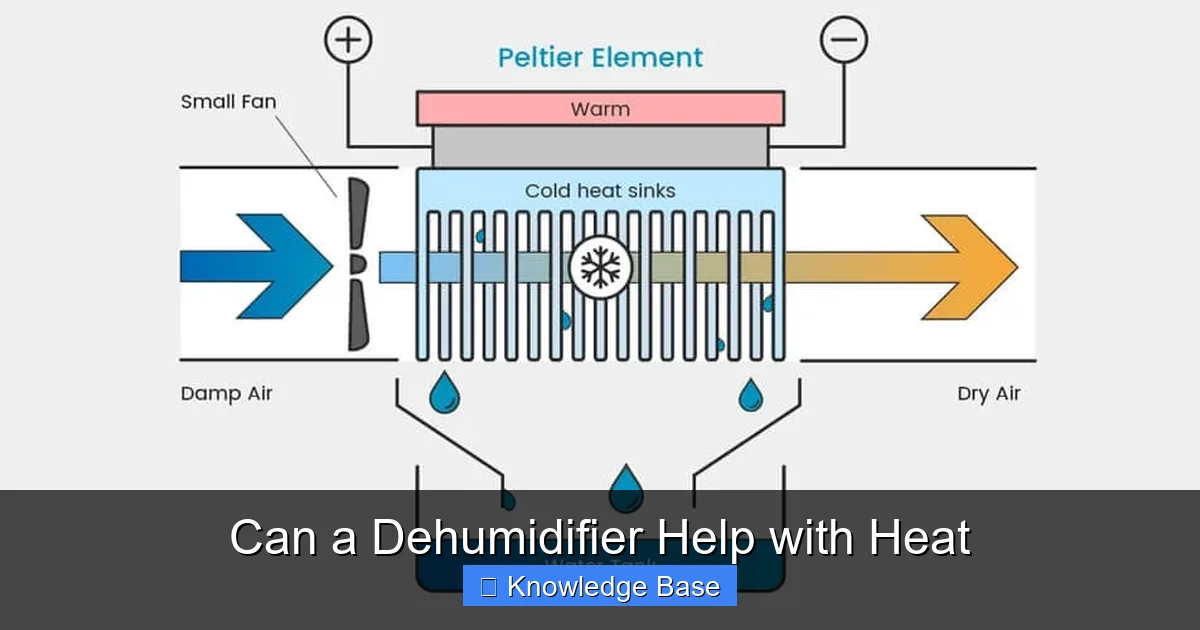
Now that we understand the link between humidity and heat, let’s look at how a dehumidifier actually works. Most residential dehumidifiers use a refrigeration-based system, similar to an air conditioner. Here’s a simple breakdown of the process:
1. **Air Intake:** A fan pulls warm, humid air from the room into the dehumidifier.
2. **Cooling Coils:** The air passes over cold evaporator coils. As the air cools, its ability to hold moisture decreases, causing water vapor to condense into liquid droplets.
3. **Water Collection:** The condensed water drips into a collection tank or is drained directly through a hose.
4. **Reheating:** The now-dry air passes over warm condenser coils, where it’s reheated to near its original temperature.
5. **Air Output:** The dry, reheated air is blown back into the room.
The key point is that the air leaving the dehumidifier is not cooler—it’s actually slightly warmer due to the heat generated during the process. But because it’s much drier, it feels cooler to your skin. This is the magic of dehumidification: it changes how the air *feels*, not just its temperature.
Types of Dehumidifiers
Not all dehumidifiers are created equal. The most common types include:
– **Refrigerant Dehumidifiers:** These are the most popular for home use. They work best in warm, humid environments (above 60°F) and are highly effective at removing moisture.
– **Desiccant Dehumidifiers:** These use a moisture-absorbing material (like silica gel) to pull water from the air. They work well in cooler temperatures and are often used in basements or garages.
– **Whole-House Dehumidifiers:** Integrated into your HVAC system, these units dehumidify your entire home and are ideal for large spaces or high-humidity regions.
For most people dealing with heat and humidity, a refrigerant dehumidifier is the best choice. It’s efficient, affordable, and effective in typical indoor conditions.
Energy Efficiency and Cost
One concern people have is whether running a dehumidifier uses a lot of electricity. The answer depends on the model and usage. Modern dehumidifiers are much more energy-efficient than older models, with many earning ENERGY STAR certification. On average, a 50-pint dehumidifier uses about 500–700 watts per hour—roughly the same as a microwave or toaster.
However, the energy savings can come from reduced AC use. If a dehumidifier makes your home feel cooler, you might set your thermostat a few degrees higher. For every degree you raise the thermostat, you can save about 3–5% on cooling costs. Over time, this can offset the cost of running the dehumidifier.
Benefits of Using a Dehumidifier in Hot Weather
Using a dehumidifier during hot weather offers several benefits beyond just feeling cooler. Let’s explore the top advantages.
1. Improved Comfort and Sleep Quality
High humidity can make it hard to sleep. You toss and turn, feeling sticky and overheated. A dehumidifier can transform your bedroom into a cool, dry sanctuary. Lower humidity means better sweat evaporation, so you stay comfortable all night. Many people report deeper, more restful sleep when they use a dehumidifier in their bedroom.
2. Reduced AC Strain and Energy Bills
When your home feels cooler due to lower humidity, you’re less likely to blast the air conditioner. This reduces the workload on your AC unit, which can extend its lifespan and lower your energy bills. In some cases, people find they can turn off the AC entirely during milder summer days and rely solely on a dehumidifier and fans for comfort.
3. Prevention of Mold and Mildew
Mold and mildew thrive in damp, humid environments. High indoor humidity—especially above 60%—creates the perfect breeding ground for these allergens. A dehumidifier keeps humidity levels in the ideal range (30–50%), preventing mold growth on walls, ceilings, and furniture. This is especially important in basements, bathrooms, and laundry rooms.
4. Protection for Furniture and Belongings
Excess moisture can damage wood furniture, warp floors, and ruin electronics. Books, artwork, and musical instruments are also sensitive to humidity. By maintaining stable indoor humidity, a dehumidifier helps preserve your belongings and prevents costly repairs or replacements.
5. Better Indoor Air Quality
High humidity doesn’t just encourage mold—it also promotes dust mites and other allergens. These tiny creatures feed on dead skin cells and thrive in moist environments. Lowering humidity reduces their population, leading to cleaner, healthier air. This is especially beneficial for people with allergies, asthma, or respiratory conditions.
When a Dehumidifier Is Most Effective
While a dehumidifier can help with heat in many situations, it’s not a one-size-fits-all solution. Its effectiveness depends on several factors.
Climate and Season
Dehumidifiers work best in humid climates, such as the Southeast, Gulf Coast, or tropical regions. In dry climates like Arizona or Nevada, where humidity is naturally low, a dehumidifier may not be necessary. However, during rainy seasons or in poorly ventilated homes, even dry regions can experience spikes in indoor humidity.
Indoor Humidity Levels
The ideal indoor humidity level is between 30% and 50%. You can measure this with a hygrometer, a simple device that reads humidity. If your home consistently reads above 60%, a dehumidifier is likely worth the investment. Levels above 70% significantly increase the risk of mold and discomfort.
Room Size and Ventilation
The size of your dehumidifier should match the size of the space. A small unit in a large room will struggle to make a difference. Most manufacturers provide guidelines based on square footage and humidity level. For example, a 50-pint dehumidifier is suitable for a 1,500–2,000 sq. ft. basement with high humidity.
Poor ventilation can also reduce effectiveness. Make sure the room has some airflow—open windows slightly or use fans to circulate air. This helps the dehumidifier pull in moist air more efficiently.
Combination with Other Cooling Methods
A dehumidifier works best when paired with other cooling strategies. Use ceiling fans or portable fans to circulate the dry air, enhancing the cooling effect. Close curtains during the day to block solar heat, and use energy-efficient windows or shades. These small steps, combined with dehumidification, can make a big difference in comfort.
Choosing the Right Dehumidifier for Your Home
With so many models on the market, choosing the right dehumidifier can feel overwhelming. Here are some key factors to consider.
Capacity (Pint Rating)
Dehumidifiers are rated by how many pints of moisture they can remove in 24 hours. Common sizes include 30, 50, and 70 pints. For most homes, a 50-pint unit is a good balance of power and efficiency. Larger homes or very humid areas may need a 70-pint model.
Drainage Options
Most dehumidifiers have a built-in water tank that needs to be emptied regularly. Look for models with a continuous drainage option—this allows you to attach a hose and drain water directly into a floor drain or sump pump. This is especially useful for basements or 24/7 operation.
Humidistat and Auto Settings
A built-in humidistat lets you set your desired humidity level (e.g., 45%). The unit will automatically turn on and off to maintain that level. This prevents over-drying and saves energy. Some models also have auto-defrost features, which prevent ice buildup on the coils in cooler environments.
Noise Level
Dehumidifiers use fans and compressors, which can generate noise. If you plan to use it in a bedroom or living room, look for a quiet model (under 50 decibels). Check product reviews for real-world noise feedback.
Energy Efficiency
Look for the ENERGY STAR label, which indicates the unit meets strict energy efficiency guidelines. Efficient models use less electricity and cost less to operate over time.
Maintenance Tips for Optimal Performance
To keep your dehumidifier working effectively, regular maintenance is essential.
Clean the Filter
Most dehumidifiers have a washable air filter that traps dust and debris. Clean it every 2–4 weeks, or as recommended by the manufacturer. A clogged filter reduces airflow and efficiency.
Empty the Water Tank
If your unit doesn’t have continuous drainage, empty the tank regularly to prevent overflow. Some models have a float switch that shuts off the unit when the tank is full—still, check it daily during humid weather.
Clean the Coils and Interior
Over time, dust and mold can build up on the coils and inside the unit. Turn off and unplug the dehumidifier, then gently clean the coils with a soft brush or vacuum. Wipe down the interior with a damp cloth and mild detergent.
Check for Ice Buildup
In cooler environments, the evaporator coils can freeze. If you notice ice forming, turn off the unit and let it thaw. Ensure the room temperature is above 65°F for optimal performance.
Common Misconceptions About Dehumidifiers and Heat
Despite their benefits, there are some myths about dehumidifiers and heat.
“Dehumidifiers Cool the Air”
This is false. Dehumidifiers remove moisture, not heat. The air they release is actually slightly warmer. The cooling effect is perceptual—your body feels cooler because sweat evaporates more easily.
“They’re Only for Basements”
While basements are common locations, dehumidifiers can be used in any room with high humidity—bedrooms, bathrooms, laundry rooms, or even entire homes with whole-house units.
“They Use Too Much Electricity”
Modern dehumidifiers are energy-efficient. Plus, the savings from reduced AC use often outweigh the cost of running the unit.
“They’re Only for Summer”
Dehumidifiers are useful year-round. In winter, they prevent condensation on windows and reduce mold risk in damp areas.
Conclusion: Yes, a Dehumidifier Can Help with Heat
So, can a dehumidifier help with heat? Absolutely. While it won’t lower the temperature on your thermostat, it can make your home feel significantly cooler by reducing humidity. This improves comfort, enhances sleep, protects your belongings, and can even lower your energy bills.
In hot, humid climates, a dehumidifier is a smart investment. Pair it with fans, proper ventilation, and smart thermostat settings for maximum effect. Choose the right size, maintain it regularly, and enjoy a cooler, healthier, more comfortable home—even when the mercury rises.
Remember, it’s not just about how hot it is—it’s about how hot it *feels*. And with a dehumidifier, you can take control of your indoor climate and beat the heat in a whole new way.
Frequently Asked Questions
How does a dehumidifier make a room feel cooler?
A dehumidifier removes moisture from the air, allowing sweat to evaporate more easily from your skin. This natural cooling process makes the room feel cooler, even if the temperature stays the same.
Is it safe to run a dehumidifier all day?
Yes, most modern dehumidifiers are designed for continuous operation. Look for models with auto-humidistats and overflow protection for safe, unattended use.
Can a dehumidifier help with musty smells?
Absolutely. Musty odors are often caused by mold and mildew, which thrive in humid environments. Lowering humidity eliminates the source of the smell.
Do dehumidifiers work in cold basements?
Refrigerant models work best above 65°F. For colder spaces, consider a desiccant dehumidifier, which performs well in low temperatures.
How often should I clean my dehumidifier?
Clean the air filter every 2–4 weeks and empty the water tank daily if not using continuous drainage. Deep clean the coils and interior every few months.
Can a dehumidifier reduce AC costs?
Yes. By making your home feel cooler, you may raise the thermostat setting, reducing AC runtime and lowering energy bills.