
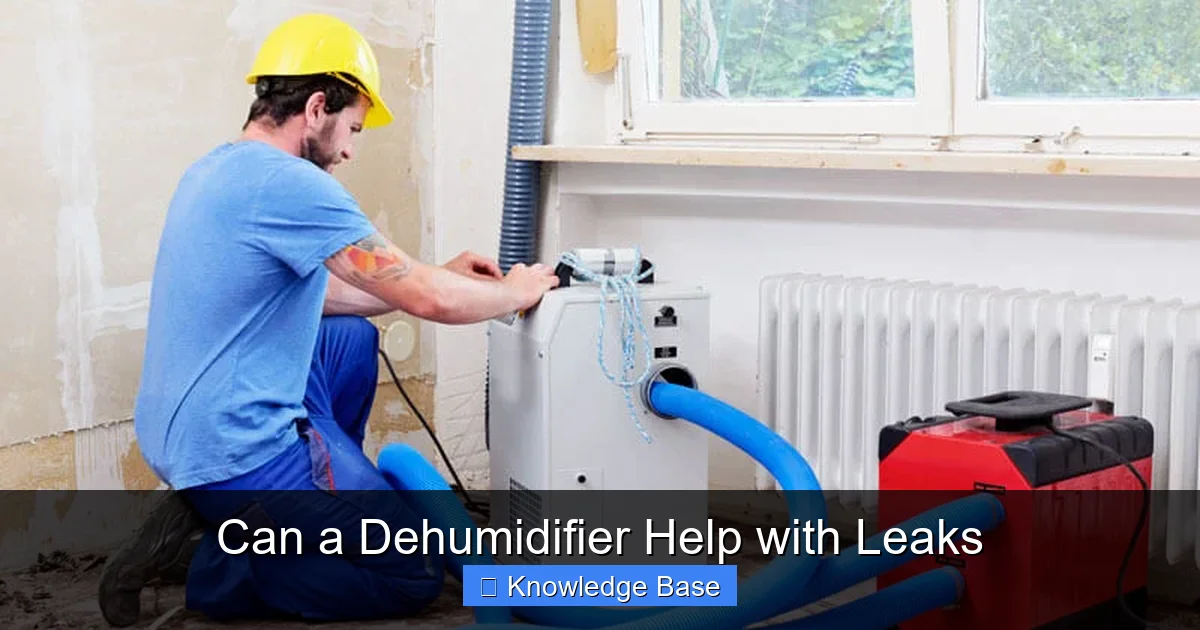
A dehumidifier won’t stop a leak at its source, but it can significantly help manage the aftermath. By pulling excess moisture from the air and surfaces, it prevents mold, reduces odors, and speeds up drying after water damage.
Key Takeaways
- Dehumidifiers don’t fix leaks: They address moisture, not the root cause of water intrusion.
- They prevent mold and mildew: Lower humidity levels make it harder for mold to grow after a leak.
- Speed up drying time: Removing airborne moisture helps wet walls, carpets, and furniture dry faster.
- Reduce musty odors: Damp environments breed bacteria that cause unpleasant smells—dehumidifiers help eliminate them.
- Protect your home’s structure: Excess moisture can weaken wood, drywall, and insulation over time.
- Best used alongside repairs: Always fix the leak first, then use a dehumidifier to clean up and prevent future issues.
- Choose the right size: Match the unit’s capacity (pints per day) to the room size and moisture level.
Quick Answers to Common Questions
Can a dehumidifier stop a leak?
No, a dehumidifier cannot stop a leak. It only removes moisture from the air and helps dry wet areas after the leak has occurred.
How fast can a dehumidifier dry a room after a leak?
Depending on the size of the leak and the unit’s capacity, a dehumidifier can help dry a room in 24 to 72 hours when used with fans and proper ventilation.
Should I run a dehumidifier 24/7 after a leak?
Yes, it’s best to run the dehumidifier continuously for the first few days after a leak to prevent mold and speed up drying.
Can a dehumidifier prevent mold from a leak?
Yes, by keeping humidity below 50%, a dehumidifier creates an environment where mold is less likely to grow after a leak.
Do I need a dehumidifier if the leak is small?
Even small leaks can lead to mold and odors. A dehumidifier is a smart precaution, especially in damp areas like basements or bathrooms.
📑 Table of Contents
- Can a Dehumidifier Help with Leaks?
- Understanding How Dehumidifiers Work
- How Dehumidifiers Help After a Leak
- When to Use a Dehumidifier After a Leak
- What a Dehumidifier Can’t Do
- Choosing the Right Dehumidifier for Leak Recovery
- Tips for Maximizing Dehumidifier Effectiveness
- Real-Life Examples: Dehumidifiers in Action
- Conclusion
Can a Dehumidifier Help with Leaks?
Imagine waking up to a small puddle under your washing machine or noticing a damp patch on your basement wall. Your first thought might be, “Do I need a plumber?” And you’d be right—fixing the leak is essential. But what about the lingering moisture? That’s where a dehumidifier comes in.
A dehumidifier won’t patch a hole in your pipe or seal a cracked window, but it plays a crucial role in managing the damage caused by leaks. It works by pulling moisture from the air, lowering humidity levels, and creating an environment where water can evaporate more efficiently. This helps dry out wet materials, prevents mold growth, and protects your home from long-term damage.
In this article, we’ll explore exactly how a dehumidifier can help with leaks, when it’s most effective, and what you should do before and after using one. Whether you’re dealing with a minor drip or a major flood, understanding the role of dehumidification can save you time, money, and stress.
Understanding How Dehumidifiers Work
Visual guide about Can a Dehumidifier Help with Leaks
Image source: i.ytimg.com
Before we dive into how dehumidifiers help with leaks, let’s break down how they actually work. Most home dehumidifiers use a refrigeration-based system, similar to an air conditioner. Here’s the basic process:
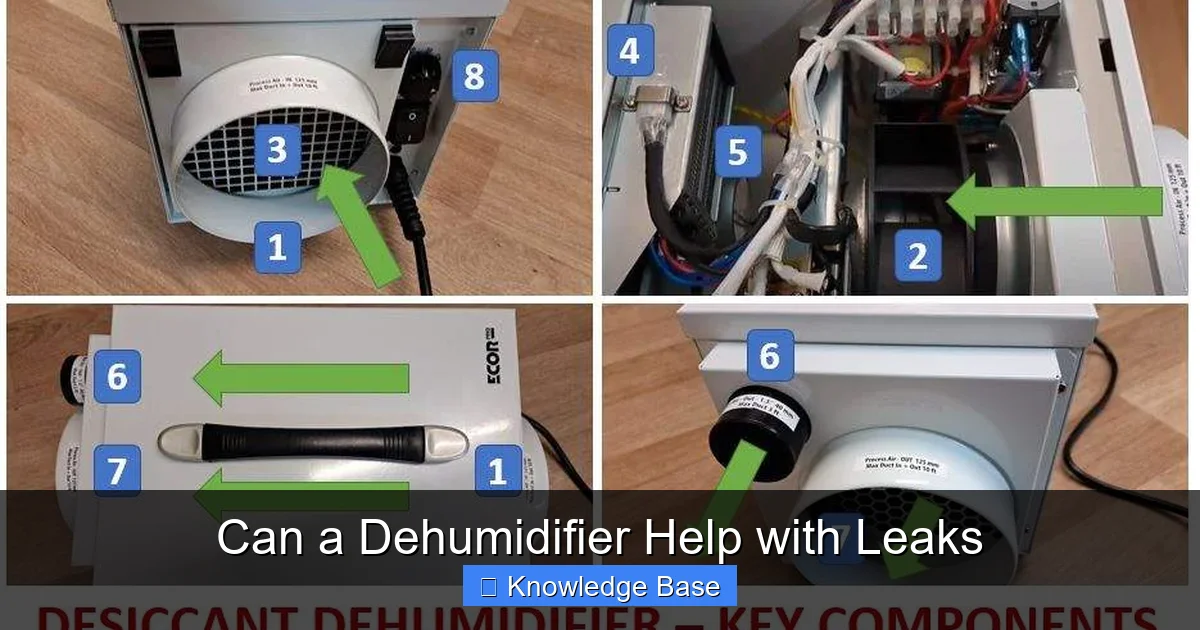
Air is drawn into the unit by a fan. As it passes over cold coils, moisture in the air condenses into water droplets, which collect in a built-in tank or drain hose. The drier air is then reheated slightly and blown back into the room. This cycle repeats continuously until the desired humidity level is reached.
Some models also use desiccant technology, which absorbs moisture using a moisture-absorbing material like silica gel. These are often used in colder environments where refrigeration units may freeze.
The key takeaway? Dehumidifiers don’t add or remove water from your home—they simply transfer moisture from the air into a container. This reduces the overall humidity, making it easier for wet surfaces to dry naturally.
Humidity Levels and Why They Matter
Indoor humidity should ideally stay between 30% and 50%. When a leak occurs, humidity can spike to 60%, 70%, or even higher—especially in enclosed spaces like basements or bathrooms. At these levels, evaporation slows down, and moisture lingers in carpets, drywall, and wood.
High humidity also creates the perfect breeding ground for mold, dust mites, and bacteria. These not only damage your home but can also affect your health, triggering allergies, asthma, and respiratory issues.
By using a dehumidifier, you bring humidity back to a safe range. This speeds up drying and reduces the risk of secondary problems like warped floors or peeling paint.
Types of Dehumidifiers and Their Uses
Not all dehumidifiers are created equal. Here are the main types you’ll find:
– **Refrigerant dehumidifiers:** Best for warm, humid environments (like basements in summer). They’re efficient and widely available.
– **Desiccant dehumidifiers:** Work well in cold or low-humidity areas. They’re quieter and don’t rely on temperature, making them ideal for garages or winter use.
– **Whole-house dehumidifiers:** Integrated into your HVAC system, these handle moisture across your entire home. Great for chronic dampness or large spaces.
– **Mini or portable units:** Small, affordable, and perfect for closets, RVs, or small leaks.
Choosing the right type depends on the size of the affected area, the severity of the leak, and the climate in your home.
How Dehumidifiers Help After a Leak
Visual guide about Can a Dehumidifier Help with Leaks
Image source: waterleak.co.uk
Now that we understand how dehumidifiers function, let’s look at how they help when a leak occurs. While they can’t stop water from entering your home, they are powerful tools for managing the aftermath.
Speeding Up the Drying Process
When water leaks into your home, it doesn’t just sit on the surface. It soaks into carpets, seeps into drywall, and penetrates wooden beams. The longer these materials stay wet, the more damage they sustain.
A dehumidifier helps by reducing the moisture in the air. When the air is dry, it can absorb more water from wet surfaces—this is called evaporation. The drier the air, the faster evaporation happens.
For example, imagine a soaked carpet in a basement. Without a dehumidifier, it might take days or even weeks to dry completely. But with one running, that same carpet could dry in 24 to 48 hours. This not only saves time but also reduces the risk of mold and structural damage.
Preventing Mold and Mildew Growth
Mold thrives in damp, dark environments. It can start growing within 24 to 48 hours of a leak, especially in hidden areas like behind walls or under flooring.
By lowering humidity, a dehumidifier makes it much harder for mold to take hold. Most molds need humidity above 60% to grow. Keeping levels below 50%—especially in the first few days after a leak—can stop mold before it starts.
This is especially important in basements, bathrooms, and laundry rooms, where leaks are common and ventilation is often poor.
Reducing Musty Odors
Have you ever walked into a damp basement and smelled that unmistakable “wet basement” odor? That’s caused by mold, mildew, and bacteria feeding on moisture.
Dehumidifiers help eliminate these smells by drying out the environment. As moisture levels drop, microbial growth slows, and odors fade. Some dehumidifiers even come with built-in air filters that trap dust, mold spores, and other allergens, improving indoor air quality.
Protecting Your Home’s Structure and Belongings
Excess moisture doesn’t just affect surfaces—it can weaken your home’s foundation over time. Wood can warp, rot, or attract termites. Drywall can swell, bubble, or crumble. Insulation can lose its effectiveness when wet.
By using a dehumidifier after a leak, you help preserve the integrity of these materials. This can prevent costly repairs down the line and extend the life of your home’s structure.
It also protects your belongings. Books, electronics, clothing, and furniture are all vulnerable to moisture damage. A dehumidifier helps keep these items dry and safe.
When to Use a Dehumidifier After a Leak
Timing is everything when it comes to using a dehumidifier after a leak. The sooner you start, the better the results.
Immediate Response: First 24–48 Hours
The first two days after a leak are critical. This is when mold is most likely to begin growing, and when materials absorb the most water.
As soon as you notice a leak:
1. Turn off the water source if possible.
2. Remove standing water with a wet vacuum or towels.
3. Open windows and doors (if weather permits) to improve airflow.
4. Set up a dehumidifier in the affected area.
Running the dehumidifier continuously during this period can make a huge difference. Aim to keep humidity below 50%.
Ongoing Use: Days 3–7
Even after the initial drying phase, moisture may still be trapped in walls, floors, or insulation. Continue running the dehumidifier for several more days, especially in enclosed spaces.
Check the unit’s water tank regularly and empty it as needed. If your model has a continuous drain hose, consider setting it up to avoid frequent maintenance.
Long-Term Prevention
Once the leak is fixed and the area is dry, you might still benefit from using a dehumidifier—especially in prone areas like basements or crawl spaces.
Running a dehumidifier during humid seasons or after heavy rain can prevent future moisture buildup. This is a proactive way to protect your home from hidden leaks or condensation issues.
What a Dehumidifier Can’t Do
While dehumidifiers are helpful, it’s important to understand their limits. They are not a substitute for proper repairs or professional water damage restoration.
They Don’t Fix the Leak
A dehumidifier treats symptoms, not the cause. If you have a burst pipe, a leaking roof, or a faulty appliance, you must fix the source of the water. Otherwise, the problem will keep recurring.
For example, if your washing machine hose is cracked, running a dehumidifier under it won’t stop the leak. You need to replace the hose.
They Can’t Remove Standing Water
Dehumidifiers are designed to remove moisture from the air, not from puddles or soaked carpets. If you have standing water, use a wet/dry vacuum, mop, or towels first.
Only after the bulk of the water is removed should you turn on the dehumidifier. Otherwise, the unit will have to work much harder, and it may not be effective.
They May Not Be Enough for Major Floods
In cases of severe flooding—like from a burst water main or natural disaster—a single dehumidifier may not be sufficient. You may need industrial-grade equipment, air movers, and professional remediation services.
However, even in these cases, dehumidifiers can be part of the solution, especially in smaller affected areas or during the final drying stages.
Choosing the Right Dehumidifier for Leak Recovery
Not all dehumidifiers are suitable for post-leak cleanup. Here’s what to look for:
Capacity (Pints per Day)
Dehumidifiers are rated by how many pints of water they can remove in 24 hours. For minor leaks in small rooms, a 30-pint unit may suffice. For larger areas or high humidity, consider a 50-pint or 70-pint model.
Use this general guide:
– Small bathroom or closet: 10–20 pints
– Medium basement or laundry room: 30–50 pints
– Large basement or flood zone: 50–70+ pints
Auto-Shutoff and Humidistat
Look for a model with a built-in humidistat, which lets you set your desired humidity level. The unit will automatically turn on and off to maintain that level.
An auto-shutoff feature is also useful—it stops the machine when the water tank is full, preventing overflows.
Continuous Drain Option
If you’re running the dehumidifier for days, a continuous drain hose is a lifesaver. It allows water to flow directly into a floor drain or sump pump, so you don’t have to empty the tank manually.
Portability and Noise Level
Choose a unit with wheels and a handle for easy movement. If you’re using it in a living space, opt for a quieter model (under 50 decibels).
Energy Efficiency
Check the Energy Star rating. More efficient models use less electricity, which matters if you’re running the unit 24/7.
Tips for Maximizing Dehumidifier Effectiveness
To get the best results after a leak, follow these practical tips:
Seal the Area
Close doors and windows to contain the moist air. This helps the dehumidifier work more efficiently by preventing humid outdoor air from entering.
Use Fans Alongside the Dehumidifier
Air circulation speeds up evaporation. Place box fans or oscillating fans near wet surfaces to help move air over them. This works especially well on carpets, furniture, and walls.
Remove Wet Items
Take out soaked rugs, cushions, and boxes. Dry them outside or in a well-ventilated area. The less moisture in the room, the faster the dehumidifier can work.
Monitor Humidity Levels
Use a hygrometer (a small, inexpensive device) to check humidity levels. Aim to keep them between 30% and 50%. If levels stay high, you may need a larger unit or additional fans.
Clean the Unit Regularly
Dust and mold can build up in the filter and coils. Clean the filter monthly and wipe down the interior to keep the dehumidifier running efficiently.
Real-Life Examples: Dehumidifiers in Action
Let’s look at a few common scenarios where dehumidifiers make a real difference.
Example 1: Basement Pipe Leak
Sarah noticed water pooling near her basement furnace. She shut off the water, called a plumber, and used a wet vacuum to remove the standing water. Then she set up a 50-pint dehumidifier and two fans.
Within 36 hours, the concrete floor and nearby drywall were dry. She kept the dehumidifier running for three more days to ensure no hidden moisture remained. Thanks to quick action, there was no mold growth.
Example 2: Washing Machine Overflow
Tom’s washing machine hose burst while he was at work. His wife found the laundry room flooded. They removed the wet carpet, cleaned the floor, and placed a 30-pint dehumidifier in the room.
With the door closed and a fan circulating air, the subfloor dried in two days. The dehumidifier also eliminated the musty smell that lingered after the cleanup.
Example 3: Roof Leak During a Storm
After a heavy rain, Lisa discovered a leak in her attic that soaked part of her bedroom ceiling. She patched the roof temporarily and used a portable dehumidifier in the room.
Although the ceiling took a week to fully dry, the dehumidifier prevented mold from forming in the insulation and drywall. She later had a roofer make permanent repairs.
Conclusion
So, can a dehumidifier help with leaks? Absolutely—but with an important caveat: it’s a cleanup tool, not a repair tool.
A dehumidifier won’t stop water from leaking into your home, but it can dramatically reduce the damage caused by that water. By lowering humidity, it speeds up drying, prevents mold, eliminates odors, and protects your home’s structure and belongings.
The key is to act fast. Fix the leak first, remove standing water, and then deploy a dehumidifier as part of your recovery plan. Choose the right size, use fans to improve airflow, and monitor humidity levels until everything is dry.
Think of a dehumidifier as your home’s moisture manager. It won’t fix the roof, but it will help your home breathe easier after a leak. And in the long run, that can save you from bigger problems—and bigger bills.
Frequently Asked Questions
Can a dehumidifier help with water damage?
Yes, a dehumidifier is a key tool in water damage recovery. It helps dry out wet materials, prevents mold, and reduces odors by lowering indoor humidity.
How long should I run a dehumidifier after a leak?
Run the dehumidifier for at least 3 to 7 days after a leak, or until humidity levels stay consistently below 50% and all materials feel dry to the touch.
Can I use a dehumidifier in a flooded basement?
Yes, but only after removing standing water. Use a wet vacuum first, then run a high-capacity dehumidifier with fans to dry the space thoroughly.
Will a dehumidifier remove the smell from a leak?
Yes, by drying the area and reducing microbial growth, a dehumidifier can eliminate musty odors caused by leaks and excess moisture.
Do dehumidifiers use a lot of electricity?
It depends on the model and usage. Energy-efficient units use less power, but running one 24/7 can increase your electric bill—so choose the right size and use it only when needed.
Can a dehumidifier prevent future leaks?
No, but it can reduce condensation and moisture buildup that may contribute to hidden leaks or structural damage over time, especially in basements and crawl spaces.