
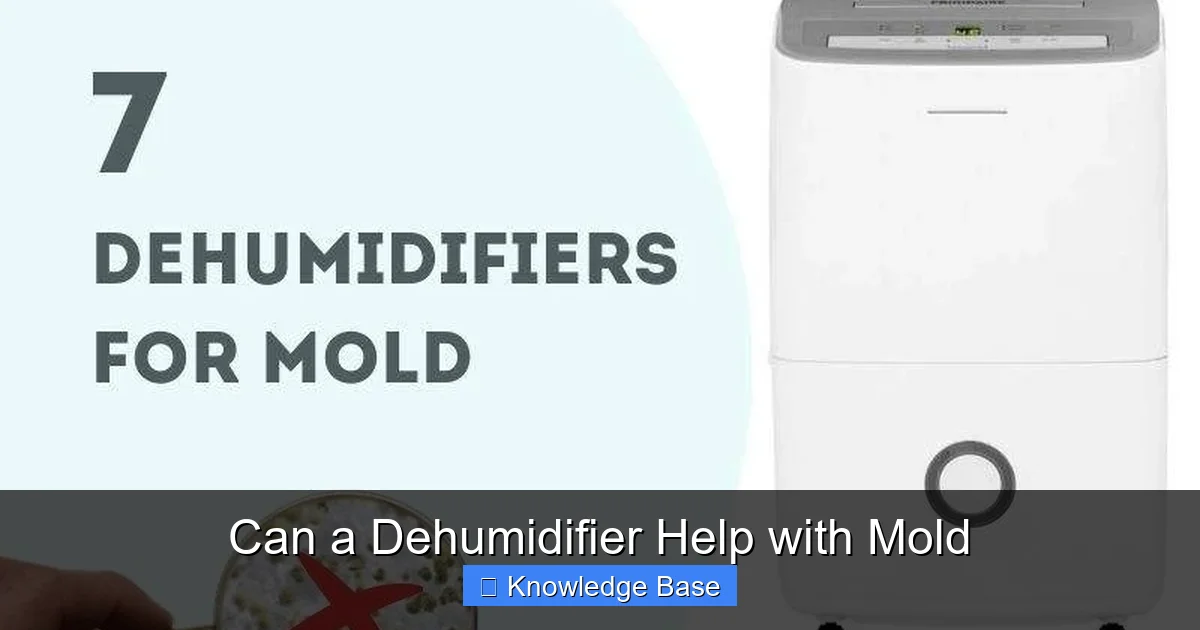
Yes, a dehumidifier can help with mold by reducing indoor humidity levels, making your home less hospitable to mold growth. While it won’t remove existing mold, it’s a powerful preventive tool when used correctly alongside proper cleaning and ventilation.
Key Takeaways
- Dehumidifiers reduce moisture: They pull excess humidity from the air, creating an environment where mold struggles to grow.
- Ideal humidity level is key: Keeping indoor humidity between 30% and 50% significantly lowers mold risk.
- Prevention over cure: A dehumidifier helps prevent mold but doesn’t eliminate existing colonies—cleaning is still required.
- Works best in damp areas: Basements, bathrooms, and laundry rooms benefit most from dehumidifier use.
- Energy-efficient models save money: Modern dehumidifiers use less power and include smart features like auto-humidity control.
- Regular maintenance matters: Empty the tank, clean the filter, and inspect coils to keep your unit running efficiently.
- Combine with other strategies: Use exhaust fans, fix leaks, and improve airflow for maximum mold protection.
Quick Answers to Common Questions
Can a dehumidifier kill mold?
No, a dehumidifier doesn’t kill mold. It prevents mold by reducing humidity, but existing mold must be cleaned manually or with appropriate cleaning solutions.
How long does it take for a dehumidifier to reduce mold risk?
Within 24 to 48 hours of running a dehumidifier, you should notice a drop in humidity and a reduction in musty odors. Mold growth slows significantly once humidity stays below 50%.
Should I run a dehumidifier all the time?
It depends on your climate and humidity levels. In humid areas or during rainy seasons, running it continuously or on a timer is often necessary. Use a hygrometer to monitor levels.
Can I use a dehumidifier in winter?
Standard dehumidifiers work poorly below 65°F. If your basement or garage is cold, choose a low-temperature model designed for colder environments.
Do I need a dehumidifier if I have air conditioning?
Air conditioners remove some moisture, but not enough in very humid climates or damp areas. A dehumidifier provides targeted humidity control where AC alone falls short.
📑 Table of Contents
- Can a Dehumidifier Help with Mold? The Surprising Truth
- How Mold Grows—And Why Humidity Matters
- How a Dehumidifier Works to Prevent Mold
- Where Dehumidifiers Are Most Effective
- Choosing the Right Dehumidifier for Mold Prevention
- Maintenance Tips to Keep Your Dehumidifier Working
- Limitations: What a Dehumidifier Can’t Do
- Combining a Dehumidifier with Other Mold Prevention Strategies
- Conclusion: A Smart Investment for a Healthier Home
Can a Dehumidifier Help with Mold? The Surprising Truth
If you’ve ever spotted fuzzy black spots in your bathroom, noticed a musty smell in the basement, or seen peeling paint in a damp corner, you’ve likely encountered mold. It’s not just unsightly—it can trigger allergies, worsen asthma, and even damage your home’s structure over time. So, what’s the best way to fight back? Many homeowners turn to dehumidifiers, wondering: Can a dehumidifier help with mold? The short answer is yes—but with some important caveats.
Mold thrives in moist, humid environments. It’s a type of fungus that spreads through tiny spores floating in the air. These spores are everywhere, but they only grow into visible mold when they land on damp surfaces. That’s where humidity control comes in. A dehumidifier works by pulling moisture out of the air, lowering the relative humidity in your home. When humidity drops below 60%, mold growth slows dramatically. At 50% or lower, it becomes very difficult for mold to take hold.
But here’s the catch: a dehumidifier isn’t a magic wand. It won’t scrub away mold that’s already growing on your walls or ceiling. Think of it more like a shield—a preventive tool that stops mold from forming in the first place. If you already have a mold problem, you’ll need to clean it up first (and safely), then use a dehumidifier to keep it from coming back.
How Mold Grows—And Why Humidity Matters
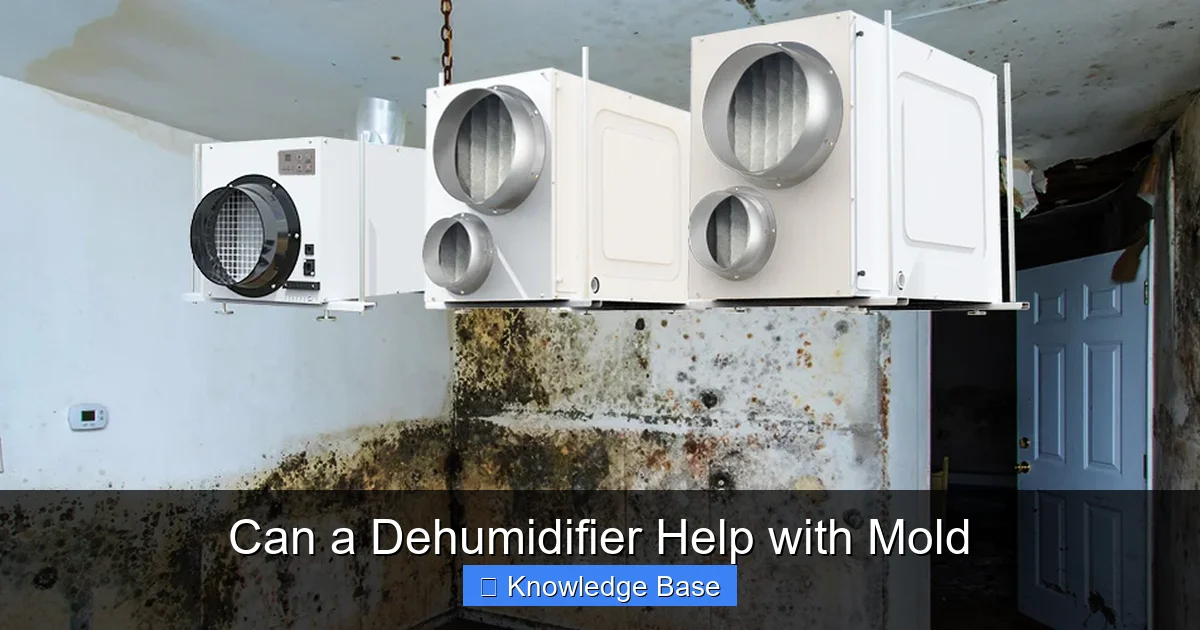
Visual guide about Can a Dehumidifier Help with Mold
Image source: preair.com
To understand how a dehumidifier helps with mold, it helps to know how mold grows. Mold is a natural part of the environment. Outdoors, it plays a vital role in breaking down dead leaves, wood, and other organic matter. But indoors, it’s a problem.
Mold needs just three things to grow: moisture, a food source, and the right temperature. Most homes provide plenty of food—drywall, wood, carpet, and even dust contain organic materials mold can digest. Temperatures between 60°F and 80°F (15°C to 27°C) are ideal for mold growth, which is why it’s so common in homes year-round.
But the real game-changer is moisture. Without it, mold can’t grow. That’s why high humidity is such a big deal. When indoor humidity rises above 60%, especially in poorly ventilated areas, mold spores begin to germinate and multiply. Condensation on cold windows, damp basements, or steam from showers all contribute to this problem.
For example, imagine you take a hot shower in a bathroom with no exhaust fan. The steam fills the room, coating the mirror, walls, and ceiling with moisture. If the room doesn’t dry out quickly, that moisture seeps into grout, caulk, or drywall—perfect conditions for mold. A dehumidifier can help by pulling that excess moisture from the air before it settles on surfaces.
How a Dehumidifier Works to Prevent Mold

Visual guide about Can a Dehumidifier Help with Mold
Image source: thedehumidifierexperts.com
So, how exactly does a dehumidifier help with mold? It all comes down to controlling indoor humidity. Most dehumidifiers use a refrigeration-based system, similar to an air conditioner. Here’s a simple breakdown of how it works:
The Science Behind Dehumidification
A dehumidifier draws in warm, moist air from the room using a fan. This air passes over cold coils inside the unit. As the air cools, its ability to hold moisture decreases, causing water vapor to condense into liquid droplets. These droplets collect in a built-in tank or drain hose. The now-drier air is reheated slightly and blown back into the room.
This process continuously reduces the amount of moisture in the air, lowering the relative humidity. Most modern dehumidifiers allow you to set a target humidity level—say, 45%—and will automatically turn on and off to maintain it.
Why Lower Humidity Stops Mold
Mold spores are always present in the air, but they remain dormant unless conditions are right. When humidity is high, surfaces stay damp longer, giving spores the moisture they need to grow. By keeping humidity below 50%, you create an environment where mold can’t thrive.
For instance, in a basement with a humidity level of 70%, mold might start growing on cardboard boxes or wooden beams within days. But if you run a dehumidifier and bring that level down to 45%, those same surfaces will dry quickly, and mold won’t have a chance to develop.
Real-World Example: The Damp Basement
Let’s say you have a basement that feels clammy and smells musty. You notice dark spots forming near the foundation wall. This is a classic sign of high humidity and early mold growth. Installing a dehumidifier in the basement—especially one with a built-in pump for continuous drainage—can make a huge difference.
Within a few days of running the unit, you’ll notice the air feels drier, the musty smell fades, and the mold spots stop spreading. Over time, the existing mold may dry out and become less active, though it will still need to be cleaned.
Where Dehumidifiers Are Most Effective
Not every room in your home needs a dehumidifier, but certain areas are prime candidates for mold growth due to high moisture levels. Here are the top spots where a dehumidifier can help with mold:
Basements
Basements are notorious for dampness. They’re below ground level, often poorly insulated, and prone to water seepage. Even without flooding, basements can have high humidity from groundwater vapor rising through concrete floors and walls.
A dehumidifier in the basement can maintain a dry environment, protecting stored items, preventing wood rot, and stopping mold before it starts. For best results, choose a unit with a high pint-per-day (PPD) rating—30 to 50 PPD is common for basements.
Bathrooms
Bathrooms generate a lot of steam from showers and baths. Without proper ventilation, that moisture lingers, leading to mold on shower curtains, grout, and ceilings.
While an exhaust fan is essential, a small dehumidifier can provide extra protection—especially in bathrooms without windows or with weak ventilation. Some homeowners even use compact, portable dehumidifiers designed for small spaces.
Laundry Rooms
Washing machines and dryers (especially if vented indoors) release moisture into the air. If your laundry room is enclosed and poorly ventilated, it can become a mold hotspot.
Running a dehumidifier during and after laundry cycles helps pull excess moisture from the air, protecting walls, cabinets, and clothing.
Closets and Storage Areas
Dark, enclosed spaces like closets—especially those near bathrooms or exterior walls—can trap moisture. Clothes, shoes, and stored items can develop mildew if humidity is high.
A small dehumidifier or moisture-absorbing products (like silica gel packs) can help, but a whole-room dehumidifier is more effective for long-term control.
Entire Homes (Whole-House Systems)
For homes with widespread humidity issues, a whole-house dehumidifier connected to your HVAC system may be the best solution. These units treat the entire home, maintaining consistent humidity levels and improving indoor air quality.
They’re more expensive upfront but offer convenience and efficiency, especially in humid climates or large homes.
Choosing the Right Dehumidifier for Mold Prevention
Not all dehumidifiers are created equal. To effectively help with mold, you need the right size, features, and placement. Here’s what to consider:
Size and Capacity
Dehumidifiers are rated by how many pints of moisture they can remove in 24 hours. The right size depends on the room’s square footage and humidity level:
- Small (20–30 pints): Ideal for bathrooms, closets, or small basements (up to 500 sq ft).
- Medium (30–50 pints): Best for average basements or large rooms (500–1,500 sq ft).
- Large (50+ pints): For very damp or large spaces (1,500+ sq ft), such as crawl spaces or whole homes.
Choosing a unit that’s too small means it will run constantly and struggle to keep up. One that’s too large may cycle on and off too frequently, wasting energy.
Energy Efficiency
Look for models with the ENERGY STAR label. These use up to 30% less energy than standard units, saving you money on electricity. Features like auto-humidity control and timers also improve efficiency.
Drainage Options
Most dehumidifiers have a water tank that needs to be emptied regularly. For convenience, choose a model with a continuous drain hose or built-in pump. This allows the unit to run unattended, especially in basements or during long humid seasons.
Smart Features
Modern dehumidifiers often include digital humidity displays, remote controls, Wi-Fi connectivity, and alerts when the tank is full. These features make it easier to monitor and maintain optimal humidity levels.
Noise Level
If you’re placing the dehumidifier in a living area or bedroom, check the decibel (dB) rating. Units under 50 dB are quiet enough for most homes.
Maintenance Tips to Keep Your Dehumidifier Working
A dehumidifier can only help with mold if it’s working properly. Regular maintenance ensures it runs efficiently and lasts longer. Here’s how to keep it in top shape:
Empty the Water Tank
Check the tank daily if the unit is running frequently. Most models have a float switch that shuts off the unit when the tank is full, but it’s still best to empty it before it reaches capacity.
Clean the Air Filter
The filter traps dust and debris, but it can get clogged over time. A dirty filter reduces airflow and efficiency. Clean it every 2–4 weeks with warm, soapy water, and let it dry completely before reinserting.
Inspect the Coils
Over time, dust and mold can build up on the evaporator and condenser coils. This reduces heat exchange and can cause the unit to freeze up. Use a soft brush or vacuum to gently clean the coils every few months.
Check for Mold Inside the Unit
Ironically, dehumidifiers can develop mold if not maintained. Check the tank, coils, and interior for any signs of growth. Wipe down surfaces with a mixture of water and vinegar or a mild bleach solution (1 part bleach to 10 parts water).
Store Properly During Off-Seasons
If you live in a cold climate and don’t use your dehumidifier in winter, clean it thoroughly and store it in a dry place. Cover it to prevent dust buildup.
Limitations: What a Dehumidifier Can’t Do
While a dehumidifier is a powerful tool, it’s not a complete solution for mold. Here’s what it can’t do:
Remove Existing Mold
A dehumidifier doesn’t clean mold. If you already have visible mold, you must remove it using proper cleaning methods. For small areas (less than 10 square feet), you can often clean it yourself with detergent and water or a mold-killing solution. For larger infestations, hire a professional.
Fix Water Leaks
If mold is caused by a leaky pipe, roof, or foundation crack, a dehumidifier won’t solve the root problem. You must repair the source of moisture first. Otherwise, the mold will keep coming back.
Replace Ventilation
Dehumidifiers work best when paired with good airflow. In bathrooms and kitchens, exhaust fans are essential for removing steam and odors. A dehumidifier alone can’t compensate for poor ventilation.
Work in Extremely Cold Conditions
Most standard dehumidifiers stop working efficiently below 65°F (18°C). In cold basements or garages, consider a low-temperature model designed for colder environments.
Combining a Dehumidifier with Other Mold Prevention Strategies
For the best results, use a dehumidifier as part of a comprehensive mold prevention plan. Here are other steps to take:
Improve Ventilation
Use exhaust fans in bathrooms and kitchens. Open windows when weather permits. Ensure your dryer vents to the outside.
Fix Leaks Promptly
Check under sinks, around windows, and in the attic for signs of water damage. Repair leaks as soon as you spot them.
Use Mold-Resistant Products
When renovating, choose mold-resistant drywall, paint, and insulation. These materials are treated to resist moisture and mold growth.
Monitor Humidity Levels
Use a hygrometer to check indoor humidity regularly. Aim to keep it between 30% and 50%. If it consistently rises above 60%, your dehumidifier may need to run more often or be upgraded.
Clean Regularly
Dust and vacuum frequently to remove mold spores and organic debris. Pay special attention to damp areas like bathrooms and basements.
Conclusion: A Smart Investment for a Healthier Home
So, can a dehumidifier help with mold? Absolutely. By reducing indoor humidity, it creates an environment where mold struggles to grow. It’s especially effective in damp areas like basements, bathrooms, and laundry rooms. When used correctly and maintained properly, a dehumidifier can prevent mold, protect your home, and improve your family’s health.
But remember: a dehumidifier is a preventive tool, not a cure. If you already have mold, clean it up first. And always address the source of moisture—whether it’s a leak, poor ventilation, or high outdoor humidity.
Investing in a quality dehumidifier, choosing the right size, and combining it with good home maintenance practices will give you the best defense against mold. It’s a small step that can make a big difference in the comfort, safety, and longevity of your home.
Frequently Asked Questions
What humidity level prevents mold?
Keeping indoor humidity between 30% and 50% is ideal for preventing mold. Levels above 60% significantly increase the risk of mold growth.
Can a dehumidifier make mold worse?
No, but if the unit isn’t cleaned regularly, mold can grow inside it and be blown back into the air. Regular maintenance prevents this issue.
How often should I clean my dehumidifier?
Clean the water tank weekly, the air filter every 2–4 weeks, and inspect the coils every few months to ensure optimal performance.
Is a dehumidifier better than an air purifier for mold?
They serve different purposes. A dehumidifier prevents mold by reducing moisture, while an air purifier removes mold spores from the air. Use both for best results.
Can I use a dehumidifier in a crawl space?
Yes, but choose a model designed for crawl spaces with a built-in pump and hose for continuous drainage. Ensure it’s rated for the space size.
Does a dehumidifier use a lot of electricity?
Energy-efficient models use less power. Look for ENERGY STAR-certified units, which can save up to 30% on energy compared to standard models.