

Yes, a dehumidifier can help with night sweats by reducing excess moisture in the air, making your bedroom cooler and more comfortable. While it won’t cure medical causes of sweating, it can significantly improve sleep quality by creating a drier, less clammy environment that minimizes discomfort and helps your body regulate temperature more effectively.
Key Takeaways
- Dehumidifiers reduce humidity: They pull excess moisture from the air, which can make your bedroom feel cooler and less sticky—helping reduce the sensation of night sweats.
- Improved sleep comfort: Lower humidity levels prevent sweat from lingering on your skin, reducing damp sheets and restless tossing.
- Not a medical treatment: While helpful for environmental comfort, dehumidifiers don’t address hormonal, menopausal, or health-related causes of night sweats.
- Optimal humidity range: Keeping indoor humidity between 30% and 50% is ideal for comfort and health—most dehumidifiers help maintain this range.
- Complementary solution: Use a dehumidifier alongside breathable bedding, light sleepwear, and proper ventilation for best results.
- Energy-efficient models available: Modern dehumidifiers are quiet, compact, and energy-saving, making them practical for nightly bedroom use.
- Consult a doctor if needed: If night sweats are frequent, severe, or disrupt sleep, seek medical advice to rule out underlying conditions.
Quick Answers to Common Questions
Can a dehumidifier stop night sweats completely?
No, a dehumidifier won’t stop night sweats caused by medical conditions like menopause or hormonal imbalances. However, it can reduce discomfort by making sweat evaporate faster and creating a cooler, drier sleep environment.
What humidity level is best for sleep?
The ideal indoor humidity for sleep is between 30% and 50%. Levels above 60% can make the air feel sticky and increase the sensation of night sweats.
Can I use a dehumidifier every night?
Yes, most modern dehumidifiers are designed for continuous use. Just make sure to empty the water tank regularly or use a drainage hose for convenience.
Do dehumidifiers use a lot of electricity?
Energy use varies by model, but Energy Star-certified dehumidifiers are designed to be efficient. Running a 50-pint unit for 8 hours typically costs around $0.50 to $1.00 per day.
Can a dehumidifier help with allergies?
Yes, by reducing humidity, dehumidifiers help prevent mold, dust mites, and mildew—common allergens that can worsen respiratory issues and disrupt sleep.
📑 Table of Contents
- Can a Dehumidifier Help with Night Sweats?
- Understanding Night Sweats: Causes and Triggers
- How Humidity Affects Sleep and Sweating
- How a Dehumidifier Works to Reduce Night Sweats
- Choosing the Right Dehumidifier for Your Bedroom
- Complementary Tips to Reduce Night Sweats
- When to See a Doctor About Night Sweats
- Conclusion: Can a Dehumidifier Help with Night Sweats?
Can a Dehumidifier Help with Night Sweats?
If you’ve ever woken up in the middle of the night drenched in sweat, tangled in damp sheets, and feeling more like you’ve run a marathon than slept, you’re not alone. Night sweats are a common issue affecting people of all ages and backgrounds. While they can stem from medical conditions like menopause, anxiety, infections, or hormonal imbalances, one often-overlooked factor is the environment in which you sleep—specifically, the humidity level in your bedroom.
You might be wondering: Can a dehumidifier help with night sweats? The short answer is yes—especially if your night sweats are worsened by a hot, humid room. A dehumidifier doesn’t stop your body from sweating, but it can make the experience far more comfortable by reducing the moisture in the air. This helps your body cool down more efficiently and prevents that clammy, sticky feeling that makes sleep so difficult.
Think of it this way: when the air is full of moisture, sweat doesn’t evaporate easily. Instead, it sits on your skin, making you feel hotter and more uncomfortable. A dehumidifier removes that excess moisture, allowing sweat to evaporate faster and helping your body regulate its temperature naturally. The result? A cooler, drier, and more restful night’s sleep.
In this article, we’ll explore how dehumidifiers work, why humidity affects night sweats, and how you can use one effectively in your bedroom. We’ll also look at other lifestyle and environmental changes that can complement a dehumidifier, so you can tackle night sweats from multiple angles. Whether you’re dealing with occasional discomfort or chronic sweating, understanding the role of humidity could be a game-changer for your sleep quality.
Understanding Night Sweats: Causes and Triggers
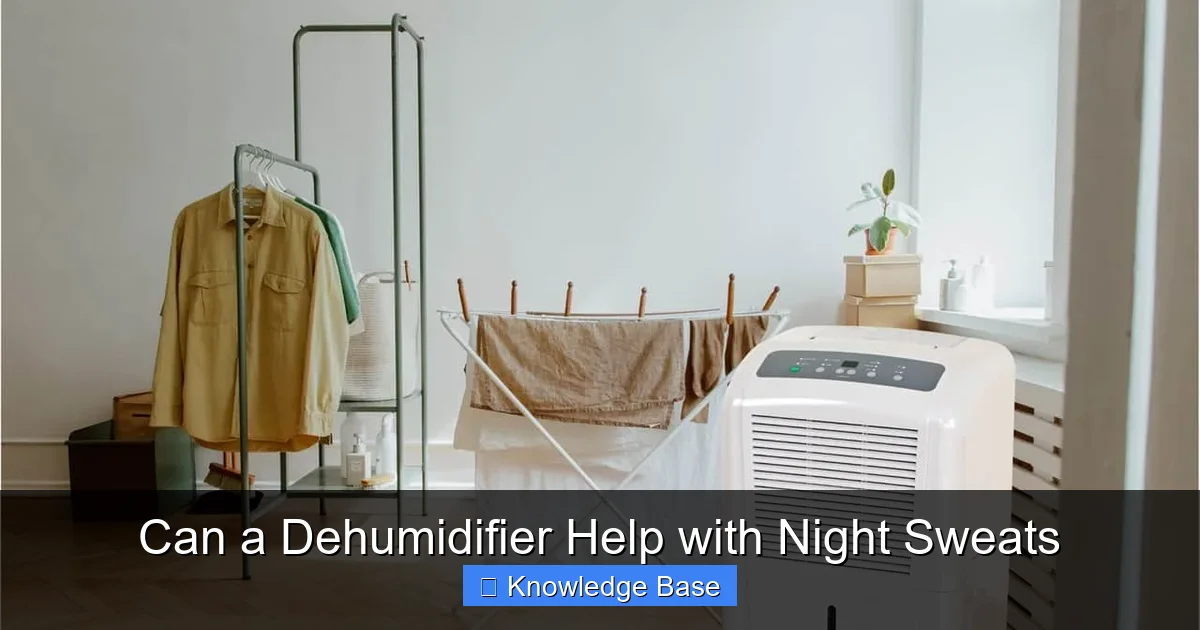
Visual guide about Can a Dehumidifier Help with Night Sweats
Image source: odoranswers.com
Before diving into how a dehumidifier can help, it’s important to understand what night sweats are and why they happen. Night sweats—also known as sleep hyperhidrosis—are episodes of excessive sweating during sleep that are severe enough to soak through clothing and bedding. Unlike normal sweating from a warm room or heavy blankets, night sweats occur independently of external heat and can happen even in cool environments.
There are two main categories of night sweats: primary and secondary. Primary night sweats are not linked to an underlying medical condition and are often triggered by environmental factors like high room temperature, humidity, or heavy sleepwear. Secondary night sweats, on the other hand, are symptoms of an underlying health issue. These can include menopause, hormonal imbalances (like thyroid disorders), infections (such as tuberculosis or HIV), certain medications (like antidepressants), anxiety disorders, or even some cancers like lymphoma.
For many people, especially women going through perimenopause or menopause, night sweats are a frustrating but common part of life. Hormonal fluctuations, particularly drops in estrogen, can disrupt the body’s thermostat—the hypothalamus—leading to sudden hot flashes and sweating at night. Men can also experience night sweats due to low testosterone, stress, or medical conditions.
But even when night sweats have a medical cause, the environment plays a huge role in how severe they feel. A hot, humid bedroom can amplify the discomfort, making it harder to cool down and increasing the likelihood of waking up drenched. This is where a dehumidifier can step in as a supportive tool.
It’s also worth noting that lifestyle factors can contribute to night sweats. Eating spicy foods, drinking alcohol, or consuming caffeine close to bedtime can increase body temperature and trigger sweating. Stress and anxiety can also activate the sympathetic nervous system, leading to increased perspiration during sleep.
Understanding the root cause of your night sweats is the first step toward finding relief. If you’re experiencing frequent, unexplained night sweats—especially if they’re accompanied by weight loss, fever, or fatigue—it’s important to consult a healthcare provider. But for many, environmental adjustments like using a dehumidifier can make a noticeable difference in comfort and sleep quality.
How Humidity Affects Sleep and Sweating

Visual guide about Can a Dehumidifier Help with Night Sweats
Image source: temperaturemaster.com
Humidity—the amount of water vapor in the air—plays a critical role in how comfortable we feel during sleep. When humidity levels are high, the air feels thick and heavy, making it harder for sweat to evaporate from your skin. This is because evaporation, the process that cools your body, depends on the air’s ability to absorb moisture. In humid conditions, the air is already saturated, so sweat lingers on your skin instead of drying up.
Imagine stepping out of a hot shower into a steamy bathroom. Your skin stays wet longer because the air is full of moisture. The same principle applies at night. If your bedroom is humid, your body continues to sweat, but the sweat doesn’t evaporate efficiently. This creates a cycle: you sweat to cool down, but the moisture stays on your skin, making you feel even hotter and more uncomfortable. The result? Restless sleep, frequent awakenings, and that dreaded feeling of waking up in a damp bed.
The ideal indoor humidity level for comfort and health is between 30% and 50%. When humidity rises above 60%, it not only increases the risk of mold and dust mites but also makes your bedroom feel warmer than it actually is. This is known as the “heat index” effect—where high humidity makes the air feel several degrees hotter than the actual temperature. For example, a room at 75°F (24°C) with 80% humidity can feel like 80°F (27°C) or higher.
This is especially problematic during summer months or in naturally humid climates. Even if you set your air conditioner to a cool temperature, high humidity can undermine its effectiveness. Air conditioners do remove some moisture, but they’re not always powerful enough to handle extreme humidity, especially in older homes or poorly insulated rooms.
A dehumidifier works by drawing in humid air, removing the moisture, and releasing drier air back into the room. This process lowers the overall humidity level, making it easier for your body to cool itself through sweat evaporation. As a result, you’re less likely to feel overheated or clammy during the night.
Moreover, lower humidity can improve overall sleep quality. Studies have shown that people sleep better in environments with moderate humidity. High humidity can lead to increased awakenings, lighter sleep stages, and reduced REM sleep—the phase critical for memory consolidation and emotional regulation.
In practical terms, using a dehumidifier can help you feel cooler without cranking up the AC, which saves energy and reduces utility bills. It also helps protect your home from mold, mildew, and musty odors—bonus benefits that contribute to a healthier living environment.
How a Dehumidifier Works to Reduce Night Sweats
Now that we understand why humidity matters, let’s look at how a dehumidifier actually works and how it can help reduce the discomfort of night sweats. At its core, a dehumidifier is a device designed to remove excess moisture from the air. It does this through a process similar to how an air conditioner works, but with a focus on humidity control rather than just cooling.
Most residential dehumidifiers use a refrigeration-based system. Here’s a simple breakdown of how it works: The unit pulls in warm, humid air from the room using a fan. This air passes over cold coils inside the machine, causing the moisture in the air to condense into water droplets. These droplets collect in a built-in tank or are drained directly through a hose. The now-drier air is then reheated slightly and blown back into the room.
This cycle continues until the desired humidity level is reached, which you can usually set using a built-in humidistat. Many modern dehumidifiers allow you to choose a target humidity level—say, 45%—and will automatically turn on and off to maintain it.
So, how does this help with night sweats? By lowering the humidity in your bedroom, a dehumidifier makes it easier for your body to cool itself. When sweat can evaporate quickly, your skin feels cooler, and your core body temperature drops more efficiently. This reduces the intensity and duration of hot flashes and helps prevent that soaked-through feeling.
For example, imagine two identical bedrooms—one with 70% humidity and one with 45%. In the high-humidity room, sweat lingers on your skin, making you feel sticky and overheated. In the lower-humidity room, sweat evaporates almost instantly, leaving you feeling dry and comfortable. Even if your body is still producing sweat due to hormonal changes or stress, the environment is now working with you, not against you.
Another benefit is improved air quality. High humidity encourages the growth of mold, dust mites, and bacteria—all of which can irritate your respiratory system and disrupt sleep. By keeping humidity in check, a dehumidifier creates a cleaner, healthier sleeping environment. This is especially helpful for people with allergies or asthma, who may be more sensitive to airborne irritants.
It’s also worth noting that dehumidifiers come in various sizes and capacities. A small 30-pint unit might be perfect for a bedroom, while larger models are better suited for basements or whole-house use. When choosing a dehumidifier for night sweats, look for one that’s quiet (under 50 decibels), energy-efficient, and equipped with an auto-shutoff feature when the water tank is full.
Some advanced models even include features like programmable timers, remote controls, and air filters to remove allergens. These extras can enhance comfort and convenience, making it easier to maintain a consistent sleep environment night after night.
Choosing the Right Dehumidifier for Your Bedroom
Not all dehumidifiers are created equal, and choosing the right one for your bedroom can make a big difference in how effective it is at reducing night sweats. Here are some key factors to consider when shopping for a dehumidifier:
Size and Capacity
Dehumidifiers are rated by how many pints of moisture they can remove in 24 hours. For a standard bedroom (100–300 square feet), a 30- to 50-pint unit is usually sufficient. If your room is larger or particularly humid, you might need a 70-pint model. Check the manufacturer’s recommendations based on room size and humidity level.
Noise Level
Since you’ll be using the dehumidifier at night, noise is a major concern. Look for models with a noise rating of 50 decibels or lower—about the sound of a quiet conversation. Some brands offer “sleep mode” settings that reduce fan speed for quieter operation.
Energy Efficiency
Dehumidifiers can use a lot of electricity, so choose an Energy Star-certified model to save on energy costs. These units are designed to remove moisture more efficiently, using less power without sacrificing performance.
Drainage Options
Most dehumidifiers collect water in a removable tank that needs to be emptied regularly. For convenience, consider a model with a continuous drainage option—this allows you to attach a hose and drain water directly into a floor drain or sump pump, eliminating the need to empty the tank.
Smart Features
Modern dehumidifiers often come with digital controls, humidity sensors, and programmable timers. Some even connect to Wi-Fi, allowing you to monitor and adjust settings from your smartphone. These features can help you maintain optimal humidity levels without constant manual adjustments.
Placement and Portability
Choose a dehumidifier with wheels or a lightweight design for easy movement. Place it in a central location in your bedroom, away from walls and furniture, to ensure proper airflow. Avoid placing it near heat sources like radiators or direct sunlight.
Maintenance
Regular maintenance is essential for optimal performance. Clean the air filter every few weeks and empty the water tank as needed. Some models have washable filters, which can save money over time.
Popular brands like Frigidaire, hOmeLabs, and GE offer reliable dehumidifiers with a range of features and price points. Reading customer reviews and checking warranty information can also help you make an informed decision.
Complementary Tips to Reduce Night Sweats
While a dehumidifier can be a powerful tool, it works best when combined with other strategies to reduce night sweats. Here are some practical tips to enhance your sleep environment and support your body’s natural cooling process:
Use Breathable Bedding
Choose sheets and pillowcases made from natural, moisture-wicking fabrics like cotton, bamboo, or linen. Avoid synthetic materials like polyester, which trap heat and moisture. Consider using a moisture-wicking mattress protector to keep your bed dry.
Wear Lightweight Sleepwear
Opt for loose-fitting pajamas made from breathable fabrics. Look for sleepwear labeled as “cooling” or “temperature-regulating.” Some brands even offer pajamas with phase-change materials that absorb and release heat to maintain comfort.
Keep Your Bedroom Cool
Use a fan or air conditioner to maintain a comfortable temperature—ideally between 60°F and 67°F (15°C to 19°C). Ceiling fans can improve air circulation, helping sweat evaporate more quickly.
Stay Hydrated
Drinking enough water during the day helps your body regulate temperature more effectively. However, avoid large amounts of fluids right before bed to prevent nighttime bathroom trips.
Limit Triggers Before Bed
Avoid spicy foods, alcohol, caffeine, and heavy meals in the evening. These can raise your core body temperature and increase the likelihood of night sweats.
Manage Stress
Practice relaxation techniques like deep breathing, meditation, or gentle yoga before bed. Stress and anxiety can trigger night sweats, so calming your mind can have a physical impact on your body.
Consider a Cooling Mattress or Pad
If you still struggle with overheating, invest in a cooling mattress topper or a bed fan. These products are designed to draw heat away from your body and improve airflow under the sheets.
Consult a Healthcare Provider
If lifestyle changes and environmental adjustments don’t help, talk to your doctor. They can evaluate you for underlying conditions and recommend treatments like hormone therapy, medication adjustments, or other interventions.
When to See a Doctor About Night Sweats
While a dehumidifier and lifestyle changes can significantly improve comfort, it’s important to recognize when night sweats might signal a more serious issue. If your night sweats are frequent, severe, or accompanied by other symptoms, it’s time to seek medical advice.
Red flags include:
– Night sweats that occur without any environmental triggers
– Sweating so heavy it soaks through multiple layers of clothing and bedding
– Unexplained weight loss
– Persistent fever or chills
– Chronic fatigue or weakness
– Swollen lymph nodes
– Night sweats that disrupt sleep on a regular basis
These symptoms could indicate conditions such as infections, hormonal disorders, autoimmune diseases, or even certain cancers. For example, night sweats are a common early symptom of lymphoma. Menopausal women experiencing intense hot flashes may benefit from hormone therapy or non-hormonal treatments.
A healthcare provider can perform a physical exam, review your medical history, and order tests like blood work, thyroid function tests, or imaging studies to determine the cause. Early diagnosis and treatment can improve outcomes and provide peace of mind.
That said, don’t panic—most night sweats are not caused by serious illness. But it’s always better to be safe and get checked out if you’re concerned.
Conclusion: Can a Dehumidifier Help with Night Sweats?
So, can a dehumidifier help with night sweats? The answer is a resounding yes—especially when humidity is a contributing factor. By reducing moisture in the air, a dehumidifier creates a cooler, drier, and more comfortable sleep environment. This allows your body to regulate temperature more effectively, reduces the clammy feeling of sweat, and helps you stay asleep longer.
However, it’s important to remember that a dehumidifier is not a cure for medical causes of night sweats. It’s a supportive tool that works best when combined with other strategies like breathable bedding, proper ventilation, and healthy sleep habits. If your night sweats are severe or persistent, consulting a healthcare provider is essential to rule out underlying conditions.
For many people, especially those living in humid climates or going through hormonal changes, a dehumidifier can be a simple, cost-effective solution that makes a big difference in sleep quality. It’s not about stopping sweat altogether—it’s about making sweat work for you, not against you.
Investing in a quality dehumidifier, maintaining a cool bedroom, and adopting healthy sleep practices can transform your nights from restless and uncomfortable to peaceful and restorative. Sweet dreams start with the right environment—and sometimes, all it takes is a little less moisture in the air.
Frequently Asked Questions
Can a dehumidifier help with night sweats during menopause?
Yes, a dehumidifier can help reduce the discomfort of menopausal night sweats by lowering bedroom humidity. While it won’t stop hormonal hot flashes, it can make them feel less intense by allowing sweat to evaporate more quickly.
Is it safe to sleep with a dehumidifier on?
Yes, it’s safe to sleep with a dehumidifier running, especially models designed for quiet operation. Just ensure it’s placed on a stable surface and the water tank is emptied regularly to prevent overflow.
How long does it take for a dehumidifier to reduce humidity?
Most dehumidifiers can noticeably reduce humidity within a few hours, especially in a small bedroom. For best results, run it continuously and close windows and doors to prevent outside moisture from entering.
Can a dehumidifier replace an air conditioner?
No, a dehumidifier doesn’t cool the air like an AC. It only removes moisture. However, in humid climates, it can make the room feel cooler by improving sweat evaporation, potentially reducing the need for air conditioning.
Do I need a dehumidifier if I already have AC?
Possibly. Air conditioners remove some moisture, but they may not be enough in very humid areas. A dehumidifier can complement your AC by further reducing humidity and improving comfort.
Can a dehumidifier cause dry skin?
Yes, if humidity drops too low (below 30%), it can dry out your skin and respiratory passages. Use a hygrometer to monitor levels and adjust the dehumidifier to maintain 30–50% humidity.