
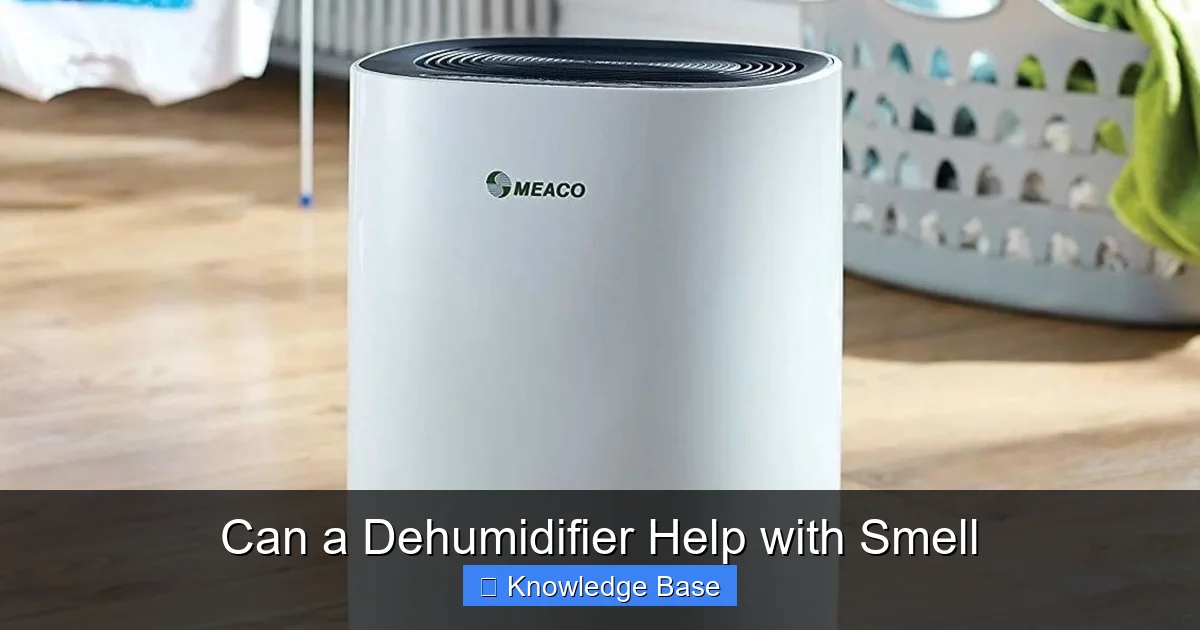
Yes, a dehumidifier can help with smell—especially musty, damp, or mildew-like odors caused by excess moisture. By lowering indoor humidity, it creates an environment where odor-causing mold, bacteria, and mildew can’t thrive. While it won’t eliminate all smells, it’s a powerful tool in preventing and reducing persistent, moisture-related odors.
Key Takeaways
- Dehumidifiers reduce moisture, which is the root cause of many unpleasant smells. High humidity feeds mold, mildew, and bacteria—all common sources of musty odors.
- They work best in damp areas like basements, bathrooms, and laundry rooms. These spaces often have poor ventilation and high moisture levels, making them odor hotspots.
- A dehumidifier won’t remove all odors—especially chemical or food-based smells. It targets moisture-related odors, not airborne particles or strong cooking scents.
- Proper sizing and placement are crucial for effectiveness. A unit too small or placed incorrectly won’t control humidity efficiently.
- Regular maintenance ensures long-term odor control. Cleaning the water tank, filter, and coils prevents mold growth inside the machine.
- Combining a dehumidifier with other odor-fighting methods enhances results. Use air purifiers, ventilation, and cleaning for a complete solution.
- Energy-efficient models save money and reduce environmental impact. Look for ENERGY STAR-rated units for better performance and lower utility bills.
Quick Answers to Common Questions
Can a dehumidifier remove all types of smells?
No, a dehumidifier only targets odors caused by excess moisture, such as mold, mildew, and musty smells. It won’t eliminate food, pet, or chemical odors.
How long does it take for a dehumidifier to reduce odor?
It can take a few days to a few weeks, depending on the severity of the moisture problem. Consistent use is key to seeing results.
Should I run a dehumidifier all the time?
It’s best to run it continuously or use a model with a humidistat that turns it on and off automatically to maintain ideal humidity levels.
Can a dehumidifier make the air too dry?
Yes, if humidity drops below 30%, the air can feel dry. Use a hygrometer to monitor levels and adjust settings as needed.
Do I need a dehumidifier if I have an air purifier?
Yes, they serve different purposes. An air purifier removes particles, while a dehumidifier reduces moisture. Using both gives the best odor control.
📑 Table of Contents
- Can a Dehumidifier Help with Smell? The Surprising Truth
- How Dehumidifiers Fight Odor-Causing Moisture
- Where Dehumidifiers Are Most Effective Against Smells
- Limitations: When a Dehumidifier Won’t Solve the Smell
- Tips for Using a Dehumidifier to Eliminate Odors
- Choosing the Best Dehumidifier for Odor Control
- Conclusion: Is a Dehumidifier Right for Your Smell Problem?
Can a Dehumidifier Help with Smell? The Surprising Truth
If you’ve ever walked into a basement and been hit with that unmistakable damp, earthy smell—or noticed your bathroom always seems to carry a faint mildew scent—you’re not alone. These odors are more than just unpleasant; they’re often signs of excess moisture in your home. And while air fresheners might mask the smell temporarily, they don’t solve the real problem. That’s where a dehumidifier comes in.
You might be wondering: Can a dehumidifier help with smell? The short answer is yes—especially when the odor is linked to humidity. Dehumidifiers don’t spray fragrances or filter out every particle in the air. Instead, they work behind the scenes by removing excess moisture from the air. And since many bad smells thrive in damp environments, reducing humidity can dramatically improve indoor air quality and eliminate those lingering odors.
Think of it this way: mold, mildew, and bacteria love moisture. When the air in your home is too humid—typically above 60% relative humidity—these microorganisms multiply quickly. As they grow, they release volatile organic compounds (VOCs) that create that classic “musty” smell. A dehumidifier lowers the humidity to a healthier range (ideally between 30% and 50%), making it much harder for these odor-causing culprits to survive.
But it’s not just about mold. Damp clothes left in a laundry room, wet towels in a bathroom, or even a leaky pipe can create localized humidity spikes that lead to smells. A dehumidifier helps by maintaining consistent, dry air throughout your space. Over time, this prevents odors from forming in the first place.
Of course, not all smells are caused by moisture. Strong cooking odors, pet smells, or chemical fumes from cleaning products won’t disappear just because you run a dehumidifier. But for persistent, damp-related odors—especially in basements, crawl spaces, or poorly ventilated areas—a dehumidifier is one of the most effective tools you can use.
In this article, we’ll explore exactly how dehumidifiers fight odors, where they work best, and how to use them effectively. We’ll also cover common misconceptions, maintenance tips, and when you might need additional solutions. By the end, you’ll know whether a dehumidifier is the right choice for tackling the smells in your home.
How Dehumidifiers Fight Odor-Causing Moisture
Visual guide about Can a Dehumidifier Help with Smell
Image source: hvacseer.com
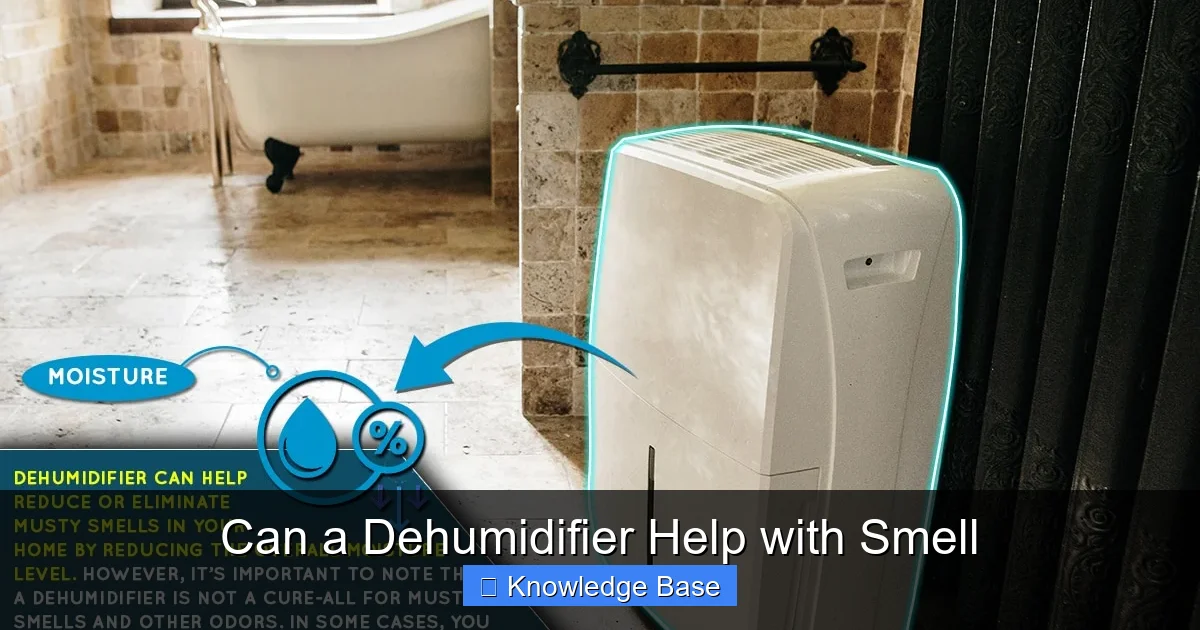
To understand how a dehumidifier helps with smell, it’s important to first grasp the connection between moisture and odor. At its core, the issue isn’t the smell itself—it’s the environment that allows the smell to exist. High humidity creates the perfect breeding ground for mold, mildew, dust mites, and bacteria. These organisms don’t just damage your home; they also release compounds that produce unpleasant odors.
The Science Behind Humidity and Smell
Relative humidity (RH) measures how much moisture is in the air compared to how much it can hold at a given temperature. When RH climbs above 60%, the air becomes saturated with moisture. This excess water vapor settles on surfaces—walls, carpets, furniture, and even clothing—creating damp conditions. Mold spores, which are always present in the air, land on these moist surfaces and begin to grow. As they feed on organic materials like wood, drywall, or fabric, they release musty-smelling gases.
Mildew, a type of surface mold, is especially notorious for its strong, earthy odor. It often appears as black or gray patches in bathrooms, basements, or under sinks. Bacteria also thrive in humid environments, particularly in areas with organic matter—like a damp carpet or a forgotten wet towel. These bacteria break down materials and release foul-smelling byproducts.
Even dust mites, microscopic creatures that feed on dead skin cells, contribute to odor. While they don’t produce a strong smell themselves, their waste and decaying bodies can create a stale, dusty scent—especially in bedding, upholstery, and carpets. All of these issues are directly tied to humidity levels.
How Dehumidifiers Remove Moisture
Dehumidifiers work by pulling humid air into the unit, cooling it to condense the moisture, and then reheating the air before releasing it back into the room. This process is similar to how an air conditioner works, but instead of cooling the air for comfort, the focus is on removing water vapor.
There are two main types of dehumidifiers: refrigerant (compressor-based) and desiccant. Refrigerant models are the most common and work best in warmer climates. They use a cold coil to condense moisture from the air, which then drips into a collection tank. Desiccant dehumidifiers, on the other hand, use a moisture-absorbing material (like silica gel) and are better suited for colder environments, such as unheated basements.
Regardless of the type, the result is the same: drier air. When humidity drops below 50%, mold and mildew struggle to grow. Bacteria and dust mites also become less active. This doesn’t just reduce existing odors—it prevents new ones from forming.
Real-World Examples of Odor Reduction
Imagine a basement that’s been smelling musty for months. The walls feel damp, and there’s a visible patch of mold in the corner. After running a dehumidifier for a few weeks, the air feels fresher, the mold stops spreading, and the smell begins to fade. That’s because the dehumidifier has disrupted the moisture cycle that was feeding the mold.
Or consider a bathroom that always smells like mildew, even after cleaning. The shower curtain is slimy, and the grout between tiles is dark and damp. Installing a dehumidifier—or using a portable one during and after showers—can significantly reduce humidity levels. Over time, the mildew recedes, and the odor disappears.
Even in closets or storage areas, where clothes can develop a stale, damp smell, a small dehumidifier can make a big difference. By keeping the air dry, it prevents moisture from settling on fabrics, which stops musty odors before they start.
Where Dehumidifiers Are Most Effective Against Smells

Visual guide about Can a Dehumidifier Help with Smell
Image source: furnaceheaters.com
Not every room in your home will benefit equally from a dehumidifier. These devices are most effective in areas with high moisture levels and poor ventilation—places where odors tend to linger and grow. Understanding where to use a dehumidifier can help you target problem areas and get the best results.
Basements and Crawl Spaces
Basements are the number one candidate for dehumidifier use. They’re typically below ground level, which means they’re cooler and more prone to dampness. Water can seep through foundation walls, and without proper ventilation, humidity builds up quickly. This creates the perfect conditions for mold and mildew—and the musty smells that come with them.
A dehumidifier in the basement can maintain a healthy humidity level, preventing odors from taking hold. For best results, place the unit in a central location and ensure it’s sized correctly for the space. A 30-pint or 50-pint model is usually sufficient for most basements, depending on square footage and moisture levels.
Crawl spaces are even more challenging. These tight, enclosed areas often have no airflow and are directly exposed to damp soil. Moisture rises from the ground, creating high humidity that can seep into the rest of the home. A crawl space dehumidifier—specifically designed for these environments—can dramatically reduce moisture and eliminate earthy, damp odors.
Bathrooms and Laundry Rooms
Bathrooms are natural humidity hotspots. Hot showers release gallons of water vapor into the air, and without proper exhaust fans, that moisture lingers. Over time, it settles on walls, mirrors, and shower curtains, feeding mold and mildew. The result? A persistent mildew smell that’s hard to eliminate.
Running a dehumidifier in or near the bathroom—especially during and after showers—can help. Some homeowners use small, portable units, while others install whole-house dehumidifiers with ducting to specific rooms. Pairing a dehumidifier with an exhaust fan gives you double protection against moisture and odor.
Laundry rooms face similar challenges. Wet clothes, especially if left in the washer too long, can create a damp, sour smell. Dryers that vent indoors (which is not recommended) add even more moisture to the air. A dehumidifier helps by pulling excess humidity from the room, reducing the risk of mildew on walls and preventing that “wet laundry” odor from spreading.
Closets and Storage Areas
Have you ever opened a closet and been hit with a musty smell? That’s often due to trapped moisture. Clothes stored in damp conditions—especially in basements or attics—can absorb humidity and develop a stale odor. Leather shoes, books, and cardboard boxes are particularly vulnerable.
A small, quiet dehumidifier designed for closets can make a big difference. These compact units are often desiccant-based and run silently, making them ideal for enclosed spaces. By keeping the air dry, they prevent mold growth and preserve the quality of stored items.
Whole-Home Solutions
For homes with widespread humidity issues, a whole-house dehumidifier may be the best option. These systems are integrated into your HVAC system and treat the entire home. They’re especially useful in humid climates or older homes with poor insulation and ventilation.
Whole-house dehumidifiers maintain consistent humidity levels throughout the day, reducing the risk of odors in multiple rooms. They’re more expensive upfront but offer long-term savings on energy and maintenance. Plus, they improve overall indoor air quality, which benefits your health and comfort.
Limitations: When a Dehumidifier Won’t Solve the Smell
While dehumidifiers are powerful tools for fighting moisture-related odors, they’re not a cure-all. It’s important to understand their limitations so you can set realistic expectations and combine them with other solutions when needed.
Non-Moisture-Related Odors
Dehumidifiers target humidity, not airborne particles or chemical smells. If your home smells like burnt food, pet urine, cigarette smoke, or cleaning chemicals, a dehumidifier won’t help. These odors come from sources that aren’t tied to moisture, so reducing humidity won’t eliminate them.
For example, if your kitchen smells like last night’s fish dinner, the issue is lingering food particles and grease in the air. An air purifier with a carbon filter would be more effective. Similarly, pet odors from carpets or furniture require deep cleaning and enzymatic treatments, not just drier air.
Severe Mold Infestations
A dehumidifier can prevent mold growth, but it can’t remove existing mold. If you have a large mold problem—especially black mold—you’ll need professional remediation. Running a dehumidifier after cleanup helps prevent recurrence, but it’s not a substitute for proper mold removal.
Ignoring a serious mold issue can lead to health problems, including respiratory issues and allergies. If you see extensive mold or smell a strong, persistent musty odor, consult a professional before relying solely on a dehumidifier.
Poor Ventilation and Airflow
Dehumidifiers work best when air can circulate freely. In tightly sealed rooms with no airflow, moisture can become trapped, reducing the unit’s effectiveness. If your home is well-insulated but lacks ventilation, you may need to combine a dehumidifier with exhaust fans or open windows (when weather permits) to improve air exchange.
In some cases, the root cause of high humidity isn’t indoor moisture but poor ventilation. For example, a bathroom without an exhaust fan will continue to accumulate steam, even with a dehumidifier running. Addressing the ventilation issue is essential for long-term odor control.
Incorrect Sizing or Placement
Using a dehumidifier that’s too small for the space is a common mistake. A 20-pint unit might work in a small closet, but it won’t make a dent in a large, damp basement. Similarly, placing the unit in a corner or behind furniture can block airflow and reduce efficiency.
Always check the manufacturer’s recommendations for room size and humidity level. For best results, place the dehumidifier in an open area with good air circulation. Some models come with built-in humidistats, which automatically adjust operation based on current humidity levels.
Tips for Using a Dehumidifier to Eliminate Odors
Getting the most out of your dehumidifier requires more than just plugging it in and walking away. With the right setup and maintenance, you can maximize its odor-fighting power and keep your home smelling fresh.
Choose the Right Size and Type
Dehumidifiers are rated by how many pints of moisture they can remove in 24 hours. A 30-pint model is suitable for a moderately damp 1,000-square-foot basement, while a 70-pint unit may be needed for a large, very wet space. Check the product specifications and consider your home’s humidity level when choosing.
Also, consider the climate. Refrigerant dehumidifiers work best above 65°F, while desiccant models perform well in colder temperatures. If you’re using the unit in an unheated basement, a desiccant dehumidifier might be the better choice.
Place It Strategically
Position your dehumidifier in a central location with good airflow. Avoid placing it near walls, furniture, or curtains that can block intake or exhaust vents. If you’re targeting a specific room, like a bathroom or closet, place the unit as close as possible to the source of moisture.
For whole-house systems, ensure the ductwork is properly installed and balanced. Poor airflow can reduce efficiency and leave some areas still humid.
Maintain It Regularly
A dirty dehumidifier can become a source of odor itself. Mold and bacteria can grow in the water tank, filter, and coils if not cleaned regularly. Empty the water tank daily or use a unit with a continuous drainage option. Clean the filter monthly with warm, soapy water, and wipe down the interior with a mild disinfectant.
Some models have washable filters, while others require replacement. Follow the manufacturer’s instructions to keep the unit running efficiently and odor-free.
Monitor Humidity Levels
Use a hygrometer to check the relative humidity in your home. Aim to keep it between 30% and 50%. If it’s too low, you may feel dry or experience static electricity. If it’s too high, odors and mold can return.
Many modern dehumidifiers have built-in humidistats that automatically turn the unit on and off to maintain your desired humidity level. This saves energy and ensures consistent performance.
Combine with Other Solutions
For best results, use a dehumidifier as part of a comprehensive odor-control strategy. Pair it with:
– Exhaust fans in bathrooms and kitchens
– Air purifiers with HEPA and carbon filters
– Regular cleaning to remove mold and mildew
– Proper ventilation and window use when possible
– Fixing leaks and water intrusions promptly
This multi-pronged approach tackles both the symptoms and root causes of indoor odors.
Choosing the Best Dehumidifier for Odor Control
Not all dehumidifiers are created equal. When your goal is to eliminate smells, you’ll want a model that’s powerful, efficient, and easy to maintain. Here’s what to look for when shopping.
Capacity and Coverage
Choose a dehumidifier with enough capacity for your space. Look for the pint rating and match it to your room size and humidity level. A unit that’s too small will run constantly and still fail to control moisture.
Energy Efficiency
Dehumidifiers can use a lot of electricity, especially if they run frequently. Look for ENERGY STAR-certified models, which are up to 15% more efficient than standard units. This saves money on your utility bill and reduces environmental impact.
Noise Level
Some dehumidifiers can be noisy, especially compressor-based models. If you plan to use it in a living area or bedroom, check the decibel rating. Desiccant models are generally quieter, making them better for quiet spaces.
Smart Features
Modern dehumidifiers often come with helpful features like:
– Built-in humidistats
– Auto-defrost (for cold environments)
– Continuous drainage options
– Timer and remote control
– Filter change indicators
These features make operation easier and improve performance.
Brand and Warranty
Stick with reputable brands known for reliability and customer support. Check the warranty—most offer 1-2 years, but some premium models come with longer coverage. Read reviews to see how the unit performs in real-world conditions.
Conclusion: Is a Dehumidifier Right for Your Smell Problem?
So, can a dehumidifier help with smell? Absolutely—if the odor is linked to excess moisture. By reducing humidity, it creates an environment where mold, mildew, and bacteria can’t thrive. This leads to fewer odors, better air quality, and a more comfortable home.
But remember: a dehumidifier is not a magic solution. It works best when combined with good ventilation, regular cleaning, and prompt repairs of leaks or water damage. It won’t eliminate all smells, especially those from cooking, pets, or chemicals. But for musty, damp, or mildew-like odors, it’s one of the most effective tools available.
If you’re dealing with persistent smells in a basement, bathroom, or closet, a dehumidifier is worth considering. Choose the right size, place it correctly, and maintain it regularly. Over time, you’ll notice not just a reduction in odor, but also a fresher, healthier living environment.
Investing in a quality dehumidifier isn’t just about eliminating smells—it’s about protecting your home and your health. And that’s something worth breathing easy about.
Frequently Asked Questions
How does a dehumidifier help with musty smells?
A dehumidifier reduces indoor humidity, which prevents mold and mildew from growing. Since these organisms cause musty odors, lowering moisture levels eliminates the source of the smell.
Can a dehumidifier prevent mold growth?
Yes, by keeping humidity below 50%, a dehumidifier creates an environment where mold struggles to grow. It’s an effective preventive measure, especially in damp areas.
Where should I place a dehumidifier for best odor control?
Place it in a central, open area with good airflow, such as the middle of a basement or laundry room. Avoid corners or behind furniture.
Do dehumidifiers use a lot of electricity?
They can, especially if run constantly. Choose an ENERGY STAR-certified model to reduce energy consumption and lower utility bills.
How often should I clean my dehumidifier?
Empty the water tank daily, clean the filter monthly, and wipe down the interior every few months to prevent mold and bacteria buildup.
Can a dehumidifier help with pet odors?
Only if the odor is due to moisture, such as damp pet bedding. For urine or dander smells, you’ll need cleaning and an air purifier.