
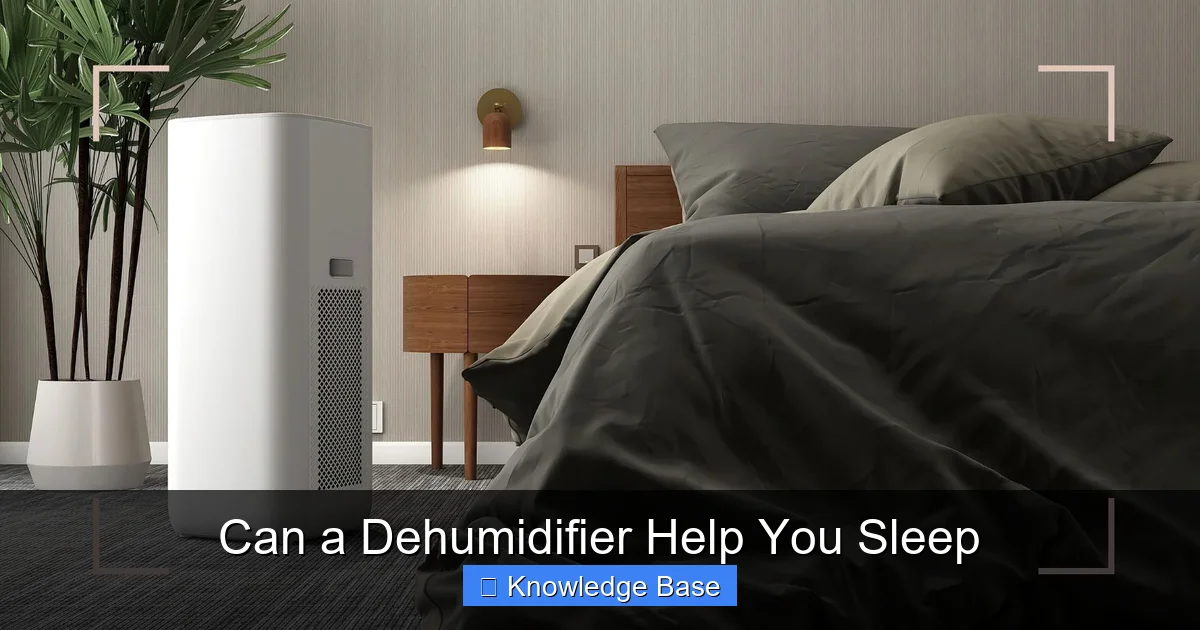
Yes, a dehumidifier can help you sleep better by reducing excess moisture in the air, which improves comfort, eases breathing, and minimizes allergens like dust mites and mold. By creating a drier, more balanced bedroom environment, it supports deeper, uninterrupted rest—especially for those with allergies, asthma, or sensitivity to humidity.
Key Takeaways
- Improves Air Quality: Dehumidifiers reduce moisture, which helps prevent mold, mildew, and dust mites—common triggers for allergies and respiratory issues that disrupt sleep.
- Enhances Comfort: High humidity makes the air feel sticky and warm, making it harder to cool down at night. A dehumidifier helps maintain a comfortable, breathable environment.
- Supports Respiratory Health: Lower humidity levels can ease breathing for people with asthma, allergies, or sleep apnea, leading to fewer nighttime awakenings.
- Reduces Night Sweats: By pulling excess moisture from the air, dehumidifiers help regulate body temperature, reducing the likelihood of overheating and sweating during sleep.
- Minimizes Odors and Musty Smells: Damp environments often develop unpleasant odors. A dehumidifier keeps your bedroom smelling fresh and clean.
- Protects Your Home and Bedding: Excess moisture can damage walls, furniture, and bedding. Using a dehumidifier helps preserve your sleep space and extends the life of your mattress and linens.
- Works Best in Moderate to High Humidity: Dehumidifiers are most effective in areas with humidity levels above 50%, such as basements, coastal regions, or humid summer months.
Quick Answers to Common Questions
Can a dehumidifier help with night sweats?
Yes, a dehumidifier can reduce night sweats by lowering humidity, which helps your body cool down more efficiently and prevents excessive sweating.
Is it safe to run a dehumidifier all night?
Yes, it’s safe to run a dehumidifier overnight. Just make sure it has an auto-shutoff feature and is placed in a well-ventilated area.
Will a dehumidifier make my room too dry?
Not if you set it correctly. Aim for 30–50% humidity. Most models have adjustable settings to prevent over-drying.
Can a dehumidifier replace an air conditioner?
No, a dehumidifier removes moisture but doesn’t cool the air. It works best alongside AC to improve comfort.
How often should I clean my dehumidifier?
Clean the filter monthly and empty the water tank daily during humid weather to maintain efficiency and hygiene.
📑 Table of Contents
- Can a Dehumidifier Help You Sleep?
- How Humidity Affects Your Sleep
- The Science Behind Dehumidifiers and Sleep Quality
- Allergies, Asthma, and Better Breathing at Night
- Creating a Comfortable Sleep Environment
- Choosing the Right Dehumidifier for Your Bedroom
- Tips for Using a Dehumidifier Effectively
- Common Misconceptions About Dehumidifiers
- When a Dehumidifier Might Not Be the Answer
- Conclusion
Can a Dehumidifier Help You Sleep?
If you’ve ever woken up feeling sticky, congested, or just plain uncomfortable, the problem might not be your mattress—it could be the air in your bedroom. Humidity plays a surprisingly big role in how well we sleep. Too much moisture in the air can make it feel hotter than it actually is, trigger allergies, and even worsen breathing problems. That’s where a dehumidifier comes in.
A dehumidifier is a device designed to remove excess moisture from the air, helping to maintain a balanced indoor humidity level—typically between 30% and 50%. While many people associate dehumidifiers with basements or laundry rooms, they can be a game-changer in the bedroom, especially if you live in a humid climate or struggle with sleep quality. By creating a drier, more comfortable environment, a dehumidifier can help you fall asleep faster, stay asleep longer, and wake up feeling refreshed.
But how exactly does it work? And is it really worth the investment? In this article, we’ll explore the science behind humidity and sleep, explain how dehumidifiers improve your nightly rest, and offer practical tips for choosing and using one effectively. Whether you’re dealing with night sweats, allergies, or just want a cooler, more peaceful sleep environment, a dehumidifier might be the simple solution you’ve been missing.
How Humidity Affects Your Sleep

Visual guide about Can a Dehumidifier Help You Sleep
Image source: cdn.mos.cms.futurecdn.net
Before we dive into how a dehumidifier can help, it’s important to understand why humidity matters for sleep. Humidity refers to the amount of water vapor in the air. When humidity is too high, the air feels heavy, sticky, and warm—even if the thermostat says it’s cool. This can make it harder for your body to regulate its temperature, which is crucial for falling and staying asleep.
Your body naturally cools down as you prepare for sleep. This process, called thermoregulation, helps signal to your brain that it’s time to rest. But when the air is humid, sweat doesn’t evaporate as easily from your skin. As a result, you may feel overheated, clammy, or uncomfortable, making it difficult to drift off. Even if you do fall asleep, high humidity can lead to frequent awakenings, lighter sleep stages, and reduced sleep quality overall.
On the flip side, air that’s too dry can also be problematic. Extremely low humidity can dry out your nasal passages, throat, and skin, leading to irritation, snoring, or even nosebleeds. That’s why the ideal indoor humidity level for sleep is between 30% and 50%. This range supports comfortable breathing, prevents overheating, and minimizes allergens.
For example, imagine trying to sleep on a hot, muggy summer night with no air conditioning. Even if you’re under a fan, the air feels thick and hard to breathe. You toss and turn, your sheets feel damp, and you wake up multiple times feeling unrested. Now picture the same night, but with a dehumidifier running quietly in the corner. The air feels lighter, your skin stays dry, and you fall into a deep, uninterrupted sleep. That’s the power of balanced humidity.
The Science Behind Dehumidifiers and Sleep Quality

Visual guide about Can a Dehumidifier Help You Sleep
Image source: bestdehumidifier.reviews
So, how does a dehumidifier actually improve sleep? It all comes down to science. Dehumidifiers work by pulling in moist air, cooling it to condense the water vapor, and then releasing dry air back into the room. This process reduces the overall humidity level, creating a more comfortable and healthier environment for sleep.
One of the biggest benefits is improved thermoregulation. When the air is less humid, your body can cool itself more efficiently through sweat evaporation. This helps you reach the lower core body temperature needed for deep sleep. Studies have shown that people sleep better in environments with moderate humidity because their bodies aren’t fighting to stay cool.
Another key factor is respiratory health. High humidity encourages the growth of mold, mildew, and dust mites—common allergens that can trigger sneezing, coughing, congestion, and even asthma attacks. These symptoms are especially disruptive at night, when lying down can worsen congestion. By reducing moisture, a dehumidifier helps keep these allergens in check, making it easier to breathe and sleep peacefully.
For people with sleep apnea or other breathing disorders, lower humidity can also reduce airway resistance. Dry air is easier to breathe through, which may decrease snoring and improve oxygen flow during sleep. While a dehumidifier isn’t a cure for sleep apnea, it can be a helpful complementary tool when used alongside other treatments like CPAP machines.
Additionally, dehumidifiers can reduce night sweats. If you often wake up drenched in sweat, it might not just be hormones or room temperature—it could be high humidity. When the air is saturated with moisture, your body struggles to cool down, leading to excessive sweating. A dehumidifier helps maintain a balanced environment, so you stay dry and comfortable all night.
Allergies, Asthma, and Better Breathing at Night
If you suffer from allergies or asthma, you know how much they can interfere with sleep. Congestion, itchy eyes, and constant sneezing make it hard to relax, and lying down can worsen symptoms. One of the main culprits? Indoor allergens that thrive in humid environments.
Dust mites, for example, are microscopic creatures that live in bedding, carpets, and upholstery. They feed on dead skin cells and reproduce rapidly in warm, moist conditions. According to the American Lung Association, dust mites are a leading cause of allergic reactions and asthma flare-ups. They’re also most active at night, when you’re breathing them in for hours at a time.
Mold is another major issue. It grows in damp areas like bathrooms, basements, and even behind walls. Mold spores float in the air and can trigger coughing, wheezing, and difficulty breathing—especially in sensitive individuals. High humidity creates the perfect breeding ground for mold, making it harder to control without intervention.
A dehumidifier directly addresses these problems by lowering indoor humidity. When the air is drier, dust mites struggle to survive, and mold growth slows significantly. This means fewer allergens in your bedroom, leading to clearer airways and more restful sleep.
For example, Sarah, a 34-year-old teacher from Florida, struggled with chronic nighttime congestion and frequent asthma attacks. Her doctor suggested using a dehumidifier in her bedroom. After just two weeks, she noticed a dramatic improvement. “I used to wake up every night coughing,” she says. “Now I sleep through the night and wake up feeling clear-headed.”
Even if you don’t have diagnosed allergies, a dehumidifier can still help. Many people are sensitive to dust and mold without realizing it. Reducing humidity can lead to subtle but meaningful improvements in sleep quality, energy levels, and overall well-being.
Creating a Comfortable Sleep Environment
Sleep isn’t just about the bed you sleep on—it’s about the entire environment. Temperature, lighting, noise, and air quality all play a role. And when it comes to air quality, humidity is a critical but often overlooked factor.
Think of your bedroom as a sanctuary for rest. You want it to feel cool, dry, and inviting. High humidity can make even the most comfortable mattress feel clammy and unwelcoming. Sheets stick to your skin, pillows feel damp, and the air feels heavy. It’s hard to relax when your body is constantly fighting discomfort.
A dehumidifier helps create that ideal sleep sanctuary. By maintaining a balanced humidity level, it allows your bedding to stay dry and breathable. This is especially important for people who sleep hot or live in tropical climates. Even if you use air conditioning, it may not be enough to control humidity—especially in older homes or poorly insulated rooms.
For instance, Mark, a software developer in Houston, used to sleep with the AC cranked to 68°F but still woke up sweaty. He added a dehumidifier to his bedroom and noticed an immediate difference. “I don’t need the AC as low anymore,” he says. “The air feels lighter, and I’m not waking up in a puddle.”
Dehumidifiers also help reduce musty odors. Damp rooms often develop a stale, earthy smell that can be distracting or unpleasant. By removing excess moisture, a dehumidifier keeps your bedroom smelling fresh and clean—another small but important factor in creating a relaxing sleep environment.
Additionally, a drier room can improve the performance of other sleep aids. For example, if you use a fan or air purifier, it will work more effectively in a low-humidity environment. Fans help circulate air and promote cooling, but they’re less effective when the air is already saturated with moisture. Similarly, air purifiers are better at capturing allergens when humidity is controlled.
Choosing the Right Dehumidifier for Your Bedroom
Not all dehumidifiers are created equal. Choosing the right one for your bedroom depends on several factors, including room size, humidity level, noise level, and energy efficiency. Here’s what to look for:
Size and Capacity
Dehumidifiers are rated by how many pints of moisture they can remove in 24 hours. For a standard bedroom (100–300 square feet), a unit that removes 20–30 pints per day is usually sufficient. Larger rooms or extremely humid areas may require a 50-pint model. Check the product specifications and match them to your room size.
Noise Level
Since you’ll be sleeping near the dehumidifier, noise is a big concern. Look for models with a noise level below 50 decibels (dB)—about the sound of a quiet conversation. Many modern dehumidifiers feature quiet operation modes or sleep settings that minimize fan noise.
Energy Efficiency
Dehumidifiers run for hours at a time, so energy use matters. Look for ENERGY STAR-certified models, which use up to 15% less energy than standard units. This not only saves money on electricity but also reduces environmental impact.
Auto Features
Advanced models come with helpful features like auto-humidistats, which monitor and maintain your desired humidity level. Others have auto-shutoff when the water tank is full, or continuous drainage options so you don’t have to empty it manually.
Portability and Design
If you plan to move the dehumidifier between rooms, choose a lightweight model with wheels. Also consider the design—some units are sleek and blend well with bedroom decor, while others are more industrial.
For example, the hOmeLabs 50-Pint Dehumidifier is a popular choice for bedrooms. It’s energy-efficient, quiet, and has a built-in pump for continuous drainage. Another great option is the Frigidaire FFAD7033R1, which offers precise humidity control and a washable filter.
Tips for Using a Dehumidifier Effectively
Once you’ve chosen the right dehumidifier, using it correctly is key to maximizing its sleep benefits. Here are some practical tips:
Place It Strategically
Position the dehumidifier in the center of the room or near the source of moisture (like a window or closet). Keep it at least 6–12 inches away from walls to allow proper airflow.
Set the Right Humidity Level
Aim for a humidity level between 30% and 50%. Use the built-in humidistat or a separate hygrometer to monitor levels. Avoid setting it too low, as overly dry air can cause irritation.
Run It at Night
Turn on the dehumidifier during your sleep hours. Many models have timers, so you can set it to run from 10 PM to 7 AM, for example.
Empty the Tank Regularly
Check the water tank daily, especially in humid weather. Some models alert you when the tank is full, but it’s good practice to monitor it.
Clean the Filter Monthly
A dirty filter reduces efficiency and can spread dust. Most dehumidifiers have washable filters—rinse them with water and let them dry completely before replacing.
Use with Other Sleep Aids
Combine your dehumidifier with blackout curtains, a white noise machine, or a comfortable mattress for the best results. It’s all about creating a holistic sleep environment.
Common Misconceptions About Dehumidifiers
Despite their benefits, dehumidifiers are often misunderstood. Let’s clear up a few common myths:
“Dehumidifiers Are Only for Basements”
While basements are prone to dampness, bedrooms—especially in humid climates—can also benefit. Any room with poor ventilation or high moisture levels is a candidate.
“They’re Too Noisy for Bedrooms”
Modern dehumidifiers are much quieter than older models. Many operate below 50 dB, making them suitable for nighttime use.
“They Dry Out the Air Too Much”
Most dehumidifiers have adjustable settings, so you can control the humidity level. As long as you keep it between 30% and 50%, the air won’t feel dry or uncomfortable.
“They’re Expensive to Run”
Energy-efficient models use relatively little electricity—often less than a standard light bulb. The cost is usually under $10 per month, depending on usage and local rates.
“They Replace Air Conditioning”
Dehumidifiers don’t cool the air like AC units. They reduce humidity, which can make the room feel cooler, but they don’t lower the temperature. For best results, use them alongside your AC.
When a Dehumidifier Might Not Be the Answer
While dehumidifiers offer many sleep benefits, they’re not a cure-all. In some cases, other solutions may be more effective.
If your sleep issues are primarily due to stress, anxiety, or poor sleep hygiene, a dehumidifier won’t solve the root problem. Similarly, if your room is too cold or too noisy, adjusting the thermostat or using earplugs may be more helpful.
Also, dehumidifiers are less effective in very dry climates. If your indoor humidity is already below 30%, adding a dehumidifier could make the air too dry, leading to irritation. In such cases, a humidifier might be more appropriate.
Finally, if you have severe sleep disorders like chronic insomnia or untreated sleep apnea, consult a healthcare professional. A dehumidifier can support better sleep, but it’s not a substitute for medical treatment.
Conclusion
So, can a dehumidifier help you sleep? The answer is a resounding yes—especially if you live in a humid environment, struggle with allergies, or frequently wake up feeling overheated or congested. By reducing excess moisture in the air, a dehumidifier creates a cooler, drier, and more comfortable sleep environment. It helps your body regulate temperature, eases breathing, and minimizes allergens like dust mites and mold.
While it’s not a magic fix for every sleep issue, a dehumidifier is a simple, effective tool that can make a meaningful difference in your nightly rest. Combined with good sleep hygiene, a comfortable mattress, and a peaceful bedroom setup, it can help you fall asleep faster, stay asleep longer, and wake up feeling truly refreshed.
If you’re ready to improve your sleep quality, consider adding a dehumidifier to your bedroom. With the right model and proper use, you might just discover the secret to deeper, more restful nights.
Frequently Asked Questions
Do dehumidifiers help with snoring?
Yes, by reducing humidity and improving air quality, dehumidifiers can ease nasal congestion and reduce snoring, especially for those with allergies or mild sleep apnea.
Can a dehumidifier improve sleep apnea symptoms?
While not a treatment, a dehumidifier can help by keeping airways clearer and reducing congestion, which may improve breathing during sleep when used with other therapies.
Are dehumidifiers noisy?
Modern dehumidifiers are designed to be quiet, with many operating below 50 decibels—quieter than a whisper or soft conversation.
How long does it take for a dehumidifier to work?
Most dehumidifiers start reducing humidity within a few hours. You’ll notice improved comfort and air quality within 1–2 days of consistent use.
Can I use a dehumidifier in winter?
Yes, especially in damp areas like basements. However, in very cold rooms, some models may frost up—look for cold-weather or auto-defrost features.
Do dehumidifiers use a lot of electricity?
Energy-efficient models use minimal power, typically costing less than $10 per month to run, depending on usage and local electricity rates.