
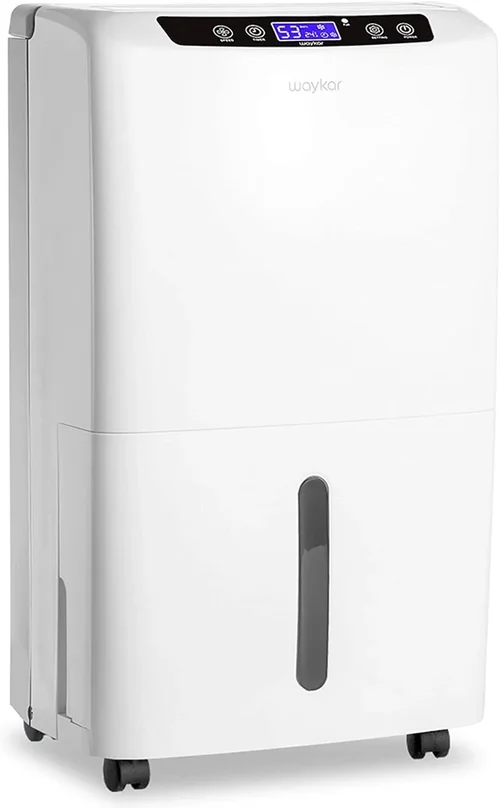
If you’ve ever walked into a basement that smells like wet socks, noticed mold creeping along your bathroom walls, or felt that sticky, heavy air that makes every breath feel like a workout—then you already know why a dehumidifier matters. Excess moisture in your home isn’t just uncomfortable; it’s a silent threat to your health, your belongings, and even the structural integrity of your house. From triggering asthma and allergies to warping wood furniture and damaging electronics, high humidity levels can cause problems that are costly and difficult to reverse. That’s where a reliable dehumidifier comes in—not as a luxury, but as a necessary appliance for maintaining a healthy, comfortable living environment.
This guide is designed to cut through the noise and help you make a smart, informed decision when choosing the best dehumidifier brand for your needs. With dozens of manufacturers flooding the market—each claiming to offer “the most powerful,” “the quietest,” or “the most energy-efficient” model—it’s easy to feel overwhelmed. But not all dehumidifiers are created equal. Some brands prioritize cutting-edge technology and long-term durability, while others focus on affordability at the expense of performance. Our goal here is to give you the tools to evaluate what truly matters: real-world performance, build quality, customer support, and value over time. Whether you’re dealing with a damp crawl space, a humid coastal climate, or seasonal mold issues, this guide will walk you through every critical factor so you can invest wisely.
The dehumidifier market has evolved significantly over the past decade. What was once a niche appliance found only in basements or industrial settings has now become a mainstream household essential, especially in regions with high humidity or older homes prone to moisture buildup. Today’s models range from compact units perfect for small bathrooms to heavy-duty commercial-grade machines capable of extracting over 70 pints of water per day. Brands like Frigidaire, Honeywell, GE, Danby, and AprilAire have established strong reputations, while newer entrants like Midea and hOmeLabs are shaking up the space with innovative features and aggressive pricing. With such variety, the key isn’t just finding a dehumidifier—it’s finding the right brand that aligns with your specific needs, budget, and expectations for reliability.
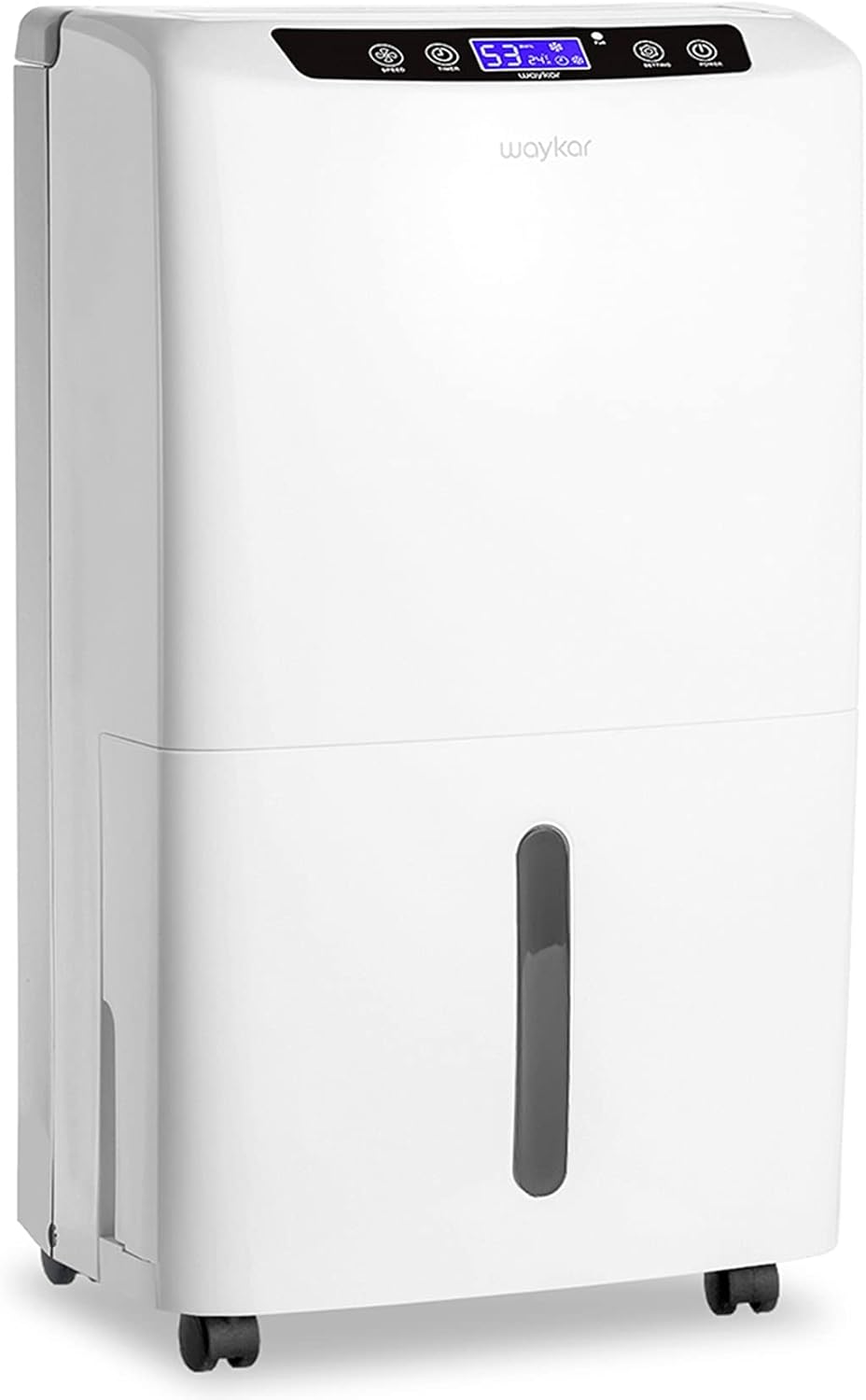
What to Look for When Buying Buying Guide
1. Budget & Price Range
Your budget is often the first filter when shopping for a dehumidifier, but it shouldn’t be the only one. Prices can range from under $100 for basic compact models to over $800 for high-capacity, smart-enabled units. While it’s tempting to go for the cheapest option, especially if you’re only dealing with minor dampness, skimping on price can lead to higher long-term costs due to poor efficiency, frequent breakdowns, or inadequate performance. On the flip side, spending top dollar doesn’t always guarantee the best results—some premium models come with bells and whistles you may never use.
A good rule of thumb is to align your budget with the severity of your humidity problem. For a small closet or bathroom under 500 square feet, a $100–$150 unit may suffice. For a full basement or large living area (1,500+ sq ft), expect to spend $250–$400 for a model that can handle the load without constant cycling. If you live in a tropical or coastal region where humidity stays above 60% year-round, investing in a mid-to-high-tier unit ($400–$600) from a reputable brand will pay off in energy savings and durability. Always consider the total cost of ownership—not just the sticker price—but also electricity usage, filter replacements, and potential repair costs.
2. Performance Specifications
Performance specs are where many buyers get tripped up, but they’re arguably the most important factor in determining whether a dehumidifier will actually solve your problem. The two key metrics to focus on are pint capacity and coverage area. Pint capacity refers to how much moisture the unit can remove in 24 hours under standard testing conditions (typically 60% relative humidity at 80°F). For example, a 30-pint dehumidifier is suitable for a moderately damp 1,000-square-foot space, while a 50-pint model is better for larger or wetter areas.
Coverage area is equally critical. A unit rated for “up to 2,000 sq ft” might struggle in a poorly insulated basement with poor airflow, even if the space is only 1,200 sq ft. Always err on the side of a slightly larger capacity—especially if your space has high ceilings, poor ventilation, or frequent water intrusion. Also pay attention to the unit’s operating temperature range. Most residential dehumidifiers work best between 65°F and 80°F. If you’re using it in an unheated garage or crawl space that drops below 60°F, look for a model specifically designed for low-temperature operation (often labeled as “cold climate” or “low-temp” models), which use specialized compressors and defrost systems.
3. Build Quality & Durability
A dehumidifier is not a disposable appliance—it’s meant to run continuously for years, often in harsh environments like basements or garages. That’s why build quality matters more than flashy features. Look for units with robust casings made from thick, impact-resistant plastic or metal components, especially around the compressor and condenser coils. Internal components should be well-protected from dust and moisture, and the water tank (if included) should be easy to remove and clean without cracking.
Pay attention to the type of compressor used. Rotary compressors are generally quieter and more efficient than reciprocating ones, making them ideal for living spaces. Also check the quality of the evaporator and condenser coils—units with copper or coated aluminum coils resist corrosion better, especially in high-humidity environments. Brands that use sealed or hermetically sealed compressors tend to have longer lifespans because they’re less prone to refrigerant leaks. Finally, inspect the wheels and handles. A dehumidifier that’s difficult to move will likely end up staying in one spot, even if that’s not the most effective location for moisture control.
4. Features & Functionality
Modern dehumidifiers come packed with features, but not all are worth the extra cost. Start with the essentials: adjustable humidity settings (usually via a built-in hygrometer), automatic shut-off when the tank is full, and a continuous drainage option. The latter is crucial if you don’t want to empty a bucket every few hours—especially in high-humidity areas. A hose connection allows you to route water directly to a floor drain, sump pump, or utility sink, making maintenance nearly hands-free.
Smart features are becoming more common. Wi-Fi connectivity lets you monitor and control the unit via smartphone apps, set schedules, or receive alerts when the tank is full. While convenient, these features add cost and complexity—only invest if you’ll actually use them. Other useful additions include washable filters (to reduce replacement costs), auto-restart after power outages, and defrost functions for cold environments. Avoid models with overly complicated interfaces or unnecessary “eco modes” that may reduce performance. Simplicity and reliability often trump gimmicks.
5. Brand Reputation
Not all brands are created equal when it comes to dehumidifiers. Some have decades of experience in climate control, while others are generic manufacturers rebranding the same units under different names. Established brands like Frigidaire, Honeywell, and GE have proven track records, extensive service networks, and consistent quality control. They’re more likely to honor warranties, provide replacement parts, and offer responsive customer support.
Newer brands like Midea and hOmeLabs have gained popularity by offering high-capacity units at competitive prices, often with modern designs and smart features. While they can be excellent value picks, their long-term reliability is still being tested. Always research brand reputation through independent reviews, consumer reports, and user forums. Look for patterns—consistent complaints about compressor failure, poor customer service, or short lifespans are red flags. A strong brand doesn’t just sell a product; it stands behind it.
6. Warranty & Support
A dehumidifier is a mechanical device with moving parts, and things can—and do—go wrong. That’s why warranty coverage is a critical factor. Most reputable brands offer at least a one-year limited warranty, but some go further. For example, AprilAire provides a five-year warranty on compressors, while Danby offers up to three years on select models. Longer warranties often indicate confidence in product durability.
Beyond the length of coverage, consider what’s included. Does the warranty cover labor, parts, and shipping? Is it voided if you use third-party filters or install a drain hose? Also evaluate the brand’s customer support. Can you easily reach a human being? Are replacement parts readily available? Brands with strong U.S.-based support teams tend to resolve issues faster than those relying on overseas call centers. Before buying, check the warranty terms on the manufacturer’s website and read user experiences with claims processing.
7. Size & Portality
Even the most powerful dehumidifier is useless if you can’t move it where it’s needed. Consider the physical dimensions and weight—especially if you plan to move it between rooms, floors, or storage areas. Most residential units weigh between 30 and 50 pounds, but larger commercial models can exceed 70 pounds. Look for models with sturdy, recessed handles and smooth-rolling casters. Some units have front-mounted wheels that make tipping and rolling easier, while others require lifting.
Portability also affects placement. A bulky unit might not fit under a workbench or in a tight crawl space. If you’re using it in multiple locations, consider a model with a compact footprint or one that can be wall-mounted. Also think about noise levels—larger units with bigger fans tend to be louder, which can be disruptive in bedrooms or home offices. Check decibel ratings (usually listed in the specs); anything under 50 dB is considered quiet, while 60+ dB may be noticeable in quiet environments.
8. User Reviews & Ratings
Spec sheets and marketing claims only tell part of the story. Real-world performance is best gauged through user reviews. Look beyond the overall star rating and dive into detailed feedback. Are users reporting consistent moisture reduction? Do they mention frequent breakdowns or poor customer service? Pay attention to reviews from people in similar climates or home types—someone in Florida will have very different experiences than someone in Arizona.
Be cautious of fake or incentivized reviews. Look for verified purchases, detailed descriptions, and photos. Sites like Amazon, Home Depot, and Consumer Reports tend to have more reliable feedback than brand websites. Also check third-party forums like Reddit’s r/HomeImprovement or HVAC-Talk for unbiased opinions. A model with hundreds of 5-star reviews but no detailed comments may be suspicious. Conversely, a few negative reviews among hundreds of positives are normal—focus on recurring issues rather than isolated complaints.
Different Types of Buying Guide

Common Buying Mistakes to Avoid
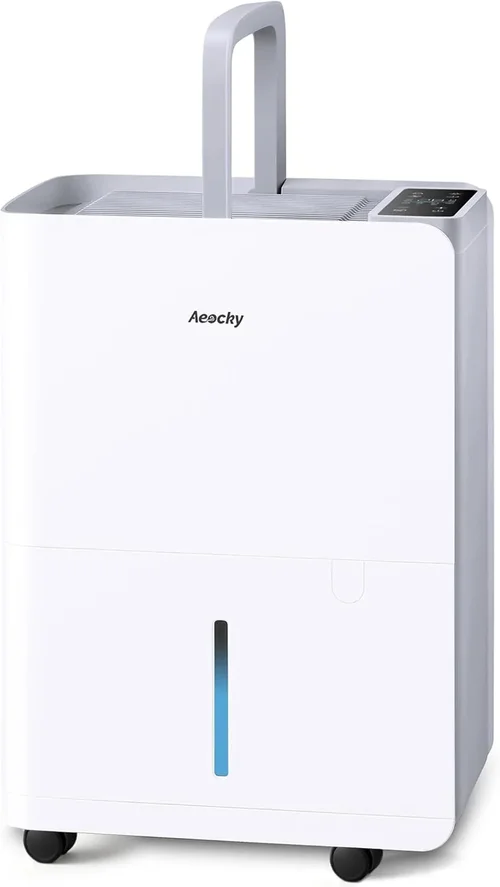
❌ Mistake: Buying Based Solely on Pint Capacity
Why it’s bad: Pint ratings are measured under ideal lab conditions (80°F, 60% humidity), which rarely match real-world environments. A 50-pint unit may perform like a 30-pint model in a cold basement or poorly ventilated space. Relying only on this number can lead to underperformance and frustration.
What to do instead: Consider your actual room size, temperature, and humidity level. Use pint capacity as a guideline, but prioritize models with strong user reviews in similar conditions. When in doubt, go one size up.
❌ Mistake: Ignoring Drainage Options
Why it’s bad: If you don’t plan for continuous drainage, you’ll be emptying a bucket every 6–12 hours during peak humidity. This is not only inconvenient but can lead to overflow, water damage, and mold if you’re away from home.
What to do instead: Choose a model with a built-in pump or hose connection for direct drainage. Even if you don’t use it immediately, having the option adds flexibility and reduces maintenance.
❌ Mistree: Overlooking Energy Efficiency
Why it’s bad: Dehumidifiers run for hours daily, and inefficient models can significantly increase your electricity bill. A unit that uses 500 watts instead of 300 watts can cost $50–$100 more per year in energy.
What to do instead: Look for ENERGY STAR-certified models, which are at least 10% more efficient than standard units. Check the Energy Factor (liters of water removed per kilowatt-hour)—higher is better.
❌ Mistake: Choosing a Brand with Poor Support
Why it’s bad: Even the best units can fail. If the brand has no U.S. service centers, slow response times, or denies warranty claims over minor issues, you could be stuck with a broken appliance and no recourse.
What to do instead: Research the brand’s customer service reputation before buying. Check warranty terms, read user experiences, and prefer brands with local support networks.
❌ Mistake: Buying the Cheapest Model Available
Why it’s bad: Budget models often use inferior compressors, thin plastic, and basic controls. They may break within a year or fail to reduce humidity effectively, costing you more in replacements and discomfort.
What to do instead: Set a realistic budget based on your needs. A $250 mid-range unit from a reputable brand often outperforms a $100 bargain model and lasts twice as long.
❌ Mistake: Not Considering Noise Levels
Why it’s bad: A loud dehumidifier can disrupt sleep, work, or relaxation—especially if placed in or near living areas. Units with noisy fans or compressors can reach 60+ decibels, equivalent to a conversation.
What to do instead: Check the decibel rating and look for models labeled “quiet” or “low-noise.” Desiccant units are typically quieter than compressor-based ones.
❌ Mistake: Forgetting About Filter Maintenance
Why it’s bad: Clogged filters reduce airflow and efficiency, forcing the unit to work harder and consume more energy. Some models require expensive replacement filters every few months.
What to do instead: Choose units with washable, reusable filters. Clean them monthly to maintain performance and extend the life of the unit.
Budget Guidelines: How Much Should You Spend?
Entry-Level ($50 – $150): These are typically compact, thermoelectric or small compressor units best suited for tiny spaces like closets, RVs, or under-sink areas. They’re quiet and energy-efficient but lack the power for larger rooms. Expect limited features, small water tanks, and shorter lifespans. Ideal for mild dampness or seasonal use, but not recommended for basements or high-humidity areas.
Mid-Range ($200 – $400): This is the sweet spot for most homeowners. These 30–50 pint units offer strong performance, reliable compressors, and useful features like auto-humidistats, continuous drainage, and washable filters. Brands like Frigidaire, Honeywell, and GE dominate this tier with models that balance cost, efficiency, and durability. Perfect for basements, garages, and large living spaces.
Premium ($400 – $600): Designed for serious moisture problems, these high-capacity units (50+ pints) often include advanced features like built-in pumps, Wi-Fi connectivity, and cold-climate operation. Brands like AprilAire and Danby offer robust builds and longer warranties. Ideal for flood recovery, large homes, or humid climates where consistent performance is critical.
Luxury ($600+): At this level, you’re paying for top-tier engineering, smart home integration, and whole-house solutions. These include ductable dehumidifiers that connect to your HVAC system, providing centralized humidity control. While overkill for most, they’re invaluable for luxury homes, museums, or environments requiring precise climate control.
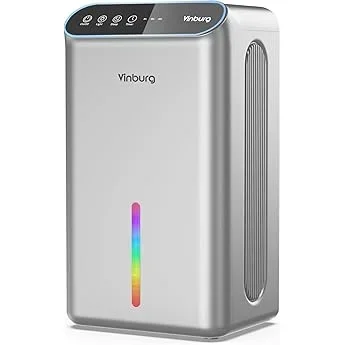
Expert Tips for Getting the Best Deal
– Buy in the Off-Season: Dehumidifiers are in highest demand during summer. Shop in late fall or winter (October–February) when retailers offer discounts to clear inventory. You can save 20–30% on last year’s models.
– Check Retailer Return Policies: Some stores offer 90-day returns, giving you time to test the unit in your home. This is crucial if you’re unsure about performance or noise levels.
– Look for Bundle Deals: Some brands offer free filters, drain hoses, or extended warranties with purchase. These add-ons can save $50–$100 in the long run.
– Compare Energy Costs: Use the Energy Factor (EF) to estimate annual operating costs. Multiply the wattage by hours used per day, then by your local electricity rate. A more efficient unit may cost more upfront but save money over time.
– Test Before Committing: If possible, run the dehumidifier for a week in your space. Monitor humidity levels with a standalone hygrometer. If it’s not reducing moisture effectively, return it.
– Register Your Warranty: Many brands require registration within 30 days to activate coverage. Don’t skip this step—it’s your only protection against defects.
– Buy from Authorized Retailers: Purchasing from unauthorized sellers (like third-party Amazon sellers) can void your warranty. Stick to Home Depot, Lowe’s, Best Buy, or the manufacturer’s website.
– Consider Refurbished Models: Certified refurbished units from reputable brands often come with full warranties and can save 25–40%. Just ensure they’re tested and cleaned by the manufacturer.

Frequently Asked Questions
Q: How do I know what size dehumidifier I need?
A: Start by measuring your space in square feet. Then assess the moisture level: slightly damp, moderately damp, or extremely wet. Use this guide: 20-pint for 500–1,000 sq ft (slight dampness), 30-pint for 1,000–1,500 sq ft (moderate), 50+ pint for 1,500+ sq ft or very wet conditions. Always consider temperature—cold spaces may need a low-temp model.
Q: Can I run a dehumidifier all the time?
A: Yes, but it’s not always necessary. Most units have auto modes that turn on when humidity exceeds your set level (e.g., 50%). Running continuously in low-humidity conditions wastes energy and may over-dry the air. Use a hygrometer to monitor levels and adjust settings accordingly.
Q: Do dehumidifiers use a lot of electricity?
A: It depends on the model and usage. A typical 50-pint unit uses 500–700 watts. Running it 12 hours a day could cost $15–$25 per month, depending on your electricity rate. ENERGY STAR models are more efficient and can reduce costs by 10–20%.
Q: Should I drain the water or use the tank?
A: For continuous operation, especially in high-humidity areas, use a drain hose. It eliminates the need to empty the tank and prevents overflow. Only use the tank if you’re monitoring it frequently or in low-moisture environments.
Q: Can a dehumidifier help with mold?
A: Yes, but only if used preventively. Dehumidifiers reduce moisture, making it harder for mold to grow. However, they won’t remove existing mold—you’ll need to clean affected areas with appropriate solutions. Keep humidity below 50% to inhibit mold growth.
Q: Are desiccant dehumidifiers better than compressor models?
A: It depends on your environment. Desiccant units work better in cold temperatures (below 60°F) and are quieter, but they use more energy and are less efficient in warm, humid conditions. Compressor models are more efficient in typical home environments but struggle in cold spaces.
Q: How often should I clean my dehumidifier?
A: Clean the water tank weekly to prevent bacteria and odors. Wash the air filter monthly with mild soap and water. Inspect coils and vents every 3–6 months for dust buildup, which can reduce efficiency.
Q: Can I use a dehumidifier in winter?
A: Only if the space stays above 60°F. Most compressor dehumidifiers will frost up and stop working in cold temperatures. Use a low-temp or desiccant model for garages, cabins, or unheated basements.
Q: Do I need a dehumidifier if I have air conditioning?
A: Not always. Central AC removes some moisture, but it’s not designed for dehumidification. In humid climates or during shoulder seasons (spring/fall), a dedicated dehumidifier is often needed to maintain comfort and prevent mold.
Q: What’s the difference between a dehumidifier and an air purifier?
A: A dehumidifier removes moisture from the air to control humidity and prevent mold. An air purifier removes particles like dust, pollen, and smoke. They serve different purposes—some units combine both functions, but most are specialized.
Our Final Recommendations
Best for Budget-Conscious Buyers: hOmeLabs 30 Pint Dehumidifier – Offers excellent performance for under $200, with a washable filter, continuous drainage, and a compact design. Ideal for small to mid-sized basements.
Best Overall Value: Frigidaire FFAD7033R1 70 Pint – A top performer in the mid-range category, this ENERGY STAR-certified unit removes up to 70 pints per day, includes a built-in pump, and has a 1-year warranty. Reliable, efficient, and widely praised by users.
Best Premium Option: AprilAire E080 Pro 80 Pint – Built for whole-house or commercial use, this ductable model is incredibly durable, energy-efficient, and backed by a 5-year warranty. Perfect for large homes or serious moisture issues.
Best for Beginners: Honeywell TP70WKN – User-friendly controls, quiet operation, and reliable performance make this a great first dehumidifier. Includes a digital humidistat and easy-to-clean filter.
Best for Advanced Users: Danby DDR070BJWDB – Features a built-in pump, Wi-Fi connectivity, and smart app control. Ideal for tech-savvy users who want remote monitoring and scheduling.
Conclusion: Making the Right Choice
Choosing the best dehumidifier brand isn’t about finding the most expensive or feature-packed model—it’s about matching the right tool to your specific needs. Whether you’re battling basement dampness, protecting valuable belongings, or simply improving indoor air quality, the right dehumidifier can make a profound difference in your comfort and health. By focusing on performance, build quality, brand reputation, and long-term value, you can avoid common pitfalls and invest in a solution that lasts.
Remember, the cheapest option isn’t always the most economical, and the most powerful unit isn’t always the most efficient. Take the time to assess your space, understand your humidity challenges, and prioritize features that matter most to you. Use the guidelines in this guide to compare brands objectively, read real user experiences, and don’t hesitate to spend a little more for reliability and peace of mind.
Ultimately, the best dehumidifier is the one that works quietly and consistently in the background, keeping your home dry, healthy, and comfortable year after year. With the insights from this guide, you’re now equipped to make a confident, informed decision—so you can finally say goodbye to musty odors, mold, and that sticky, oppressive air. Your home—and your lungs—will thank you.