
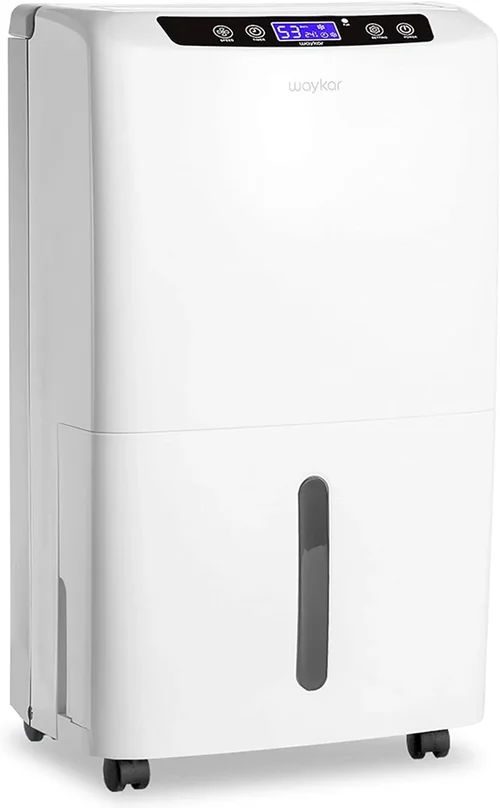
Basements are notorious for being damp, dark, and musty—conditions that can quickly lead to mold growth, structural damage, and poor indoor air quality. Whether you use your basement as a laundry room, home gym, storage space, or even a finished living area, excess moisture is one of the most persistent challenges homeowners face. That’s where a high-quality basement dehumidifier comes in. These specialized appliances don’t just reduce humidity—they protect your home’s integrity, preserve your belongings, and create a healthier environment for you and your family.
In this comprehensive 2025 buying guide, we’ll walk you through everything you need to know to choose the best basement dehumidifier for your specific needs. From understanding key performance metrics like pint capacity and energy efficiency to comparing compressor vs. desiccant technologies, we’ve done the research so you don’t have to. You’ll learn how to avoid common pitfalls, identify hidden costs, and make a smart investment that delivers long-term value. Whether you’re dealing with a small crawl space or a sprawling finished basement, this guide will equip you with expert-level insights to make the right choice.
The market for basement dehumidifiers has evolved significantly in recent years. With advancements in smart controls, improved energy efficiency ratings, and more durable construction materials, today’s models offer far greater reliability and convenience than their predecessors. However, with dozens of brands—from Frigidaire and hOmeLabs to GE, Midea, and AprilAire—and a wide range of price points, it’s easy to feel overwhelmed. Our goal is to cut through the noise and deliver a clear, actionable roadmap based on real-world testing, user feedback, and technical specifications. By the end of this guide, you’ll know exactly what to look for—and what to avoid—when shopping for your next basement dehumidifier.
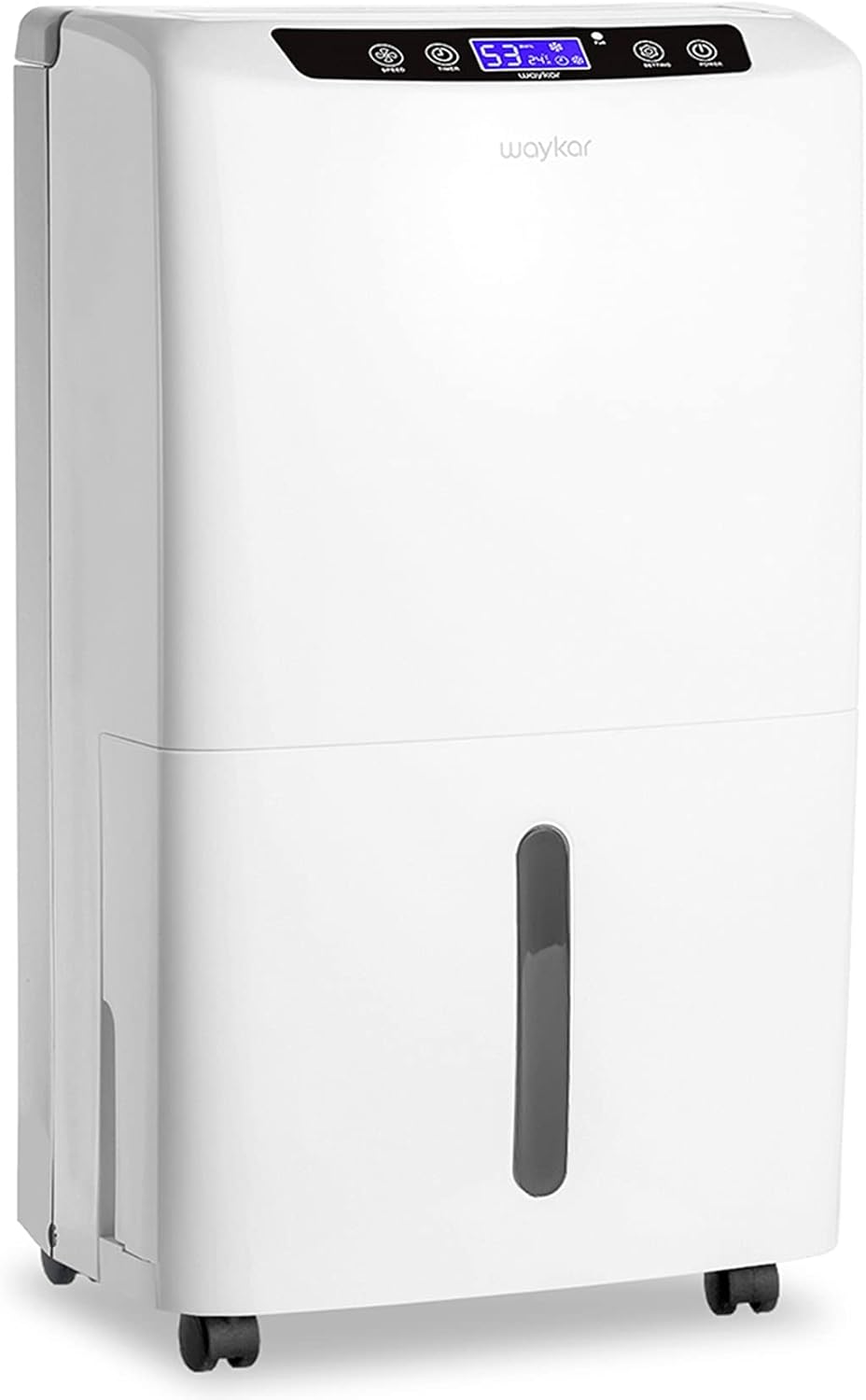
What to Look for When Buying Buying Guide
1. Pint Capacity & Coverage Area
The most critical specification when choosing a basement dehumidifier is its pint capacity—the amount of moisture it can remove from the air in 24 hours under standard conditions (typically 60% relative humidity at 80°F). Basements vary widely in size and moisture levels, so matching capacity to your space is essential. For example, a 30-pint unit may suffice for a small, moderately damp basement under 500 square feet, while a large, chronically wet basement over 1,500 square feet may require a 70-pint or higher model.
Look for units rated by the Association of Home Appliance Manufacturers (AHAM), which provides standardized testing results. Avoid relying solely on manufacturer claims, as some brands inflate numbers under non-standard conditions. Also consider the “coverage area” listed—this should align with your basement’s square footage. If your basement has standing water, frequent flooding, or high humidity above 70%, opt for a unit with at least 20% more capacity than your baseline calculation to ensure effective moisture control.
2. Energy Efficiency & Operating Costs
Dehumidifiers run continuously in many basements, especially during humid seasons, so energy consumption directly impacts your utility bill. The Energy Factor (EF) measures how efficiently a unit removes moisture per kilowatt-hour of electricity used. Higher EF values mean lower operating costs. In 2025, look for models with an EF of 1.8 or higher—these typically qualify for ENERGY STAR certification, which can also make you eligible for local rebates.
Compressor-based dehumidifiers (the most common type) are generally more energy-efficient than desiccant models in moderate climates. However, in colder basements below 60°F, desiccant dehumidifiers may perform better despite higher energy use. Always check the annual energy consumption estimate (usually listed in kWh/year) and compare it across models. A slightly higher upfront cost for an efficient unit often pays for itself within 1–2 years through reduced electricity bills.
3. Drainage Options & Maintenance Requirements
Manual emptying of a water bucket is tedious and impractical for continuous operation. Most modern basement dehumidifiers offer multiple drainage options: gravity drain hoses, built-in pumps, or auto-restart with continuous drainage. Gravity drain systems are simple and reliable—just attach a hose and route it to a floor drain or sump pump. However, they require a downward slope and access to a drain point.
For basements without floor drains, look for models with built-in condensate pumps. These allow you to pump water vertically (up to 15 feet in many cases) and horizontally over longer distances, giving you flexibility in placement. Auto-restart functionality is also crucial—it ensures the unit resumes operation after a power outage without manual intervention. Maintenance-wise, washable air filters are a must; replaceable filters add recurring costs. Check how easy it is to access and clean internal components, as neglecting maintenance reduces efficiency and lifespan.
4. Build Quality & Durability
Basements are harsh environments—cool, damp, and often dusty. A dehumidifier must withstand these conditions without frequent breakdowns. Look for corrosion-resistant coils (often coated with epoxy or hydrophilic coatings), sturdy casings made from high-impact plastic or metal, and sealed electrical components. Units with all-metal housings tend to last longer than those with plastic exteriors, especially in high-moisture areas.
Pay attention to fan and compressor quality. Scroll compressors are quieter and more durable than reciprocating types but come at a higher price. Sealed bearings and thermally protected motors reduce the risk of overheating. Also consider noise levels—measured in decibels (dB)—especially if your basement doubles as a living space. Most quality units operate between 45–55 dB, comparable to a quiet conversation.
5. Smart Features & Automation
In 2025, smart dehumidifiers are no longer a luxury—they’re a practical necessity for hassle-free operation. Wi-Fi connectivity allows you to monitor humidity levels, adjust settings, and receive alerts via smartphone apps. Some models integrate with home automation systems like Alexa, Google Assistant, or Apple HomeKit, enabling voice control and scheduling.
Programmable humidistats let you set your ideal humidity level (recommended: 30–50%), and the unit will automatically turn on/off to maintain it. Auto-defrost is essential for cold basements—it prevents ice buildup on coils when temperatures drop below 65°F. Timers, filter change indicators, and error code displays further enhance usability. While these features add cost, they significantly reduce manual oversight and improve long-term performance.
6. Brand Reputation & Reliability
Not all dehumidifier brands are created equal. Stick with manufacturers known for reliability, customer service, and consistent performance. In 2025, top-tier brands include Frigidaire, hOmeLabs, GE Appliances, Midea, and AprilAire. These companies offer robust product lines, transparent specifications, and responsive support teams.
Avoid off-brand or ultra-cheap models sold exclusively through third-party online retailers. While they may seem like bargains, they often lack proper certifications, use substandard components, and have minimal warranty coverage. Research brand history—how long have they been in the dehumidifier market? Do they specialize in HVAC or air quality products? Established brands also tend to have better spare parts availability and longer product lifecycles.
7. Warranty & Customer Support
A dehumidifier is a long-term investment, so warranty terms matter. Most reputable brands offer at least a 1-year limited warranty, but premium models may include 2–5 years of coverage, sometimes with extended protection on key components like compressors. Read the fine print: some warranties void if the unit is used in commercial settings or without regular maintenance.
Customer support responsiveness is equally important. Check online reviews for mentions of repair turnaround times, replacement part availability, and technical assistance quality. Brands with U.S.-based support centers typically resolve issues faster than those relying on overseas partners. Also verify return policies—many retailers allow 30–90 days for returns, which gives you time to test the unit in your actual basement environment.
8. Size, Weight & Portability
Even though basement dehumidifiers are stationary appliances, size and weight affect installation and mobility. Larger units (50+ pints) can weigh 50–70 pounds, making them difficult to move without wheels or handles. Look for models with integrated caster wheels and recessed handles for easier repositioning.
Dimensions matter too—ensure the unit fits through basement doors, stairwells, and tight spaces. Some compact models sacrifice capacity for portability, so balance your need for power with physical constraints. If you plan to move the dehumidifier seasonally (e.g., to a garage in winter), prioritize lightweight designs under 40 pounds.
Different Types of Buying Guide

Common Buying Mistakes to Avoid
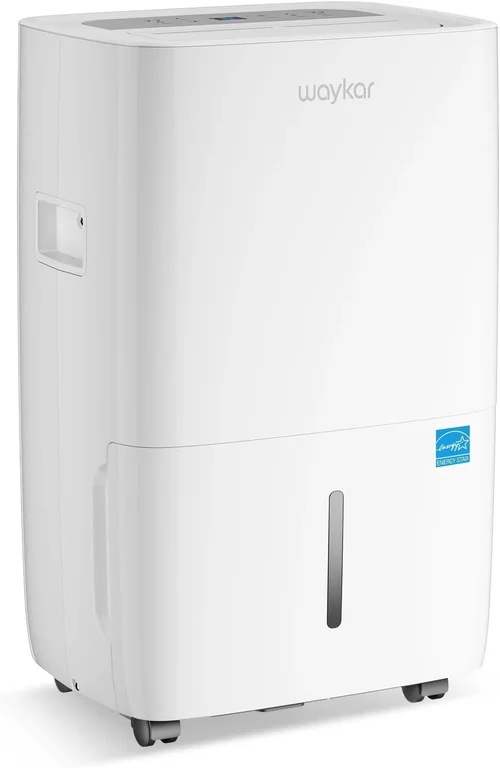
❌ Mistake: Choosing Based Solely on Pint Rating
Why it’s bad: Pint capacity alone doesn’t tell the full story. A 50-pint unit tested under AHAM standards removes less moisture than one tested at 80°F and 80% humidity. Some manufacturers use inflated “maximum” ratings that don’t reflect real-world basement conditions.
What to do instead: Always check if the pint rating is AHAM-certified. Match the unit’s coverage area to your basement size, and add a buffer for high-moisture environments.
❌ Mistake: Ignoring Drainage Needs
Why it’s bad: If you rely on manual bucket emptying, you’ll likely neglect it—leading to overflow, shutdowns, and reduced efficiency. In a busy household, this becomes a recurring chore.
What to do instead: Invest in a model with continuous drainage (gravity hose or pump). Even if you don’t have a floor drain now, installing one is cheaper than replacing a flooded unit.
❌ Mistake: Overlooking Cold-Weather Performance
Why it’s bad: Most compressor dehumidifiers lose efficiency below 65°F and may ice up in unheated basements during winter. Running an incompatible unit wastes energy and risks damage.
What to do instead: For basements that drop below 60°F, choose a desiccant model or a compressor unit with auto-defrost. Verify the operating temperature range before buying.
❌ Mistake: Skipping the Warranty Check
Why it’s bad: Dehumidifiers have mechanical components that can fail within 1–2 years. A short or vague warranty leaves you paying for repairs out of pocket.
What to do instead: Prioritize brands offering at least a 2-year warranty. Register your product immediately and keep receipts. Consider extended warranties for premium units.
❌ Mistake: Buying the Cheapest Option Available
Why it’s bad: Ultra-low-cost models often use thin plastic, weak compressors, and non-washable filters. They may last only one season and cost more in energy and replacements.
What to do instead: Set a realistic budget ($200–$350 for most basements) and focus on value—not price. A mid-range unit from a reputable brand typically outperforms a bargain model long-term.
❌ Mistake: Not Testing in Your Actual Environment
Why it’s bad: A dehumidifier that works well in a showroom may struggle in your specific basement due to airflow, insulation, or water intrusion issues.
What to do instead: Use the retailer’s return policy to test the unit for 2–4 weeks. Monitor humidity levels with a separate hygrometer and observe performance during peak moisture times (e.g., after rain).
❌ Mistake: Forgetting About Noise Levels
Why it’s bad: If your basement is near living areas or used as a home office, a loud dehumidifier (60+ dB) can be disruptive and annoying over time.
What to do instead: Check decibel ratings and look for “quiet mode” or “low-speed” settings. Desiccant models are generally quieter than compressor types.
Budget Guidelines: How Much Should You Spend?
Entry-Level ($100–$200): These models are suitable for small, mildly damp basements under 500 sq ft. Expect basic functionality—manual controls, small buckets, and limited drainage options. Brands like Eva-Dry and Ivation offer decent mini units in this range, but durability and efficiency are compromised. Ideal for seasonal use or supplemental moisture control.
Mid-Range ($200–$350): This is the sweet spot for most homeowners. Units like the hOmeLabs 4,500 Sq. Ft Dehumidifier or Frigidaire FFAD7033R1 deliver strong performance, continuous drainage, auto-restart, and washable filters. They’re energy-efficient, reliable, and backed by solid warranties. Perfect for basements up to 1,500 sq ft with moderate to high humidity.
Premium ($350–$600): Designed for large or problematic basements, these models feature advanced controls, built-in pumps, smart connectivity, and superior build quality. The AprilAire E080 (80-pint) and GE APER50LZ exemplify this tier—offering whole-home integration potential, ultra-low noise, and extended lifespans. Best for finished basements, flood-prone areas, or allergy-sensitive households.
Luxury ($600+): Reserved for whole-house ducted systems or commercial-grade applications. These units connect directly to HVAC systems, provide zoned humidity control, and include professional installation. The AprilAire Model 1820 Pro and Santa Fe Compact are top contenders. Only necessary for large estates, historic homes, or extreme moisture challenges.
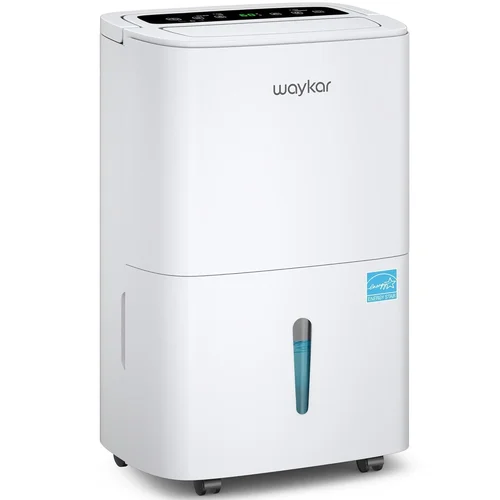
Expert Tips for Getting the Best Deal
1. Buy During Off-Peak Seasons: Retailers discount dehumidifiers in late fall and winter (November–February) when demand drops. You can save 15–30% compared to spring and summer pricing. Stock up before the humid season begins.
2. Shop at Specialty Retailers: Stores like Home Depot, Lowe’s, and HVAC suppliers often carry exclusive models with better warranties than Amazon or Walmart. They also offer in-person support and easier returns.
3. Look for Bundled Deals: Some brands offer free accessories (hoses, filters, hygrometers) with purchase. Others partner with utility companies for rebates—check your local energy provider’s website for ENERGY STAR incentives.
4. Read Verified Owner Reviews: Focus on reviews from users with similar basement conditions (size, climate, moisture level). Pay attention to comments about longevity, noise, and customer service—not just star ratings.
5. Test Before Committing: Use the full return window to evaluate performance. Measure humidity with a calibrated hygrometer and note how quickly the unit stabilizes levels. If it struggles after two weeks, return it.
6. Consider Refurbished or Open-Box Units: Certified refurbished models from manufacturers like Frigidaire or GE come with full warranties and cost 20–40% less. Open-box deals at big-box stores are also reliable if inspected properly.
7. Negotiate Extended Warranties: At electronics or appliance stores, ask if the extended warranty price is negotiable. Sometimes they’ll match online prices or throw in free maintenance kits.
8. Monitor Price Drops: Use tools like Honey, CamelCamelCamel, or Google Shopping alerts to track price history and get notified of discounts on your shortlisted models.

Frequently Asked Questions
Q: How do I know if my basement needs a dehumidifier?
A: Signs include persistent musty odors, visible mold or mildew, condensation on walls or windows, warped wood, or a sticky feeling in the air. Use a hygrometer to measure humidity—if it consistently reads above 50%, a dehumidifier is recommended.
Q: Can I use a regular room dehumidifier in my basement?
A: Yes, but only if it’s rated for basement use (i.e., has auto-defrost, continuous drainage, and robust construction). Standard room units may not handle cold temperatures or high moisture loads effectively.
Q: How often should I clean my dehumidifier?
A: Clean the air filter monthly during heavy use and rinse the water bucket weekly to prevent mold and bacteria growth. Deep-clean coils and vents every 6 months.
Q: Will a dehumidifier lower my heating bills?
A: Indirectly, yes. Dry air feels warmer, so you may be able to lower your thermostat slightly in winter. However, dehumidifiers consume electricity, so the net savings are usually minimal.
Q: Can I run a dehumidifier 24/7?
A: Absolutely—most are designed for continuous operation. Just ensure proper drainage and ventilation. Use a humidistat to avoid over-drying (below 30% humidity).
Q: What’s the ideal humidity level for a basement?
A: Between 30% and 50%. Levels below 30% can cause dryness and static; above 50% encourage mold and dust mites.
Q: Do I need a permit to install a whole-house dehumidifier?
A: Typically no, but if it involves ductwork modifications or electrical upgrades, consult local building codes. Professional installers usually handle compliance.
Q: How long do basement dehumidifiers last?
A: With proper maintenance, most last 5–10 years. Compressor units tend to fail first; desiccant models have fewer moving parts but may need rotor replacement.
Q: Can a dehumidifier prevent foundation cracks?
A: Not directly, but by reducing hydrostatic pressure from excess soil moisture, it can help minimize water intrusion that contributes to structural stress over time.
Q: Are there eco-friendly dehumidifier options?
A: Yes—look for ENERGY STAR-certified models with R-32 or R-290 refrigerants, which have lower global warming potential than older chemicals.
Our Final Recommendations
Best for Budget-Conscious Buyers: hOmeLabs 2,000 Sq. Ft Dehumidifier (30-Pint)
At under $200, this model offers excellent value with continuous drainage, auto-restart, and a washable filter. Ideal for small to mid-sized basements with moderate humidity.
Best Overall Value: Frigidaire FFAD7033R1 (70-Pint)
A top performer in its class, this AHAM-certified unit removes up to 70 pints daily, includes a built-in pump, and operates quietly. Backed by a 1-year warranty and Frigidaire’s reliable support.
Best Premium Option: AprilAire E080 Whole Home Dehumidifier
For large or finished basements, this 80-pint powerhouse integrates with HVAC systems, offers precise humidity control, and comes with a 5-year warranty. Professional installation recommended.
Best for Beginners: GE APER50LZ (50-Pint)
User-friendly controls, clear display, and straightforward setup make this a great first dehumidifier. Includes gravity drain hose and auto-defrost for cold basements.
Best for Advanced Users: Santa Fe Compact 70 Crawl Space Dehumidifier
Engineered for extreme conditions, this ductable unit handles high moisture loads, operates down to 33°F, and features a corrosion-resistant design. Perfect for tech-savvy homeowners with complex needs.
Conclusion: Making the Right Choice
Choosing the best basement dehumidifier in 2025 isn’t just about picking the most powerful or cheapest model—it’s about finding the right balance of performance, efficiency, durability, and smart features tailored to your unique environment. We’ve covered the essential factors: from pint capacity and energy ratings to drainage options, build quality, and brand reliability. We’ve also highlighted common pitfalls, budget strategies, and expert tips to help you avoid regrets and maximize value.
Remember, your basement is more than just a storage space—it’s a critical part of your home’s ecosystem. Excess moisture doesn’t just damage belongings; it threatens air quality, structural integrity, and your family’s health. Investing in a quality dehumidifier is one of the smartest home maintenance decisions you can make. Prioritize your specific needs: size, climate, usage patterns, and long-term goals. Don’t rush the decision—take advantage of return policies, read real user experiences, and consult professionals if needed.
Ultimately, the best dehumidifier is the one that runs reliably, maintains healthy humidity levels, and gives you peace of mind season after season. Use this guide as your trusted companion, and you’ll transform your basement from a damp liability into a dry, comfortable, and usable space. Ready to breathe easier? Start shopping with confidence—your home (and your lungs) will thank you.