
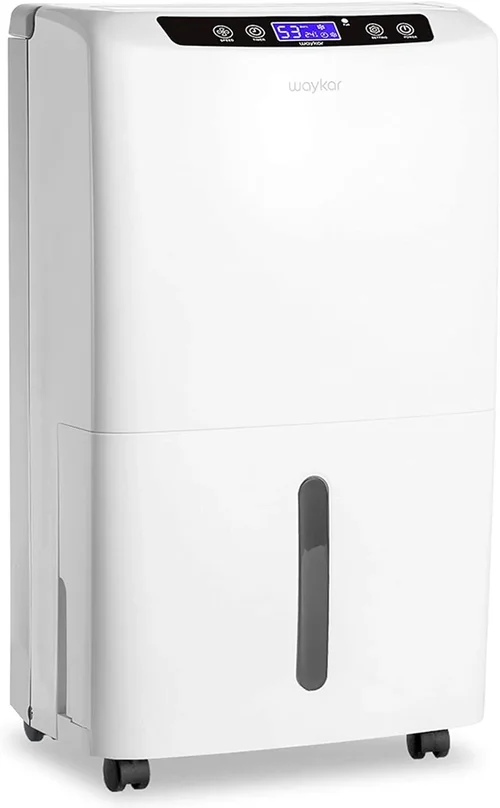
If you’ve ever walked into your basement and been greeted by that unmistakable musty smell—or worse, spotted mold creeping along the walls or warped wood on your storage shelves—you know how quickly moisture can turn a functional space into a health hazard. Basements are naturally prone to high humidity due to their below-ground location, poor ventilation, and frequent exposure to groundwater. Left unchecked, excess moisture doesn’t just damage belongings; it can compromise your home’s structural integrity and even trigger respiratory issues like asthma or allergies. That’s why investing in a quality basement dehumidifier isn’t just a nice-to-have—it’s essential for maintaining a safe, comfortable, and long-lasting living environment.
This comprehensive buying guide is designed to cut through the noise and help you make an informed decision in 2025. Whether you’re dealing with a damp crawl space, a full-fledged finished basement, or seasonal humidity spikes, we’ll walk you through every critical factor—from performance specs and energy efficiency to smart features and brand reliability. You’ll learn how to match the right unit to your specific needs, avoid common pitfalls, and get the best value for your money. The market today offers more options than ever, with innovations in compressor technology, Wi-Fi connectivity, and eco-friendly refrigerants—but not all dehumidifiers are created equal. By the end of this guide, you’ll have the confidence to choose a model that delivers consistent performance, durability, and peace of mind.
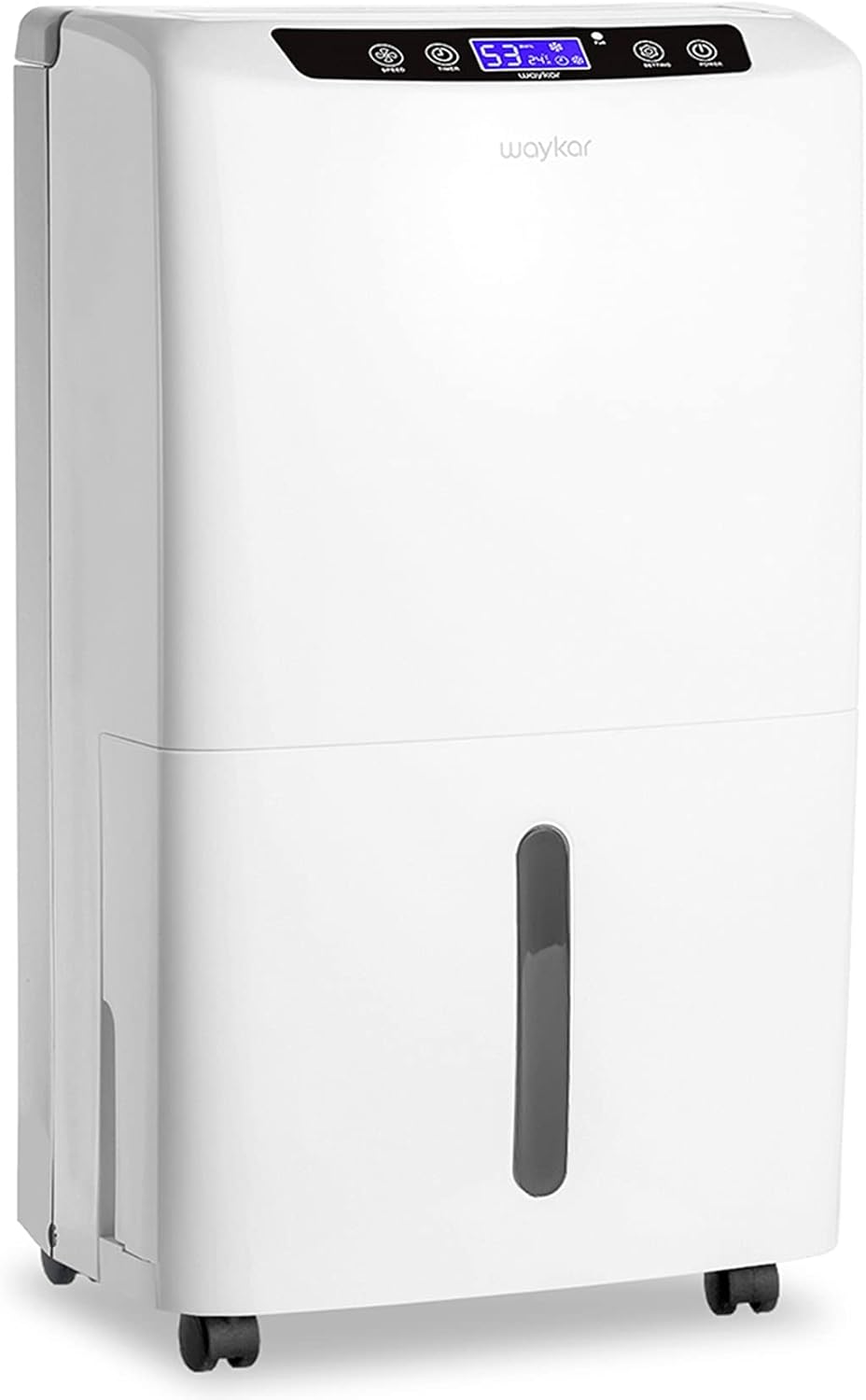
What to Look for When Buying a Basement Dehumidifier
1. Capacity (Pints per Day)
The most important specification when selecting a basement dehumidifier is its moisture removal capacity, measured in pints per day (PPD). This tells you how much water the unit can extract from the air in a 24-hour period under standard conditions (typically 80°F and 60% relative humidity). For basements, which often suffer from persistent dampness, you’ll generally need a unit rated between 50 and 70 PPD—even higher if your space is large, poorly insulated, or frequently flooded.
To determine the right capacity, start by calculating your basement’s square footage. A rough rule of thumb:
- Up to 1,500 sq. ft.: 30–50 PPD
- 1,500–3,000 sq. ft.: 50–70 PPD
- Over 3,000 sq. ft. or extremely wet conditions: 70+ PPD
Keep in mind that “extremely wet” includes signs like standing water, condensation on walls, or visible mold. In these cases, opt for a commercial-grade unit or consider pairing your dehumidifier with a sump pump or drainage system.
2. Energy Efficiency & Operating Costs
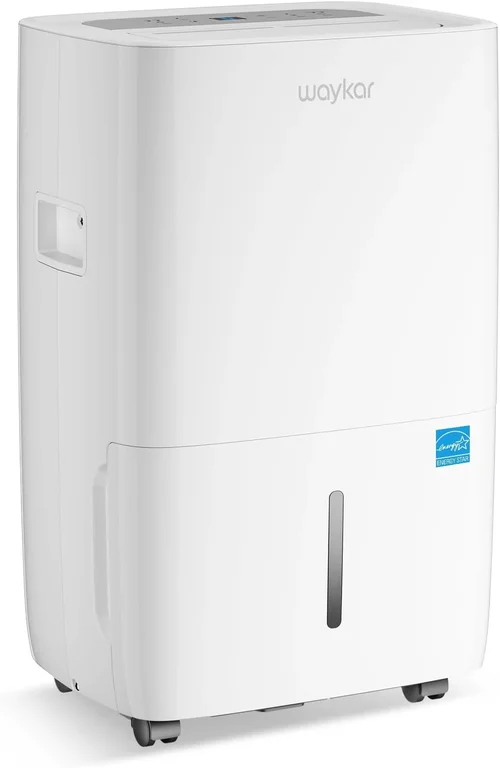
Basement dehumidifiers often run for 12–24 hours a day, especially during humid months, so energy consumption directly impacts your utility bill. Look for models with the ENERGY STAR® certification, which guarantees they meet strict efficiency guidelines set by the U.S. Environmental Protection Agency. ENERGY STAR units use up to 15% less energy than standard models, saving you $20–$50 annually depending on usage and local electricity rates.
Check the unit’s Energy Factor (EF), measured in liters of water removed per kilowatt-hour (L/kWh). Higher EF values mean greater efficiency. For example, a dehumidifier with an EF of 1.8 is more efficient than one with 1.2. Also, consider units with variable-speed compressors or auto-defrost features—these adjust power output based on humidity levels and prevent ice buildup in colder basements (below 65°F), reducing wasted energy.
3. Basement-Specific Features
Not all dehumidifiers are built for basement environments. Standard units may struggle in cooler, darker, or poorly ventilated spaces. Look for features specifically designed for basement use:
- Low-Temperature Operation: Many basements drop below 60°F in winter. Choose a model that works efficiently down to 41°F or lower. Some use hot-gas defrost systems to prevent coil freezing.
- Continuous Drainage: Emptying a bucket every few hours is tedious. Opt for a unit with a built-in pump or gravity drain hose connection. Pumps allow vertical drainage (e.g., up to a sink or window), while gravity drains require a downward slope.
- Auto-Restart: Power outages are common in basements due to circuit issues. Auto-restart ensures the unit resumes operation automatically after power returns.
- Humidistat & Auto Mode: A built-in humidistat lets you set your desired humidity level (ideally 30–50%). The unit will cycle on/off to maintain it, saving energy and preventing over-drying.
4. Build Quality & Durability
Basements are harsh environments—dusty, damp, and sometimes prone to flooding. A flimsy plastic casing or thin internal components won’t last. Look for dehumidifiers with:
- Metal chassis and reinforced coils: Resists corrosion and physical damage.
- Sealed electronics: Protects circuit boards from moisture and dust.
- Washable or reusable air filters: Reduces maintenance costs and improves air quality.
- Robust casters and handles: Makes moving the unit easier, especially in tight spaces.
Brands like Frigidaire, hOmeLabs, and AprilAire are known for durable construction, while budget models may use cheaper materials that degrade quickly.
5. Noise Level
While basements are often isolated from living areas, excessive noise can still be disruptive—especially if your basement doubles as a home gym, workshop, or guest room. Dehumidifier noise is measured in decibels (dB). Most residential units range from 45 dB (quiet library) to 60 dB (normal conversation).
For quieter operation, look for:
- Units labeled “quiet” or “low-noise”
- Compressor models with insulated cabinets
- Fan-only modes for maintenance cycles
Avoid ultra-cheap models that rely on noisy, high-RPM fans. Reading user reviews can give you real-world insight into noise performance—manufacturer specs often downplay sound levels.
6. Smart Features & Connectivity
In 2025, many top-tier dehumidifiers offer smart capabilities that enhance convenience and control:
- Wi-Fi/App Control: Adjust settings, monitor humidity, or receive alerts via smartphone (e.g., Frigidaire Smart Dehumidifier with Alexa/Google Assistant).
- Remote Sensors: Some models include wireless humidity sensors you can place in different areas of the basement for more accurate readings.
- Scheduling: Set run times to match your routine (e.g., only during peak humidity hours).
- Filter Change Alerts: Notifies you when the air filter needs cleaning.
While not essential, these features add significant value for tech-savvy homeowners or those managing multiple properties.
7. Warranty & Customer Support
A dehumidifier is a long-term investment, so warranty coverage matters. Most reputable brands offer:
- 1-year limited warranty (standard)
- 2–3 years for premium models
- Extended warranties available for purchase
Pay attention to what’s covered: compressor failures, seals, and electrical components are critical. Avoid brands with vague terms or poor customer service reputations. Check forums and review sites for reports of slow repairs or denied claims. Companies like AprilAire and Santa Fe provide excellent support, while some budget brands outsource service to third parties with mixed results.
8. Portability & Installation
Even in a basement, you may need to move your dehumidifier for cleaning, maintenance, or seasonal storage. Consider:
- Weight: Units range from 30 to 80+ pounds. Heavier models often have better compressors but are harder to relocate.
- Wheels: Large, sturdy casters make rolling over concrete easy.
- Handle Design: Ergonomic handles reduce strain when lifting.
- Drain Hose Compatibility: Ensure the unit includes or supports a standard garden hose thread (3/4″) for continuous drainage.
If your basement has no nearby drain, a built-in condensate pump is worth the extra cost—it can push water up to 15 feet vertically.
Different Types of Basement Dehumidifiers

Common Buying Mistakes to Avoid
❌ Mistake: Choosing Based Solely on Price
Why it’s bad: The cheapest dehumidifier often lacks essential basement features like low-temp operation, continuous drainage, or durable construction. It may break down within a year, costing more in replacements and repairs than a mid-range model would have.
What to do instead: Treat price as one factor among many. A $300 unit with a pump and auto-defrost will outperform a $150 model that constantly freezes or overflows.
❌ Mistake: Ignoring Drainage Options
Why it’s bad: Manual bucket emptying is impractical for daily use. Many buyers forget to check if their basement has a floor drain or nearby sink, leading to frustration when the bucket fills every 6 hours.
What to do instead: Before buying, assess your drainage setup. If no drain is available, prioritize models with built-in pumps or ensure the unit supports a hose attachment.
❌ Mistake: Overlooking Cold Climate Performance
Why it’s bad: Standard refrigerant dehumidifiers lose efficiency below 65°F and can ice up completely in winter. Using one in an unheated basement may result in zero moisture removal during colder months.
What to do instead: If your basement drops below 60°F, choose a desiccant model or a refrigerant unit with auto-defrost. Check the manufacturer’s operating temperature range.
❌ Mistake: Buying Without Measuring Humidity Levels
Why it’s bad: Guessing your basement’s moisture level leads to incorrect capacity selection. A mildly damp space doesn’t need a 70-pint industrial unit, while a flooded basement won’t be saved by a 30-pint model.
What to do instead: Use a hygrometer (often included with dehumidifiers or available for $10–$20) to measure relative humidity. Aim for 30–50%. Also inspect for visible signs: efflorescence (white salt deposits), peeling paint, or warped wood.
❌ Mistake: Neglecting Maintenance Requirements
Why it’s bad: A clogged filter or frozen coils reduce efficiency and can cause the unit to overheat or shut down. Many users assume dehumidifiers are “set it and forget it,” but regular cleaning is essential.
What to do instead: Choose models with easy-access filters and clear maintenance instructions. Clean the filter monthly and inspect coils quarterly.
❌ Mistake: Assuming All Brands Are Equal
Why it’s bad: Some brands cut corners on compressor quality, seals, or customer service. A poorly made unit may leak refrigerant or fail prematurely, leaving you with a costly repair.
What to do instead: Stick to reputable brands with proven track records. Read professional reviews and user feedback on durability and support.
❌ Mistake: Not Considering Long-Term Operating Costs
Why it’s bad: A dehumidifier that uses 500 watts running 12 hours a day costs about $70/year in electricity (at $0.12/kWh). An inefficient model could double that.
What to do instead: Calculate annual operating cost: (Watts ÷ 1000) × Hours/Day × Days/Year × Electricity Rate. Factor this into your total cost of ownership.
Budget Guidelines: How Much Should You Spend?
Entry-Level ($150–$250): These are basic refrigerant models with 30–50 PPD capacity. They often lack pumps, have manual drainage, and may not operate well below 65°F. Best for small, mildly damp basements used occasionally. Expect shorter lifespans (3–5 years) and higher noise levels. Examples: Tosot 30-Pint, Ivation 50-Pint Basic.
Mid-Range ($250–$450): This is the sweet spot for most homeowners. Units offer 50–70 PPD, continuous drainage (hose or pump), auto-defrost, and ENERGY STAR ratings. Build quality improves significantly, with metal casings and better compressors. Ideal for average-sized basements with moderate to high humidity. Examples: hOmeLabs 70-Pint, Frigidaire FFAD7033R1.
Premium ($450–$700): Designed for demanding environments, these models feature advanced controls, Wi-Fi connectivity, built-in pumps, and superior low-temp performance. Many include remote sensors, scheduling, and app integration. Perfect for finished basements, rental properties, or extreme moisture issues. Examples: AprilAire E080, AlorAir Sentinel HDi.
Luxury ($700+): Whole-house or commercial-grade systems that integrate with HVAC or handle massive spaces (5,000+ sq. ft.). These offer industrial durability, ultra-quiet operation, and smart home compatibility. Best for large estates, historic homes, or professional use. Examples: Santa Fe Compact 70, Dri-Eaz F500.
Expert Tips for Getting the Best Deal
- Buy in Spring: Retailers discount dehumidifiers in March–May before peak summer humidity. You’ll find the best selection and prices during this window.
- Check Manufacturer Rebates: Brands like AprilAire and Frigidaire often offer $20–$50 mail-in rebates, especially on ENERGY STAR models.
- Compare Online vs. In-Store: Online retailers (Amazon, Home Depot, Lowe’s) usually have lower prices and detailed reviews. In-store allows you to inspect build quality and noise levels.
- Look for Open-Box or Refurbished: Certified refurbished units from reputable sellers come with warranties and cost 20–40% less. Avoid “as-is” listings.
- Read the Fine Print on Warranties: Some warranties void if you don’t register the product within 30 days or use unauthorized service centers.
- Test Before Committing: If possible, run the unit for 24–48 hours. Check for leaks, unusual noises, and whether it maintains your target humidity.
- Bundle with Other Purchases: Some HVAC companies offer discounts when you buy a dehumidifier with air purifiers, sump pumps, or insulation.
- Monitor Return Policies: Ensure you have at least 30 days to return the unit if it doesn’t perform as expected. Some retailers charge restocking fees.

Frequently Asked Questions
Q: How do I know if my basement needs a dehumidifier?
A: Signs include musty odors, condensation on windows or walls, peeling paint, rust on metal objects, mold growth, or a persistent damp feeling. Use a hygrometer to confirm humidity above 50%. Even without visible signs, basements in humid climates benefit from preventive dehumidification.
Q: Can I use a regular room dehumidifier in my basement?
A: Not recommended. Room dehumidifiers lack low-temperature operation, robust drainage, and durable construction needed for basement conditions. They may freeze, overflow, or fail prematurely.
Q: Should I run my dehumidifier year-round?
A: Yes, if your basement stays above 60°F or you live in a humid climate. In colder regions, you can turn it off in winter if the space stays dry—but monitor humidity levels. Some homeowners use timers or smart controls to automate seasonal operation.
Q: How often should I clean the filter?
A: Every 4–6 weeks during heavy use, or monthly during humid seasons. A dirty filter restricts airflow, reducing efficiency by up to 30%. Rinse with warm water and let dry completely before reinstalling.
Q: What humidity level should I set for my basement?
A: Ideal range is 30–50%. Below 30% can cause wood to crack; above 50% encourages mold and dust mites. Use the built-in humidistat or a standalone hygrometer to monitor levels.
Q: Do dehumidifiers heat up the basement?
A: Slightly. All dehumidifiers release heat as a byproduct of operation—typically 1–3°F warmer. This is usually negligible and can be beneficial in cold basements.
Q: Can a dehumidifier replace a sump pump?
A: No. Dehumidifiers remove airborne moisture, not standing water. If you have flooding or groundwater intrusion, you need a sump pump or drainage system alongside a dehumidifier.
Q: Are desiccant dehumidifiers better for cold basements?
A: Yes. Unlike refrigerant models, desiccants use moisture-absorbing materials (like silica gel) that work efficiently in temperatures as low as 33°F. However, they consume more energy and are quieter.
Q: How long do basement dehumidifiers last?
A: Quality units last 7–10 years with proper maintenance. Cheap models may fail in 2–3 years. Regular filter cleaning, coil inspection, and avoiding overuse extend lifespan.
Q: Can I install a whole-house dehumidifier myself?
A: Only if you’re experienced with HVAC systems. Most require ductwork integration, electrical wiring, and refrigerant handling—best left to professionals to ensure safety and warranty validity.
Our Final Recommendations
Best for Budget-Conscious Buyers: hOmeLabs 50-Pint Dehumidifier – At around $250, it offers excellent value with continuous drainage, auto-defrost, and a washable filter. Great for small to mid-sized basements with moderate humidity.
Best Overall Value: Frigidaire FFAD7033R1 70-Pint – ENERGY STAR certified, includes a built-in pump, operates down to 41°F, and features a digital humidistat. Reliable, efficient, and backed by strong customer support.
Best Premium Option: AprilAire E080 Whole-House Dehumidifier – Designed for integration with HVAC systems, it removes up to 80 pints/day, works in temperatures as low as 39°F, and includes a 5-year warranty. Ideal for large or finished basements.
Best for Beginners: Ivation 70-Pint with Pump – Simple controls, clear instructions, and a built-in pump make it user-friendly. Includes a 2-year warranty and performs well in typical basement conditions.
Best for Advanced Users: AlorAir Sentinel HDi 95-Pint – Commercial-grade build, Wi-Fi enabled, remote sensor compatible, and capable of handling extreme moisture. Perfect for tech-savvy homeowners or property managers.
Conclusion: Making the Right Choice
Choosing the best basement dehumidifier in 2025 isn’t just about picking the biggest or most expensive model—it’s about matching the right combination of capacity, features, efficiency, and durability to your specific environment and needs. A well-chosen dehumidifier doesn’t just protect your belongings; it safeguards your health, preserves your home’s structure, and creates a more comfortable living space. By prioritizing factors like low-temperature performance, drainage options, and energy efficiency, and avoiding common pitfalls like undersizing or ignoring maintenance, you’ll ensure long-term success.
Remember, your basement is more than just storage—it’s an extension of your home. Investing in a quality dehumidifier is one of the smartest decisions you can make for indoor air quality and peace of mind. Use this guide as your roadmap, compare your options carefully, and don’t hesitate to reach out to manufacturers or HVAC professionals if you’re unsure. With the right unit in place, you can finally say goodbye to musty smells, mold, and dampness—and hello to a dry, healthy basement for years to come.