
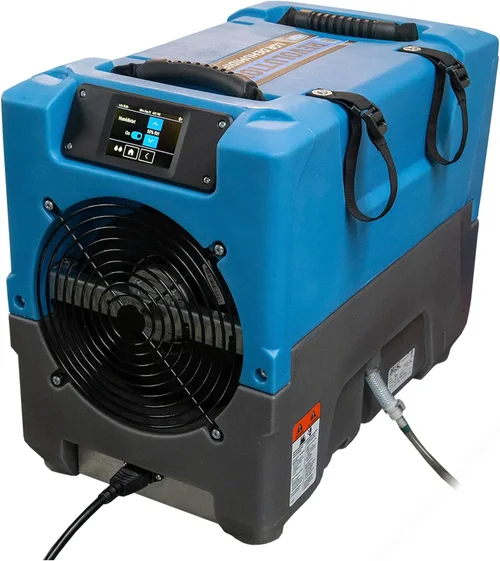
Dealing with excess moisture in your home isn’t just about comfort—it’s about protecting your health, your belongings, and the structural integrity of your living space. Whether you’re battling musty odors in a basement, preventing mold growth in a crawl space, or simply trying to breathe easier during humid summer months, a high-quality dehumidifier can make all the difference. But not all dehumidifiers are created equal. If you’ve ever emptied a water tank for the third time in one day or watched your unit struggle to keep up with persistent dampness, you know how frustrating an underperforming model can be.
That’s where dehumidifiers with built-in pumps come in. These advanced units go beyond basic moisture removal by actively pumping collected water out—often vertically or over long distances—eliminating the need for manual tank emptying and enabling continuous operation even in hard-to-reach areas like basements, crawl spaces, or laundry rooms. This guide is designed to cut through the noise and help you find the best dehumidifier with a pump for your specific needs. You’ll learn what features truly matter, how to avoid common pitfalls, and which models deliver real-world performance without breaking the bank. Whether you’re a homeowner, renter, or property manager, this comprehensive buying guide will equip you with the knowledge to make a confident, informed decision.
The market for dehumidifiers with pumps has exploded in recent years, driven by rising awareness of indoor air quality and the growing popularity of finished basements, home gyms, and energy-efficient building practices that can trap moisture. Today’s top models combine powerful extraction capabilities with smart controls, quiet operation, and robust construction—but prices range from under $200 to well over $1,000. With so many options claiming to be “the best,” it’s easy to feel overwhelmed. This guide demystifies the selection process by focusing on practical criteria, real user experiences, and expert insights. By the end, you’ll know exactly what to prioritize based on your space, budget, and lifestyle—so you can invest in a dehumidifier that works as hard as you do.

What to Look for When Buying Buying Guide
1. Pump Capability & Drainage Options
The defining feature of a dehumidifier with a pump is its ability to actively expel collected water without manual intervention. Look for models that offer both gravity drainage (via a hose) and an integrated condensate pump. The pump should be able to lift water vertically—ideally 10 to 15 feet or more—and push it horizontally across significant distances (up to 50+ feet in some cases). This is crucial if you plan to drain into a utility sink, sump pit, or outside through a window. Check the pump’s flow rate (measured in gallons per hour or GPH) and ensure it includes a reliable float switch to prevent overflow. Some premium models even feature dual pumps or backup systems for added peace of mind during extended use.
2. Moisture Removal Capacity (Pints per Day)
Dehumidifier capacity is measured in pints of moisture removed per day at standard conditions (80°F and 60% relative humidity). For most residential applications, a unit rated between 30 and 70 pints per day will suffice. Smaller spaces like closets or bathrooms may only need 20–30 pints, while large basements or damp crawl spaces could require 50–70+ pints. However, don’t oversize unnecessarily—a unit that’s too powerful may short-cycle (turn on and off frequently), reducing efficiency and lifespan. Match the capacity to your square footage and humidity level: light dampness (30–50 pints), moderate (50–70 pints), or severe (70+ pints). Always check the AHAM (Association of Home Appliance Manufacturers) rating, as it provides standardized, real-world performance data.
3. Energy Efficiency & Operating Costs
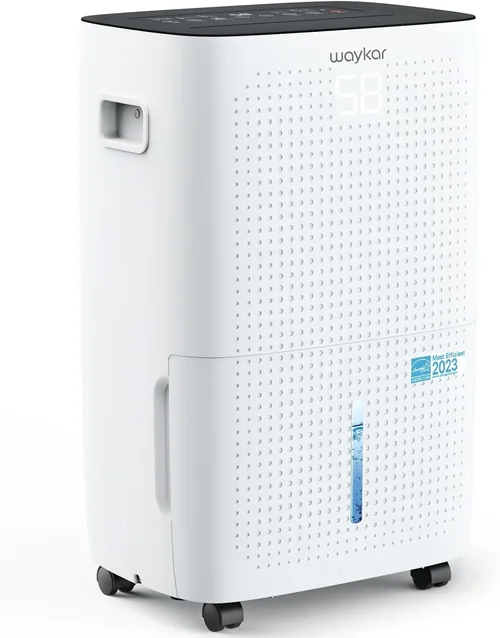
Running a dehumidifier continuously can add up on your electricity bill, so energy efficiency matters. Look for the ENERGY STAR® label, which indicates the unit meets strict efficiency guidelines set by the U.S. Environmental Protection Agency. The Energy Factor (EF) measures liters of water removed per kilowatt-hour of electricity used—higher is better. Modern efficient models typically achieve EF ratings of 1.5–2.5 L/kWh. Also consider the unit’s wattage and whether it includes auto-restart after power outages, which prevents unnecessary runtime. Over a year, an ENERGY STAR-certified dehumidifier can save you $10–$30 compared to a non-certified model, depending on usage and local electricity rates.
4. Build Quality & Durability
Since dehumidifiers with pumps are often used in harsh environments—basements, garages, or unfinished spaces—they need to withstand dust, temperature swings, and occasional bumps. Look for units with sturdy casings (metal or high-impact plastic), sealed compressors, and corrosion-resistant coils. Internal components like the pump motor and fan should be rated for continuous duty. Check for reinforced drain ports and anti-vibration mounts to reduce wear. Brands known for durability include AprilAire, Santa Fe, and hOmeLabs. Avoid flimsy plastic housings or units with exposed wiring, as these are prone to failure in demanding conditions.
5. Noise Level & Operational Comfort
Nobody wants a loud machine humming in the background all day. Dehumidifier noise is measured in decibels (dB)—most residential units range from 45 dB (whisper-quiet) to 60 dB (conversation-level). If you’re placing the unit in a living area, bedroom, or home office, aim for 50 dB or lower. Look for models with variable fan speeds, sleep modes, or insulated compressor compartments to minimize sound. Some premium units use brushless DC motors, which are significantly quieter than traditional AC motors. Real-world testing shows that even “quiet” models can produce noticeable noise when the compressor kicks on, so read user reviews for honest feedback on noise performance.
6. Smart Features & Automation
Modern dehumidifiers with pumps often include advanced controls that enhance convenience and efficiency. Key features to look for include programmable humidistats (so you can set your ideal humidity level, typically 30–50%), automatic defrost (for cold environments below 65°F), timer functions, and Wi-Fi connectivity for remote monitoring via smartphone apps. Some models integrate with smart home systems like Alexa or Google Assistant. Auto-restart after power loss is essential for unattended operation. While these features add cost, they reduce manual oversight and optimize performance—especially valuable if you’re using the unit in an inaccessible location like a crawl space.
7. Portability & Installation Requirements
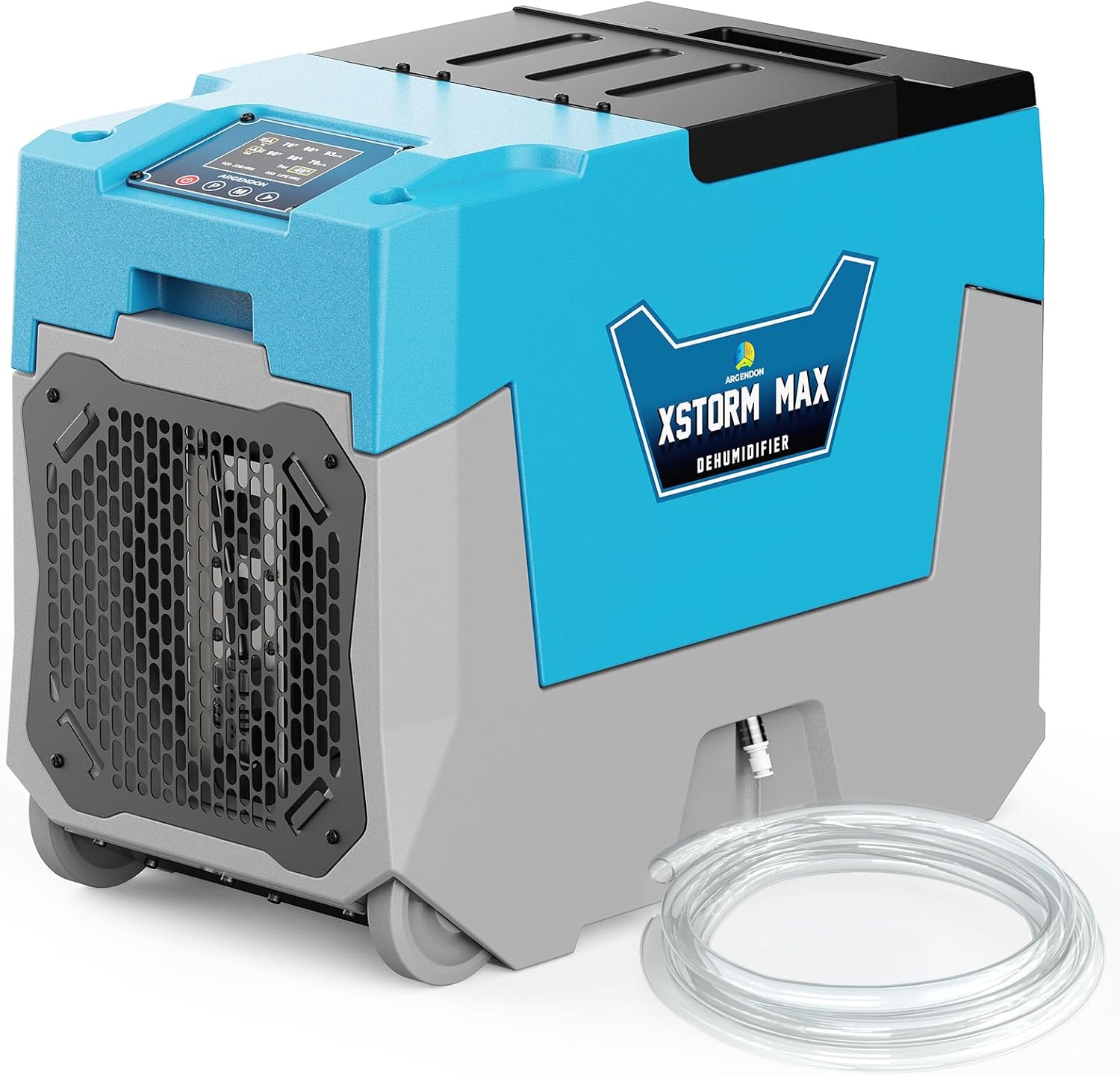
Even with a pump, you’ll need to move or position your dehumidifier during setup. Look for units with recessed handles, smooth-rolling casters, and a compact footprint. Weight matters too—many pump-equipped models weigh 40–70 pounds, so ensure you can lift or maneuver them safely. Consider installation needs: does it require permanent plumbing? Can it sit on the floor, or does it need wall mounting? Some commercial-grade units are designed for ducted installation, allowing hidden placement with airflow directed to problem areas. For renters or temporary setups, opt for freestanding models with quick-connect hoses.
8. Warranty & Customer Support
A dehumidifier with a pump is a significant investment, so protect it with a solid warranty. Most reputable brands offer 1–2 years of coverage, but premium models may include 3–5 years, sometimes with extended pump warranties. Read the fine print: some warranties void if the unit is used in commercial settings or without proper maintenance. Check customer support responsiveness—can you reach a human quickly? Are replacement parts readily available? Brands like AprilAire and Santa Fe are known for excellent service, while budget brands may offer limited support. User forums and review sites often reveal which companies stand behind their products.
Different Types of Buying Guide
Common Buying Mistakes to Avoid
❌ Mistake: Ignoring Vertical Lift Requirements
Why it’s bad: Many buyers assume any pump can push water up a few feet, but most consumer-grade pumps max out at 10–12 feet of vertical lift. If your drain point is higher—say, from a basement to a first-floor sink—the pump may fail or overheat.
What to do instead: Measure the vertical distance from the dehumidifier to your drain outlet. Choose a model rated for at least 2–3 feet more than your actual lift to account for hose friction and bends. For lifts over 15 feet, consider a commercial unit or a secondary booster pump.
❌ Mistake: Overlooking Cold-Weather Performance
Why it’s bad: Standard compressor-based dehumidifiers lose efficiency below 65°F and may ice up in unheated spaces like garages or winterized cabins. Running them in cold conditions can damage the compressor.
What to do instead: If your space drops below 60°F, opt for a desiccant dehumidifier or a cold-climate compressor model with auto-defrost. These maintain effectiveness in temperatures as low as 40°F.
❌ Mistake: Choosing Based Solely on Pint Rating
Why it’s bad: Manufacturers often advertise peak performance under ideal lab conditions, which don’t reflect real-world humidity levels. A 70-pint unit may only remove 40 pints in a cool, damp basement.
What to do instead: Rely on AHAM-certified ratings and match capacity to your actual conditions. Use online calculators or consult HVAC professionals to determine true needs based on square footage, insulation, and local climate.
❌ Mistake: Neglecting Hose Compatibility
Why it’s bad: Not all dehumidifiers include a drain hose, and those that do may use proprietary fittings. Using the wrong hose can lead to leaks, kinks, or pump strain.
What to do instead: Verify hose diameter (typically 5/16″ or 3/8″) and connection type before buying. Purchase a high-quality, reinforced vinyl or silicone hose rated for continuous use. Keep spare clamps handy.
❌ Mistake: Skipping Regular Maintenance
Why it’s bad: Pump mechanisms can clog with mineral deposits or algae, especially if using untreated water sources. Neglect leads to pump failure and costly repairs.
What to do instead: Flush the pump and hose monthly with a vinegar-water solution. Replace filters every 3–6 months. Use a water softener if you have hard water.
❌ Mistake: Buying Without Testing Return Policy
Why it’s bad: Some units sound louder than advertised or don’t perform as expected in your specific environment. Without a flexible return window, you’re stuck with a dud.
What to do instead: Only buy from retailers with at least a 30-day return policy and free return shipping. Test the unit immediately upon arrival—run it for 24–48 hours and monitor noise, drainage, and humidity levels.
Budget Guidelines: How Much Should You Spend?
Entry-Level ($200–$350): These models offer basic pump functionality and decent moisture removal for small to mid-sized spaces. Expect simpler controls, shorter warranties (1 year), and louder operation. Ideal for occasional use or mild dampness. Brands like Ivation and Eva-Dry fall here—good for renters or seasonal needs, but may lack durability for daily basement use.
Mid-Range ($350–$600): This is the sweet spot for most homeowners. Units in this range typically feature ENERGY STAR certification, programmable humidistats, auto-defrost, and reliable pumps with 10–15 ft lift. Build quality improves significantly, with metal components and better insulation. Models like the hOmeLabs HME020034N or Frigidaire FAD704DWD deliver excellent value, balancing performance, noise, and longevity.
Premium ($600–$1,200): Designed for serious moisture challenges, these dehumidifiers offer high-capacity extraction (50–70+ pints), commercial-grade pumps, and advanced features like Wi-Fi connectivity, ducting options, and extended warranties (2–5 years). Perfect for large basements, crawl spaces, or whole-house applications. AprilAire and Santa Fe dominate this tier with robust, long-lasting units built for 24/7 operation.
Luxury ($1,200+): Reserved for professionals, restoration experts, or those with extreme humidity issues, luxury models include dual pumps, stainless steel coils, HEPA filtration, and integration with smart home systems. These are often ducted, wall-mounted, or designed for permanent installation. While overkill for most homes, they provide unmatched reliability and performance in commercial or industrial settings.
Expert Tips for Getting the Best Deal
– Buy in Spring: Dehumidifier demand peaks in summer, so prices drop in late winter and early spring. Retailers often clear inventory before humid season hits—look for sales in February through April.
– Check HVAC Supply Stores: Local HVAC suppliers sometimes carry commercial-grade units at lower prices than big-box retailers, especially during off-season promotions. They may also offer free delivery or installation advice.
– Bundle with Accessories: Some sellers include free drain hoses, filters, or extension kits. These can save $30–$100 compared to buying separately. Always ask what’s included.
– Read Verified Purchase Reviews: Focus on reviews from buyers who’ve used the unit for 3+ months. They’ll reveal long-term reliability, pump durability, and real noise levels—not just first impressions.
– Consider Refurbished Models: Reputable brands like AprilAire sell certified refurbished units with full warranties at 20–40% off. These are thoroughly tested and often indistinguishable from new.
– Negotiate Extended Warranties: If buying in-store, ask if the extended warranty can be discounted or bundled. Sometimes it’s cheaper than purchasing online later.
– Test Drainage Before Final Setup: Once installed, run the pump with a bucket of water to ensure it lifts and drains properly before relying on it unattended. This catches hose kinks or pump issues early.
– Monitor Energy Usage: Use a Kill-A-Watt meter to track actual power consumption. Some “efficient” models draw more watts than advertised, impacting long-term costs.

Frequently Asked Questions
Q: Can I use a dehumidifier with a pump in a crawl space?
A: Absolutely—in fact, it’s one of the best applications. Crawl spaces are prone to high humidity and often lack easy access for tank emptying. A pump-equipped unit can continuously drain into a sump pit or exterior vent, preventing mold and wood rot. Just ensure the model is rated for unconditioned spaces and has a robust pump.
Q: How often does the pump need maintenance?
A: With regular use, inspect and clean the pump every 1–3 months. Flush it with a 50/50 vinegar-water mix to dissolve mineral buildup. Replace the filter every 3–6 months. In hard water areas, consider a whole-house water softener to extend pump life.
Q: Will a pump dehumidifier work during a power outage?
A: Only if it has auto-restart functionality. Most modern units do—they’ll resume operation at the last settings once power returns. However, the pump won’t run on battery backup unless you have a UPS (uninterruptible power supply), which is uncommon for these appliances.
Q: Can I connect multiple hoses to one dehumidifier?
A: Generally, no. Most units have a single drain port. If you need to split drainage, use a Y-connector, but ensure the pump can handle the added resistance. Better yet, choose a model with dual drain ports or install a manifold system for complex setups.
Q: Are pump dehumidifiers safe to run unattended?
A: Yes, provided they have safety features like float switches, auto-shutoff, and reliable pumps. Always follow manufacturer guidelines for hose routing and placement. Avoid running them near flammable materials or in flooded areas without proper grounding.
Q: Do I still need a backup tank?
A: It’s wise to keep the internal tank installed even with a pump. If the hose clogs or the pump fails, the tank provides a safety buffer. Many units automatically switch to tank mode if drainage stops.
Q: How do I know if my pump is failing?
A: Signs include reduced water output, unusual noises (grinding or clicking), or the unit shutting off unexpectedly. Check for clogs first. If the pump runs but doesn’t move water, it may need replacement—most are user-serviceable.
Q: Can I use a garden hose for drainage?
A: Not recommended. Garden hoses aren’t designed for continuous water flow and can collapse under suction or degrade over time. Use a dedicated vinyl or silicone drain hose rated for dehumidifiers.
Our Final Recommendations
Best for Budget-Conscious Buyers: Ivation IVADM35 – At under $300, this 35-pint unit includes a 10-ft lift pump, auto-defrost, and a washable filter. It’s not the quietest, but it delivers reliable performance for small basements or laundry rooms.
Best Overall Value: hOmeLabs HME020034N – Priced around $450, this 50-pint ENERGY STAR model features a powerful pump (15-ft lift), Wi-Fi app control, and a sleek design. Users praise its quiet operation and consistent humidity control in mid-sized homes.
Best Premium Option: AprilAire E080 – For $900–$1,100, this whole-home capable unit removes up to 80 pints daily with a commercial-grade pump, ducting options, and a 5-year warranty. Ideal for large basements or integrated HVAC systems.
Best for Beginners: Frigidaire FAD704DWD – With intuitive controls, a clear humidity display, and a straightforward pump setup, this $500 model is perfect for first-time buyers. It’s user-friendly without sacrificing performance.
Best for Advanced Users: Santa Fe Compact 70 – At $1,400+, this desiccant-based powerhouse excels in cold, tight spaces like crawl spaces or garages. Its dual-pump system and ductable design offer unmatched flexibility for custom installations.
Conclusion: Making the Right Choice
Choosing the best dehumidifier with a pump isn’t just about specs—it’s about matching technology to your lifestyle, space, and long-term goals. A well-selected unit won’t just remove moisture; it will improve air quality, protect your home’s structure, and give you peace of mind during rainy seasons or power outages. Remember to prioritize pump capability, real-world capacity, energy efficiency, and build quality over flashy features or inflated marketing claims.
Take the time to assess your specific needs: How big is your space? How high does water need to be lifted? Will the unit run continuously or intermittently? By answering these questions honestly and using the guidance in this article, you’ll avoid costly mistakes and invest in a solution that lasts for years. Don’t rush the decision—read reviews, compare warranties, and test before committing. Your home—and your health—will thank you.
Ready to breathe easier? Start by measuring your space, checking your drainage options, and browsing our top recommendations. With the right dehumidifier with a pump, you can finally say goodbye to dampness, mold, and musty odors for good.