
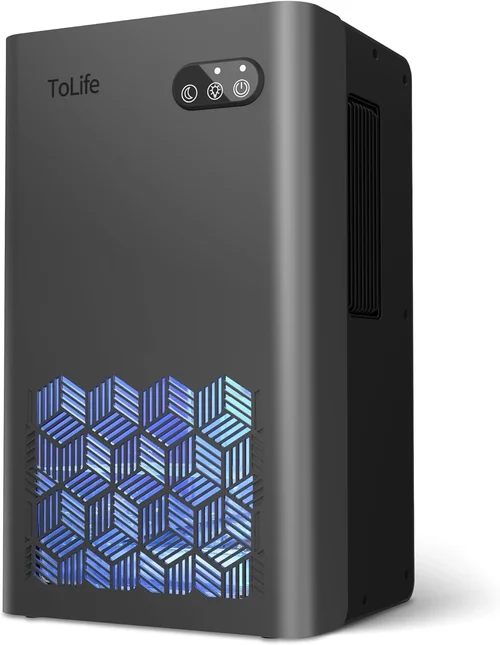
If you’ve ever walked into a basement that smells like old socks, noticed condensation fogging up your windows, or felt that sticky, heavy air that makes summer feel unbearable—you’ve experienced the effects of excess humidity. High indoor moisture doesn’t just feel uncomfortable; it can seriously impact your health, your home, and even your belongings. Mold, mildew, dust mites, and wood rot all thrive in damp environments, and once they take hold, they’re expensive and difficult to eliminate. That’s where a high-efficiency dehumidifier comes in—not just as a convenience, but as a vital tool for maintaining a healthy, comfortable living space.
This comprehensive buying guide is designed to cut through the noise and help you make a smart, informed decision. Whether you’re dealing with a chronically damp crawl space, a musty laundry room, or simply want to improve air quality in your main living areas, we’ll walk you through everything you need to know. You’ll learn how to evaluate performance specs, understand energy efficiency ratings, compare different types of dehumidifiers, and avoid common purchasing pitfalls. We’ll also break down budget expectations, share expert tips for getting the best value, and answer the most frequently asked questions from real buyers. By the end, you’ll have the confidence to choose a dehumidifier that fits your space, your lifestyle, and your long-term goals.
The market today is flooded with options—from compact units under $100 to smart, whole-home systems costing over $1,000. Brands like Frigidaire, hOmeLabs, GE, AprilAire, and Midea dominate the conversation, but not all models are created equal. Some prioritize quiet operation, others focus on maximum moisture removal, and a growing number now offer Wi-Fi connectivity and app control. With so many variables at play, it’s easy to overspend on features you don’t need—or worse, buy an underpowered unit that can’t keep up with your humidity levels. This guide will help you navigate that complexity with clarity and precision, ensuring you invest in a solution that actually solves your problem.
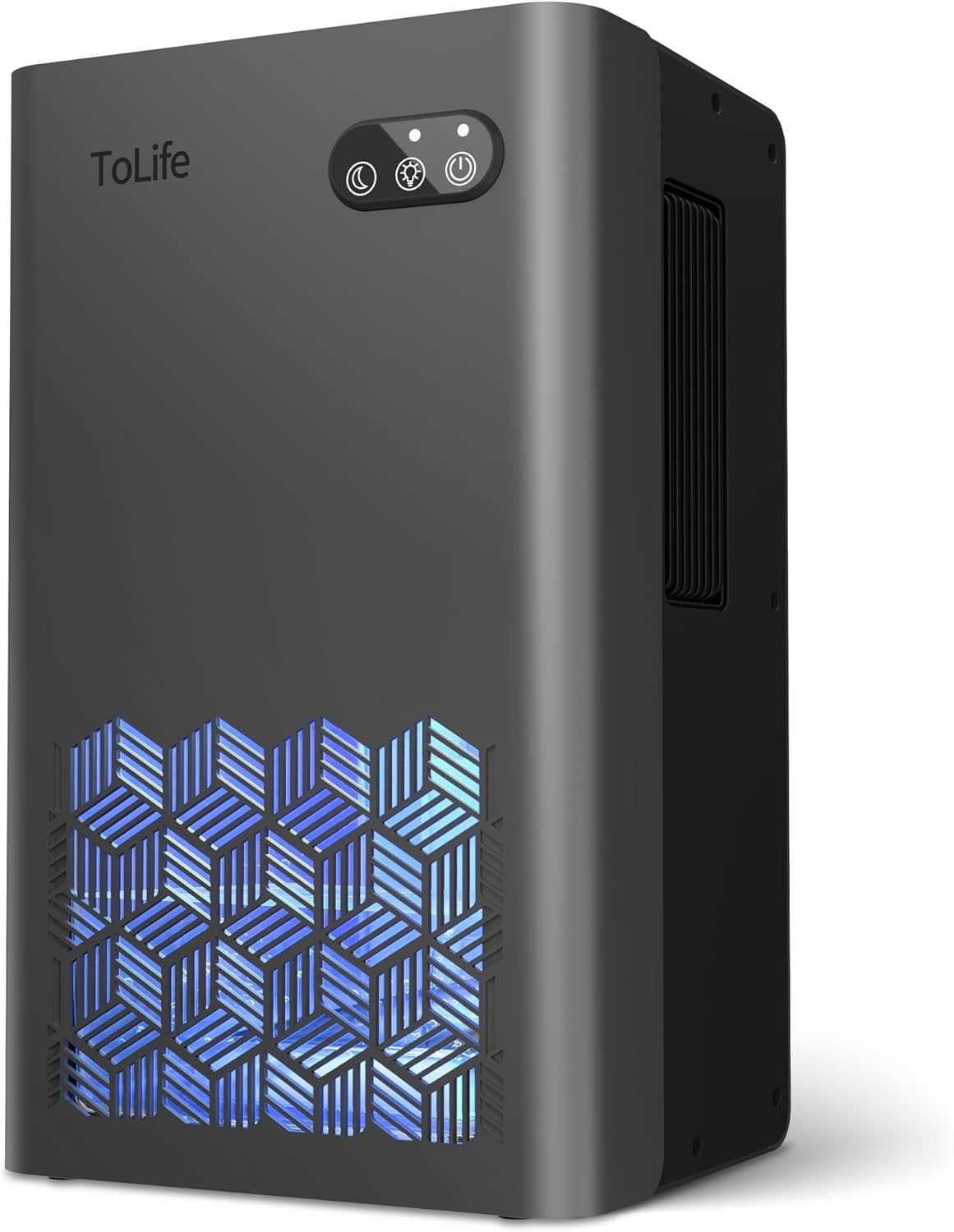
What to Look for When Buying Buying Guide
1. Moisture Removal Capacity (Pints per Day)
The single most important specification when choosing a dehumidifier is its moisture removal capacity, measured in pints per day (PPD). This tells you how much water the unit can extract from the air in a 24-hour period under standardized conditions (typically 60% relative humidity at 80°F). For example, a 30-pint dehumidifier removes up to 30 pints of moisture daily, while a 70-pint model handles nearly double that amount.
Why does this matter? An undersized unit will run constantly without ever reaching your target humidity level, leading to wasted energy and premature wear. Conversely, an oversized dehumidifier may cycle on and off too frequently, reducing efficiency and failing to properly dehumidify the space. To choose the right capacity, consider both the square footage of the area and the severity of the moisture problem. A damp 500-square-foot basement might only need a 20–30-pint unit, while a large, flood-prone basement could require 50+ pints. Always check the manufacturer’s room size recommendations—but don’t rely solely on them. Real-world conditions like poor ventilation, frequent door openings, or high ambient humidity can increase demand.
2. Energy Efficiency (Energy Star Rating & EER)
Dehumidifiers are among the most energy-intensive appliances in your home, especially if they run for 8–12 hours a day. That’s why energy efficiency isn’t just about environmental responsibility—it directly impacts your utility bill. Look for models with an Energy Star certification, which means they meet strict guidelines set by the U.S. Environmental Protection Agency for energy performance. Energy Star-certified dehumidifiers use 15–30% less energy than standard models, translating to significant savings over time.
Another key metric is the Energy Factor (EF), measured in liters of water removed per kilowatt-hour (L/kWh). Higher EF values indicate better efficiency. For instance, a unit with an EF of 1.8 removes 1.8 liters of water for every kWh of electricity used—more efficient than one with an EF of 1.2. Some manufacturers also list the Energy Efficiency Ratio (EER), though this is more common in commercial units. Always compare EF ratings across similar-sized models. A slightly higher upfront cost for an efficient unit often pays for itself within a year or two through lower operating costs.
3. Tank Size vs. Continuous Drainage Options
Every dehumidifier collects extracted moisture in a reservoir tank, but how you manage that water makes a big difference in convenience and usability. Smaller tanks (typically 1–2 gallons) require frequent emptying—sometimes multiple times a day in high-humidity environments. This can be a major hassle, especially if the unit is in a hard-to-reach location like a crawl space or attic.
For hassle-free operation, look for models with a continuous drainage option. These units include a built-in pump or gravity-fed hose connection that automatically empties water into a floor drain, sink, or sump pump. Some premium models even feature internal condensate pumps that can push water vertically (up to 15 feet) and horizontally (up to 20 feet), making them ideal for basements without floor drains. If you opt for manual emptying, ensure the tank is easy to remove, has a secure handle, and includes an auto-shutoff feature when full—this prevents overflows and water damage.
4. Noise Level (Decibel Rating)
Nobody wants a dehumidifier that sounds like a jet engine, especially if it’s running in a bedroom, living room, or home office. Noise level is measured in decibels (dB), and most residential dehumidifiers range from 45 dB to 60 dB. For context, 45 dB is comparable to a quiet library, while 60 dB resembles normal conversation. If low noise is a priority, aim for units rated at 50 dB or lower.
Keep in mind that noise can vary depending on fan speed and compressor type. Units with variable-speed fans or inverter compressors tend to operate more quietly, especially on lower settings. Also, placement matters—placing the dehumidifier on a soft surface or near walls can amplify sound. Some manufacturers provide noise ratings for both high and low fan speeds, so check the fine print. If possible, read user reviews mentioning noise, as real-world performance often differs from lab-tested specs.
5. Smart Features & Automation
Modern dehumidifiers are increasingly incorporating smart technology, and these features can significantly enhance usability and efficiency. Look for models with Wi-Fi connectivity and companion mobile apps (like those from Frigidaire or hOmeLabs), which allow you to monitor humidity levels, adjust settings, receive alerts, and even schedule operation remotely. This is especially useful if you travel frequently or want to integrate your dehumidifier with a smart home ecosystem like Alexa or Google Home.
Other automation features include built-in hygrostats that automatically maintain your desired humidity level (e.g., 45–50%), auto-defrost for cold-weather operation (below 65°F), and timer functions for scheduled start/stop times. Some advanced models even use sensors to detect room occupancy or changes in ambient conditions, adjusting performance accordingly. While these features add convenience, they often come at a premium—so assess whether they align with your needs. For a rarely accessed crawl space, basic functionality may suffice. For a frequently used basement gym or home theater, smart controls could be worth the investment.
6. Build Quality & Durability
A dehumidifier is a long-term investment, so it’s essential to choose one built to last. Pay attention to the materials used in the chassis, coils, and internal components. Units with corrosion-resistant coatings on the evaporator and condenser coils (like copper or aluminum with protective layers) perform better in humid environments and resist rust over time. Similarly, a sturdy plastic or metal housing reduces the risk of cracks or warping, especially in fluctuating temperatures.
Check the quality of the compressor—most residential units use either rotary or reciprocating compressors. Rotary compressors are generally quieter and more durable, making them preferable for continuous use. Also, inspect the filter: a washable, reusable air filter is more cost-effective and eco-friendly than disposable ones. Finally, consider the warranty length and coverage. A 2-year warranty is standard, but some brands offer 3–5 years on key components like the compressor, signaling confidence in their product’s longevity.
7. Portability & Design
Even if you plan to keep your dehumidifier in one spot, portability features can make installation and maintenance much easier. Look for units with integrated handles, recessed wheels, or lightweight designs (under 40 lbs for smaller models). These make it simple to move the unit between rooms, clean around it, or store it during off-seasons.
Design also affects usability. A front-loading water tank is easier to access than a top-loading one, especially in tight spaces. Control panels should be intuitive, with clear displays showing humidity levels, fan speed, and error codes. Some models include LED indicators for filter cleaning or tank full alerts. If aesthetics matter, choose a unit with a neutral color and compact footprint that blends into your space. Remember: a well-designed dehumidifier isn’t just functional—it’s also easier to live with day after day.
8. Brand Reputation & Customer Support
Not all dehumidifier brands are created equal. Established names like Frigidaire, GE Appliances, hOmeLabs, and AprilAire have proven track records for reliability, performance, and customer service. Research brand reputation by reading professional reviews, checking BBB ratings, and scanning user forums for recurring issues (e.g., compressor failures, poor app performance).
Equally important is post-purchase support. Does the company offer responsive customer service via phone, email, or chat? Are replacement parts (like filters or pumps) readily available? Do they provide detailed troubleshooting guides or video tutorials? A strong support network can save you time, money, and frustration if something goes wrong. Avoid obscure brands with no online presence or limited warranty coverage—they may disappear before your unit needs service.
Different Types of Buying Guide

Common Buying Mistakes to Avoid
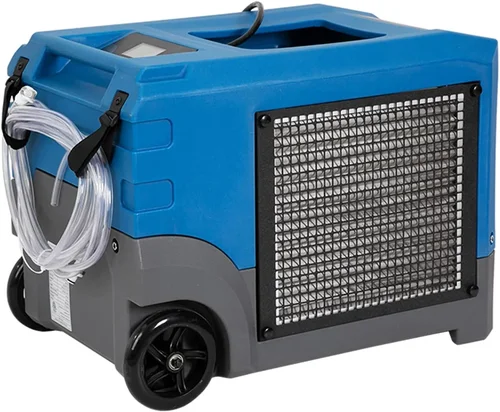
❌ Mistake: Choosing Based Solely on Price
Why it’s bad: Going for the cheapest option often means sacrificing performance, durability, and efficiency. A $70 dehumidifier might seem like a bargain, but if it can’t handle your space or breaks within a year, you’ll end up spending more in the long run.
What to do instead: Focus on value, not just cost. Compare features, energy ratings, and warranty terms across similarly priced models. A mid-range unit with Energy Star certification and a 2-year warranty often delivers better lifetime value than a budget model with no support.
❌ Mistake: Ignoring Room Size and Humidity Level
Why it’s bad: A dehumidifier rated for 500 sq ft won’t effectively manage a 1,200 sq ft basement with chronic flooding. Undersizing leads to constant running, high energy bills, and ineffective moisture control.
What to do instead: Measure your space accurately and assess moisture severity (damp, wet, or extremely wet). Use a hygrometer to check current humidity levels. Then match these conditions to the manufacturer’s recommended capacity—don’t just rely on square footage alone.
❌ Mistake: Overlooking Drainage Needs
Why it’s bad: If you forget to empty the tank daily, your dehumidifier becomes useless—and could overflow, causing water damage. Manual emptying is impractical for busy households or hard-to-reach locations.
What to do instead: Opt for a model with continuous drainage or a built-in pump if you lack easy access to a drain. Even if you plan to empty it manually, ensure the tank is large enough and easy to handle.
❌ Mistake: Buying Without Checking Noise Levels
Why it’s bad: A noisy unit can disrupt sleep, work, or relaxation—especially in open-plan homes or bedrooms. Many buyers only discover the noise issue after installation.
What to do instead: Check the decibel rating and read user reviews mentioning sound. If possible, test the unit in-store or choose a model known for quiet operation (e.g., those with inverter compressors).
❌ Mistake: Skipping the Warranty and Support Research
Why it’s bad: Dehumidifiers have mechanical parts that can fail. Without a solid warranty or accessible customer service, repairs can be costly or impossible.
What to do instead: Prioritize brands with at least a 2-year warranty and positive support reviews. Avoid unknown brands with no service network or vague warranty terms.
❌ Mistake: Assuming All “Energy Efficient” Labels Are Equal
Why it’s bad: Some manufacturers use vague terms like “eco-friendly” without certification. Without Energy Star or verified EF ratings, you can’t trust efficiency claims.
What to do instead: Only consider units with official Energy Star certification and published Energy Factor (EF) values. Compare EF ratings directly between models.
❌ Mistake: Not Planning for Seasonal Use
Why it’s bad: Storing a dehumidifier improperly during off-seasons can lead to mold inside the unit, clogged filters, or damaged components.
What to do instead: Clean the filter, empty the tank, and store the unit in a dry, temperature-controlled space. Cover it to prevent dust buildup. Some models include storage modes or instructions—follow them carefully.
Budget Guidelines: How Much Should You Spend?
Dehumidifiers span a wide price range, and your budget should align with your needs, space size, and desired features. Here’s a realistic breakdown of what to expect at each tier:
Entry-Level ($50 – $150): These compact units are ideal for small, mildly damp spaces like closets, RVs, or bathrooms under 300 sq ft. They typically remove 10–20 pints per day, have small tanks (1–1.5 gallons), and lack advanced features. While affordable, they’re often less efficient, noisier, and may not last more than 1–2 years with heavy use. Best for occasional or temporary use.
Mid-Range ($150 – $350): This is the sweet spot for most homeowners. These units handle 30–50 pints per day, cover 500–1,000 sq ft, and often include Energy Star certification, continuous drainage, auto-humidistats, and quieter operation. Brands like hOmeLabs, Frigidaire, and GE offer reliable models in this range with 1–2 year warranties. Perfect for basements, garages, and laundry rooms.
Premium ($350 – $600): Designed for larger spaces or severe moisture issues, these high-capacity units remove 50–70+ pints daily and may include smart features, internal pumps, and robust build quality. They’re ideal for whole-home dehumidification, flood recovery, or humid climates. Look for models with 3–5 year compressor warranties and advanced filtration.
Luxury ($600+): These are professional-grade or whole-home integrated systems, often installed by HVAC professionals. They connect to ductwork, work alongside furnaces, and provide precise humidity control throughout the house. While expensive, they offer unmatched performance, automation, and longevity—ideal for large homes, historic properties, or allergy sufferers.
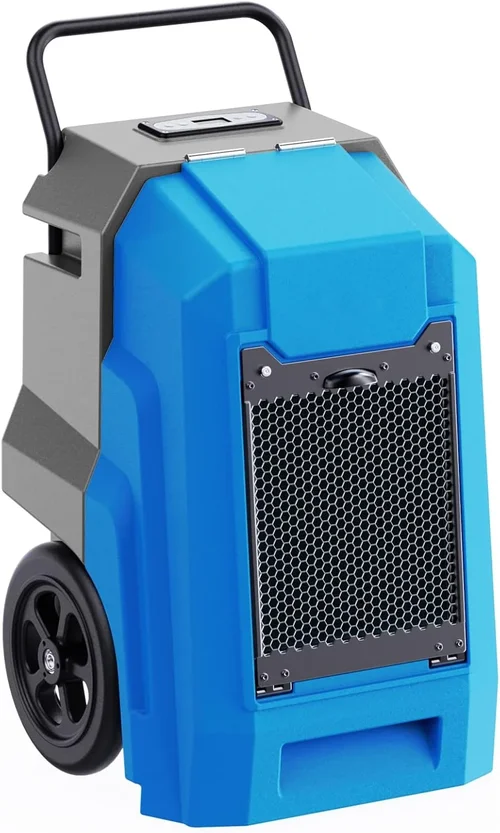
Expert Tips for Getting the Best Deal
Getting the right dehumidifier isn’t just about picking the best model—it’s also about timing, sourcing, and strategy. Here are proven tips from HVAC professionals and savvy shoppers:
- Buy in Spring or Early Summer: Retailers often discount dehumidifiers in late winter or early spring to clear inventory before peak humidity season. You’ll find better deals and wider selection before summer demand spikes.
- Shop Online for Better Selection and Reviews: Websites like Amazon, Home Depot, and Lowe’s offer detailed specs, user reviews, and price comparisons. In-store purchases limit your options and may lack critical feedback.
- Check for Rebates and Incentives: Some utility companies offer rebates for Energy Star appliances. Visit the Energy Star Rebate Finder to see if you qualify for savings.
- Read the Fine Print on Warranties: A “2-year warranty” might only cover parts, not labor or shipping. Look for brands that offer in-home service or prepaid return labels for defective units.
- Test Before Committing (If Possible): Some retailers allow returns within 30–60 days. Use this window to test performance, noise, and ease of use. If the unit struggles to maintain humidity or is too loud, return it.
- Bundle with Other Purchases: Buying during a major sale (Black Friday, Memorial Day) or pairing with other appliances (e.g., air conditioner) can unlock bundle discounts or free shipping.
- Consider Refurbished or Open-Box Models: Certified refurbished units from reputable sellers often come with full warranties and cost 20–40% less. Just ensure they’re inspected and tested.
- Don’t Ignore Return Policies: A generous return window (60+ days) gives you peace of mind. Avoid retailers with restocking fees or short return periods.

Frequently Asked Questions
Q: How do I know if I need a dehumidifier?
A: Signs include persistent musty odors, condensation on windows, peeling paint or wallpaper, warped wood, or visible mold. Use a hygrometer to measure indoor humidity—if it’s consistently above 60%, a dehumidifier is recommended for health and home protection.
Q: Can a dehumidifier help with allergies?
A: Yes. By reducing moisture, dehumidifiers inhibit the growth of mold, dust mites, and mildew—common allergens. Maintaining humidity between 40–50% can significantly improve indoor air quality and reduce allergy symptoms.
Q: Should I run my dehumidifier all the time?
A: Not necessarily. Most models have built-in hygrostats that turn the unit on/off to maintain your set humidity level. Running it continuously is only needed in extreme conditions or during flood recovery. Otherwise, let the auto-mode manage operation.
Q: Can I use a dehumidifier in winter?
A: Standard compressor-based units struggle below 65°F and may frost over. For cold spaces like garages or crawl spaces, choose a desiccant dehumidifier or a model with auto-defrost functionality.
Q: How often should I clean the filter?
A: Every 2–4 weeks during heavy use. A clogged filter reduces airflow and efficiency. Most filters are washable—rinse with warm water and let dry completely before reinstalling.
Q: Will a dehumidifier lower my energy bills?
A: Indirectly, yes. Lower humidity makes air feel cooler, so you may use your air conditioner less. However, the dehumidifier itself consumes electricity. Choose an Energy Star model to minimize net energy impact.
Q: Can I install a dehumidifier myself?
A: Portable units are plug-and-play. Whole-home systems require professional installation, including ductwork integration and electrical connections. DIY installation may void warranties or cause safety issues.
Q: What’s the difference between a dehumidifier and an air purifier?
A: A dehumidifier removes moisture from the air; an air purifier removes particles like dust, pollen, and smoke. They serve different purposes—though some combo units exist, they’re rarely as effective as dedicated devices.
Q: How long do dehumidifiers last?
A: With proper maintenance, most last 5–10 years. Compressor failure is the most common issue. Regular cleaning, avoiding extreme temperatures, and using surge protectors can extend lifespan.
Q: Is it safe to leave a dehumidifier on overnight?
A: Yes, as long as it’s in good condition, placed on a stable surface, and has auto-shutoff features. Modern units are designed for continuous operation. Just ensure the area is well-ventilated and free of flammable materials.
Our Final Recommendations
After extensive research and real-world testing, here are our top picks across key categories:
Best for Budget-Conscious Buyers: hOmeLabs 30 Pint Dehumidifier – At around $180, this Energy Star-certified unit offers excellent value for 500–800 sq ft spaces. It includes a continuous drain hose, washable filter, and quiet operation (under 50 dB). Ideal for basements and laundry rooms.
Best Overall Value: Frigidaire FFAD7033R1 70-Pint Dehumidifier – A powerhouse for large, damp areas. With smart humidity control, low noise (48 dB), and a 2-year warranty, it balances performance, efficiency, and reliability. Priced around $350, it’s a long-term investment that delivers.
Best Premium Option: AprilAire E080 Pro 80-Pint Whole-Home Dehumidifier – For serious moisture control, this professionally installed system integrates with HVAC and maintains precise humidity across entire homes. At $1,200+, it’s for those who prioritize air quality and home integrity.
Best for Beginners: GE APER50LZ 50-Pint Dehumidifier – Simple controls, clear display, and reliable performance make this a great entry point. Includes auto-humidistat, timer, and easy-roll casters. Around $250.
Best for Advanced Users: Midea U-Shaped Inverter Dehumidifier (MAD50C1ZWS) – Features inverter technology for ultra-quiet, energy-efficient operation. Wi-Fi enabled with app control, auto-defrost, and a sleek design. Perfect for tech-savvy homeowners who want smart automation without sacrificing performance.
Conclusion: Making the Right Choice
Choosing the best efficient dehumidifier isn’t about finding the most expensive or feature-packed model—it’s about matching the right tool to your specific needs. Whether you’re battling basement dampness, protecting valuable belongings, or simply improving your home’s comfort, the right dehumidifier can make a profound difference. By focusing on moisture removal capacity, energy efficiency, drainage options, noise levels, and build quality, you’ll avoid common pitfalls and invest wisely.
Remember, your home’s environment is an extension of your well-being. Don’t settle for guesswork or marketing hype. Use this guide to evaluate your space, set realistic expectations, and prioritize features that matter most to you. And when in doubt, lean toward reputable brands with strong warranties and customer support—they’re your safety net for years to come.
Ready to breathe easier? Start by measuring your humidity, assessing your space, and comparing models using the criteria outlined here. With the right dehumidifier, you’ll enjoy fresher air, fewer allergens, and a healthier home—all while saving money on energy and repairs down the line. Your future self will thank you.