
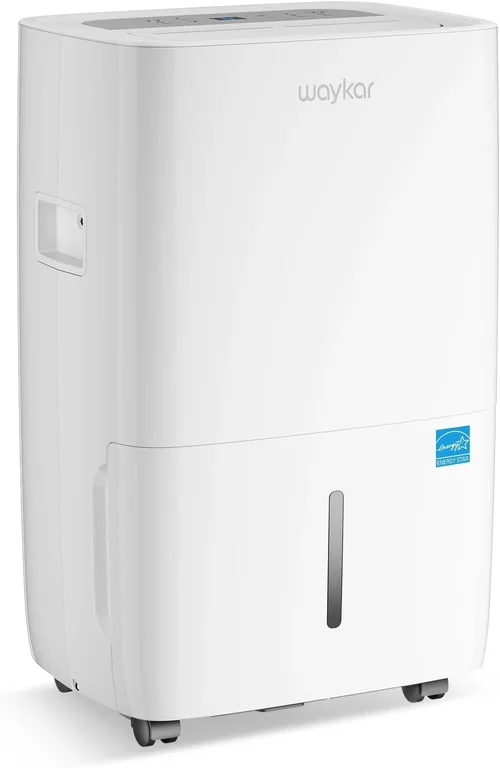
If you’ve ever walked into a basement that smells like damp socks, noticed condensation fogging up your windows, or seen mold creeping along the corners of your walls, you already know how damaging excess moisture can be. High humidity doesn’t just make your home feel sticky and uncomfortable—it can trigger allergies, damage furniture, warp wood floors, and even compromise the structural integrity of your property over time. That’s where a large dehumidifier comes in. These powerful appliances are designed to tackle significant moisture problems in big spaces like basements, garages, crawl spaces, or entire homes, pulling gallons of water from the air each day and restoring healthy indoor air quality.
But not all large dehumidifiers are created equal. With dozens of models on the market—ranging from budget-friendly units to commercial-grade machines—it’s easy to feel overwhelmed when trying to choose the right one. That’s exactly why this guide exists. Whether you’re dealing with a chronically damp basement, managing humidity in a newly finished lower level, or simply want to protect your investment in a large living space, we’ll walk you through everything you need to know to make a smart, informed decision. You’ll learn how to evaluate performance specs, understand key features, avoid common pitfalls, and find the best value for your specific needs—all without getting lost in technical jargon or marketing fluff.
The market for large-capacity dehumidifiers has grown significantly in recent years, driven by increased awareness of indoor air quality and the rising cost of home repairs due to moisture damage. Today’s top models offer advanced controls, energy-efficient operation, smart connectivity, and rugged construction built to last for years. From well-known brands like Frigidaire, hOmeLabs, and AprilAire to specialized names like Santa Fe and Dri-Eaz, there’s a wide range of options tailored to different environments and budgets. In this comprehensive guide, we’ll cut through the noise and give you the expert insight you need to pick the perfect large dehumidifier—one that delivers reliable performance, long-term durability, and peace of mind.

What to Look for When Buying Buying Guide
1. Budget & Price Range
Your budget is often the first filter when shopping for a large dehumidifier, but it shouldn’t be the only one. While it’s tempting to go for the cheapest option, remember that you’re investing in an appliance that will run frequently—sometimes 24/7—in challenging conditions. A low-cost unit may save you money upfront but could cost more in the long run due to higher energy consumption, shorter lifespan, or inadequate performance. On the other hand, spending top dollar doesn’t always guarantee better results if the features don’t match your actual needs.
For most homeowners, a mid-range dehumidifier ($300–$600) offers the best balance of performance, durability, and value. These models typically include essential features like auto-humidistats, continuous drainage, and robust compressors. Entry-level units under $250 may work for smaller areas or occasional use, but they often lack the capacity and reliability needed for large, consistently damp spaces. Premium models above $700 usually offer commercial-grade components, advanced filtration, Wi-Fi controls, or whole-house integration—ideal for severe moisture issues or professional use.
2. Performance Specifications
When it comes to dehumidifiers, “large” usually refers to both physical size and moisture removal capacity. The most critical performance metric is the pint rating—the number of pints of water the unit can remove from the air in 24 hours under standard test conditions (80°F and 60% relative humidity). For large spaces (1,500–4,000+ sq. ft.), you’ll generally want a unit rated between 50 and 90 pints per day (pints/day). However, don’t rely solely on this number. Real-world conditions—like colder basement temperatures or extremely high humidity—can drastically affect performance.
Check the manufacturer’s specs for performance at lower temperatures (e.g., 50°F or 65°F), especially if you’re using the dehumidifier in an unheated basement. Many residential models lose efficiency below 65°F, while cold-climate or “basement-specific” units use enhanced refrigeration systems to keep working effectively. Also, look at the airflow rate (measured in cubic feet per minute, or CFM)—higher CFM means the unit circulates air more efficiently, which improves moisture extraction. Aim for at least 200 CFM for large spaces.
3. Build Quality & Durability
A dehumidifier isn’t a disposable appliance. It’s expected to run for thousands of hours in potentially harsh environments—dusty basements, humid garages, or unfinished crawl spaces. That’s why build quality matters immensely. Look for units with sturdy, rust-resistant casings (powder-coated steel is ideal), sealed electrical components, and high-quality internal parts like copper coils and heavy-duty compressors. Avoid models with flimsy plastic housings or thin-gauge metal, as these are more prone to corrosion and mechanical failure.
Pay attention to the warranty length and coverage—this is often a strong indicator of the manufacturer’s confidence in their product. A 2-year warranty is standard for mid-tier models, while premium units may offer 3–5 years. Some brands even provide extended warranties for commercial use. Additionally, check if replacement parts (like filters or pumps) are readily available and reasonably priced. A dehumidifier that’s difficult or expensive to service will quickly become a liability.
4. Features & Functionality
Modern large dehumidifiers come packed with features that enhance convenience, efficiency, and control. Start with the humidistat—a built-in sensor that monitors ambient humidity and automatically turns the unit on or off to maintain your desired level (usually adjustable between 30% and 80%). This prevents over-drying and saves energy. Auto-defrost is another must-have for cold environments; it prevents ice buildup on the coils, which can shut down the unit in winter.
Continuous drainage is essential for unattended operation. Instead of manually emptying a bucket every few hours, you can connect a garden hose to drain water directly into a floor drain, sump pump, or utility sink. Look for models with built-in pumps (like the hOmeLabs 90-Pint) if you need to lift water vertically—say, from a basement to a upstairs drain. Other useful features include washable air filters (to trap dust and allergens), programmable timers, remote controls, and LED displays with real-time humidity readings.
5. Brand Reputation
Not all dehumidifier brands are equal in terms of reliability, customer service, and innovation. Stick with established names that have a proven track record in HVAC or home appliances. Frigidaire, for example, has been a leader in dehumidifiers for decades, offering consistent performance and wide service networks. hOmeLabs has gained popularity for its user-friendly designs and strong value proposition, while AprilAire specializes in whole-house systems trusted by contractors and builders.
Avoid obscure or generic brands sold exclusively through third-party online retailers—especially those with no verifiable customer support or physical presence. These units may look similar to name-brand models but often use inferior components and lack proper certifications (like UL listing or ETL certification). Reading verified customer reviews on trusted platforms (like Amazon, Home Depot, or Consumer Reports) can reveal patterns in reliability, noise levels, and售后 support that specs alone won’t show.
6. Warranty & Support
A solid warranty isn’t just a safety net—it’s a reflection of product quality. Most reputable manufacturers offer at least a 1-year limited warranty, but for large dehumidifiers, aim for 2 years or more. Pay close attention to what’s covered: does it include the compressor, fan motor, and electronic controls? Or only the cabinet and labor? Some brands offer “bumper-to-bumper” coverage for the first year, while others exclude wear items like filters or seals.
Equally important is customer support accessibility. Can you easily reach a human being by phone or chat? Are troubleshooting guides and manuals available online? Do they offer free replacement parts during the warranty period? Brands like AprilAire and Santa Fe provide excellent technical support and often have local dealers who can service units in person. In contrast, budget brands may leave you stranded with a broken unit and no recourse.
7. Size & Portability
Even though we’re talking about “large” dehumidifiers, portability still matters—especially if you plan to move the unit between rooms, store it seasonally, or transport it for repairs. Look for models with recessed handles, smooth-rolling casters, and a compact footprint relative to their capacity. A 70-pint unit that weighs 50 pounds with four sturdy wheels is far more manageable than a 60-pound brick with no handles.
Consider where you’ll place the dehumidifier. Basements often have low ceilings, narrow doorways, or uneven floors—so measure your space before buying. Some units are taller and narrower (better for tight corners), while others are shorter and wider (more stable on carpet). Also, check the power cord length; a 6-foot cord may not reach an outlet if your basement layout is awkward. Extension cords are not recommended due to fire risk, so ensure the unit can plug directly into a nearby GFCI outlet.
8. User Reviews & Ratings
Spec sheets tell you what a dehumidifier should do—but real user reviews reveal what it actually does in everyday use. Look beyond the star rating and read detailed comments about noise levels, ease of setup, drainage reliability, and long-term performance. Pay special attention to reviews from people with similar environments (e.g., “I have a 2,000 sq. ft. basement in Minnesota”) because climate and usage patterns greatly affect results.
Beware of fake or incentivized reviews—common on some e-commerce sites. Stick to platforms with verified purchase badges and look for balanced feedback that mentions both pros and cons. If multiple users report the same issue (like frequent freezing in winter or a leaky drain hose), it’s likely a design flaw, not an isolated incident. Conversely, consistent praise for quiet operation or hassle-free maintenance is a strong endorsement.
Different Types of Buying Guide
Common Buying Mistakes to Avoid
❌ Mistake: Choosing Based Solely on Pint Rating
Why it’s bad: The advertised pint capacity is measured under ideal lab conditions (80°F, 60% RH)—not your cold, damp basement. A 70-pint unit may only remove 30 pints in real-world winter conditions, leaving your space under-treated.
What to do instead: Always check the manufacturer’s performance chart for lower temperatures. If your space drops below 65°F in winter, opt for a cold-climate or basement-specific model with verified low-temp performance.
❌ Mistake: Ignoring Drainage Options
Why it’s bad: Many buyers assume they’ll just empty the bucket daily—but in high-humidity environments, a 2-gallon bucket can fill in under 12 hours, requiring constant attention. Forgetting to empty it shuts down the unit and defeats the purpose.
What to do instead: Invest in a model with continuous drainage (hose hookup) or a built-in pump. Even if you don’t need it now, it adds flexibility for future use or unexpected humidity spikes.
❌ Mistake: Overlooking Noise Levels
Why it’s bad: Large dehumidifiers can be loud—especially older compressor models. If placed near living areas or bedrooms, constant humming or rattling can disrupt sleep or concentration.
What to do instead: Check the decibel (dB) rating—ideally under 60 dB. Look for units with insulated cabinets, vibration-dampening mounts, or “quiet mode” settings. User reviews often mention noise more accurately than specs.
❌ Mistake: Buying Too Small for the Space
Why it’s bad: Undersized units run continuously, overheat, and wear out quickly—while failing to reduce humidity effectively. This wastes energy and shortens the appliance’s lifespan.
What to do instead: Use a sizing guide: 50–70 pints for 1,500–2,500 sq. ft.; 70–90 pints for 2,500–4,000+ sq. ft. Factor in severity—add 10–20 pints if you have standing water, poor ventilation, or frequent flooding.
❌ Mistake: Skipping the Warranty Check
Why it’s bad: Dehumidifiers contain complex electronics and refrigerant systems. Without a solid warranty, a single compressor failure could cost $200+ to repair—often exceeding the unit’s value.
What to do instead: Prioritize brands with at least a 2-year warranty covering major components. Register your product immediately after purchase to activate coverage.
❌ Mistake: Assuming All “Energy Star” Models Are Equal
Why it’s bad: While ENERGY STAR certification ensures efficiency, some models achieve it through smaller capacities or reduced features—not superior engineering.
What to do instead: Compare the Energy Factor (liters of water removed per kilowatt-hour). Higher is better—look for 1.5 L/kWh or above for large units.
❌ Mistake: Neglecting Airflow and Placement
Why it’s bad: Placing a dehumidifier in a corner, behind furniture, or near walls restricts airflow, reducing efficiency by up to 30%. Poor circulation also creates humidity pockets.
What to do instead: Position the unit centrally with at least 12 inches of clearance on all sides. Use fans to circulate air if the space is large or poorly ventilated.
Budget Guidelines: How Much Should You Spend?
- Entry-Level ($150–$250): These are basic 30–50 pint units suitable for small basements or seasonal use. Expect minimal features, shorter lifespans, and higher noise levels. Best for mild humidity issues or temporary solutions.
- Mid-Range ($300–$600): The sweet spot for most homeowners. These 50–90 pint models offer reliable performance, auto-humidistats, continuous drainage, and decent build quality. Brands like hOmeLabs, Frigidaire, and Tosot dominate this category with strong value.
- Premium ($600–$1,000): Designed for demanding environments—large basements, whole-house use, or cold climates. Features include Wi-Fi controls, advanced filtration, commercial-grade compressors, and extended warranties. Ideal for those with chronic moisture problems or smart home integration needs.
- Luxury ($1,000+): Whole-house systems (like AprilAire) or industrial units built for 24/7 operation. These integrate with HVAC, offer remote monitoring, and provide hospital-level air quality. Best for new construction, severe mold remediation, or professional contractors.
Expert Tips for Getting the Best Deal
- Shop during off-seasons: Dehumidifiers are in highest demand in summer. Buy in late fall or winter (October–February) when retailers discount inventory to clear space for air conditioners.
- Compare retailers: Check Home Depot, Lowe’s, Amazon, and specialty HVAC suppliers. Some offer price matching, free shipping, or bundled deals (e.g., free hose or filter).
- Look for open-box or refurbished units: Certified refurbished models from reputable sellers (like Frigidaire’s official store) often come with full warranties at 20–30% off retail.
- Read the fine print on returns: Ensure the return window is at least 30 days—and that you won’t be charged restocking fees. Test the unit immediately upon delivery.
- Check for rebates: Some utility companies offer rebates for ENERGY STAR dehumidifiers—especially in humid regions. Search your provider’s website or DSIRE.org.
- Don’t rush: High humidity is a long-term problem. Take time to research, read reviews, and measure your space. A well-chosen unit will serve you for years.
- Ask about installation services: For whole-house models, some dealers offer free or discounted installation—worth considering if you’re not DIY-inclined.

Frequently Asked Questions
Q: How do I know if I need a large dehumidifier?
A: If your space is over 1,500 sq. ft., has persistent dampness, visible mold, or humidity readings above 60%, a large-capacity unit (50+ pints) is likely necessary. Use a hygrometer to measure humidity levels—ideal indoor range is 30–50%.
Q: Can a dehumidifier help with allergies?
A: Yes. By reducing moisture, it inhibits mold, dust mites, and mildew—common allergens. Pair it with a HEPA air purifier for maximum relief.
Q: Will a dehumidifier lower my energy bills?
A: Indirectly, yes. Lower humidity makes air feel cooler, so you may use your AC less. However, the dehumidifier itself consumes electricity—choose an ENERGY STAR model to minimize impact.
Q: How often should I clean the filter?
A: Every 2–4 weeks during heavy use. A clogged filter restricts airflow and reduces efficiency. Most filters are washable—just rinse with water and let dry.
Q: Can I run a dehumidifier in winter?
A: Only if it’s a cold-climate model with auto-defrost. Standard units may freeze and stop working below 65°F.
Q: Is continuous drainage better than a bucket?
A: For large units in high-humidity areas, absolutely. It eliminates manual emptying and prevents overflow shutdowns.
Q: Do I need a permit for a whole-house dehumidifier?
A: Usually not, but check local codes—especially if modifying ductwork or electrical systems. Professional installation is recommended.
Q: How long do large dehumidifiers last?
A: With proper maintenance, 7–10 years is typical. Compressor failure is the most common end-of-life issue.
Q: Can I use a dehumidifier in a crawl space?
A: Yes—but choose a compact, sealed unit designed for confined spaces (like the Santa Fe Compact). Ensure it has a condensate pump if drainage is uphill.
Q: What’s the difference between refrigerant and desiccant dehumidifiers?
A: Refrigerant models (most common) cool air to condense moisture—best for warm, humid climates. Desiccants use moisture-absorbing materials and work better in cold or dry conditions.
Our Final Recommendations
- Best for Budget-Conscious Buyers: hOmeLabs 70-Pint Dehumidifier – Excellent performance for under $400, includes pump, auto-humidistat, and continuous drainage. Great for 2,500 sq. ft. basements.
- Best Overall Value: Frigidaire FFAD9022W1 90-Pint – ENERGY STAR certified, Wi-Fi enabled, quiet operation, and reliable in varied conditions. Ideal for large homes or severe humidity.
- Best Premium Option: AprilAire E130 Pro – Whole-house integration, 130-pint capacity, professional-grade build. Perfect for new builds or chronic moisture issues.
- Best for Beginners: Tosot 70-Pint – Simple controls, easy setup, and solid performance. No frills, just effective moisture removal.
- Best for Advanced Users: Santa Fe Ultra70 – Cold-climate optimized, ultra-quiet, with advanced diagnostics. Built for harsh basement environments.
Conclusion: Making the Right Choice
Choosing the best large dehumidifier isn’t just about picking the biggest or most expensive model—it’s about matching the right tool to your specific environment, needs, and budget. Throughout this guide, we’ve covered the essential factors: from understanding pint ratings and drainage options to evaluating build quality, warranties, and real-world performance. We’ve also highlighted common pitfalls, budget considerations, and expert strategies to help you avoid overspending or underperforming units.
Remember, a dehumidifier is a long-term investment in your home’s health and comfort. The right one will silently work behind the scenes, protecting your walls, floors, and air quality for years to come. Don’t rush the decision. Measure your space, assess your humidity levels, read honest reviews, and prioritize features that align with your lifestyle. Whether you’re battling basement dampness, safeguarding a finished garage, or integrating humidity control into your HVAC system, there’s a perfect large dehumidifier out there for you.
Take action today—not just to solve a moisture problem, but to create a healthier, more comfortable living environment for you and your family. Your home deserves it.