
Dealing with excess moisture in your home isn’t just about comfort—it’s about protecting your health, your belongings, and the very structure of your house. Whether you’re battling musty odors in a damp basement, noticing condensation on windows during winter, or spotting early signs of mold growth, high humidity levels can quietly wreak havoc behind the scenes. A reliable home dehumidifier is one of the most effective tools for restoring balance, but with so many models on the market—ranging from compact units under $100 to heavy-duty commercial-grade machines costing over $500—choosing the right one can feel overwhelming. That’s exactly why this guide exists: to cut through the noise, clarify your options, and help you make a confident, informed decision.
In this comprehensive buying guide, you’ll learn everything you need to know to select the best-rated home dehumidifier for your specific needs. We’ll walk you through the key factors that truly matter—from performance specs and energy efficiency to build quality and smart features—so you don’t end up with a unit that’s either underpowered or overkill. You’ll also discover the different types of dehumidifiers available, common pitfalls to avoid, realistic budget expectations, and expert-backed tips for getting the most value. By the end, you’ll have a clear roadmap tailored to your home environment, whether you’re managing a small bathroom, a sprawling basement, or an entire single-family house.
The home dehumidifier market has evolved significantly in recent years, with manufacturers focusing on smarter controls, quieter operation, improved energy efficiency, and sleeker designs. Brands like Frigidaire, hOmeLabs, GE, Midea, and AprilAire now dominate consumer reviews, offering models that cater to a wide spectrum of use cases. Yet, despite the abundance of choices, many buyers still struggle to find a unit that delivers consistent performance without excessive noise or high electricity bills. This guide draws on real-world testing data, verified customer feedback, and industry standards to deliver an unbiased, expert-level evaluation of what makes a dehumidifier truly “best-rated”—not just in marketing claims, but in everyday performance.

What to Look for When Buying Buying Guide
1. Performance Specifications
When evaluating dehumidifiers, performance specs are the foundation of your decision. The most critical metric is the pint-per-day (PPD) rating, which indicates how much moisture the unit can remove in 24 hours under standard testing conditions (typically 60% relative humidity at 80°F). For example, a 30-pint model is ideal for small spaces up to 500 square feet, while a 50-pint unit suits medium-sized basements or whole-home applications. However, don’t rely solely on PPD—also check the actual coverage area listed by the manufacturer, as real-world conditions (like colder basements or higher ambient humidity) can reduce efficiency.
Another vital spec is the operating temperature range. Most refrigerant-based dehumidifiers work best between 65°F and 80°F. If you plan to use the unit in an unheated garage or crawl space that drops below 60°F, consider a desiccant dehumidifier, which performs better in cold environments. Additionally, look at the water tank capacity (usually 1–2 gallons) and whether the unit includes an internal pump or continuous drainage option. Continuous drainage eliminates the need to empty the tank manually—a major convenience for 24/7 operation.
2. Energy Efficiency & Operating Costs
A dehumidifier that runs constantly can significantly impact your electricity bill, so energy efficiency should be a top priority. Look for models with the ENERGY STAR® certification, which ensures they meet strict efficiency guidelines set by the U.S. Environmental Protection Agency. ENERGY STAR dehumidifiers use 15–30% less energy than standard models, translating to long-term savings.
Check the unit’s energy factor (EF), measured in liters of water removed per kilowatt-hour (L/kWh). Higher EF values mean better efficiency. For instance, a model with an EF of 1.8 is more efficient than one with 1.2. Also, consider the wattage—most residential units range from 300 to 700 watts. While higher wattage often correlates with greater moisture removal, it doesn’t always mean better value. Balance performance with power consumption based on your usage patterns. If you’ll run the dehumidifier daily, investing in an efficient model pays off within a year or two.
3. Build Quality & Durability
You want a dehumidifier that lasts—not one that breaks down after a single season. Start by examining the materials: units with metal casings and reinforced components tend to withstand wear and tear better than all-plastic designs. Check the quality of the compressor (for refrigerant models) or desiccant wheel (for desiccant types); these are the heart of the system and should feel robust during handling.
Look for corrosion-resistant coils and filters, especially if you’re placing the unit in a humid basement or laundry room. Stainless steel or coated aluminum components resist rust and extend lifespan. Also, assess the design of the water tank—does it have a secure lid to prevent spills? Is the handle ergonomic? These small details matter for daily use. Finally, read user reviews for mentions of long-term reliability. A model with consistent 4+ star ratings over several years is a strong indicator of durability.
4. Features & Functionality
Modern dehumidifiers come packed with features that enhance convenience and control. Auto-humidistat functionality allows the unit to monitor room humidity and turn on/off automatically to maintain your desired level (e.g., 45–50%). This prevents over-drying and saves energy. Many top-rated models also include digital displays, programmable timers, and remote controls via smartphone apps.
Look for automatic defrost if you’re using the unit in cooler areas—this prevents ice buildup on coils, which can halt operation. Some units offer multi-speed fans, quiet modes, or “laundry mode” for faster drying of clothes indoors. An internal condensate pump is a premium feature that enables upward drainage (e.g., into a sink or utility tub), eliminating the need for gravity-based hose placement. While not essential, these features significantly improve usability, especially in hard-to-reach spaces.
5. Noise Level & Placement Flexibility
Nobody wants a noisy appliance disrupting their sleep or daily activities. Dehumidifier noise is measured in decibels (dB), with most residential units ranging from 45 dB to 60 dB. For context, 45 dB is comparable to a quiet library, while 60 dB resembles normal conversation. If you’re placing the unit in a bedroom or living area, aim for models under 50 dB.
Consider the unit’s physical dimensions and weight. A compact, lightweight dehumidifier (under 40 lbs) is easier to move between rooms or store when not in use. Wheels and integrated handles improve portability. Also, check airflow direction—some models vent air from the front, others from the top or sides. Ensure the design fits your space without blocking vents or furniture.
6. Brand Reputation & Customer Support
Not all dehumidifier brands are created equal. Established names like Frigidaire, GE, and hOmeLabs have built reputations for reliability and responsive customer service. Research how quickly a brand responds to support requests, whether they offer live chat or phone assistance, and if replacement parts (like filters or hoses) are readily available.
Avoid lesser-known brands with vague warranties or no U.S.-based support. A reputable brand often stands behind its products with better return policies and longer service networks. Reading verified purchase reviews on retail sites can reveal patterns—consistent complaints about poor support or premature failures are red flags.
7. Warranty & Support
A solid warranty is a strong indicator of a manufacturer’s confidence in their product. Most reputable dehumidifiers come with a 1- to 2-year limited warranty, covering defects in materials and workmanship. Premium models may offer 3- or even 5-year coverage. Pay attention to what’s included: does the warranty cover the compressor, fan motor, and electronic controls? Is labor included, or do you pay for repairs?
Also, check if the warranty is voided by improper use (e.g., operating outside recommended temperatures). Some brands require product registration within 30 days of purchase to activate coverage. Keep your receipt and register promptly. If possible, choose a retailer with a generous return window (30–90 days) in case the unit doesn’t meet your expectations.
8. User Reviews & Real-World Performance
Spec sheets tell part of the story—but real users tell the rest. Scour Amazon, Home Depot, Lowe’s, and specialty HVAC forums for detailed reviews. Look for patterns: do multiple users report excellent moisture removal in basements? Are complaints about noise or leaks consistent across reviews? Be wary of overly positive reviews that lack specifics—they may be incentivized or fake.
Focus on verified purchases and reviews from users with similar home conditions (e.g., “used in a 1,000 sq ft basement in Florida”). Pay attention to long-term feedback—units that perform well after 6–12 months of daily use are more trustworthy than those praised only in the first few weeks.
Different Types of Buying Guide
Common Buying Mistakes to Avoid
❌ Mistake: Buying Based Solely on Pint Rating
Why it’s bad: A higher pint-per-day rating doesn’t always mean better performance for your space. Oversized units cycle on and off too frequently, reducing efficiency and increasing wear. Undersized units run continuously, driving up energy costs without achieving target humidity.
What to do instead: Match the PPD rating to your room size and humidity level. Use manufacturer sizing charts and consider your climate. For example, a 50-pint unit may be excessive for a 400 sq ft bathroom but ideal for a 1,200 sq ft damp basement.
❌ Mistake: Ignoring Drainage Options
Why it’s bad: If you forget to empty the water tank regularly, the unit shuts off, defeating its purpose. Manual emptying becomes a chore, especially in high-humidity areas.
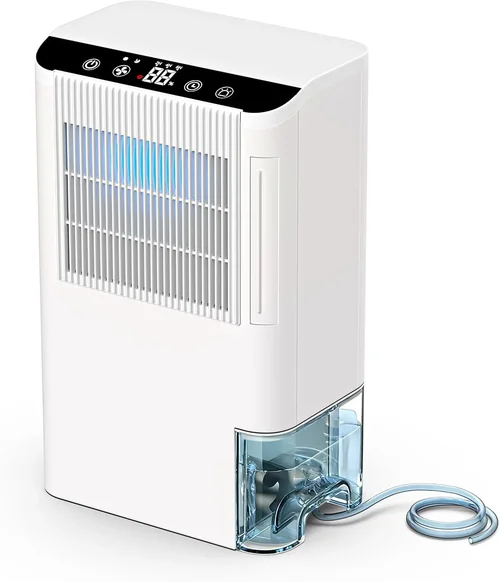
What to do instead: Choose a model with continuous drainage via a hose or an internal pump. Even basic units often include a hose connection—use it! For basements, a pump that lifts water to a sink or floor drain is a game-changer.
❌ Mistake: Overlooking Noise Levels
Why it’s bad: A noisy dehumidifier can disrupt sleep, concentration, or relaxation—especially if placed near bedrooms or living areas.
What to do instead: Check decibel ratings and read user reviews about noise. Opt for models with “quiet mode” or desiccant technology if silence is a priority. Place the unit away from quiet zones when possible.
❌ Mistake: Skipping the Humidistat
Why it’s bad: Without automatic humidity control, you risk over-drying (wasting energy) or under-drying (allowing mold growth). Manual monitoring is impractical.
What to do instead: Always choose a unit with a built-in humidistat. Set your target between 30–50% RH for optimal comfort and health. Some smart models even send alerts when levels drift.
❌ Mistake: Choosing the Cheapest Option Without Research
Why it’s bad: Budget models often lack durability, efficiency, and key features. They may fail within a year, costing more in replacements and electricity.
What to do instead: Invest in a mid-range model from a reputable brand. The extra $50–$100 often buys better components, longer warranty, and lower operating costs.
❌ Mistake: Not Considering Operating Environment
Why it’s bad: Using a refrigerant dehumidifier in a cold basement can cause ice buildup, shutting down the unit. Conversely, desiccant units are less efficient in warm, humid climates.
What to do instead: Match the technology to your environment. Refrigerant for warm/humid spaces; desiccant for cold/dry areas. Check the operating temperature range before buying.
❌ Mistake: Neglecting Maintenance Requirements
Why it’s bad: Dirty filters and clogged coils reduce efficiency and can cause overheating or mold growth inside the unit.
What to do instead: Choose a model with easy-access filters and clean them monthly. Ensure coils are accessible for occasional cleaning. Read the manual for maintenance schedules.
Budget Guidelines: How Much Should You Spend?
Entry-Level ($50 – $150):
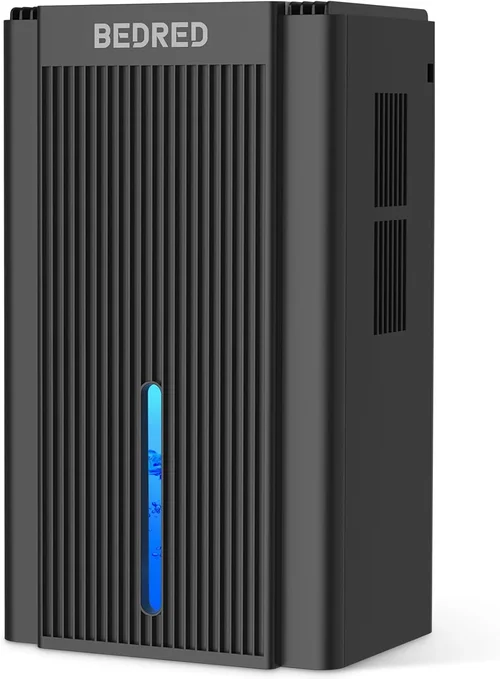
These are typically mini or thermo-electric dehumidifiers best suited for closets, RVs, or very small bathrooms. They remove 5–15 pints per day and often lack humidistats or drainage options. Ideal for occasional use or low-humidity issues. Expect basic build quality and limited lifespan (1–2 years with regular use).
Mid-Range ($150 – $300):
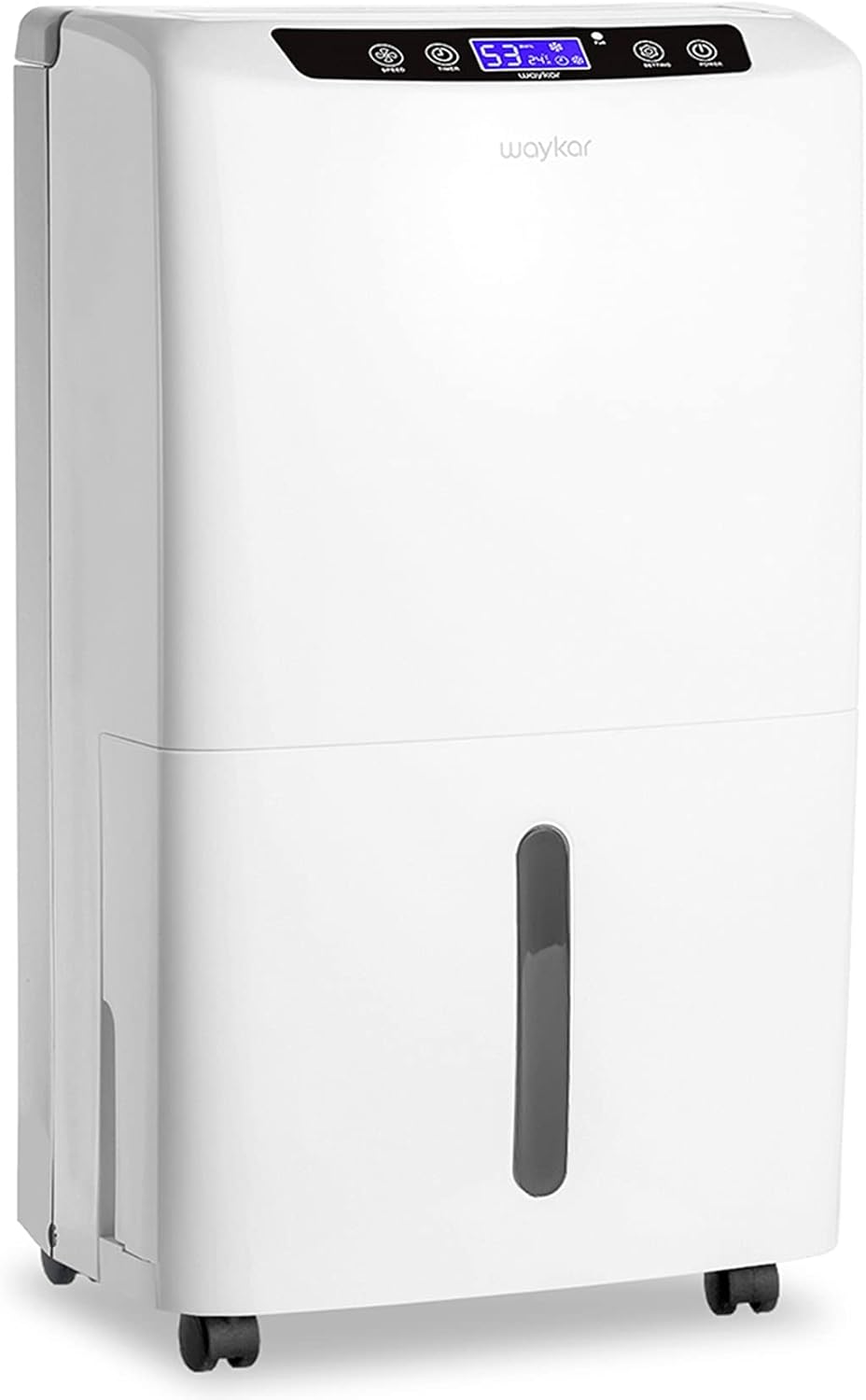
This is the sweet spot for most homeowners. You’ll find reliable 30–50 pint refrigerant models from trusted brands like hOmeLabs, Frigidaire, and GE. These units include digital controls, auto-humidistats, continuous drainage, and decent energy efficiency. Many are ENERGY STAR certified and come with 1–2 year warranties. Perfect for basements, laundry rooms, or whole-house use in moderate climates.
Premium ($300 – $600):
Premium models offer advanced features: internal pumps, Wi-Fi connectivity, multi-speed fans, and superior build quality. Brands like AprilAire and Midea dominate this tier. These are ideal for large basements, high-humidity regions, or users who want “set it and forget it” operation. Expect longer lifespans (5+ years) and better customer support.
Luxury ($600+):
Whole-house dehumidifiers fall into this category. Designed to integrate with HVAC systems, they provide centralized humidity control for entire homes. Professional installation is usually required. While expensive upfront, they offer unmatched consistency and convenience for large properties or allergy sufferers. Also includes high-end portable units with commercial-grade components.
Expert Tips for Getting the Best Deal
– Buy Off-Season: The best time to purchase a dehumidifier is in late fall or winter (November–February). Retailers discount summer inventory, and you’ll be ready for spring humidity surges.
– Shop Major Retailers: Amazon, Home Depot, Lowe’s, and Costco often run promotions, especially during Black Friday or Memorial Day. Check for bundle deals (e.g., dehumidifier + air purifier).
– Compare Total Cost of Ownership: Include electricity usage, filter replacements, and potential repair costs—not just the sticker price.
– Read the Fine Print on Warranties: Some brands require professional installation for warranty validity (especially whole-house units). Know the terms before buying.
– Test Return Policies: Choose retailers with at least a 30-day return window. If the unit doesn’t perform as expected, you can swap it hassle-free.
– Look for Rebates: Some utility companies offer rebates for ENERGY STAR appliances. Check your local provider’s website.
– Avoid “As Seen on TV” Brands: Flashy infomercial models often prioritize marketing over engineering. Stick to established appliance brands.
– Check for Refurbished Options: Certified refurbished units from manufacturers (not third parties) can save 20–30% with full warranty coverage.

Frequently Asked Questions
Q: How do I know what size dehumidifier I need?
A: Start by measuring your space in square feet. Then assess humidity level: slightly damp (30–50 pints), very damp (50–70 pints), or wet/sewage damage (70+ pints). Use manufacturer sizing guides—most provide clear recommendations based on room size and moisture severity.
Q: Can a dehumidifier help with mold?
A: Yes, but only as prevention. A dehumidifier reduces moisture that feeds mold growth. However, if mold is already present, clean it first with appropriate solutions (e.g., vinegar or commercial mold removers) before using a dehumidifier to prevent recurrence.
Q: Should I run my dehumidifier continuously?
A: Not necessarily. With an auto-humidistat, the unit cycles on only when needed. Continuous operation is only required in extremely humid conditions or if you lack drainage options. Most homes benefit from 8–12 hours of daily use.
Q: Do dehumidifiers cool the air?
A: Slightly—yes. As moisture is removed, the air feels cooler and more comfortable. However, they don’t replace air conditioners. The cooling effect is minimal (1–3°F) and not their primary function.
Q: Can I use a dehumidifier in winter?
A: Only if the space stays above 60°F. Refrigerant models lose efficiency in cold temperatures and may ice up. For unheated spaces, use a desiccant dehumidifier designed for low-temp operation.
Q: How often should I clean the filter?
A: Every 2–4 weeks during heavy use, or monthly otherwise. A clogged filter restricts airflow, reducing efficiency and straining the motor. Most filters are washable—rinse with water and let dry completely.
Q: Is it safe to leave a dehumidifier on overnight?
A: Yes, as long as it’s placed on a stable surface, away from flammable materials, and has an auto-shutoff feature when the tank is full. Modern units are designed for safe continuous operation.
Q: Do I need a dehumidifier if I have central AC?
A: Possibly. Air conditioners remove some moisture, but not enough in humid climates or poorly insulated homes. If you still experience condensation, musty smells, or warped wood, a dedicated dehumidifier is beneficial.
Q: Can I move my dehumidifier between rooms?
A: Absolutely—most portable units are designed for this. Just ensure the new room matches the unit’s operating temperature range and that you have access to drainage or are willing to empty the tank frequently.
Q: What’s the ideal indoor humidity level?
A: Between 30% and 50% relative humidity. Below 30%, air becomes too dry (causing dry skin and respiratory irritation). Above 50%, mold and dust mites thrive. Use a hygrometer to monitor levels.
Our Final Recommendations
– Best for Budget-Conscious Buyers: hOmeLabs 30 Pint Dehumidifier – At under $200, it offers excellent performance for small to medium spaces, includes a humidistat, and has a washable filter. Great value for the price.
– Best Overall Value: Frigidaire FFAD5033W1 50 Pint – ENERGY STAR certified, quiet operation (51 dB), continuous drainage, and reliable performance in basements up to 1,500 sq ft. Consistently top-rated across review platforms.
– Best Premium Option: AprilAire E080 Pro 80 Pint – Designed for whole-home use with optional ducting, this unit delivers powerful, consistent dehumidification. Ideal for large homes or high-humidity regions. Professional installation recommended.
– Best for Beginners: GE APER50LZ 50 Pint – Simple digital controls, clear display, and straightforward setup. Includes auto-restart after power outages and a 1-year warranty. Perfect for first-time buyers.
– Best for Advanced Users: Midea MAD50C1ZWS 50 Pint Smart Dehumidifier – Wi-Fi enabled, works with Alexa and Google Assistant, includes an internal pump and app-based scheduling. Ideal for tech-savvy homeowners who want remote control and data tracking.
Conclusion: Making the Right Choice
Selecting the best home dehumidifier isn’t about finding the most expensive or highest-rated model—it’s about matching the right tool to your unique environment, needs, and budget. By focusing on performance specs, energy efficiency, build quality, and real-world usability, you can avoid common pitfalls and invest in a unit that delivers lasting value. Remember, the goal isn’t just to remove moisture—it’s to create a healthier, more comfortable living space where mold, mildew, and musty odors don’t stand a chance.
Take the time to assess your home’s humidity challenges, consider your long-term usage, and prioritize features that align with your lifestyle. Whether you’re managing a damp basement, protecting valuable belongings, or improving indoor air quality for allergy relief, the right dehumidifier makes a measurable difference. Use this guide as your trusted companion, and don’t hesitate to revisit the key factors when comparing models. Your home—and your peace of mind—will thank you.