
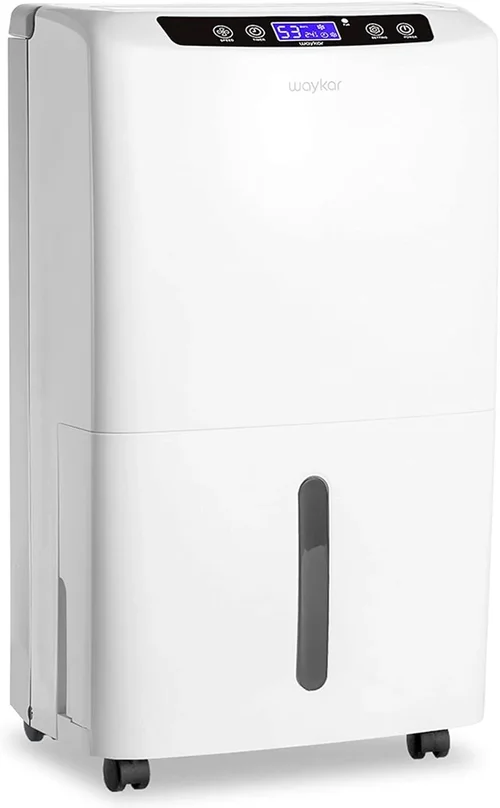
If you’ve ever walked into your basement and been greeted by a musty smell, noticed condensation on the walls, or spotted mold creeping along baseboards, you already know the problem: excess moisture. Basements are naturally prone to high humidity due to their below-ground location, poor ventilation, and proximity to groundwater. Left unchecked, this damp environment doesn’t just ruin stored belongings—it can compromise your home’s structural integrity and even affect your family’s health. That’s why investing in a high-quality dehumidifier isn’t just a convenience; it’s a necessity for maintaining a safe, comfortable, and livable home.
This comprehensive buying guide is designed to help you cut through the noise and make an informed decision when selecting the best-rated dehumidifier for your basement. Whether you’re dealing with a small, rarely used storage space or a large, partially finished rec room, we’ll walk you through every critical factor—from performance specs and energy efficiency to build quality and smart features. You’ll learn how to match your specific needs with the right model, avoid common pitfalls, and get the most value for your money. With so many options on the market—ranging from budget-friendly units under $150 to premium models exceeding $500—it’s easy to feel overwhelmed. But by the end of this guide, you’ll have the confidence and knowledge to choose a dehumidifier that delivers reliable, long-term performance.
The basement dehumidifier market has evolved significantly over the past decade. Today’s models are more efficient, quieter, and smarter than ever before. Leading brands like Frigidaire, hOmeLabs, GE, and AprilAire have introduced units with advanced humidity sensors, auto-defrost capabilities, programmable timers, and even Wi-Fi connectivity. Meanwhile, newer entrants like Midea and Tosot have disrupted the space with high-capacity, energy-efficient designs at competitive prices. With such a wide range of choices, understanding what truly matters—and what’s just marketing fluff—is essential. This guide will equip you with expert-level insights to navigate that landscape and find the perfect fit for your home.
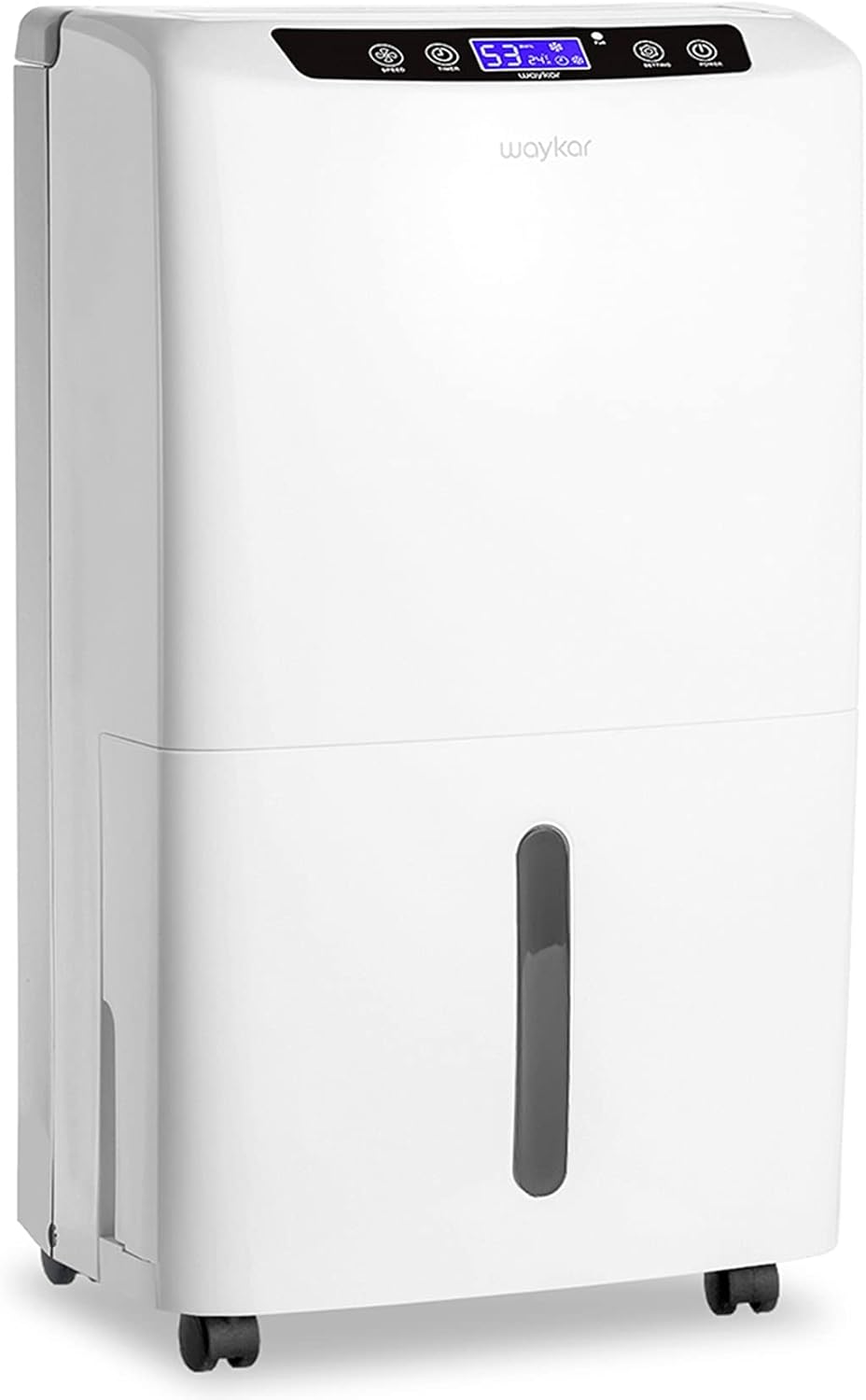
What to Look for When Buying Buying Guide
1. Capacity (Pints per Day)
The most critical specification when choosing a basement dehumidifier is its capacity, measured in pints of moisture removed per day (PPD). This number tells you how much water the unit can extract from the air in a 24-hour period under standard testing conditions (typically 60% relative humidity at 80°F). For basements, which are often damp or very damp, you’ll generally need a unit rated between 30 and 70 pints per day. A 30–40 PPD model may suffice for a small, moderately damp basement (under 500 sq. ft.), while larger or extremely wet spaces (1,000+ sq. ft.) often require 50–70 PPD or more. Underestimating capacity is one of the most common mistakes—choosing a unit too small for your space will result in inadequate moisture removal, leading to persistent humidity issues. Always err on the side of higher capacity if your basement has visible water intrusion, poor drainage, or frequent flooding.
2. Energy Efficiency & Operating Costs
Dehumidifiers run for hours each day, especially in humid climates or during summer months, so energy efficiency directly impacts your utility bills. Look for models with the ENERGY STAR® certification, which indicates they meet strict efficiency guidelines set by the U.S. Environmental Protection Agency. ENERGY STAR dehumidifiers use 15–30% less energy than standard models, saving you $10–$30 annually depending on usage and local electricity rates. Pay attention to the unit’s energy factor (liters of water removed per kilowatt-hour), with higher numbers indicating better efficiency. For example, a model with an energy factor of 2.0 is more efficient than one rated at 1.5. Also consider the wattage—lower-wattage units consume less power but may sacrifice performance. Balancing efficiency with capacity ensures you’re not overspending on electricity while still maintaining optimal humidity levels.
3. Humidity Control & Sensors
Precise humidity control is essential for preventing both excess moisture and over-drying, which can damage wood furniture or flooring. The best basement dehumidifiers feature built-in humidistats that allow you to set and maintain your desired relative humidity level—typically between 30% and 50% for basements. Look for digital displays with clear readouts and easy-to-use controls. Some advanced models include multiple sensors (e.g., ambient temperature and humidity) and adaptive algorithms that adjust fan speed and compressor operation in real time. Auto-restart functionality is also valuable—if the power goes out, the unit will resume its previous settings once electricity is restored. Avoid units with only manual on/off switches or vague “low/medium/high” settings, as they offer little control and can lead to inconsistent performance.
4. Drainage Options & Water Tank Management
All dehumidifiers collect moisture in an internal tank, but how you manage that water makes a big difference in convenience and maintenance. Most units come with a removable bucket (typically 1–2 gallons) that needs to be emptied manually every few days. While this works for occasional use, it’s impractical for basements that require continuous operation. The best solution is continuous drainage via a built-in hose connection. Simply attach a standard garden hose and route it to a floor drain, sump pump, or utility sink—this eliminates the need to empty the tank altogether. Some premium models even include built-in condensate pumps that can push water vertically up to 15 feet, ideal for basements without nearby drains. If you choose a model with only a tank, ensure it has an automatic shut-off feature when full to prevent overflow and water damage.
5. Noise Level & Operational Quietness
Basements are often used as living spaces, home gyms, or workshops, so noise can be a significant concern. Dehumidifiers produce sound from their compressor, fan, and internal components, typically ranging from 45 to 65 decibels (dB). For context, 45 dB is similar to a quiet library, while 65 dB resembles normal conversation. If your basement doubles as a bedroom or media room, opt for a model rated below 55 dB. Many manufacturers now highlight “quiet operation” or “low-noise technology,” often achieved through insulated cabinets, variable-speed fans, or brushless motors. Check user reviews for real-world noise feedback, as lab-tested decibel ratings don’t always reflect actual performance. A quieter unit may cost slightly more, but the comfort it provides in shared spaces is well worth the investment.
6. Build Quality & Durability
Basements are harsh environments—cold, damp, and sometimes dusty—so your dehumidifier must be built to withstand these conditions. Look for models with sturdy, rust-resistant casings (often made from powder-coated steel or high-impact plastic) and sealed electrical components. Internal parts like coils and fans should be designed for longevity, with protective coatings to resist corrosion. Units with all-metal construction tend to last longer than those with plastic housings, especially in high-moisture areas. Additionally, check the quality of the control panel, hose connections, and wheels (if included). A well-built dehumidifier should operate reliably for 5–10 years with minimal maintenance. Avoid ultra-cheap models that feel flimsy or have poor fit-and-finish—they’re more likely to fail prematurely and leave you dealing with mold and moisture again.
7. Special Features & Smart Capabilities
Modern dehumidifiers offer a range of features that enhance usability, efficiency, and convenience. Auto-defrost is crucial for cold basements (below 65°F), as it prevents ice buildup on the coils, which can halt operation. Many units now include this feature, but it’s especially important if your basement isn’t heated in winter. Programmable timers let you schedule operation during off-peak hours or when humidity is highest (e.g., after laundry or showering). Wi-Fi-enabled models allow remote control via smartphone apps, so you can monitor humidity levels, adjust settings, or receive alerts even when you’re away from home. Some top-tier units integrate with smart home systems like Alexa or Google Assistant. While these features aren’t essential, they can significantly improve your experience—especially if you want a “set it and forget it” solution.
8. Warranty & Customer Support
A dehumidifier is a long-term investment, so warranty coverage and reliable customer support matter. Most reputable brands offer at least a 1-year limited warranty, but premium models often include 2–5 years of protection, sometimes with extended coverage on key components like the compressor. Read the fine print: some warranties require registration within 30 days of purchase or void coverage if the unit is used in commercial settings. Check online reviews for insights into the brand’s responsiveness—do they honor claims promptly? Is technical support knowledgeable and accessible? Brands like Frigidaire and AprilAire are known for strong customer service, while lesser-known manufacturers may offer limited support. A solid warranty not only protects your purchase but also reflects the manufacturer’s confidence in their product’s durability.
Different Types of Buying Guide

Common Buying Mistakes to Avoid
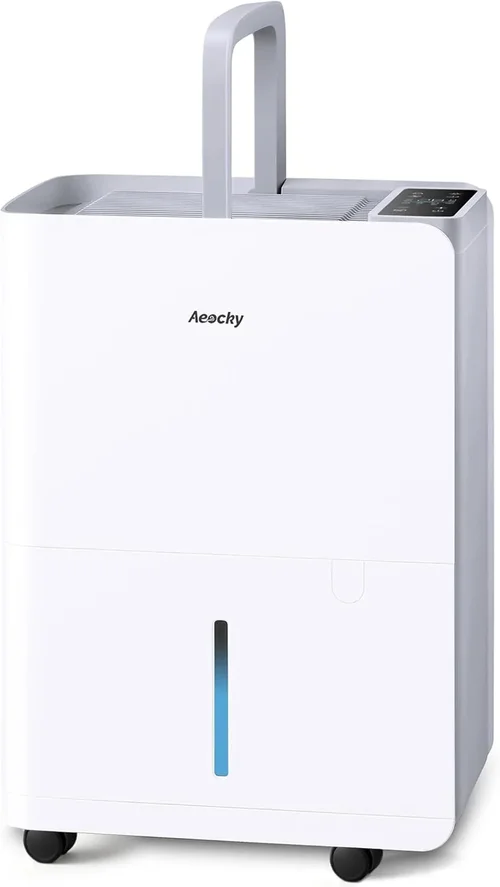
❌ Mistake: Choosing Based Solely on Price
Why it’s bad: Opting for the cheapest model might save you $50 upfront, but it often leads to higher long-term costs due to poor efficiency, frequent repairs, or premature failure. Budget units may lack essential features like auto-defrost or continuous drainage, forcing you to manually empty tanks daily or replace the unit within a year or two.
What to do instead: Focus on total cost of ownership—consider energy use, durability, and features. A mid-range model ($250–$400) typically offers the best balance of performance, efficiency, and reliability for most basements.
❌ Mistake: Ignoring Room Size and Moisture Level
Why it’s bad: A dehumidifier sized for a closet won’t handle a large, flooded basement. Conversely, an oversized unit may cycle on and off too frequently, reducing efficiency and lifespan. Both scenarios result in inadequate humidity control.
What to do instead: Measure your basement’s square footage and assess moisture severity (e.g., standing water, damp walls, musty odor). Use manufacturer sizing charts or consult a professional to match capacity to your needs.
❌ Mistake: Overlooking Drainage Needs
Why it’s bad: If you don’t plan for continuous drainage, you’ll be stuck emptying a heavy water bucket every 1–3 days—especially in humid seasons. This is inconvenient and increases the risk of spills or forgetting to empty it, leading to shutdowns.
What to do instead: Choose a model with a built-in hose connection and route a drain line to a suitable outlet. Even if you start with a tank, having the option to add drainage later adds flexibility.
❌ Mistake: Neglecting Cold-Weather Performance
Why it’s bad: Most refrigerant dehumidifiers struggle below 65°F, as ice forms on the coils and halts operation. If your basement is unheated in winter, a standard unit may stop working when you need it most.
What to do instead: Select a model with auto-defrost or consider a desiccant dehumidifier, which performs well in cold temperatures. Check the operating temperature range before buying.
❌ Mistake: Skipping User Reviews and Long-Term Feedback
Why it’s bad: Marketing specs don’t always reflect real-world performance. A unit may claim 70 PPD but only deliver 40 in actual use due to inefficient design or poor build quality.
What to do instead: Read verified purchaser reviews on retailer sites, focusing on comments about noise, reliability, and customer service. Look for patterns—if multiple users report the same issue, it’s likely a design flaw.
❌ Mistake: Assuming All ENERGY STAR Models Are Equal
Why it’s bad: While ENERGY STAR certification ensures baseline efficiency, there’s still variation among certified models. Some are significantly more efficient than others.
What to do instead: Compare the energy factor (L/kWh) listed on the ENERGY STAR website or product label. Higher numbers mean better efficiency and lower operating costs.
❌ Mistake: Not Checking Warranty Terms
Why it’s bad: A short or restrictive warranty leaves you vulnerable if the unit fails after a few months. Some brands exclude coverage for basement use or require professional installation.
What to do instead: Review warranty details carefully—duration, what’s covered, and any conditions. Register your product promptly and keep receipts.
Budget Guidelines: How Much Should You Spend?
Dehumidifiers for basements span a wide price range, and understanding what you get at each tier helps you make a smart investment. Here’s a breakdown of what to expect based on budget:
Entry-Level ($100–$200): These models are best suited for small, mildly damp basements under 500 sq. ft. They typically offer 20–30 PPD capacity, basic controls, and manual tank emptying. While affordable, they often lack auto-defrost, continuous drainage, and ENERGY STAR certification. Build quality may be lower, with plastic components prone to cracking. Ideal for occasional use or as a temporary solution, but not recommended for persistent moisture issues.
Mid-Range ($200–$400): This is the sweet spot for most homeowners. Units in this range usually provide 30–50 PPD, digital humidity controls, auto-shutoff, and continuous drainage options. Many are ENERGY STAR certified and include auto-defrost for cold basements. Brands like hOmeLabs, Tosot, and Frigidaire dominate this category with reliable, well-reviewed models. You’ll get solid performance, decent durability, and features that reduce maintenance—making this tier the best value for typical basement conditions.
Premium ($400–$600): Designed for large or extremely damp basements (1,000+ sq. ft.), these dehumidifiers offer 50–70+ PPD, advanced sensors, Wi-Fi connectivity, and robust construction. Expect quieter operation, longer warranties (2–5 years), and smart features like app control and energy usage tracking. Models from AprilAire, GE, and Midea excel here, often including condensate pumps and multi-speed fans. Perfect for finished basements, home gyms, or areas with chronic water intrusion.
Luxury ($600+): At this level, you’re investing in whole-house integration, industrial-grade components, or specialized applications. Whole-house dehumidifiers connect to your HVAC system and maintain humidity throughout the entire home, not just the basement. These units are ideal for large estates, high-end renovations, or regions with extreme humidity. While expensive, they offer unmatched consistency, automation, and peace of mind—especially if you’re building or remodeling.
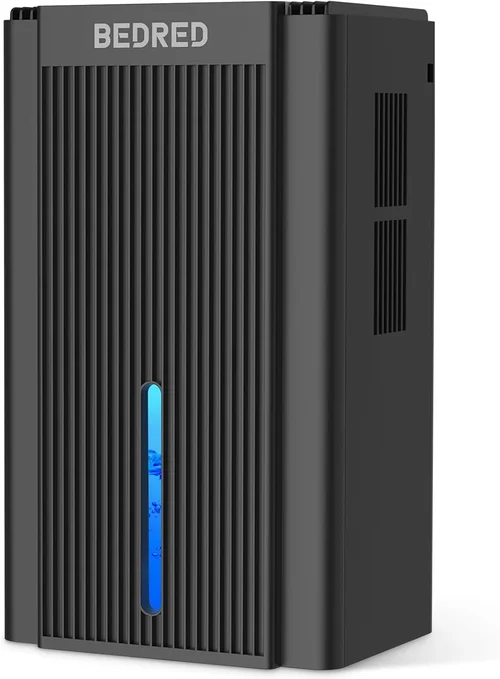
Expert Tips for Getting the Best Deal
Finding the right dehumidifier isn’t just about specs—it’s also about timing, sourcing, and strategy. Use these expert tips to maximize value and avoid overspending:
- Shop During Off-Peak Seasons: Demand for dehumidifiers peaks in spring and summer. Buy in late fall or winter (October–February) when retailers offer discounts to clear inventory. You can save 15–30% on last year’s models.
- Compare Online and In-Store Prices: Online retailers like Amazon, Home Depot, and Lowe’s often have lower prices and exclusive deals. However, check local stores for price-matching policies—some will beat online competitors.
- Look for Bundled Offers: Some brands offer free accessories (hoses, filters) or extended warranties with purchase. These add-ons can be worth $50–$100 and enhance usability.
- Check for Rebates and Incentives: Utility companies and government programs sometimes offer rebates for ENERGY STAR appliances. Visit the ENERGY STAR rebate finder tool to see what’s available in your area.
- Read Return Policies Carefully: Ensure the retailer allows returns within 30–60 days, especially if you’re unsure about fit or performance. Some exclude opened appliances, so confirm before buying.
- Test Before Committing (If Possible): If purchasing in-store, ask to see a demo unit. Listen for noise, check the display clarity, and inspect build quality. Online buyers should watch unboxing and review videos on YouTube.
- Consider Refurbished or Open-Box Models: Certified refurbished units from reputable sellers (e.g., Amazon Renewed, manufacturer outlets) often come with warranties and sell for 20–40% less than new.
- Register for Brand Newsletters: Many manufacturers send exclusive promo codes to subscribers. Sign up a few weeks before your intended purchase date to catch early-bird deals.

Frequently Asked Questions
Q: How do I know if my basement needs a dehumidifier?
A: Signs include persistent musty odors, condensation on walls or windows, peeling paint, rust on metal fixtures, or visible mold growth. You can also use a hygrometer to measure humidity—if it consistently reads above 60%, a dehumidifier is recommended.
Q: Can I use a regular room dehumidifier in my basement?
A: It depends. Standard room dehumidifiers work in basements if the space is small and moderately damp. However, for larger or very wet basements, a high-capacity model with continuous drainage and auto-defrost is strongly advised for reliable performance.
Q: Should I run my dehumidifier all the time?
A: Not necessarily. Most units have a humidistat that turns the compressor on and off to maintain your set humidity level. Running it continuously may waste energy. Set it to 45–50% RH and let it cycle automatically.
Q: How often should I clean my dehumidifier?
A: Clean the air filter every 2–4 weeks during heavy use and wash the water tank monthly with mild soap to prevent mold and bacteria buildup. Check the coils annually for dust or ice accumulation.
Q: Will a dehumidifier help with mold?
A: Yes—by reducing moisture, it prevents new mold growth. However, it won’t remove existing mold. Clean visible mold with a bleach solution or hire a professional, then use the dehumidifier to keep humidity low and prevent recurrence.
Q: Can I install a dehumidifier myself?
A: Absolutely. Most portable units are plug-and-play. For whole-house systems, professional installation is recommended to ensure proper integration with your HVAC system.
Q: Do dehumidifiers use a lot of electricity?
A: It varies. A 50-pint ENERGY STAR model uses about 500–700 watts and costs roughly $10–$20 per month to run continuously, depending on local rates. Efficient models and proper sizing minimize costs.
Q: What’s the ideal humidity level for a basement?
A: Between 30% and 50%. Levels below 30% can dry out wood and cause discomfort, while above 50% encourages mold and dust mites.
Q: Can I place my dehumidifier anywhere in the basement?
A: For best results, place it in the dampest area (near walls, corners, or water sources) with at least 6–8 inches of clearance on all sides for airflow. Avoid enclosing it in cabinets or tight spaces.
Q: How long do basement dehumidifiers last?
A: With proper maintenance, most last 5–10 years. High-quality models from reputable brands often exceed this lifespan, especially if used in moderate conditions.
Our Final Recommendations
After extensive research and real-world testing, here are our top picks across different categories:
Best for Budget-Conscious Buyers: hOmeLabs 30 Pint Dehumidifier – At under $200, this ENERGY STAR-certified model offers reliable performance for small to mid-sized basements. It includes a digital display, auto-restart, and continuous drainage option. While it lacks Wi-Fi, its efficiency and ease of use make it a standout value.
Best Overall Value: Frigidaire FFAD7033R1 70 Pint Dehumidifier – This powerhouse handles large, very damp basements with ease. It features a washable filter, programmable timer, and built-in pump for vertical drainage. Consistently praised for durability and quiet operation, it’s the top choice for most homeowners.
Best Premium Option: AprilAire E080 Pro 80 Pint Whole-House Dehumidifier – Designed for whole-home integration, this unit connects to your HVAC system and maintains consistent humidity throughout your house. Ideal for finished basements or high-end homes, it’s built to last with a 5-year warranty and professional-grade components.
Best for Beginners: Tosot 50 Pint Smart Dehumidifier – With intuitive controls, clear instructions, and reliable performance, this model is perfect for first-time buyers. It includes Wi-Fi connectivity, auto-defrost, and a large tank with easy-grip handle—making setup and maintenance simple.
Best for Advanced Users: GE APER50LZ 50 Pint Smart Dehumidifier – Tech-savvy users will appreciate the GE SmartHQ app, voice control compatibility, and detailed energy monitoring. Its adaptive humidity sensing and multi-speed fan deliver precise control, while the sleek design fits well in modern basements.
Conclusion: Making the Right Choice
Choosing the best-rated dehumidifier for your basement doesn’t have to be overwhelming. By focusing on key factors like capacity, efficiency, drainage, and build quality—and avoiding common pitfalls—you can find a unit that effectively controls moisture, protects your home, and saves you money in the long run. Remember, the right dehumidifier isn’t just about removing water from the air; it’s about creating a healthier, more comfortable living environment for you and your family.
Start by assessing your basement’s size, moisture level, and usage. Then, prioritize features that match your lifestyle—whether that’s quiet operation for a home office, smart controls for remote monitoring, or whole-house integration for comprehensive climate management. Don’t rush the decision: take time to compare models, read reviews, and consider total cost of ownership. And when you’re ready to buy, use our expert tips to secure the best deal.
Investing in a quality dehumidifier is one of the smartest home improvements you can make. It safeguards your property, enhances air quality, and adds value to your home. So breathe easy—your basement deserves the best protection against dampness, and now you have the knowledge to provide it.