
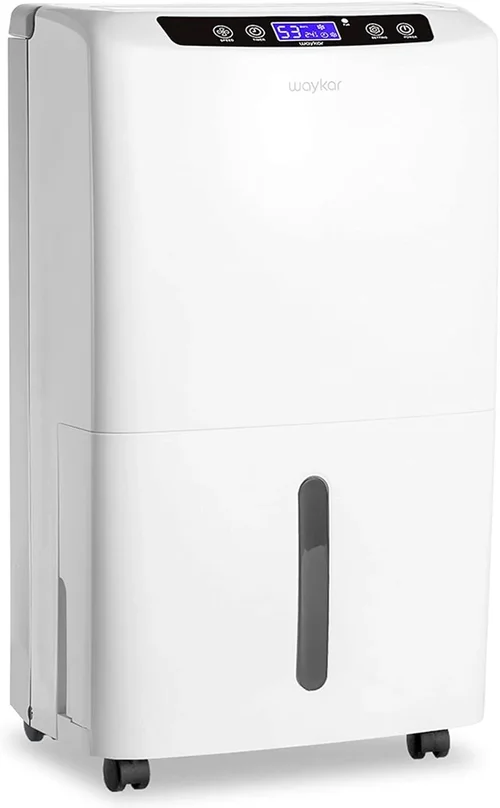
If you’ve ever stepped into a basement and been greeted by that unmistakable damp, musty smell—or worse, noticed peeling paint, warped wood, or mold creeping along the walls—you already know why a dehumidifier isn’t just a nice-to-have, it’s essential. Basements are notorious for high humidity levels due to poor ventilation, groundwater seepage, and cooler temperatures that encourage condensation. Left unchecked, excess moisture can lead to structural damage, health hazards from mold and mildew, and even ruin stored belongings like books, electronics, or seasonal clothing. That’s where a high-quality basement dehumidifier comes in: it’s your first line of defense against moisture-related problems.
This comprehensive buying guide is designed to cut through the noise and help you make an informed decision. Whether you’re dealing with a small crawl space or a full-sized finished basement, we’ll walk you through everything you need to know—from understanding key performance specs to avoiding common purchasing pitfalls. You’ll learn how to match the right unit to your specific needs, how much to budget, and what features truly matter. By the end, you won’t just know which models are highly rated—you’ll understand why they’re top choices and how to get the best long-term value for your investment.
The market for basement dehumidifiers has exploded in recent years, with dozens of brands offering units ranging from under $100 to well over $500. While this variety gives consumers more options than ever, it also makes choosing the right one more confusing. Some units promise massive moisture removal but fail in real-world conditions; others boast smart features that sound impressive but offer little practical benefit. Our goal here is to equip you with expert-level knowledge so you can confidently select a dehumidifier that delivers reliable performance, durability, and peace of mind—without overspending on unnecessary bells and whistles.
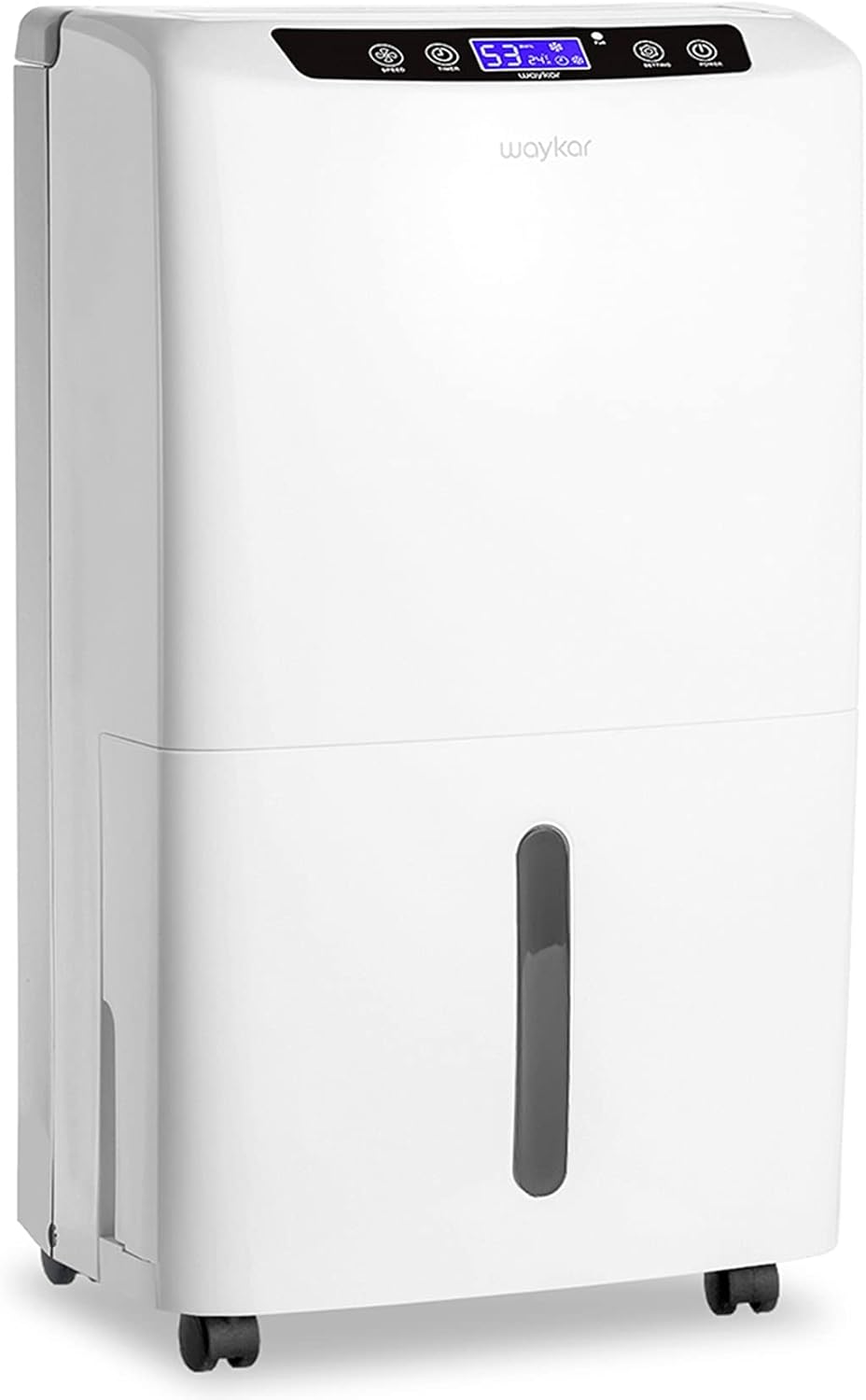
What to Look for When Buying Buying Guide
1. Capacity (Pints per Day)
The most critical spec when choosing a basement dehumidifier is its moisture removal capacity, measured in pints per day (PPD). This tells you how much water the unit can extract from the air in 24 hours under standardized conditions (typically 60% relative humidity at 80°F). For basements, which often suffer from persistent dampness, you’ll generally want a unit rated for at least 50 PPD—and possibly more depending on square footage and humidity severity.
To estimate your needs, consider both the size of your basement and its moisture level. A 1,000-square-foot moderately damp basement may do fine with a 50–70 PPD unit, while a 2,000-square-foot space with standing water or frequent flooding might require 70+ PPD. Manufacturers often provide sizing charts, but be cautious: many overstate performance in real-world settings. Always look for AHAM (Association of Home Appliance Manufacturers) certification, which ensures tested accuracy. Oversizing slightly is better than undersizing—a unit that runs constantly because it’s too small will wear out faster and cost more in energy.
2. Energy Efficiency & Operating Costs
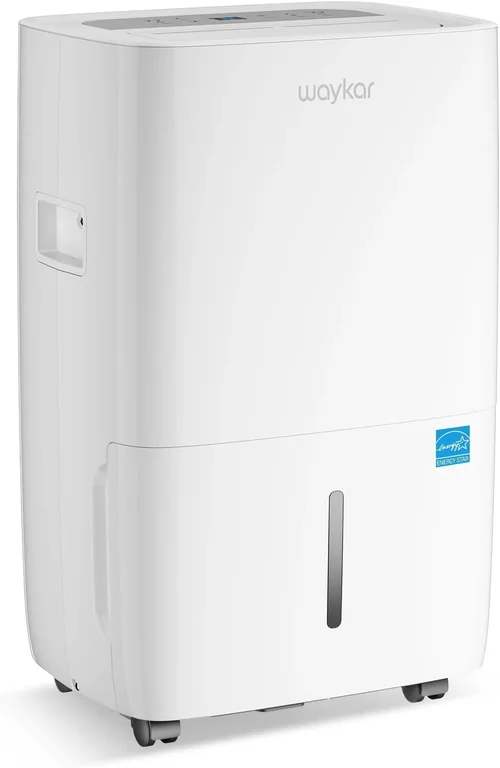
Dehumidifiers are among the most energy-intensive appliances in a home, especially if run continuously. Since basement units often operate 24/7 during humid months, their energy consumption directly impacts your utility bill. Look for models with the ENERGY STAR® label, which indicates they meet strict efficiency guidelines set by the U.S. Environmental Protection Agency. ENERGY STAR dehumidifiers use 15–30% less energy than standard models without sacrificing performance.
Check the unit’s wattage and annual energy use (usually listed in kWh/year). For example, a 50 PPD ENERGY STAR model might use around 500–600 watts and consume approximately 1,200–1,500 kWh annually if running full-time. Multiply that by your local electricity rate to estimate yearly costs. Also, consider units with variable-speed compressors or auto-defrost features—these adjust output based on demand and prevent ice buildup in colder basements (below 65°F), improving both efficiency and longevity.
3. Build Quality & Durability
Basements are harsh environments: cold, dusty, and prone to temperature swings. A flimsy plastic housing or thin internal components won’t last long. Prioritize dehumidifiers with metal casings (or high-grade reinforced polymers), rust-resistant coils, and sealed electrical components. Units designed specifically for basements often include features like reinforced drain pumps, heavy-duty casters, and protective grilles.
Pay attention to the compressor type as well. Rotary compressors are quieter and more durable than reciprocating ones, making them ideal for continuous operation. Also, check the quality of the evaporator and condenser coils—copper or aluminum with anti-corrosion coating will resist moisture damage better than bare metal. A well-built unit may cost more upfront but will save you money in repairs or replacements down the line.
4. Drainage Options & Maintenance
Emptying a bucket every few days is tedious and impractical for many homeowners. That’s why drainage flexibility is crucial. Most basement dehumidifiers offer multiple options: a built-in pump for upward drainage (ideal for directing water to a sink or utility drain), gravity drainage via a hose, or manual bucket removal.
If your basement has a floor drain or sump pit, a unit with a built-in condensate pump is worth the extra cost—it can push water up to 15 feet vertically, eliminating the need for frequent emptying. Gravity drainage works well if you can route a hose downhill to a drain, but requires periodic hose checks for kinks or clogs. Even with automatic drainage, regular maintenance is essential: clean the air filter monthly, inspect coils for dust buildup, and flush the drain line annually to prevent mold growth.
5. Humidity Control & Automation
Manual on/off switches are outdated. Modern basement dehumidifiers should offer precise humidity control, typically via a digital humidistat that lets you set your desired relative humidity (RH) level—ideally between 30% and 50% for basements. Once reached, the unit cycles off automatically, saving energy and preventing over-drying.
Look for models with programmable timers, auto-restart after power outages, and “continuous” mode for high-moisture situations. Some premium units include Wi-Fi connectivity and smartphone apps, allowing remote monitoring and control—useful if you’re away from home or managing multiple properties. However, unless you value smart features highly, prioritize core functionality over app integration, as it adds cost without always improving performance.
6. Noise Level
Basements are often used as living spaces, home gyms, or workshops, so noise matters. Dehumidifiers produce sound from their compressor and fan, typically ranging from 45 to 65 decibels (dB)—comparable to a quiet conversation (50 dB) or normal speech (60 dB). For finished basements or open-plan areas, aim for units under 55 dB.
Check manufacturer specs for sound ratings, but note that real-world noise can vary based on placement and floor type. Units with insulated cabinets or variable-speed fans tend to run quieter. If noise is a top concern, consider placing the dehumidifier on a rubber mat or in a corner away from seating areas. Keep in mind that louder units aren’t necessarily less effective—but they can be disruptive in shared spaces.
7. Size, Weight & Portability
While basement dehumidifiers are generally stationary, portability features like recessed handles and swivel casters make initial setup and occasional relocation much easier. Consider the unit’s dimensions relative to your basement layout—will it fit near a drain? Is there clearance for airflow (at least 6–12 inches on all sides)?
Weight matters too: larger-capacity units (70+ PPD) can weigh 50–70 pounds. If you plan to move it seasonally (e.g., from basement to attic), look for lighter models or those with lift handles. However, don’t sacrifice capacity for portability—most basement units stay put once installed.
8. Warranty & Customer Support
A dehumidifier is a long-term investment, so warranty coverage is a strong indicator of manufacturer confidence. Most reputable brands offer 1–2 years of parts/labor coverage, with some extending to 5 years on compressors. Avoid brands with less than a 1-year warranty or vague terms.
Research customer support responsiveness before buying. Read reviews about repair turnaround times, availability of replacement parts, and whether the company honors warranties without hassle. Brands like Frigidaire, hOmeLabs, and AprilAire are known for reliable support, while lesser-known brands may leave you stranded if issues arise.
Different Types of Buying Guide

Common Buying Mistakes to Avoid
❌ Mistake: Buying Based Solely on Price
Why it’s bad: The cheapest dehumidifier often lacks durability, efficient drainage, and accurate humidity control. It may also consume more energy and require frequent repairs, costing more over time.
What to do instead: Focus on total cost of ownership—not just upfront price. Factor in energy use, expected lifespan, and maintenance needs. A mid-range $250 unit that lasts 8 years is better value than a $120 model that fails in 2.
❌ Mistake: Ignoring Basement Temperature
Why it’s bad: Most refrigerant dehumidifiers lose efficiency below 65°F and can ice up, shutting down completely. Using the wrong type in a cold basement leads to poor performance and potential damage.
What to do instead: Measure your basement’s average temperature. If it’s consistently below 65°F, choose a desiccant or cold-climate-rated compressor model designed for low-temperature operation.
❌ Mistake: Overlooking Drainage Needs
Why it’s bad: Relying on a bucket in a rarely visited basement means overflow, water damage, and mold growth. Many buyers assume they’ll “just check it weekly”—but life gets busy.
What to do instead: Invest in a unit with built-in pump or gravity drainage if possible. Even if you start with a bucket model, plan for future drainage upgrades to avoid hassle.
❌ Mistake: Choosing the Wrong Capacity
Why it’s bad: A unit too small for your space will run nonstop, overheat, and wear out quickly. One too large may short-cycle, reducing efficiency and failing to maintain stable humidity.
What to do instead: Use a sizing calculator (many brands offer online tools) and err slightly on the higher side. Consider worst-case moisture scenarios (e.g., after heavy rain).
❌ Mistake: Neglecting Airflow Requirements
Why it’s bad: Placing a dehumidifier in a cramped corner or behind furniture restricts airflow, reducing efficiency and increasing strain on the motor.
What to do instead: Ensure at least 6–12 inches of clearance on all sides. Position near the center of the room or where moisture enters (e.g., near foundation walls).
❌ Mistake: Skipping Regular Maintenance
Why it’s bad: Dust-clogged filters and dirty coils reduce performance by up to 30% and can cause premature failure.
What to do instead: Clean the filter monthly, inspect coils quarterly, and flush the drain line annually. Set calendar reminders to stay consistent.
❌ Mistake: Believing All “Smart” Features Are Useful
Why it’s bad: Wi-Fi apps, voice control, and touchscreens add cost and complexity but rarely improve core dehumidification performance.
What to do instead: Prioritize essential features like auto-humidistat, pump drainage, and ENERGY STAR rating. Save smart features for secondary units or if you already use a smart home ecosystem.
Budget Guidelines: How Much Should You Spend?
Entry-Level ($100–$200): These units typically offer 30–50 PPD capacity and basic functionality—manual controls, bucket drainage, and minimal automation. They’re suitable for small, mildly damp spaces but may struggle in larger or consistently wet basements. Expect shorter lifespans (3–5 years) and higher energy use. Brands like Ivation and Eva-Dry fall here, offering decent value for occasional use.
Mid-Range ($200–$350): This is the sweet spot for most homeowners. Units in this range deliver 50–70 PPD, ENERGY STAR efficiency, digital humidistats, and often include pump or gravity drainage. Build quality improves significantly, with metal components and better warranties. Models like the hOmeLabs 70 Pint or Frigidaire FFAD7033R1 excel here, balancing performance, durability, and price.
Premium ($350–$600): Designed for demanding environments, these dehumidifiers offer 70+ PPD, advanced cold-weather operation, dual drainage options, and robust construction. Many include Wi-Fi, air filtration, and extended warranties. Ideal for large basements, flood-prone areas, or commercial use. AprilAire and Santa Fe are leaders in this tier.
Luxury ($600+): Whole-house systems or industrial-grade units fall here. They integrate with HVAC, provide zone-specific control, and offer professional installation. Best for large custom homes or properties with chronic moisture issues. While overkill for most, they deliver unmatched reliability and automation.
Expert Tips for Getting the Best Deal
1. Buy During Off-Season Sales: Dehumidifier demand peaks in spring and summer. Shop in late fall or winter (October–February) for discounts of 20–30%. Retailers clear inventory to make room for air conditioners.
2. Compare Online vs. In-Store: Online retailers (Amazon, Home Depot, Lowe’s) often have better prices, user reviews, and return policies. However, in-store purchases let you inspect build quality and ask staff questions. Use online research to narrow choices, then test in person if possible.
3. Check for Rebates and Incentives: Many utility companies offer rebates for ENERGY STAR appliances. Visit the ENERGY STAR rebate finder or call your provider—you could save $25–$100 instantly.
4. Read Verified Purchase Reviews: Focus on reviews from buyers who’ve used the unit for 6+ months. Look for comments about real-world performance, noise, and reliability—not just initial impressions.
5. Prioritize Warranty Over Extended Protection Plans: Manufacturer warranties are usually sufficient. Avoid store-paid extended plans—they’re often overpriced and duplicate existing coverage.
6. Test Before Committing (If Possible): Some retailers allow returns within 30–90 days. Run the unit for a week to check noise, drainage, and humidity control. If it doesn’t meet expectations, return it.
7. Bundle with Other Purchases: Buying during major sales (Black Friday, Memorial Day) alongside other home appliances can unlock bundle discounts or free shipping.
8. Consider Refurbished or Open-Box Units: Certified refurbished models from reputable sellers (e.g., manufacturer outlets) offer significant savings with full warranties. Just ensure they include original accessories and documentation.

Frequently Asked Questions
Q: How do I know if my basement needs a dehumidifier?
A: Signs include musty odors, visible mold or mildew, condensation on walls or pipes, peeling paint, warped wood, or a general feeling of dampness. You can also use a hygrometer to measure humidity—if it’s consistently above 60%, a dehumidifier is recommended.
Q: Can I use a regular room dehumidifier in my basement?
A: Technically yes, but it’s not ideal. Room dehumidifiers often lack robust drainage, cold-weather operation, and durable construction needed for basement conditions. Basement-specific models are built to handle harsher environments and run continuously.
Q: Will a dehumidifier lower my heating bills?
A: Indirectly, yes. Dry air feels warmer than humid air at the same temperature, so you may be able to lower your thermostat slightly in winter. However, dehumidifiers consume electricity, so the net savings are usually minimal—focus on moisture control, not energy savings.
Q: How often should I clean my dehumidifier?
A: Clean the air filter every 2–4 weeks during heavy use. Wipe down the exterior monthly and inspect coils and drain lines quarterly. Deep clean the water tank and pump (if equipped) every 6 months.
Q: Should I run my dehumidifier all the time?
A: Yes, especially in humid climates or during wet seasons. Most units are designed for continuous operation. Use the humidistat to maintain 30–50% RH—the unit will cycle on/off automatically.
Q: Can a dehumidifier help with radon or pests?
A: A dehumidifier reduces moisture that attracts pests like silverfish and mold-feeding insects, but it doesn’t address radon gas. For radon, you need a specialized mitigation system. However, lowering humidity can improve overall indoor air quality.
Q: What’s the difference between a pump and gravity drainage?
A: Gravity drainage uses a hose that flows downhill to a drain—simple but limited by elevation. A built-in pump actively pushes water upward (up to 15 feet), making it ideal for basements without floor drains or with high water tables.
Q: Do dehumidifiers produce heat?
A: Yes, all dehumidifiers release heat as a byproduct of operation. In a basement, this is usually beneficial in winter but may slightly increase cooling loads in summer. The effect is minor compared to HVAC systems.
Q: How long do basement dehumidifiers last?
A: With proper maintenance, most quality units last 5–10 years. Compressor lifespan is the limiting factor—look for models with 5-year compressor warranties as a sign of durability.
Q: Can I install a dehumidifier myself?
A: Portable units require no installation—just plug in and go. Whole-house systems need professional HVAC integration. Pump-equipped models may require minor plumbing for drainage, but many homeowners handle this with basic tools.
Our Final Recommendations
Best for Budget-Conscious Buyers: hOmeLabs 50 Pint Dehumidifier – At under $200, it offers solid 50 PPD performance, ENERGY STAR efficiency, and gravity drainage. Ideal for small to mid-sized basements with moderate humidity. Lacks a pump, but excellent value for the price.
Best Overall Value: Frigidaire FFAD7033R1 70 Pint – Consistently top-rated for reliability, this 70 PPD unit includes a built-in pump, digital controls, and cold-weather operation down to 41°F. Priced around $300, it’s a workhorse for most basement scenarios.
Best Premium Option: AprilAire E080 Pro 80 Pint – Built like a tank with a 5-year warranty, this whole-home capable unit removes 80 pints daily and integrates with HVAC systems. Perfect for large, finished basements or chronic moisture issues. Expect to pay $600–$700.
Best for Beginners: Ivation IVADM35 35 Pint – Simple controls, lightweight, and affordable. Great for first-time buyers or small spaces. Includes basic auto-humidistat and bucket alert. Upgrade path available if needs grow.
Best for Advanced Users: Santa Fe Compact 70 – Designed for extreme conditions, this desiccant-style unit works efficiently in temps as low as 33°F. Features dual drainage, washable filter, and whisper-quiet operation. Ideal for unheated basements or off-grid cabins. Priced around $550.
Conclusion: Making the Right Choice
Choosing the best basement dehumidifier isn’t just about picking the highest-rated model—it’s about matching the right tool to your specific environment, budget, and lifestyle. We’ve covered the essentials: capacity, efficiency, drainage, build quality, and smart features that actually matter. We’ve also highlighted common pitfalls, from ignoring temperature requirements to overlooking maintenance, so you can avoid costly mistakes.
Remember, a dehumidifier is a long-term investment in your home’s health and comfort. It protects your structure, preserves your belongings, and improves indoor air quality. Don’t rush the decision. Take time to assess your basement’s unique challenges, read real user reviews, and prioritize reliability over gimmicks.
Whether you’re battling seasonal dampness or year-round humidity, the right dehumidifier will pay dividends in peace of mind and property protection. Use this guide as your roadmap—and when you find the perfect unit, you’ll wonder how you ever lived without it. Ready to take control of your basement’s moisture? Start by measuring your space, checking your drainage options, and selecting a model from our recommended list. Your future self (and your dry basement) will thank you.