
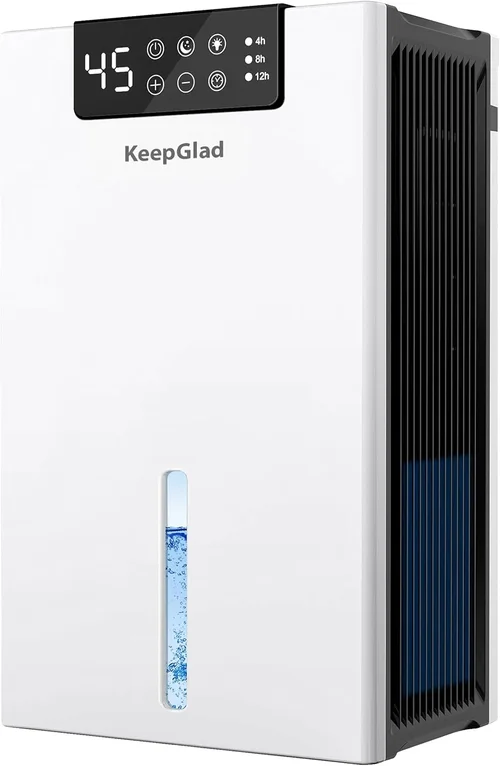
Dealing with excess moisture in a two-story house can feel like an uphill battle. Whether it’s musty odors creeping up from the basement, condensation fogging your windows, or that persistent dampness making your living spaces uncomfortable, humidity issues don’t discriminate by floor. But here’s the truth: where you place your dehumidifier makes all the difference. A poorly positioned unit might barely make a dent in your home’s moisture levels, while the right placement can transform your indoor air quality, protect your belongings, and even lower your energy bills.
This guide is designed for homeowners who’ve tried placing their dehumidifier in the laundry room, basement, or master bedroom—only to find it’s not solving the real problem. You’ll learn not just where to put your dehumidifier, but why that location matters, how airflow and home layout impact performance, and what features to prioritize when buying a unit suited for multi-level homes. We’ll walk through everything from identifying high-moisture zones to understanding how different dehumidifier types function in real-world settings. By the end, you’ll have a clear, actionable plan tailored to your home’s unique needs.
The market today offers more dehumidifier options than ever—compact units for small spaces, whole-house systems integrated with HVAC, smart models with Wi-Fi controls, and heavy-duty commercial-grade machines. With so many choices, it’s easy to get overwhelmed. But smart placement starts with smart buying. This guide cuts through the noise, combining expert insights with practical advice so you can choose and position a dehumidifier that actually works for your two-story home.
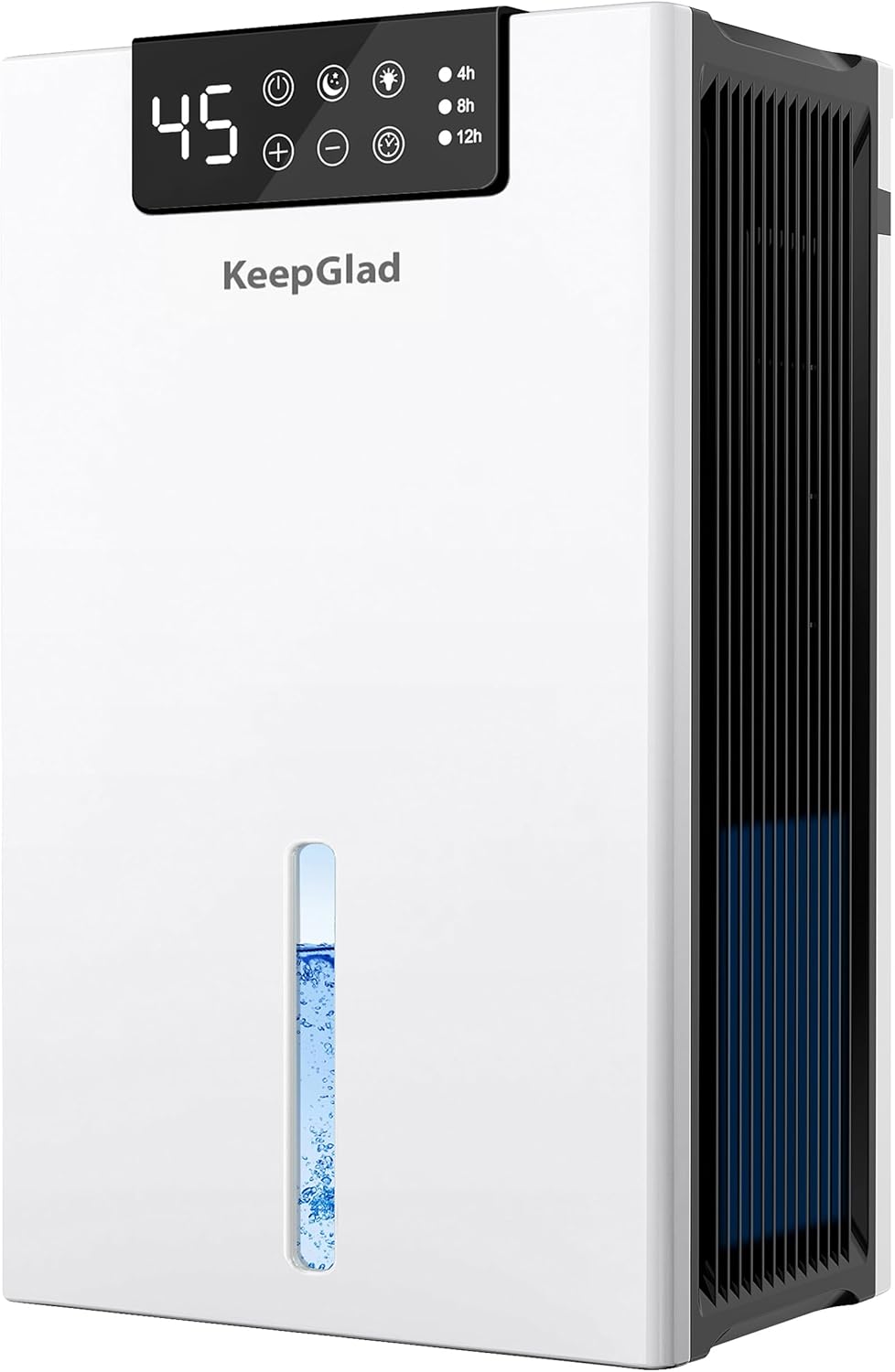
What to Look for When Buying Buying Guide
1. Budget & Price Range
Your budget will shape not only which dehumidifier you can afford but also where you can effectively place it. Entry-level units ($100–$200) are often compact and ideal for single rooms like bathrooms or closets, but they may lack the capacity or features needed for whole-house coverage. Mid-range models ($200–$400) offer better performance, larger water tanks, and more precise humidity controls—making them suitable for basements or main living areas. Premium units ($400–$800) typically include advanced features like auto-humidistats, continuous drainage, and compatibility with smart home systems, which can be crucial for managing moisture across multiple floors. Luxury or whole-house integrated systems can exceed $1,000 but provide seamless, automated humidity control throughout your entire home.
When budgeting, consider not just the upfront cost but also long-term expenses like energy consumption and maintenance. A cheaper unit that runs constantly due to poor placement or inadequate capacity could end up costing more in electricity than a slightly pricier, more efficient model. Also, factor in potential installation costs if you’re considering ducted or HVAC-integrated systems. For most two-story homes, investing in a mid-to-premium portable dehumidifier with strong airflow and smart features offers the best balance of affordability and effectiveness.
2. Performance Specifications
Performance specs tell you how well a dehumidifier can actually remove moisture—and this directly impacts where it should be placed. The most critical spec is pints per day (pints/day), which indicates how much water the unit can extract in 24 hours. For a two-story home, aim for at least 50–70 pints/day if you’re targeting a basement or main floor, and 30–50 pints/day for smaller areas like bedrooms or laundry rooms. Larger homes or those in humid climates (like the Southeast U.S.) may need 70+ pint units.
Another key metric is coverage area, usually listed in square feet. However, don’t rely solely on this number—it’s often based on ideal conditions. Real-world factors like ceiling height, insulation quality, and air circulation significantly affect performance. Look for units with adjustable fan speeds and built-in humidistats that allow you to set and maintain your desired humidity level (ideally between 30% and 50%). Some models also include air filtration systems, which can improve indoor air quality while dehumidifying.
3. Build Quality & Durability
A dehumidifier is a long-term investment, so durability matters—especially if you plan to move it between floors or use it in damp environments like basements. Look for units with corrosion-resistant coils (often labeled as “anti-corrosion” or “epoxy-coated”), sturdy casters for mobility, and sealed electronic components to prevent moisture damage. Metal housings generally outperform plastic ones in terms of longevity, though high-grade plastics can still be reliable.
Check the warranty length and what it covers. A 2–5 year warranty is standard for reputable brands, with longer coverage often indicating confidence in build quality. Also, consider the ease of accessing internal components for cleaning or repairs. Units with removable filters and washable coils save time and money over the long run. For two-story homes, where you might relocate the dehumidifier seasonally or as needs change, a well-built, portable unit with robust construction will serve you better than a flimsy model that breaks down after a year.
4. Features & Functionality
Modern dehumidifiers come packed with features that can make placement more flexible and operation more convenient. Auto-humidistat functionality allows the unit to monitor and maintain your desired humidity level automatically—no manual adjustments needed. This is especially useful if you’re placing the dehumidifier in a less frequently visited area like a basement.
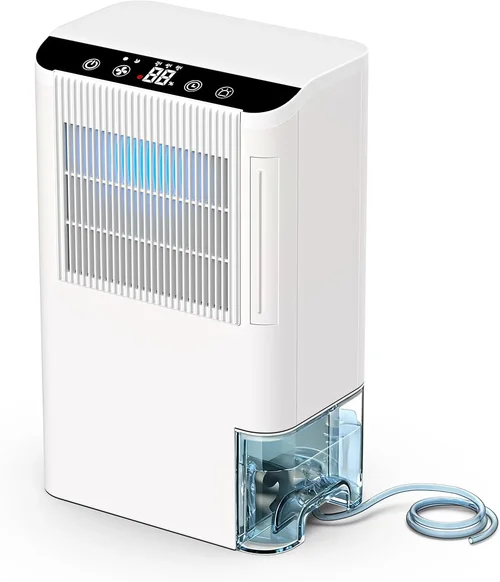
Continuous drainage is another game-changer. Instead of emptying a water tank every few hours, you can connect a hose to drain water directly into a floor drain, sink, or sump pump. This is essential for unattended operation in basements or crawl spaces. Defrost mode is critical if you live in a cooler climate or plan to use the unit in unheated areas—it prevents ice buildup on the coils during winter months.
Smart features like Wi-Fi connectivity, app control, and integration with voice assistants (Alexa, Google Assistant) let you monitor and adjust settings remotely. This is particularly helpful in a two-story home where you might not check the basement daily. Some models even send alerts when the tank is full or if humidity levels spike unexpectedly. While these features add cost, they significantly enhance usability and effectiveness.
5. Brand Reputation
Not all dehumidifier brands are created equal. Stick with manufacturers known for reliability, customer support, and consistent performance. Brands like Frigidaire, GE, hOmeLabs, AprilAire, and Danby have strong track records in the residential dehumidifier market. Reading professional reviews and user feedback can help you avoid brands that cut corners on quality or offer poor post-purchase support.
Reputable brands often provide better documentation, clearer troubleshooting guides, and more accessible customer service. They’re also more likely to honor warranties and offer replacement parts. Avoid no-name or ultra-cheap brands sold exclusively through third-party online retailers—these often lack proper certifications (like Energy Star) and may pose safety risks. When in doubt, check for certifications from organizations like UL (Underwriters Laboratories) or ETL, which ensure the unit meets safety and performance standards.
6. Warranty & Support
A solid warranty protects your investment and reflects the manufacturer’s confidence in their product. Most quality dehumidifiers come with a 1–2 year limited warranty, but some premium models offer up to 5 years. Pay attention to what’s covered: does it include parts, labor, and shipping? Is the warranty voided if you move the unit between floors or use it in a basement?
Customer support is just as important. Can you easily reach a human being if something goes wrong? Are there local service centers, or will you need to ship the unit back for repairs? Brands with strong U.S.-based support teams tend to resolve issues faster. Also, check if the company offers extended warranty options or protection plans—these can be worthwhile if you’re buying a high-end model.
7. Size & Portability
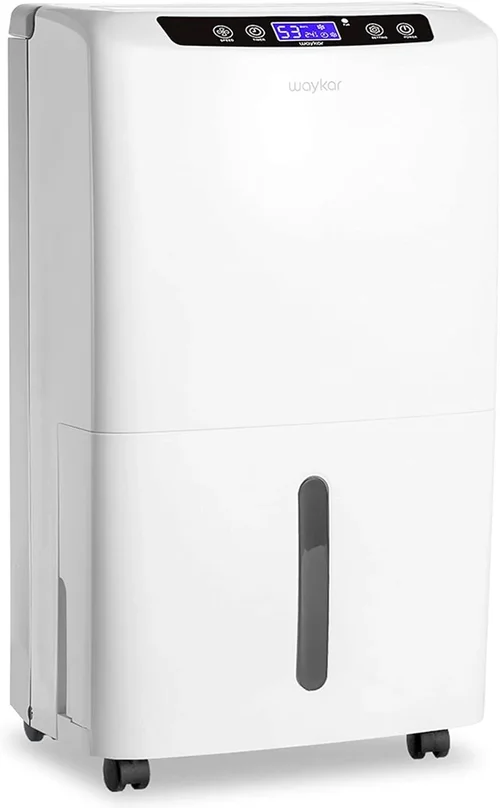
In a two-story home, you’ll likely need to move your dehumidifier between floors or rooms depending on the season or moisture levels. That makes portability a key consideration. Look for units with built-in handles, smooth-rolling casters, and a compact footprint that fits through doorways and stairwells. Weight matters too—most residential dehumidifiers weigh between 30 and 60 pounds, but some larger models can exceed 70 pounds.
Consider the water tank size as well. Larger tanks (2+ gallons) reduce how often you need to empty them, which is helpful if the unit is placed in a hard-to-reach spot. However, bigger tanks add bulk. If you plan to use continuous drainage, tank size becomes less critical. Also, think about noise levels—especially if placing the unit near bedrooms or living areas. Quieter models (under 50 dB) are preferable for upper floors.
8. User Reviews & Ratings
User reviews offer real-world insights that specs alone can’t provide. Look for patterns in feedback: do multiple users report issues with mold growth inside the unit? Does it struggle in high-humidity conditions? Are complaints about poor customer service or premature failures common? Sites like Amazon, Home Depot, and Consumer Reports aggregate thousands of reviews, making it easier to spot trends.
Pay special attention to reviews from users in similar climates or home types. Someone in Florida using a dehumidifier in a 2,500 sq ft two-story home will have very different experiences than someone in Arizona with a smaller, drier house. Also, check recent reviews—product quality can change over time as manufacturers update designs or switch suppliers.
Different Types of Buying Guide

Common Buying Mistakes to Avoid
❌ Mistake: Placing the Dehumidifier in the Wrong Room
Why it’s bad: Putting your dehumidifier in a low-moisture area like a bedroom or living room while ignoring the actual source of humidity (like a damp basement) is like trying to stop a leak by mopping the ceiling. Moisture migrates upward, so untreated lower levels will continue to feed humidity into upper floors, rendering your efforts ineffective.
What to do instead: Identify the primary moisture source first. Use a hygrometer to measure humidity levels in different areas. Place the dehumidifier in the room with the highest readings—typically the basement, crawl space, or laundry room. If moisture is evenly distributed, consider a whole-house system or strategic placement near stairwells to encourage airflow between floors.
❌ Mistake: Ignoring Airflow and Circulation
Why it’s bad: Dehumidifiers work by drawing in moist air, removing water, and releasing dry air. If placed in a corner, behind furniture, or in a sealed-off room with poor ventilation, airflow becomes restricted. This reduces efficiency, increases runtime, and can cause the unit to overheat or shut down prematurely.
What to do instead: Position the dehumidifier at least 6–12 inches away from walls and furniture. Ensure intake and exhaust vents are unobstructed. In larger spaces, use fans to help circulate air toward the unit. For two-story homes, placing the dehumidifier near a central air return vent or stairwell can help distribute dry air more evenly.
❌ Mistake: Buying a Unit Too Small for the Space
Why it’s bad: A dehumidifier rated for 1,000 sq ft will struggle in a 2,500 sq ft two-story home, especially if humidity is high. It will run constantly, consume excess energy, and may never reach your target humidity level. This leads to frustration, higher bills, and premature wear.
What to do instead: Calculate your home’s total square footage and assess moisture severity. For moderate humidity, choose a unit with a capacity equal to your home’s size. For high humidity or large homes, go one size up. Consider a 70-pint unit for basements over 1,500 sq ft, or invest in a whole-house system for comprehensive coverage.
❌ Mistake: Neglecting Drainage Options
Why it’s bad: If you place your dehumidifier in a basement or utility room without planning for drainage, you’ll be emptying the water tank daily—or worse, coming home to a flooded floor. Manual emptying is inconvenient and increases the risk of overflow if you forget.
What to do instead: Choose a model with continuous drainage capability and connect a hose to a floor drain, sink, or sump pump. If no drain is available, look for units with built-in condensate pumps that can push water upward through a hose to a nearby window or sink. This is especially important for unattended operation.
❌ Mistake: Overlooking Noise Levels
Why it’s bad: Dehumidifiers can be noisy, especially compressor-based models. Placing a loud unit near bedrooms, home offices, or living areas on the second floor can disrupt sleep, work, and relaxation. Noise becomes a bigger issue at night when ambient sound is lower.
What to do instead: Check the decibel (dB) rating before buying. Units under 50 dB are considered quiet. Desiccant dehumidifiers are typically quieter than compressor models. If you must place the unit on an upper floor, opt for a quieter model or run it only during daytime hours. Alternatively, use a basement unit with a ducting kit to vent dry air upstairs.
❌ Mistake: Not Considering Seasonal Changes
Why it’s bad: Humidity sources and levels change with the seasons. A basement might be damp in spring and summer but dry in winter. If you only use your dehumidifier seasonally and don’t adjust placement, you’ll miss opportunities to prevent mold, dust mites, and structural damage year-round.
What to do instead: Create a seasonal plan. In warmer months, focus on basements and crawl spaces. In winter, monitor indoor humidity from heating systems, which can dry out air excessively. Some smart dehumidifiers adjust automatically, but manual monitoring ensures optimal performance. Store the unit properly during off-seasons to extend its life.
❌ Mistake: Assuming One Unit Solves Everything
Why it’s bad: A single portable dehumidifier cannot effectively manage humidity across an entire two-story home unless it’s extremely small or humidity is minimal. Moisture doesn’t distribute evenly, and air doesn’t always circulate well between floors.
What to do instead: Use a multi-pronged approach. Place a primary unit in the highest-moisture area (usually the basement), and consider a smaller secondary unit for problem spots like a damp bathroom or closet on the second floor. Alternatively, invest in a whole-house dehumidifier integrated with your HVAC system for consistent, whole-home control.
Budget Guidelines: How Much Should You Spend?
Entry-Level ($100–$200): These compact units are best for small, isolated spaces like bathrooms, closets, or RVs. They typically remove 20–30 pints per day and lack advanced features like humidistats or continuous drainage. While affordable, they’re not ideal for whole-house or basement use in a two-story home. Expect shorter lifespans and higher energy consumption per pint removed.
Mid-Range ($200–$400): This is the sweet spot for most homeowners. These models offer 30–50 pint capacity, built-in humidistats, auto-shutoff, and often continuous drainage. They’re powerful enough for basements, laundry rooms, or main living areas and usually include casters for mobility. Brands like hOmeLabs and Frigidaire dominate this range with reliable, user-friendly designs.
Premium ($400–$800): Designed for serious moisture problems, these units handle 50–70+ pints per day and include smart features, defrost modes, and enhanced filtration. They’re ideal for large basements, high-humidity climates, or homes with chronic mold or mildew issues. Many offer Wi-Fi connectivity and app control, allowing remote monitoring—perfect for managing humidity across multiple floors.
Luxury ($800+): Whole-house dehumidifiers and HVAC-integrated systems fall into this category. They provide automated, consistent humidity control throughout your entire home, often working in tandem with your furnace or air conditioner. While expensive upfront, they offer the most comprehensive solution for two-story homes in humid regions. Brands like AprilAire and Santa Fe specialize in these systems.
Expert Tips for Getting the Best Deal
- Buy during off-peak seasons: Dehumidifiers are in highest demand during spring and summer. Shop in late fall or winter (October–February) when retailers offer discounts to clear inventory. You’ll save 15–30% and still have the unit ready for humid months.
- Compare online and in-store prices: Online retailers like Amazon, Home Depot, and Lowe’s often have lower prices and better return policies than local stores. However, check for shipping costs and restocking fees. In-store purchases let you inspect the unit and ask questions immediately.
- Look for bundle deals: Some HVAC companies offer discounts when you purchase a dehumidifier with other services like duct cleaning or furnace maintenance. Similarly, smart home bundles (e.g., dehumidifier + air purifier) can offer savings.
- Check for rebates and incentives: Many utility companies offer rebates for Energy Star-certified dehumidifiers, especially whole-house models. Visit your provider’s website or call customer service to see if you qualify. These can reduce your cost by $50–$200.
- Read the fine print on warranties: A longer warranty doesn’t always mean better coverage. Ensure it includes both parts and labor, and check if it’s prorated. Some brands require registration within 30 days of purchase to activate the warranty.
- Test before committing: If buying in-store, ask if you can test the unit’s noise level and airflow. For online purchases, check return policies—most reputable sellers offer 30-day returns. Use this time to verify performance in your actual home environment.
- Consider refurbished or open-box models: These can be 20–40% cheaper and often come with the same warranty as new units. Just ensure they’re certified refurbished by the manufacturer, not just resold by a third party.
- Negotiate with HVAC installers: If you’re investing in a whole-house system, get quotes from multiple contractors. Many are willing to negotiate, especially if you’re bundling services or paying upfront.
Frequently Asked Questions
Q: Should I put my dehumidifier on the first or second floor?
A: In most two-story homes, the first floor—especially the basement or lowest level—is the best starting point. Moisture rises from foundations, crawl spaces, and ground contact, so treating the source prevents it from migrating upward. If upper floors still feel damp, consider a secondary unit or improve air circulation between levels.
Q: Can one dehumidifier cover an entire two-story house?
A: It depends on size, layout, and humidity levels. A single high-capacity portable unit (70+ pints) might manage a small, open-concept home with good airflow. However, most two-story homes benefit from targeted placement (e.g., basement + main floor) or a whole-house system for consistent results.
Q: How do I know if my dehumidifier is working properly?
A: Use a hygrometer to monitor humidity levels. If the unit is running but humidity remains above 50%, check for obstructions, full tanks, or undersized capacity. Listen for unusual noises or reduced airflow, which may indicate coil frosting or filter clogs.
Q: Is it safe to run a dehumidifier 24/7?
A: Yes, as long as it has an auto-humidistat and proper drainage. Modern units are designed for continuous operation. Just ensure the area is well-ventilated and the unit isn’t overheating. Avoid running it in unheated spaces below 65°F without a defrost mode.
Q: Can I place my dehumidifier near a wall or in a corner?
A: Avoid tight corners. Leave at least 6–12 inches of clearance around all sides, especially near intake and exhaust vents. Blocked airflow reduces efficiency and can cause the unit to overwork or shut down.
Q: Do I need a dehumidifier if I have central air conditioning?
A: Yes, especially in humid climates. While AC removes some moisture, it’s not designed for precise humidity control. During mild weather when AC runs less, humidity can build up. A dehumidifier complements your HVAC system for optimal comfort.
Q: What’s the ideal humidity level for a home?
A: Between 30% and 50%. Levels above 50% promote mold, dust mites, and musty odors. Below 30% can cause dry skin, static electricity, and respiratory irritation. Use a hygrometer to monitor and adjust your dehumidifier accordingly.
Q: Can I use a dehumidifier in winter?
A: Only if the room stays above 65°F. Most compressor dehumidifiers frost over in cold temperatures. Desiccant models work better in winter, or use a basement-specific unit with defrost functionality.
Q: How often should I clean my dehumidifier?
A: Clean the filter every 2–4 weeks during heavy use. Wipe down the water tank monthly to prevent mold and bacteria growth. Follow the manufacturer’s instructions for coil and internal cleaning.
Q: Are smart dehumidifiers worth the extra cost?
A: If you value convenience and remote monitoring, yes. Smart features let you adjust settings from your phone, receive alerts, and track energy use. For two-story homes where checking the basement daily isn’t practical, they offer peace of mind and better control.
Our Final Recommendations
Best for Budget-Conscious Buyers: hOmeLabs 30-Pint Dehumidifier – At under $200, this unit offers excellent value with a built-in pump, continuous drainage, and quiet operation. Ideal for small basements or main floor use.
Best Overall Value: Frigidaire FFAD7033R1 70-Pint Dehumidifier – A reliable, Energy Star-certified model with a large tank, auto-humidistat, and defrost mode. Perfect for larger basements or high-humidity areas in a two-story home.
Best Premium Option: AprilAire E080 Whole-House Dehumidifier – Designed for homes up to 3,000 sq ft, this ducted system integrates with your HVAC for seamless, whole-home humidity control. Ideal for humid climates and large two-story homes.
Best for Beginners: GE APER50LZ 50-Pint Dehumidifier – User-friendly controls, clear indicator lights, and easy-to-empty tank make this a great starter unit. Includes casters and a washable filter.
Best for Advanced Users: hOmeLabs Smart Dehumidifier (70-Pint) – Wi-Fi enabled, app-controlled, and compatible with Alexa and Google Assistant. Offers real-time humidity tracking and remote alerts—perfect for tech-savvy homeowners managing moisture across floors.
Conclusion: Making the Right Choice
Choosing and placing a dehumidifier in a two-story house isn’t just about buying the biggest or most expensive unit—it’s about understanding your home’s unique moisture patterns and matching them with the right technology and strategy. From identifying high-humidity zones to selecting a model with the right capacity, features, and drainage options, every decision impacts performance and long-term satisfaction.
Remember, effective dehumidification starts at the source. Whether that’s a damp basement, a poorly ventilated laundry room, or a crawl space, treating the root cause prevents moisture from spreading upstairs. Combine smart placement with quality equipment, regular maintenance, and seasonal adjustments, and you’ll enjoy healthier air, protected belongings, and greater comfort year-round.
Don’t let humidity dictate your home’s atmosphere. With the insights from this guide, you’re equipped to make an informed, confident choice. Prioritize your needs, invest wisely, and place your dehumidifier where it can do the most good. Your two-story home—and your peace of mind—will thank you.