
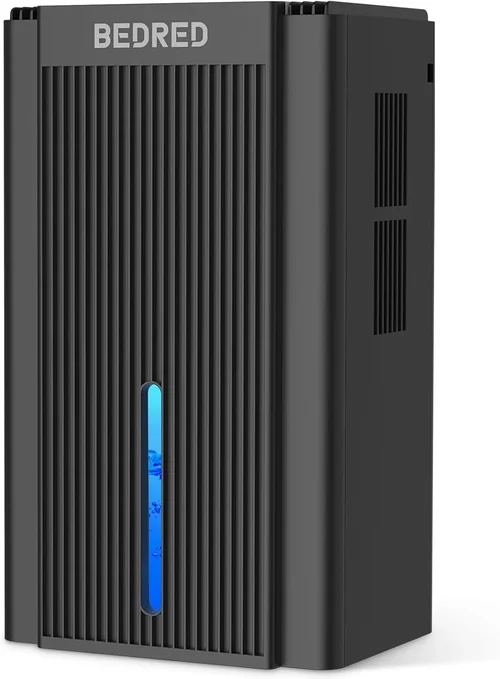
Dealing with excess moisture in your home isn’t just a matter of comfort—it’s a critical step in maintaining your health, protecting your property, and ensuring long-term indoor air quality. Whether you’re battling persistent dampness in a basement, musty odors in a bedroom, or mold growth in a bathroom, a dehumidifier can be a game-changer. But not all dehumidifiers are created equal, and if you’re like most homeowners, you don’t want a noisy appliance humming away in the background while you sleep, work, or relax. That’s where silent dehumidifiers come in.
In recent years, the demand for quiet, efficient, and reliable dehumidifiers has surged. As more people spend time at home—whether working remotely, studying, or simply unwinding—the importance of a peaceful indoor environment has never been greater. Traditional dehumidifiers often rely on loud compressors and fans that can disrupt conversations, interfere with sleep, or make it difficult to concentrate. Silent dehumidifiers, on the other hand, use advanced technologies like thermoelectric cooling, desiccant wheels, or ultra-quiet compressors to remove moisture without the noise. This guide is designed to help you navigate the crowded market and make an informed decision based on your specific needs, budget, and lifestyle.
By the end of this comprehensive buying guide, you’ll have a clear understanding of what makes a dehumidifier truly “silent,” how to evaluate performance beyond just decibel ratings, and which features matter most for your situation. We’ll break down the key factors to consider—from capacity and energy efficiency to build quality and smart functionality—and compare different types of silent dehumidifiers so you can choose the right one for your space. You’ll also learn about common pitfalls to avoid, budget considerations, and expert tips to get the best value. Whether you’re outfitting a small closet, a large basement, or a whole-house system, this guide will equip you with the knowledge to invest wisely and enjoy a quieter, drier, and healthier home.

What to Look for When Buying a Silent Dehumidifier
1. Noise Level (Decibel Rating)
The most defining feature of a silent dehumidifier is, of course, how quietly it operates. Noise level is measured in decibels (dB), and for a unit to be considered truly silent, it should operate at or below 40 dB—roughly the sound of a quiet library or whisper. Some high-end models even drop below 35 dB, making them virtually undetectable in a bedroom or home office.
When comparing models, don’t just look at the manufacturer’s claimed decibel rating—check independent reviews and real-world testing. Many brands advertise “whisper-quiet” operation but fail to specify whether that’s under full load or in eco mode. Also, consider where the unit will be placed. A 45 dB dehumidifier might be fine in a basement but disruptive in a nursery. Look for units with variable fan speeds or sleep modes that reduce noise during nighttime operation.
2. Moisture Removal Capacity (Pints per Day)
Capacity refers to how much moisture a dehumidifier can extract from the air in a 24-hour period, typically measured in pints. This is one of the most important performance metrics, as it directly impacts how effective the unit will be in your space.
For small areas like closets, RVs, or under-sink cabinets, a compact unit with a capacity of 10–20 pints per day may suffice. Medium-sized rooms such as bedrooms, laundry rooms, or small basements usually require 20–30 pints. Larger spaces like full basements, garages, or open-plan living areas may need 30–50+ pints per day.
However, don’t assume bigger is always better. Oversized units can cycle on and off too frequently, reducing efficiency and increasing wear. Conversely, an undersized unit will run constantly, struggle to maintain humidity levels, and may overheat. Match the capacity to your room size and humidity level. Most manufacturers provide sizing charts based on square footage and moisture severity (mild, moderate, severe).
3. Energy Efficiency (Energy Star Rating & Wattage)
A silent dehumidifier that consumes excessive electricity can quickly become a financial burden, especially if it runs continuously. Energy efficiency is measured in several ways: Energy Star certification, wattage, and liters per kilowatt-hour (L/kWh).
Energy Star-certified models are independently tested and proven to use 15–30% less energy than standard units. Look for the yellow EnergyGuide label, which shows estimated annual operating costs. For example, a 30-pint Energy Star dehumidifier might cost around $30–$50 per year to run, compared to $60–$80 for a non-certified model.
Wattage also matters—lower wattage generally means lower energy consumption, but it can also indicate lower performance. Aim for a balance: a unit that removes moisture efficiently without drawing excessive power. Some models feature auto-defrost, which prevents ice buildup on coils in cold environments, improving efficiency in basements or unheated spaces.
4. Type of Technology: Compressor vs. Desiccant vs. Thermoelectric
The internal technology determines not only how quietly a dehumidifier operates but also its effectiveness in different environments.
Compressor-based dehumidifiers are the most common and effective for large spaces. They use a refrigerant to cool coils, causing moisture to condense and drip into a tank. While traditionally noisier, newer models feature insulated compressors and sound-dampening materials to reduce noise to near-silent levels. These are ideal for basements, living rooms, and whole-house applications.
Desiccant dehumidifiers use a moisture-absorbing material (like silica gel) to pull water from the air. They’re inherently quieter because they lack a compressor, making them excellent for bedrooms, nurseries, and offices. However, they’re less efficient in very humid conditions and may consume more energy over time. Some models include a heater to regenerate the desiccant, which can increase noise slightly.
Thermoelectric (Peltier) dehumidifiers are the quietest of all, often operating below 30 dB. They use a small electric current to create a temperature difference across a heat sink, causing condensation. These are best for small, enclosed spaces like closets, gun safes, or wine cabinets. However, they have very low capacity (usually under 10 pints/day) and are not suitable for large or humid areas.
Choose based on your space size, humidity level, and noise tolerance.
5. Tank Size & Auto-Shutoff
The water collection tank is a practical consideration that affects convenience and maintenance frequency. Larger tanks (2–4 liters or more) require less frequent emptying, which is especially helpful in high-humidity environments or if you’re away from home often.
Most modern silent dehumidifiers include an auto-shutoff feature that turns the unit off when the tank is full, preventing overflow and water damage. Some also have a continuous drainage option, allowing you to connect a hose to drain water directly into a floor drain or sump pump—ideal for basements or unattended operation.
If you choose a model with a small tank (under 1 liter), ensure it has a reliable auto-shutoff and consider purchasing a compatible drainage kit. For desiccant models, look for units with removable cartridges that can be dried and reused, reducing the need for frequent replacements.
6. Smart Features & Automation
Smart functionality is becoming increasingly common in premium silent dehumidifiers and can greatly enhance usability. Look for features like:
– Humidity sensors and auto-humidistat: The unit automatically adjusts its operation to maintain your desired humidity level (typically 30–50% RH).
– Programmable timers: Set the dehumidifier to run only during specific hours (e.g., overnight or when you’re away).
– Wi-Fi connectivity and app control: Monitor and control the unit remotely via smartphone, receive alerts when the tank is full, or adjust settings from anywhere.
– Filter indicators and washable filters: Remind you when to clean the air filter, improving air quality and efficiency.
– Sleep mode: Reduces fan speed and noise for undisturbed rest.
While smart features add convenience, they may also increase the price. Evaluate whether these extras are worth the investment based on your lifestyle and usage patterns.
7. Build Quality & Durability
A silent dehumidifier is an investment, so it’s important to choose one built to last. Look for sturdy construction with high-quality materials—avoid flimsy plastic housings that can crack or warp over time. Check the warranty: reputable brands typically offer 1–3 years of coverage, with some premium models extending to 5 years.
Internal components matter too. Sealed compressors, corrosion-resistant coils, and reinforced fan motors contribute to longevity. Read user reviews to see how well the unit holds up after 1–2 years of use. Units with poor build quality may become noisier over time as parts wear out.
Also consider portability. If you plan to move the dehumidifier between rooms, look for models with built-in handles, caster wheels, or lightweight designs. However, don’t sacrifice durability for portability—some ultra-light models use thin plastic that can break easily.
8. Brand Reputation & Customer Support
Not all dehumidifier brands are created equal. Established manufacturers like Frigidaire, hOmeLabs, Eva-Dry, and Pro Breeze have a track record of reliability, innovation, and customer service. Research brand reputation by reading expert reviews, checking BBB ratings, and browsing user forums.
Customer support is crucial if something goes wrong. Look for brands that offer responsive phone, email, or chat support, clear troubleshooting guides, and accessible replacement parts. Some companies even provide free filter replacements or extended warranty options.
Avoid unknown or generic brands sold exclusively through third-party marketplaces unless they have strong independent reviews. These units may use inferior components, lack proper certifications, or disappear from the market shortly after purchase, leaving you without support.
Different Types of Silent Dehumidifiers

Common Buying Mistakes to Avoid
❌ Mistake: Ignoring Room Size and Humidity Level
Why it’s bad: Buying a dehumidifier that’s too small for your space means it will run constantly, struggle to reduce humidity, and wear out quickly. Conversely, an oversized unit may short-cycle, wasting energy and failing to properly dehumidify.
What to do instead: Measure your room’s square footage and assess moisture severity. Use manufacturer sizing guides or online calculators. For basements, consider insulation, ventilation, and external water sources that may affect performance.
❌ Mistake: Focusing Only on Noise Level
Why it’s bad: A unit may advertise “silent” operation but lack the capacity or efficiency to handle your needs. You could end up with a quiet but ineffective appliance.
What to do instead: Balance noise with performance. Look for units that offer both low decibel ratings and adequate moisture removal. Read real-user reviews to see how quiet the unit is under load.
❌ Mistake: Overlooking Energy Efficiency
Why it’s bad: A cheap dehumidifier with high energy consumption can cost more in electricity over time than a pricier, efficient model.
What to do instead: Prioritize Energy Star certification and check the annual operating cost. Calculate long-term savings—sometimes spending $50 more upfront saves $100+ over five years.
❌ Mistake: Skipping the Auto-Shutoff Feature
Why it’s bad: Without auto-shutoff, a full tank can overflow, causing water damage, mold, or electrical hazards—especially if you’re away from home.
What to do instead: Always choose a model with reliable auto-shutoff. For unattended use, opt for continuous drainage or a large tank (3+ liters).
❌ Mistake: Buying Based on Price Alone
Why it’s bad: The cheapest option often uses inferior components, lacks safety features, and fails prematurely. You may end up replacing it within a year.
What to do instead: Consider total cost of ownership—initial price, energy use, maintenance, and lifespan. Mid-range models often offer the best value.
❌ Mistake: Ignoring Maintenance Requirements
Why it’s bad: Dirty filters and clogged coils reduce efficiency, increase noise, and can lead to mold growth inside the unit.
What to do instead: Choose models with washable, reusable filters and easy-access components. Set calendar reminders to clean the unit monthly.
❌ Mistake: Not Checking Return and Warranty Policies
Why it’s bad: If the unit doesn’t perform as expected or breaks down, a poor return policy or short warranty can leave you stuck with a defective product.
What to do instead: Buy from retailers with generous return windows (30+ days) and choose brands with at least a 1–2 year warranty. Register your product promptly.
Budget Guidelines: How Much Should You Spend?
Entry-Level ($30 – $100): This range includes thermoelectric mini dehumidifiers and basic desiccant models. Best for small spaces like closets, safes, or under-sink areas. Expect limited capacity (under 20 pints/day), no smart features, and basic build quality. Ideal for occasional use or low-humidity environments.
Mid-Range ($100 – $250): The sweet spot for most homeowners. Includes quiet-enhanced compressor models and mid-tier desiccant units. Offer 20–40 pints/day capacity, Energy Star efficiency, auto-shutoff, and sometimes programmable timers. Great for bedrooms, laundry rooms, and small basements.
Premium ($250 – $500): For those who want top-tier performance and quiet operation. Features include advanced humidity control, Wi-Fi connectivity, large tanks (3–4+ liters), and durable construction. Ideal for large basements, open-plan homes, or allergy sufferers.
Luxury ($500+): Whole-house systems, ducted units, and high-end smart dehumidifiers. Designed for seamless integration with HVAC systems, offering centralized control, ultra-low noise, and professional-grade durability. Best for large homes, new builds, or commercial applications.
Expert Tips for Getting the Best Deal
– Buy during seasonal sales: The best time to purchase a dehumidifier is in late winter or early spring (February–April), when retailers clear out inventory before humid summer months. Black Friday and Prime Day also offer significant discounts.
– Shop at trusted retailers: Stick to well-known stores like Home Depot, Lowe’s, Best Buy, or Amazon (sold and shipped by Amazon, not third parties). These offer reliable return policies and customer service.
– Compare total cost of ownership: Use online calculators to estimate annual energy costs. A $50 more expensive Energy Star model may save you $20/year in electricity.
– Check for rebates and incentives: Some utility companies offer rebates for Energy Star appliances. Visit the ENERGY STAR website to find local programs.
– Read user reviews carefully: Look for patterns in feedback—repeated complaints about noise, leaks, or short lifespan are red flags. Focus on reviews from verified purchasers.
– Test before committing: If possible, buy from a store with a generous return policy. Run the unit for a few days to assess noise, performance, and ease of use.
– Register your warranty: This ensures you’re covered for repairs or replacements. Some brands offer extended warranties or free filter replacements upon registration.
– Consider bundle deals: Some retailers offer discounts when you buy a dehumidifier with an air purifier, humidifier, or smart thermostat.

Frequently Asked Questions
Q: How quiet is “silent” for a dehumidifier?
A: In the context of dehumidifiers, “silent” typically means operating at or below 40 decibels (dB). For reference, a whisper is about 30 dB, a quiet library is 40 dB, and normal conversation is 60 dB. Truly silent models often range from 30–38 dB, making them ideal for bedrooms and offices.
Q: Can a silent dehumidifier run 24/7?
A: Yes, most modern silent dehumidifiers are designed for continuous operation. However, ensure the unit has auto-shutoff, overheating protection, and a large enough tank or drainage option. Regular maintenance (cleaning filters, checking coils) is essential for long-term reliability.
Q: Do silent dehumidifiers use more electricity?
A: Not necessarily. While some ultra-quiet models (like thermoelectric units) are less efficient, many compressor-based silent dehumidifiers are Energy Star certified and use less energy than older, noisier models. Check the wattage and annual operating cost before buying.
Q: Are desiccant dehumidifiers better for cold climates?
A: Yes. Desiccant models perform well in temperatures as low as 32°F (0°C), unlike compressor units, which can ice up below 65°F (18°C). This makes desiccant dehumidifiers ideal for unheated basements, garages, or cabins.
Q: How often should I empty the water tank?
A: It depends on humidity levels and tank size. In high-humidity areas, you may need to empty it daily. In moderate conditions, every 2–3 days. Units with continuous drainage or large tanks (3+ liters) require less frequent attention.
Q: Can a silent dehumidifier help with allergies?
A: Absolutely. By reducing indoor humidity to 30–50%, dehumidifiers inhibit mold, dust mites, and mildew—common allergens. Pair it with an air purifier for maximum benefit.
Q: Do I need a dehumidifier in every room?
A: Not usually. One properly sized unit can often cover multiple rooms, especially if doors are open. For targeted moisture issues (e.g., a damp closet), a small thermoelectric model may be sufficient.
Q: How do I know if my home is too humid?
A: Use a hygrometer to measure indoor humidity. Levels above 60% indicate excess moisture. Signs include condensation on windows, musty odors, peeling paint, or visible mold.
Q: Can I use a silent dehumidifier in an RV or boat?
A: Yes, but choose a compact, low-wattage model designed for small spaces. Thermoelectric or mini desiccant units are ideal for RVs and boats due to their quiet operation and low power draw.
Q: What’s the difference between a dehumidifier and an air purifier?
A: A dehumidifier removes moisture from the air to prevent mold and mildew. An air purifier filters out pollutants like dust, pollen, and smoke. They serve different purposes but can be used together for optimal indoor air quality.
Our Final Recommendations
– Best for Budget-Conscious Buyers: Eva-Dry E-333 Mini Dehumidifier – Affordable, ultra-quiet (35 dB), and perfect for small spaces like closets or safes. No tank to empty—just recharge the silica gel.
– Best Overall Value: hOmeLabs 30 Pint Dehumidifier – Quiet compressor operation (45 dB), Energy Star certified, large 1.8-gallon tank, and excellent performance in basements and living rooms.
– Best Premium Option: Frigidaire Gallery FGAC5044W1 – 50-pint capacity, Wi-Fi enabled, operates at just 42 dB, and features a sleek design with smart home integration.
– Best for Beginners: Pro Breeze Electric Mini Dehumidifier – Simple plug-and-play operation, compact size, and quiet performance. Great for first-time users or small rooms.
– Best for Advanced Users: AprilAire E080 Pro – Whole-house ducted system with professional installation, ultra-quiet operation, and centralized humidity control. Ideal for large homes or new builds.
Conclusion: Making the Right Choice
Choosing the best silent dehumidifier isn’t just about finding the quietest model—it’s about balancing noise, performance, efficiency, and usability to meet your specific needs. Whether you’re tackling a damp basement, protecting a cherished wine collection, or simply creating a more comfortable living environment, the right dehumidifier can make a profound difference in your home’s air quality and your quality of life.
As you’ve learned, key factors like decibel rating, moisture removal capacity, energy efficiency, and technology type all play a role in determining which unit is right for you. Avoid common pitfalls like overspending on unnecessary features or underestimating your space’s requirements. Instead, focus on long-term value, reliability, and ease of use.
Remember, a silent dehumidifier is an investment in your health and home. Take the time to research, compare models, and read real user experiences. Use the budget guidelines and expert tips in this guide to shop smart and get the best deal. And when in doubt, prioritize brands with strong reputations and solid customer support.
Ultimately, the best silent dehumidifier is the one that works seamlessly in the background—quietly, efficiently, and effectively—so you can enjoy a drier, healthier, and more peaceful home. Don’t wait for mold to grow or musty odors to take over. Make your purchase today and breathe easier tomorrow.