
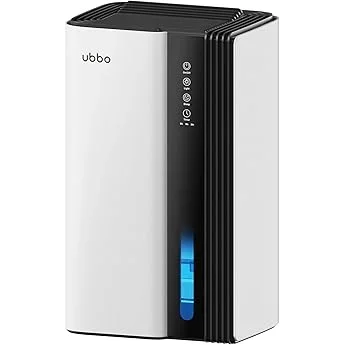
If you’ve ever woken up to a musty smell in your bedroom, noticed condensation on your windows, or felt like the air is heavy and hard to breathe, you’re not alone. Excess moisture in the bedroom isn’t just uncomfortable—it can seriously impact your health, sleep quality, and even the integrity of your home. From mold and mildew growth to dust mite proliferation and worsening allergy symptoms, high humidity levels create an environment that’s anything but restful. That’s where a small bedroom dehumidifier comes in. These compact yet powerful devices are designed to quietly and efficiently remove excess moisture from the air, helping you maintain a healthy indoor climate without taking up valuable space or disrupting your nightly routine.
This guide is here to help you cut through the noise and make a smart, informed decision. Whether you’re dealing with seasonal dampness, poor ventilation, or simply want to improve your bedroom’s air quality, choosing the right small dehumidifier can make all the difference. In this comprehensive buying guide, we’ll walk you through everything you need to know—from understanding key performance specs and comparing different types of units to avoiding common pitfalls and finding the best value for your budget. We’ve tested, researched, and analyzed dozens of models so you don’t have to. By the end, you’ll know exactly what to look for, which features matter most, and how to pick a dehumidifier that fits your space, lifestyle, and needs.
The market for small bedroom dehumidifiers has exploded in recent years, with options ranging from ultra-compact mini units under $50 to feature-rich smart models costing several hundred dollars. While this variety is great for consumers, it also means more confusion. Some units claim to cover large areas but struggle in real-world conditions. Others promise whisper-quiet operation but still produce noticeable hums that interfere with sleep. And many lack the durability or efficiency needed for long-term use. Our goal is to help you navigate this crowded landscape with confidence, so you can invest in a dehumidifier that actually delivers on its promises—without overspending or settling for subpar performance.

What to Look for When Buying Buying Guide
1. Moisture Removal Capacity (Pints per Day)
The most critical specification when choosing a small bedroom dehumidifier is its moisture removal capacity, measured in pints per day (PPD). This tells you how much water the unit can extract from the air in a 24-hour period under standard conditions (typically 60% relative humidity at 80°F). For a typical bedroom (100–300 square feet), a capacity of 10–20 pints per day is usually sufficient. Smaller rooms or spaces with mild humidity may only need 5–10 PPD, while larger bedrooms or those in high-humidity climates (like basements or coastal areas) might benefit from 20+ PPD models.
Don’t be fooled by exaggerated claims. Some manufacturers list “maximum” or “ideal condition” ratings that don’t reflect real-world performance. Always check independent reviews or look for Energy Star-certified models, which undergo standardized testing. A unit rated for 12 PPD in a 200-square-foot room should maintain 50–60% relative humidity without constant cycling. Overestimating your needs can lead to unnecessary energy use and higher costs, while underestimating means the dehumidifier will run nonstop and still fail to control moisture effectively.
2. Room Size Coverage
Closely tied to moisture removal capacity is the unit’s recommended room size coverage. Most small dehumidifiers are rated for spaces between 150 and 500 square feet. However, this number isn’t just about square footage—it also depends on ceiling height, insulation, ventilation, and local climate. A 200-square-foot bedroom in a dry, well-insulated home in Arizona may need less dehumidification than the same-sized room in a humid, poorly ventilated apartment in Florida.
When evaluating coverage, consider whether the dehumidifier is designed for “moderate” or “high” humidity environments. Some models specify both. For example, a unit might cover 300 sq ft in moderate humidity but only 150 sq ft in high humidity. Always err on the side of caution: if your bedroom is near the upper limit of a model’s coverage, consider stepping up to the next size. Running a dehumidifier beyond its intended capacity leads to inefficiency, frequent emptying, and premature wear.
3. Noise Level (Decibel Rating)
Since bedrooms are spaces for rest and relaxation, noise level is a top priority. Most small dehumidifiers operate between 35 and 50 decibels (dB)—comparable to a whisper (30 dB) or quiet conversation (50 dB). However, even small differences matter when you’re trying to sleep. A unit that runs at 45 dB might be barely noticeable during the day but disruptive at night, especially if placed near your bed.
Look for models that specify “ultra-quiet” or “sleep mode” operation, often under 40 dB. Compressor-based dehumidifiers tend to be louder than thermoelectric or desiccant models, though newer compressor units have improved significantly. If noise is a major concern, consider placing the dehumidifier on a soft surface or using a rug underneath to dampen vibrations. Also, check user reviews for real-world noise feedback—manufacturer specs can sometimes be optimistic.
4. Energy Efficiency & Operating Cost
Running a dehumidifier 24/7 can add up on your electricity bill, so energy efficiency is crucial. The best way to assess this is by looking at the Energy Factor (EF), measured in liters of water removed per kilowatt-hour (L/kWh). Higher EF values mean more efficient operation. Energy Star-certified dehumidifiers must meet strict efficiency standards and typically use 15–30% less energy than non-certified models.
For small bedroom units, expect to pay anywhere from $5 to $20 per month in electricity, depending on usage, local rates, and efficiency. A 20-pint Energy Star model running 8 hours a day might cost around $10/month, while a less efficient 10-pint unit running continuously could cost closer to $15. Over a year, that’s a $60 difference—enough to justify spending a bit more upfront for a more efficient model. Also, consider units with auto-shutoff, timers, or humidity sensors, which reduce runtime and save energy.
5. Water Tank Capacity & Drainage Options
All dehumidifiers collect moisture in an internal tank that needs periodic emptying. Tank size typically ranges from 0.5 to 1.5 gallons (about 4 to 12 pints). For a bedroom, a 0.8–1.2-gallon tank is usually ideal—large enough to avoid constant emptying but small enough to keep the unit compact.
Check how easy it is to remove and empty the tank. Look for models with ergonomic handles, spill-proof designs, and clear level indicators. Some units include a hose connection for continuous drainage, which is a game-changer if you plan to run the dehumidifier overnight or while away. A built-in pump or gravity drain option eliminates the need to manually empty the tank, though it may add to the cost. If you choose a manual-only model, make sure the tank is accessible and doesn’t require disassembling the unit.
6. Smart Features & Automation
Modern small dehumidifiers often come with smart features that enhance convenience and efficiency. These include built-in hygrometers (humidity sensors), adjustable humidity settings (e.g., 30%, 40%, 50%), auto-restart after power outages, timers, and even Wi-Fi connectivity for remote control via smartphone apps.
For bedroom use, a built-in humidistat is especially valuable—it allows the unit to maintain your preferred humidity level automatically, turning on and off as needed. This prevents over-drying (which can cause static and discomfort) and saves energy. Timers let you run the dehumidifier only during peak humidity hours (e.g., overnight). While smart features add cost, they significantly improve usability and long-term performance. Just ensure the interface is intuitive—complicated controls defeat the purpose of automation.
7. Build Quality & Durability
A dehumidifier is an investment, so you want one that lasts. Look for sturdy construction with high-quality plastics, reinforced seams, and reliable components. Check the warranty—most reputable brands offer 1–2 years, with some extending to 5 years on compressors. Avoid flimsy tanks, wobbly casters, or units that feel lightweight and cheap.
Also consider the type of dehumidification technology. Compressor-based units are generally more durable and effective for larger spaces, while thermoelectric and desiccant models are quieter and better for small, low-humidity areas but may wear out faster. Read user reviews for long-term reliability feedback. Brands like hOmeLabs, Eva-Dry, and Ivation consistently receive praise for build quality, while generic or no-name brands often cut corners.
8. Portability & Design
Even small dehumidifiers should be easy to move and place. Look for units with built-in handles, recessed grips, or smooth casters. Weight matters too—most bedroom models weigh between 10 and 25 pounds. A lighter unit is easier to carry up stairs or reposition.
Design also affects usability. Compact, low-profile units fit better under beds or in closets. Some models have vertical or horizontal airflow options, allowing flexible placement. Avoid units with sharp edges or exposed components that could pose a risk, especially in homes with children or pets. Aesthetics matter in a bedroom—choose a neutral color (white, black, gray) that blends with your decor.
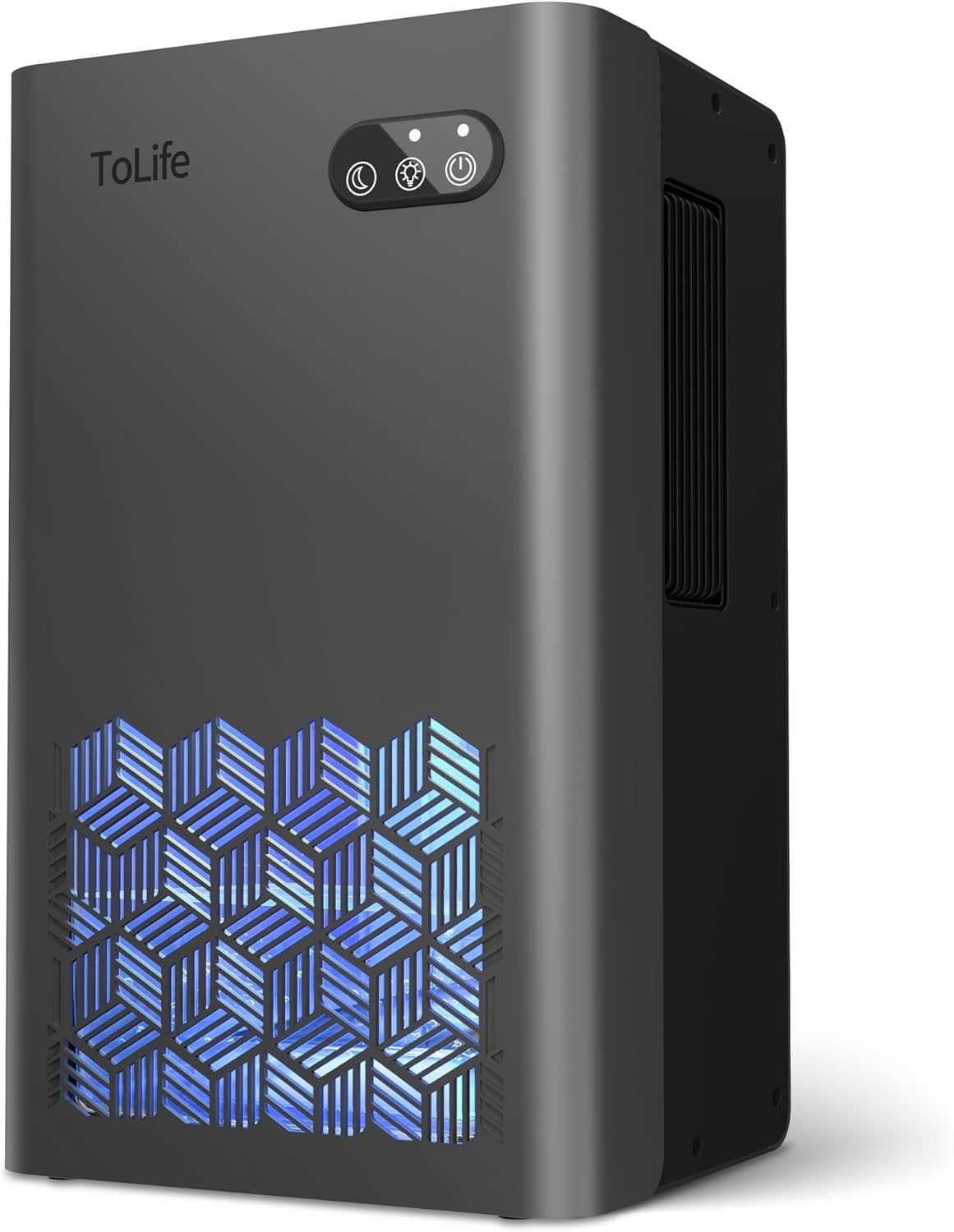
Different Types of Buying Guide
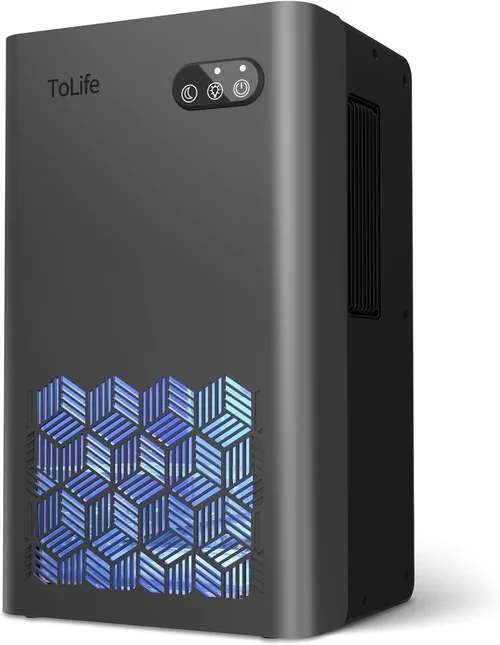
Common Buying Mistakes to Avoid
❌ Mistake: Buying Based Solely on Price
Why it’s bad: The cheapest dehumidifier often lacks essential features like a humidistat, auto-shutoff, or efficient compressor. It may also have a small tank, high noise levels, or poor build quality, leading to frequent replacements and higher long-term costs.
What to do instead: Focus on value, not just upfront cost. A $120 model with a 1.2-gallon tank, 15 PPD capacity, and Energy Star certification will outperform and outlast a $50 unit that struggles to keep up. Consider total cost of ownership, including energy use and durability.
❌ Mistake: Ignoring Room Size and Humidity Level
Why it’s bad: A dehumidifier too small for your space will run constantly, overheat, and fail to reduce humidity. Conversely, an oversized unit may cycle too frequently, wasting energy and shortening its lifespan.
What to do instead: Measure your bedroom’s square footage and use a hygrometer to check humidity. Match these to the manufacturer’s coverage and capacity specs. When in doubt, choose a slightly larger capacity—better to have excess power than insufficient.
❌ Mistake: Overlooking Noise Levels
Why it’s bad: A noisy dehumidifier can disrupt sleep, especially if placed near the bed. Even a 45 dB unit may be audible in a quiet room, leading to frustration and poor rest.
What to do instead: Prioritize models with noise ratings under 40 dB or those labeled “ultra-quiet.” Read user reviews for real-world feedback. Consider placement—putting the unit on a soft surface or in a corner can reduce sound.
❌ Mistake: Skipping the Drain Hose Option
Why it’s bad: Manually emptying a tank every 6–12 hours is inconvenient and easy to forget. If you’re away or asleep, the unit will shut off when full, allowing humidity to rise again.
What to do instead: Choose a model with a continuous drain option, even if it costs $20–$30 more. A simple hose connection lets you route water to a floor drain, sink, or bucket, enabling 24/7 operation without intervention.
❌ Mistake: Ignoring Maintenance Requirements
Why it’s bad: Dehumidifiers need regular cleaning to prevent mold, bacteria, and dust buildup in the tank and filter. Neglecting maintenance reduces efficiency and can release contaminants into the air.
What to do instead: Look for models with washable filters and easy-access tanks. Clean the unit monthly with vinegar or mild soap. Replace filters as recommended. A well-maintained dehumidifier lasts years longer.
❌ Mistake: Buying Without Checking Warranty
Why it’s bad: Dehumidifiers contain mechanical parts that can fail. A short or nonexistent warranty leaves you paying for repairs or replacements out of pocket.
What to do instead: Choose brands that offer at least a 1-year warranty, with 2+ years preferred. Some, like hOmeLabs, offer 2-year coverage. Register your product and keep receipts for warranty claims.
❌ Mistake: Assuming All “Small” Units Are Equal
Why it’s bad: Size doesn’t always correlate with performance. Some compact units are underpowered, while others pack impressive capacity into a small frame.
What to do instead: Compare specs, not just dimensions. A 12-pint compressor unit may be smaller than a 10-pint thermoelectric model but far more effective. Read reviews and look for verified performance data.
Budget Guidelines: How Much Should You Spend?
Entry-Level ($30–$70): This tier includes mini thermoelectric and basic desiccant models. They’re ideal for very small spaces (under 150 sq ft), closets, or travel. Expect limited capacity (1–5 PPD), small tanks (0.2–0.5 gallons), and no smart features. Noise is usually low, but performance drops in high humidity. Best for occasional use or mild dampness.
Mid-Range ($70–$150): This is the sweet spot for most bedroom buyers. You’ll find reliable compressor and desiccant units with 10–20 PPD capacity, 0.8–1.2-gallon tanks, built-in humidistats, and auto-shutoff. Many include timers, washable filters, and quiet operation (under 45 dB). Energy efficiency improves, and build quality is noticeably better. These models balance performance, features, and price.
Premium ($150–$250): For those who want top-tier performance and convenience, premium models offer 20+ PPD, large tanks (1.5+ gallons), continuous drainage, Wi-Fi connectivity, and advanced sensors. They’re built to last, with robust compressors and durable materials. Ideal for large bedrooms, high humidity, or users who value automation and remote control.
Luxury ($250+): These are high-end smart dehumidifiers with app integration, voice control (Alexa/Google), detailed humidity tracking, and sleek designs. Some include air purification features or dual-function units (dehumidifier + air purifier). While overkill for most bedrooms, they’re perfect for tech enthusiasts or those with severe moisture issues.
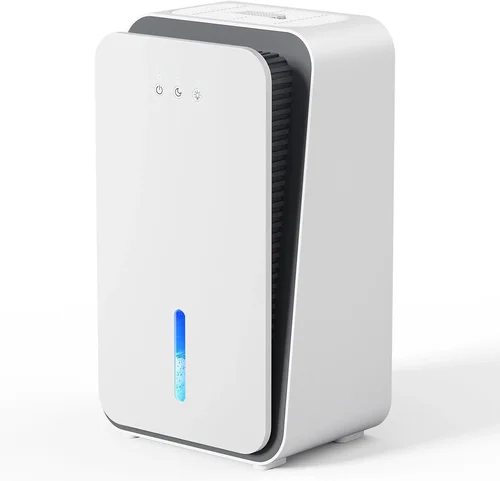
Expert Tips for Getting the Best Deal
1. Buy During Off-Season Sales: Dehumidifiers are in highest demand during humid summer months. Shop in late fall or winter (October–February) for discounts of 20–40%. Retailers often clear inventory before the next season.
2. Compare Online and In-Store Prices: Online retailers like Amazon, Home Depot, and Walmart frequently offer lower prices and free shipping. However, check local stores for in-store-only deals or price-matching policies.
3. Look for Bundled Deals: Some brands offer dehumidifier + hygrometer or filter replacement kits at a discount. These add-ons save money and enhance usability.
4. Check for Rebates and Incentives: Energy Star models may qualify for utility rebates or tax credits. Visit the Energy Star website or contact your local utility company for current offers.
5. Read Verified User Reviews: Manufacturer websites and YouTube reviews can be biased. Focus on Amazon, Best Buy, or Consumer Reports for honest, long-term feedback. Pay attention to comments about noise, durability, and customer service.
6. Test Before Committing: If possible, buy from a retailer with a generous return policy (30+ days). Run the dehumidifier for a few days to assess noise, performance, and ease of use. Return it if it doesn’t meet expectations.
7. Consider Refurbished or Open-Box Models: Certified refurbished units from reputable sellers often come with warranties and cost 20–30% less. They’re thoroughly tested and restored to like-new condition.
8. Prioritize Warranty and Support: A longer warranty often indicates confidence in the product. Choose brands with responsive customer service and accessible replacement parts.
Frequently Asked Questions
Q: How do I know if my bedroom needs a dehumidifier?
A: Signs include condensation on windows, musty odors, peeling paint or wallpaper, mold spots, or a clammy feeling in the air. Use a hygrometer to measure humidity—if it’s consistently above 60%, a dehumidifier is recommended.
Q: Can a dehumidifier help with allergies?
A: Yes. By reducing moisture, dehumidifiers inhibit mold, dust mites, and mildew—common allergens. Maintaining 40–50% humidity can significantly improve respiratory symptoms and sleep quality.
Q: How often should I empty the water tank?
A: It depends on humidity and tank size. In high humidity, a 1-gallon tank may need emptying every 6–12 hours. In moderate conditions, once a day may suffice. Use a continuous drain hose to avoid manual emptying.
Q: Will a dehumidifier increase my electricity bill?
A: Yes, but moderately. A 20-pint Energy Star model running 8 hours a day costs about $10–$15 per month. Less efficient units can cost more. Use timers and auto-humidistats to minimize runtime.
Q: Can I run a dehumidifier all night?
A: Absolutely. Most modern units are designed for continuous operation. Choose a quiet model (under 40 dB) and ensure the tank won’t overflow. A drain hose eliminates this concern.
Q: Do dehumidifiers cool the room?
A: Not significantly. They remove moisture, which can make the air feel more comfortable, but they don’t lower temperature like an air conditioner. Some models may emit slight warmth due to compressor operation.
Q: How long do small dehumidifiers last?
A: With proper maintenance, most last 3–5 years. Compressor models tend to outlast thermoelectric ones. Regular cleaning and avoiding overuse extend lifespan.
Q: Can I use a dehumidifier in a closet?
A: Yes, but only if it’s a mini or personal unit designed for enclosed spaces. Ensure adequate airflow and avoid blocking vents. Never run a full-sized dehumidifier in a sealed closet.
Q: Are mini dehumidifiers effective?
A: They work well for very small spaces (closets, RVs, under sinks) but lack the capacity for entire bedrooms. Use them as supplements, not primary solutions.
Q: What’s the difference between a dehumidifier and an air purifier?
A: A dehumidifier removes moisture; an air purifier removes particles like dust, pollen, and smoke. Some units combine both functions, but they serve different purposes.
Our Final Recommendations
Best for Budget-Conscious Buyers: Eva-Dry E-333 Mini Dehumidifier
This compact, no-frills thermoelectric unit is perfect for small bedrooms or closets. It’s silent, energy-efficient, and costs under $50. While it only removes 0.33 pints per day, it’s ideal for mild humidity and requires no maintenance. Great for travelers or supplemental use.
Best Overall Value: hOmeLabs 22-Pint Dehumidifier
With a 1.8-gallon tank, 22 PPD capacity, and Energy Star certification, this compressor model excels in performance and efficiency. It includes a built-in pump, continuous drain, and quiet operation (45 dB). Priced around $150, it’s a reliable workhorse for most bedrooms.
Best Premium Option: Ivation 22-Pint Smart Dehumidifier
This Wi-Fi-enabled model offers app control, voice compatibility, and precise humidity tracking. It features a large tank, auto-drain, and ultra-quiet sleep mode. At $220, it’s ideal for tech-savvy users who want full automation and remote monitoring.
Best for Beginners: Afloia Q10 Mini Dehumidifier
Simple, affordable, and easy to use, this thermoelectric unit is perfect for first-time buyers. It’s quiet, portable, and effective in small spaces. No complicated settings—just plug and play. Great for learning how dehumidifiers work.
Best for Advanced Users: AprilAire E080 Pro 70-Pint Dehumidifier
While larger than typical bedroom units, this whole-home dehumidifier can be ducted or placed in a central location to serve multiple rooms, including the bedroom. It’s powerful, durable, and designed for professionals. Best for those with severe moisture issues or large homes.
Conclusion: Making the Right Choice
Choosing the best small bedroom dehumidifier doesn’t have to be overwhelming. By focusing on key factors like moisture removal capacity, noise level, energy efficiency, and smart features, you can find a unit that fits your space and lifestyle. Avoid common pitfalls like overspending on unnecessary features or buying underpowered models. Instead, prioritize value, reliability, and long-term performance.
Remember, the goal isn’t just to remove moisture—it’s to create a healthier, more comfortable sleeping environment. A well-chosen dehumidifier can reduce allergens, prevent mold, and improve your overall well-being. Take the time to assess your needs, read reviews, and compare options. Whether you’re on a tight budget or ready to invest in a premium model, there’s a perfect dehumidifier out there for your bedroom.
Now that you’re armed with expert knowledge, it’s time to make your decision. Don’t wait until mold starts growing or your allergies flare up. Act now, breathe easier, and enjoy a fresher, drier, and more restful night’s sleep. Your bedroom—and your health—will thank you.