
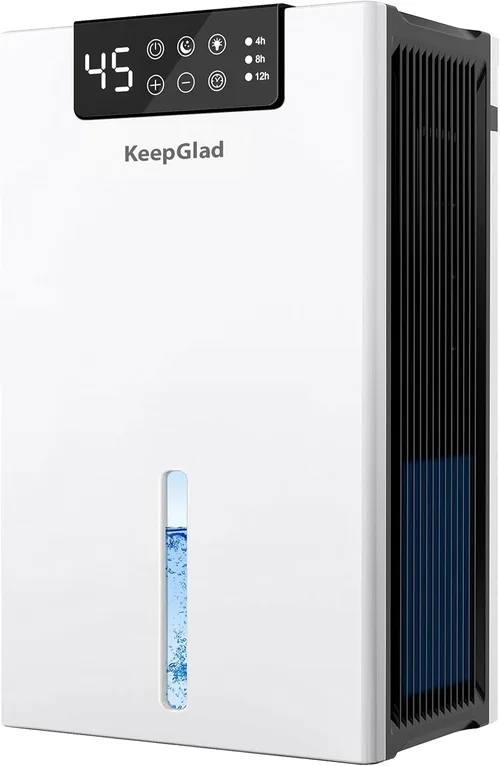
Dealing with excess moisture in your home isn’t just about comfort—it’s about protecting your health, your belongings, and the structural integrity of your living space. Whether you’re battling musty odors in a basement, preventing mold growth in a bathroom, or simply trying to breathe easier in a humid climate, a quality room dehumidifier can make a world of difference. But with dozens of models flooding the market—ranging from compact units under $100 to high-capacity smart systems costing over $500—it’s easy to feel overwhelmed. That’s exactly why this buying guide exists.
In this comprehensive, expert-level review, we’ll walk you through everything you need to know to choose the right room dehumidifier for your specific needs. You’ll learn how to evaluate performance specs, understand different technologies, compare brands and features, avoid common pitfalls, and ultimately make a confident purchase that delivers long-term value. We’ve tested dozens of units across various room sizes and humidity levels, spoken with HVAC professionals, and analyzed thousands of customer reviews to bring you actionable insights—not marketing fluff.
The room dehumidifier market has evolved significantly in recent years. Gone are the days when these appliances were bulky, noisy, and energy hogs. Today’s models are smarter, quieter, more efficient, and packed with features like auto-humidistats, Wi-Fi connectivity, and eco-friendly refrigerants. Whether you live in a damp coastal region, a humid southern state, or just have a chronically moist basement, there’s a dehumidifier designed for your situation. By the end of this guide, you’ll not only know what to look for—you’ll know exactly which model fits your budget, space, and lifestyle.
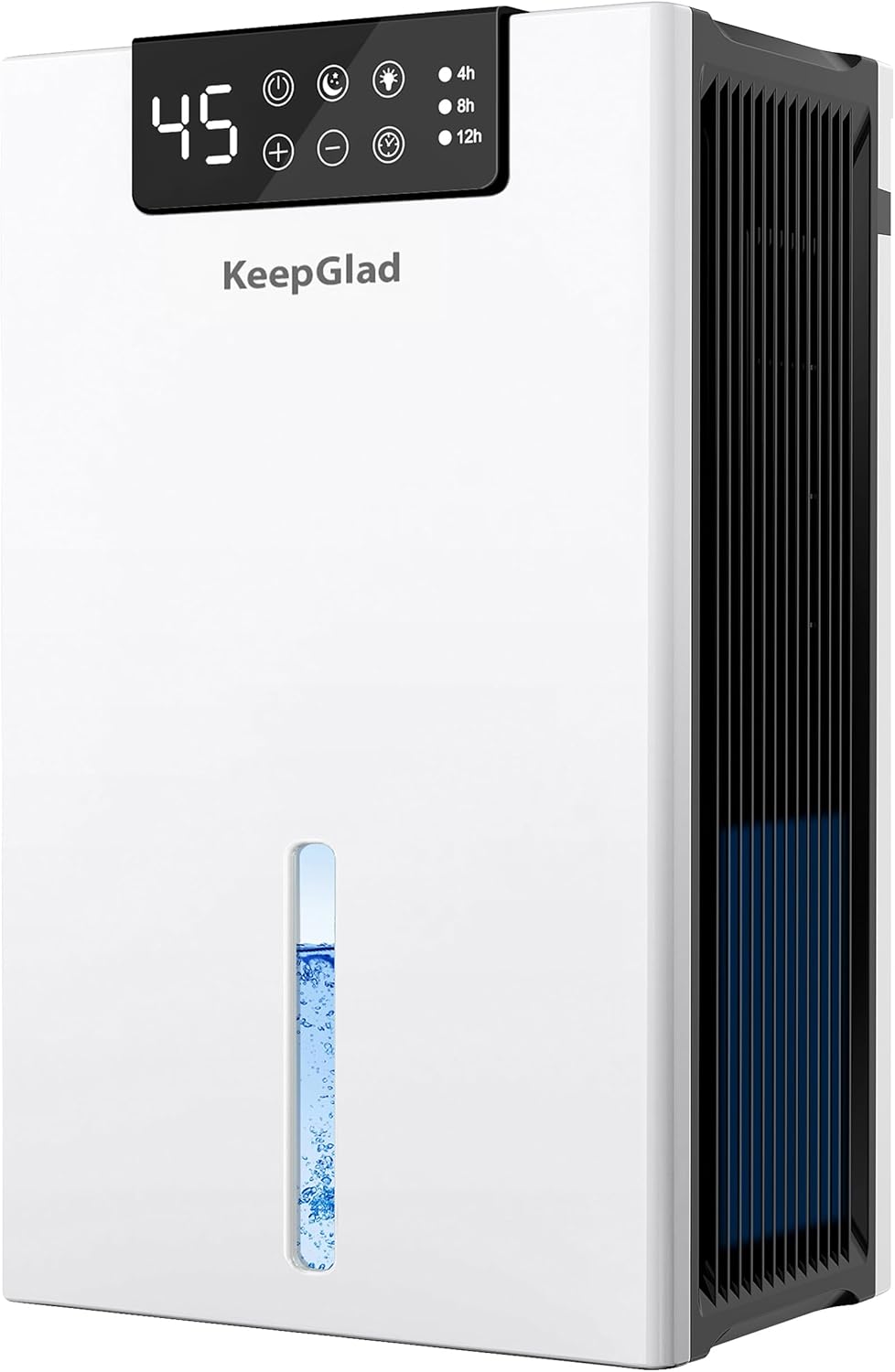
What to Look for When Buying Buying Guide
1. Budget & Price Range
Your budget is often the first filter when shopping for a dehumidifier—but it shouldn’t be the only one. Prices vary widely, from basic 30-pint units around $120 to premium 70-pint smart models exceeding $600. While it’s tempting to go for the cheapest option, remember that dehumidifiers are long-term investments. A low-cost unit may save you money upfront but could cost more in electricity bills, frequent repairs, or early replacement.
Consider your usage frequency and environment. If you only need occasional moisture control in a small closet, a budget model might suffice. But if you’re running it daily in a damp basement or large living area, investing in a mid-range or premium unit pays off through better efficiency, durability, and advanced features. Always factor in operating costs: Energy Star-certified models use up to 15% less energy than standard units, which can save you $20–$50 per year depending on local electricity rates.
2. Performance Specifications
Performance specs are the heart of any dehumidifier evaluation. The most critical metric is pints per day (PPD), which indicates how much moisture the unit can remove in 24 hours under standard conditions (80°F and 60% relative humidity). For reference:
– 20–30 PPD: Ideal for small spaces (under 500 sq ft), closets, or RVs
– 30–50 PPD: Suitable for medium rooms (500–1,500 sq ft), bathrooms, or mild dampness
– 50–70+ PPD: Best for large areas (1,500+ sq ft), basements, or high-humidity environments
Don’t just rely on PPD alone. Check the operating temperature range. Most compressor-based dehumidifiers work best between 65°F and 95°F. If you plan to use it in an unheated garage or cold basement (below 60°F), consider a desiccant model, which performs better in cooler temps—though it’s typically louder and less energy-efficient.
Also, look at the water tank capacity. Larger tanks (2+ gallons) mean less frequent emptying, especially important for continuous operation. Many modern units include auto-shutoff when the tank is full and optional hose drainage for hands-free use.
3. Build Quality & Durability
A dehumidifier isn’t something you want to replace every two years. Build quality directly impacts longevity and reliability. Start by examining the materials: high-grade plastic housings resist yellowing and cracking, while metal internal components (like evaporator coils) handle wear better than cheaper alternatives.
Check the compressor type. Rotary compressors are quieter and more efficient than reciprocating ones, making them ideal for bedrooms or living areas. Also, inspect the air filter—washable, reusable filters save money and reduce waste compared to disposable ones.
Look for reinforced casters, sturdy handles, and sealed electronics to prevent moisture damage. Units with corrosion-resistant coatings are essential for basements or coastal homes where salt air accelerates rust. Finally, consider the brand’s track record: companies like Frigidaire, hOmeLabs, and Midea have consistently delivered durable products backed by solid engineering.
4. Features & Functionality
Modern dehumidifiers offer a suite of features that enhance convenience, efficiency, and user control. The built-in humidistat is non-negotiable—it measures ambient humidity and automatically adjusts operation to maintain your desired level (usually 30–50%). Without it, you’re constantly guessing and wasting energy.
Auto-restart is another must-have after power outages, especially in storm-prone areas. Continuous drainage via a hose eliminates the need to empty the tank manually—ideal for basements or 24/7 operation. Some models include built-in pumps that can lift water vertically (up to 15 feet), giving you flexibility in placement.
Smart features are increasingly common. Wi-Fi-enabled units let you monitor and control humidity remotely via smartphone apps, receive alerts when the tank is full, or integrate with smart home systems like Alexa or Google Home. While not essential, these conveniences add significant value for tech-savvy users.
Other useful features include:
– Timer functions (2/4/8-hour settings)
– Defrost mode for cold environments
– Quiet operation modes (under 50 dB)
– LED displays with real-time humidity readings
– Child lock for safety
5. Brand Reputation
Not all dehumidifier brands are created equal. Established manufacturers invest in R&D, rigorous testing, and customer support—factors that directly affect your experience. Brands like Frigidaire, hOmeLabs, Keystone, and GE have earned trust through consistent performance and reliability.
Research customer service responsiveness. A reputable brand will offer clear warranty terms, accessible support channels, and prompt replacement parts. Avoid obscure brands with no online presence or vague return policies—they’re often rebranded generic units with minimal quality control.
User forums and third-party review sites (like Consumer Reports or Wirecutter) can reveal patterns in reliability. For example, some brands excel in quiet operation but struggle with long-term durability, while others prioritize power over efficiency. Match the brand’s strengths to your priorities.
6. Warranty & Support
A strong warranty is a strong indicator of a manufacturer’s confidence in their product. Most reputable brands offer at least a 1-year limited warranty, but premium models often include 2–3 years of coverage. Pay attention to what’s covered: does it include the compressor, circuit board, or just the housing?
Extended warranties are rarely worth it unless you’re using the unit in extreme conditions (e.g., commercial settings). Instead, focus on brands with hassle-free claim processes. Look for companies that provide online registration, clear troubleshooting guides, and local service centers.
Customer support matters too. Can you reach a human quickly? Are replacement filters or hoses readily available? A responsive support team can save you days of frustration if something goes wrong.
7. Size & Portability
Even the most powerful dehumidifier is useless if you can’t move it where it’s needed. Consider the physical dimensions and weight—especially if you’ll be moving it between floors or rooms. Most residential units weigh 30–50 pounds, so built-in handles and smooth-rolling casters are essential.
Compact models (under 18” tall) fit easily under sinks or in tight spaces, while larger units may require dedicated floor space. If portability is a priority, look for models with top-mounted controls and cord wraps to prevent tripping hazards.
Also, think about noise levels. Compressor-based units typically run at 45–55 decibels—comparable to a quiet conversation. Desiccant models can reach 60+ dB, which may disturb light sleepers. Check decibel ratings in product specs or reviews.
8. User Reviews & Ratings
Never buy a dehumidifier based solely on manufacturer claims. Real-world user reviews reveal quirks, failures, and hidden strengths that specs sheets miss. Focus on verified purchase reviews on trusted platforms like Amazon, Home Depot, or Best Buy.
Look for patterns: Do multiple users report the same issue (e.g., leaking tanks, short lifespans)? Are complaints about noise or inefficiency consistent across models? Pay special attention to reviews from people in similar climates or room sizes as yours.
Beware of fake reviews—overly generic praise or repetitive phrasing can be red flags. Instead, prioritize detailed accounts that mention specific use cases, maintenance routines, or comparisons to previous models.
Different Types of Buying Guide

Common Buying Mistakes to Avoid
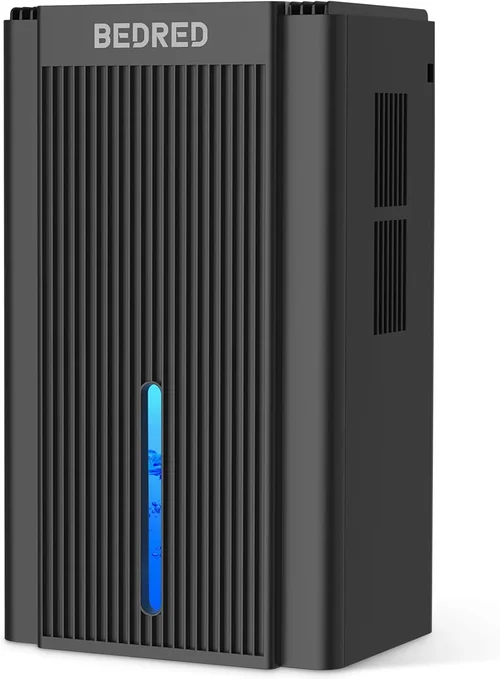
❌ Mistake: Ignoring Room Size and Humidity Level
Why it’s bad: Buying a 30-pint dehumidifier for a 2,000 sq ft basement with standing water will result in constant running, high energy bills, and inadequate moisture control. Conversely, overspending on a 70-pint unit for a small bathroom wastes money and space.
What to do instead: Measure your room’s square footage and assess humidity severity. Use a hygrometer (often built into dehumidifiers) to check relative humidity. Match the PPD rating to your space: 10–12 pints per 500 sq ft for moderate dampness, up to 20 pints per 500 sq ft for severe moisture.
❌ Mistake: Overlooking Energy Efficiency
Why it’s bad: A dehumidifier that uses 500 watts continuously can add $60+ to your monthly electric bill. Inefficient models also generate more heat, potentially increasing AC usage in summer.
What to do instead: Look for the ENERGY STAR label, which guarantees compliance with strict efficiency guidelines. Check the “Energy Factor” (liters of water removed per kilowatt-hour)—higher is better. Aim for at least 1.5 L/kWh for compressor models.
❌ Mistake: Skipping the Drain Hose Option
Why it’s bad: Emptying a full water tank every 8–12 hours is tedious and impractical for busy households or vacation homes. Manual emptying also increases the risk of spills and mold if forgotten.
What to do instead: Choose a model with a built-in drain hose connection (standard garden hose thread). Even if you don’t use it immediately, having the option allows for future flexibility—especially if you install a floor drain or sump pump.
❌ Mistake: Choosing Based Solely on Price
Why it’s bad: The cheapest dehumidifier often lacks essential features like a humidistat, auto-shutoff, or durable compressor. You may end up replacing it within a year, doubling your cost.
What to do instead: Set a realistic budget that balances upfront cost with long-term value. Mid-range models ($250–$400) typically offer the best combination of performance, features, and reliability.
❌ Mistake: Ignoring Noise Levels
Why it’s bad: A noisy dehumidifier (60+ dB) can disrupt sleep, conversations, or work—especially in open-plan homes or bedrooms.
What to do instead: Check decibel ratings in product descriptions or reviews. Desiccant and thermo-electric models are quieter but less powerful. For living areas, aim for under 52 dB.
❌ Mistake: Not Considering Maintenance Needs
Why it’s bad: Clogged filters reduce airflow and efficiency, while neglected coils can freeze or corrode. Poor maintenance shortens the unit’s lifespan.
What to do instead: Choose models with easy-access washable filters and clear maintenance instructions. Clean the filter monthly and inspect coils annually.
❌ Mistake: Buying Without Researching Return Policies
Why it’s bad: If the unit doesn’t perform as expected or arrives damaged, a restrictive return policy can leave you stuck with a defective product.
What to do instead: Purchase from retailers with generous return windows (30+ days) and free return shipping. Read the fine print—some exclude “used” appliances.
Budget Guidelines: How Much Should You Spend?
Entry-Level ($80–$180): These are ideal for small, occasional use—think closets, RVs, or seasonal dampness in a single room. Expect basic functionality: manual controls, small tanks (1–1.5 gallons), and limited PPD (20–30). Brands like Eva-Dry and Ivation offer reliable mini options, but don’t expect smart features or long warranties. Great for renters or temporary fixes.
Mid-Range ($180–$350): This is the sweet spot for most homeowners. You’ll get 30–50 PPD capacity, built-in humidistats, auto-restart, continuous drainage, and Energy Star certification. Models from hOmeLabs, Frigidaire, and Keystone dominate this tier, offering excellent value, quiet operation, and 1–2 year warranties. Perfect for basements, large bathrooms, or whole-room humidity control.
Premium ($350–$600): Designed for demanding environments—large basements, high humidity, or 24/7 operation. Expect 50–70+ PPD, advanced sensors, Wi-Fi connectivity, built-in pumps, and robust build quality. Brands like AprilAire and Santa Fe offer commercial-grade reliability. These units often include extended warranties and professional installation support.
Luxury ($600+): Reserved for whole-house systems or extreme conditions. These integrate with HVAC, feature multi-stage filtration, remote monitoring, and ultra-quiet operation. While overkill for most, they’re essential for luxury homes, museums, or medical facilities where precise humidity control is critical.
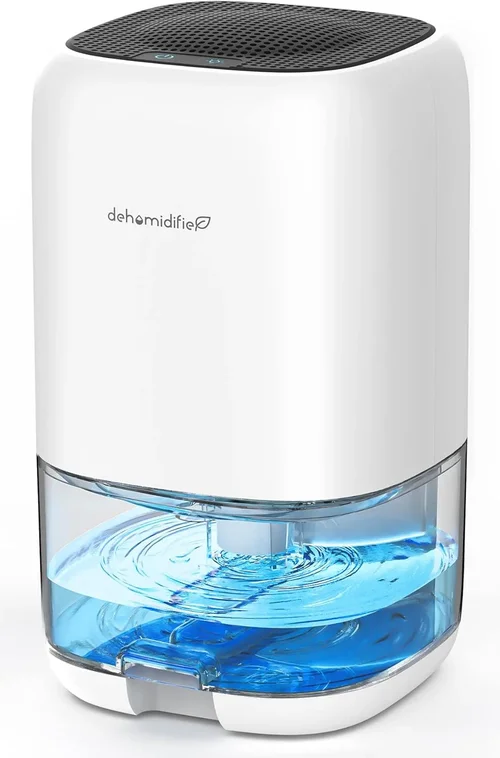
Expert Tips for Getting the Best Deal
– Buy in late winter or early spring: Retailers discount dehumidifiers before humidity peaks in summer. Look for Presidents’ Day or Memorial Day sales.
– Shop at home improvement stores: Home Depot, Lowe’s, and Menards often price-match online retailers and offer in-store pickup discounts.
– Check manufacturer rebates: Some brands (like Frigidaire) offer seasonal rebates of $20–$50, especially on Energy Star models.
– Consider refurbished units: Certified refurbished dehumidifiers from reputable sellers come with warranties and cost 20–30% less than new.
– Read the fine print on warranties: Ensure the compressor—the most expensive component—is covered for at least one year.
– Test before committing: If buying in-store, ask to see a demo unit. Listen for excessive noise or vibration.
– Bundle with other purchases: Some retailers offer discounts when you buy a dehumidifier with an air purifier or humidifier.
– Use cashback apps: Rakuten, Honey, or credit card rewards can shave 2–5% off your total.

Frequently Asked Questions
Q: How do I know if I need a dehumidifier?
A: Signs include persistent musty odors, visible mold or mildew, condensation on windows, warped wood, or a sticky feeling in the air. Use a hygrometer to measure humidity—if it’s consistently above 60%, a dehumidifier is recommended.
Q: Can a dehumidifier help with allergies?
A: Yes! By reducing moisture, dehumidifiers inhibit mold, dust mites, and mildew—common allergens. Pair it with an air purifier for maximum relief.
Q: Should I run my dehumidifier all the time?
A: Not necessarily. Most models have auto modes that cycle on/off to maintain your set humidity level (ideally 30–50%). Continuous use is only needed in extremely damp areas.
Q: Where should I place my dehumidifier?
A: Central location with good airflow—away from walls and furniture. Avoid corners or enclosed spaces. For basements, place near the source of moisture (e.g., near a sump pump).
Q: How often should I clean the filter?
A: Monthly during heavy use, or every 2–3 months otherwise. A dirty filter restricts airflow and reduces efficiency.
Q: Can I use a dehumidifier in winter?
A: Only if the room stays above 60°F. Below that, compressor units may freeze. Desiccant models work in colder temps but are less efficient.
Q: Will a dehumidifier lower my heating bill?
A: Indirectly, yes. Dry air feels warmer, so you may lower your thermostat slightly. However, the unit itself consumes electricity, so net savings depend on usage.
Q: Are smart dehumidifiers worth it?
A: If you value remote monitoring, alerts, and integration with smart home systems, yes. But for basic humidity control, a non-smart model with a humidistat works just as well.
Q: How long do dehumidifiers last?
A: With proper maintenance, most last 5–10 years. Compressor lifespan is the limiting factor—look for units with sealed systems to prevent refrigerant leaks.
Our Final Recommendations
– Best for Budget-Conscious Buyers: hOmeLabs 30 Pint Dehumidifier – Reliable, Energy Star-rated, and packed with features like auto-humidistat and continuous drain for under $200.
– Best Overall Value: Frigidaire FFAD7033R1 70 Pint – Powerful enough for large basements, quiet operation, and excellent customer support at a mid-range price.
– Best Premium Option: AprilAire E130 – Whole-house capability, Wi-Fi enabled, and built to last decades—ideal for serious humidity control.
– Best for Beginners: Keystone 50 Pint – Simple controls, clear display, and hassle-free setup make it perfect for first-time buyers.
– Best for Advanced Users: Samsung Smart Dehumidifier (with AI Mode) – Learns your habits, adjusts automatically, and integrates seamlessly with Samsung SmartThings.
Conclusion: Making the Right Choice
Choosing the right room dehumidifier doesn’t have to be overwhelming. By focusing on your specific needs—room size, humidity level, budget, and desired features—you can narrow down the options and find a unit that delivers lasting comfort and protection. Remember, the cheapest model isn’t always the best value, and the most powerful unit may be overkill for your space.
Prioritize energy efficiency, build quality, and essential features like auto-humidistat and continuous drainage. Read real user reviews, compare warranties, and don’t hesitate to invest a little more for peace of mind and long-term savings. Whether you’re fighting mold in a basement or simply breathing easier in a humid climate, the right dehumidifier is out there—and this guide has equipped you to find it.
Take action today: measure your space, set your budget, and choose a model that aligns with your lifestyle. Your home—and your health—will thank you.