
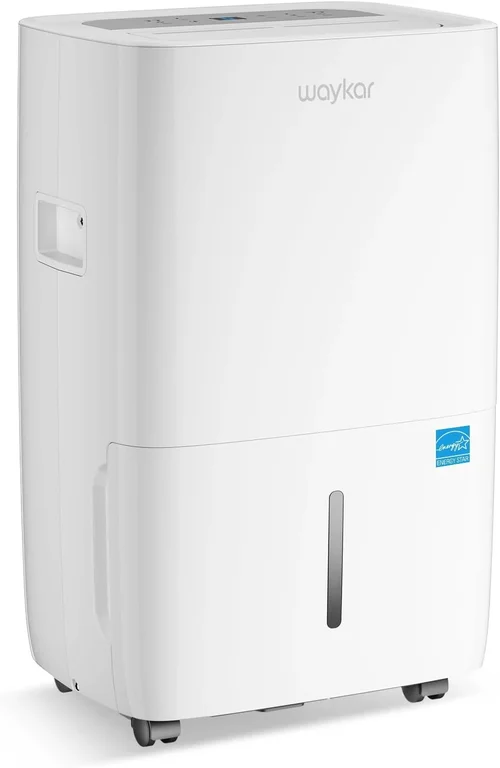
If you’ve ever stepped into your basement and immediately noticed that damp, musty smell—or worse, spotted mold creeping along the walls or water stains near the floor—you already know how critical a good dehumidifier can be. Basements are notorious for high humidity levels due to poor ventilation, ground moisture seepage, and lack of natural airflow. Over time, this excess moisture doesn’t just create unpleasant odors; it can damage stored belongings, compromise structural integrity, and even trigger respiratory issues like allergies or asthma. That’s why investing in a reliable basement dehumidifier isn’t just a convenience—it’s a necessity for maintaining a healthy, functional home environment.
This comprehensive buyer’s guide is designed to cut through the noise and help you make an informed decision. Whether you’re dealing with a small crawl space or a full-sized finished basement, we’ll walk you through everything you need to know: from understanding key performance specs and comparing different types of units, to avoiding common purchasing pitfalls and finding the best value for your budget. We’ve researched dozens of models, analyzed thousands of user reviews, and consulted HVAC experts to bring you actionable insights that go beyond marketing fluff. By the end of this guide, you’ll not only know what to look for—you’ll feel confident choosing the right dehumidifier for your specific needs.
The market for basement dehumidifiers has exploded in recent years, with options ranging from basic $100 units to industrial-grade machines costing over $1,000. While more choices mean greater flexibility, they also increase the risk of buyer confusion. Some models claim high capacity but fail in real-world conditions; others boast smart features that rarely get used. Our goal is to equip you with the knowledge to separate hype from reality, so you spend your money wisely and solve your humidity problem—not create new ones.

What to Look for When Buying Buying Guide
1. Capacity (Pints per Day)
Capacity is arguably the most important spec when choosing a basement dehumidifier. It’s measured in “pints per day” (PPD)—the amount of moisture the unit can remove from the air in 24 hours under standard testing conditions (80°F and 60% relative humidity). For basements, which are typically cooler and damper than living spaces, you’ll want a model rated for at least 50–70 PPD if your space is moderately damp, and 70+ PPD for severe moisture issues or larger areas (over 1,500 sq. ft.).
Don’t just rely on square footage alone—consider how wet your basement actually is. A finished basement with minor condensation might only need a 30-pint unit, while an unfinished, earth-floored cellar with standing water may require a 100-pint commercial-grade machine. Always err on the side of higher capacity; underpowered units will run constantly, wear out faster, and fail to control humidity effectively.
2. Energy Efficiency & Operating Costs
Dehumidifiers are among the most energy-intensive appliances in your home, especially when running 24/7. Look for models with the ENERGY STAR® certification, which indicates they meet strict efficiency guidelines set by the U.S. Environmental Protection Agency. These units use advanced compressor technology and optimized coils to remove more moisture per kilowatt-hour of electricity.
Check the “energy factor” (liters of water removed per kilowatt-hour) on the product label—higher is better. For example, a unit with an energy factor of 2.0 removes twice as much moisture per kWh as one rated at 1.0. Over a year, this difference can save you $50–$100 in electricity costs, depending on local rates and usage. Also consider units with auto-humidistats and timers, which prevent unnecessary runtime and further reduce energy waste.
3. Drainage Options & Water Tank Management
Most dehumidifiers collect moisture in an internal bucket that needs emptying every 12–24 hours—a hassle if you’re not home regularly. For basement use, continuous drainage is almost always preferable. Look for models with a built-in pump or gravity drain hose connection (usually ⅜” or ½” threaded outlet). A gravity drain lets you route water directly to a floor drain, sump pit, or utility sink without manual intervention.
If your basement lacks a nearby drain, opt for a unit with an integrated condensate pump. These pumps can push water vertically up to 15 feet and horizontally over 100 feet, giving you flexibility in placement. Some premium models even include alert systems that notify you via app or alarm if the tank is full or the drain line is clogged—essential for unattended operation.
4. Humidity Control & Sensors
Precise humidity control is key to preventing both over-drying and under-drying. Quality basement dehumidifiers feature digital humidistats that let you set your desired relative humidity (RH) level—ideally between 30% and 50% for basements. Once reached, the unit cycles off automatically, resuming only when humidity rises again.
Avoid models with only basic “low/medium/high” settings—they offer no real control and often overshoot target levels. Advanced units may include dual sensors (one for intake, one for exhaust) to ensure accurate readings, plus automatic defrost for cold environments. If your basement drops below 65°F in winter, this feature prevents ice buildup on coils, which can cripple performance.
5. Build Quality & Durability
Basements are harsh environments: dusty, humid, and sometimes subject to temperature swings. Cheap plastic housings, thin coils, and flimsy components won’t last long. Look for dehumidifiers with metal cabinets (or reinforced polymer), rust-resistant coatings, and sealed electrical components. Coils should be coated with anti-corrosion materials like epoxy or hydrophilic film to resist mold and oxidation.
Pay attention to fan and compressor quality. Scroll compressors are quieter and more durable than reciprocating types, while ball-bearing fans last longer than sleeve-bearing ones. Check warranty length—a 2–5 year compressor warranty is a strong indicator of manufacturer confidence. Avoid brands that only offer 90-day or 1-year coverage on core components.
6. Noise Level & Placement Flexibility
While basements are often isolated from living areas, excessive noise can still be disruptive—especially if your basement doubles as a home gym, workshop, or media room. Noise is measured in decibels (dB); most residential dehumidifiers range from 45 dB (whisper-quiet) to 65 dB (conversation-level). For quiet operation, aim for models under 55 dB.
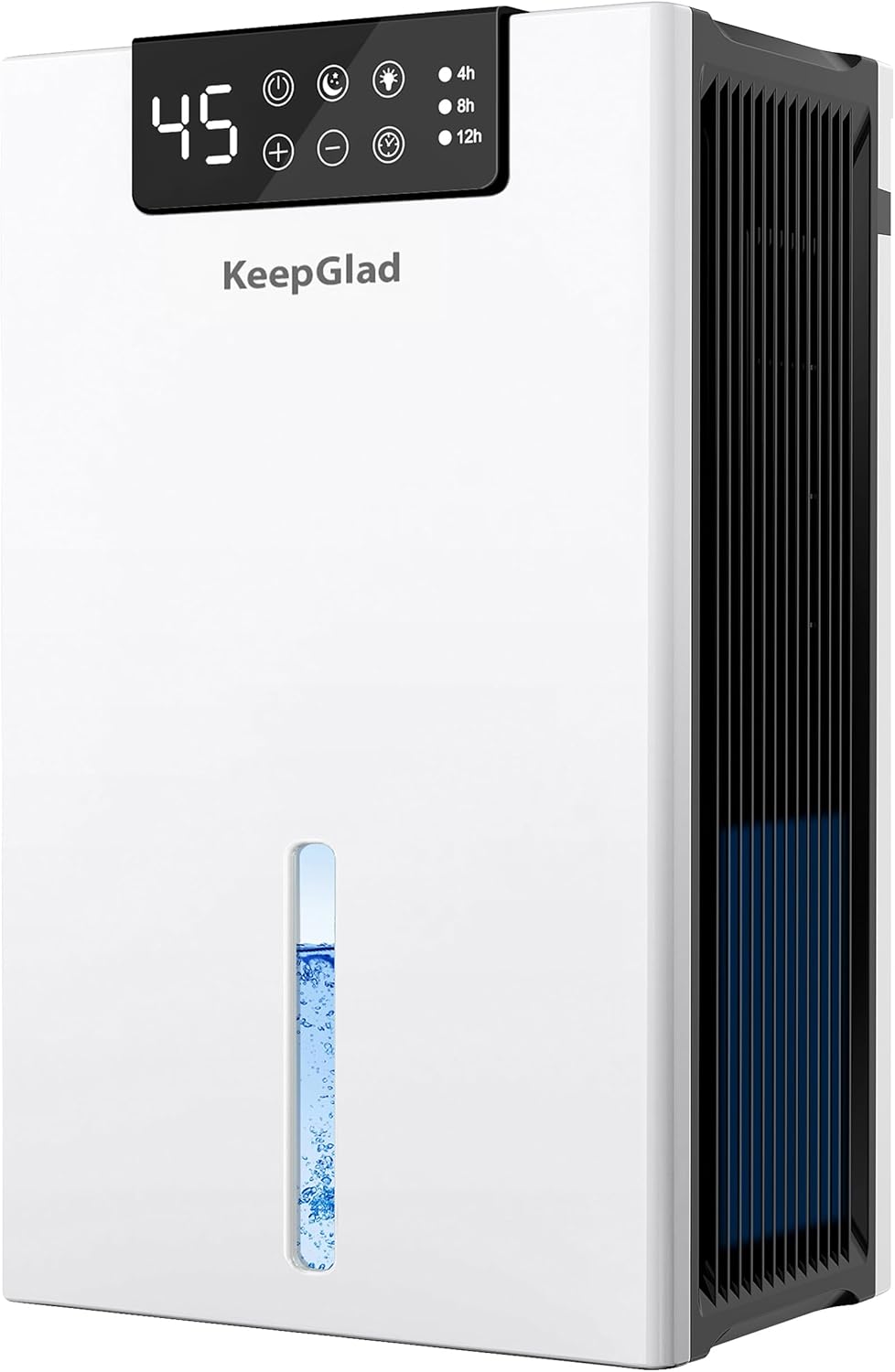
Consider physical dimensions and portability. Heavy units (50+ lbs) may include wheels and handles, but check if they’re sturdy enough for uneven basement floors. Cord length matters too—many basements lack convenient outlets. A 6–8 ft power cord or optional extension gives you placement freedom. Some models also feature top-mounted controls and displays, making them easier to operate without bending down.
7. Smart Features & Connectivity
Modern dehumidifiers increasingly offer Wi-Fi connectivity, allowing remote monitoring and control via smartphone apps. While not essential, these features add convenience—especially for vacation homes or busy households. You can check humidity levels, adjust settings, receive maintenance alerts, or schedule operations from anywhere.
Other smart perks include compatibility with voice assistants (Alexa, Google Assistant), integration with smart home systems (like HomeKit or SmartThings), and usage tracking for energy savings insights. However, weigh these against potential downsides: added cost, reliance on Wi-Fi, and occasional app glitches. For most users, a well-designed manual interface with clear displays is sufficient.
8. Brand Reputation & Customer Support
Not all dehumidifier brands are created equal. Established names like Frigidaire, GE, hOmeLabs, and AprilAire have decades of experience and robust customer service networks. They’re more likely to honor warranties, provide replacement parts, and offer troubleshooting guidance. Lesser-known brands may offer tempting prices but often lack reliable support—leaving you stranded if something breaks.
Before buying, search for user reviews mentioning long-term reliability, repair experiences, and response times. Check if the company has a U.S.-based support team or relies solely on email/chat. Also verify availability of service centers near you—some brands only authorize repairs through specific retailers or third-party technicians.
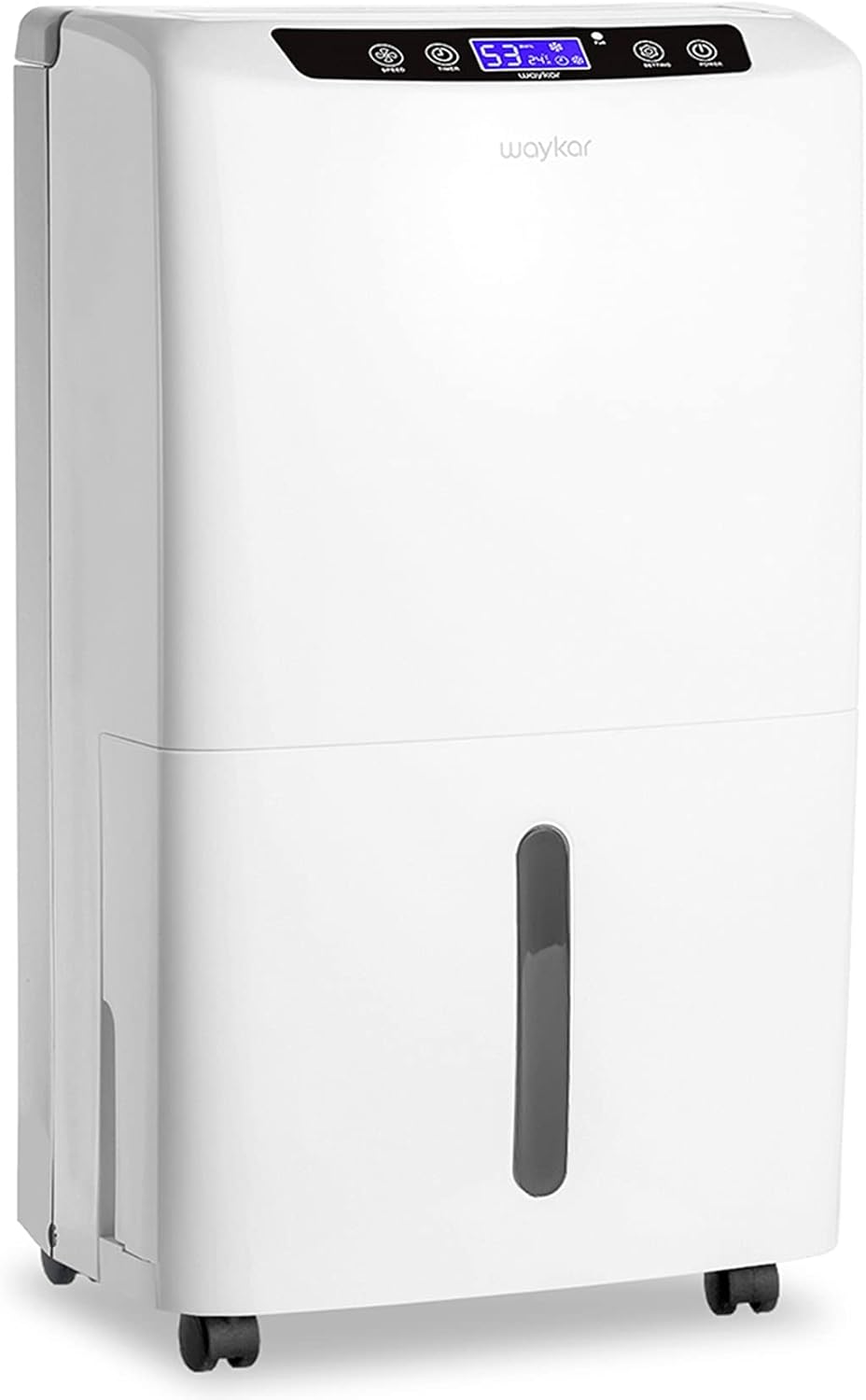
Different Types of Buying Guide
Common Buying Mistakes to Avoid
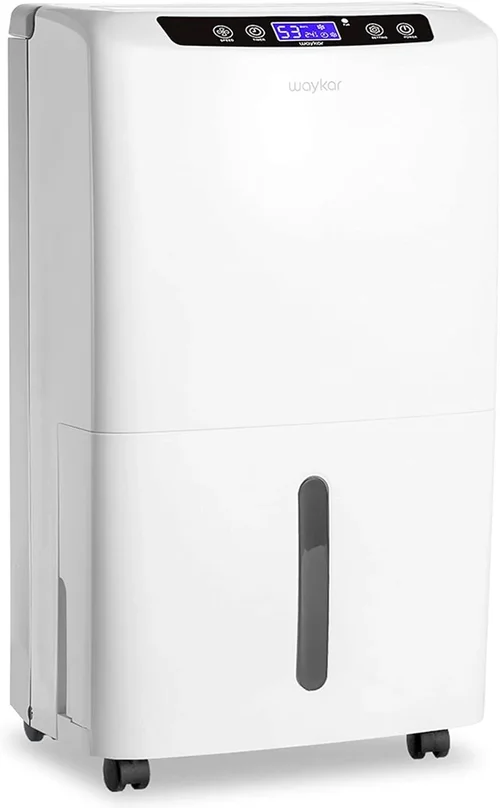
❌ Mistake: Choosing Based Solely on Square Footage
Why it’s bad: Many buyers assume a “50-pint dehumidifier covers 1,000 sq. ft.” and stop there. But actual moisture load depends on climate, groundwater levels, ventilation, and how often the basement is used. A 50-pint unit might struggle in a rainy coastal basement but be overkill in a dry desert crawlspace.
What to do instead: Assess your basement’s dampness level first. Use a hygrometer to measure current humidity. If it’s consistently above 60%, size up. Consult sizing charts that factor in both area and moisture severity—not just square footage.
❌ Mistake: Ignoring Drainage Needs
Why it’s bad: Buying a unit with only a manual bucket forces you to empty it daily—even if you’re traveling or forget. Overflow can cause water damage, mold growth, and unit shutdowns.
What to do instead: Prioritize models with continuous drain options. If a floor drain isn’t available, invest in a pump-equipped unit. It’s a small upfront cost that pays off in convenience and peace of mind.
❌ Mistake: Overlooking Cold Weather Performance
Why it’s bad: Standard refrigerant dehumidifiers lose efficiency below 65°F and may ice up entirely in winter. If your basement gets chilly, a regular unit will become useless when you need it most.
What to do instead: Choose a model with auto-defrost or consider a desiccant dehumidifier, which performs well in cold, dry conditions. Check the operating temperature range before purchasing.
❌ Mistake: Skimping on Build Quality for a Lower Price
Why it’s bad: Cheap dehumidifiers often use thin plastic, uncoated coils, and weak compressors. They may work fine for a few months but fail prematurely in humid basements, costing more in replacements and repairs.
What to do instead: Spend a little more for metal construction, corrosion-resistant coatings, and reputable components. A $400 unit that lasts 8 years is better value than a $200 one that dies in 2.
❌ Mistake: Not Checking Warranty Coverage
Why it’s bad: Dehumidifier compressors and coils are expensive to replace. If your warranty only covers parts for 90 days, you could be stuck with a $200 repair bill after six months.
What to do instead: Look for at least a 2-year comprehensive warranty, with 5 years on the compressor. Read the fine print—some exclude “commercial use” or require professional installation.
❌ Mistake: Assuming All ENERGY STAR Models Are Equal
Why it’s bad: ENERGY STAR certification is a good start, but energy factors vary widely even among certified models. A unit with a 1.8 energy factor uses 20% more power than one rated at 2.2.
What to do instead: Compare the energy factor (EF) on the yellow EnergyGuide label. Choose the highest EF within your budget—it directly impacts long-term operating costs.
❌ Mistake: Buying Without Reading Real User Reviews
Why it’s bad: Marketing specs don’t tell the whole story. Some units perform well in labs but fail in real basements due to noise, poor drainage, or flimsy controls.
What to do instead: Read verified purchase reviews on Amazon, Home Depot, or specialty forums. Look for patterns—repeated complaints about leaks, loud fans, or app issues are red flags.
Budget Guidelines: How Much Should You Spend?
- Entry-Level ($150–$300): Ideal for small, mildly damp basements under 800 sq. ft. Expect basic features: manual bucket, simple humidistat, and limited drainage. Brands like Ivation and Tosot offer decent reliability here, but build quality may be lighter. Great for seasonal use or supplemental drying.
- Mid-Range ($300–$500): The sweet spot for most homeowners. These units typically offer 50–70 PPD capacity, continuous drain hoses, auto-defrost, and digital controls. Models from Frigidaire, hOmeLabs, and GE dominate this tier with strong performance, ENERGY STAR ratings, and 2–3 year warranties. Perfect for average-sized basements with moderate humidity.
- Premium ($500–$800): Designed for challenging environments—large basements, high moisture, or cold climates. Expect pump-assisted drainage, smart connectivity, dual sensors, and commercial-grade components. AprilAire and Santa Fe specialize here, offering whisper-quiet operation, robust metal cabinets, and 5-year compressor coverage. Worth the investment if you have serious moisture issues.
- Luxury ($800+): For those who want the absolute best or need whole-home integration. These include ultra-quiet desiccant units, HVAC-connected systems, and industrial pumps capable of moving water over long distances. Often used in finished basements, wine cellars, or historic homes where aesthetics and reliability are paramount. Installation may require professional help.
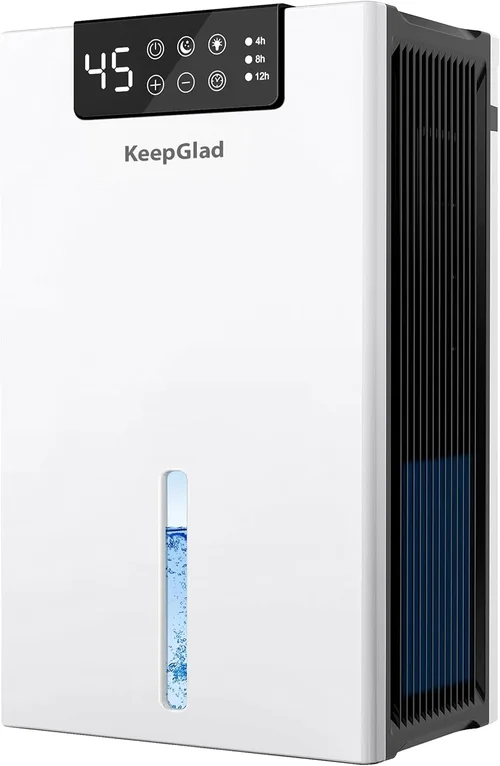
Expert Tips for Getting the Best Deal
- Buy in Spring or Early Summer: Dehumidifier demand peaks in humid summer months, driving up prices. Shop between March and May for the best selection and discounts. Retailers often clear winter inventory before the rush.
- Check Manufacturer Rebates: Some brands (like AprilAire) offer seasonal rebates of $50–$100, especially during energy-efficiency promotions. Combine these with store sales for maximum savings.
- Compare Online vs. In-Store: Online retailers (Amazon, Home Depot, Lowe’s) often have lower prices and broader selections, but in-store purchases let you inspect build quality and ask questions. Some stores price-match online competitors—use this to your advantage.
- Look for Refurbished or Open-Box Units: Certified refurbished dehumidifiers from reputable sellers come with full warranties and can save 20–30%. Just ensure they’re tested and include original accessories.
- Verify Return Policies: Basements vary widely—what works for your neighbor might not suit your space. Choose retailers with generous return windows (30–90 days) in case the unit underperforms.
- Test Before Committing Long-Term: Run the dehumidifier for a week and monitor humidity levels with a separate hygrometer. If it can’t maintain 45–50% RH, consider a higher-capacity model.
- Bundle with Other Purchases: Some HVAC companies offer discounts when you buy a dehumidifier with air purifiers, sump pumps, or insulation upgrades. Ask about package deals.
- Register Your Warranty Immediately: Many brands require registration within 30 days to activate extended coverage. Keep your receipt and serial number handy.
Frequently Asked Questions
Q: How do I know if my basement needs a dehumidifier?
A: Signs include persistent musty odors, condensation on walls or windows, peeling paint, rust on metal fixtures, or visible mold/mildew. Use a hygrometer—if humidity stays above 60%, a dehumidifier is recommended.
Q: Can I use a regular room dehumidifier in my basement?
A: Technically yes, but most room units lack the capacity, drainage options, and cold-weather performance needed for basements. They’re better suited for bedrooms or living areas.
Q: Should I run my dehumidifier year-round?
A: In most climates, yes—especially if your basement stays cool and damp in winter. Moisture doesn’t disappear just because it’s cold; it can still cause mold and structural damage. Set it to 40–45% RH in winter.
Q: How often should I clean my dehumidifier?
A: Clean the air filter monthly and wash the water tank every 2–4 weeks to prevent mold and bacteria growth. Wipe coils annually with a soft brush or vacuum.
Q: Will a dehumidifier lower my heating bills?
A: Indirectly, yes. Dry air feels warmer than humid air at the same temperature, so you may be able to lower your thermostat slightly. However, don’t expect major savings—dehumidifiers consume significant electricity.
Q: Can I install a dehumidifier myself?
A: Most portable units are plug-and-play. Whole-house or pump-equipped models may require minor plumbing (for drain lines) or electrical work. If unsure, hire a licensed technician.
Q: What’s the ideal humidity level for a basement?
A: Between 30% and 50%. Below 30%, you risk dry air and static electricity; above 50%, mold and dust mites thrive.
Q: Are desiccant dehumidifiers better than refrigerant ones?
A: It depends. Desiccants excel in cold, dry conditions and are quieter, but they’re less energy-efficient in warm, humid basements. Refrigerant units remove more moisture per kWh in typical basement environments.
Q: How long do basement dehumidifiers last?
A: With proper maintenance, quality units last 7–10 years. Cheap models may fail in 2–3 years. Regular cleaning and avoiding overwork extend lifespan.
Q: Can a dehumidifier prevent foundation cracks?
A: Not directly, but by reducing hydrostatic pressure from excess groundwater, it can help stabilize soil around your foundation—potentially preventing future issues. It’s part of a broader moisture management strategy.
Our Final Recommendations
- Best for Budget-Conscious Buyers: hOmeLabs 50 Pint Dehumidifier – At around $280, it offers excellent value with a 50-pint capacity, continuous drain hose, auto-restart, and a washable filter. Ideal for medium basements with moderate dampness.
- Best Overall Value: Frigidaire FFAD7033R1 70 Pint – Priced near $400, this ENERGY STAR-certified unit removes up to 70 pints daily, includes a built-in pump, digital humidistat, and operates quietly at 51 dB. A workhorse for most basement scenarios.
- Best Premium Option: AprilAire E080 Pro – At $750+, this whole-home capable unit features a powerful pump, corrosion-resistant coils, and seamless integration with HVAC systems. Perfect for large or finished basements where reliability is non-negotiable.
- Best for Beginners: Tosot 50 Pint Smart Dehumidifier – Simple controls, Wi-Fi app, and reliable performance make this $320 model great for first-time buyers. Includes a 2-year warranty and easy setup.
- Best for Advanced Users: Santa Fe Advance 2 – A desiccant powerhouse ($1,100) that thrives in cold basements and delivers ultra-quiet operation. Includes remote monitoring, dual humidity sensors, and a 5-year warranty—ideal for tech-savvy homeowners with complex needs.
Conclusion: Making the Right Choice
Choosing the best basement dehumidifier isn’t about finding the most expensive or feature-packed model—it’s about matching the right tool to your specific environment and needs. Start by assessing your basement’s size, moisture level, temperature range, and drainage options. Then prioritize capacity, energy efficiency, build quality, and warranty coverage. Avoid common pitfalls like oversizing based on square footage alone or ignoring continuous drainage. And remember: a slightly higher upfront investment often translates to years of reliable service and lower operating costs.
Whether you’re battling seasonal dampness or chronic flooding, the right dehumidifier can transform your basement from a neglected, musty space into a dry, usable extension of your home. Use this guide as your roadmap, compare your top contenders carefully, and don’t hesitate to reach out to manufacturers or HVAC professionals if you’re unsure. Your home—and your health—will thank you.