
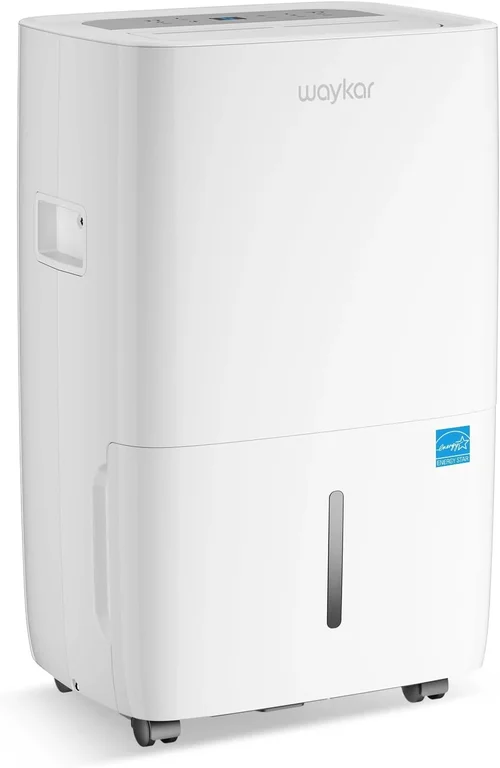
Dehumidifiers are one of those home appliances that often go unnoticed—until they’re desperately needed. Whether you’re battling musty odors in a damp basement, trying to protect your wardrobe from mold, or simply aiming to improve indoor air quality during humid summer months, the right dehumidifier can make a world of difference. But here’s the catch: even the most powerful dehumidifier won’t perform well if it’s placed in the wrong spot. That’s why understanding optimal placement is just as important as choosing the right model.
This comprehensive guide is designed to help you navigate the often-overlooked but critical aspect of dehumidifier placement. Whether you’re a first-time buyer, upgrading an existing unit, or troubleshooting poor performance, we’ll walk you through everything you need to know to get the most out of your investment. You’ll learn how to evaluate your space, avoid common mistakes, choose the best type for your needs, and position your dehumidifier for maximum efficiency and longevity. With rising concerns about indoor air quality, energy efficiency, and home maintenance, getting placement right isn’t just a convenience—it’s a necessity.
The market today offers a wide range of dehumidifiers, from compact 30-pint units ideal for small bathrooms to heavy-duty 70-pint models capable of handling large basements or crawl spaces. Smart features, energy-efficient designs, and whisper-quiet operation are now standard in many models, making dehumidifiers more accessible and user-friendly than ever. However, with so many options available, it’s easy to overlook the fundamentals—like where to place the unit for optimal results. This guide cuts through the noise and delivers expert-level insights grounded in real-world performance, HVAC principles, and user experience.

What to Look for When Buying Buying Guide
1. Budget & Price Range
Your budget plays a pivotal role in determining not only which dehumidifier you can afford but also where it should be placed. Entry-level models typically range from $100 to $200 and are best suited for small spaces like closets, bathrooms, or single rooms. These units often lack advanced features and may require more frequent emptying, so placement near a floor drain or in an easily accessible area becomes essential. Mid-range dehumidifiers ($200–$400) offer better capacity, quieter operation, and smart features like auto-humidistats and continuous drainage options, making them ideal for basements or living areas. Premium models ($400–$600+) are built for large spaces, high humidity levels, and long-term durability, often including built-in pumps, Wi-Fi connectivity, and robust casters for mobility. Luxury or commercial-grade units can exceed $600 and are designed for industrial use or extreme conditions, such as flood recovery or large crawl spaces.
2. Performance Specifications
Performance specs are the backbone of any dehumidifier purchase and directly influence where and how you should place the unit. The most critical specification is the pint capacity, which indicates how much moisture the unit can remove in 24 hours. A 30-pint model is suitable for small, moderately damp spaces (up to 500 sq. ft.), while a 50-pint unit is better for average-sized basements (up to 1,500 sq. ft.). For large or severely damp areas, a 70-pint or higher model is recommended. Another key metric is the Energy Factor (EF), measured in liters of water removed per kilowatt-hour (L/kWh). Higher EF values mean greater energy efficiency—look for units with an EF of 1.5 or higher. Additionally, consider the operating temperature range. Most residential dehumidifiers work best between 65°F and 80°F. If you’re placing the unit in an unheated basement or garage, ensure it can operate effectively at lower temperatures (down to 41°F), as cold air holds less moisture and can reduce efficiency.
3. Build Quality & Durability
Durability matters, especially if your dehumidifier will be placed in a harsh environment like a basement, garage, or crawl space. Look for models with corrosion-resistant coils, sturdy plastic or metal casings, and sealed components to prevent moisture damage. Units with powder-coated finishes or stainless steel components tend to last longer in high-humidity areas. Pay attention to the quality of the water tank—cheaper models may crack or warp over time, leading to leaks. If you plan to place the dehumidifier in a hard-to-reach area, a larger, more durable tank reduces the frequency of emptying. For continuous operation, models with built-in pumps or gravity drainage systems are ideal, as they eliminate the need for manual tank removal. Also, check the warranty—longer coverage often reflects manufacturer confidence in build quality.
4. Features & Functionality
Modern dehumidifiers come packed with features that can significantly impact placement decisions. Auto-humidistats allow the unit to maintain a set humidity level (typically 30–50% RH), turning on and off as needed. This is especially useful in basements or attics where you can’t monitor the unit regularly. Built-in pumps enable upward drainage, making it possible to place the dehumidifier in a low spot (like a basement floor) while draining water to a higher sink or utility drain. Continuous drainage options (via hose connection) are essential for unattended operation in remote areas. Smart features like Wi-Fi connectivity, app control, and voice assistant compatibility (Amazon Alexa, Google Assistant) allow remote monitoring and adjustment, ideal for vacation homes or hard-to-access spaces. Other useful features include auto-defrost (for cold environments), washable filters, timer functions, and quiet operation (under 50 dB).
5. Brand Reputation
Not all dehumidifier brands are created equal. Established brands like Frigidaire, hOmeLabs, GE, Danby, and AprilAire have built reputations for reliability, customer support, and consistent performance. These companies often invest more in R&D, resulting in better engineering, longer lifespans, and fewer recalls. Lesser-known or generic brands may offer lower prices, but they often cut corners on materials, customer service, and warranty support. When placing a dehumidifier in a critical area like a finished basement or near valuable belongings, you want the peace of mind that comes with a trusted brand. Check customer reviews, third-party testing results (like those from ENERGY STAR or Consumer Reports), and recall history before making a decision. A reputable brand also ensures easier access to replacement parts and service technicians.
6. Warranty & Support
A strong warranty is a strong indicator of a manufacturer’s confidence in their product—and it’s especially important when placing a dehumidifier in a challenging environment. Most quality dehumidifiers come with a 1- to 2-year limited warranty, covering parts and labor. Premium models may offer extended warranties (up to 5 years), particularly on compressors and coils. Look for brands that provide clear warranty terms, easy claim processes, and responsive customer support. Avoid companies with vague policies or those that require you to pay for return shipping. If you’re placing the unit in a remote or hard-to-service location (like a crawl space), a longer warranty can save you significant hassle and expense down the line. Also, check if the warranty is voided by improper placement—some manufacturers require units to be placed on level surfaces or away from walls to maintain coverage.
7. Size & Portability
The physical dimensions and weight of a dehumidifier affect where you can place it and how easily you can move it. Compact models (under 30 lbs) are ideal for small spaces like closets, RVs, or under sinks, but may lack the capacity for larger areas. Larger units (50+ lbs) are better for basements or whole-house applications but require sturdy flooring and may need wheels or handles for mobility. Consider the unit’s footprint—some models are tall and narrow, while others are short and wide. A tall unit might not fit under a workbench, while a wide one could block a walkway. Built-in handles and caster wheels make repositioning easier, especially if you plan to move the dehumidifier between rooms or seasons. For placement in tight spaces, look for models with front or top exhaust vents to allow closer proximity to walls.
8. User Reviews & Ratings
User reviews offer invaluable real-world insights that specs sheets can’t provide. Look for patterns in feedback—consistent praise for quiet operation, effective moisture removal, or ease of use is a good sign. Conversely, recurring complaints about leaks, short lifespans, or poor customer service should raise red flags. Pay attention to reviews that mention placement scenarios similar to yours. For example, if you’re placing the unit in a cold basement, search for reviews that specifically mention low-temperature performance. Sites like Amazon, Home Depot, and Consumer Reports allow filtering by verified purchases and detailed feedback. Also, check video reviews on YouTube for visual demonstrations of noise levels, tank capacity, and setup. Remember, a highly rated model may still be poorly suited to your specific placement needs—always cross-reference reviews with your intended use case.
Different Types of Buying Guide

Common Buying Mistakes to Avoid
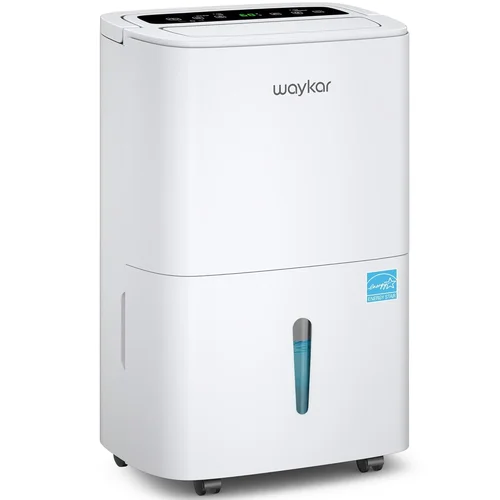
❌ Mistake: Placing the Dehumidifier in a Corner or Against a Wall
Why it’s bad: Dehumidifiers rely on airflow to draw in moist air, cool it to remove moisture, and expel dry air. Placing the unit in a corner or flush against a wall restricts airflow, reducing efficiency by up to 50%. This can cause the unit to overheat, cycle more frequently, and wear out faster.
What to do instead: Always leave at least 6–12 inches of clearance on all sides, especially around the intake and exhaust vents. Position the unit in an open area where air can circulate freely. If space is limited, choose a model with front or top exhaust to allow closer placement to walls.
❌ Mistake: Ignoring Drainage Options
Why it’s bad: Many users place dehumidifiers in basements or crawl spaces without considering how to remove collected water. Relying solely on the internal tank means frequent emptying—sometimes multiple times a day in high-humidity conditions. This is impractical and can lead to overflow, water damage, and mold growth.
What to do instead: Opt for a model with continuous drainage via a hose connection. Place the unit near a floor drain, sump pump, or utility sink. If no drain is available, choose a model with a built-in pump that can push water upward to a sink or window. Always test the drainage setup before leaving the unit unattended.
❌ Mistake: Choosing the Wrong Size for the Space
Why it’s bad: A dehumidifier that’s too small will run constantly, struggle to reduce humidity, and wear out quickly. One that’s too large may cycle on and off too frequently, leading to inefficient operation and higher energy bills. Both scenarios result in poor performance and increased costs.
What to do instead: Calculate the square footage of the area and assess the humidity level (mild, moderate, or severe). Use the manufacturer’s sizing guide to select the appropriate pint capacity. When in doubt, go one size up—especially if the space is prone to moisture or has poor ventilation.
❌ Mistake: Placing the Unit in Direct Sunlight or Near Heat Sources
Why it’s bad: Heat increases the air’s moisture-holding capacity, making the dehumidifier work harder. Direct sunlight or proximity to heaters, radiators, or appliances can raise the ambient temperature, reducing efficiency and potentially triggering safety shutoffs.
What to do instead: Place the dehumidifier in a cool, shaded area. Avoid locations near ovens, dryers, or sunny windows. In basements, position it away from furnace rooms or water heaters. If unavoidable, ensure adequate ventilation and consider a model with a higher temperature tolerance.
❌ Mistake: Neglecting Regular Maintenance
Why it’s bad: Dust, mold, and debris can accumulate on filters and coils, blocking airflow and reducing performance. A dirty filter can increase energy consumption by 15% or more and may cause the unit to freeze up in cold environments.
What to do instead: Clean the air filter every 2–4 weeks, especially during peak humidity seasons. Wipe down the exterior and check the water tank for mold. Inspect coils annually and clean them with a soft brush or vacuum. Follow the manufacturer’s maintenance schedule to ensure longevity.
❌ Mistake: Overlooking Noise Levels
Why it’s bad: Dehumidifiers placed in living areas, bedrooms, or home offices can be disruptive if too loud. Units with high decibel ratings (above 55 dB) can interfere with sleep, conversation, or concentration.
What to do instead: Check the noise rating (in decibels) before purchasing. Look for models rated below 50 dB for quiet operation. Place noisy units in basements, garages, or utility rooms. Use rugs or mats under the unit to reduce vibration noise.
❌ Mistake: Not Considering Seasonal Use
Why it’s bad: Many people only run dehumidifiers during summer but forget that basements and crawl spaces can remain damp year-round. In winter, cold surfaces can cause condensation, leading to mold and structural damage.
What to do instead: Use a hygrometer to monitor humidity levels throughout the year. Run the dehumidifier seasonally or continuously, depending on conditions. In cold months, ensure the unit is rated for low-temperature operation or consider a desiccant model.
Budget Guidelines: How Much Should You Spend?
Entry-Level ($100–$200): These compact dehumidifiers are ideal for small spaces like bathrooms, closets, or RVs. Expect basic features, smaller tanks (1–2 liters), and limited capacity (10–30 pints). They’re affordable and easy to move but may require frequent emptying and lack advanced controls. Best for occasional use or mild humidity.
Mid-Range ($200–$400): This is the sweet spot for most homeowners. These units offer 30–50 pint capacity, quieter operation, auto-humidistats, and continuous drainage options. They’re suitable for basements, laundry rooms, and medium-sized living areas. Look for ENERGY STAR certification and models with washable filters and caster wheels.
Premium ($400–$600): Designed for large spaces and high humidity, these dehumidifiers feature 50–70+ pint capacity, built-in pumps, Wi-Fi connectivity, and robust construction. They’re ideal for finished basements, whole-house use, or humid climates. Expect longer warranties, better efficiency, and quieter performance.
Luxury ($600+): These top-tier models include whole-house integration, advanced sensors, app control, and commercial-grade durability. They’re perfect for large homes, vacation properties, or extreme conditions. While expensive, they offer unmatched performance, energy savings, and peace of mind.
Expert Tips for Getting the Best Deal
- Buy During Off-Peak Seasons: Dehumidifiers are often discounted in fall and winter when demand is low. Retailers may offer 20–30% off to clear inventory.
- Shop Online for Better Selection: Online retailers like Amazon, Home Depot, and Lowe’s often have wider selections, user reviews, and exclusive deals. Compare prices across platforms.
- Look for ENERGY STAR Models: These units meet strict efficiency guidelines and may qualify for utility rebates or tax credits.
- Check Return Policies: Ensure the retailer offers a 30-day return window in case the unit doesn’t perform as expected in your space.
- Test Before Committing: If buying in-store, ask to see a demo unit. Listen to the noise level and check the control panel.
- Bundle with Accessories: Some retailers offer free hoses, filters, or extension cords with purchase—great for continuous drainage setups.
- Consider Refurbished Models: Certified refurbished units from reputable brands can save 20–40% and often come with warranties.
Frequently Asked Questions
Q: Where is the best place to put a dehumidifier in a basement?
A: The ideal spot is near the center of the basement or close to the source of moisture (like a sump pump or wall crack). Avoid corners and ensure 6–12 inches of clearance on all sides. If possible, place it near a floor drain for continuous drainage.
Q: Can I put a dehumidifier in a closet?
A: Yes, but only if the closet is well-ventilated and the unit has front or top exhaust. Ensure the door can remain slightly open for airflow. Use a compact model with a small tank or continuous drainage.
Q: Should a dehumidifier be on the floor or elevated?
A: Most dehumidifiers are designed to sit on the floor. Elevating them can block airflow or cause instability. Use a sturdy, level surface and avoid carpet if possible to prevent vibration.
Q: How far should a dehumidifier be from a wall?
A: At least 6–12 inches, depending on the model. Check the user manual for specific clearance requirements, especially around intake and exhaust vents.
Q: Can I run a dehumidifier 24/7?
A: Yes, especially in high-humidity areas. Modern units are designed for continuous operation. Use a model with an auto-humidistat and continuous drainage to avoid overflow.
Q: Do dehumidifiers use a lot of electricity?
A: It depends on the size and efficiency. A 50-pint ENERGY STAR model uses about 500–700 watts. Look for high EF ratings and use timers or smart features to reduce consumption.
Q: Can I place a dehumidifier in a crawl space?
A: Yes, but choose a model rated for cold temperatures and equipped with a built-in pump for upward drainage. Ensure the unit is protected from dirt and debris.
Q: How often should I empty the water tank?
A: It depends on humidity levels and tank size. Check daily during peak season. Use continuous drainage or a larger tank to reduce frequency.
Q: Will a dehumidifier help with mold?
A: Yes, by reducing moisture, it prevents mold growth. However, existing mold should be cleaned professionally before using a dehumidifier.
Q: Can I move my dehumidifier between rooms?
A: Yes, especially portable models with wheels. Allow the unit to sit for 30 minutes after moving to let refrigerant settle before restarting.
Our Final Recommendations
- Best for Budget-Conscious Buyers: hOmeLabs 30 Pint Dehumidifier – Affordable, reliable, and ideal for small spaces. Easy to move and quiet for its class.
- Best Overall Value: Frigidaire FFAD5033W1 50 Pint – Excellent capacity, ENERGY STAR certified, and features continuous drainage. Perfect for basements.
- Best Premium Option: AprilAire E080 – Whole-house integration, powerful performance, and durable build. Ideal for large homes in humid climates.
- Best for Beginners: GE APER50LZ – Simple controls, clear display, and reliable operation. Great for first-time users.
- Best for Advanced Users: EcoDry EDY-70 – Wi-Fi enabled, app-controlled, and equipped with a built-in pump. Perfect for tech-savvy homeowners.
Conclusion: Making the Right Choice
Choosing the right dehumidifier is only half the battle—where you place it determines how well it performs. From understanding your space and humidity levels to selecting the right model and avoiding common pitfalls, every decision impacts efficiency, longevity, and indoor air quality. By following this guide, you’ll be equipped to make an informed choice that fits your budget, lifestyle, and home environment.
Remember, the best placement is one that balances accessibility, airflow, and drainage while matching the unit’s capabilities to your needs. Don’t rush the decision—take time to evaluate your space, read reviews, and consider long-term costs. Whether you’re tackling a damp basement, protecting your belongings, or simply breathing easier, the right dehumidifier in the right spot can transform your home.
Now that you have the knowledge, it’s time to act. Measure your space, check your humidity levels, and choose a model that aligns with your goals. Your home—and your health—will thank you.