
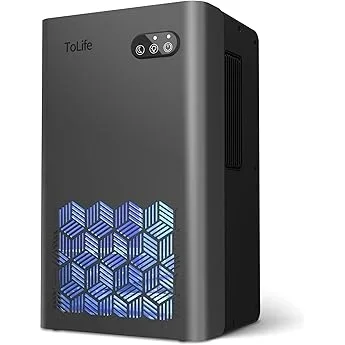
Dehumidifiers are one of those appliances that quietly do their job in the background, yet their impact on your home’s comfort, air quality, and even your health can be profound. Whether you’re battling persistent musty odors in your basement, trying to prevent mold growth in a humid climate, or simply looking to improve indoor air quality for allergy sufferers, a dehumidifier can make a world of difference. Yet, despite their importance, many people overlook them—or worse, buy the wrong one and end up frustrated with poor performance, high energy bills, or constant maintenance.
That’s exactly why this guide exists. We’re here to cut through the noise, eliminate confusion, and help you make a smart, informed decision when buying a dehumidifier—especially when it comes to getting the best price without sacrificing quality. The market is flooded with options ranging from budget models under $100 to high-end units costing over $500, and not all of them deliver on their promises. Some are energy hogs, others are too small for the space they’re meant to serve, and a few are so loud they disrupt your daily life. Our goal is to help you avoid these pitfalls and find a dehumidifier that fits your needs, your space, and your budget.
In this comprehensive buying guide, you’ll learn everything you need to know about choosing the right dehumidifier at the best possible price. We’ll walk you through the key factors to consider—from capacity and energy efficiency to noise levels and smart features—and explain how each one affects performance and long-term value. You’ll also discover the different types of dehumidifiers available, common mistakes shoppers make, and expert tips for scoring the best deals. Whether you’re a first-time buyer or upgrading from an older model, this guide will equip you with the knowledge to make a confident, cost-effective purchase.
What to Look for When Buying Buying Guide
1. Budget & Price Range
Your budget is often the first filter in any appliance purchase, and dehumidifiers are no exception. Prices can range dramatically—from as low as $60 for a small, portable unit to over $600 for a whole-home, professionally installed system. But price doesn’t always equal performance, and the cheapest option isn’t always the best value. It’s essential to understand what you’re paying for and whether the features justify the cost.
When setting your budget, consider not just the upfront price but also long-term operating costs. A cheaper model might save you money at checkout, but if it’s inefficient or breaks down within a year, you could end up spending more in the long run. Conversely, a mid-range unit with strong energy efficiency and durability may offer better value over time. Aim to balance affordability with reliability. For most homeowners, spending between $150 and $300 will get you a solid, well-performing dehumidifier that handles average-sized spaces effectively.
2. Performance Specifications
Performance specs are the backbone of any dehumidifier’s effectiveness. The most critical specification is the pint capacity, which indicates how much moisture the unit can remove from the air in 24 hours under standard testing conditions (usually 60% relative humidity at 80°F). Common capacities range from 20 pints for small rooms to 70 pints or more for large basements or whole-house applications.
But don’t just go by the number—consider your environment. If you live in a humid climate or have a damp basement, you’ll need a higher-capacity unit. For example, a 30-pint dehumidifier might be sufficient for a 500-square-foot crawl space, but a 50-pint model would be better for a 1,000-square-foot basement with visible moisture. Also, pay attention to the unit’s operating temperature range. Most residential dehumidifiers work best between 65°F and 80°F. If you plan to use it in an unheated garage or cold basement, look for a model designed for low-temperature operation (down to 41°F or lower).
Another key spec is the air circulation rate, measured in cubic feet per minute (CFM). Higher CFM means the unit can move more air through its system, improving moisture removal efficiency. Look for models with adjustable fan speeds to balance performance and noise.
3. Build Quality & Durability
A dehumidifier is an investment, and like any appliance, you want it to last. Build quality directly impacts longevity, reliability, and resistance to wear and tear. Start by examining the materials used in the housing. Plastic is common and lightweight, but high-quality, impact-resistant polymers are preferable to flimsy, brittle plastics that can crack over time. Metal components, especially in the compressor and coils, are a good sign of durability.
Internal components matter just as much. Look for units with copper coils instead of aluminum—copper is more efficient at heat transfer and less prone to corrosion. The compressor should be a reputable brand like Panasonic or LG, known for reliability. Also, check for features like auto-defrost, which prevents ice buildup on coils in cold environments, and rust-resistant coatings on internal parts.
User reviews often reveal real-world durability issues. If multiple buyers report the same component failing within a year, it’s a red flag. A well-built dehumidifier should last at least 5–7 years with proper maintenance.
4. Features & Functionality
Modern dehumidifiers come packed with features that enhance convenience, efficiency, and control. While not all are essential, some can significantly improve your experience. Here are the most valuable ones to look for:
– Humidistat: Allows you to set your desired humidity level (ideally between 30% and 50%). The unit will automatically turn on and off to maintain that level, saving energy and preventing over-drying.
– Auto Shut-Off & Full Tank Alert: Prevents overflow when the water tank is full. Some models even send alerts to your phone via Wi-Fi.
– Continuous Drain Option: Lets you connect a hose to drain water directly into a floor drain or sump pump, eliminating the need to empty the tank manually.
– Programmable Timer: Enables you to set the dehumidifier to run at specific times, such as during off-peak electricity hours.
– Wi-Fi & Smart Controls: High-end models offer app-based control, allowing you to monitor humidity levels, adjust settings, and receive alerts remotely.
– Air Filtration: Many units include washable or replaceable filters that capture dust, allergens, and mold spores, improving indoor air quality.
While these features add convenience, they also increase cost. Decide which ones are must-haves versus nice-to-haves based on your lifestyle and needs.
5. Brand Reputation
Brand reputation is a strong indicator of reliability, customer service, and product quality. Established brands like Frigidaire, GE, Honeywell, Danby, and hOmeLabs have built their names on consistent performance and solid warranties. These companies often invest more in research, testing, and customer support, which translates to better long-term satisfaction.
That said, newer or lesser-known brands can offer great value—especially online-only retailers like Amazon Basics or Costway. Just be sure to research thoroughly. Check customer reviews on multiple platforms, look for third-party certifications (like ENERGY STAR), and verify warranty terms. A brand with a poor track record of honoring warranties or responding to complaints is a risk, regardless of price.
6. Warranty & Support
Warranty coverage is one of the most overlooked—but crucial—aspects of any appliance purchase. A dehumidifier is a mechanical device with moving parts, and things can (and do) go wrong. A solid warranty protects your investment and gives you peace of mind.
Most reputable brands offer a 1-year limited warranty, covering parts and labor. Some premium models come with 2- or even 3-year warranties. Pay attention to what’s included: Does it cover the compressor? The coils? Labor costs? Also, check if the warranty is voided by improper use, such as operating the unit in temperatures outside its rated range.
Customer support matters too. Can you easily reach a real person by phone or chat? Are replacement parts readily available? Brands with strong support networks make troubleshooting and repairs much less stressful. Before buying, visit the manufacturer’s website and look for a support section with FAQs, manuals, and contact information.
7. Size & Portality
Dehumidifiers come in various sizes, and choosing the right one depends on both the space you’re treating and how mobile you need the unit to be. Smaller units (20–30 pints) are lightweight and easy to move from room to room, making them ideal for apartments or occasional use. Larger models (50+ pints) are heavier and bulkier but necessary for basements or whole-house applications.
Consider the physical dimensions and weight. If you plan to move the unit frequently, look for built-in handles and caster wheels. Some models are designed with a low center of gravity to prevent tipping. Also, check the power cord length—ideally 6 feet or more—to avoid needing an extension cord.
Noise level is another portability factor. Units with louder compressors (above 50 decibels) can be disruptive in living areas or bedrooms. Look for models with quiet operation modes or sound-dampening features if noise is a concern.
8. User Reviews & Ratings
Never underestimate the power of real user feedback. While manufacturer specs and marketing materials highlight the positives, customer reviews reveal the full picture—including common issues, quirks, and long-term performance. Sites like Amazon, Home Depot, and Consumer Reports are excellent sources of honest, detailed reviews.
When reading reviews, focus on patterns rather than isolated complaints. If multiple users mention the same problem—like a noisy compressor, frequent filter clogs, or poor customer service—it’s likely a legitimate concern. Pay attention to verified purchases and detailed reviews with photos or videos, as they tend to be more reliable.
Also, check the average star rating, but don’t rely on it alone. A 4.5-star average with 1,000 reviews is more trustworthy than a 5-star rating from just 10 users. Look for reviews that match your use case—e.g., “used in a 1,200 sq ft basement” or “great for allergy sufferers.”
Different Types of Buying Guide
Common Buying Mistakes to Avoid
❌ Mistake: Buying Based Solely on Price
Why it’s bad: Choosing the cheapest dehumidifier often leads to disappointment. Low-cost models may lack essential features, have poor build quality, or be inefficient, resulting in higher energy bills and shorter lifespans. You might end up replacing it within a year or two, negating any initial savings.
What to do instead: Focus on value, not just price. Look for a balance between cost, performance, and durability. A mid-range unit with strong reviews and a solid warranty often provides the best long-term value.
❌ Mistake: Ignoring Room Size and Humidity Level
Why it’s bad: A dehumidifier that’s too small for your space will run constantly, struggle to reduce humidity, and wear out quickly. Conversely, an oversized unit may cycle on and off too frequently, wasting energy and failing to maintain consistent humidity.
What to do instead: Measure your space and assess moisture levels. Use a hygrometer to check humidity. Match the unit’s pint capacity to your room size and climate. For example, a 50-pint model is ideal for a 1,000-square-foot basement in a humid region.
❌ Mistake: Overlooking Energy Efficiency
Why it’s bad: Dehumidifiers can consume significant electricity, especially if run continuously. An inefficient model can add $50–$100 or more to your annual energy bill, quickly eroding any upfront savings.
What to do instead: Look for ENERGY STAR-certified models, which are at least 10% more efficient than standard units. Check the energy factor (liters of water removed per kilowatt-hour)—higher is better.
❌ Mistake: Not Considering Noise Levels
Why it’s bad: A loud dehumidifier can be disruptive, especially in bedrooms, home offices, or open-concept living areas. Constant compressor noise or fan hum can affect sleep and concentration.
What to do instead: Check the decibel (dB) rating. Aim for models under 50 dB for quiet operation. Look for units with multiple fan speeds or “sleep mode” for nighttime use.
❌ Mistake: Skipping the Warranty Check
Why it’s bad: Without a solid warranty, you’re on the hook for repair or replacement costs if the unit fails. Some brands offer minimal coverage or make it difficult to claim service.
What to do instead: Always verify warranty terms before buying. Choose brands with at least a 1-year warranty and clear support channels. Register your product promptly to activate coverage.
❌ Mistake: Forgetting About Maintenance
Why it’s bad: Dehumidifiers require regular maintenance—cleaning filters, emptying tanks, and checking coils. Neglecting this can reduce efficiency, cause odors, or lead to mold growth inside the unit.
What to do instead: Choose a model with easy-access filters and a removable tank. Set a monthly reminder to clean the unit. Consider models with washable filters to save on replacement costs.
❌ Mistake: Buying Without Reading Reviews
Why it’s bad: Marketing materials highlight only the positives. Real-world performance can differ significantly, especially regarding durability, noise, and customer service.
What to do instead: Read multiple reviews from verified buyers. Look for detailed feedback about long-term use, common issues, and how the brand handles complaints.
Budget Guidelines: How Much Should You Spend?
– Entry-Level ($60 – $120): These are typically small, thermo-electric or mini compressor units. Best for closets, bathrooms, or very small rooms (under 300 sq ft). Expect basic functionality, limited capacity (10–20 pints), and shorter lifespans. Ideal for occasional use or low-humidity environments.
– Mid-Range ($120 – $250): This is the sweet spot for most homeowners. These units offer 30–50 pint capacity, energy-efficient operation, and useful features like humidistats, auto shut-off, and continuous drain options. They’re suitable for basements, garages, and medium-sized living areas. Brands like hOmeLabs, Frigidaire, and GE dominate this range with reliable performance.
– Premium ($250 – $400): For larger spaces or high-humidity areas, premium models deliver 50–70 pint capacity, advanced controls, and superior build quality. Look for features like Wi-Fi connectivity, air filtration, and low-temperature operation. These are ideal for whole basements, crawl spaces, or homes in tropical climates.
– Luxury ($400+): Whole-house dehumidifiers and high-end portable units fall into this category. They integrate with HVAC systems, offer smart home compatibility, and provide industrial-grade moisture removal. Best for large homes, commercial spaces, or severe moisture problems. Expect professional installation and higher operating costs.
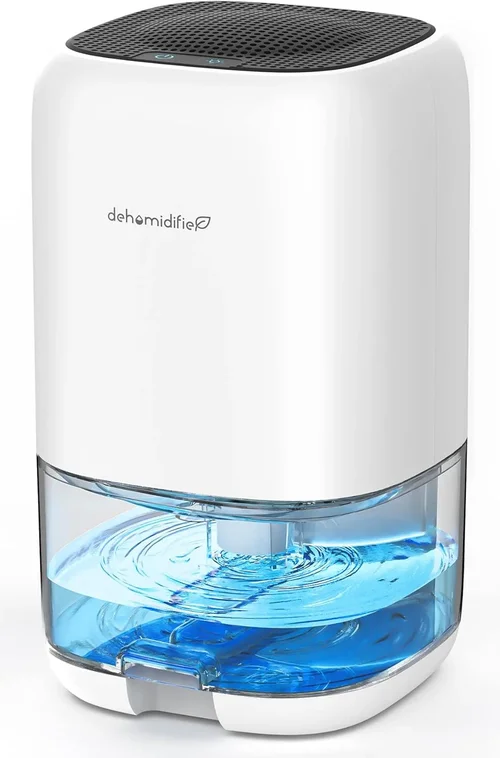
Expert Tips for Getting the Best Deal
– Buy During Off-Season: Dehumidifiers are in highest demand during summer. Prices often drop in fall and winter. Look for sales around Black Friday, Cyber Monday, or post-holiday clearance events.
– Shop Online for Better Selection: Online retailers like Amazon, Home Depot, and Lowe’s often have more models, competitive pricing, and detailed reviews. You can easily compare specs and prices side by side.
– Sign Up for Price Alerts: Use tools like Google Shopping, Honey, or CamelCamelCamel to track price drops on specific models. Set alerts for your desired unit and buy when the price hits your target.
– Check for Rebates and Incentives: Some utility companies offer rebates for ENERGY STAR-certified dehumidifiers. Visit your provider’s website or check the ENERGY STAR rebate finder tool.
– Consider Refurbished or Open-Box Models: Reputable retailers often sell refurbished units at 20–40% off. These are tested, cleaned, and come with warranties—great for budget-conscious buyers.
– Read the Return Policy: Make sure you can return the unit if it doesn’t perform as expected. Some stores offer 30- or 60-day return windows, which gives you time to test it in your space.
– Test Before Committing: If possible, run the dehumidifier for a few days in your target area. Check humidity levels, noise, and ease of use. This helps ensure it’s the right fit.
– Bundle with Other Purchases: Some retailers offer discounts when you buy multiple appliances together. Pairing a dehumidifier with an air purifier or humidifier might unlock savings.

Frequently Asked Questions
Q: How do I know what size dehumidifier I need?
A: Start by measuring the square footage of the area you want to dehumidify. Then, assess the moisture level: is it slightly damp, very damp, or wet? Use this guide: 20–30 pints for small, slightly damp spaces (under 500 sq ft); 30–50 pints for medium basements or damp areas (500–1,000 sq ft); 50+ pints for large, very damp spaces (1,000+ sq ft). Always check the manufacturer’s room size recommendations.
Q: Can a dehumidifier help with allergies?
A: Yes. By reducing humidity, dehumidifiers inhibit the growth of mold, dust mites, and mildew—common allergens. Many models also include air filters that capture particles, improving indoor air quality. For best results, pair with a HEPA air purifier.
Q: How often should I empty the water tank?
A: It depends on the humidity level and tank size. Most units have 1–2 gallon tanks that need emptying every 12–24 hours in high-humidity conditions. Use the continuous drain option if available to avoid frequent manual emptying.
Q: Do dehumidifiers use a lot of electricity?
A: It varies. ENERGY STAR models use about 10–20% less energy than standard units. On average, a 50-pint dehumidifier uses 500–700 watts. Running it 8 hours a day could cost $10–$20 per month, depending on your electricity rate.
Q: Can I use a dehumidifier in winter?
A: Only if it’s designed for low-temperature operation. Most compressor units stop working below 65°F. Desiccant models can operate in temperatures as low as 41°F, making them ideal for garages or unheated basements.
Q: Should I run my dehumidifier continuously?
A: Not necessarily. Use the humidistat to set your desired humidity level (30–50%). The unit will cycle on and off automatically, saving energy and preventing over-drying.
Q: How do I clean my dehumidifier?
A: Turn it off and unplug it. Remove and wash the air filter with mild soap and water. Wipe the water tank with a vinegar solution to prevent mold. Clean the coils with a soft brush if accessible. Do this monthly for optimal performance.
Q: Can a dehumidifier replace an air conditioner?
A: No. While both remove moisture, air conditioners also cool the air. A dehumidifier makes the air feel more comfortable by reducing humidity but doesn’t lower temperature.
Q: What’s the difference between a dehumidifier and a humidifier?
A: A dehumidifier removes excess moisture from the air, while a humidifier adds moisture. Use a dehumidifier in damp environments and a humidifier in dry climates or during winter.
Q: How long do dehumidifiers last?
A: With proper maintenance, most last 5–7 years. High-quality models from reputable brands may last longer. Replace if performance declines significantly or repair costs exceed half the price of a new unit.
Our Final Recommendations
– Best for Budget-Conscious Buyers: hOmeLabs 30 Pint Dehumidifier – Reliable performance, energy-efficient, and priced under $150. Great for small to medium spaces.
– Best Overall Value: Frigidaire FFAD5033W1 50 Pint Dehumidifier – ENERGY STAR certified, quiet operation, and excellent moisture removal. Ideal for basements and large rooms.
– Best Premium Option: GE APER50LZ 50 Pint Smart Dehumidifier – Wi-Fi enabled, app control, and advanced filtration. Perfect for tech-savvy homeowners.
– Best for Beginners: Eva-Dry E-333 Mini Dehumidifier – Compact, no setup required, and affordable. Great for closets or small spaces.
– Best for Advanced Users: AprilAire E080 Whole-House Dehumidifier – Professional-grade, integrates with HVAC, and handles large homes. Requires installation but offers unmatched control.
Conclusion: Making the Right Choice
Choosing the right dehumidifier doesn’t have to be overwhelming. By focusing on your specific needs—room size, humidity level, budget, and desired features—you can narrow down the options and find a unit that delivers real value. Remember, the best price isn’t always the lowest price. It’s the one that balances cost, performance, and longevity to give you the most bang for your buck.
Take the time to research, read reviews, and compare models. Use the tips in this guide to avoid common pitfalls and score the best deal. Whether you’re fighting mold, improving air quality, or simply making your home more comfortable, the right dehumidifier can make a significant difference.
Don’t wait until the next humid season to act. Start your search today, and invest in a solution that protects your home and enhances your quality of life. With the knowledge from this guide, you’re well-equipped to make a smart, confident purchase—and enjoy the benefits of healthier, drier air for years to come.