
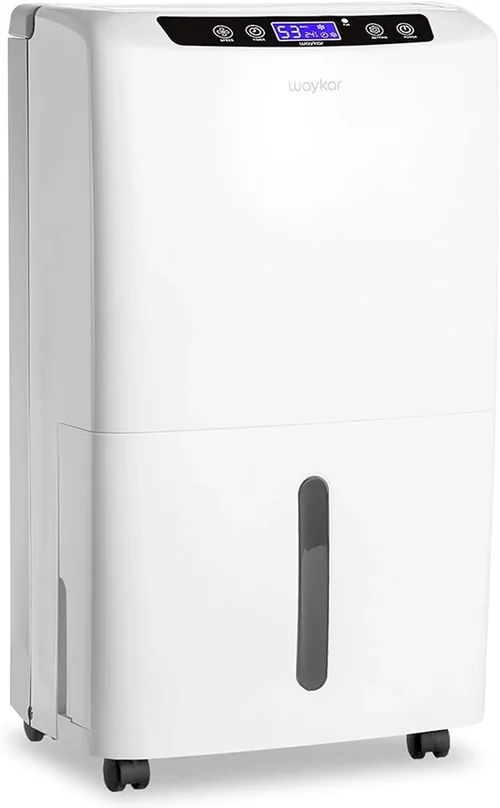
If you’ve ever walked into a room that feels heavy, smells musty, or noticed condensation on your windows, you’ve experienced the telltale signs of excess humidity. High indoor moisture levels aren’t just uncomfortable—they can lead to mold growth, damaged furniture, worsening allergies, and even structural issues in your home. A quality dehumidifier is one of the most effective tools for maintaining healthy indoor air and protecting your living space. But with so many models on the market, each boasting different features, capacities, and price points, choosing the right one can feel overwhelming.
That’s where this guide comes in. Whether you’re dealing with a damp basement, a humid bathroom, or just want to improve overall air quality in your home, we’ve done the research to help you make an informed decision. In this comprehensive buying guide, you’ll learn exactly what to look for in a home dehumidifier, how to avoid common pitfalls, and which models deliver the best performance for your specific needs. We’ll break down technical specs in plain English, compare different types of units, and share expert tips to ensure you get the most value for your investment.
The home dehumidifier market has evolved significantly over the past decade. Today’s models are more energy-efficient, quieter, and smarter than ever before. From compact units ideal for small spaces to heavy-duty machines capable of handling large basements or crawl spaces, there’s a solution for nearly every scenario. However, not all dehumidifiers are created equal. Some prioritize capacity over noise levels, while others offer advanced filtration but come with a steep price tag. Our goal is to cut through the marketing noise and give you a clear, unbiased roadmap to finding the best-rated home dehumidifier that aligns with your lifestyle, budget, and home environment.
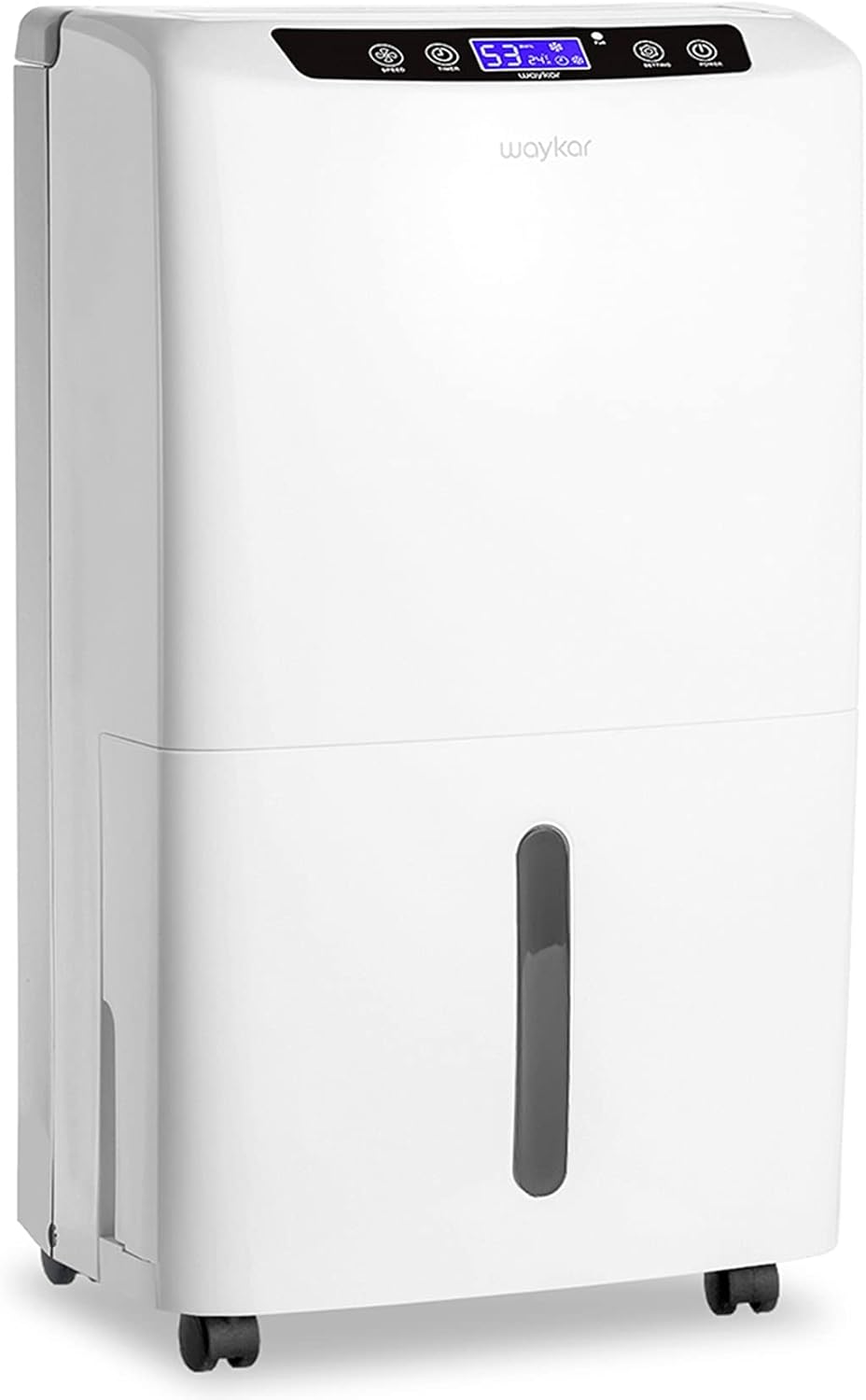
What to Look for When Buying Buying Guide
1. Capacity (Pints per Day)
Capacity is arguably the most important factor when selecting a dehumidifier. It’s measured in pints per day (PPD), which refers to how much moisture the unit can remove from the air in a 24-hour period under standard testing conditions (typically 60% relative humidity at 80°F). Choosing the right capacity ensures your dehumidifier can effectively manage the moisture load in your space without overworking or underperforming.
To determine the appropriate capacity, consider the size of the area you want to dehumidify and the severity of the moisture problem. For example, a 30-pint unit is generally sufficient for a moderately damp 500–1,000 sq ft basement, while a 70-pint model may be needed for a large, very wet basement or crawl space. Undersized units will run constantly and fail to lower humidity levels, while oversized ones may cycle too frequently, reducing efficiency and lifespan.
Many manufacturers provide sizing charts based on room size and moisture level (slight, moderate, or severe dampness). Use these as a starting point, but also factor in local climate—homes in humid regions like the Southeast U.S. may need higher-capacity units even for smaller spaces.
2. Energy Efficiency & Operating Costs
A dehumidifier is often a long-term investment, running for hours each day during humid months. Because of this, energy efficiency directly impacts your utility bills and environmental footprint. Look for models with the ENERGY STAR® certification, which indicates they meet strict efficiency guidelines set by the U.S. Environmental Protection Agency.
ENERGY STAR-certified dehumidifiers use up to 15% less energy than standard models, translating to significant savings over time. For instance, a 50-pint ENERGY STAR unit might cost around $25–$35 per year to operate, compared to $40–$50 for a non-certified equivalent. Over five years, that’s a difference of $75–$125—money that could go toward other home improvements.
Also check the unit’s energy factor (liters of water removed per kilowatt-hour of electricity used). Higher numbers mean better efficiency. While initial price matters, always consider the total cost of ownership, including electricity consumption. A slightly more expensive but highly efficient model often pays for itself within a few seasons.
3. Noise Level (Decibel Rating)
Dehumidifiers aren’t silent appliances—they use compressors and fans that generate noise. If you plan to place the unit in a bedroom, living room, or home office, sound output becomes a critical consideration. Noise levels are measured in decibels (dB), and most residential dehumidifiers range from 45 dB to 60 dB.
For context, 45 dB is comparable to a quiet library or whisper, while 60 dB resembles normal conversation or background music. Units under 50 dB are ideal for quiet environments, especially bedrooms. Some premium models feature “quiet mode” or variable fan speeds that reduce noise during nighttime operation.
Be cautious of marketing claims like “ultra-quiet” without specific dB ratings. Always check independent reviews or manufacturer specs for actual noise measurements. If possible, test the unit in-store or read user feedback about real-world sound levels—some compressors produce a noticeable hum even if the fan is quiet.
4. Tank Size & Drainage Options
All dehumidifiers collect water in an internal tank, but how you manage that water varies. Tank size determines how often you’ll need to empty it. Smaller tanks (1–2 gallons) require daily emptying in high-humidity conditions, which can be inconvenient. Larger tanks (2–3+ gallons) reduce maintenance but take up more space.
For continuous operation without manual intervention, look for models with built-in condensate pumps or gravity drainage. A gravity drain hose (usually included) lets you route water directly to a floor drain, sump pump, or outside—ideal for basements or unattended areas. Condensate pumps offer even greater flexibility, allowing you to pump water upward (e.g., from a basement to a sink), but they add cost and complexity.
Some units include auto-shutoff when the tank is full, preventing overflow. Others have electronic indicators or alerts. If you’re frequently away from home or have mobility limitations, prioritize models with large tanks or continuous drainage options to minimize upkeep.
5. Smart Features & Controls
Modern dehumidifiers increasingly offer smart functionality that enhances convenience and precision. Look for digital humidity displays, programmable timers, and adjustable humidity settings (typically ranging from 30% to 80% relative humidity). The ability to set your ideal humidity level—usually between 40% and 50% for comfort and mold prevention—ensures the unit only runs when needed.
Wi-Fi connectivity is becoming more common in mid-to-high-end models. With a companion app, you can monitor humidity levels remotely, adjust settings, receive maintenance alerts, or schedule operations. This is especially useful for vacation homes or rental properties where you can’t check conditions regularly.
Other useful features include auto-restart (resumes operation after a power outage), filter change indicators, and defrost functions for cold-weather use. While not essential, these extras can significantly improve user experience and system longevity.
6. Build Quality & Durability
A dehumidifier is a mechanical device with moving parts—compressors, fans, coils—that endure constant cycling. Poor build quality leads to premature failure, costly repairs, or replacement within a few years. Look for sturdy construction, preferably with metal components in critical areas like the compressor housing and evaporator coils.
Check the type of refrigerant used. Most modern units use R-410A or R-32, which are more environmentally friendly and efficient than older refrigerants like R-22. Also, inspect the warranty: reputable brands typically offer 1–2 years on parts and labor, with some extending coverage to 5 years on the compressor—a sign of confidence in durability.
Avoid ultra-cheap models from unknown brands. They often cut corners on materials, use inferior compressors, or lack proper safety certifications (like UL listing). Investing in a well-built unit from a trusted manufacturer pays off in reliability and long-term performance.
7. Portability & Design
Even if you plan to keep your dehumidifier in one location, portability matters for setup, cleaning, and occasional relocation. Look for units with integrated handles, caster wheels, or lightweight designs (under 40 lbs for smaller models). A well-placed handle and smooth-rolling wheels make moving the unit between rooms or up/down stairs much easier.
Design also affects placement flexibility. Compact, front-loading models fit better under counters or in tight spaces, while taller units may require more vertical clearance. Consider the inlet and outlet vent locations—side or top vents allow closer placement to walls, saving floor space.
Aesthetics might seem次要, but if the dehumidifier will be visible in a living area, a sleek, neutral design blends better with home decor. Some premium models even feature hidden control panels or minimalist styling.
8. Brand Reputation & Customer Support
Not all dehumidifier brands are equal in terms of reliability, customer service, and post-purchase support. Established brands like Frigidaire, hOmeLabs, GE, Danby, and AprilAire have proven track records and widespread service networks. They’re more likely to honor warranties, provide replacement parts, and offer responsive technical support.
Research customer reviews on trusted platforms (Amazon, Consumer Reports, Reddit) to gauge real-world performance and common issues. Pay attention to comments about durability, noise, and how quickly problems are resolved. A brand with a reputation for standing behind its products reduces the risk of buyer’s remorse.
Also consider availability of accessories—replacement filters, drain hoses, or remote sensors. Brands with strong ecosystems make maintenance simpler and extend the unit’s useful life.
Different Types of Buying Guide

Common Buying Mistakes to Avoid
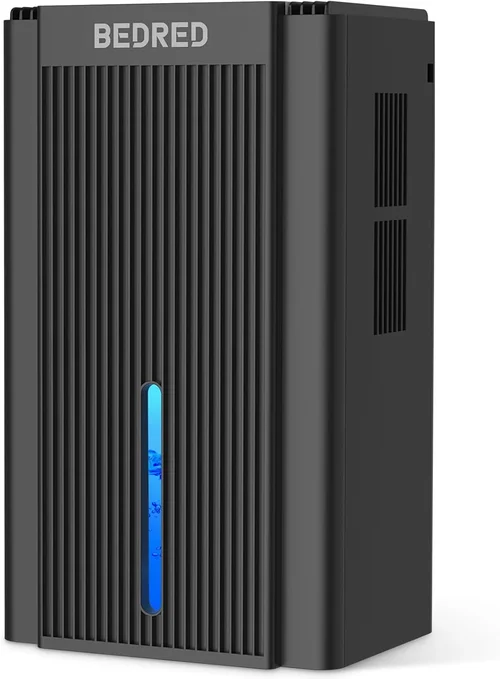
❌ Mistake: Buying Based Solely on Price
Why it’s bad: The cheapest dehumidifier often comes with compromises—lower efficiency, noisier operation, shorter lifespan, and poor moisture removal. You may end up replacing it within 1–2 years, costing more in the long run.
What to do instead: Focus on value, not just upfront cost. Consider energy efficiency, warranty length, and real user reviews. A mid-range model with ENERGY STAR certification often offers the best balance of price and performance.
❌ Mistake: Ignoring Room Size and Humidity Level
Why it’s bad: A unit too small for your space will run nonstop without lowering humidity, while an oversized one may short-cycle, wasting energy and reducing dehumidification effectiveness.
What to do instead: Measure your space and assess moisture severity. Use manufacturer sizing guides or consult online calculators. When in doubt, lean toward a slightly larger capacity—especially in humid climates.
❌ Mistake: Overlooking Drainage Needs
Why it’s bad: If you forget about tank emptying, you’ll either neglect maintenance (leading to overflow and mold) or be frustrated by constant interruptions.
What to do instead: Choose a model with continuous drainage if you can’t empty the tank daily. Even a simple gravity hose to a floor drain eliminates manual work and ensures uninterrupted operation.
❌ Mistake: Disregarding Noise Levels
Why it’s bad: A loud dehumidifier in a bedroom or office can disrupt sleep, concentration, or relaxation—turning a helpful appliance into a nuisance.
What to do instead: Check decibel ratings and look for “quiet mode” features. Read user reviews about real-world noise, especially at night. Place the unit away from sleeping areas if possible.
❌ Mistake: Skipping the Warranty Check
Why it’s bad: Dehumidifiers contain complex components like compressors that can fail. Without a solid warranty, repair costs can exceed the unit’s value.
What to do instead: Prioritize brands offering at least a 1-year full warranty and 2–5 years on the compressor. Register your product promptly to activate coverage.
❌ Mistake: Assuming All “Smart” Features Are Useful
Why it’s bad: Wi-Fi and app controls sound great, but if you rarely use them, you’re paying extra for unused functionality.
What to do instead: Only invest in smart features if you’ll actually benefit—like remote monitoring for a vacation home. For most users, basic digital controls and timers are sufficient.
❌ Mistake: Not Considering Long-Term Maintenance
Why it’s bad: Filters clog, coils collect dust, and tanks can develop odors. Neglecting maintenance reduces efficiency and can cause malfunctions.
What to do instead: Choose models with washable or easily replaceable filters. Look for accessible components and clear maintenance instructions. Set calendar reminders for filter cleaning every 2–4 weeks.
Budget Guidelines: How Much Should You Spend?
Dehumidifiers span a wide price range, and your budget should align with your needs, space size, and how often you’ll use the unit. Here’s a breakdown of what to expect at each tier:
Entry-Level ($80–$180): These are typically 20–30 pint units suitable for small spaces like closets, bathrooms, or mildly damp rooms under 500 sq ft. They often lack advanced features, have smaller tanks, and may be noisier. Ideal for occasional use or tight budgets, but expect shorter lifespans and higher operating costs due to lower efficiency.
Mid-Range ($180–$350): This is the sweet spot for most homeowners. Units in this range usually offer 30–50 pint capacity, ENERGY STAR certification, digital controls, larger tanks (2+ gallons), and quieter operation. Many include continuous drainage options and basic smart features. These models balance performance, durability, and value—perfect for basements, laundry rooms, or whole-room dehumidification.
Premium ($350–$600): Designed for demanding environments, these 50–70+ pint units handle large, very damp spaces like full basements, crawl spaces, or flood-prone areas. They feature robust compressors, condensate pumps, advanced filtration, Wi-Fi connectivity, and ultra-quiet operation. Built with higher-quality materials, they often come with extended warranties and superior customer support.
Luxury ($600+): At this level, you’re investing in top-tier engineering and convenience. These include whole-house integrated systems, commercial-grade portables, or ultra-efficient desiccant models for extreme conditions. Features may include HVAC integration, remote sensors, multi-stage filtration, and professional installation support. Best for large homes, new builds, or users with specific health or environmental needs.
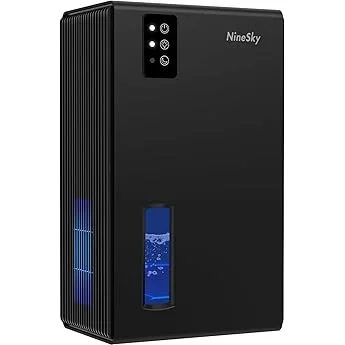
Expert Tips for Getting the Best Deal
- Buy Off-Season: Dehumidifiers are in highest demand during spring and summer. Shop in late fall or winter (October–February) for discounts, clearance sales, and bundle deals.
- Compare Retailers: Check major retailers like Home Depot, Lowe’s, Amazon, and Costco. Online marketplaces often have competitive pricing, but big-box stores may offer in-store pickup, extended warranties, or price matching.
- Watch for Rebates: Some utility companies offer rebates for ENERGY STAR-certified dehumidifiers, especially in humid regions. Check your local provider’s website before purchasing.
- Read Return Policies: Ensure the seller allows returns within 30 days. If the unit doesn’t perform as expected, you’ll want the option to exchange or refund.
- Test Before Committing: If buying in-store, ask to see the unit powered on. Listen for excessive noise, check the display clarity, and inspect build quality.
- Bundle with Accessories: Some retailers offer free drain hoses, filters, or extended warranties with purchase. These add-ons can save $30–$100 in the long run.
- Check for Refurbished Options: Certified refurbished models from reputable brands (like Frigidaire or hOmeLabs) can offer 20–30% savings with full warranty coverage.
- Register Immediately: After purchase, register your dehumidifier online to activate the warranty and receive service updates or recall notices.

Frequently Asked Questions
Q: How do I know if I need a dehumidifier?
A: Common signs include persistent musty odors, condensation on windows or walls, peeling paint, warped wood, visible mold, or increased allergy symptoms. You can also use a hygrometer to measure indoor humidity—if it consistently reads above 55%, a dehumidifier is recommended.
Q: Can a dehumidifier help with allergies?
A: Yes. By reducing moisture, dehumidifiers inhibit the growth of mold, dust mites, and mildew—common allergens. Maintaining humidity between 40% and 50% creates an environment less hospitable to these triggers, potentially easing respiratory issues.
Q: Should I run my dehumidifier all the time?
A: Not necessarily. Most models have built-in humidistats that turn the unit on/off to maintain your set humidity level. Run it continuously during humid seasons or in problem areas, but allow it to cycle naturally otherwise to save energy.
Q: Where should I place my dehumidifier?
A: Place it in the dampest area (e.g., basement corner, near a leak source) with at least 6–12 inches of clearance on all sides for airflow. Avoid placing it directly against walls or furniture. For whole-home effectiveness, central locations work best.
Q: How often should I clean the filter?
A: Clean the air filter every 2–4 weeks during heavy use. A clogged filter restricts airflow, reduces efficiency, and can cause the unit to overheat. Most filters are washable—rinse with warm water and let dry completely before reinstalling.
Q: Can I use a dehumidifier in cold temperatures?
A: Standard refrigerant models lose efficiency below 65°F and may ice up. For cold spaces (like unheated garages), choose a desiccant dehumidifier or a model with auto-defrost designed for low-temperature operation.
Q: Will a dehumidifier lower my energy bills?
A: Indirectly, yes. Lower humidity makes air feel cooler, so you may use your air conditioner less. However, the dehumidifier itself consumes electricity. ENERGY STAR models minimize this cost while maximizing comfort.
Q: How long do dehumidifiers last?
A: With proper maintenance, most quality units last 5–10 years. Compressor lifespan is key—look for models with 5-year compressor warranties as a durability indicator.
Q: Can I connect my dehumidifier to a smart home system?
A: Some Wi-Fi-enabled models integrate with Alexa, Google Assistant, or Apple HomeKit. Check compatibility before buying if you want voice control or automation routines.
Q: Is it safe to leave a dehumidifier on overnight?
A: Yes, as long as it’s UL-listed, has auto-shutoff, and is placed safely away from flammable materials. Modern units are designed for continuous operation with multiple safety features.
Our Final Recommendations
Best for Budget-Conscious Buyers: hOmeLabs 30 Pint Dehumidifier – At under $200, this ENERGY STAR-certified unit offers reliable performance for small to mid-sized rooms, a 2-gallon tank, and quiet operation. Great for apartments or mildly damp spaces.
Best Overall Value: Frigidaire FFAD7033R1 70 Pint – A top-rated basement dehumidifier with excellent moisture removal, continuous drainage, and a washable filter. Priced around $350, it’s a workhorse with proven durability.
Best Premium Option: AprilAire E130 Pro 130 Pint Whole-House Dehumidifier – For large homes or severe moisture issues, this professionally installed system integrates with your HVAC to maintain consistent humidity throughout the entire house. Priced near $1,800, it’s an investment in long-term air quality.
Best for Beginners: GE APER50LZ 50 Pint – User-friendly controls, clear humidity display, and straightforward setup make this an excellent choice for first-time buyers. Includes a 2.5-gallon tank and auto-defrost.
Best for Advanced Users: AlorAir Sentinel HDi90 – Built for harsh environments, this commercial-grade unit features a condensate pump, Wi-Fi monitoring, and a corrosion-resistant coating. Ideal for flood restoration or extreme humidity challenges.
Conclusion: Making the Right Choice
Choosing the best home dehumidifier isn’t just about picking the most powerful or cheapest model—it’s about finding the right balance of capacity, efficiency, noise, and features for your unique situation. By understanding key factors like pint rating, energy use, drainage options, and build quality, you can avoid common pitfalls and invest in a unit that delivers lasting comfort and protection for your home.
Remember, the goal isn’t perfection—it’s practicality. Whether you’re tackling a damp basement, improving indoor air quality, or simply making your living space more comfortable, the right dehumidifier makes a noticeable difference. Use this guide to narrow your options, prioritize your needs, and shop with confidence. And don’t forget to maintain your unit regularly—clean filters and proper placement ensure peak performance season after season.
Your home deserves healthy, balanced air. With the insights and recommendations in this guide, you’re well-equipped to make a smart, informed decision. Take the next step: assess your space, set your budget, and choose a dehumidifier that works as hard as you do to keep your home dry, safe, and comfortable.