
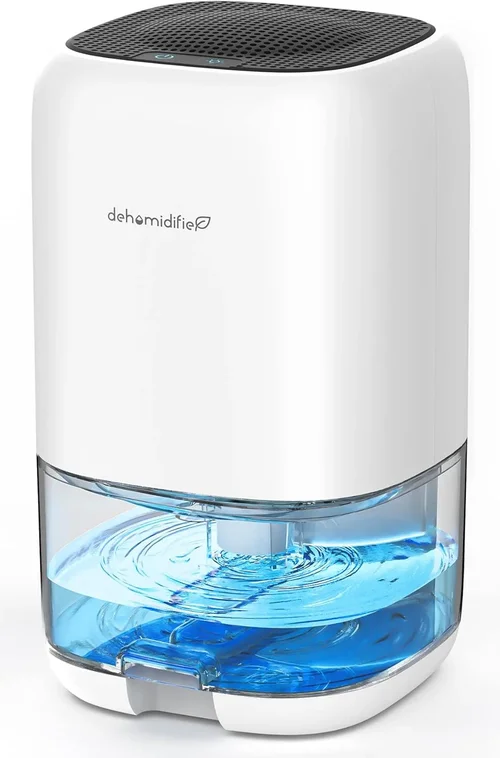
Dealing with excess moisture in a small bathroom isn’t just an inconvenience—it’s a long-term threat to your home’s health, your belongings, and even your well-being. Whether you’re battling persistent fog on mirrors, peeling paint, or that unmistakable musty smell that lingers long after your shower, the root cause is often the same: high humidity levels. In compact bathrooms with poor ventilation, moisture accumulates quickly, creating the perfect breeding ground for mold, mildew, and dust mites. Over time, this can lead to structural damage, ruined fixtures, and respiratory issues—especially for those with allergies or asthma.
That’s where a small bathroom dehumidifier comes in. Unlike whole-house systems or large industrial units, compact dehumidifiers are specifically designed for tight spaces like bathrooms, laundry closets, or RVs. They’re quiet, energy-efficient, and powerful enough to maintain healthy humidity levels without taking up valuable real estate. But with so many models flooding the market—ranging from basic $30 units to feature-rich $200+ machines—it’s easy to feel overwhelmed. How do you know which one actually works? What features matter most? And how much should you realistically spend?
This comprehensive guide cuts through the noise to help you make a smart, informed decision. You’ll learn exactly what to look for when choosing a small bathroom dehumidifier, from performance specs and build quality to smart features and long-term reliability. We’ll compare different types, highlight common pitfalls to avoid, break down budget expectations, and share expert tips for getting the best value. By the end, you’ll have everything you need to pick the perfect unit for your space—whether you’re dealing with a tiny powder room or a humid basement bathroom.

What to Look for When Buying Buying Guide
1. Moisture Removal Capacity (Pints per Day)
The single most important spec when choosing a dehumidifier is its moisture removal capacity, measured in pints per day (PPD). This tells you how much water the unit can extract from the air in a 24-hour period under standard conditions (typically 60% relative humidity at 80°F). For small bathrooms—usually under 50 square feet—you’ll generally want a unit rated between 10 and 25 PPD.
Why does this matter? A dehumidifier that’s too weak will struggle to keep up with daily steam from showers, leaving your bathroom damp and vulnerable to mold. Conversely, an oversized unit may cycle on and off too frequently, wasting energy and potentially over-drying the air, which can cause discomfort or static issues. Most compact bathrooms fall into the “moderately damp” category, so a 15–20 PPD model is often ideal. However, if your bathroom lacks any ventilation (no window or exhaust fan), or if you live in a particularly humid climate, lean toward the higher end of that range.
Look for units tested under AHAM (Association of Home Appliance Manufacturers) standards, as these provide consistent, real-world benchmarks. Avoid manufacturers who only list “maximum” or “theoretical” capacity—those numbers are often inflated and don’t reflect actual performance in typical home conditions.
2. Tank Size vs. Continuous Drainage Options
Every dehumidifier collects extracted moisture in a built-in tank, but not all tanks are created equal. Tank size directly impacts how often you’ll need to empty it—a crucial consideration for busy households or forgetful users. For small bathrooms, tank capacities typically range from 0.5 to 1.5 gallons (roughly 4 to 12 pints).
A smaller tank (under 1 gallon) might require daily emptying during humid weather, which can become tedious. Larger tanks (1+ gallons) offer convenience but may add bulk. The sweet spot for most users is a 1-gallon tank, which balances portability with reasonable maintenance intervals.
Even better? Look for models with continuous drainage capability. These units include a hose connection (usually ¼-inch or ⅜-inch barbed fittings) that lets you route water directly into a sink, floor drain, or sump pump—eliminating the need to empty the tank altogether. This is especially useful in basements, RVs, or bathrooms without easy access to a window for evaporation.
Some premium models even include auto-restart with drain mode, meaning if power goes out and comes back on, the unit will resume draining without manual intervention. Always check whether the hose is included or sold separately—many manufacturers omit it to keep the base price low.
3. Energy Efficiency & Operating Costs
Running a dehumidifier daily can add up on your electricity bill, so energy efficiency matters—even for small units. The key metric here is the Energy Factor (EF), measured in liters of water removed per kilowatt-hour (L/kWh). Higher EF values mean more efficient operation.
Most modern compact dehumidifiers range from 1.0 to 2.0 L/kWh. ENERGY STAR-certified models typically achieve 1.8 L/kWh or better. While the difference may seem small, over a year of daily use, an efficient unit could save you $10–$20 compared to a less efficient counterpart.
Also consider the wattage: lower-wattage units (under 250W) draw less power and are gentler on circuits, especially in older homes. Many small bathroom dehumidifiers operate between 150W and 300W, making them safe to plug into standard outlets without tripping breakers.
Don’t forget about smart features that enhance efficiency. Auto-humidistats, for example, let you set a target humidity level (like 50%), and the unit runs only when needed—preventing unnecessary cycling. Timer functions and sleep modes also help reduce energy use during off-hours.
4. Noise Level (Decibel Rating)
Bathrooms are often adjacent to bedrooms or living areas, so noise can be a dealbreaker—especially if you run the dehumidifier overnight or during quiet hours. Dehumidifier noise is measured in decibels (dB), with most compact units ranging from 35 dB to 50 dB.
To put that in perspective: 35 dB is whisper-quiet (like a library), while 50 dB resembles a quiet conversation or light rainfall. For light sleepers or nursery-adjacent bathrooms, aim for 40 dB or lower. Many manufacturers now highlight “ultra-quiet” operation in their marketing, but always verify the actual dB rating in the product specs—not just the claims.
Fan design plays a big role here. Units with brushless DC motors and optimized airflow paths tend to be quieter than older compressor-based models. Some brands even offer “night mode” that reduces fan speed and dims indicator lights for undisturbed operation.
Keep in mind that noise can increase if the unit is placed on a hard surface (like tile) without vibration dampening. Using a rubber mat or placing it on a soft towel can help absorb sound.
5. Build Quality & Durability
A dehumidifier is an investment—you want it to last several years, not just one humid season. Start by examining the materials: high-quality ABS plastic resists yellowing and cracking better than cheap polystyrene. Look for reinforced seams, sturdy handles, and smooth-operating control panels.
Internally, check the type of compressor and coil system. Most small units use thermoelectric (Peltier) or rotary compressor technology. Thermoelectric models are quieter and lighter but less effective in cooler temperatures (below 65°F). Rotary compressors are more powerful and work well in a wider temperature range but may be slightly noisier.
Sealed bearings, anti-corrosion coatings on coils, and washable air filters also contribute to longevity. Avoid units with flimsy water tanks that crack easily or control panels that feel spongy or unresponsive.
Brand reputation matters too. Established names like hOmeLabs, Eva-Dry, Pro Breeze, and Ivation have proven track records for reliability, while no-name brands often cut corners on components.
6. Smart Features & Automation
Modern dehumidifiers offer a range of smart features that go beyond basic on/off operation. The most useful include:
– Auto-humidistat: Lets you set a target humidity (e.g., 45–55%) and automatically adjusts fan speed or turns off when reached.
– Auto-defrost: Prevents ice buildup on coils in cooler environments (like unheated bathrooms in winter).
– Full-tank alert & auto-shutoff: Stops the unit when the tank is full to prevent spills.
– Timer function: Schedule operation for specific times (e.g., run for 2 hours after your evening shower).
– Filter indicator: Reminds you when to clean the air filter (typically every 2–4 weeks).
– Remote control or app connectivity: Available on some premium models for convenient monitoring.
While these features add convenience, they’re not essential for everyone. If you prefer simplicity, a basic model with manual controls may suffice. But for tech-savvy users or those with irregular schedules, automation can make a big difference in consistent performance.
7. Size, Weight & Portability
Since we’re talking about small bathrooms, physical dimensions matter. Measure your available space—under the sink, on a shelf, or in a corner—before buying. Most compact dehumidifiers measure between 10″ x 8″ x 16″ and 14″ x 10″ x 20″, and weigh 10–25 pounds.
Look for units with integrated handles or recessed grips for easy carrying. Wheels are rare in this category but can be helpful if you plan to move the unit between rooms. Cord length (usually 5–6 feet) should also be considered—you don’t want to rely on an extension cord if possible.
Portability also ties into placement flexibility. Some models are designed to sit flat, while others can be wall-mounted (check mounting hardware inclusion). If you’re short on floor space, a vertical design that tucks into a narrow gap might be ideal.
8. Warranty & Customer Support
A good warranty signals manufacturer confidence in their product. For small dehumidifiers, expect warranties ranging from 1 to 3 years. Premium brands often offer 2–3 years of coverage, including parts and labor.
Read the fine print: some warranties are voided if the unit is used in commercial settings, moved frequently, or not cleaned regularly. Also check whether customer support is accessible via phone, email, or live chat—and how responsive they are. Online forums and review sites can reveal patterns of poor service or difficult repair processes.
Extended warranties are rarely worth it for appliances under $150, but if you’re investing in a high-end model, consider it—especially if you live in a high-humidity area where the unit will work harder.
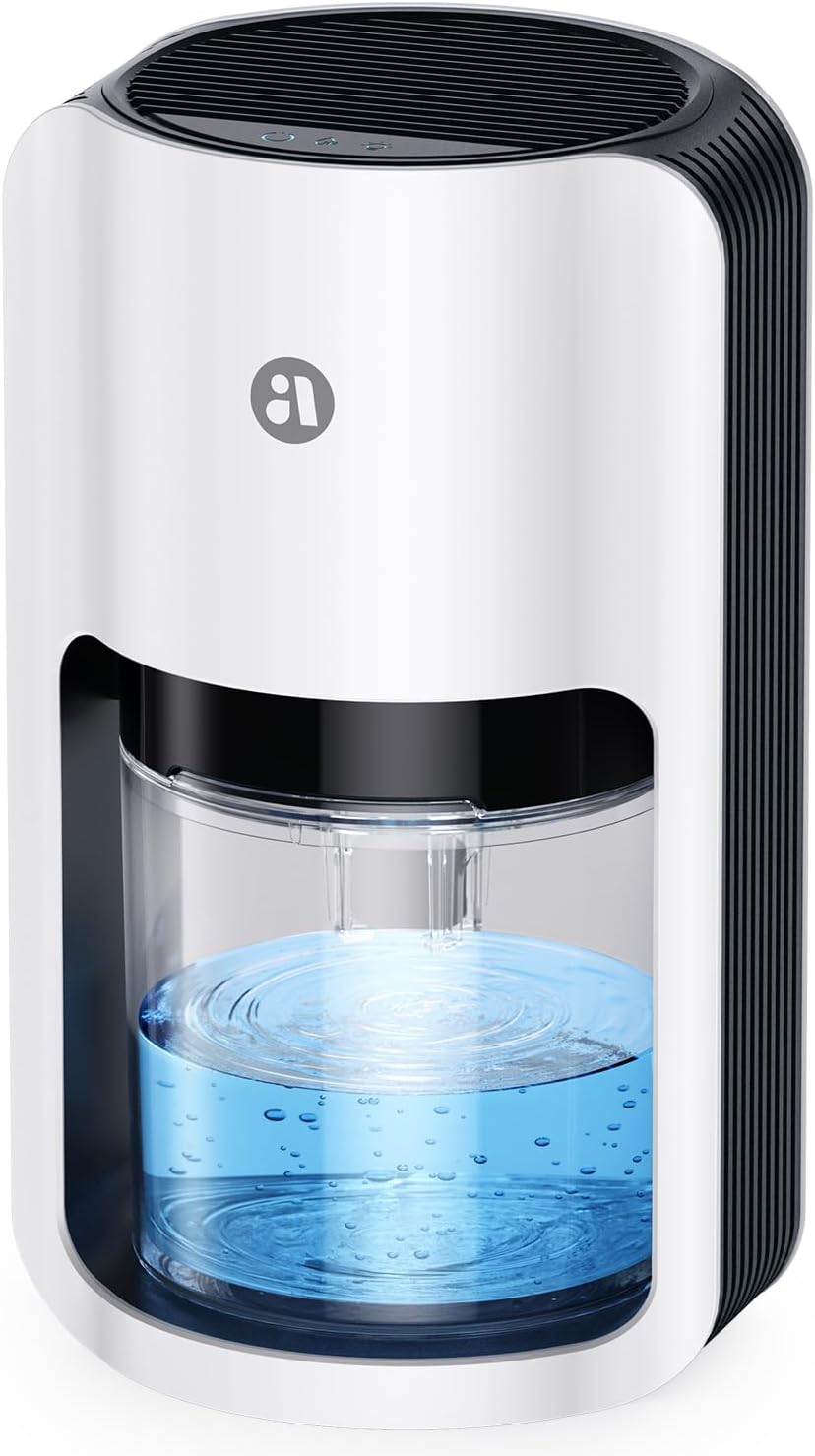
Different Types of Buying Guide
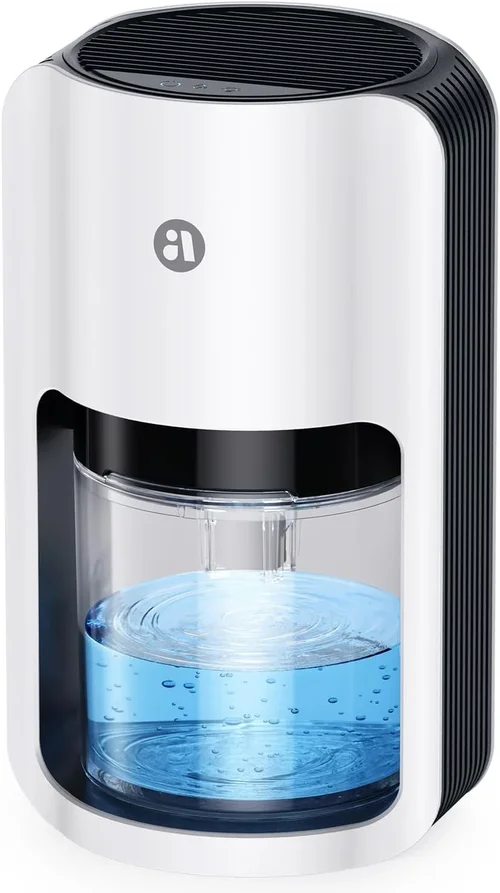
Common Buying Mistakes to Avoid
❌ Mistake: Buying Based Solely on Price
Why it’s bad: The cheapest dehumidifier isn’t always the best value. Ultra-low-cost models often use inferior components, lack safety features, and fail within months. You might end up replacing it yearly, costing more in the long run.
What to do instead: Focus on total cost of ownership—including energy use, durability, and maintenance. A $100 unit that lasts 5 years is better than a $40 unit that dies after 6 months.
❌ Mistake: Ignoring Room Size and Humidity Level
Why it’s bad: A dehumidifier rated for 100 sq ft will struggle in a 50 sq ft bathroom with poor ventilation. Conversely, an oversized unit may short-cycle, reducing efficiency and lifespan.
What to do instead: Measure your bathroom and assess humidity sources (e.g., no exhaust fan, frequent baths). Choose a unit with 10–25 PPD capacity based on actual needs—not marketing claims.
❌ Mistake: Overlooking Drainage Options
Why it’s bad: If you forget to empty the tank daily, the unit stops working—and your bathroom stays damp. This is especially problematic for busy families or vacation homes.
What to do instead: Opt for a model with continuous drainage or a large tank (1+ gallon). Even better, choose one with auto-shutoff and full-tank alerts.
❌ Mistake: Neglecting Noise Levels
Why it’s bad: A noisy dehumidifier can disrupt sleep, conversations, or work if placed near living areas. Many buyers regret not checking decibel ratings beforehand.
What to do instead: Prioritize units under 45 dB for bedrooms or quiet zones. Read verified user reviews for real-world noise feedback.
❌ Mistake: Skipping Maintenance Requirements
Why it’s bad: Dirty filters and clogged coils reduce efficiency and can cause overheating. Some users assume dehumidifiers are “set it and forget it,” but they need regular care.
What to do instead: Choose models with washable, easy-to-access filters. Set calendar reminders to clean them monthly.
❌ Mistake: Assuming All “Compact” Units Are Equal
Why it’s bad: Size doesn’t equal performance. Some tiny units remove only 2–3 pints/day—useless for post-shower humidity.
What to do instead: Compare PPD ratings, not just physical dimensions. A slightly larger unit with higher capacity may fit better in practice.
❌ Mistake: Not Checking Return Policies
Why it’s bad: If the unit doesn’t perform as expected, you could be stuck with a useless appliance. Some retailers have strict return windows or restocking fees.
What to do instead: Buy from retailers with generous return policies (30+ days) and test the unit during peak humidity (e.g., after a hot shower).
Budget Guidelines: How Much Should You Spend?
Entry-Level ($30–$70): These are typically thermoelectric or mini desiccant units. Best for very small spaces (<20 sq ft) or occasional use. Expect basic functionality, small tanks, and limited durability. Ideal for closets, RVs, or emergency moisture control—but not reliable for daily bathroom use. Mid-Range ($70–$130): This is the sweet spot for most homeowners. You’ll find compressor-based or efficient desiccant models with 15–25 PPD capacity, 1-gallon tanks, auto-shutoff, and decent build quality. Many include timers, humidistats, and washable filters. Great balance of performance, features, and value.
Premium ($130–$200): These units offer advanced features like continuous drainage, smart controls, ultra-quiet operation (<40 dB), and robust construction. Often ENERGY STAR certified with longer warranties. Perfect for high-humidity environments, large bathrooms, or users who prioritize convenience and longevity. Luxury ($200+): Top-tier models with Wi-Fi connectivity, app integration, multi-room compatibility, and industrial-grade components. Usually designed for professionals or tech enthusiasts. Overkill for most residential bathrooms but ideal for smart homes or rental properties needing remote monitoring.
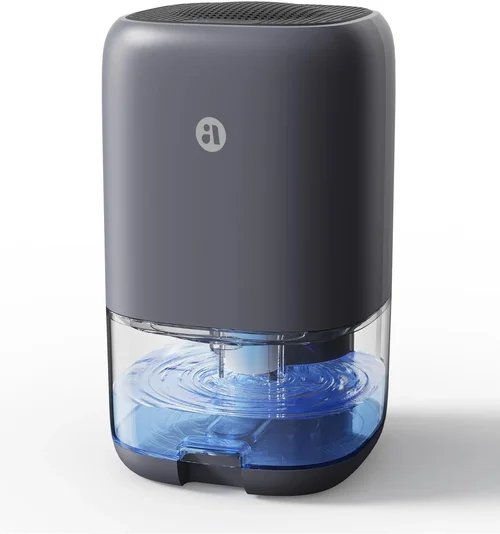
Expert Tips for Getting the Best Deal
– Buy during off-seasons: Prices drop significantly in winter (January–March) when demand is lowest. Stock up before spring humidity hits.
– Check retailer return policies: Amazon, Home Depot, and Lowe’s offer 30–90 day returns. Test your unit thoroughly during this window.
– Look for bundle deals: Some brands include free hoses, filters, or extended warranties during promotions.
– Subscribe to price alerts: Use tools like Honey or CamelCamelCamel to track price drops on specific models.
– Consider refurbished units: Certified refurbished models from reputable sellers often come with full warranties at 20–40% off.
– Read recent reviews: Older reviews may not reflect current manufacturing quality. Focus on feedback from the past 6–12 months.
– Verify ENERGY STAR certification: This ensures efficiency and may qualify you for local utility rebates.
– Don’t ignore shipping costs: Some “budget” models have high shipping fees that erase the savings. Factor in total delivered price.

Frequently Asked Questions
Q: Can a small dehumidifier really make a difference in my bathroom?
A: Absolutely—if sized correctly. A good compact dehumidifier can reduce relative humidity from 70%+ down to a healthy 45–55%, preventing mold growth, protecting grout, and eliminating musty odors. Many users report clearer mirrors, drier towels, and improved air quality within days.
Q: Do I still need an exhaust fan if I use a dehumidifier?
A: Yes! An exhaust fan removes moist air at the source (during showers), while a dehumidifier treats the aftermath. Use both for best results: run the fan during and 20–30 minutes after bathing, then let the dehumidifier maintain baseline humidity.
Q: How often should I clean my dehumidifier?
A: Clean the air filter every 2–4 weeks (more often in dusty environments). Wipe the water tank weekly with mild soap to prevent bacterial growth. Deep-clean coils annually if accessible.
Q: Will a dehumidifier increase my electricity bill significantly?
A: Not if you choose an efficient model. A 200W unit running 8 hours/day costs about $7–$10/month (at $0.15/kWh). ENERGY STAR models use 15–20% less energy, saving you a few dollars monthly.
Q: Can I leave my dehumidifier on all the time?
A: Yes, especially if it has an auto-humidistat. Modern units are designed for continuous operation and will cycle on/off as needed. Just ensure proper ventilation around the unit.
Q: Are dehumidifiers safe to use in bathrooms with electrical outlets?
A: Yes, as long as the outlet is GFCI-protected (standard in modern bathrooms) and the unit is plugged directly into the wall—not an extension cord. Keep the dehumidifier away from direct water spray.
Q: What’s the ideal humidity level for a bathroom?
A: Aim for 45–55% relative humidity. Below 40% can cause dry skin and static; above 60% encourages mold and dust mites. Use a hygrometer to monitor levels.
Q: Can I use a dehumidifier in winter?
A: Most compressor-based units work down to 65°F. For colder bathrooms (like unheated basements), choose a desiccant or low-temperature model. Thermoelectric units struggle below 60°F.
Q: How do I know if my dehumidifier is working properly?
A: Check the water tank—it should collect 0.5–1 pint daily in a humid bathroom. Use a hygrometer to verify humidity levels are dropping. If not, clean the filter or check for airflow obstructions.
Q: Are there eco-friendly dehumidifier options?
A: Look for models with R-32 or R-290 refrigerants (lower global warming potential), ENERGY STAR certification, and recyclable packaging. Some brands also offer take-back programs for old units.
Our Final Recommendations
Best for Budget-Conscious Buyers: Eva-Dry E-333 Renewable Mini Dehumidifier – At under $50, this cordless, rechargeable unit is perfect for tiny spaces or occasional use. No electricity needed—just recharge in sunlight or microwave. Great for closets or RVs, but not powerful enough for daily bathroom humidity.
Best Overall Value: hOmeLabs 1,500 Sq. Ft Dehumidifier (HME020034N) – Despite its name, this compact 15-pint model is ideal for bathrooms up to 50 sq ft. Features auto-humidistat, continuous drain option, washable filter, and quiet operation (45 dB). Priced around $120, it delivers premium performance without the premium price.
Best Premium Option: Ivation 20-Pint Energy Star Dehumidifier (IVADM20) – With a 1.3-gallon tank, auto-defrost, timer, and whisper-quiet 42 dB operation, this unit excels in high-humidity environments. Includes hose for continuous drainage and a 2-year warranty. Priced at $160–$180, it’s built to last.
Best for Beginners: Pro Breeze Electric Mini Dehumidifier – Simple plug-and-play design with a 0.8-gallon tank and basic controls. Ideal for first-time users who want hassle-free moisture control. Affordable ($70–$90) and effective for small bathrooms with moderate humidity.
Best for Advanced Users: AlorAir Sentinel HDi120 (Smart Model) – Wi-Fi enabled with app control, remote monitoring, and integration with Alexa/Google Assistant. Features a 1.5-gallon tank, continuous drain, and commercial-grade build. At $220+, it’s overkill for most homes but perfect for tech-savvy users or property managers.
Conclusion: Making the Right Choice
Choosing the best small bathroom dehumidifier isn’t just about picking the cheapest or most feature-packed model—it’s about matching the right tool to your specific needs. Consider your bathroom’s size, humidity sources, noise tolerance, and how much maintenance you’re willing to handle. Prioritize moisture removal capacity, tank size, energy efficiency, and build quality over flashy extras.
Remember, a dehumidifier is most effective when used consistently and maintained properly. Pair it with good ventilation habits (like running your exhaust fan) and regular cleaning, and you’ll enjoy a fresher, healthier bathroom for years to come.
Don’t let excess moisture compromise your comfort or your home’s integrity. With the insights from this guide, you’re now equipped to make a confident, informed decision. Whether you’re battling mold in a basement bathroom or just want drier towels, there’s a perfect compact dehumidifier out there for you—ready to transform your space from damp and dreary to dry and delightful.