
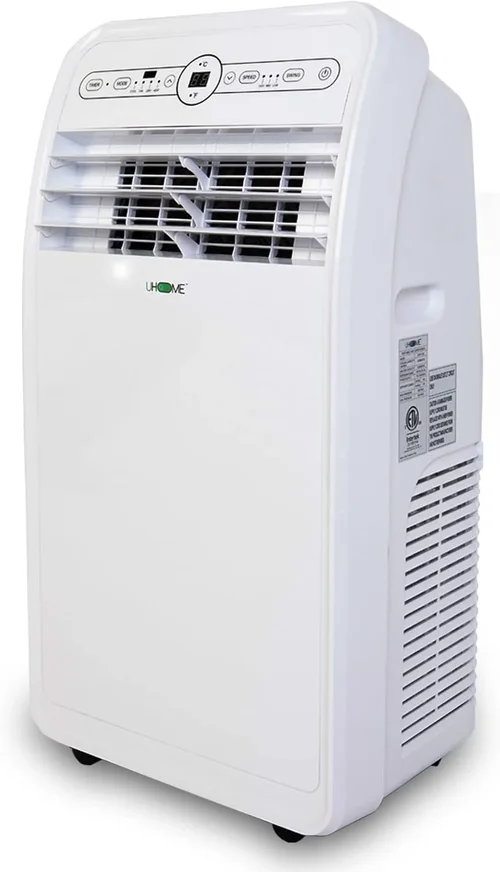
When the summer heat rolls in, most people reach for their air conditioner to stay cool. But what if your AC isn’t doing enough? High humidity can make even a perfectly cooled room feel sticky, uncomfortable, and downright oppressive. That’s where an air conditioner dehumidifier combo comes in—a dual-purpose appliance that cools the air while also removing excess moisture. These units are especially valuable in humid climates, basements, or homes with poor ventilation, where dampness can lead to mold, musty odors, and even health issues.
Choosing the right AC dehumidifier combo isn’t as simple as picking the cheapest or most powerful model. With so many options on the market—ranging from compact portable units to whole-home systems—it’s easy to feel overwhelmed. Some models prioritize cooling power, others focus on energy efficiency, and a few offer smart features like Wi-Fi connectivity and app control. Without the right guidance, you might end up with a unit that’s too small for your space, too loud for comfort, or packed with features you’ll never use. That’s why this comprehensive buying guide exists: to help you cut through the noise and make an informed decision based on your specific needs, budget, and lifestyle.
In this guide, you’ll learn everything you need to know about AC dehumidifier combos, from how they work to what features matter most. We’ll break down the key factors to consider—like performance specs, size, noise levels, and smart functionality—and compare different types of units so you can find the best fit for your home. You’ll also discover common buying mistakes to avoid, budget-friendly options, expert tips for getting the best deal, and answers to frequently asked questions. Whether you’re dealing with a damp basement, a humid bedroom, or just want better indoor air quality, this guide will equip you with the knowledge to choose a combo unit that delivers real comfort and value.

What to Look for When Buying Buying Guide
1. Cooling & Dehumidifying Capacity
The most important factor when choosing an AC dehumidifier combo is its capacity—both for cooling and dehumidifying. Cooling capacity is measured in British Thermal Units per hour (BTUs), while dehumidifying capacity is measured in pints of moisture removed per day. For cooling, a general rule of thumb is that you need about 20 BTUs per square foot of living space. So, a 300-square-foot room would require a unit with at least 6,000 BTUs. However, this can vary based on ceiling height, insulation, number of windows, and local climate. In hotter or more humid areas, you may need a higher BTU rating to maintain comfort.
Dehumidifying capacity is equally critical. Most combo units can remove between 30 and 70 pints of moisture per day. For a moderately damp room (like a basement with occasional condensation), a 50-pint capacity is usually sufficient. But if you’re dealing with persistent dampness, flooding, or high humidity levels above 60%, look for a unit with 60+ pints of dehumidification. Some high-end models even offer “continuous drainage” options, which allow you to connect a hose so the unit can run unattended without needing to empty a water tank.
It’s also worth noting that some manufacturers list “maximum” dehumidification rates under ideal lab conditions, which may not reflect real-world performance. Always check independent reviews or look for units tested by third-party organizations like ENERGY STAR or AHAM (Association of Home Appliance Manufacturers) for more accurate data.
2. Energy Efficiency & Operating Costs
Energy efficiency is a major consideration, especially if you plan to run your AC dehumidifier combo regularly. High energy consumption can lead to steep electricity bills, particularly during peak summer months. Look for units with a high Energy Efficiency Ratio (EER) or Seasonal Energy Efficiency Ratio (SEER). The EER is calculated by dividing the cooling output (in BTUs) by the power input (in watts). A higher EER means the unit uses less electricity to produce the same amount of cooling. For example, a 10,000 BTU unit with an EER of 10 uses 1,000 watts, while one with an EER of 12 uses only about 833 watts—saving you money over time.
ENERGY STAR-certified models are a great starting point. These units meet strict energy efficiency guidelines set by the U.S. Environmental Protection Agency and typically use 15–30% less energy than standard models. While they may cost more upfront, the long-term savings on your utility bill can offset the initial investment. Additionally, some utility companies offer rebates or incentives for purchasing ENERGY STAR appliances, so it’s worth checking with your provider.
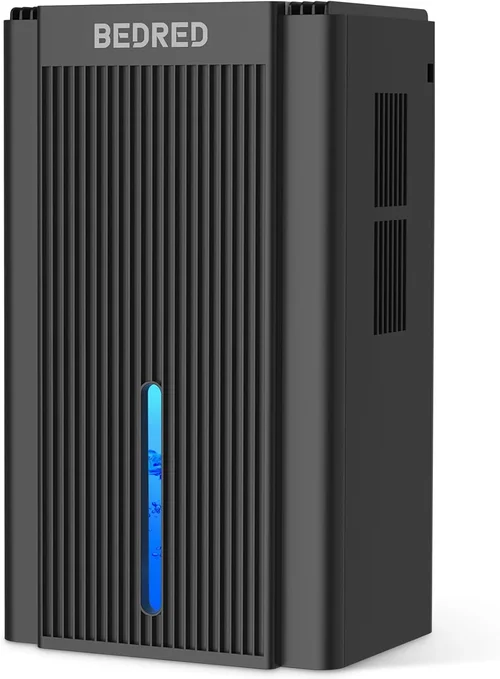
Dehumidifiers also consume energy, and their efficiency is measured in liters of water removed per kilowatt-hour (L/kWh). The higher the L/kWh rating, the more efficient the dehumidifier. Modern compressor-based dehumidifiers are generally more efficient than older desiccant models, especially in warm, humid environments. However, desiccant dehumidifiers can be more effective in cooler temperatures (below 65°F), making them a better choice for basements or garages.
3. Noise Level & Sound Output
Nobody wants a noisy appliance disrupting their sleep or daily activities. Noise level is measured in decibels (dB), and most AC dehumidifier combos range from 50 to 65 dB. For context, 50 dB is about the sound of a quiet conversation, while 65 dB is similar to a normal office environment. If you’re placing the unit in a bedroom, nursery, or home office, aim for a model with a noise level of 55 dB or lower. Some premium units feature “sleep mode” or “quiet mode” that reduces fan speed and compressor activity to minimize sound.
Keep in mind that noise can come from multiple sources: the compressor, fan, and airflow through vents. Compressor noise tends to be a low hum, while fan noise is more of a whooshing sound. Some manufacturers use sound-dampening materials or insulated cabinets to reduce overall noise. Reading user reviews can give you a better sense of real-world noise levels, as lab tests don’t always reflect how loud a unit sounds in a real home.
If noise is a top concern, consider a ducted or split-system combo unit. These systems separate the noisy compressor and condenser (placed outside) from the indoor unit, resulting in much quieter operation. However, they require professional installation and are significantly more expensive than portable models.
4. Size, Portability & Installation Requirements
The physical size and portability of your AC dehumidifier combo will depend on where you plan to use it. Portable units are the most common and versatile. They typically weigh between 50 and 80 pounds and come with caster wheels for easy movement from room to room. Most require a window kit for venting hot air outside, which can be installed in double-hung or sliding windows. Some models also offer through-the-wall installation, which is more permanent but provides better insulation and reduces air leakage.
If you have limited floor space, consider a compact or low-profile design. Some units are specifically built for small apartments, RVs, or tight spaces like under a desk. However, smaller units often have lower BTU and dehumidification ratings, so make sure they’re still powerful enough for your needs.
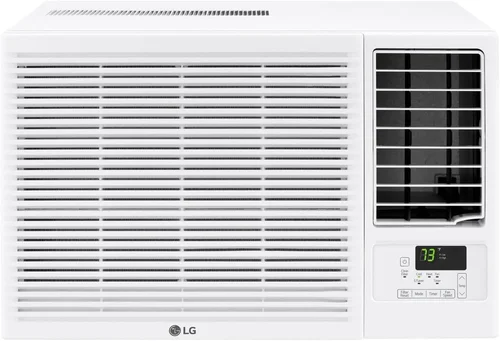
Window-mounted and through-the-wall units are less portable but offer better performance and efficiency. They’re permanently installed and don’t take up floor space, making them ideal for rooms where every inch counts. Split-system combos are the least portable but offer the best performance and quietest operation. They consist of an outdoor condenser unit and one or more indoor air handlers, connected by refrigerant lines. These systems require professional installation and are best suited for whole-home cooling and dehumidification.
Before purchasing, measure your window or wall opening to ensure the unit will fit. Also, check the power requirements—most portable units run on standard 120V outlets, but larger models may need a 240V circuit.
5. Features & Smart Functionality
Modern AC dehumidifier combos come with a wide range of features that can enhance convenience, efficiency, and comfort. One of the most useful is programmable timers, which allow you to set the unit to turn on or off at specific times. This is great for cooling your home before you arrive from work or running the dehumidifier overnight while you sleep.
Remote controls are standard on most models, but smart features are becoming increasingly common. Wi-Fi-enabled units can be controlled via smartphone apps, allowing you to adjust temperature, humidity levels, and fan speed from anywhere. Some apps even provide energy usage reports, maintenance reminders, and integration with smart home systems like Amazon Alexa or Google Assistant. For example, you could say, “Hey Google, set the living room to 72 degrees and 50% humidity,” and the unit will respond instantly.
Other helpful features include auto-restart (which resumes operation after a power outage), washable air filters (to reduce allergens and improve air quality), and multiple fan speeds. Some high-end models offer “follow me” temperature sensors—a remote sensor you can place in the room to ensure the unit responds to the actual temperature where you are, not just near the unit.
Dehumidifiers often include auto-defrost (to prevent ice buildup in cold environments), full-tank alerts, and continuous drainage options. Look for models with easy-to-empty water tanks (typically 1–2 gallons) or hose connections for unattended operation.
6. Build Quality & Durability
A well-built AC dehumidifier combo should last 7–10 years with proper maintenance. Look for units made with high-quality materials, such as corrosion-resistant coils, sturdy plastic casings, and reinforced hinges on filters and access panels. Metal components, especially on the compressor and condenser, should be durable and resistant to rust, particularly if you live in a coastal or humid area.
Check the warranty—most reputable brands offer at least a one-year limited warranty, with some covering parts and labor for up to five years. Extended warranties are available for an additional cost and can provide peace of mind, especially for expensive models. Also, consider the availability of replacement parts and customer support. Brands with strong service networks and online resources (like troubleshooting guides and video tutorials) make maintenance easier.
User reviews can reveal common issues like compressor failure, refrigerant leaks, or faulty sensors. Pay attention to patterns—if multiple users report the same problem, it may indicate a design flaw. On the other hand, consistent praise for reliability and longevity is a good sign.
7. Brand Reputation & Customer Support
Not all brands are created equal. Some manufacturers specialize in HVAC equipment and have decades of experience, while others are newer entrants with limited track records. Established brands like Frigidaire, LG, Honeywell, and Whynter are known for producing reliable, high-performing combo units. They often invest in research and development, leading to innovative features and better energy efficiency.
Customer support is another critical factor. A good brand should offer responsive service via phone, email, or live chat. Look for companies with comprehensive FAQs, user manuals, and video tutorials on their websites. Some even provide 24/7 support during peak seasons. Reading customer service reviews on third-party sites can give you insight into how quickly and effectively a company resolves issues.
Be cautious of lesser-known brands or models sold exclusively through online marketplaces. While they may offer attractive prices, they often lack reliable support and may use lower-quality components. If a deal seems too good to be true, it probably is.
8. Warranty & Return Policy
A solid warranty protects your investment and reflects the manufacturer’s confidence in their product. Most AC dehumidifier combos come with a one-year limited warranty covering parts and labor. However, some premium models offer extended coverage—up to five years—especially on the compressor, which is the most expensive component to replace.
Read the fine print. Some warranties are voided if the unit is installed incorrectly, used in commercial settings, or modified in any way. Others require you to register the product within 30 days of purchase to activate coverage. Keep your receipt and documentation in a safe place.
Return policies are equally important, especially when buying online. Most retailers offer a 30-day return window, but some may charge restocking fees or require you to pay return shipping. Make sure you understand the terms before making a purchase. If possible, buy from a retailer with a generous return policy and free return shipping.
Different Types of Buying Guide

Common Buying Mistakes to Avoid
❌ Mistake: Buying Based Solely on Price
Why it’s bad: Choosing the cheapest model might save you money upfront, but it could cost you more in the long run due to higher energy bills, frequent repairs, or premature replacement. Low-cost units often use inferior components, lack essential features, and have shorter lifespans.
What to do instead: Focus on value, not just price. Consider the total cost of ownership, including energy efficiency, durability, and warranty. A mid-range unit with better efficiency and build quality may save you hundreds over its lifetime.
❌ Mistake: Ignoring Room Size and Conditions
Why it’s bad: A unit that’s too small won’t cool or dehumidify effectively, while one that’s too large will cycle on and off frequently, wasting energy and reducing humidity control. Both scenarios lead to discomfort and higher costs.
What to do instead: Calculate your room’s square footage and assess factors like insulation, window size, and humidity levels. Use a BTU calculator and choose a unit with the appropriate capacity. When in doubt, go slightly larger—but not excessively so.
❌ Mistake: Overlooking Noise Levels
Why it’s bad: A noisy unit can disrupt sleep, concentration, and relaxation, especially in bedrooms or quiet spaces. Many buyers don’t realize how loud a unit is until it’s too late.
What to do instead: Check the decibel rating and read user reviews about noise. If possible, test the unit in-store or choose a model with a “quiet mode” or low-noise design.
❌ Mistake: Skipping the Warranty and Return Policy
Why it’s bad: Without a good warranty or return option, you’re stuck with a faulty or unsuitable unit. Some manufacturers offer limited coverage or charge high fees for repairs.
What to do instead: Always check the warranty terms and return policy before buying. Opt for brands with strong customer support and consider purchasing an extended warranty for peace of mind.
❌ Mistake: Not Considering Installation Requirements
Why it’s bad: Some units require specific window types, electrical circuits, or professional installation. Buying a model that doesn’t fit your setup can lead to frustration and additional costs.
What to do instead: Measure your space, check power requirements, and confirm compatibility with your home. If you’re unsure, consult a professional or choose a portable unit for flexibility.
❌ Mistake: Ignoring Smart Features and Automation
Why it’s bad: Manual operation can be inconvenient, especially if you forget to turn the unit on or off. Without automation, you may waste energy or come home to a hot, humid house.
What to do instead: Look for models with programmable timers, remote controls, or smart app integration. These features improve convenience and can help optimize energy use.
❌ Mistake: Failing to Maintain the Unit
Why it’s bad: Dirty filters, clogged coils, and full water tanks reduce efficiency, increase energy use, and can lead to breakdowns. Many users don’t realize maintenance is essential.
What to do instead: Clean or replace filters monthly, empty the water tank regularly, and schedule professional servicing annually. Follow the manufacturer’s maintenance guide to extend the unit’s lifespan.
Budget Guidelines: How Much Should You Spend?
Entry-Level ($300 – $500): These are basic portable or window-mounted units with moderate cooling and dehumidifying capacity. They’re ideal for small rooms or occasional use. Expect limited features, higher noise levels, and lower energy efficiency. Brands like Midea or Black+Decker offer reliable options in this range.
Mid-Range ($500 – $900): This is the sweet spot for most buyers. Units in this tier offer better performance, energy efficiency, and features like programmable timers, remote controls, and washable filters. Look for models from Frigidaire, LG, or Honeywell. Many include ENERGY STAR certification and quieter operation.
Premium ($900 – $1,500): These models are built for performance and durability. They often include smart features, higher BTU and dehumidification ratings, and advanced controls. Split-system or through-the-wall units fall into this category. Ideal for larger spaces or homes with high humidity.
Luxury ($1,500+): Top-tier units offer whole-home solutions with professional installation, zoning capabilities, and ultra-quiet operation. Mini-split and ducted systems from brands like Daikin or Mitsubishi are in this range. They’re best for new construction, major renovations, or homeowners seeking maximum comfort and efficiency.
Expert Tips for Getting the Best Deal
- Buy during off-season sales: Prices drop significantly in fall and winter when demand is low. Retailers often clear out inventory to make room for new models.
- Shop online for better selection: Online retailers like Amazon, Home Depot, and Lowe’s offer wider inventories, customer reviews, and frequent discounts. Compare prices across sites before buying.
- Look for rebates and incentives: Check with your utility company for energy efficiency rebates. ENERGY STAR models often qualify for cash back or tax credits.
- Read user reviews carefully: Focus on verified purchases and look for patterns in feedback. Pay attention to comments about noise, reliability, and customer service.
- Test before you buy (if possible): Visit a local appliance store to see the unit in person. Check the build quality, noise level, and ease of use.
- Consider refurbished or open-box models: These can save you 20–40% off retail price and often come with the same warranty as new units.
- Negotiate with retailers: Some stores will match online prices or offer free installation. Don’t be afraid to ask.
- Check return policies: Make sure you can return the unit if it doesn’t meet your expectations. Some retailers offer extended return windows during summer.

Frequently Asked Questions
Q: Can an AC dehumidifier combo replace a standalone dehumidifier?
A: Yes, but with caveats. Combo units can effectively remove moisture, but they’re most efficient in warm, humid conditions. In cooler environments (like basements), a dedicated dehumidifier may perform better. For year-round use, consider a combo unit for summer and a separate dehumidifier for winter.
Q: Do I need a special electrical outlet for a combo unit?
A: Most portable units run on standard 120V outlets. However, larger models (12,000+ BTUs) may require a 240V circuit. Check the manufacturer’s specifications and consult an electrician if needed.
Q: How often should I empty the water tank?
A: It depends on humidity levels and tank size. Most tanks hold 1–2 gallons and need emptying every 8–12 hours in high humidity. Units with continuous drainage or auto-shutoff when full are more convenient.
Q: Can I use a combo unit in a basement?
A: Yes, but ensure the unit is rated for cooler temperatures. Some models have auto-defrost or are designed for basement use. Also, consider a unit with a hose for continuous drainage.
Q: Are combo units energy efficient?
A: It varies. ENERGY STAR models are more efficient, but combo units generally use more energy than standalone ACs or dehumidifiers. Look for high EER ratings and smart features to optimize usage.
Q: How do I clean the air filter?
A: Most filters are washable. Remove the filter, rinse it with warm water, let it dry completely, and reinstall. Clean every 2–4 weeks during heavy use.
Q: Can I install a window unit myself?
A: Yes, most window kits are designed for DIY installation. Follow the instructions carefully and ensure a secure fit to prevent air leaks. For through-the-wall or split systems, hire a professional.
Q: What’s the difference between a mini-split and a portable unit?
A: Mini-splits are permanently installed, more efficient, and quieter but require professional setup. Portable units are easier to install and move but less efficient and noisier.
Q: Do combo units help with allergies?
A: Yes. By reducing humidity and filtering airborne particles, they can improve indoor air quality and reduce allergens like mold and dust mites.
Q: How long do these units typically last?
A: With proper maintenance, most combo units last 7–10 years. High-end models with better components may last even longer.
Our Final Recommendations
- Best for Budget-Conscious Buyers: Frigidaire FHWW083WB1 – An 8,000 BTU window unit with 30-pint dehumidification, ENERGY STAR certified, and quiet operation under $500.
- Best Overall Value: LG LW1016ER – A 10,000 BTU portable combo with 45-pint dehumidification, Wi-Fi connectivity, and excellent user reviews for around $700.
- Best Premium Option: Whynter ARC-14S – A 14,000 BTU dual-hose portable unit with 95-pint dehumidification, eco-friendly refrigerant, and robust build quality for $900.
- Best for Beginners: Honeywell HL10CESWK – A user-friendly 10,000 BTU portable unit with simple controls, auto-evaporation, and a 3-in-1 design (cool, fan, dehumidify) for $600.
- Best for Advanced Users: Mitsubishi MZ-FH18NA – A 18,000 BTU mini-split with advanced humidity control, Wi-Fi, and zoning capabilities for whole-home comfort at $2,500.
Conclusion: Making the Right Choice
Choosing the best air conditioner dehumidifier combo is about balancing performance, efficiency, features, and budget. Start by assessing your space, climate, and specific needs—whether it’s cooling a small bedroom, managing basement dampness, or upgrading your entire home’s comfort system. Use the factors outlined in this guide to narrow your options, avoid common pitfalls, and make a confident decision.
Remember, the cheapest option isn’t always the best, and the most powerful unit may be overkill for your space. Prioritize energy efficiency, noise levels, and smart features that align with your lifestyle. And don’t forget to factor in installation, maintenance, and long-term operating costs.
With the right combo unit, you can enjoy cooler, drier, and more comfortable indoor air all summer long—without the hassle of managing separate appliances. Take your time, do your research, and invest in a solution that delivers real value and lasting comfort. Your home—and your peace of mind—will thank you.