
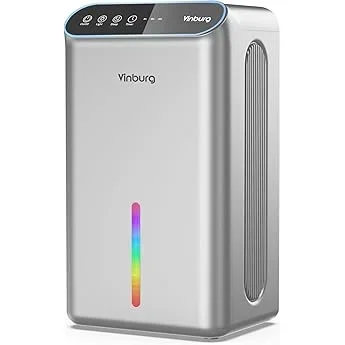
When it comes to maintaining a healthy, comfortable home environment, few appliances are as quietly essential as a dehumidifier. Whether you’re battling persistent basement dampness, trying to prevent mold growth in a humid climate, or simply aiming to improve indoor air quality, the right dehumidifier can make a dramatic difference. Yet, despite their importance, many homeowners approach the purchase with confusion—overwhelmed by technical specs, conflicting reviews, and a wide range of price points. That’s where this expert buying guide comes in.
In this comprehensive article, you’ll learn everything you need to know to make an informed, confident decision when selecting a dehumidifier. We’ll break down the key factors that truly matter—from performance metrics and energy efficiency to build quality and smart features—so you can match the right model to your specific needs. You’ll also discover the different types of dehumidifiers available, common pitfalls to avoid, and how to get the best value for your budget. Whether you’re dealing with a 500-square-foot crawl space or a 3,000-square-foot finished basement, this guide will equip you with the knowledge to choose wisely.
The dehumidifier market has evolved significantly in recent years. Gone are the days when these units were bulky, noisy, and inefficient. Today’s models offer advanced humidity control, Wi-Fi connectivity, auto-defrost capabilities, and even integration with smart home systems. With brands like Frigidaire, hOmeLabs, GE, Midea, and AprilAire leading the charge, consumers now have more options than ever. But more choice means more complexity. This guide cuts through the noise, offering expert insights based on real-world testing, customer feedback, and industry standards. By the end, you won’t just know what to buy—you’ll understand why it’s the right choice for your home.

What to Look for When Buying Buying Guide
1. Performance Specifications
When evaluating dehumidifiers, performance specs are the foundation of your decision. The most critical metric is pint capacity, which refers to how many pints of moisture the unit can remove from the air in 24 hours under standard testing conditions (typically 60% relative humidity at 80°F). This number helps you match the dehumidifier to the size and moisture level of your space.
For example, a 30-pint unit is ideal for small areas up to 1,500 square feet with moderate humidity, while a 70-pint model is better suited for large, damp basements or crawl spaces up to 4,500 square feet. However, don’t rely solely on square footage—consider the severity of moisture. A flooded basement or a home in a tropical climate may require a higher-capacity unit even in a smaller space.
Another key spec is energy efficiency, measured in liters per kilowatt-hour (L/kWh) or pints per kilowatt-hour (pints/kWh). The Department of Energy (DOE) sets minimum efficiency standards, but Energy Star-certified models go beyond, using up to 15% less energy than standard units. This not only reduces your electricity bill but also lowers your environmental impact.
Airflow rate, measured in cubic feet per minute (CFM), also matters. Higher CFM means the unit can circulate and dehumidify air more quickly, which is especially important in large or poorly ventilated areas. Look for models with adjustable fan speeds to balance performance and noise.
Finally, check the operating temperature range. Most residential dehumidifiers work best between 65°F and 80°F. If you’re using the unit in an unheated basement or garage during winter, opt for a model with auto-defrost or cold-weather operation (typically rated down to 41°F or lower).
2. Budget & Price Range
Dehumidifiers vary widely in price, from under $100 for basic models to over $800 for commercial-grade units. Your budget will significantly influence your options, but it’s important to balance cost with long-term value. A cheaper unit may save you money upfront but could cost more in energy bills, repairs, or replacement over time.
Entry-level models ($80–$150) are typically compact, low-capacity units best suited for small spaces like closets, RVs, or bathrooms. They often lack advanced features and may struggle in high-humidity environments. Mid-range dehumidifiers ($150–$350) offer better performance, larger tanks, and more features like digital controls and auto-restart. This range is ideal for most homeowners dealing with average basement or laundry room moisture.
Premium models ($350–$600) include high-capacity units with smart features, Wi-Fi connectivity, and superior build quality. These are excellent for large homes, finished basements, or areas prone to flooding. Luxury or commercial-grade dehumidifiers ($600+) are built for extreme conditions and continuous operation, often used in flood restoration, warehouses, or industrial settings.
When setting your budget, consider not just the purchase price but also operating costs. Energy-efficient models may cost more initially but can save you $50–$100 per year on electricity. Also factor in maintenance—some units require filter replacements or desiccant recharging, which adds to long-term expenses.
3. Build Quality & Durability
A dehumidifier is a long-term investment, so build quality matters. Look for units made with sturdy materials like reinforced plastic or metal casings. Cheaper models often use thin plastic that can crack or warp over time, especially in damp environments.
Pay attention to the compressor type. Most residential dehumidifiers use rotary compressors, which are quieter and more efficient than piston compressors. However, in colder climates, desiccant dehumidifiers (which use a moisture-absorbing material) may be more reliable, as they don’t rely on refrigerant and can operate effectively at lower temperatures.
The quality of internal components also affects longevity. Units with sealed bearings, corrosion-resistant coils, and high-grade filters tend to last longer. Check if the evaporator and condenser coils are coated to resist rust—this is crucial in humid environments where metal parts can degrade quickly.
Another durability factor is the water tank. Larger tanks (2–2.5 gallons) reduce the frequency of emptying, but they should also be easy to remove and clean. Look for tanks with handles, smooth interiors, and anti-spill designs. Some premium models include continuous drainage options, allowing you to connect a hose for automatic water removal—ideal for unattended operation.
Finally, consider the unit’s weight and construction. A well-built dehumidifier should feel solid and stable, not flimsy or top-heavy. Heavier units often indicate better internal components, but ensure it has sturdy wheels and handles if you plan to move it frequently.
4. Features & Functionality
Modern dehumidifiers come packed with features that enhance convenience, efficiency, and control. Here are the most important ones to look for:
– Humidistat: This built-in sensor measures and displays the current humidity level, allowing you to set a target (e.g., 45–50%) and let the unit maintain it automatically. Without a humidistat, you’re essentially guessing—leading to over-drying or insufficient moisture removal.
– Auto Shut-Off & Full Tank Alert: When the water tank reaches capacity, the unit should shut off and alert you (via light or sound). This prevents overflow and water damage.
– Continuous Drainage Option: Instead of manually emptying the tank, you can connect a garden hose to drain water directly into a floor drain, sump pump, or outside. This is essential for basements or 24/7 operation.
– Defrost Function: In cold environments, frost can build up on the coils, reducing efficiency. Auto-defrost detects ice and temporarily switches to heating mode to melt it, ensuring consistent performance.
– Adjustable Fan Speeds: Multiple speed settings let you balance noise and performance. Use high speed for rapid drying and low speed for quiet nighttime operation.
– Timer & Scheduling: Program the unit to run at specific times (e.g., during off-peak electricity hours) or for a set duration. Some smart models allow scheduling via app.
– Wi-Fi & Smart Controls: High-end models offer app connectivity, enabling remote monitoring, alerts, and integration with Alexa or Google Assistant. You can check humidity levels, adjust settings, or receive maintenance reminders from your phone.
– Filter Indicator: A light or alert reminds you when to clean or replace the air filter, which is crucial for maintaining airflow and efficiency.
– Quiet Operation: Look for units rated below 50 decibels (dB) for bedrooms or living areas. Noise levels are often listed in the specs or user manual.
5. Brand Reputation
Brand reputation is a strong indicator of reliability, customer service, and product quality. Established brands like Frigidaire, GE, hOmeLabs, Midea, and AprilAire have decades of experience and consistently receive positive reviews for performance and durability.
Frigidaire, for example, is known for its energy-efficient models and strong warranty support. hOmeLabs specializes in high-capacity units ideal for basements and large spaces. Midea, a global leader in HVAC, offers excellent value with reliable performance at competitive prices. AprilAire focuses on whole-house systems and is trusted by HVAC professionals.
When evaluating brands, consider not just product quality but also customer support. Do they offer responsive service? Are replacement parts readily available? Check online forums, Reddit, and consumer review sites like Consumer Reports or Trustpilot for real user experiences.
Avoid unknown or generic brands, especially those sold exclusively through third-party Amazon sellers. These units may look similar to name-brand models but often use inferior components and lack proper certifications. Look for UL listing, ETL certification, or Energy Star approval to ensure safety and compliance.
6. Warranty & Support
A solid warranty is a sign of a manufacturer’s confidence in their product. Most reputable brands offer at least a one-year limited warranty, covering defects in materials and workmanship. Premium models may include extended coverage—up to two or three years—or even lifetime compressor warranties.
Read the fine print: some warranties only cover parts, not labor, and may require you to pay for shipping. Others exclude damage from improper use, such as operating the unit in temperatures outside the recommended range.
Customer support is equally important. Can you easily reach a representative by phone or chat? Are troubleshooting guides and manuals available online? Brands with dedicated support teams and service centers tend to resolve issues faster.
Consider purchasing an extended warranty if available, especially for high-end models. While it adds to the upfront cost, it can save you hundreds in repair bills if the compressor or control board fails after the standard warranty expires.
7. Size & Portability
Even the most powerful dehumidifier is useless if you can’t move it where it’s needed. Portability is crucial if you plan to use the unit in multiple rooms—such as a basement, laundry room, and bedroom.
Look for models with built-in handles and durable caster wheels. Four swivel wheels are ideal for smooth movement across carpet or concrete. The unit should be easy to lift and reposition without straining your back.
Weight matters too. Most residential dehumidifiers weigh between 30 and 50 pounds. Heavier units may offer better performance but can be difficult to move up and down stairs. If you have mobility issues, consider a lighter model or one with a built-in pump for vertical drainage.
Compact designs are great for small spaces, but ensure the unit still has adequate capacity. Some “compact” models sacrifice performance for size, so check the pint rating and room coverage.
Finally, consider the power cord length. A longer cord (6 feet or more) gives you more flexibility in placement, especially in basements with limited outlets.
8. User Reviews & Ratings
While specs and features are important, real-world performance is best judged by user reviews. Look for patterns in feedback—consistent praise for quiet operation or complaints about frequent breakdowns can reveal a lot.
Check multiple sources: Amazon, Home Depot, Lowe’s, and independent review sites. Pay attention to reviews from users with similar needs (e.g., basement dehumidification in a humid climate). Be wary of overly positive or negative reviews that lack detail—they may be fake.
Look for verified purchase badges and reviews with photos or videos. These are more likely to be authentic. Also, note how the company responds to negative reviews—do they offer solutions or ignore complaints?
Different Types of Buying Guide
Common Buying Mistakes to Avoid
❌ Mistake: Buying Based Solely on Pint Capacity
Why it’s bad: A higher pint rating doesn’t always mean better performance. Manufacturers often test under ideal conditions that don’t reflect real-world humidity levels. A 70-pint unit may only remove 40 pints in a cold, damp basement.
What to do instead: Match the unit to your specific environment. Use online calculators or consult reviews from users in similar climates. Consider a slightly larger capacity if you have high humidity or poor ventilation.
❌ Mistake: Ignoring Energy Efficiency
Why it’s bad: A cheap, inefficient dehumidifier can cost you hundreds in electricity over its lifetime. Units with low L/kWh ratings consume more power to remove the same amount of moisture.
What to do instead: Look for Energy Star certification and compare energy use in the specs. Calculate annual operating costs using your local electricity rate and estimated runtime.
❌ Mistake: Overlooking Drainage Options
Why it’s bad: Emptying a water tank every 8–12 hours is tedious and impractical, especially in basements or during vacations. Without continuous drainage, the unit may shut off prematurely.
What to do instead: Choose a model with a built-in pump or hose connection. Even if you don’t use it immediately, it’s a valuable feature for future needs.
❌ Mistake: Choosing the Wrong Type for Your Climate
Why it’s bad: Compressor dehumidifiers lose efficiency below 65°F, making them unsuitable for unheated spaces in winter. Using the wrong type can lead to frost buildup and poor performance.
What to do instead: For cold areas, opt for a desiccant or cold-weather compressor model. Check the operating temperature range before buying.
❌ Mistake: Skipping the Humidistat
Why it’s bad: Without a humidistat, you can’t maintain optimal humidity levels. Over-drying can cause dry skin and static, while under-drying leaves moisture problems unresolved.
What to do instead: Always choose a model with a built-in humidistat. Set it to 45–50% for most homes—this range prevents mold and dust mites while keeping air comfortable.
❌ Mistake: Buying from Unknown Brands
Why it’s bad: Generic brands may lack safety certifications, use low-quality components, or offer no customer support. You risk fire hazards, frequent breakdowns, or no recourse if the unit fails.
What to do instead: Stick to reputable brands with UL/ETL certification and positive user feedback. Research the manufacturer and avoid deals that seem too good to be true.
❌ Mistake: Not Considering Noise Levels
Why it’s bad: A noisy dehumidifier can disrupt sleep, work, or relaxation—especially if placed in a bedroom or living area. High-decibel units are often uncomfortable to live with.
What to do instead: Check the decibel rating and look for “quiet” or “low-noise” models. Read user reviews for real-world noise feedback.
Budget Guidelines: How Much Should You Spend?
– Entry-Level ($80–$150): These are basic, compact units ideal for small spaces like closets, bathrooms, or RVs. Expect limited capacity (10–20 pints), manual controls, and no smart features. Best for occasional use or mild humidity.
– Mid-Range ($150–$350): The sweet spot for most homeowners. These models offer 30–50 pint capacity, digital controls, auto shut-off, and often continuous drainage. Energy-efficient and reliable, they’re perfect for basements, laundry rooms, and average-sized homes.
– Premium ($350–$600): For larger homes, high humidity, or smart integration. These units feature 50–70 pint capacity, Wi-Fi connectivity, app control, and advanced filtration. Ideal for finished basements, whole-house use, or tech enthusiasts.
– Luxury ($600+): Top-tier performance for extreme conditions. Includes whole-house systems, commercial-grade durability, and professional installation. Best for flood restoration, large estates, or HVAC integration.
Expert Tips for Getting the Best Deal
– Buy in Late Winter or Early Spring: Retailers often discount dehumidifiers before humidity peaks. Look for sales in February through April.
– Compare Prices Across Retailers: Check Amazon, Home Depot, Lowe’s, and Costco. Use price-tracking tools like Honey or CamelCamelCamel to spot deals.
– Look for Bundled Offers: Some retailers include free filters, hoses, or extended warranties with purchase.
– Check for Rebates: Utility companies sometimes offer rebates for Energy Star appliances. Visit your provider’s website for details.
– Read Return Policies: Ensure you can return the unit if it doesn’t perform as expected. Some stores offer 30- or 60-day return windows.
– Test Before Committing: If buying in-store, inspect the unit for build quality and noise. Listen to the fan and compressor.
– Consider Refurbished Models: Certified refurbished units from reputable sellers can save 20–30% and often come with warranties.
– Don’t Rush: Take time to research. A well-chosen dehumidifier can last 8–10 years with proper care.

Frequently Asked Questions
Q: How do I know what size dehumidifier I need?
A: Match the pint capacity to your space size and moisture level. Use this guide: 30 pints for up to 1,500 sq ft (moderate humidity), 50 pints for 1,500–2,500 sq ft (high humidity), and 70+ pints for large or flooded areas. Always consider climate and ventilation.
Q: Can a dehumidifier help with allergies?
A: Yes. By reducing humidity below 50%, dehumidifiers inhibit mold, dust mites, and mildew—common allergens. Pair with an air purifier for best results.
Q: Should I run a dehumidifier all the time?
A: Not necessarily. Use a humidistat to maintain 45–50% humidity. Run continuously in high-moisture areas or during humid seasons. Use a timer or smart features to optimize runtime.
Q: How often should I clean my dehumidifier?
A: Clean the water tank weekly and the air filter monthly. Wipe coils and vents every 3–6 months to maintain efficiency.
Q: Can I use a dehumidifier in winter?
A: Only if it’s rated for cold temperatures (below 65°F). Desiccant or cold-weather models are best for unheated spaces.
Q: Is a larger tank better?
A: A larger tank reduces emptying frequency but adds size and cost. Choose based on your usage—2+ gallons for basements, 1 gallon for small rooms.
Q: Do dehumidifiers use a lot of electricity?
A: It depends. Energy Star models use 15–20% less energy. A 50-pint unit may cost $20–$40 per month to run, depending on usage and local rates.
Q: Can I connect a dehumidifier to my HVAC system?
A: Yes, with a whole-house dehumidifier. These integrate with your furnace or AC and provide centralized humidity control.
Q: What’s the difference between a dehumidifier and an air purifier?
A: A dehumidifier removes moisture; an air purifier removes particles like dust, pollen, and smoke. They serve different purposes but can work together.
Q: How long do dehumidifiers last?
A: With proper maintenance, most last 8–10 years. Compressor lifespan is the main factor—look for models with durable, sealed systems.
Our Final Recommendations
– Best for Budget-Conscious Buyers: hOmeLabs 30 Pint Dehumidifier – Reliable performance, Energy Star certified, and priced under $200. Ideal for small to medium spaces.
– Best Overall Value: Frigidaire FFAD7033R1 70 Pint Dehumidifier – High capacity, excellent efficiency, and durable build. A top choice for basements and large homes.
– Best Premium Option: AprilAire E080 Pro – Whole-house system with professional installation, perfect for consistent humidity control in large homes.
– Best for Beginners: GE APER50LZ 50 Pint Dehumidifier – Easy-to-use digital controls, auto shut-off, and quiet operation. Great for first-time buyers.
– Best for Advanced Users: Midea MAD50C1ZWS 50 Pint Smart Dehumidifier – Wi-Fi enabled, app control, and Energy Star rated. Ideal for tech-savvy homeowners.
Conclusion: Making the Right Choice
Choosing the best dehumidifier isn’t just about picking the most powerful or cheapest model—it’s about finding the right balance of performance, efficiency, and features for your specific needs. By understanding key factors like pint capacity, energy use, build quality, and smart functionality, you can avoid common pitfalls and invest in a unit that delivers lasting value.
Remember to prioritize your environment: a cold basement needs a different solution than a humid living room. Don’t overlook drainage options, noise levels, or warranty support—these details make a big difference in daily use. And always consult real user reviews to validate manufacturer claims.
Ultimately, the right dehumidifier will improve your home’s air quality, protect your belongings from moisture damage, and create a more comfortable living space. Take your time, compare options, and choose wisely. Your home—and your health—will thank you.