
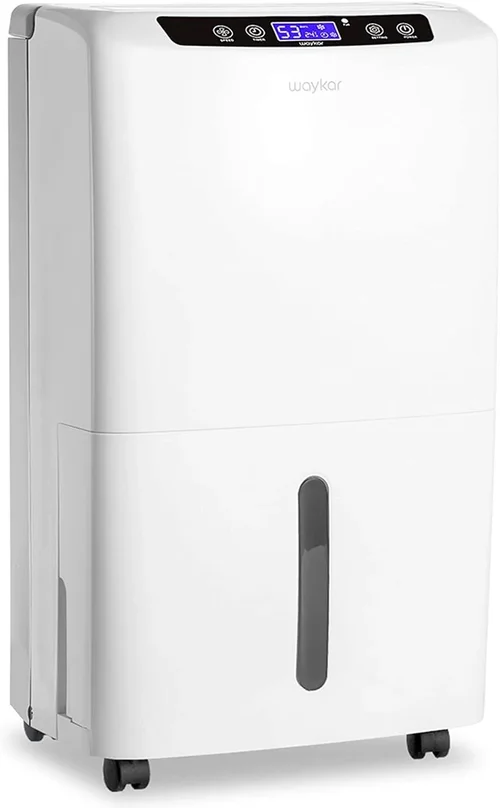
If you’ve ever stepped into your basement and immediately noticed that damp, musty smell—or worse, spotted mold creeping along the walls or water stains on the floor—you know how quickly moisture can turn a functional space into a problem zone. Basements are naturally prone to high humidity due to their underground location, poor ventilation, and proximity to groundwater. Over time, excess moisture doesn’t just create unpleasant odors; it can damage stored belongings, compromise structural integrity, and even trigger respiratory issues like allergies or asthma. That’s where a high-quality dehumidifier comes in. But not all dehumidifiers are created equal—especially when it comes to tackling the unique challenges of basement environments.
This comprehensive buying guide is designed to help you cut through the noise and make an informed decision. Whether you’re dealing with a small, occasionally damp crawl space or a large, full-height basement prone to flooding, we’ll walk you through everything you need to know. You’ll learn how to evaluate performance specs, understand different types of units, avoid common pitfalls, and choose a model that fits both your space and your budget. We’ve analyzed dozens of top-rated basement dehumidifiers based on expert reviews, real user feedback, energy efficiency, durability, and long-term value. By the end of this guide, you’ll have the confidence to select the best dehumidifier for your specific needs—and finally reclaim your basement from the grip of humidity.
The market for basement dehumidifiers has exploded in recent years, with options ranging from compact, budget-friendly units under $150 to heavy-duty, commercial-grade machines exceeding $800. While this variety offers more choice than ever, it also makes shopping overwhelming. Many buyers end up with underpowered units that struggle in large spaces, or overpay for features they don’t need. Others overlook critical factors like drainage options, noise levels, or cold-weather performance—only to regret their purchase months later. Our goal is to eliminate that frustration. We’ll break down the key considerations, compare popular categories, highlight expert tips, and provide clear recommendations so you can invest wisely in a solution that lasts.
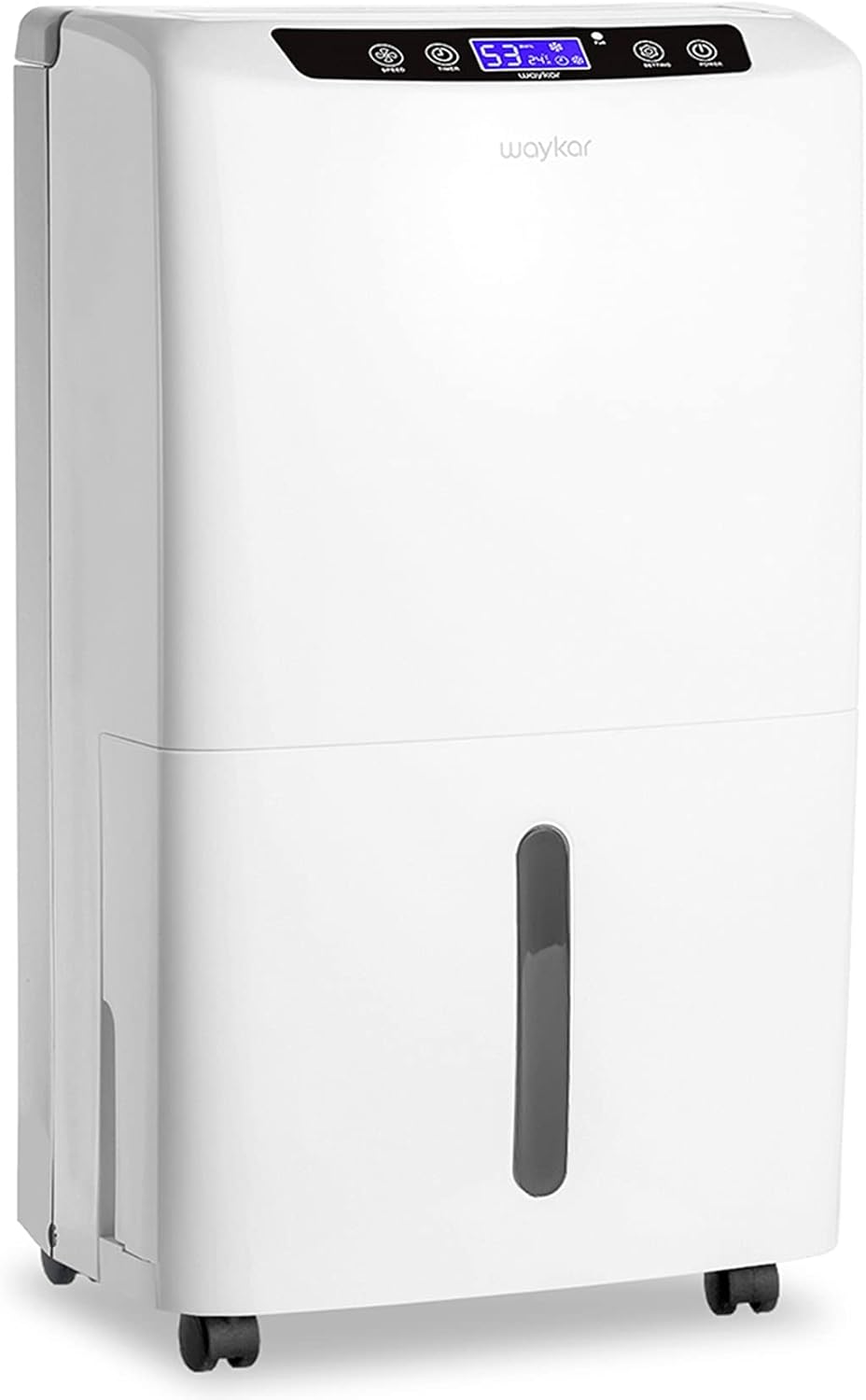
What to Look for When Buying a Basement Dehumidifier
1. Capacity (Pints per Day)
The most important specification when choosing a basement dehumidifier is its moisture removal capacity, measured in pints per day (PPD). This tells you how much water the unit can extract from the air in a 24-hour period under standard testing conditions (typically 60% relative humidity at 80°F). For basements, which often experience higher humidity and larger square footage than above-ground rooms, capacity is paramount.
As a general rule:
– Small basements (up to 500 sq ft): Look for 30–50 PPD
– Medium basements (500–1,500 sq ft): Aim for 50–70 PPD
– Large or very damp basements (1,500+ sq ft): Choose 70+ PPD
However, don’t rely solely on square footage. If your basement floods occasionally, has poor insulation, or is located in a humid climate (like the Southeast U.S.), you may need a higher-capacity unit—even for a modest space. Conversely, if your basement is well-sealed and only slightly damp, a lower-capacity model might suffice. Always check the manufacturer’s “recommended room size” but treat it as a starting point, not a guarantee.
2. Energy Efficiency & Operating Costs
Dehumidifiers run for hours—sometimes continuously—especially in damp basements. That means energy consumption directly impacts your utility bill. The best basement dehumidifiers balance powerful moisture removal with low power usage.
Check the Energy Factor (EF), measured in liters of water removed per kilowatt-hour (L/kWh). Higher EF = more efficient. Most modern units range from 1.5 to 2.5 L/kWh. ENERGY STAR-certified models typically exceed 2.0 L/kWh and can save you 15–30% on operating costs compared to non-certified units.
Also consider the wattage. A 50-pint dehumidifier might use anywhere from 400 to 700 watts. Multiply daily runtime by wattage and your local electricity rate to estimate monthly costs. For example, a 500-watt unit running 10 hours/day at $0.12/kWh costs about $18/month. Over a year, that adds up—so efficiency matters.
3. Drainage Options
Emptying a water bucket every day is tedious and impractical, especially in hard-to-reach basements. That’s why continuous drainage is a game-changer. Most quality basement dehumidifiers offer multiple drainage options:
– Gravity drain hose: Attach a standard garden hose to the built-in spout and route it to a floor drain, sump pump, or outside. Works best when the unit is lower than the drain point.
– Pump-assisted drainage: Some models include an internal condensate pump that can push water upward (up to 15 feet vertically) and over long distances—ideal for basements without floor drains.
– Auto-restart with pump: If power goes out, the unit resumes operation and continues draining once power returns—critical during storms or outages.
Always verify whether a pump is included or sold separately. Pump-enabled models cost more but are worth it for hassle-free operation.
4. Cold Weather Performance
Basements are often cooler than main living areas—sometimes dipping below 60°F in winter. Standard refrigerant dehumidifiers lose efficiency as temperatures drop and may shut off entirely below 65°F due to frost buildup on the coils.
If your basement stays cool year-round, look for a low-temperature dehumidifier with auto-defrost or “cold climate” certification. These units use enhanced compressors and sensors to operate efficiently down to 41°F or even lower. Models like the Frigidaire FFAD7033R1 or hOmeLabs HME020034N are known for reliable cold-weather performance.
Avoid “basement use” claims without cold-weather specs—many budget units claim versatility but fail in real-world winter conditions.
5. Noise Level
Basements are often used for laundry, storage, or even as home gyms or workshops. A loud dehumidifier can be disruptive. Noise is measured in decibels (dB); most units range from 45 dB (quiet library) to 60+ dB (normal conversation).
For occupied spaces, aim for under 55 dB. Many premium models feature insulated cabinets, variable-speed fans, and quiet compressors to minimize sound. Check user reviews—manufacturer specs often understate real-world noise.
If noise is a top concern, consider placing the unit in a utility closet or corner away from activity areas. Some models also offer “sleep mode” or nighttime settings that reduce fan speed.
6. Build Quality & Durability
Basements are harsh environments: dusty, damp, and sometimes poorly ventilated. A flimsy plastic housing or thin internal components won’t last. Look for:
– Metal casing (not all plastic)
– Corrosion-resistant coils (epoxy-coated or copper/aluminum hybrids)
– Sealed electrical components to prevent moisture damage
– Robust wheels and handles for easy movement
Brands like AprilAire, Santa Fe, and Dri-Eaz specialize in commercial-grade durability. Even consumer models from Frigidaire, GE, and Honeywell often use reinforced designs for basement use.
Avoid ultra-cheap units with all-plastic bodies—they’re prone to cracking, warping, and electrical failure in humid conditions.
7. Smart Features & Controls
Modern dehumidifiers offer increasingly sophisticated controls that enhance convenience and efficiency:
– Humidistat: Lets you set a target humidity level (ideally 30–50% for basements). The unit cycles on/off automatically to maintain it.
– Digital display: Shows current humidity, settings, and alerts (e.g., full bucket, filter change).
– Timer: Schedule operation during off-peak hours or when you’re away.
– Wi-Fi connectivity: Control via smartphone app (e.g., GE Smart Dehumidifier, Midea U-Shaped). Useful for monitoring remotely or integrating with smart home systems.
– Filter indicator: Reminds you when to clean or replace the air filter.
While not essential, these features improve usability and help maintain optimal conditions without constant manual adjustments.
8. Warranty & Customer Support
A dehumidifier is a long-term investment. A solid warranty protects against defects and reflects manufacturer confidence. Most reputable brands offer:
– 1-year limited warranty (standard)
– 2–3 years on premium models
– Extended coverage on compressors or sealed systems (up to 5 years)
Check what’s covered: labor, parts, shipping? Is in-home service available? Read the fine print—some warranties void if used in “commercial” settings (even home basements).
Also research customer support responsiveness. Brands like Frigidaire and Honeywell have strong U.S.-based support, while lesser-known imports may offer limited assistance.
Different Types of Basement Dehumidifiers

Common Buying Mistakes to Avoid
❌ Mistake: Buying Based Solely on Price
Why it’s bad: The cheapest dehumidifier often lacks the capacity, durability, or features needed for basement use. You’ll end up replacing it within a year—costing more long-term.
What to do instead: Focus on value, not just upfront cost. A $300 unit that lasts 5 years and saves $50/year in energy is better than a $150 model that fails in 18 months.
❌ Mistake: Ignoring Drainage Needs
Why it’s bad: Without continuous drainage, you’ll be emptying buckets daily—even hourly in very damp conditions. This quickly becomes unsustainable.
What to do instead: Choose a model with gravity drain or an internal pump. If your basement has a sump pit or floor drain, confirm compatibility before buying.
❌ Mistake: Overlooking Cold Weather Operation
Why it’s bad: Many standard dehumidifiers shut down below 65°F, leaving your basement unprotected in winter when condensation risks are high.
What to do instead: Verify the operating temperature range. Look for “auto-defrost” or “cold climate” in the specs if your basement drops below 60°F.
❌ Mistake: Choosing the Wrong Capacity
Why it’s bad: An undersized unit runs constantly, wears out faster, and never achieves target humidity. An oversized one cycles too frequently, wasting energy.
What to do instead: Use a hygrometer to measure your basement’s actual humidity. Combine that with square footage and moisture sources (e.g., leaks, poor ventilation) to select the right PPD.
❌ Mistake: Skipping the Warranty Check
Why it’s bad: Dehumidifiers have complex components (compressors, sensors, pumps). Repairs can cost nearly as much as a new unit.
What to do instead: Prioritize brands with at least a 2-year warranty and accessible customer service. Register your product immediately after purchase.
❌ Mistake: Not Considering Noise
Why it’s bad: A noisy unit may get unplugged or moved to a less effective location, reducing its efficiency.
What to do instead: Read user reviews about noise levels. If possible, test the unit in-store or choose models with decibel ratings under 55 dB.
❌ Mistake: Forgetting About Maintenance
Why it’s bad: Dirty filters and clogged coils reduce efficiency and can cause breakdowns.
What to do instead: Choose models with washable or easily replaceable filters. Set calendar reminders for monthly cleaning.
Budget Guidelines: How Much Should You Spend?
– Entry-Level ($100–$250): These are basic refrigerant units with 30–50 PPD capacity. Best for small, mildly damp basements. Expect plastic builds, manual drainage, and limited features. Examples: Tosot 30 Pint, Ivation 50 Pint. Good for occasional use but may struggle in challenging conditions.
– Mid-Range ($250–$450): The sweet spot for most homeowners. Units in this range offer 50–70 PPD, continuous drainage (gravity or pump), auto-humidistat, and better build quality. ENERGY STAR models are common here. Examples: Frigidaire FFAD7033R1, hOmeLabs 70 Pint, GE APER70LW. Ideal for average-sized basements with moderate to high humidity.
– Premium ($450–$800): Designed for demanding environments. Features include internal pumps, Wi-Fi controls, cold-weather operation, metal casings, and extended warranties. Perfect for large basements, rental properties, or those wanting “set it and forget it” convenience. Examples: AprilAire E080, Midea Cube 70 Pint Smart.
– Luxury ($800+): Whole-house or commercial-grade systems. These integrate with HVAC, treat multiple zones, and handle extreme moisture (floods, high-traffic areas). Require professional installation. Examples: Santa Fe Compact 70, Dri-Eaz F500. Only necessary for severe cases or large properties.
Expert Tips for Getting the Best Deal
– Buy in Spring or Early Summer: Demand peaks in humid months, so retailers often discount older models in March–May to clear inventory. You’ll find the best deals before the rainy season hits.
– Check Manufacturer Rebates: Brands like Frigidaire and Honeywell frequently offer $20–$50 mail-in rebates, especially on ENERGY STAR models. Combine with store sales for extra savings.
– Shop Online for Reviews & Prices: Amazon, Home Depot, and Lowe’s provide detailed specs, verified buyer reviews, and price-matching. Use filters to compare noise, capacity, and drainage.
– Consider Refurbished or Open-Box: Certified refurbished units from reputable sellers (e.g., Frigidaire Factory Store) come with full warranties and cost 20–40% less.
– Read the Return Policy: Ensure you can return the unit within 30–60 days if it doesn’t perform as expected. Some retailers charge restocking fees—avoid these.
– Test Before Committing: If buying in-store, ask to see the unit powered on. Listen for excessive noise and check the control panel clarity.
– Bundle with Other Purchases: Some HVAC or appliance retailers offer discounts when you buy a dehumidifier with a sump pump, air purifier, or insulation.
– Register for Warranty Immediately: Many brands require registration within 10–30 days of purchase to activate coverage.

Frequently Asked Questions
Q: How do I know if my basement needs a dehumidifier?
A: Signs include persistent musty odors, visible mold or mildew, condensation on windows or pipes, peeling paint, warped wood, or a sticky feeling in the air. Use a hygrometer to measure humidity—if it’s consistently above 60%, a dehumidifier is recommended.
Q: Can I use a regular room dehumidifier in my basement?
A: Technically yes, but most room units aren’t built for basement conditions (dust, cold temps, continuous run). They may lack drainage options, durability, or cold-weather performance. Opt for a model specifically rated for basement or whole-home use.
Q: Should I run the dehumidifier all the time?
A: Not necessarily. Set it to maintain 30–50% humidity and let the humidistat control operation. In very damp seasons, it may run frequently; in dry months, less so. Avoid setting it too low (<30%)—this can over-dry the air and damage wood structures.
Q: How often should I clean the filter?
A: Every 4–6 weeks during heavy use, or monthly if running continuously. A clogged filter restricts airflow, reducing efficiency and straining the compressor.
Q: Can a dehumidifier help with radon or mold?
A: A dehumidifier reduces moisture that fuels mold growth, helping prevent new colonies. However, it doesn’t remove existing mold spores or mitigate radon gas. For radon, you need a specialized mitigation system.
Q: What’s the difference between a dehumidifier and an air purifier?
A: A dehumidifier removes moisture from the air; an air purifier removes particles like dust, pollen, and mold spores. They serve different purposes—but some combo units exist.
Q: Will a dehumidifier lower my heating bill?
A: Indirectly, yes. Dry air feels warmer than humid air at the same temperature, so you may be able to lower your thermostat slightly in winter. However, the dehumidifier itself consumes electricity, so net savings are usually minimal.
Q: How long do basement dehumidifiers last?
A: With proper maintenance, most last 5–10 years. Compressor-based units tend to outlast desiccant models. Regular filter cleaning and coil inspection extend lifespan.
Q: Can I install a dehumidifier myself?
A: Portable units are plug-and-play. Whole-house systems require ductwork and professional HVAC installation. Always follow manufacturer instructions and local codes.
Our Final Recommendations
– Best for Budget-Conscious Buyers: Tosot 30 Pint Dehumidifier – Reliable performance for small basements under $200. Simple controls, decent build, and ENERGY STAR rated. Lacks pump but includes gravity drain.
– Best Overall Value: Frigidaire FFAD7033R1 70-Pint Dehumidifier – Excellent balance of capacity, efficiency, and features. Includes gravity drain, auto-humidistat, and cold-weather operation down to 41°F. Consistently top-rated by experts and users.
– Best Premium Option: AprilAire E080 Whole-Home Dehumidifier – For serious moisture problems or large homes. Ducted design treats entire house, ultra-quiet, and built to last decades. Requires professional install but unmatched performance.
– Best for Beginners: hOmeLabs 70 Pint Dehumidifier – User-friendly digital display, easy-to-clean filter, and reliable drainage. Great for first-time buyers who want hassle-free operation without technical complexity.
– Best for Advanced Users: Midea Cube 70 Pint Smart Dehumidifier – Wi-Fi enabled, app-controlled, with geofencing and voice assistant compatibility. Ideal for tech-savvy homeowners who want remote monitoring and smart home integration.
Conclusion: Making the Right Choice
Choosing the best basement dehumidifier isn’t just about picking the most powerful or cheapest model—it’s about matching the right tool to your specific environment, needs, and budget. We’ve covered the critical factors: capacity, efficiency, drainage, cold-weather performance, noise, build quality, and smart features. We’ve compared types, warned against common mistakes, outlined budget tiers, and shared expert strategies for getting the best deal.
Remember, the goal isn’t just to remove moisture—it’s to create a healthier, more usable space that protects your home and belongings for years to come. A well-chosen dehumidifier does exactly that. Take the time to assess your basement’s unique challenges, read real user reviews, and prioritize features that matter most to you. Whether you’re fighting seasonal dampness or chronic flooding, the right unit will pay for itself in comfort, savings, and peace of mind.
Don’t let humidity win. Invest wisely, maintain your unit, and enjoy a dry, fresh basement all year round.