
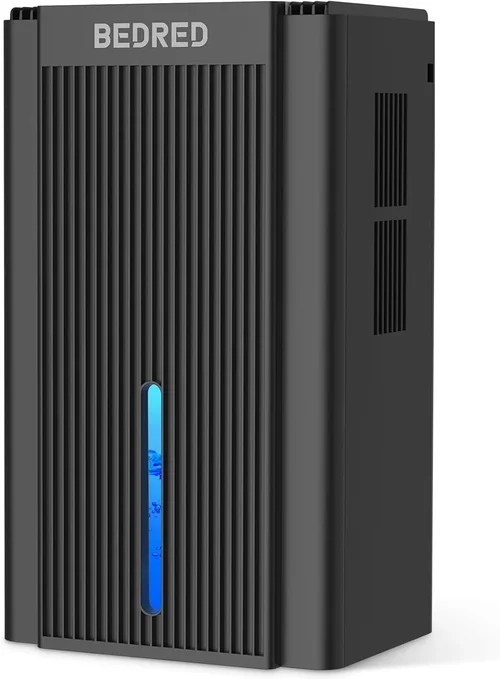
Dealing with excess moisture in your home isn’t just about comfort—it’s a matter of health, safety, and long-term property preservation. High humidity levels can trigger mold growth, worsen allergies, damage furniture and electronics, and even compromise the structural integrity of your walls and flooring. Whether you live in a damp coastal region, a humid basement apartment, or simply notice condensation on your windows during winter, a dehumidifier can be a game-changer. But with dozens of models flooding the market—each boasting different capacities, features, and price points—it’s easy to feel overwhelmed.
That’s exactly why this comprehensive buying guide exists. We’ve tested, researched, and analyzed the latest dehumidifiers to help you cut through the noise and make a smart, informed decision. In the following pages, you’ll learn how to evaluate performance specs like pint capacity and energy efficiency, understand the differences between compressor and desiccant units, avoid common purchasing pitfalls, and identify which features truly matter for your unique situation. Whether you’re shopping for a small bathroom unit or a heavy-duty whole-house system, this guide will arm you with expert knowledge so you can buy once and buy right.
The dehumidifier market has evolved significantly over the past decade. Once considered niche appliances for basements or crawl spaces, modern dehumidifiers now come in sleek designs suitable for living rooms, bedrooms, and even RVs. Brands like Frigidaire, Honeywell, GE, Midea, and AprilAire have pushed innovation forward with smart controls, Wi-Fi connectivity, auto-defrost functions, and ultra-quiet operation. At the same time, budget-friendly options from lesser-known brands offer surprising value. With such variety comes complexity—but also opportunity. By understanding what truly matters in a dehumidifier, you can find a model that fits your space, lifestyle, and budget without overspending on unnecessary bells and whistles.

What to Look for When Buying Buying Guide
1. Pint Capacity & Room Size Compatibility
Pint capacity refers to how much moisture a dehumidifier can remove from the air in 24 hours under standard testing conditions (typically 60% relative humidity at 80°F). This number is crucial because it directly correlates to the size of the space the unit can effectively serve. A dehumidifier rated for 30 pints per day (pint/day) is ideal for small spaces like bathrooms or closets (up to ~500 sq ft), while a 50-pint model suits medium-sized basements or living areas (~1,500–2,000 sq ft). For large, extremely damp spaces—like unfinished basements or garages—you may need a 70-pint or higher unit.
Don’t just rely on square footage alone, though. Consider your home’s actual moisture level. If you see visible mold, frequent condensation, or a musty smell, opt for a higher-capacity unit—even if your room is on the smaller side. Conversely, if your space is only slightly humid, a lower-capacity model may suffice. Oversizing isn’t always better; an oversized dehumidifier can cycle on and off too frequently, reducing efficiency and lifespan. Undersizing, however, leads to constant running, higher energy bills, and inadequate moisture control.
2. Energy Efficiency & Operating Costs
Dehumidifiers run for hours each day, so energy consumption directly impacts your utility bill. Look for the Energy Factor (EF) rating, measured in liters of water removed per kilowatt-hour (L/kWh). Higher EF values mean greater efficiency. The most efficient residential dehumidifiers today achieve EF ratings above 1.8 L/kWh, while older or budget models may fall below 1.5.
ENERGY STAR-certified models are your best bet for long-term savings. These units use 15–30% less energy than standard models without sacrificing performance. For example, a 50-pint ENERGY STAR dehumidifier might cost around $20–$30 per year to operate, whereas a non-certified equivalent could cost $40–$50. Over five years, that’s a $100+ difference—enough to offset a higher upfront price.
Also consider the compressor type. Inverter-driven compressors (found in premium models) adjust speed based on humidity levels, reducing energy waste. Traditional on/off compressors run at full power whenever activated, which is less efficient. If you plan to run your dehumidifier continuously—especially in a basement—prioritize inverter technology.
3. Drainage Options & Convenience Features
Most dehumidifiers collect water in an internal bucket that needs manual emptying every 12–24 hours. While this works for occasional use, it’s impractical for daily operation or unattended spaces like basements. That’s why drainage options matter.
Continuous drainage via a hose is a must-have for many users. Simply attach a standard garden hose to the built-in drain port and route it to a floor drain, sump pump, or outside. This eliminates bucket emptying entirely. Some models include auto-shutoff when the hose isn’t connected, preventing spills.
For added convenience, look for features like:
– Auto-restart: Resumes operation after a power outage.
– Auto-defrost: Prevents ice buildup in cold environments (below 65°F).
– Humidistat: Lets you set a target humidity level (ideally 30–50%) and automatically maintains it.
– Timer: Schedule on/off times to match your routine.
– Filter indicator: Alerts you when the air filter needs cleaning.
Wi-Fi-enabled models allow remote control via smartphone apps, letting you monitor humidity levels, adjust settings, or receive alerts when the bucket is full—even when you’re away from home.
4. Noise Level & Placement Flexibility
Dehumidifiers aren’t silent. Compressor-based units typically produce 45–55 decibels (dB)—comparable to a quiet conversation or refrigerator hum. Desiccant models are often quieter (35–45 dB) but less efficient in warm, humid climates.
If you’re placing the unit in a bedroom, home office, or living room, prioritize low-noise operation. Check manufacturer specs for sound ratings, but note that real-world noise can vary. Fan speed settings (low/medium/high) let you balance performance and quietness. Some premium models include “sleep mode” or “night mode” that reduces fan speed for near-silent operation.
Placement also affects noise. Avoid placing the dehumidifier against walls or furniture that can vibrate or amplify sound. Elevated surfaces (like a stand or platform) improve airflow and reduce resonance. If noise is a top concern, consider a desiccant dehumidifier—they’re inherently quieter but better suited for cooler, less humid environments.
5. Build Quality & Durability
A dehumidifier is a long-term investment. Cheap plastic housings, flimsy handles, and thin internal components may save money upfront but often fail within 2–3 years. Look for sturdy construction with reinforced casings, corrosion-resistant coils (especially important in basements), and high-quality seals.
Internal components matter too. Copper coils conduct heat better than aluminum and resist corrosion longer. Sealed bearings in the fan motor reduce wear and tear. Check user reviews for reports of leaks, compressor failures, or electrical issues—common failure points in low-end models.
Portability features like recessed handles, smooth-rolling casters, and compact footprints make moving the unit between rooms easier. If you plan to use it in multiple locations (e.g., basement in summer, bedroom in winter), these details add real value.
6. Brand Reputation & Customer Support
Not all dehumidifier brands are created equal. Established names like Frigidaire, Honeywell, GE, and Midea have decades of experience and robust service networks. They offer reliable performance, accessible replacement parts, and responsive customer support.
Newer or off-brand manufacturers may offer tempting prices, but they often cut corners on quality control and post-purchase support. Before buying, research the brand’s warranty policy, availability of spare parts (like filters or hoses), and user feedback on repair experiences.
Avoid “white-label” products sold under generic names with no clear manufacturer. These are often rebranded units from unknown factories with minimal quality assurance. Stick to brands with verifiable track records and positive long-term reviews.
7. Warranty & Return Policy
A solid warranty signals confidence in product durability. Most reputable brands offer 1–2 years of coverage, with some extending to 5 years on compressors (the most critical and expensive component). Extended warranties are available but rarely worth the cost unless you’re buying a premium model.
Read the fine print: Does the warranty cover labor? Are there exclusions for commercial use or improper installation? Can you register the product online for faster service?
Return policies are equally important. Many retailers (like Amazon, Home Depot, or Lowe’s) allow 30-day returns, giving you time to test the unit in your actual environment. If the dehumidifier struggles to maintain target humidity or leaks water, you’ll want the option to exchange or refund it hassle-free.
8. User Reviews & Real-World Performance
Spec sheets tell part of the story—but real users tell the rest. Scour verified purchase reviews on major retail sites for insights into reliability, noise, ease of use, and customer service. Pay attention to patterns: if multiple users report the same issue (e.g., “bucket overflows after 8 hours” or “Wi-Fi disconnects daily”), it’s likely a design flaw.
Look beyond star ratings. A 4.2-star average with detailed pros/cons is more valuable than a 4.8-star score with vague praise. Also check third-party testing sites like Consumer Reports or Wirecutter, which conduct controlled performance evaluations under standardized conditions.
Different Types of Buying Guide

Common Buying Mistakes to Avoid
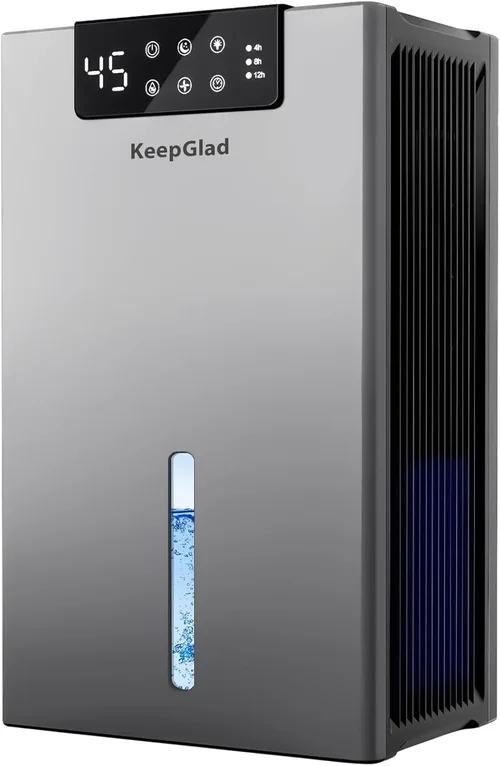
❌ Mistake: Choosing Based Solely on Pint Rating
Why it’s bad: Pint capacity is important, but it’s not the only factor. A 50-pint dehumidifier tested under ideal lab conditions may perform like a 35-pint unit in your cold, drafty basement. Ignoring real-world conditions leads to undersized units that can’t keep up.
What to do instead: Combine pint rating with room size, temperature, and humidity level. Use online calculators or consult AHAM guidelines. When in doubt, size up slightly—but not excessively.
❌ Mistake: Ignoring Drainage Needs
Why it’s bad: Manual bucket emptying becomes tedious fast. Many users give up on their dehumidifier because they forget to empty it daily, leading to stagnant water, odors, and mold inside the unit itself.
What to do instead: If you won’t be home regularly or hate maintenance, choose a model with continuous drainage. Even if you start with a bucket, having a drain port gives you flexibility later.
❌ Mistake: Overlooking Energy Efficiency
Why it’s bad: A cheap dehumidifier that costs $200 but uses 50% more energy than an ENERGY STAR model will cost you hundreds extra over its lifetime. You’re not saving money—you’re just paying later.
What to do instead: Calculate annual operating costs using the EF rating and your local electricity rate. Prioritize ENERGY STAR certification for long-term savings.
❌ Mistake: Buying the Loudest Model for a Quiet Space
Why it’s bad: A 55 dB dehumidifier running all night in your bedroom can disrupt sleep, especially if you’re sensitive to noise. Many buyers regret not checking sound levels before purchase.
What to do instead: Look for decibel ratings under 50 dB for bedrooms or offices. Read user reviews about noise—manufacturer specs can be optimistic.
❌ Mistake: Skipping the Humidistat
Why it’s bad: Without a humidistat, you’re guessing at humidity levels. Running a dehumidifier constantly can over-dry the air (below 30%), causing dry skin, static electricity, and wood furniture damage.
What to do instead: Always choose a model with a built-in humidistat. Set it to 40–50% for optimal comfort and health.
❌ Mistake: Neglecting Filter Maintenance
Why it’s bad: Clogged filters reduce airflow, strain the compressor, and increase energy use. Many users don’t realize filters need monthly cleaning—leading to premature failure.
What to do instead: Choose models with washable, reusable filters and filter change indicators. Make filter cleaning part of your routine.
❌ Mistake: Falling for “Too Good to Be True” Deals
Why it’s bad: Extremely cheap dehumidifiers ($50–$80) often use inferior components, lack safety certifications, and fail within months. They may also pose fire or electrical hazards.
What to do instead: Stick to reputable brands and avoid rock-bottom prices. If a deal seems unbelievable, it probably is.
Budget Guidelines: How Much Should You Spend?
Entry-Level ($80–$150): These are basic compressor or desiccant units ideal for small spaces (closets, RVs, bathrooms). Expect limited features—no humidistat, small buckets, higher noise, and lower efficiency. Best for occasional use or mild humidity. Examples include hOmeLabs 30-pint or Eva-Dry E-333 mini units.
Mid-Range ($150–$300): The sweet spot for most homeowners. These models offer 30–50 pint capacity, ENERGY STAR ratings, auto-defrost, continuous drainage, and digital controls. Brands like Frigidaire, Honeywell, and Midea dominate this tier. Perfect for basements, laundry rooms, or medium-sized living areas.
Premium ($300–$600): Designed for heavy-duty performance and smart features. Expect inverter compressors, Wi-Fi connectivity, ultra-quiet operation (<45 dB), large-capacity tanks (or seamless drainage), and advanced filtration. Ideal for large basements, whole-room dehumidification, or tech enthusiasts. Look at models like the Frigidaire FFAD7033R1 or GE Profile PHC08LY. Luxury ($600+): Whole-house systems or commercial-grade units with professional installation. These integrate with HVAC ductwork, offer precise humidity control across entire homes, and include remote sensors, zoning capabilities, and robust warranties. Best for high-end homes, allergy sufferers, or regions with extreme humidity. AprilAire and Santa Fe are leading brands here.
Expert Tips for Getting the Best Deal
– Buy in late winter or early spring: Retailers discount dehumidifiers before humid summer months. January–March often has the best sales.
– Check manufacturer rebates: Some brands (like Honeywell or AprilAire) offer seasonal rebates of $20–$50, especially during spring cleaning promotions.
– Compare total cost of ownership: Factor in energy use, filter replacements, and expected lifespan—not just the sticker price.
– Shop at big-box retailers with strong return policies: Home Depot, Lowe’s, and Amazon allow easy returns if the unit doesn’t perform as expected.
– Look for bundle deals: Some HVAC contractors offer discounts when installing a whole-house dehumidifier with other services.
– Test before committing: Run the unit for 3–5 days. If humidity stays above 55% or the bucket fills too quickly, consider exchanging for a higher-capacity model.
– Register your warranty immediately: Some brands require registration within 30 days to activate coverage.
– Clean your unit regularly: A well-maintained dehumidifier lasts 5–10 years. Dirty coils or filters cut efficiency by up to 30%.
Frequently Asked Questions
Q: How do I know if I need a dehumidifier?
A: Signs include persistent musty odors, visible mold or mildew, condensation on windows/walls, warped wood, or allergy symptoms worsening indoors. Use a hygrometer to measure humidity—if it’s consistently above 55%, a dehumidifier is recommended.
Q: Can a dehumidifier cool a room?
A: No. Dehumidifiers remove moisture, not heat. They may feel slightly cooler because dry air feels more comfortable, but they don’t lower temperature like an air conditioner.
Q: Should I run my dehumidifier all the time?
A: Not necessarily. Use the humidistat to maintain 40–50% humidity. In very damp areas, continuous operation may be needed seasonally, but most homes only require 8–12 hours daily.
Q: Do dehumidifiers use a lot of electricity?
A: It depends. A typical 50-pint ENERGY STAR model uses about 500–700 watts. At $0.13/kWh, that’s roughly $0.07–$0.09 per hour. Running 10 hours/day costs ~$20–$30/month.
Q: Can I use a dehumidifier in winter?
A: Yes, but compressor models lose efficiency below 65°F and may ice up. Desiccant dehumidifiers work better in cold weather. If using a compressor unit in winter, ensure it has auto-defrost.
Q: How often should I clean the filter?
A: Every 2–4 weeks during heavy use, or monthly otherwise. A clogged filter reduces airflow and strains the motor.
Q: Will a dehumidifier help with allergies?
A: Absolutely. By reducing mold, dust mites, and mildew—common allergens—it can significantly improve indoor air quality and respiratory comfort.
Q: Can I install a whole-house dehumidifier myself?
A: Generally no. These require ductwork integration, electrical connections, and professional calibration. Hire a licensed HVAC technician.
Q: What’s the difference between a dehumidifier and an air purifier?
A: A dehumidifier controls moisture; an air purifier removes particles like dust, pollen, and smoke. They serve different purposes—but some premium models combine both functions.
Q: How long do dehumidifiers last?
A: With proper maintenance, most last 5–10 years. Compressor failure is the most common end-of-life issue.
Our Final Recommendations
Best for Budget-Conscious Buyers: Midea MAD30C1ZWS 30-Pint Dehumidifier – ENERGY STAR certified, quiet (47 dB), includes continuous drainage, and consistently ranks as a top value pick under $200.
Best Overall Value: Frigidaire FFAD5033R1 50-Pint Dehumidifier – Reliable performance, excellent humidity control, auto-defrost, and smart features like washable filter and digital display. Priced around $250–$280.
Best Premium Option: GE Profile PHC08LY 50-Pint Smart Dehumidifier – Wi-Fi enabled, ultra-quiet (45 dB), inverter compressor, and app-based scheduling. Ideal for tech-savvy users who want hands-off humidity management.
Best for Beginners: hOmeLabs 50-Pint Dehumidifier – Simple controls, large bucket, easy-to-clean filter, and strong customer support. Great first-time buyer choice with minimal learning curve.
Best for Advanced Users: AprilAire E130 Whole-House Dehumidifier – Professional-grade, ducted installation, precise humidity control, and 5-year warranty. Perfect for large homes or severe moisture problems.
Conclusion: Making the Right Choice
Choosing the right dehumidifier isn’t about finding the most expensive or feature-packed model—it’s about matching the right tool to your specific needs. Start by assessing your space: How big is it? How damp is it? Where will the unit live? Then prioritize must-have features like drainage, noise level, and energy efficiency. Don’t let flashy extras distract you from core performance.
Remember, a good dehumidifier is an investment in your health, home, and peace of mind. It prevents costly damage, improves air quality, and creates a more comfortable living environment. By using this guide, you’re already ahead of the curve. Take your time, compare options, and don’t rush into a purchase that might disappoint down the road.
When you find the right fit, you’ll wonder how you ever lived without it. So breathe easy—your ideal dehumidifier is out there. Now go find it.