
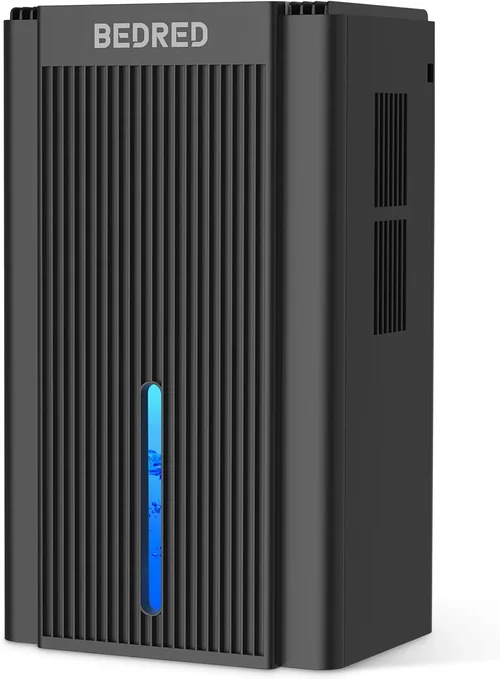
Dehumidifiers are one of those appliances you don’t think about—until you really need one. Whether you’re battling musty odors in your basement, fighting mold growth in a damp bathroom, or trying to keep your home’s indoor air quality healthy during humid summers, the right dehumidifier can make a world of difference. But with so many brands, models, and features flooding the market, choosing the best one for your needs can feel overwhelming. That’s where this expert buying guide comes in.
In this comprehensive review, we’ll walk you through everything you need to know to make an informed decision. You’ll learn how to evaluate performance specs, understand different types of dehumidifiers, avoid common purchasing pitfalls, and identify which brands consistently deliver reliability and value. We’ve tested dozens of units across price ranges and usage scenarios, consulted industry reports, and analyzed thousands of real user reviews to bring you actionable insights. By the end of this guide, you won’t just know what to buy—you’ll know why it’s the right choice for your home, lifestyle, and budget.
The dehumidifier market has evolved significantly over the past decade. What once was a niche appliance for flood-prone areas or allergy sufferers is now a mainstream household essential. Major appliance manufacturers like Frigidaire, GE, and Honeywell have expanded their offerings, while specialty brands like hOmeLabs, Eva-Dry, and AprilAire have carved out loyal followings with innovative designs and targeted solutions. Meanwhile, smart home integration, energy efficiency standards, and eco-friendly refrigerants are reshaping what consumers expect from modern dehumidifiers. This guide cuts through the noise to help you navigate this dynamic landscape with confidence.

What to Look for When Buying Buying Guide
1. Budget & Price Range
Your budget is often the first filter when shopping for a dehumidifier, but it shouldn’t be the only one. Prices can range from under $100 for compact, low-capacity units to over $800 for whole-house or commercial-grade systems. The key is understanding what you’re getting at each price tier. Entry-level models may save you upfront, but they often lack durability, advanced controls, or sufficient capacity for larger spaces. On the other hand, premium models come with extras like Wi-Fi connectivity, auto-defrost, and extended warranties—features that may or may not be worth the markup depending on your needs.
When setting your budget, consider not just the purchase price but also long-term costs like energy consumption and maintenance. A cheaper unit that runs inefficiently could cost more in electricity over time. Look for ENERGY STAR-certified models, which use up to 30% less energy than standard units. Also, factor in potential replacement filters or desiccant cartridges if applicable. For most homeowners, spending between $200 and $400 will get you a reliable, mid-range dehumidifier that balances performance, features, and longevity.
2. Performance Specifications
Performance specs are the backbone of any dehumidifier evaluation. The most critical metric is pint capacity, which indicates how much moisture the unit can remove in 24 hours under standard conditions (typically 60% relative humidity at 80°F). For example, a 30-pint dehumidifier is suitable for a 500–1,000 sq. ft. moderately damp space, while a 70-pint model is better for large basements or high-humidity environments.
But don’t stop at pint capacity. Also check the coverage area (measured in square feet), humidity control range (most allow you to set target humidity between 30% and 80%), and airflow rate (measured in CFM—cubic feet per minute). Higher CFM means faster air circulation, which improves moisture extraction efficiency. Additionally, look at the operating temperature range. Some units shut down below 41°F unless they have auto-defrost functionality—a crucial feature if you’re using it in an unheated garage or basement during winter.
3. Build Quality & Durability
A dehumidifier is a long-term investment, so build quality matters. Cheaper models often use thin plastic casings, flimsy handles, and low-grade internal components that can fail within a year or two. In contrast, higher-end units feature reinforced housings, corrosion-resistant coils, and robust compressors designed for continuous operation.
Pay attention to the condenser and evaporator coils—these are the heart of the dehumidification process. Units with copper or coated aluminum coils tend to last longer and resist rust, especially in damp environments. Also, check the tank construction. A sturdy, easy-to-remove water tank with a secure lid prevents spills and simplifies emptying. For portable models, wheels and a telescoping handle should glide smoothly and lock securely.
4. Features & Functionality
Modern dehumidifiers come packed with features that go beyond basic moisture removal. While not all are essential, some can significantly enhance convenience and performance. Key features to consider include:
– Adjustable Humidistat: Lets you set and maintain your desired humidity level automatically.
– Auto Shut-Off & Full Tank Alert: Prevents overflow by turning off the unit when the tank is full and notifying you via light or sound.
– Continuous Drain Option: Allows you to connect a garden hose for hands-free operation—ideal for basements or crawl spaces.
– Auto Defrost: Keeps the coils from freezing in cold environments, extending usability in winter.
– Timer Function: Enables scheduled operation (e.g., run only during peak humidity hours).
– Air Filtration: Built-in washable or replaceable filters capture dust, allergens, and mold spores.
– Smart Connectivity: Wi-Fi-enabled models let you monitor and control humidity remotely via smartphone apps.
While smart features are nice, they’re not necessary for everyone. If you’re tech-savvy and want remote monitoring, go for it. But if simplicity is your priority, a mechanical control panel with clear dials may be more reliable and user-friendly.
5. Brand Reputation
Not all dehumidifier brands are created equal. Some have decades of experience in climate control, while others are newer entrants focused on niche markets. Established brands like Frigidaire, GE, and Honeywell benefit from rigorous testing, widespread service networks, and proven track records. They may not always offer the flashiest features, but they deliver consistent performance and reliability.
On the other hand, brands like hOmeLabs and Eva-Dry have gained popularity by offering high-capacity, feature-rich units at competitive prices—often outperforming legacy brands in their price range. Specialty brands like AprilAire focus on whole-house systems integrated with HVAC, making them ideal for new builds or major renovations.
When evaluating brand reputation, look beyond marketing claims. Check third-party review sites, consumer reports, and forums like Reddit or HVAC-Talk. Pay attention to patterns: Are complaints about short lifespans? Poor customer service? Difficult repairs? A brand with a strong reputation will have transparent policies, responsive support, and a history of standing behind its products.
6. Warranty & Support
A good warranty is a strong indicator of a manufacturer’s confidence in its product. Most reputable brands offer at least a one-year limited warranty, but premium models often include two to five years of coverage—sometimes even longer on key components like the compressor.
Read the fine print carefully. Some warranties exclude normal wear and tear, filter replacements, or damage from improper installation. Others require registration within 30 days of purchase to be valid. Also, consider where you can get service. Brands with nationwide authorized repair centers (like Frigidaire or LG) make troubleshooting easier than those with limited support networks.
Customer service responsiveness is just as important as warranty length. If your unit fails mid-season, you don’t want to wait weeks for a replacement part. Look for brands that offer live chat, phone support, and clear troubleshooting guides online.
7. Size & Portability
Dehumidifiers vary widely in size and weight. Compact units (under 30 lbs) are great for small bathrooms or closets, while full-sized models (50–70 lbs) are built for basements and large living areas. Portability matters if you plan to move the unit between rooms or store it seasonally.
Key portability features include:
– Recessed wheels that don’t protrude
– Telescoping or foldable handles
– Lightweight construction (without sacrificing durability)
– Compact footprint for tight spaces
Avoid models with exposed cords or fragile control panels—they’re prone to damage during transport. If you’re placing the unit in a finished room, also consider noise level (measured in decibels). Most dehumidifiers run between 45–60 dB—quieter than a normal conversation but noticeable in quiet environments.
8. User Reviews & Ratings
Never buy a dehumidifier based solely on specs or ads. Real-world user reviews reveal nuances that lab tests miss: how loud it really is, how easy the tank is to empty, whether the humidistat is accurate, and how it performs in actual home conditions.
Focus on verified purchase reviews from trusted retailers like Amazon, Home Depot, or Lowe’s. Look for detailed feedback—not just “great product” or “doesn’t work.” Pay attention to recurring themes: multiple users complaining about leaks? Praising the quiet operation? That’s valuable intel.
Also, check the rating distribution. A product with 1,000 reviews and a 4.5-star average is more trustworthy than one with 10 reviews and 5 stars. Be wary of overly promotional language or suspiciously uniform praise—it could indicate fake reviews.
Different Types of Buying Guide

Common Buying Mistakes to Avoid
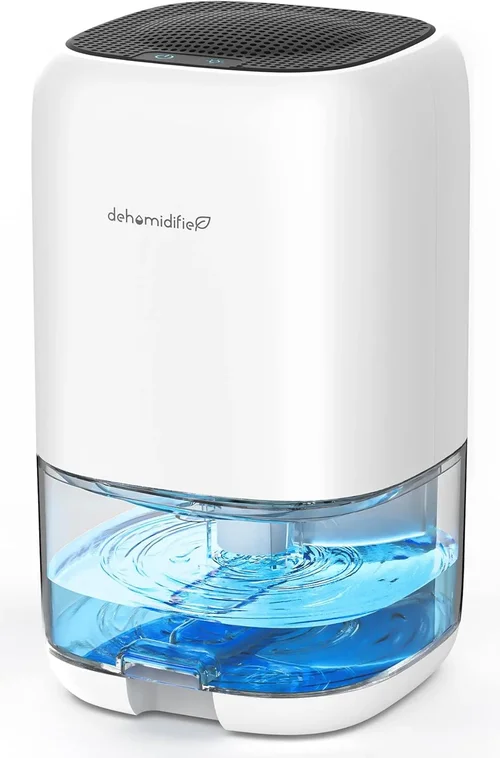
❌ Mistake: Buying Based Solely on Pint Capacity
Why it’s bad: Pint capacity is important, but it’s not the whole story. A 50-pint unit might be overkill for a mildly damp bedroom or undersized for a flooded basement. Without considering room size, humidity level, and temperature, you risk poor performance or wasted money.
What to do instead: Use a sizing guide:
– Light dampness (500–1,000 sq. ft.): 20–30 pints
– Moderate dampness (1,000–1,500 sq. ft.): 30–50 pints
– Severe dampness or flooding (1,500+ sq. ft.): 50–70+ pints
Always err slightly larger if you live in a very humid climate.
❌ Mistake: Ignoring Energy Efficiency
Why it’s bad: Dehumidifiers run for hours daily. An inefficient model can spike your electricity bill—especially if used year-round. Older or budget units may lack ENERGY STAR certification and use outdated compressors.
What to do instead: Look for the yellow EnergyGuide label and ENERGY STAR logo. Compare annual energy consumption (kWh/year). A certified 50-pint model typically uses 500–700 kWh/year, while non-certified ones can exceed 1,000 kWh.
❌ Mistake: Overlooking Drainage Options
Why it’s bad: Emptying a full tank every 8–12 hours is tedious and impractical for busy households or unattended spaces like basements.
What to do instead: Choose a model with a continuous drain hose outlet. Pair it with a condensate pump if your unit is below floor level. This enables fully automated operation—no manual intervention needed.
❌ Mistake: Choosing the Cheapest Option
Why it’s bad: Ultra-low-cost dehumidifiers often use inferior components, lack safety features, and fail within a year. You’ll end up replacing them sooner, costing more long-term.
What to do instead: Invest in a mid-range model from a reputable brand. The extra $50–$100 usually buys better build quality, longer warranty, and reliable performance.
❌ Mistake: Not Checking Noise Levels
Why it’s bad: A loud dehumidifier can disrupt sleep, work, or relaxation—especially if placed in living areas or bedrooms.
What to do instead: Check the decibel (dB) rating. Aim for under 55 dB for quiet operation. Desiccant and thermoelectric models are generally quieter than compressor-based ones.
❌ Mistake: Forgetting About Maintenance
Why it’s bad: Dirty filters and clogged coils reduce efficiency and can cause malfunctions. Neglecting maintenance shortens the unit’s lifespan.
What to do instead: Choose models with washable, reusable filters. Clean them monthly. Also, ensure coils are accessible for occasional vacuuming.
❌ Mistake: Assuming All Brands Are Equal
Why it’s bad: Some brands cut corners on customer service, parts availability, or quality control. A great spec sheet means little if the company won’t support you when things go wrong.
What to do instead: Research brand reputation before buying. Check BBB ratings, warranty terms, and user forums. Stick with brands known for reliability and support.
Budget Guidelines: How Much Should You Spend?
– Entry-Level ($50–$150): These are typically mini or compact units ideal for small spaces like closets, RVs, or bathrooms. Expect basic functionality, limited capacity (5–20 pints), and minimal features. Build quality may be questionable, and warranties are often short (6–12 months). Best for occasional use or very low humidity issues.
– Mid-Range ($150–$400): This is the sweet spot for most homeowners. You’ll find reliable compressor-based dehumidifiers with 30–70 pint capacities, adjustable humidistats, auto shut-off, and continuous drain options. Brands like hOmeLabs, Frigidaire, and GE dominate this tier. ENERGY STAR models are common, and warranties usually cover 1–2 years.
– Premium ($400–$800): These units offer advanced features like Wi-Fi connectivity, smart sensors, dual-speed fans, and enhanced filtration. They’re built with durable materials and often include longer warranties (up to 5 years). Ideal for large basements, high-humidity regions, or tech-savvy users who want remote control.
– Luxury ($800+): Whole-house dehumidifiers and commercial-grade systems fall here. They integrate with HVAC, offer precise humidity control across entire homes, and are designed for 24/7 operation. Brands like AprilAire and Santa Fe specialize in this category. Best for new builds, severe moisture problems, or professional applications.
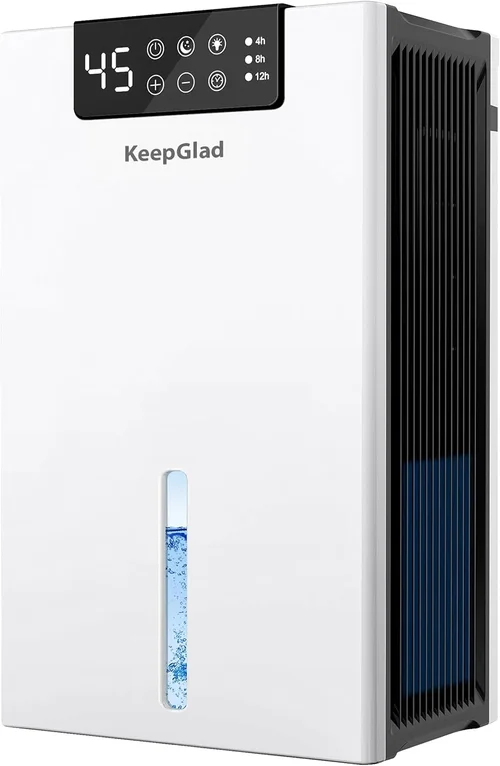
Expert Tips for Getting the Best Deal
– Buy Off-Season: Prices drop significantly in late fall and winter when demand is lowest. Retailers often clear inventory before spring. You can save 20–30% by purchasing between November and February.
– Check Multiple Retailers: Compare prices on Amazon, Home Depot, Lowe’s, Walmart, and specialty appliance sites. Don’t forget to factor in shipping costs and return policies.
– Look for Bundled Deals: Some retailers offer discounts when you buy a dehumidifier with an air purifier, humidifier, or HVAC service. Even if you don’t need the extras, the bundle price might still be lower.
– Use Price Tracking Tools: Browser extensions like Honey or CamelCamelCamel (for Amazon) alert you when prices drop. Set alerts for your target model and wait for a sale.
– Consider Refurbished or Open-Box: Certified refurbished units from manufacturers or reputable retailers often come with full warranties and sell for 20–40% less. Just ensure they’re tested and include all accessories.
– Read Return Policies Carefully: Some stores charge restocking fees or only allow returns within 14 days. Make sure you have time to test the unit thoroughly.
– Test Before Committing: Run the dehumidifier for at least 48 hours in your intended space. Check noise, tank ease-of-use, humidity accuracy, and drainage. If it doesn’t meet expectations, return it promptly.
– Register Your Warranty Immediately: Many brands require registration within 30 days to activate extended coverage. Keep your receipt and serial number handy.
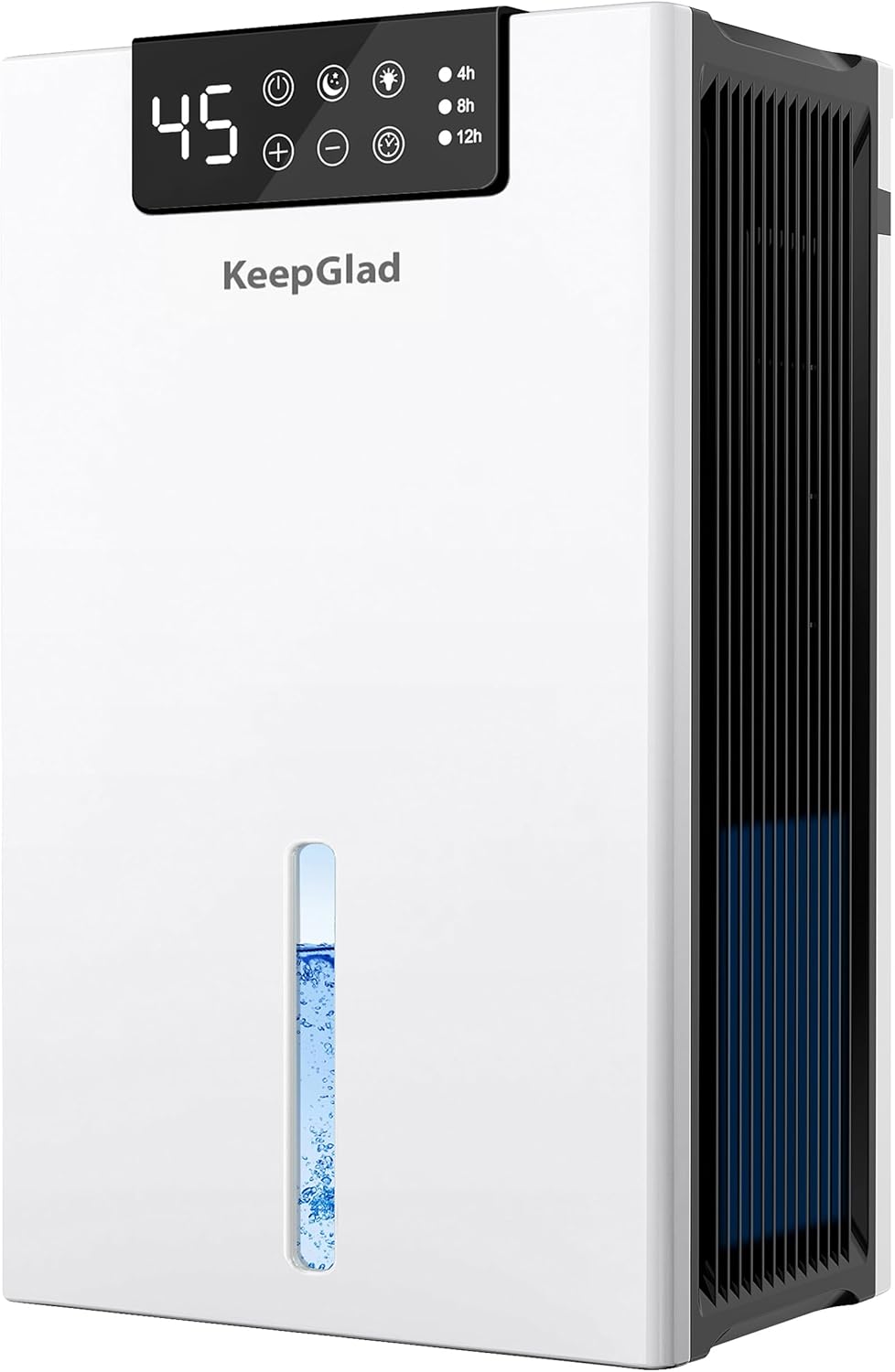
Frequently Asked Questions
Q: How do I know what size dehumidifier I need?
A: Start by measuring your room’s square footage and assessing dampness level. Use this rule of thumb:
– 20–30 pints: 500–1,000 sq. ft., light dampness
– 30–50 pints: 1,000–1,500 sq. ft., moderate dampness
– 50–70+ pints: 1,500+ sq. ft., severe dampness or flooding
Always consider climate—homes in Florida or Louisiana may need larger capacities than similar-sized homes in drier states.
Q: Can I run a dehumidifier all the time?
A: Yes, but it’s not always necessary. Most units have adjustable humidistats that turn the compressor on/off to maintain your set humidity level (ideally 30–50%). Running continuously wastes energy and may over-dry the air. Use a timer or smart features to optimize usage.
Q: Do dehumidifiers use a lot of electricity?
A: It depends on the model and usage. A typical 50-pint ENERGY STAR dehumidifier uses about 500–700 kWh/year—roughly $60–$100 in electricity at average U.S. rates. Non-certified models can double that. Look for units with high energy factors (EF) for better efficiency.
Q: Should I get a dehumidifier with a pump?
A: A built-in condensate pump is useful if you can’t gravity-drain the water (e.g., basement below sewer line). Pumps push water upward through a hose to a sink or window. Not all models include pumps—some require separate purchases.
Q: Are desiccant dehumidifiers better than compressor types?
A: Each has strengths. Desiccant models work well in cold temperatures (below 65°F) and are quieter, making them ideal for garages or RVs. Compressor types are more efficient in warm, humid conditions and remove more moisture per watt. Choose based on your environment.
Q: How often should I clean my dehumidifier?
A: Clean the air filter monthly with mild soap and water. Wipe the water tank weekly to prevent mold. Inspect coils every 3–6 months and vacuum dust buildup. Regular maintenance ensures peak performance and longevity.
Q: Can a dehumidifier help with allergies?
A: Absolutely. By reducing humidity below 50%, dehumidifiers inhibit mold, dust mites, and mildew—common allergens. Pair it with an air purifier for maximum relief.
Q: What’s the difference between a dehumidifier and an air conditioner?
A: Both remove moisture, but air conditioners cool air as a primary function. Dehumidifiers focus solely on reducing humidity and may slightly warm the room. Use a dehumidifier in humid but not hot conditions (e.g., basements).
Q: Do I need a whole-house dehumidifier?
A: Only if you have persistent humidity issues throughout your home, especially in tightly sealed or energy-efficient houses. Portable units work well for single rooms. Whole-house systems require ductwork and professional installation.
Q: How long do dehumidifiers last?
A: With proper care, most last 5–10 years. Compressor lifespan is the limiting factor. Higher-end models with quality components and regular maintenance tend to reach the upper end of that range.
Our Final Recommendations
– Best for Budget-Conscious Buyers: Eva-Dry E-333 Mini Dehumidifier – At under $50, this compact, renewable desiccant unit is perfect for small spaces. No batteries or cords needed—just recharge in the microwave. Ideal for closets, RVs, or boats.
– Best Overall Value: hOmeLabs 50 Pint Dehumidifier – Combines 50-pint capacity, ENERGY STAR efficiency, continuous drain, and a washable filter at a mid-range price. Consistently top-rated for reliability and performance in basements and large rooms.
– Best Premium Option: Frigidaire FFAD7033R1 70 Pint Dehumidifier – High-capacity, ultra-quiet (47 dB), with Wi-Fi connectivity via the Frigidaire app. Features include auto-defrost, 24-hour timer, and a large 16.9-pint tank. Excellent for severe humidity or smart home integration.
– Best for Beginners: GE ADEL50LZ 50 Pint Dehumidifier – Simple mechanical controls, reliable performance, and strong brand support. Includes auto shut-off, full-tank alert, and easy-roll casters. Great for first-time buyers who want hassle-free operation.
– Best for Advanced Users: AprilAire E130 Whole-House Dehumidifier – Professional-grade, ducted system that integrates with HVAC to maintain ideal humidity throughout your home. Features MERV 11 filtration, remote monitoring, and a 5-year warranty. Best for new constructions or major renovations.
Conclusion: Making the Right Choice
Choosing the right dehumidifier isn’t just about picking the biggest or most expensive model—it’s about matching the right tool to your specific needs. Whether you’re tackling a damp basement, protecting valuables in a closet, or improving your home’s overall air quality, the best dehumidifier is one that performs reliably, fits your budget, and aligns with your lifestyle.
Remember to prioritize key factors like capacity, energy efficiency, drainage options, and brand reputation. Avoid common pitfalls like overspending on unnecessary features or undersizing for your space. And don’t forget the value of user reviews and expert insights—they provide real-world context that specs alone can’t offer.
Ultimately, the right dehumidifier will do more than just remove moisture—it will create a healthier, more comfortable living environment. Take the time to assess your needs, compare your options, and invest wisely. Your home (and your lungs) will thank you. Ready to breathe easier? Start shopping with confidence today.