
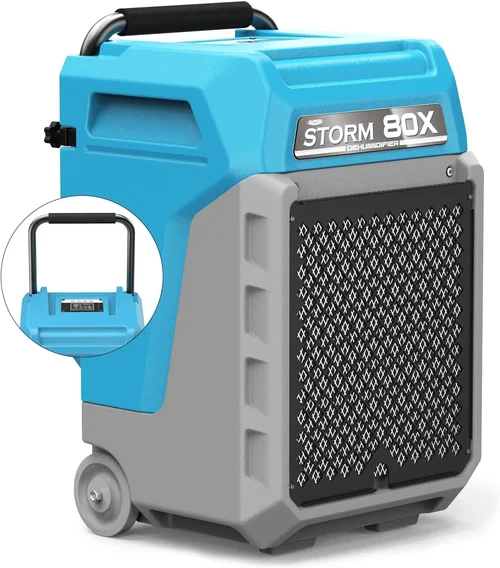
When it comes to maintaining a healthy, safe, and efficient commercial environment, controlling humidity isn’t just a comfort issue—it’s a necessity. Whether you’re managing a warehouse, a gym, a restaurant kitchen, a server room, or a restoration site after water damage, excess moisture can lead to mold growth, equipment corrosion, structural deterioration, and poor indoor air quality. In these high-stakes settings, a standard residential dehumidifier simply won’t cut it. That’s where commercial-grade dehumidifiers with built-in pumps come into play.
These powerful machines are engineered for continuous operation, heavy-duty performance, and long-term reliability. Unlike their home-use counterparts, commercial dehumidifiers with pumps are designed to extract large volumes of moisture from the air—often 70 pints or more per day—and automatically pump that water out through a hose, eliminating the need for manual emptying. This feature is especially critical in unattended or hard-to-reach areas like basements, crawl spaces, or industrial facilities. With so many models on the market, each boasting different capacities, features, and price points, choosing the right one can feel overwhelming. That’s why this guide exists: to cut through the noise and help you make an informed decision based on your specific needs.
In this comprehensive buying guide, you’ll learn everything you need to know about selecting the best commercial dehumidifier with a pump. We’ll walk you through the most important factors to consider—from performance specs and build quality to warranty coverage and user feedback. You’ll discover the key differences between various types of commercial units, avoid common purchasing pitfalls, and get expert-backed tips on how to stretch your budget without sacrificing performance. Whether you’re a facility manager, contractor, property owner, or HVAC professional, this guide will equip you with the knowledge to choose a dehumidifier that delivers consistent results, year after year. The market today offers a wide range of options, from compact but capable units under $500 to industrial powerhouses exceeding $2,000. Understanding what separates these tiers—and what truly matters for your application—is the first step toward long-term success.
What to Look for When Buying Buying Guide
1. Performance Specifications
Performance is the backbone of any commercial dehumidifier. Unlike residential models that might remove 30–50 pints of moisture per day, commercial units are built to handle much larger loads. The first spec to examine is the pint-per-day (PPD) rating, which indicates how much water the unit can extract under standard conditions (typically 80°F and 60% relative humidity). For commercial use, look for units rated at 70 PPD or higher—especially if you’re dealing with large spaces, high humidity levels, or ongoing moisture sources like leaks or flooding.
Another critical performance metric is airflow, measured in cubic feet per minute (CFM). Higher CFM means the unit can circulate more air, which improves moisture removal efficiency, especially in open or poorly insulated areas. Aim for a minimum of 200 CFM, though 300+ CFM is ideal for warehouses or large commercial rooms. Also consider the operating temperature range. Many commercial dehumidifiers function effectively between 41°F and 95°F, but if you’re working in cold environments like unheated garages or winterized buildings, ensure the model supports low-temperature operation without freezing up.
2. Pump Functionality & Drainage Options
The inclusion of a built-in condensate pump is what sets commercial dehumidifiers apart from residential ones. This pump allows the unit to automatically expel collected water vertically (up to 15–20 feet) and horizontally (up to 100+ feet), enabling placement in basements, crawl spaces, or other areas where gravity drainage isn’t feasible. Without a pump, you’d need to manually empty the water tank—a major hassle in commercial settings where downtime equals lost productivity.
When evaluating pump performance, check the lift height (vertical pumping capability) and horizontal run distance. Most commercial pumps offer 15–20 feet of vertical lift, which is sufficient for most applications, but verify this matches your installation needs. Also, ensure the unit includes a reliable float switch that shuts off the compressor when the pump fails or the hose becomes blocked—this prevents water damage and extends the unit’s lifespan. Some advanced models even feature dual drainage options: a pump for automatic operation and a gravity drain port as a backup.
3. Build Quality & Durability
Commercial environments are tough. Dust, temperature swings, constant operation, and physical wear are all part of the daily grind. That’s why build quality matters more than ever. Look for dehumidifiers constructed with heavy-duty materials like powder-coated steel cabinets, reinforced handles, and corrosion-resistant components. Avoid plastic-heavy designs, which may crack or degrade over time under stress.
Internally, check for features like all-copper coils (which resist corrosion better than aluminum), sealed bearings in the fan motor, and robust compressors rated for continuous duty. Units designed for commercial use often undergo rigorous testing for vibration resistance, thermal overload protection, and long-term reliability. A well-built dehumidifier should last 5–10 years with proper maintenance—anything less is a red flag.
4. Features & Functionality
Modern commercial dehumidifiers come packed with smart features that enhance usability, efficiency, and safety. One of the most valuable is programmable humidity control, allowing you to set a target relative humidity (e.g., 45%) and let the unit maintain it automatically. This prevents over-drying and saves energy. Look for digital displays with real-time humidity readings and intuitive controls.
Other useful features include:
– Auto-defrost: Prevents ice buildup on coils in cold environments.
– Timer functions: Schedule operation during off-hours to reduce energy costs.
– Remote monitoring: Some high-end models offer Wi-Fi connectivity and mobile app control.
– Air filtration: Built-in washable filters capture dust, mold spores, and allergens.
– Error codes & diagnostics: Help identify issues quickly for faster troubleshooting.
For restoration professionals, consider models with built-in hygrometers, data logging, and compatibility with external sensors for comprehensive job documentation.
5. Size & Portability
Even in commercial settings, portability matters. A dehumidifier that’s too bulky or heavy can be difficult to move between job sites or reposition within a facility. Look for units with recessed handles, swivel casters, and a compact footprint relative to their capacity. Many commercial models weigh between 50–100 pounds, so wheels are essential.
That said, don’t sacrifice performance for portability. Some ultra-compact units may lack the power needed for large spaces. Strike a balance: choose a model that’s manageable for your team but still delivers the required CFM and PPD. If you’re frequently transporting the unit, consider models with protective bumpers or carrying straps.
6. Noise Level
While commercial dehumidifiers aren’t whisper-quiet, excessive noise can be disruptive in offices, healthcare facilities, or retail environments. Noise is measured in decibels (dB), and most commercial units range from 50–65 dB—comparable to a normal conversation or background music. For quiet-sensitive areas, aim for models under 55 dB.
Keep in mind that noise levels can increase under heavy load or if the unit is placed on a hard surface. Using vibration-dampening pads or placing the dehumidifier on a rubber mat can help reduce operational noise. Some manufacturers publish sound power levels (LwA) instead of sound pressure (dB), so compare apples to apples when reviewing specs.
7. Brand Reputation & Reliability
Not all brands are created equal. In the commercial dehumidifier space, established names like Dri-Eaz, AprilAire, Quest, and AlorAir have built reputations for reliability, innovation, and customer support. These companies often invest heavily in R&D, offer extensive dealer networks, and provide detailed technical documentation.
Research brand history, read professional reviews, and check forums like HVAC-Talk or restoration industry groups. A brand with a strong track record in commercial applications is more likely to deliver consistent performance and stand behind its products. Avoid no-name or off-brand units that may save money upfront but cost more in repairs and downtime down the line.
8. Warranty & Support
A commercial dehumidifier is a significant investment, so warranty coverage is crucial. Most reputable brands offer 1–5 years of warranty, with some extending coverage on key components like compressors or pumps. Look for warranties that include both parts and labor, and check whether on-site service is available.
Customer support is equally important. Can you reach a technician quickly? Are replacement parts readily available? Do they offer training or troubleshooting guides? A strong support network ensures minimal downtime if something goes wrong. Some manufacturers also provide extended warranty options or service contracts for high-usage environments.
Different Types of Buying Guide
Common Buying Mistakes to Avoid
❌ Mistake: Choosing Based Solely on Price
Why it’s bad: Opting for the cheapest model might save money upfront, but low-cost units often lack durability, efficient pumps, or proper certifications. They may fail prematurely, require frequent repairs, or consume more energy, leading to higher long-term costs.
What to do instead: Focus on total cost of ownership. A mid-range unit with a strong warranty and energy-efficient operation can save hundreds in electricity and downtime over its lifespan. Prioritize value over initial price.
❌ Mistake: Ignoring Pump Specifications
Why it’s bad: Not all pumps are created equal. Some cheaper models have weak pumps that can’t lift water high enough or fail under continuous use. This defeats the purpose of having a pump and forces manual intervention.
What to do instead: Verify the pump’s lift height and flow rate. Ensure it includes a reliable float switch and backup drainage option. Read user reviews to confirm real-world pump performance.
❌ Mistake: Overlooking Operating Environment
Why it’s bad: Using a standard dehumidifier in a cold warehouse or unheated basement can cause the coils to freeze, reducing efficiency or shutting down the unit entirely.
What to do instead: Choose a model with auto-defrost functionality and a wide operating temperature range. For cold climates, consider low-grain refrigerant (LGR) dehumidifiers designed for sub-60°F environments.
❌ Mistake: Neglecting Maintenance Requirements
Why it’s bad: Commercial dehumidifiers require regular filter cleaning, coil inspection, and pump checks. Ignoring maintenance leads to reduced performance, mold growth inside the unit, and premature failure.
What to do instead: Select a model with easy-access filters and clear maintenance indicators. Create a scheduled maintenance plan and train staff on basic upkeep.
❌ Mistake: Buying Without Testing Airflow Needs
Why it’s bad: A high-PPD unit with low CFM won’t effectively circulate air in a large space, leaving pockets of humidity untouched.
What to do instead: Calculate your space’s volume and airflow requirements. Use the formula: CFM = (Room Volume × Air Changes per Hour) / 60. Match this to the dehumidifier’s rated CFM.
❌ Mistake: Skipping Warranty and Support Research
Why it’s bad: A broken dehumidifier during a critical restoration job can cost thousands in delays. Without solid warranty coverage, you’re left paying for repairs out of pocket.
What to do instead: Choose brands with strong service networks and transparent warranty terms. Consider extended warranties for high-usage applications.
Budget Guidelines: How Much Should You Spend?
Entry-Level ($400–$800): These compact commercial units (70–100 PPD) are ideal for small businesses, home gyms, or light-duty office use. Expect basic pump functionality, decent build quality, and standard features like digital controls and auto-defrost. Brands like AlorAir and Ivation offer reliable options in this range. While not built for 24/7 operation, they’re perfect for intermittent use and tight budgets.
Mid-Range ($800–$1,500): This is the sweet spot for most commercial buyers. Units in this tier (100–150 PPD) deliver strong performance, robust construction, and advanced features like programmable humidity control, remote monitoring, and enhanced pumps. Models from Dri-Eaz and AprilAire dominate this category, offering excellent reliability and energy efficiency. Ideal for restaurants, retail stores, and medium-sized warehouses.
Premium ($1,500–$3,000): Designed for professionals in restoration, construction, or industrial maintenance, these high-capacity dehumidifiers (150–250+ PPD) offer maximum moisture removal, rugged durability, and smart diagnostics. Expect all-metal construction, dual pumps, data logging, and compatibility with external sensors. These units are built for continuous operation and harsh environments.
Luxury ($3,000+): At this level, you’re investing in whole-building or ductable systems used in hospitals, data centers, or large industrial facilities. These systems integrate with HVAC, offer centralized control, and provide precise humidity management across vast spaces. While expensive, they deliver unmatched performance, scalability, and long-term savings through energy optimization.
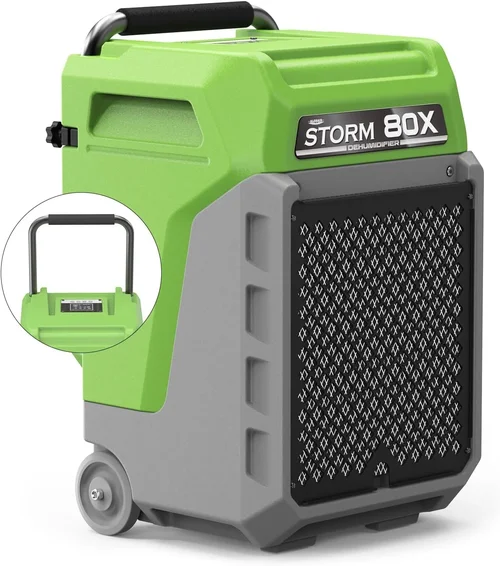
Expert Tips for Getting the Best Deal
– Buy during off-seasons: Humidity control demand peaks in summer. Purchase in fall or winter when retailers offer discounts to clear inventory.
– Shop authorized dealers: Avoid third-party sellers on marketplaces. Authorized dealers often include free shipping, extended warranties, and technical support.
– Bundle with accessories: Some retailers offer deals when you buy hoses, filters, or remote sensors together.
– Check for rebates: Utility companies sometimes offer rebates for ENERGY STAR-certified commercial dehumidifiers—especially in humid regions.
– Negotiate for bulk purchases: If you need multiple units, contact manufacturers directly for volume pricing.
– Read professional reviews: Look beyond consumer sites. Restoration forums, HVAC journals, and trade publications offer unbiased, real-world insights.
– Test before committing: If possible, rent a unit for a week to evaluate performance in your specific environment.
– Prioritize serviceability: Choose models with easily replaceable parts. A dehumidifier is only as good as its ability to be repaired quickly.

Frequently Asked Questions
Q: Can a commercial dehumidifier with a pump run continuously?
A: Yes, most commercial-grade units are designed for 24/7 operation. Look for models labeled “continuous duty” or “commercial duty” with robust compressors and thermal protection. Just ensure regular maintenance to prevent overheating or component wear.
Q: How high can the pump lift water?
A: Most built-in pumps can lift water 15–20 feet vertically. Always check the manufacturer’s specifications, as exceeding the lift limit can damage the pump or cause leaks.
Q: Do I still need a drain hose?
A: Yes. Even with a pump, you’ll need a condensate hose (usually 1/4″ or 3/8″ ID) to direct water to a floor drain, sink, or outside. Use reinforced tubing to prevent kinking.
Q: What’s the difference between a standard and LGR dehumidifier?
A: LGR (Low-Grain Refrigerant) dehumidifiers are optimized for cold, dry environments and can extract moisture at lower humidity levels (down to 20–30% RH). Standard units work best above 50% RH. Choose LGR for restoration or cold storage.
Q: How often should I clean the filter?
A: Clean the air filter every 2–4 weeks during heavy use. A clogged filter restricts airflow, reducing efficiency and straining the motor.
Q: Can I use a commercial dehumidifier in a residential setting?
A: Yes, but it may be overkill. Commercial units are louder, larger, and more expensive. Only consider one if you have a large home, basement, or chronic moisture issues.
Q: What’s the average lifespan of a commercial dehumidifier?
A: With proper maintenance, most commercial units last 5–10 years. High-end models from reputable brands can exceed 10 years in moderate use.
Q: Are commercial dehumidifiers energy efficient?
A: Many modern models are ENERGY STAR certified and use efficient compressors and fans. Look for units with high liters per kilowatt-hour (L/kWh) ratings—typically 1.5–2.5 L/kWh or higher.
Q: Can I connect multiple dehumidifiers together?
A: Yes, for large jobs, professionals often use multiple units in tandem. Ensure they’re on separate circuits to avoid overloading electrical systems.
Q: What should I do if the pump stops working?
A: First, check for clogs in the hose or pump chamber. Ensure the float switch isn’t stuck. If the pump still fails, contact the manufacturer—many offer pump replacement kits.
Our Final Recommendations
Best for Budget-Conscious Buyers: AlorAir Sentinel HDi90 – At under $700, this 90-PPD unit offers excellent value with a reliable pump, auto-defrost, and durable steel cabinet. Ideal for small businesses and light commercial use.
Best Overall Value: Dri-Eaz F413 Revolution – Priced around $1,200, this 120-PPD powerhouse delivers top-tier performance, a 20-foot pump lift, and advanced diagnostics. A favorite among restoration professionals.
Best Premium Option: Quest 50 Dual – With 150 PPD capacity, dual pumps, and Wi-Fi monitoring, this $2,200 unit is built for demanding environments like data centers and hospitals.
Best for Beginners: AprilAire E080 Pro – User-friendly interface, quiet operation, and strong brand support make this 80-PPD model perfect for first-time commercial buyers.
Best for Advanced Users: Dri-Eaz F415 LGR Pro – A 250-PPD restoration beast with data logging, remote sensors, and extreme cold-weather performance. Built for pros who need maximum control and documentation.
Conclusion: Making the Right Choice
Choosing the best commercial dehumidifier with a pump isn’t just about picking the most powerful or expensive model—it’s about matching the right tool to your specific environment, usage patterns, and long-term goals. From performance specs and pump reliability to build quality and warranty support, every factor plays a role in ensuring your investment pays off in comfort, safety, and efficiency.
Remember, the cheapest option isn’t always the most cost-effective, and the flashiest features aren’t always necessary. Focus on your core needs: How much moisture do you need to remove? Where will the unit be placed? How often will it run? By answering these questions honestly and using the guidance in this article, you’ll be well-equipped to make a confident, informed decision.
Whether you’re protecting inventory, preserving equipment, or restoring a water-damaged building, the right dehumidifier can make all the difference. Take your time, do your research, and don’t hesitate to consult with professionals or reach out to manufacturers directly. Your space—and your peace of mind—deserve nothing less.